Custom Food Trays
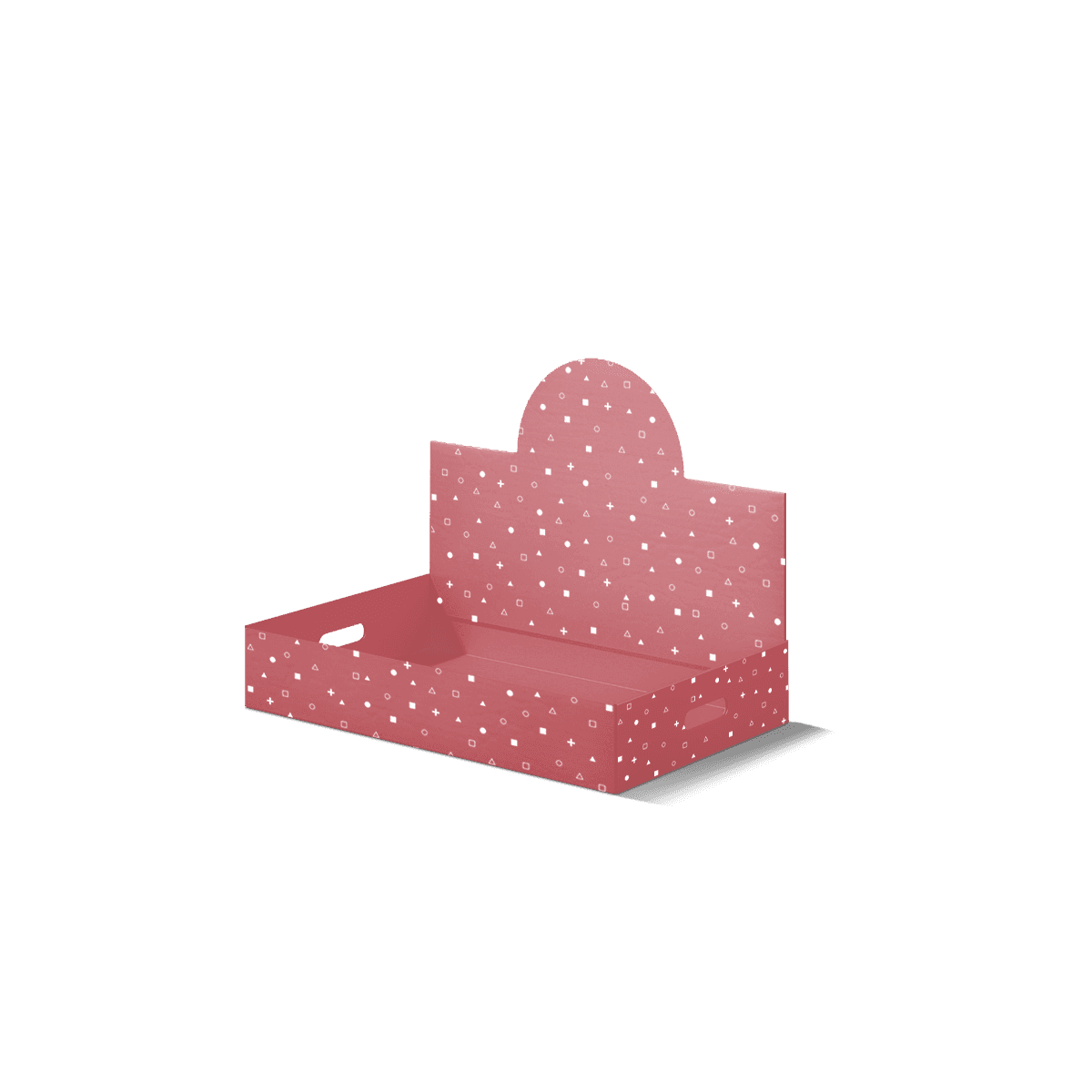
Serve loaded fries, wings, snacks and event meals in open paperboard trays shaped around portion weight, sauce movement, grip and counter speed.
Free Design Support
Clear Pricing
Flexible Quantities
Unlimited Customization
Premium Materials
Offset Precision
Free Shipping
Quick Turnaround
Custom Printed Food Trays for Fast Open Service
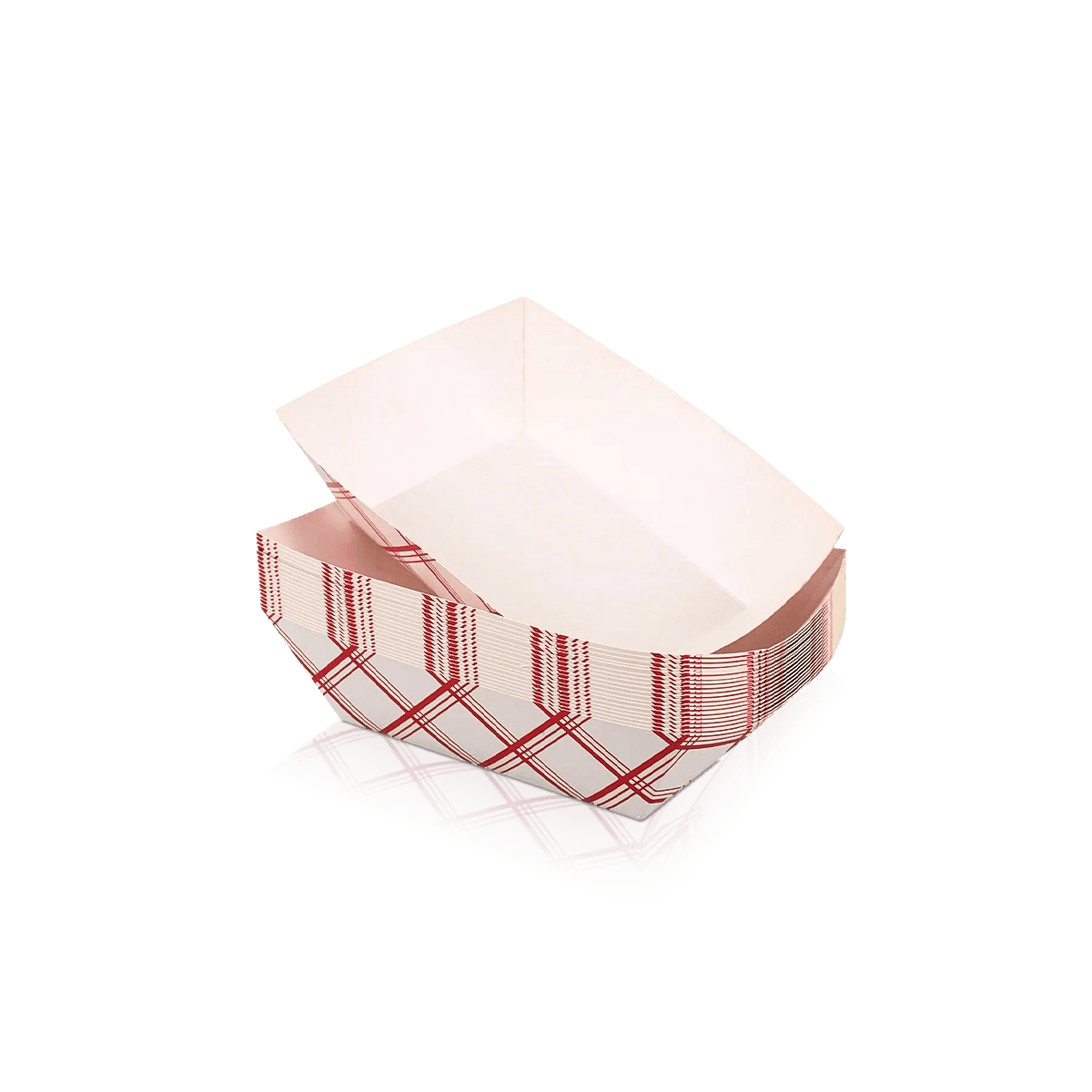
Custom Food Trays keep meals visible and easy to eat without the extra lid or flap used on a closed carton. They suit fries, wings, hot dogs, nachos, fried snacks, pastries and other food served for quick eating.
A useful tray holds the full portion without forcing food over the rim. Its base stays level, its corners remain closed and its side walls give customers a secure place to hold the meal.
Cafes, food trucks, cinemas and event teams can match trays with cups, bags and other Custom Cafe and Takeaway Packaging. Plan the tray around the food. Also check the serving tools and time between filling and eating.
Use open trays for food eaten soon
Open trays work best when customers will eat the food soon after handover. They give easy access and let heat escape rather than trapping steam around crisp food.
For longer delivery or meals that need a lid, Custom Takeaway Boxes may give better cover and stacking protection.
Start with the messiest regular meal
Do not size the tray around the driest menu item. Use the heaviest portion with the most sauce, oil or toppings. That test shows whether the base, walls and corners can handle normal service.
Match Tray Depth to the Finished Portion
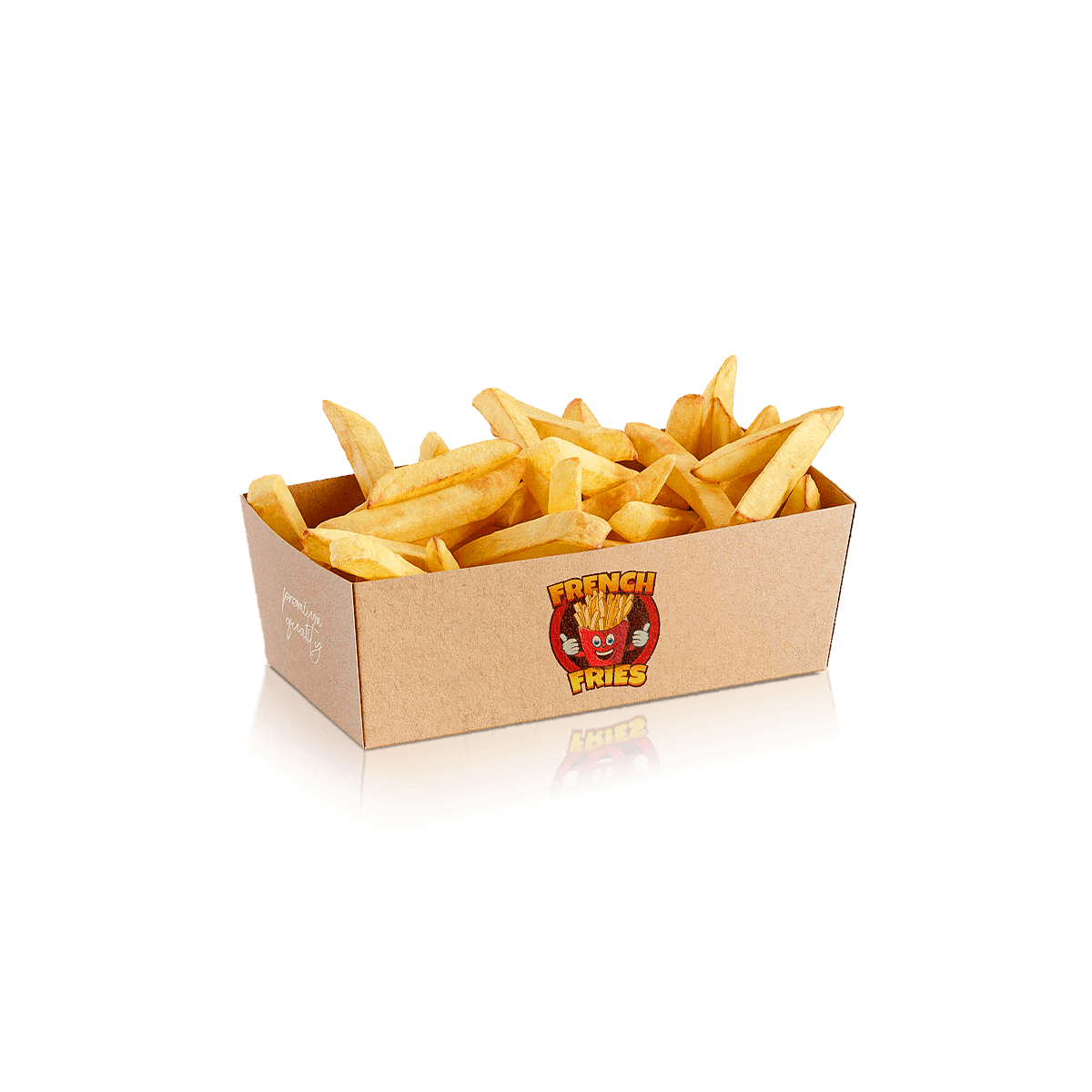
Custom Food Trays need enough depth to contain the meal. They should also keep it easy to see and reach. A shallow tray suits crisp snacks. A deeper tray gives loaded food more side support. The best Custom Food Trays match the portion instead of using one deep shape for every meal.
Custom Food Trays for fries and dry snacks
Fries, wedges, churros and dry finger food often suit a low wall. The open shape makes the portion easy to pick up and keeps crisp food from sitting in trapped steam.
Test the tray with the normal scoop and a full serving.
Custom Food Trays for wings and loaded fries
Wings, nachos and loaded fries need more control around the sides. A medium wall helps keep toppings and small pieces inside without hiding the food.
Custom Food Trays for loaded meals also need enough base area. A narrow tray can push toppings into a tall pile. That makes the meal harder to carry.
Deeper trays for mixed event meals
A deeper paperboard tray can suit sausages, sliders, fried chicken pieces and mixed tasting serves. It may also work for a main item with a small dry side.
Do not treat a deeper tray as a sealed container. Loose liquids and long delivery times may need another structure. Well-sized Custom Food Trays still work best for meals eaten soon.
Keep the Base Firm Under Heat and Sauce
The base carries the full meal. It also receives most of the oil, sauce and heat. Test Custom Food Trays at the temperature and hold time used in real service.
Watch the corners first
Oil and sauce often move towards the folds. Weak corner construction can soften, stain or open before the centre of the tray shows a problem.
Fill the tray and leave it for the normal handover period. Then lift it from one end. This check can reveal flexing and corner leaks. Custom Food Trays with weak lower folds often show the problem first at a corner.
Choose paperboard for the recipe
Paperboard weight, fibre, folds and surface treatment work together. A light tray may suit dry pastries or samples. Heavy, oily food may need firmer board. It may also need a grease-resistant surface suited to the meal.
Food-contact suitability must be confirmed for the final paper, ink and coating. Food businesses must use packaging that is fit for its intended purpose and unlikely to contaminate food.
Avoid trapping steam around crisp food
The open top allows steam to leave. That can help fries, crumbed snacks and fried food stay more presentable during short counter service.
A tray cannot preserve crispness on its own. Fry temperature, draining time, sauce placement and waiting time still matter.
Shape the Walls for Carrying and Eating
Custom Food Trays need side walls that contain the meal without making it awkward to hold. The angle, rim and corner folds all affect how the tray feels in one or two hands.
Give fingers a clean holding area
Customers often grip the lower side walls. Keep that area firm and avoid placing the messiest food above a weak edge.
A tray that is too wide for one hand may still work inside a paper bag or on a table. The serving method should set the width.
Use corners that stay locked
Corners should not open when the tray is full. The fold must also form without slowing staff during a rush.
The folding ideas used in Custom Folding Cartons and Tuck Boxes can support clean creases and firm locks. Custom Food Trays still need an open top and their own grease checks.
Keep the eating edge comfortable
Customers may rest a hand against the upper rim or reach across it with a fork. The edge should feel clean and even once the tray is formed.
Very high walls can block access. Very low walls can let food fall out.
Make Filling Faster at the Counter
Custom Food Trays should suit the way staff portion, garnish and hand over food. A good tray cuts small delays at the busiest point of service. Custom Food Trays for busy counters should also form in a few clear folds.
Check the scoop and tong clearance
The opening must give the scoop, tongs or serving spoon enough room. Narrow upper edges can catch utensils and push food onto the counter.
Form several trays and fill them in sequence. Check that the opening stays clear.
Keep different depths easy to identify
Two tray sizes may look alike when stored flat. Add a clear size name, small code or edge mark. Staff should see it before forming the tray.
Store each size in a labelled position. This is especially useful when one counter serves fries, wings and loaded meals from different stations.
Plan the handover with drinks and sides
A customer may also carry a cup, napkins and sauce tubs. The tray should stay level when the full order is handed over.
Custom Paper Bags can carry sealed condiments, cutlery and light extras while the open tray remains upright.
Print Where Food and Hands Leave Space
Custom Food Trays give branding a visible place at the counter, on tables and in event photos. Food will cover the base. Fingers will cover the lower walls. Printed Custom Food Trays should place the main mark above both areas.
Use the outer side walls
Side walls are usually the clearest print area once food is added. Place the logo where it remains visible from the front and does not cross a corner fold.
Bold marks, simple patterns and short messages often read better than fine detail on a small tray.
Keep internal print purposeful
Inside printing can add a message as food is eaten. Every ink and coating must suit the intended food contact. The message may stay hidden until the meal is almost finished.
Use the outside first. Add inside print only when it has a clear role and the material specification supports it.
Check artwork on the formed tray
A flat dieline does not show how a logo will look across angled walls. A 3D mockup will usually be enough to approve panel direction, fold clearance and the visible brand area.
Custom Packly can align dimensions, print placement and board through Customisation. Suitable finishes can also be reviewed there. Premium offset printing can keep repeat artwork clear when it suits the order.
Use Separate Trays for Different Menu Jobs
One universal size can create weak portions, wasted board and awkward carrying. Custom Food Trays work better when each size has a clear menu role. Each set of Custom Food Trays should solve a known serving need.
Fries and crisp sides
A narrow shallow tray can support fries, wedges, onion rings and similar sides. The opening should make the portion look full without pressing the food together.
Sauce can sit in a separate lidded cup rather than pooling in the tray. This keeps the grip cleaner and protects crisp texture.
Wings and sauced snacks
Wings and coated snacks need more base strength and wall height. The tray should contain bones, crumbs and sauce during eating.
Test the heaviest serving and the longest normal hold. A tray that works for six dry wings may not suit twelve sauced wings.
Loaded meals and event serves
Loaded fries, nachos and tasting meals need room for toppings. A broad base spreads the food and can make garnish easier to see.
For example, a venue may keep one shallow tray for plain fries and one wider, firmer tray for loaded fries. The two sizes then solve different service problems rather than simply offering larger portions.
Prepare for Events, Rushes and Repeat Orders
Demand for Custom Food Trays can change with festivals, cinema releases, sporting events and seasonal menus. Plan each order around portion volume. Also consider how long the artwork can be used.
MOQ starts from 50, with support for larger quantities, repeat production and high-volume food-service needs. A small run can suit a menu test or event. Larger orders can support regular service and several locations.
Keep an everyday design in reserve
Keep one permanent design for normal trade. Limit dated event artwork to realistic demand.
Record the approved tray details
Keep the top size, base size and wall height for each tray. Also record the board, corner folds, coating and artwork version.
Custom Food Trays are easier to reorder when staff use the approved details. Broad names such as regular or large are not enough. Repeat them from the same record to protect fit and print placement.
Recheck the tray when the recipe changes
A new sauce, larger portion or heavier topping can change how the tray holds. Test it again before using it for a very different meal.
Local production and a typical 4 to 6 day turnaround can support planned orders. Final timing depends on quantity, material and artwork approval.
Quote Custom Food Trays From the Served Meal
A useful quote needs the real portion, service method and artwork details. Dimensions alone do not show how heat, oil and toppings affect Custom Food Trays.
Provide:
- food type and normal serving weight
- tray top length, width and preferred wall height
- dry, buttery, oily or sauced use
- hot or cold serving temperature
- typical time between filling and eating
- scoop, tongs or spoon used for serving
- shallow, medium or deep tray preference
- white or kraft-style print surface
- logo files, colours and campaign details
- quantity for each size and design
- event date or required delivery date
Photos of the full portion and current tray can reveal wall, grip and headroom issues. Send these details through Get a quote so Custom Food Trays can be priced around the meal and service routine.
FAQs
Related Industries
Related Packaging Styles
How it works
Simple steps from idea to delivery
Tell Us Your Specs

Tell Us Your Specs
Provide size, quantity, printing, and finishes.
Get a Fast Quote

Get a Fast Quote
Instant transparent pricing, no hidden fees.
Design and Approval

Design and Approval
Artwork checks, revisions, and final sign-off.
Produce

Produce
Expert manufacturing to meet deadlines.
Ship to Your Door

Ship to Your Door
Hassle-free, flexible delivery options.
Start Your Custom Packaging Quote
Share your product details, dimensions, quantity and artwork needs. We’ll help choose the right packaging style and send a clear quote.