Custom Folding Cartons and Tuck Boxes
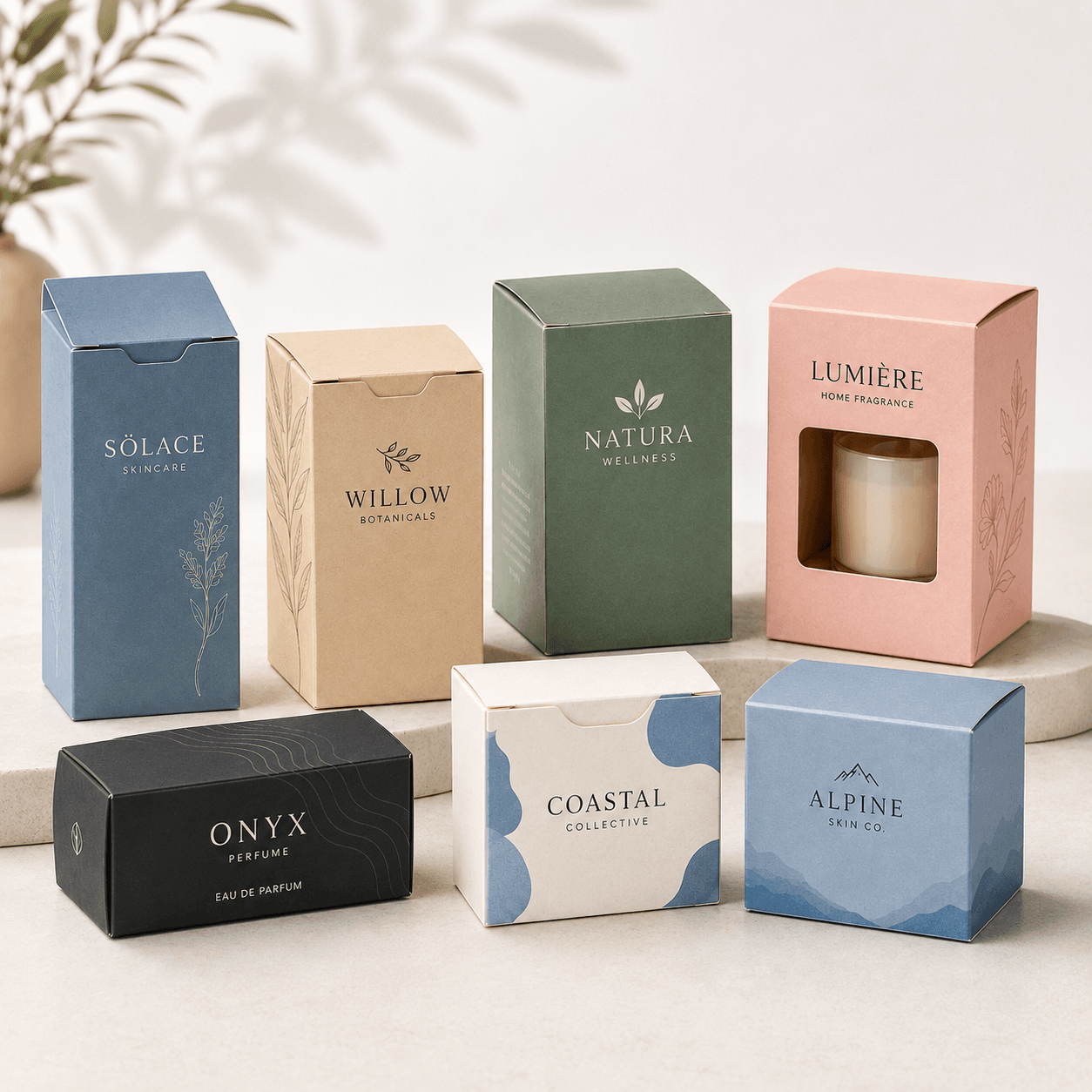
Lightweight retail cartons for beauty, food, wellness and product brands that need clean tuck closures, sharp print, fast packing and practical sizing support.
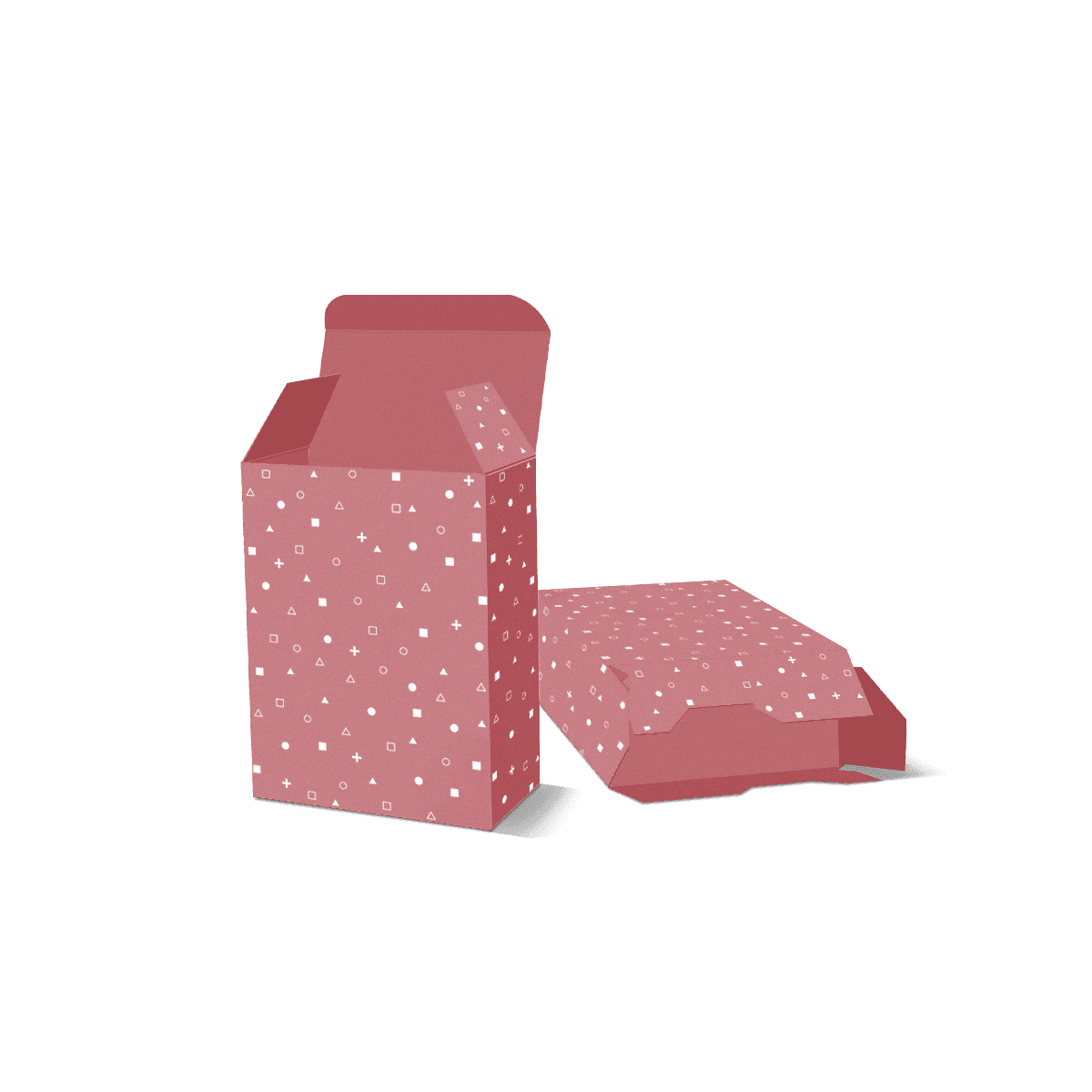
Auto Lock Bottom Boxes
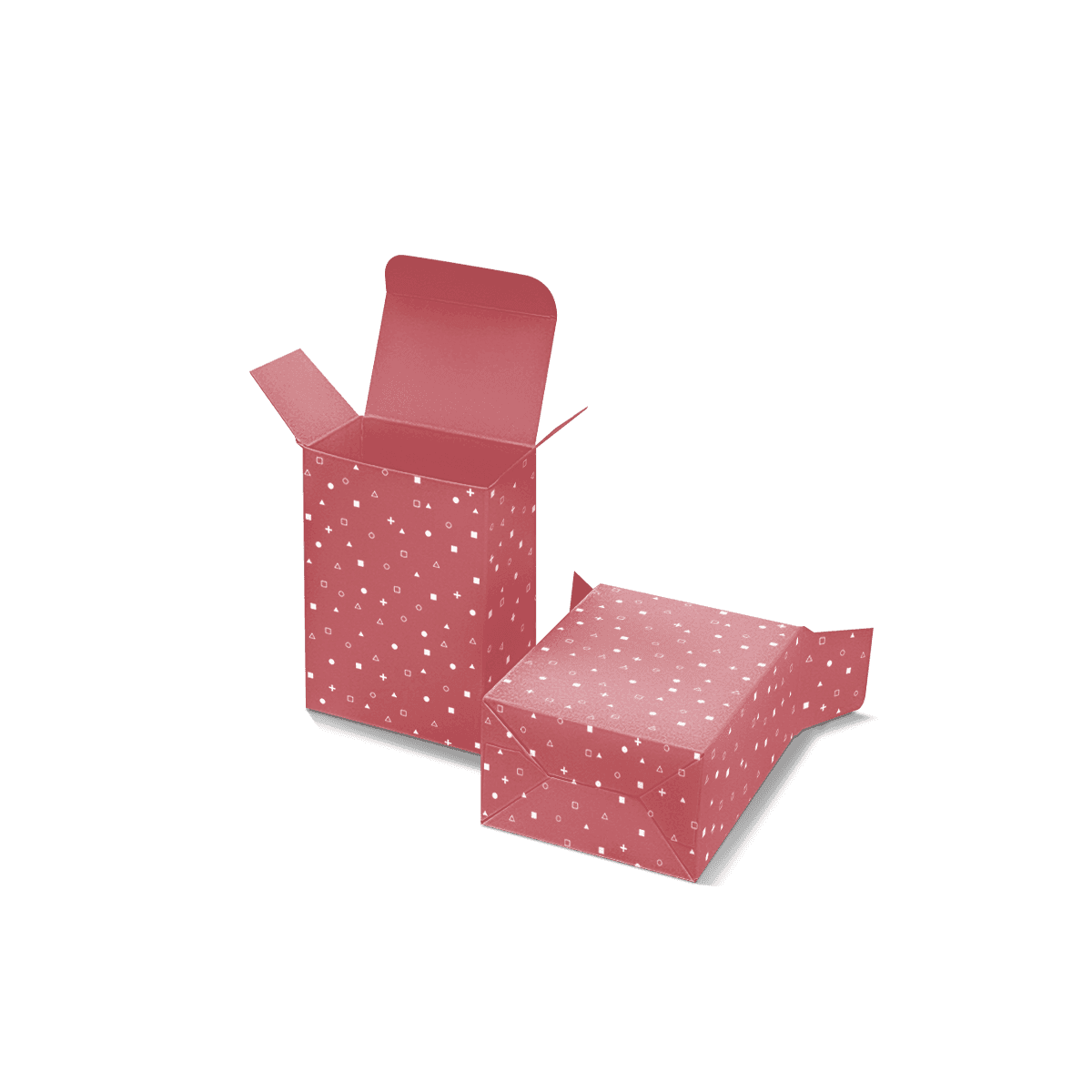
Crash Lock Bottom Boxes
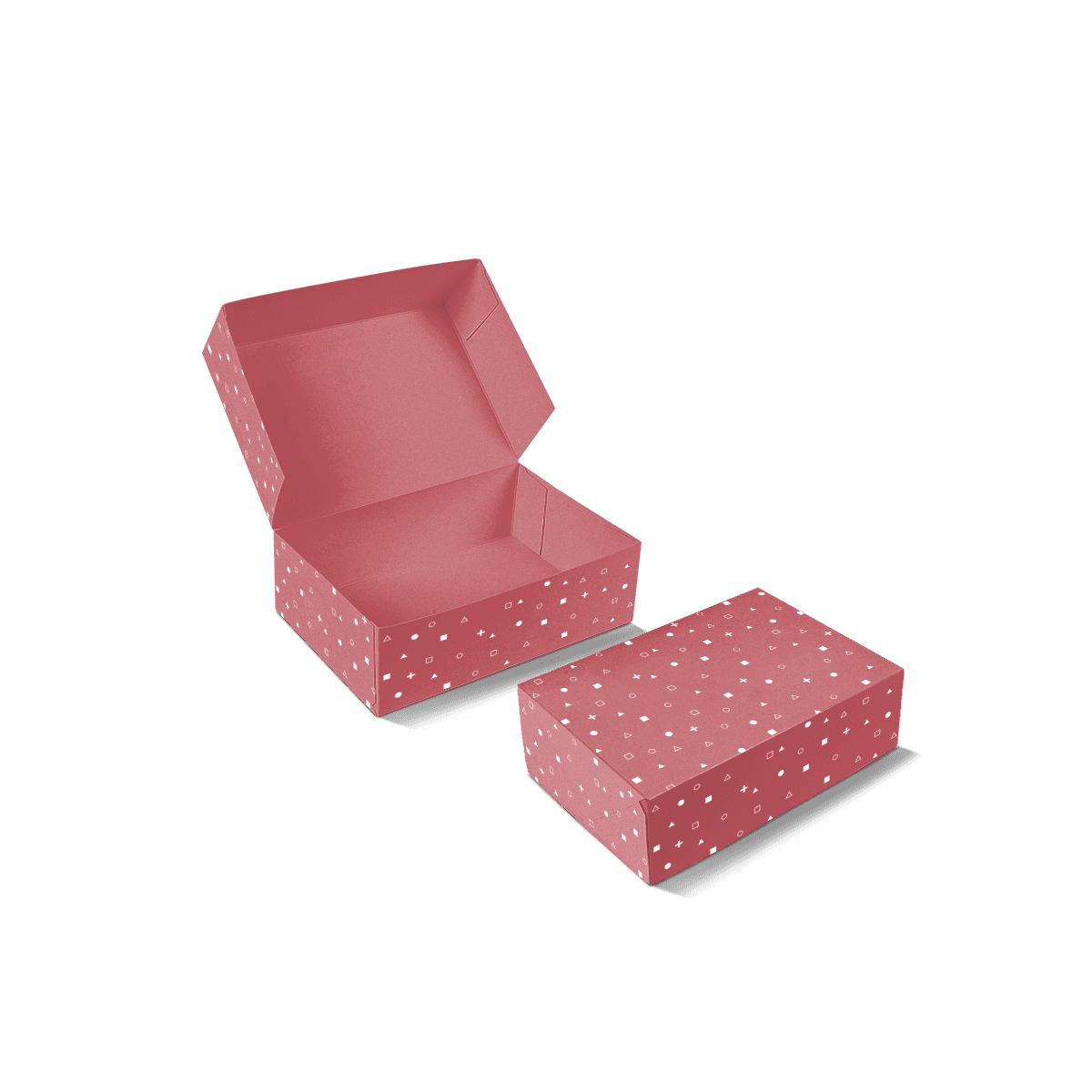
Six Corner Carton Boxes
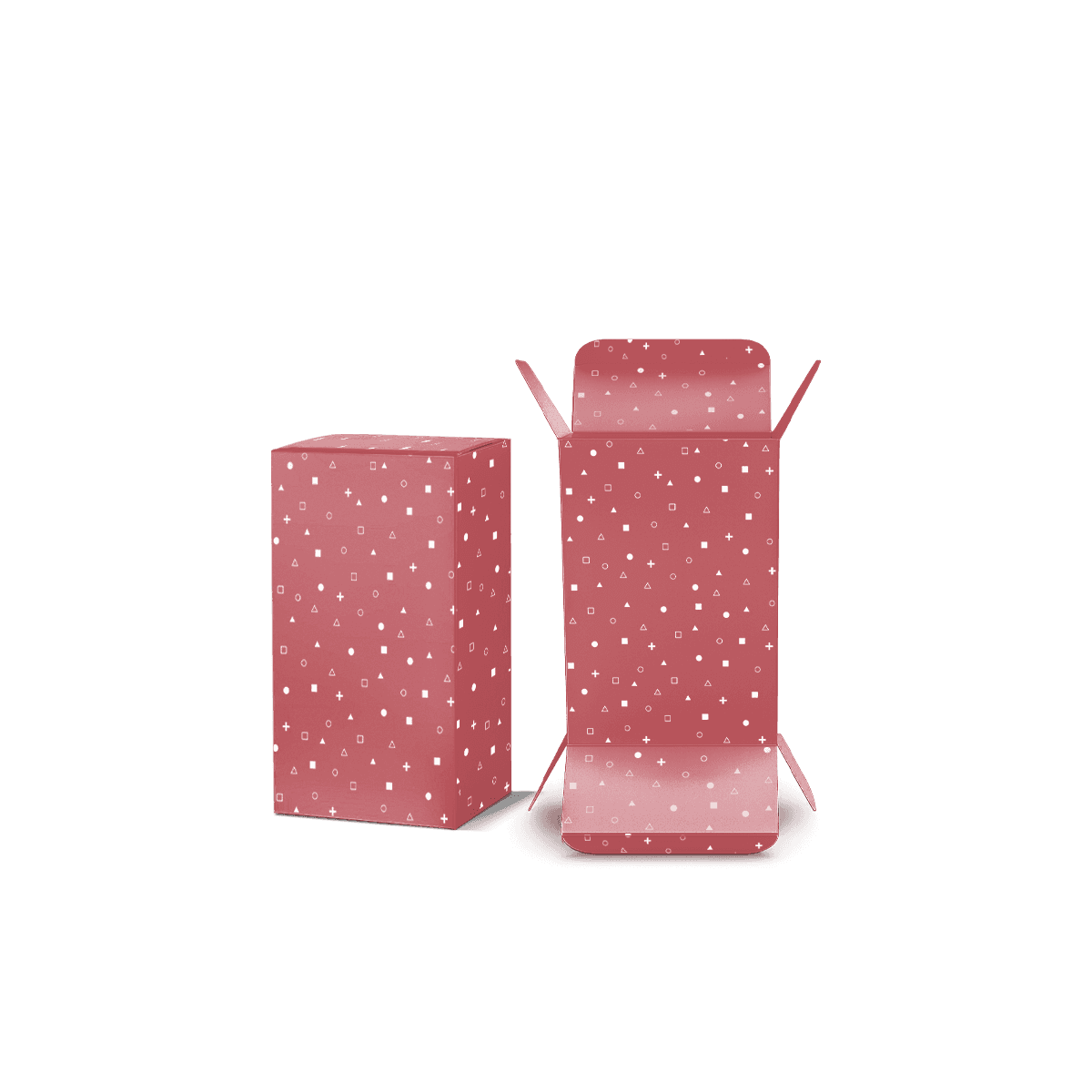
Reverse Tuck End Boxes

Snap Lock Bottom Boxes
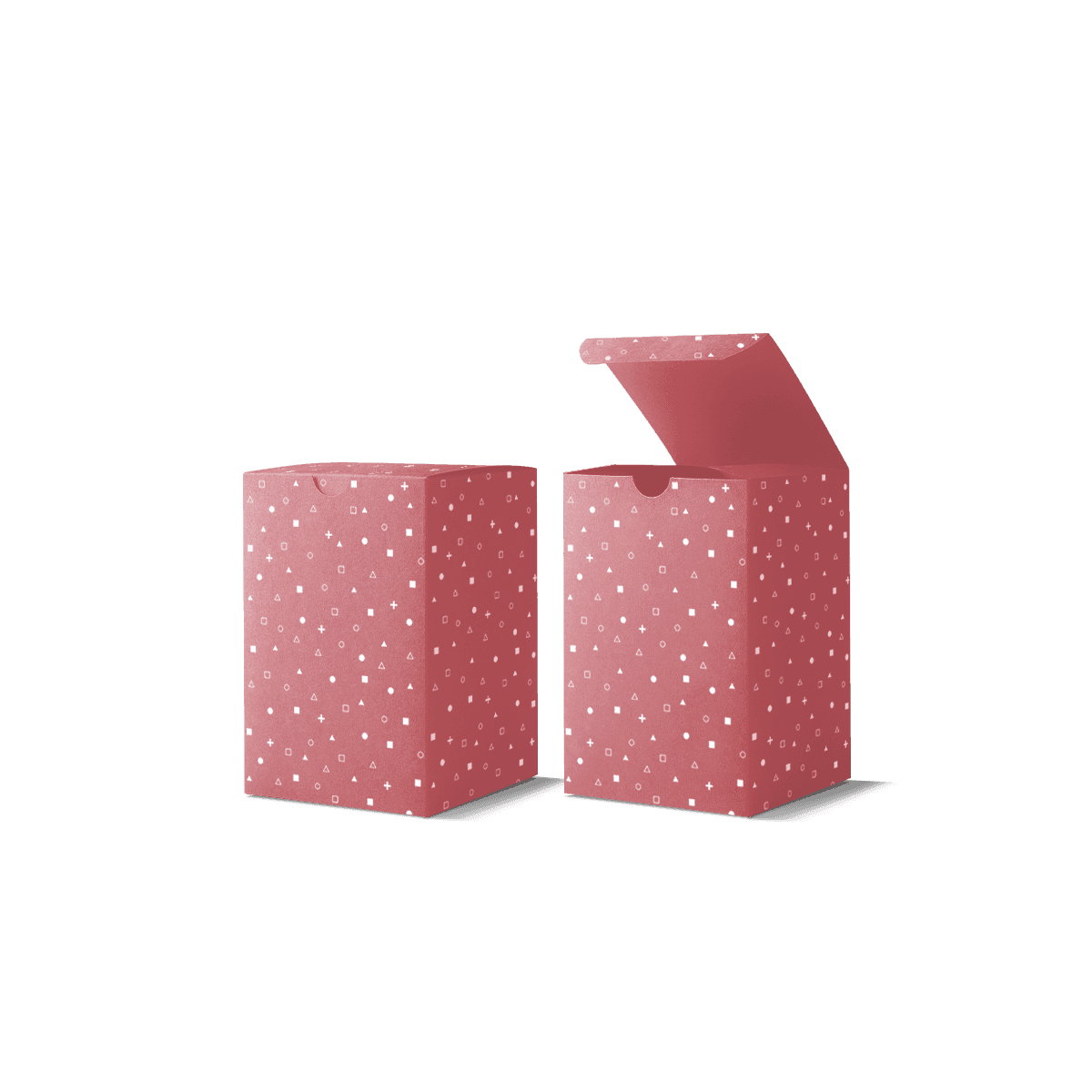
Tuck End Boxes
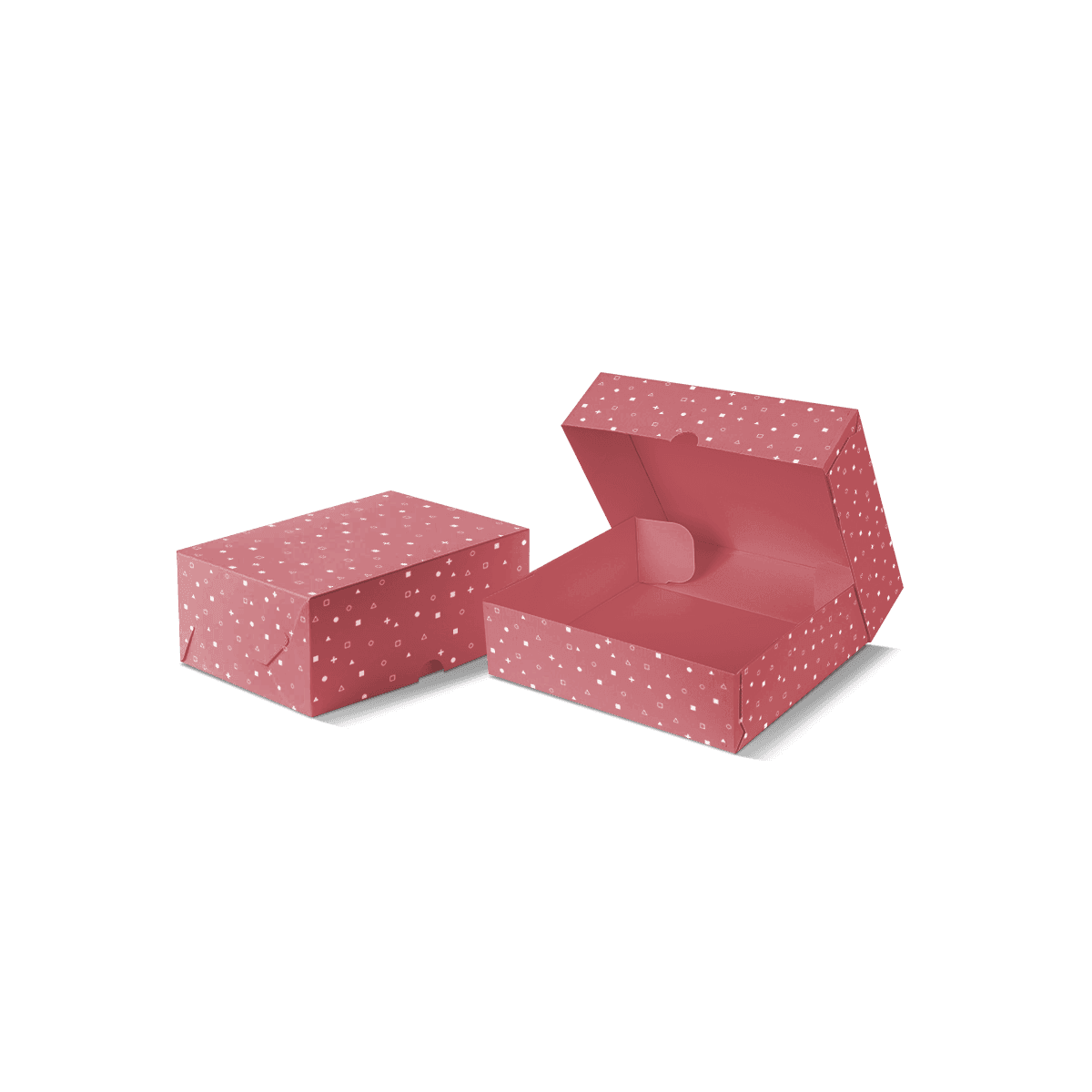
Four Corner Carton Boxes
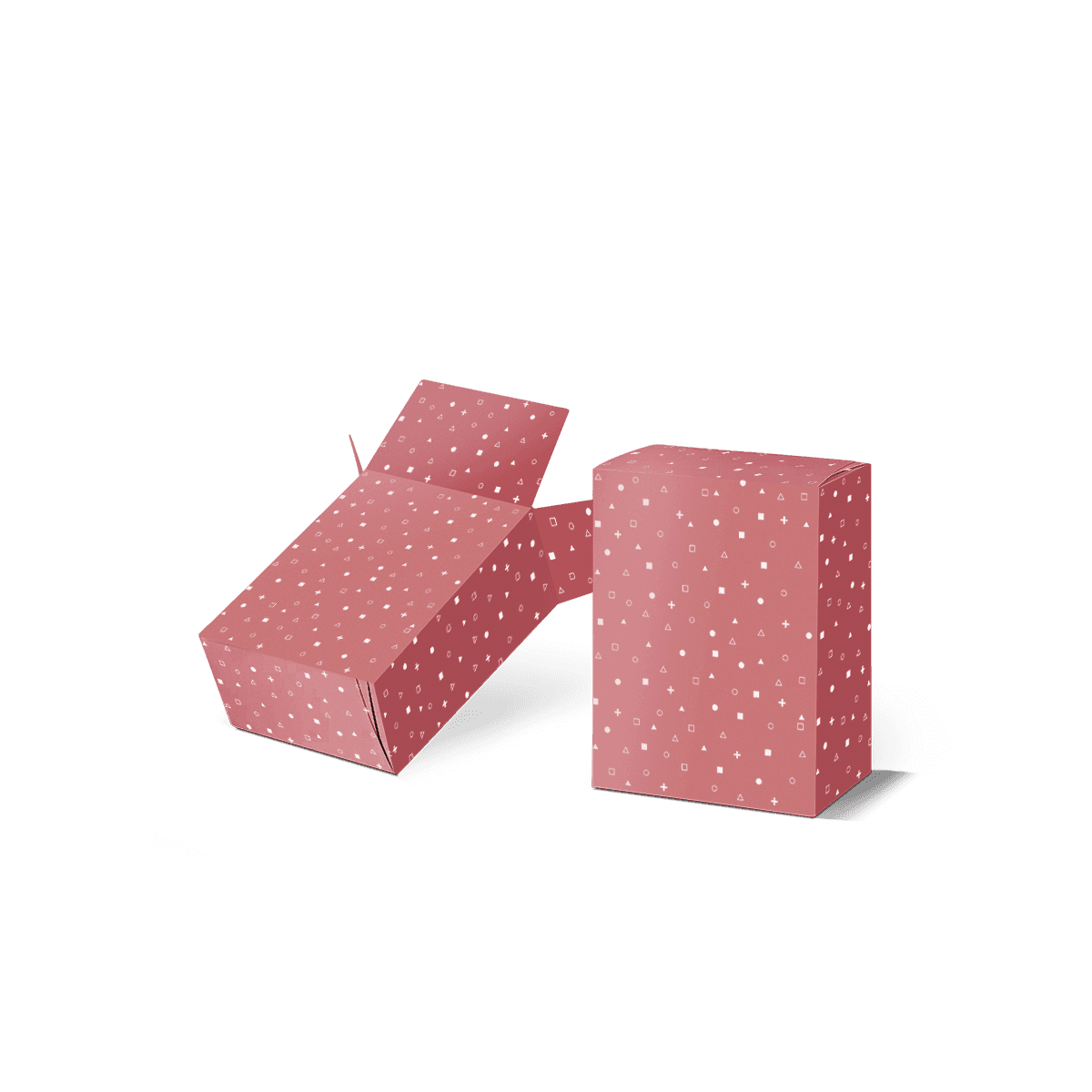
Seal End Boxes
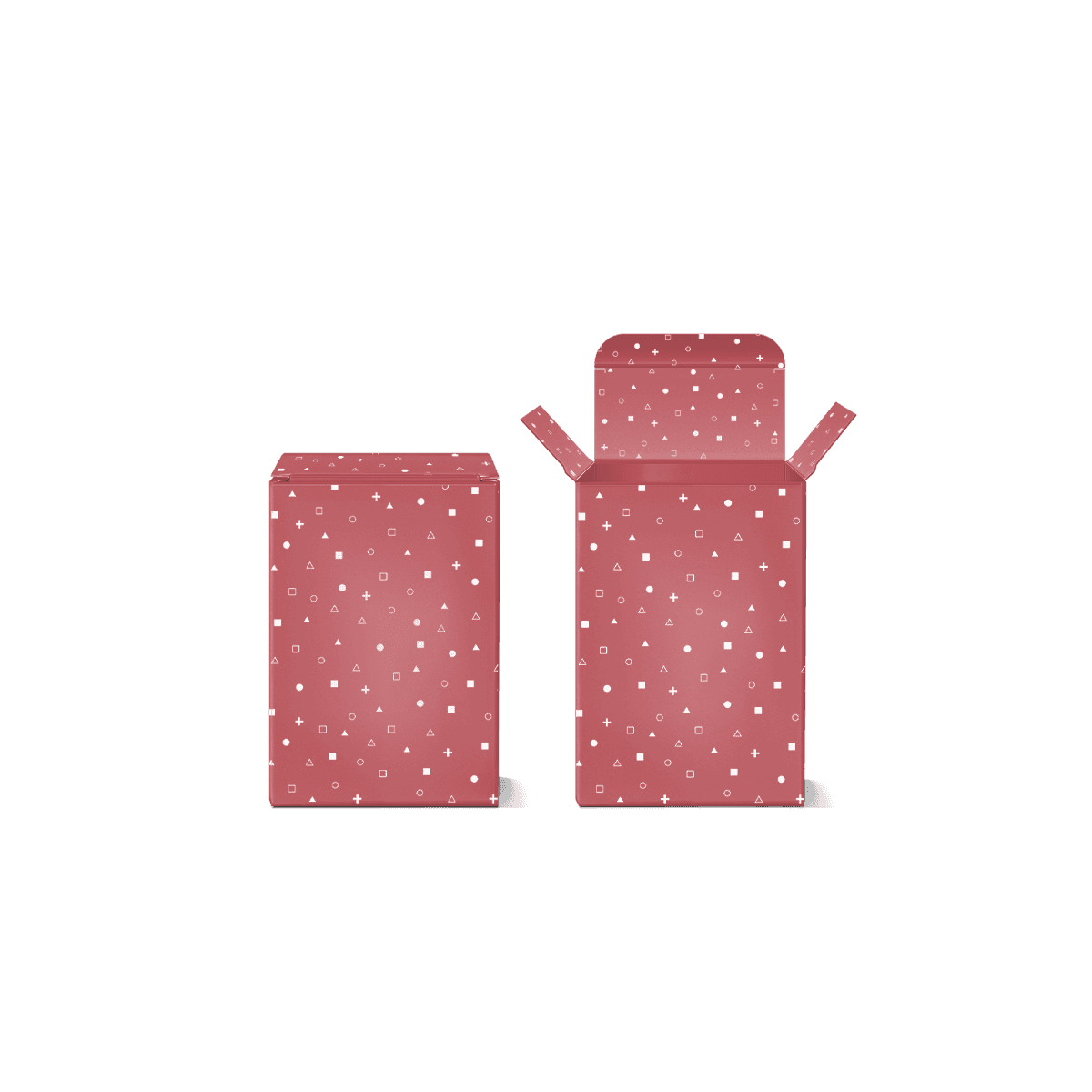
Straight Tuck End Boxes
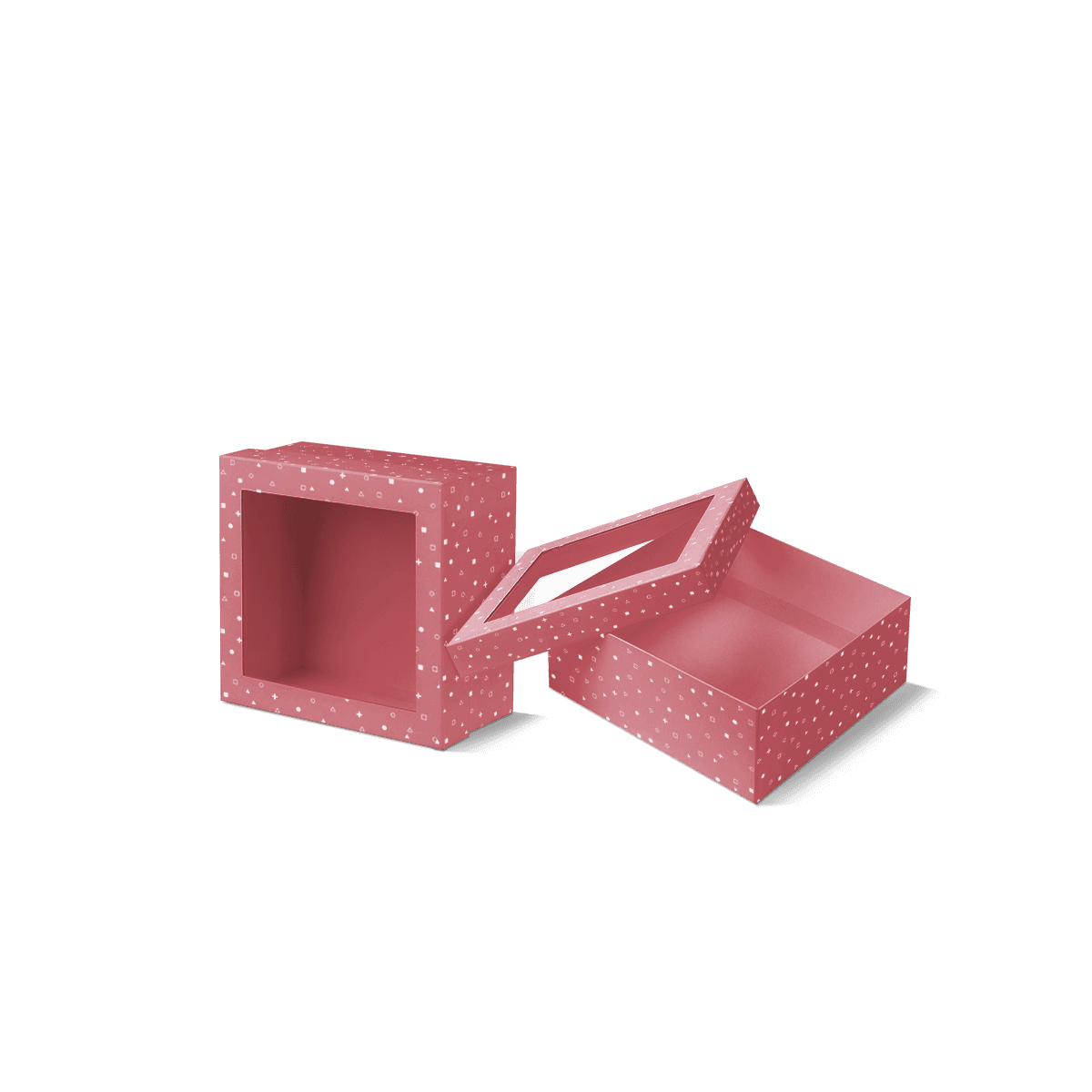
Window Carton Boxes
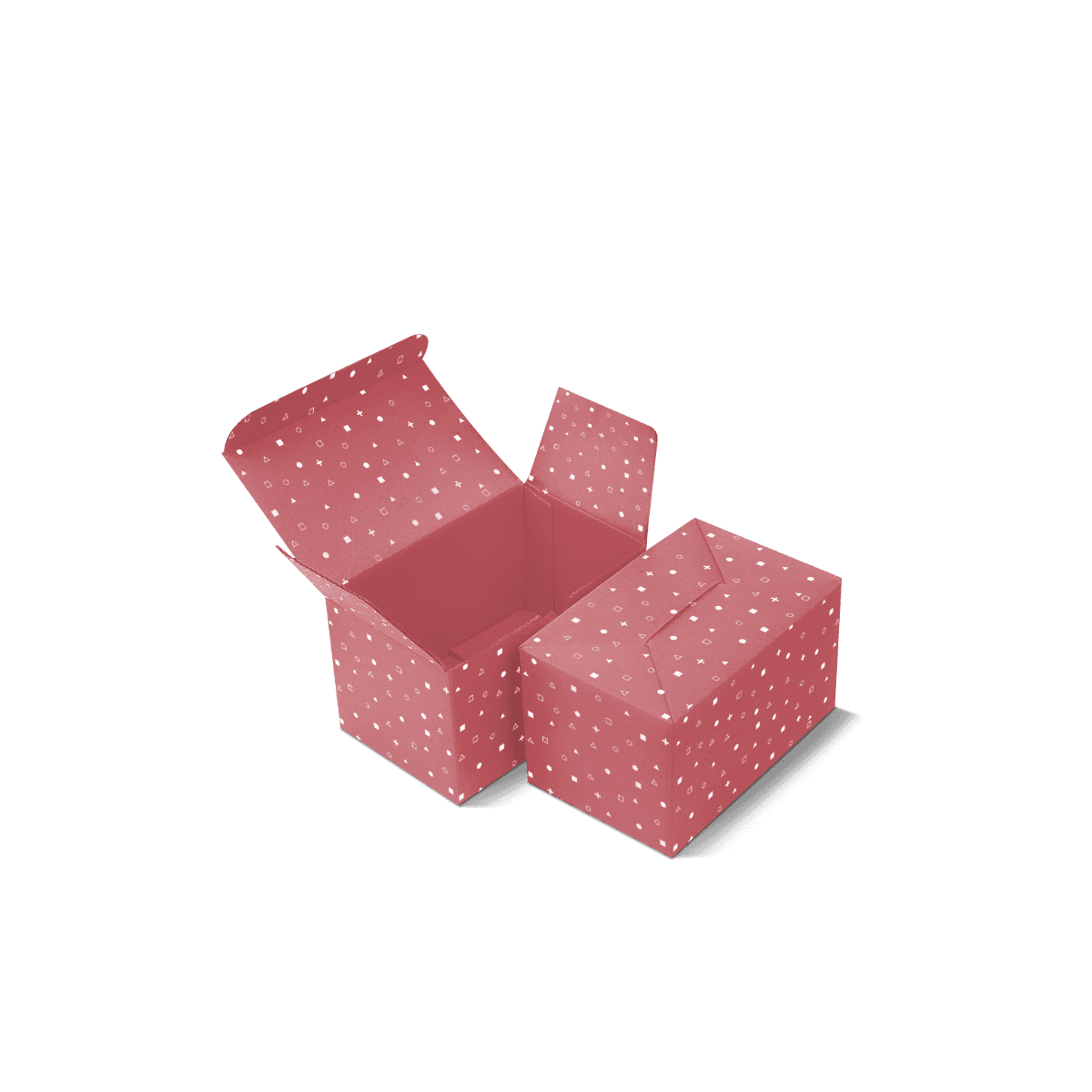
Tuck Top Auto Bottom Boxes

1-2-3 Bottom Boxes
Your product shouldn’t have to fit an off-the-shelf box.
Share the shape, size, material, finish, or insert you have in mind. We’ll turn the details into a tailored packaging recommendation and a clear quote.
Custom sizes · materials · finishes · inserts
Retail cartons made for real product fit
Custom Folding Cartons and Tuck Boxes are lightweight printed product boxes used when a product needs retail presentation, clear branding and a compact structure without the bulk of a shipping carton.
They suit small to medium products that need to sit neatly on shelves, inside gift sets or inside outer shipping packaging. Beauty products, supplements, candles, food items, electronics accessories, wellness products and small retail goods often use folding cartons because they offer strong print space, easy handling and efficient storage.
Unlike corrugated boxes, folding cartons usually rely on paperboard, carefully placed creases and tuck closures. The structure looks simple from the outside, but the box needs the right panel layout, flap depth, board thickness and dieline setup to open, close and stand correctly.
Custom Packly helps brands choose the right carton style before artwork begins. That means your packaging is built around the product first, then shaped around print, finish, shelf display and packing speed. For brands already improving their packaging system, Custom Printed Boxes can sit alongside this carton range when colour accuracy and branded presentation are the main focus.
Why folding cartons work for retail products
Folding cartons work well because they give small products a branded, printable and shelf-ready outer pack without adding unnecessary bulk.
A good carton does more than hold the product. It helps the product stand upright, shows important product information, protects against everyday handling and creates a more finished look in-store or during unboxing. The front panel carries the main visual message. The side panels can hold ingredients, usage notes, barcode details or batch information. The top and bottom flaps keep the box closed while still allowing easy access.
Flat storage before packing
Folding cartons ship and store flat before use, which helps brands save space in storage rooms, fulfilment areas and retail back rooms. This matters for growing product ranges where several SKUs need their own box size or artwork.
Wide print panels for brand detail
The front, back, sides, top and bottom can all support print. That gives custom folding cartons more branding area than a plain sleeve or label. You can add product claims, usage steps, brand story, QR codes, shade names or variant colours without overcrowding one panel.
Easy handling for product teams
Tuck boxes are practical when staff need to pack by hand or prepare cartons in batches. Straight tuck, reverse tuck, auto lock and snap lock structures can each change how quickly the box is assembled and how secure the base feels.
Choose the closure before the artwork
The closure style should be chosen before artwork because flap direction, glue position and product loading affect both structure and panel design.
Straight tuck cartons, reverse tuck cartons and auto bottom cartons can all look similar once printed, but they behave differently during packing. A carton for a lightweight serum bottle does not need the same base support as a heavier candle jar. A food carton with a window does not need the same panel setup as a narrow electronics accessory box.
Straight tuck end cartons
Custom Straight Tuck End Boxes are often used when brands want a neat front face and a simple top-to-bottom loading style. Both tuck flaps fold in the same direction, which can create a cleaner front and back panel layout for beauty, skincare, wellness and retail items.
Reverse tuck end cartons
Custom Reverse Tuck End Boxes use flaps that tuck from opposite directions. This style can be efficient for small product cartons and helps reduce board waste in many layouts. It is a common choice for compact retail products, supplements, cosmetics and boxed accessories.
Auto lock and crash lock bases
Custom Auto Lock Bottom Boxes and crash lock styles are useful when the bottom needs to open quickly and hold more weight than a basic tuck base. These carton styles are helpful for bottles, jars, small food items and products that slow packing teams down when the base must be folded manually.
Seal end and window cartons
Seal end cartons suit products where the ends should stay closed after packing. Window carton boxes work when buyers need to see colour, texture, flavour, shade or product shape before purchase. The window needs to be planned with the dieline so the cut-out does not weaken an important fold or hide key artwork.
Board choice changes the carton feel
The board should match the product weight, shelf use and finish style because folding cartons rely on clean creases and stable panels.
Paperboard is the main material for most custom folding cartons and tuck boxes. It gives a smooth printable surface and folds cleanly when the thickness is matched to the carton size. Kraft board can create a natural look for eco-focused brands, while white board gives stronger colour brightness for full-colour artwork.
If the product is fragile, heavy or shipped without an outer box, folding cartons may need inserts, thicker board or a different structure. In some cases, Custom Rigid Boxes are better for luxury gifting or premium sets. In other cases, a folding carton inside a shipping box gives the right mix of retail appeal and delivery protection.
Paperboard for everyday retail cartons
Paperboard suits cosmetic cartons, supplement boxes, candle cartons, small food packaging and product sleeves that need a polished printed surface. The board grade and thickness affect how the carton stands, folds and resists dents.
Kraft board for natural product ranges
Kraft folding cartons work well for soap, wellness products, natural skincare, tea, handmade goods and brands that want a more earthy shelf look. Printed colours can appear softer on kraft, so artwork should be planned with that surface in mind.
Inserts for movement control
A folding carton can look correct outside but still fail if the product moves too much inside. Paperboard inserts, dividers, cradles or simple internal supports can help hold bottles, jars, tubes, small sets and delicate items in place.
Print and finish choices for shelf impact
Print should be planned around how the carton will be seen, handled and opened.
For retail products, the front panel usually needs the clearest hierarchy. The brand name, product name, variant, key benefit and any required information must work together without making the design feel crowded. Side panels can support ingredients, instructions, barcode placement and extra brand messaging.
Custom Packly supports premium offset printing for sharp detail, smooth colour and strong presentation. Full-colour print, Pantone-style colour direction, inside print, outside print and finish choices can all be planned before production. The best result comes from choosing finishes that suit the product, not just adding every effect available.
Matte and gloss coatings
Matte coatings can make beauty, wellness and premium retail cartons feel softer and more refined. Gloss coatings can help colours feel brighter and more energetic for food, confectionery, toys or promotional products.
Foil, embossing and Spot UV
Foil can highlight logos, product names or premium accents. Embossing adds raised texture. Spot UV can create contrast on selected artwork areas. These effects work best when used with restraint so the carton still feels clean and readable.
Inside print for a stronger opening moment
Inside print can add a premium touch when the buyer opens the tuck box. It works well for product instructions, brand messages, QR codes, care tips or repeat purchase prompts. For higher-value product packaging, Customisation / Capabilities can help connect structure, materials, finishes and artwork setup in one plan.
Dielines that respect folds and flaps
A folding carton dieline must account for cut lines, crease lines, glue tabs, tuck flaps, dust flaps, bleed and safe areas before artwork is placed.
This is where many carton problems start. A logo may sit too close to a crease. A barcode may cross a fold. A window may weaken a panel. A tuck flap may cover a printed message. A glue tab may land under important artwork. These issues are easier to fix before production than after sampling.
Custom Packly can help with dielines and print-ready artwork setup. You can use the Dieline Tool to prepare sizing and structure details, then ask for expert support if the carton needs a more specific layout.
Crease lines and safe artwork areas
Crease lines show where the board folds. Important text should stay away from these areas because folding can distort fine details. Safe areas help protect logos, barcodes, instructions and small type.
Bleed and cut accuracy
Bleed extends artwork beyond the trim line so colour reaches the edge after cutting. This matters for full-coverage print, coloured panels and patterns that wrap around the carton.
Windows and internal supports
Window cartons need careful planning because the cut-out changes the strength and look of the box. Inserts or internal supports may be needed if the product must sit in a fixed position behind the window.
Product categories that use tuck boxes
Custom Folding Cartons and Tuck Boxes are popular because the same basic packaging family can be adapted for many retail products.
Beauty brands use them for serums, creams, lip products, perfumes, soaps and makeup. Wellness brands use them for vitamins, supplements, herbal products and small kits. Food brands use them for chocolates, tea, confectionery, dry snacks and giftable items where the material and lining requirements suit the product. Retail brands use them for small electronics accessories, stationery, candles, sample packs and promotional goods.
Custom Beauty Packaging often pairs well with folding cartons because cosmetic products need neat shelf presence, accurate colour and compact product fit. For dry food, retail packs and beverage-adjacent products, Custom Food and Beverage Packaging can help align carton structure with display needs, product visibility and food-friendly material choices.
A practical example is a skincare brand launching a 30 ml serum in three variants. A straight tuck carton could hold the bottle, show the variant colour on the side panel and carry ingredients on the back. If the bottle moves inside the carton, a small paperboard insert can improve fit without moving into rigid packaging. For a heavier jar, an auto lock bottom may be the safer choice.
Small runs, launches and repeat carton orders
MOQ starts from 50, with support for larger carton runs, repeat orders and high-volume packaging programs as your range grows.
This makes custom folding cartons useful for first product launches, seasonal variants, limited editions and growing retail ranges. A small first run can help test fit, design and customer response. Larger repeat runs can improve consistency across SKUs, reduce reordering pressure and support better production planning.
Custom Packly offers free sample support before full production, 4 to 6 day turnaround where the project is production-ready, free delivery and expert guidance by chat, email and call. For repeat packaging, bulk storage and repeat-order discounts can help brands manage demand without changing carton quality between runs.
The key is to plan the carton system early. Keep the same structure across multiple product variants where possible. Change artwork, shade names, flavour panels or product details without changing every structural part. This keeps the range easier to manage and helps future orders stay consistent.
Quote details that prevent carton rework
A clear quote request should include the product size, product weight, carton style, quantity, material preference, print coverage, finish ideas and artwork status.
For folding cartons, small measurement mistakes can affect the whole structure. The carton needs enough room for the product, but not so much that the product rattles inside. If the product is a bottle, jar, tube or delicate item, include its exact dimensions and note whether it needs an insert. If the carton will sit on a shelf, mention which panel should face forward.
Useful details include:
- Product dimensions and weight
- Preferred carton style or product use
- Quantity for first run and expected repeat order volume
- Paperboard, kraft or premium finish preference
- Inside print, outside print or both
- Window, insert or divider needs
- Artwork status and launch deadline
When you are unsure about the right carton structure, send the product details first. Custom Packly can suggest whether straight tuck, reverse tuck, auto lock, seal end or window carton packaging makes more sense before you commit to artwork.
Packaging that works beyond the carton
Folding cartons often work best as part of a complete packaging system, especially when a product moves through retail, fulfilment and customer unboxing.
A retail product may need a folding carton for shelf presentation, a mailer or shipping carton for delivery and an insert for protection. A premium gift set may need a rigid box instead of a tuck carton. A food product may need a sleeve, window carton or paper bag depending on how it is sold.
For broader box planning, Custom Boxes can help connect folding cartons with mailer boxes, rigid boxes, display boxes and shipping packaging. For product-led launches, Custom Product Packaging is useful when the structure needs to match the full product journey from packing table to customer.
Custom Folding Cartons and Tuck Boxes are the right choice when your product needs a clean, printable and efficient carton. They are not always the right choice for heavy transit, luxury gifting or highly fragile products. A packaging expert can help you choose the structure that protects the product and supports the way it will be sold.
FAQs
Start Your Custom Packaging Quote
Share your product details, dimensions, quantity and artwork needs. We’ll help choose the right packaging style and send a clear quote.