Custom Reverse Tuck End Boxes
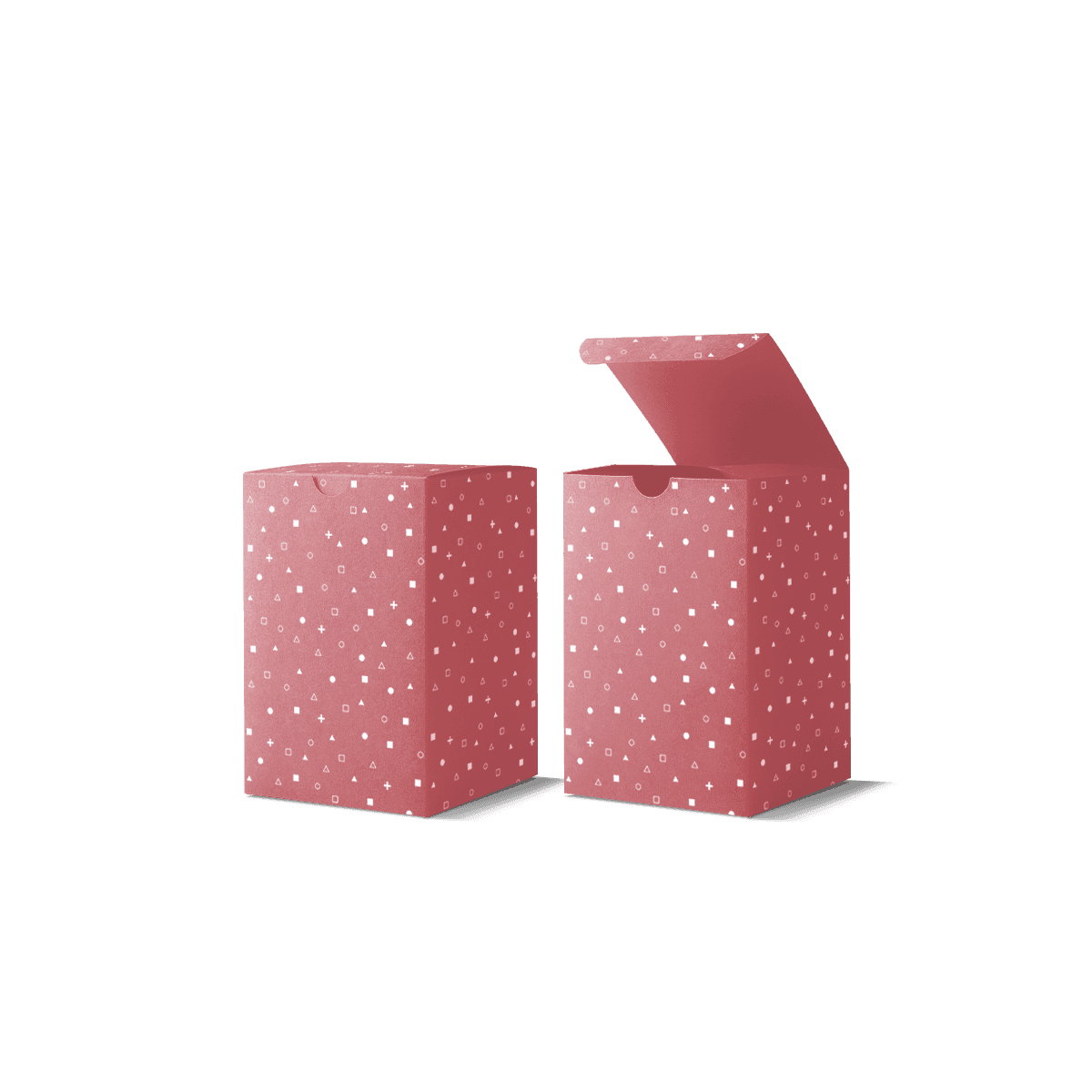
Compact folding cartons with opposite tuck flaps for beauty, wellness, food and small retail products that need clean closure and efficient packing.
Free Design Support
Clear Pricing
Flexible Quantities
Unlimited Customization
Premium Materials
Offset Precision
Free Shipping
Quick Turnaround
Reverse Tuck Closure for Small Retail Cartons
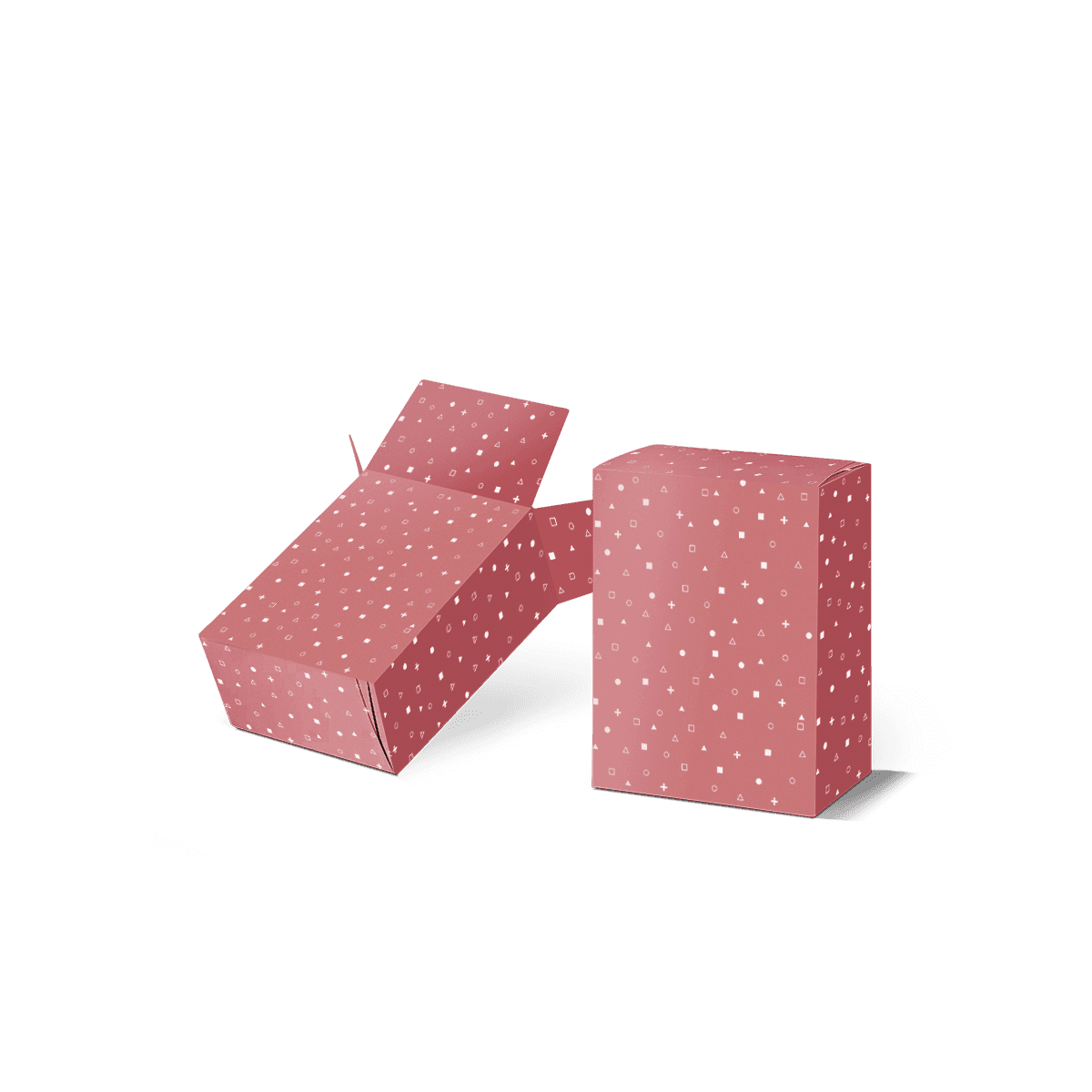
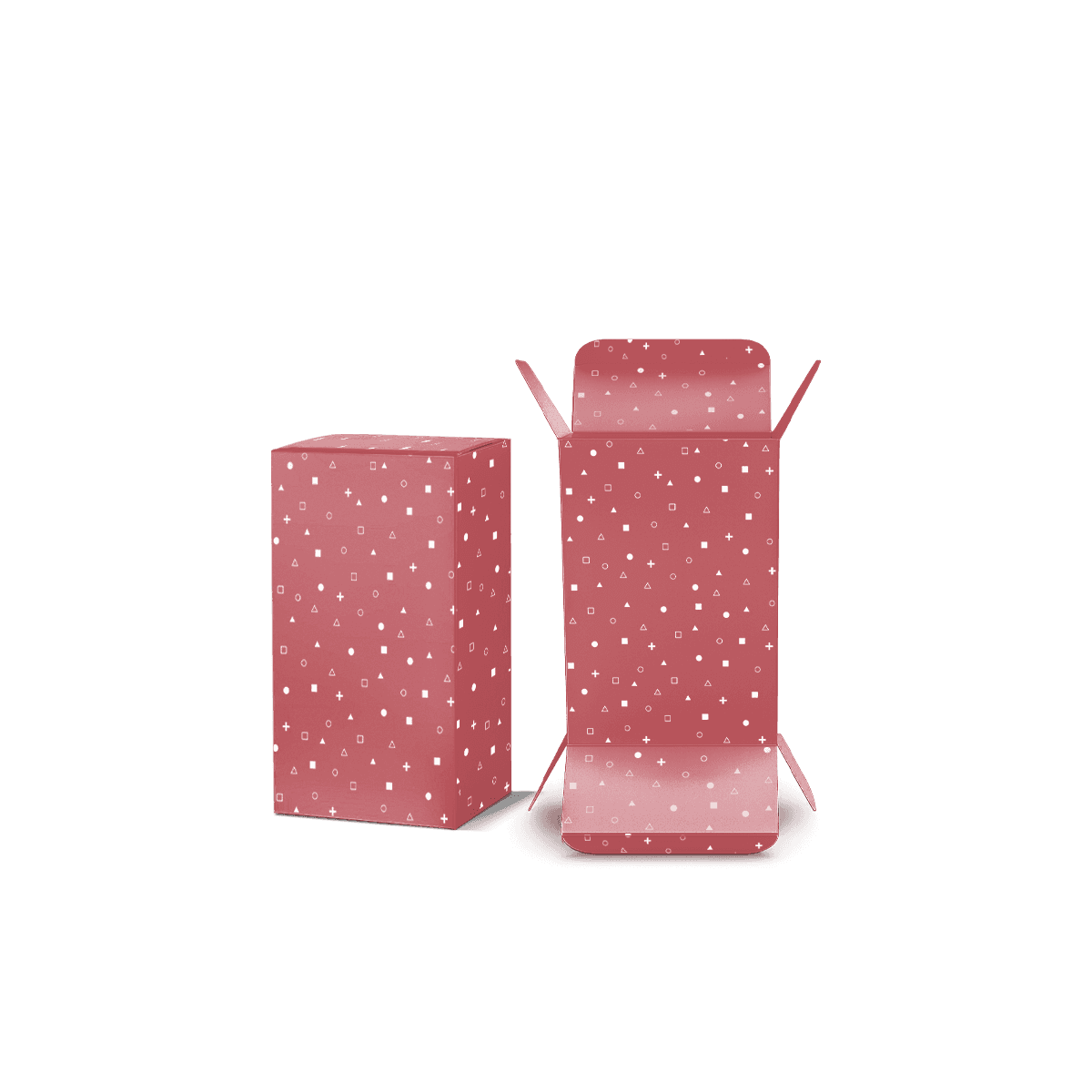
Custom Reverse Tuck End Boxes use top and bottom flaps that tuck in opposite directions, giving small product cartons a neat closure without a heavy base or complex lock. This structure suits brands that need a compact paperboard box for shelf display, sample packs, cosmetics, wellness products, small food items and light ecommerce orders.
Unlike a same-direction tuck layout, the reverse tuck format changes how the box opens at each end. One flap usually tucks from the front panel and the other from the rear panel. That small structural difference matters when your team packs product quickly, when the front panel must stay clean for branding and when the carton needs to sit square on a shelf.
Custom Packly creates Custom Reverse Tuck End Boxes around your product size, board choice, print artwork and filling method. The goal is not only a printed carton that looks good. It needs to fold cleanly, hold its shape, protect the product inside and keep the customer-facing panel visually strong.
Why the opposite flap layout matters
The opposite flap layout helps spread the closure points across the carton. It also gives the designer more freedom to manage front-panel branding, back-panel copy and opening cues without crowding one side of the carton.
This makes reverse tuck end boxes useful when the product is packed from one end, displayed from one face and opened by the customer from another.
When this style is not the best fit
Reverse tuck end boxes are best for light to medium-weight products. If your product is heavy, glass, tall, dense or likely to push downward during handling, a stronger base structure may work better. A tuck top auto bottom, snap lock bottom or seal end carton can provide more bottom support.
Products That Suit This Carton Style
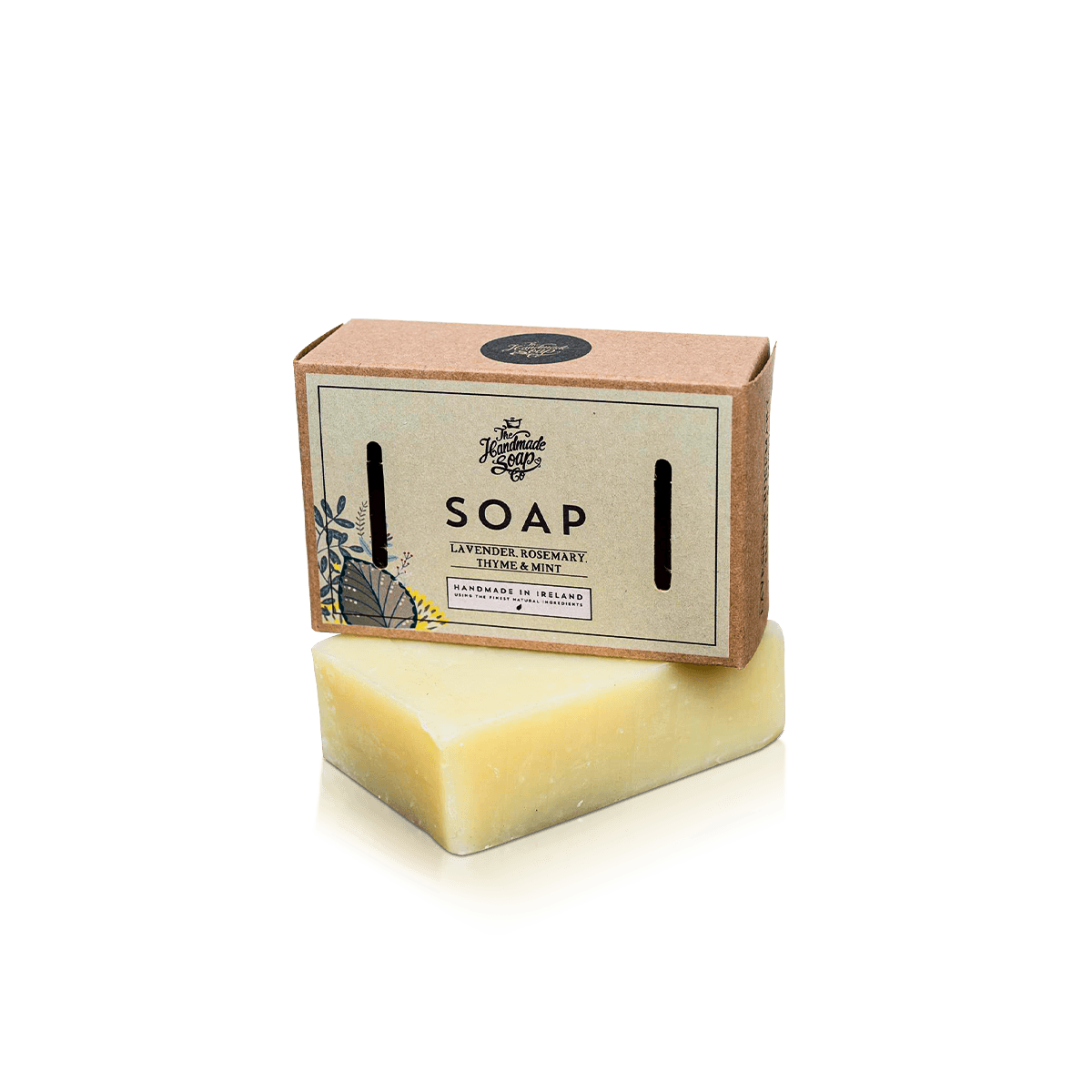
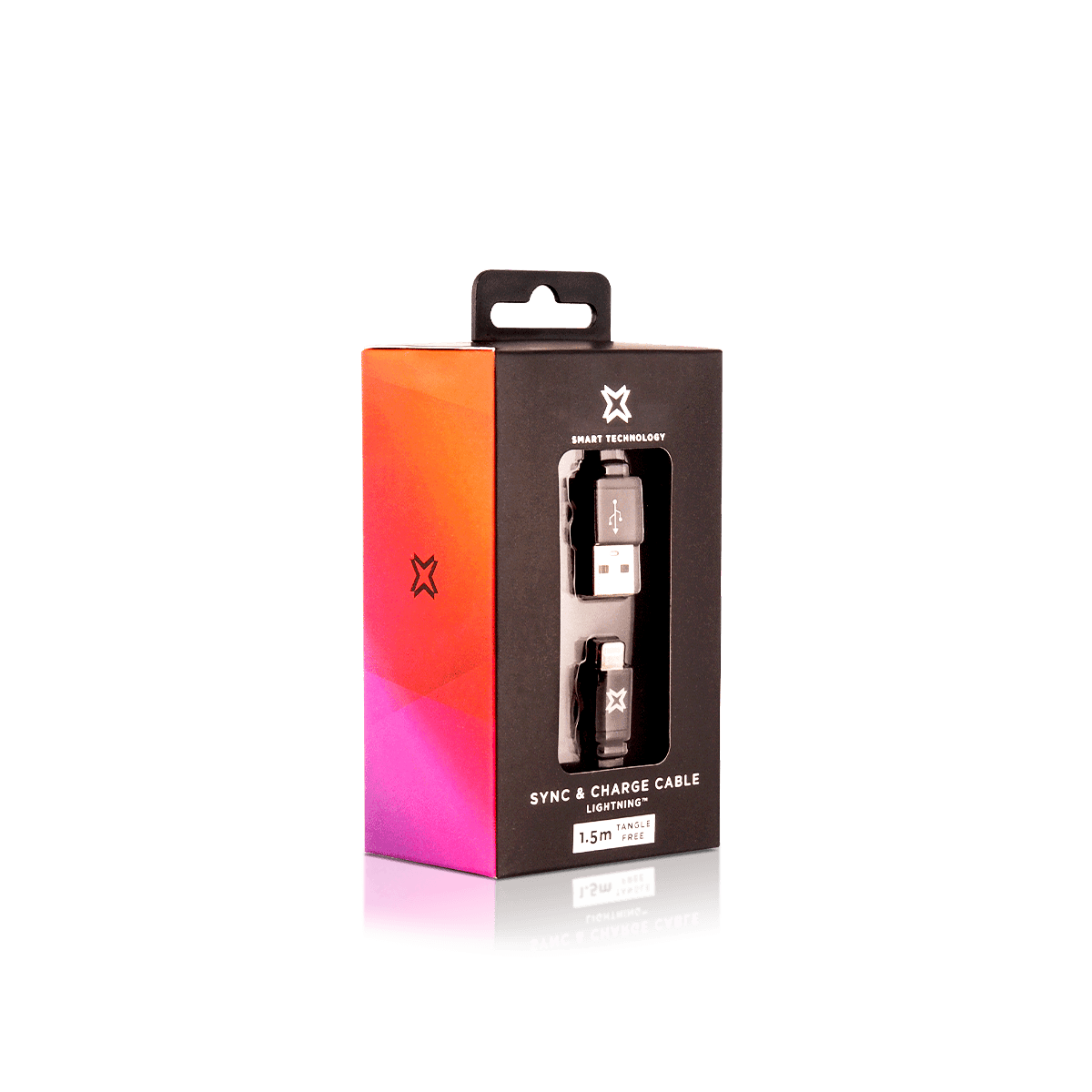
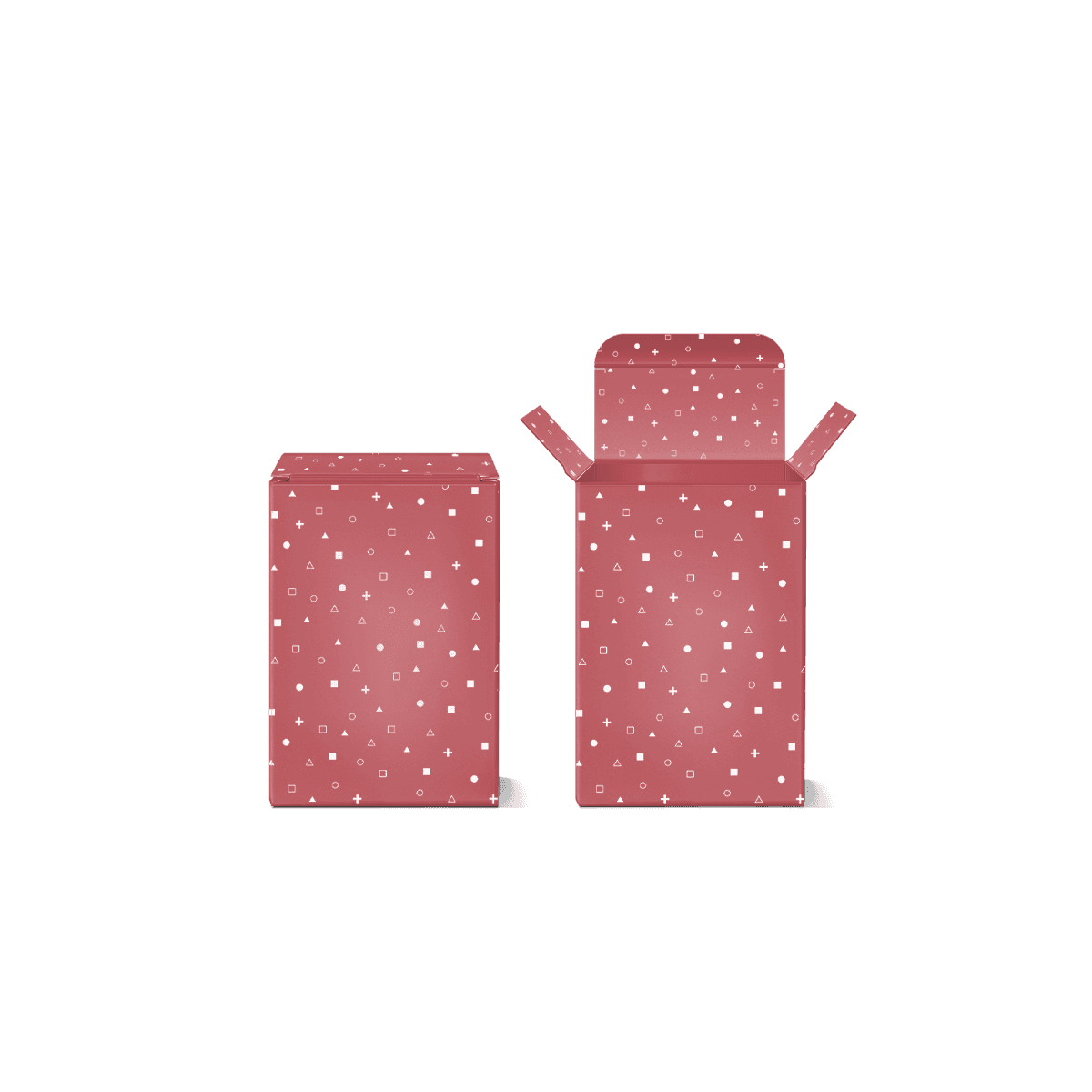
Custom Reverse Tuck End Boxes work best for products that need a printable retail carton with quick hand packing and a clean shelf face. They are often used for skincare items, serum bottles, small supplements, tea boxes, confectionery, soaps, candles, lip products, cosmetics, small electronics accessories and product samples.
The structure is light, efficient and easy to store flat before packing. For businesses with several small SKUs, that flat-packed efficiency can make stock handling easier. A product team can order matching carton sizes across a range while changing artwork, colour, finish or panel layout for each variant.
Beauty, wellness and personal care items
Beauty and wellness brands often use this structure because the carton gives enough surface area for brand colour, instructions, ingredients, barcode placement and finish details. For smaller products such as lip balm, nail polish, serum bottles or soap bars, the carton can feel polished without the cost or bulk of rigid packaging.
Food, beverage and small retail products
For dry food, tea, confectionery, snack portions and lightweight retail goods, the reverse tuck format can provide a practical balance between presentation and packing speed. If your product needs food-friendly board guidance, carton sizing and print planning can connect naturally with Custom Food and Beverage Packaging so the structure matches the way the product will be sold, stored and handled.
Board Choice Around the Fold Line
The right board for Custom Reverse Tuck End Boxes depends on product weight, carton size, finish choice and how sharp the folds need to look. Paperboard is usually the best fit for this style because it folds well, prints cleanly and keeps the carton light.
White paperboard suits full-colour retail packaging where colour accuracy and shelf presence matter. Kraft board gives a warmer, natural look for soap, wellness, tea, handmade products and eco-led brands. Heavier card can add stiffness, but it must still crease cleanly so the tuck flaps do not fight the fold.
Creasing, cracking and finish control
Reverse tuck cartons rely on accurate creases. If the crease is too shallow, the flap may resist closing. If the board and finish combination is too rigid, printed areas near folds may crack. That is why artwork, board thickness, grain direction and finish choice should be checked together before production.
A matte or gloss coating can protect print and improve handling. Soft-touch finishes can lift the perceived value for beauty and wellness packaging. Foil, embossing, debossing and spot UV can work well when placed away from tight crease areas or planned with the dieline in mind.
Eco-friendly material choices
Eco-friendly options are useful for brands that want a lighter carton without plastic-heavy presentation. Kraft, recyclable paperboard and responsibly chosen finishes can support a cleaner packaging direction while keeping the carton practical for folding, packing and display.
Print Placement on Opposite Openings
Print layout matters more on reverse tuck cartons because the top and bottom closures do not face the same way. The front panel, rear panel and tuck flaps each have a different job, so artwork should be planned around how the box is packed, displayed and opened.
Custom Reverse Tuck End Boxes give useful print space for logos, product names, usage details, batch information, barcodes and product copy. The strongest designs usually keep the main brand message on the front panel, supporting information on the side or back panels and opening cues close to the correct flap.
Front panel clarity
The front panel should carry the clearest product message. This may include the brand name, product type, shade, flavour, scent or hero claim. If the carton sits in retail, shoppers need to understand the product quickly without turning the box several times.
Reverse tuck construction can help keep the front panel clean because the closure design can be planned so key artwork does not clash with flap edges, finger notches or heavy crease areas.
Inside print and customer opening
Inside print can work when the customer experience matters after purchase. A small message, care instruction or brand pattern can make a simple carton feel more thoughtful. Inside print should be used carefully because it adds cost and should not interfere with barcode readability, product instructions or required outer copy.
Sizing That Keeps the Product Stable
A reverse tuck end carton should fit closely enough to control movement, but not so tightly that the product catches on the flaps. The best size depends on the product’s true length, width, depth, filling direction and any inner wrap, bottle shoulder, cap, sachet or insert.
Custom sizing is especially important for small products because a few millimetres can change the way the carton closes. Too much empty space can make a light product rattle. Too little clearance can bend the flap, scrape print or slow packing.
Clearance for filling and closing
When planning Custom Reverse Tuck End Boxes, allow for the way your team loads the product. A carton filled by hand may need slightly different clearance than one filled in a faster packing process. The flap should close without pushing against the product and the dust flaps should sit cleanly inside the side panels.
Products such as tubes, slim bottles, vials, lip products and small accessories should be measured with caps, labels, protective wraps and inserts included.
Inserts for small sets and fragile items
Some reverse tuck cartons need a paperboard insert, divider or small cradle to stop movement inside the box. Inserts are useful for paired products, small bottles, sample kits, fragile jars and gift sets that need better alignment.
Dieline Checks Before Printing
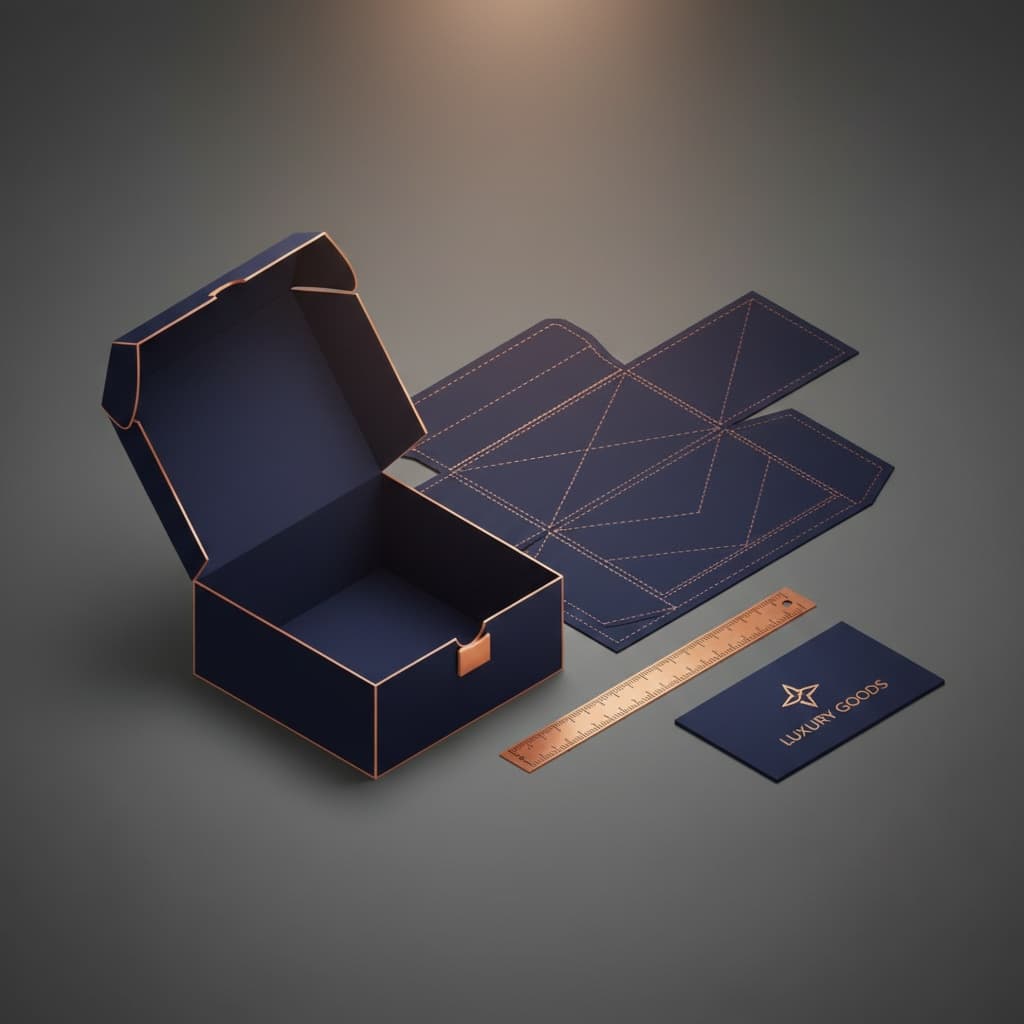
A dieline for Custom Reverse Tuck End Boxes must show cut lines, crease lines, glue flap position, tuck flaps, dust flaps and panel orientation clearly. The artwork also needs to match the opening direction, otherwise the top or bottom panel may appear upside down after folding.
The safest approach is to check the flat dieline and the folded mockup before production. The Dieline Tool can help with early sizing and structure planning, while expert review helps confirm whether the final reverse tuck carton matches your product and artwork.
What to inspect on the flat layout
Check which panel becomes the front, which flap opens first and where the glue seam sits. Then review barcode position, ingredient or instruction panels, trim safety, bleed, fold direction and any finish areas.
Why a sample can prevent packing issues
A free sample before full production helps confirm the carton size, flap feel, board choice and print placement. This is useful when the product is close to the carton walls, uses an insert or has a label, cap, pump, seal or wrap that changes its final size.
Small Runs, Large Runs and SKU Planning
Custom Reverse Tuck End Boxes can start from MOQ 50, with support for larger runs, high-volume orders and repeat packaging programs as the product range grows. This makes the structure useful for first launches, seasonal tests, reformulated products and established SKU families.
For small runs, the focus is usually fit, artwork accuracy and launch-ready presentation. For large runs, the focus shifts to repeatable sizing, stable colour, efficient packing and storage planning. Custom Packly can support both paths without making the carton feel overbuilt for simple retail products.
Planning a family of carton sizes
Many brands use reverse tuck cartons across several related products. A skincare range might need one size for a serum, another for a cream tube and another for a small set. Planning those sizes together can reduce redesign work and keep shelf presentation consistent.
Repeat orders without layout drift
Repeat orders should match the approved dieline, colour target and finish from the earlier run. Good file control matters because a small change to panel orientation or fold allowance can affect how the carton closes.
Reverse Tuck Compared With Nearby Styles
Custom Reverse Tuck End Boxes sit within the wider Custom Folding Cartons and Tuck Boxes range. They are a strong choice when you need a compact folding carton with opposite openings, fast hand packing and a clean retail face.
If you need a broader carton family with more flexibility around flap options, Custom Tuck End Boxes can suit products where the exact tuck direction is still being decided. If the product needs a more secure glued closure for retail, sampling or controlled opening, Custom Seal End Boxes may be a better fit.
Reverse tuck versus straight tuck
Straight tuck end boxes usually have top and bottom flaps that tuck from the same side. Reverse tuck end boxes use opposite-facing flaps. That difference can affect artwork orientation, carton nesting, board yield and the way a customer opens the package.
Reverse tuck versus auto bottom
Auto bottom cartons are better when the base needs to pop into shape quickly and carry more weight. Reverse tuck cartons are simpler and lighter, so they suit compact products that do not need a reinforced base.
Details That Decide the Flap Fit
A good quote for Custom Reverse Tuck End Boxes should include more than a rough size and quantity. The structure depends on the product’s true dimensions, product weight, loading direction, board preference, print coverage, finish choice and whether the box needs an insert.
Send the length, width and depth of the product, not only the desired outer carton size. Include any cap, lid, seal, wrap, sleeve or inner tray that affects the final fit. If you already have artwork, share it early so the panel direction and print placement can be checked before the dieline is finalised.
Useful details to send with your enquiry
A clear enquiry should include the product type, carton quantity, size target, preferred material, print sides, finish ideas, artwork status and deadline. For repeat products, include whether the same structure will be used across multiple SKUs.
A practical quote path
Custom Packly can help you move from product measurements to structure choice, dieline review, sample approval and production. Share your size, quantity and artwork status when you request a quote so the recommendation can match the product instead of relying on a generic carton size.
FAQs
Related Packaging Styles
Related Industries
How it works
Simple steps from idea to delivery
Tell Us Your Specs

Tell Us Your Specs
Provide size, quantity, printing, and finishes.
Get a Fast Quote

Get a Fast Quote
Instant transparent pricing, no hidden fees.
Design and Approval

Design and Approval
Artwork checks, revisions, and final sign-off.
Produce

Produce
Expert manufacturing to meet deadlines.
Ship to Your Door

Ship to Your Door
Hassle-free, flexible delivery options.
Start Your Custom Packaging Quote
Share your product details, dimensions, quantity and artwork needs. We’ll help choose the right packaging style and send a clear quote.