Skip to content
Details

Custom Tuck End Boxes

Versatile retail cartons with tuck flaps, flat-pack storage, clean print panels and flexible sizing for small products, samples and shelf-ready ranges.

Free Design Support

Clear Pricing

Flexible Quantities

Unlimited Customization

Premium Materials

Offset Precision

Free Shipping

Quick Turnaround

Tuck cartons for small products and retail ranges

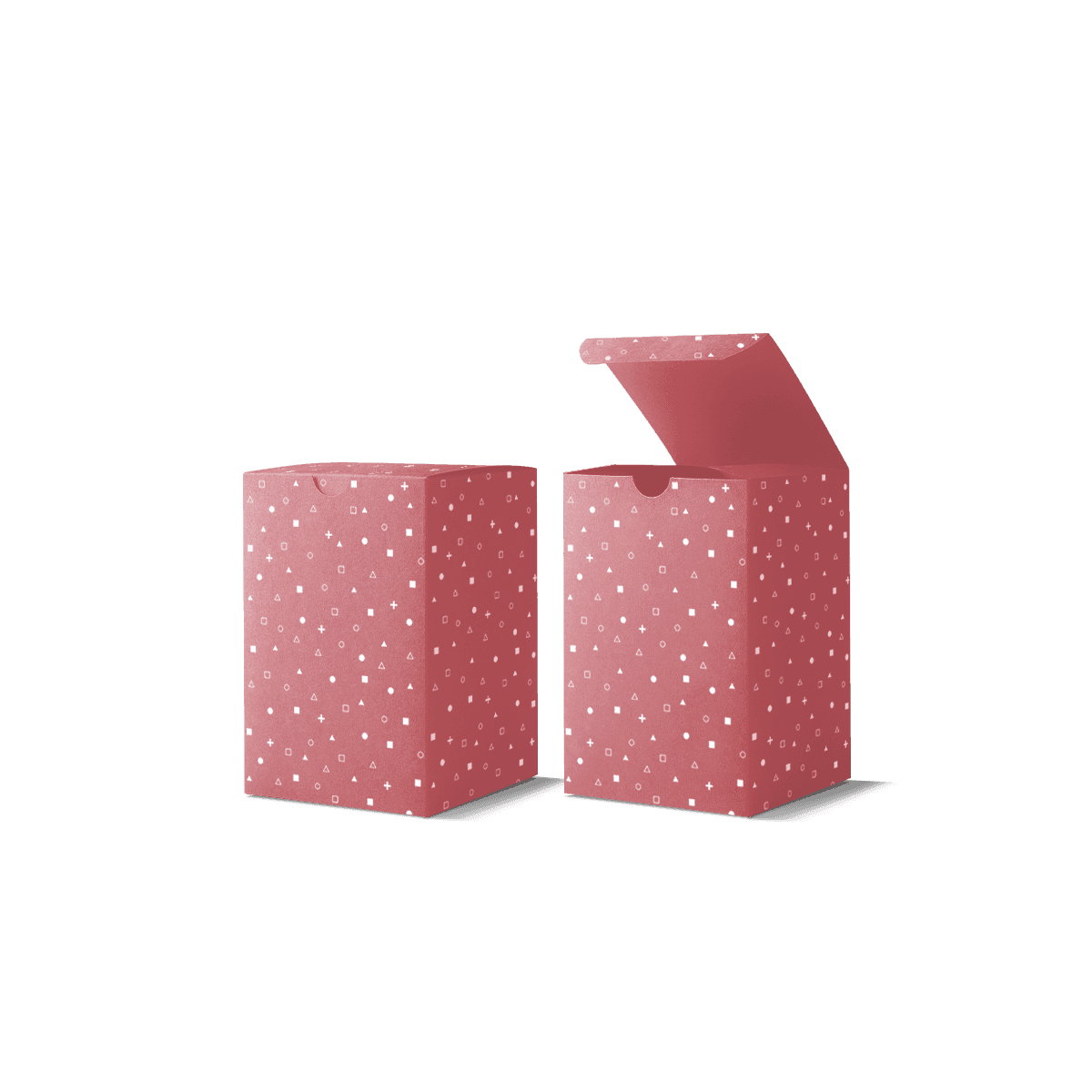
Custom Tuck End Boxes are folding cartons with tuck flaps at one or both ends, made for products that need compact storage, simple opening and a clean printed retail face.

They are one of the most flexible carton structures because the design can be adapted around product size, loading direction, flap style, insert needs and shelf display. Beauty items, supplements, small food products, candles, soaps, sample kits, stationery and lightweight retail products often use tuck end boxes because they are easy to pack and efficient to store.

The main value is practicality. Tuck end cartons can arrive flat, fold into shape quickly and give brands useful print space on the front, back, sides and flaps. They are lighter than rigid boxes and more presentation-focused than plain shipping cartons.

Custom Packly creates Custom Tuck End Boxes with custom sizing, paperboard options, premium offset printing, finish choices and dieline support. For the full folding carton family, Custom Folding Cartons and Tuck Boxes covers related carton structures that suit retail, wellness, beauty and small product packaging.
Why this structure is so adaptable

Custom Tuck End Boxes are adaptable because the tuck closure can be adjusted around how the product loads, opens and sits inside the carton.

Some products need a neat display panel. Some need easier hand packing. Some need a stronger base. Some need a carton that opens from the top without disturbing the product inside. A tuck end format gives brands several structure paths without moving into a completely different packaging category.

One carton family, many flap layouts

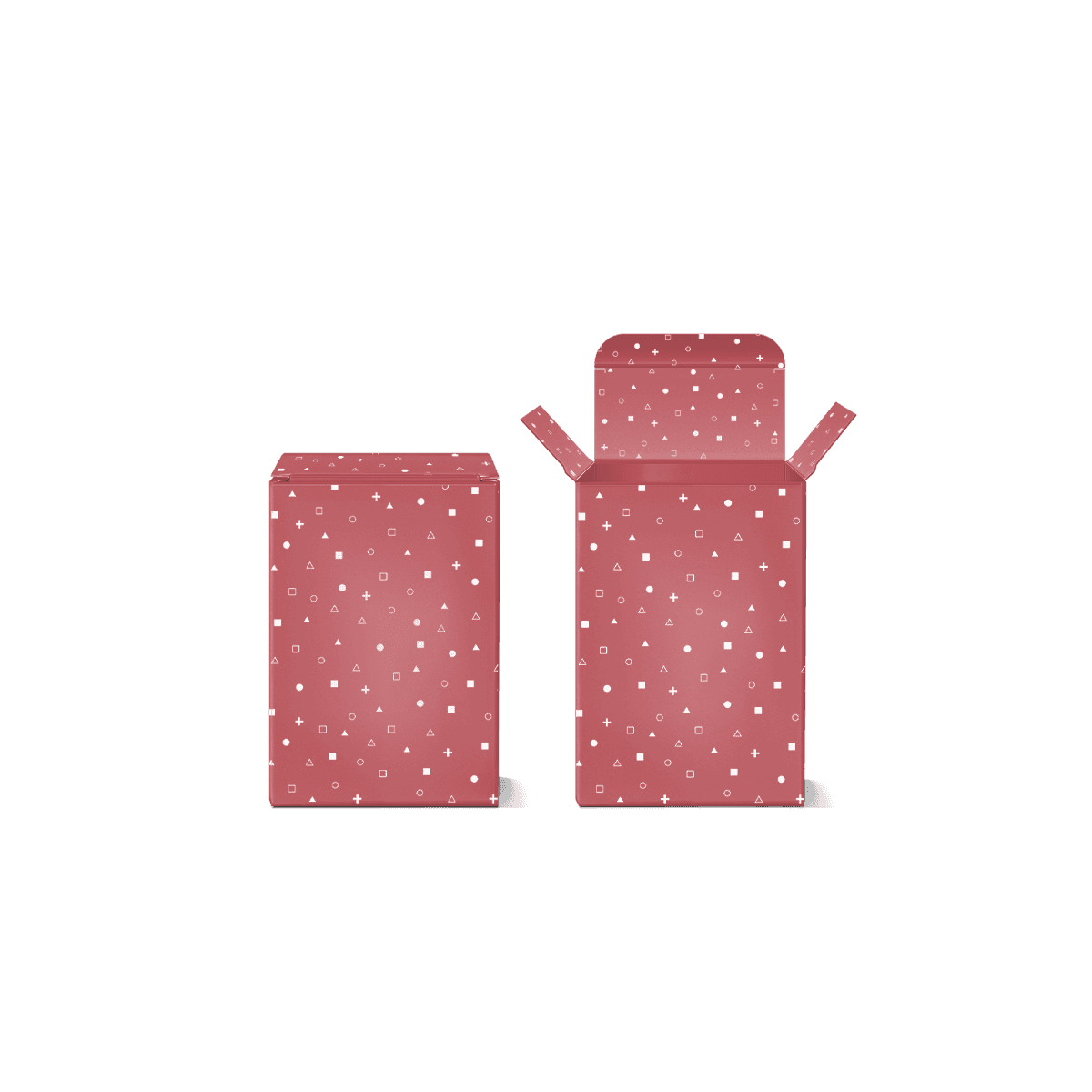
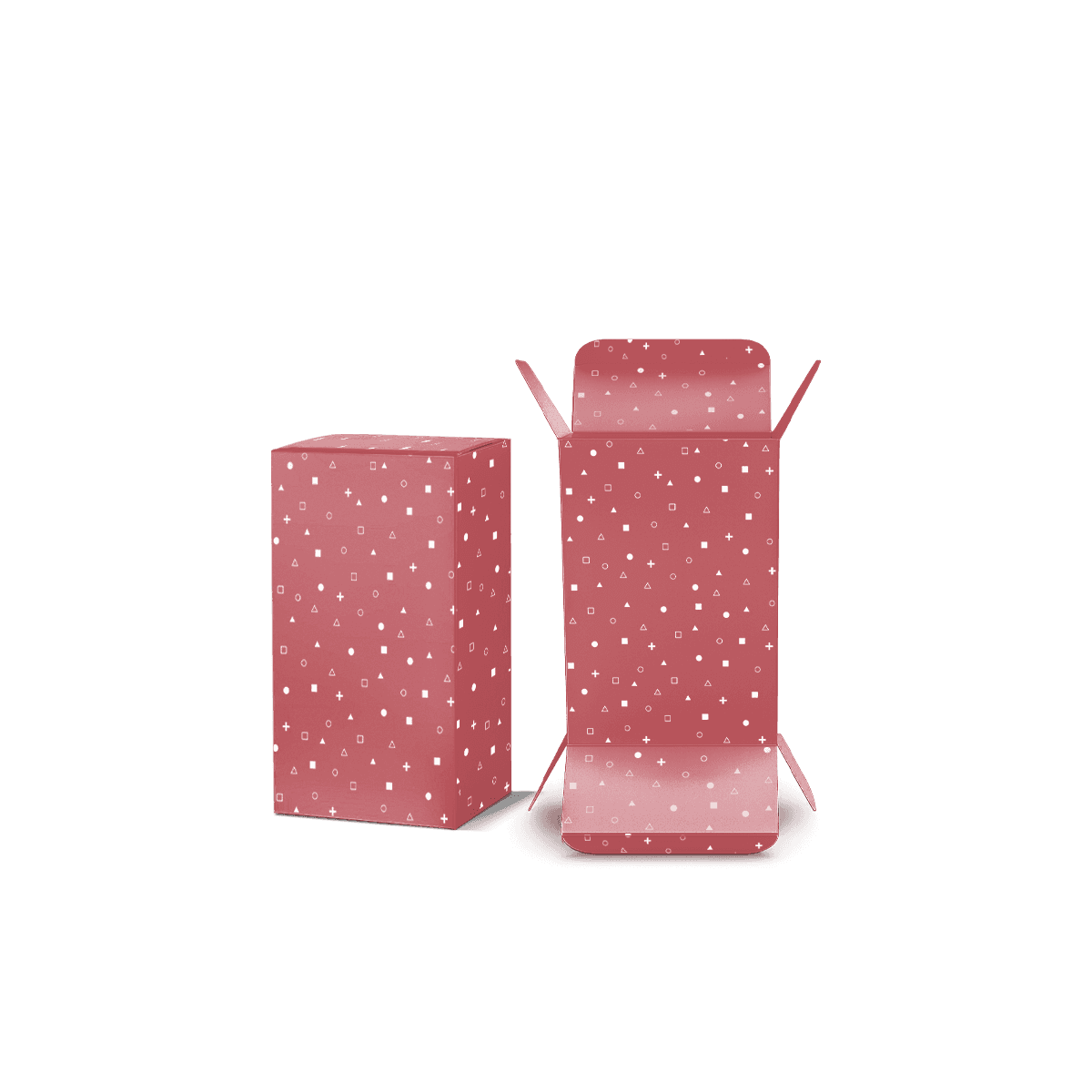
Tuck end packaging can include straight tuck, reverse tuck and other tuck-style variations. The difference usually comes from flap direction, loading preference and how the dieline uses board. The best option depends on the product rather than the name alone.

Easy opening for customers

A tuck flap creates a familiar opening experience. Customers can open the carton without tearing the main box, which suits products that may be stored, tested, gifted or used more than once.

Flat storage before packing

Tuck end boxes usually ship and store flat before use. That helps product teams manage multiple SKUs, seasonal cartons or repeat packaging without taking up the same space as pre-assembled packaging.

Products that suit tuck end cartons

Custom Tuck End Boxes suit lightweight to medium retail products that need printed presentation and easy hand packing.

They work best when the product can slide into the carton smoothly and does not place too much pressure on the base or flap. The structure is especially useful for brands that need a professional box without the cost, weight or storage load of rigid packaging.

Wellness and supplement products

Vitamins, tablets, sachets, herbal products, wellness kits and small health items often need clear information panels. Tuck end cartons give room for product details, usage notes, batch details, barcodes and brand messaging without making the pack bulky. Many Custom Wellness Packaging projects use carton structures because they support clean information layout and repeat product ranges.

Beauty, soap and personal care items

Creams, serums, lip products, soaps, bath items and small cosmetic accessories often need shelf appeal and safe product fit. A tuck end carton can hold the product neatly while giving the front panel enough room for branding and variant information.

Samples, kits and small retail goods

Sample sets, stationery, accessories, candles, promotional items and boutique goods can use tuck end boxes when the carton must look polished but stay easy to assemble in small or larger runs.

Choosing between tuck styles

The right tuck style depends on product weight, front panel needs, board layout, packing speed and how the customer should open the box.

Custom Tuck End Boxes are often used when a buyer knows they need a tuck carton but has not yet decided on the exact flap direction or base style. That is where structure advice matters. A small change in flap layout can affect artwork, packing time and product stability.

Straight tuck for cleaner display panels

Custom Straight Tuck End Boxes suit products where the front and back panels need a tidy visual layout. Both tuck flaps fold in the same direction, which can help keep the main display face cleaner for cosmetics, wellness items and premium small goods.

Seal end for a more closed pack

Custom Seal End Boxes suit products that should stay closed after packing. They can be useful where the pack needs a more secure sealed end rather than a simple reusable tuck opening.

Auto lock bottom for stronger base support

Custom Auto Lock Bottom Boxes can be better when the product is heavier or packing speed matters. The base opens into position faster and supports more weight than a basic tuck-style base.

Fit comes before finish

Product fit should be solved before print and finish because a beautiful tuck carton still fails if the product moves, pinches or pushes against the flaps.

Tuck end cartons rely on accurate internal dimensions. Too much space can make the product rattle and damage corners. Too little space can slow packing, bend labels, scrape product surfaces or cause the flap to resist closure.

Allow space for caps, pumps and seals

Product measurements should include the widest part of the item, not just the body. Caps, pumps, lids, tamper seals, sleeves and labels can all change the fit. This matters for bottles, jars, tubes and retail accessories.

Plan inserts before final sizing

If the product needs a cradle, divider or paperboard insert, the insert must be part of the carton size from the beginning. Adding an insert later may make the carton too tight or change the way the tuck flap closes.

Check the loading direction

Some products are easier to load from the top. Others need side access or a wider opening. The carton style should match the packing motion so teams can pack consistently without damaging the product or carton.

Board options for clean folding

The board should be strong enough to hold shape but flexible enough to crease and tuck cleanly.

Custom Tuck End Boxes usually use paperboard because it prints well, folds neatly and supports a wide range of retail products. The board thickness should match the carton size, product weight and finish. A heavier board can feel more premium, but it may also make small flaps harder to close if the structure is not adjusted.

White paperboard for sharper colour

White paperboard works well for full-colour artwork, gradients, product images and clean brand systems. It helps colours look brighter and gives small cartons a polished retail appearance.

Kraft board for a natural finish

Kraft board suits soaps, candles, wellness products, handmade goods and eco-focused brands. Print appears warmer on kraft, so colour choices should be tested or adjusted to suit the material.

Heavier board for larger cartons

Larger tuck end cartons may need a thicker board to reduce bowing and improve shelf stability. The goal is not to use the thickest board possible. The goal is to choose a board that folds cleanly and supports the product.

Print panels with a clear job

Each print panel should have a clear role so the carton looks organised from shelf view to unboxing.

The front panel should carry the strongest selling message. The side panels can handle variant names, flavour cues, shade details or short product claims. The back panel can hold ingredients, use directions, barcode placement and longer product information. The top flap can support a small logo, QR code, batch cue or opening message.

Custom Packly supports premium offset printing for sharp artwork, clean type and consistent colour across repeat runs. If the main concern is colour control, artwork setup or finish planning, Custom Printed Boxes can support the broader print side of the packaging system.

Avoid crowding the front face

A tuck end carton can hold a lot of information, but the front panel should stay clear. Move secondary information to side or back panels so the product remains easy to understand.

Use side panels for variants

Side panels are useful for flavour names, shade colours, scent families, supplement strengths or product series. This helps products stay organised when displayed in rows.

Use inside print with purpose

Inside print works well for instructions, care tips, refill prompts, brand messages or QR codes. It should add value to the opening moment rather than repeat the outer design.

Finishes that match the product role

Finishes should support the product category, not overpower the carton structure.

Tuck end boxes often hold small products, so the finish needs to be controlled. A finish that looks good on a large rigid box may feel too heavy on a compact carton. Matte, gloss, foil, embossing and Spot UV can all work when they are applied to the right details.

Matte for calm shelf presentation

Matte coatings can suit skincare, wellness, candles and boutique retail products. They reduce glare and create a softer look in product photos and retail displays.

Gloss for bright product ranges

Gloss works well for colourful food items, confectionery, promotional packaging and high-energy retail products. It can make colour feel more vivid.

Foil and Spot UV for small highlights

Foil, embossing and Spot UV should usually highlight logos, product names or selected design details. On a tuck end carton, a small premium accent often looks stronger than a full surface effect.

Dieline checks for tuck closures

A tuck end dieline must protect flap depth, crease spacing, glue tab position, safe artwork areas and the way the carton opens after folding.

Most tuck carton problems start on the dieline. A flap may be too short to hold. A glue tab may cut through artwork. A barcode may sit too close to a crease. A window may weaken a panel. A product may block the dust flaps when the box closes.

Custom Packly provides dieline guidance and downloadable dielines where suitable. The Dieline Tool can help prepare size and structure details before artwork is finalised.

Flap depth and closure hold

The tuck flap needs enough depth to stay closed during handling. If the flap is too shallow, the box can feel loose. If it is too deep, it may press into the product or slow packing.

Crease lines and safe zones

Important artwork should stay away from crease lines. Small text, barcodes and fine logo details can distort when they sit too close to a fold.

Glue tab and artwork flow

The glue tab needs space to bond cleanly. Avoid placing key graphics or critical product information where the tab will sit or overlap.

Short runs and repeat carton systems

MOQ starts from 50, with support for larger production runs, repeat carton orders and high-volume programs as product ranges grow.

This makes Custom Tuck End Boxes useful for first launches, sample runs, limited editions, seasonal packaging and established repeat orders. A smaller first run can help confirm fit, artwork and customer response. Larger repeat runs can keep the same carton structure while changing product names, colours, barcodes or seasonal artwork.

Custom Packly can support free sample review before full production, 4 to 6 day turnaround when production details are ready, free delivery, expert design help and 24/7 support by chat, email and call. For repeat orders, bulk storage planning and repeat-order discounts can help keep packaging consistent across future runs.

For brands managing several SKUs, the best approach is often to keep the same carton structure across the range where possible. That makes ordering, packing and shelf presentation easier while still allowing each product variant to have its own design.

Quote details that prevent delays

A clear quote request should include the product size, product weight, preferred tuck style, quantity, board direction, print coverage, finish ideas and artwork status.

Custom Tuck End Boxes depend on precise measurements. Include the product’s length, width and height, plus any cap, seal, sleeve, label or insert. If the product is fragile, tall, round or glass, mention that early so the structure can be checked before artwork is built.

Useful quote details include:

  • Product dimensions and weight
  • Preferred tuck end style or product loading direction
  • Quantity for first run and possible repeat volume
  • Paperboard, kraft or premium board preference
  • Outside print, inside print or both
  • Finish direction such as matte, gloss, foil or Spot UV
  • Insert, divider or window needs
  • Artwork status and launch deadline

When the exact tuck style is not confirmed, send the product details first. Custom Packly can help choose a practical carton structure before production begins.

Where tuck end boxes fit in a packaging system

Custom Tuck End Boxes work best as primary retail cartons, inner product boxes or presentation cartons inside a wider packaging setup.

A tuck carton can make the product look shelf-ready, but it may still need a mailer or shipper for delivery. A fragile item may need an insert. A heavy product may need a stronger bottom. A premium gift set may need a rigid box rather than a folding carton.

The best packaging system depends on how the product is sold, packed, stored and delivered. For lightweight products, tuck end cartons often give the right mix of print area, storage efficiency and retail presentation. For heavier or higher-value products, the tuck carton may need support from inserts, shipping packaging or a stronger carton style.

FAQs

Custom Tuck End Boxes are best for lightweight retail products, samples, wellness items, beauty products, soaps, candles and small goods that need clean printed carton packaging.

Not always. Tuck end boxes are the broader carton family, while straight tuck end boxes are one specific style where the top and bottom flaps tuck in the same direction.

They can hold some medium-weight products if the board and fit are correct, but heavier jars, bottles or dense products may need an auto lock bottom or stronger base.

Yes. Inserts can help stop bottles, jars, sample sets or delicate items from moving inside the carton. The insert should be planned before final sizing.

Choose tuck end boxes when easy opening and re-closing matter. Choose seal end boxes when the product should stay more securely closed after packing.

Process

How it works

Simple steps from idea to delivery

01

Tell Us Your Specs

Custom packaging boxes

Tell Us Your Specs

Provide size, quantity, printing, and finishes.

02

Get a Fast Quote

Custom packaging boxes

Get a Fast Quote

Instant transparent pricing, no hidden fees.

03

Design and Approval

Custom packaging boxes

Design and Approval

Artwork checks, revisions, and final sign-off.

04

Produce

Custom packaging boxes

Produce

Expert manufacturing to meet deadlines.

05

Ship to Your Door

Custom packaging boxes

Ship to Your Door

Hassle-free, flexible delivery options.

Start Your Custom Packaging Quote

Share your product details, dimensions, quantity and artwork needs. We’ll help choose the right packaging style and send a clear quote.