Skip to content
Details

Custom Supplement Boxes

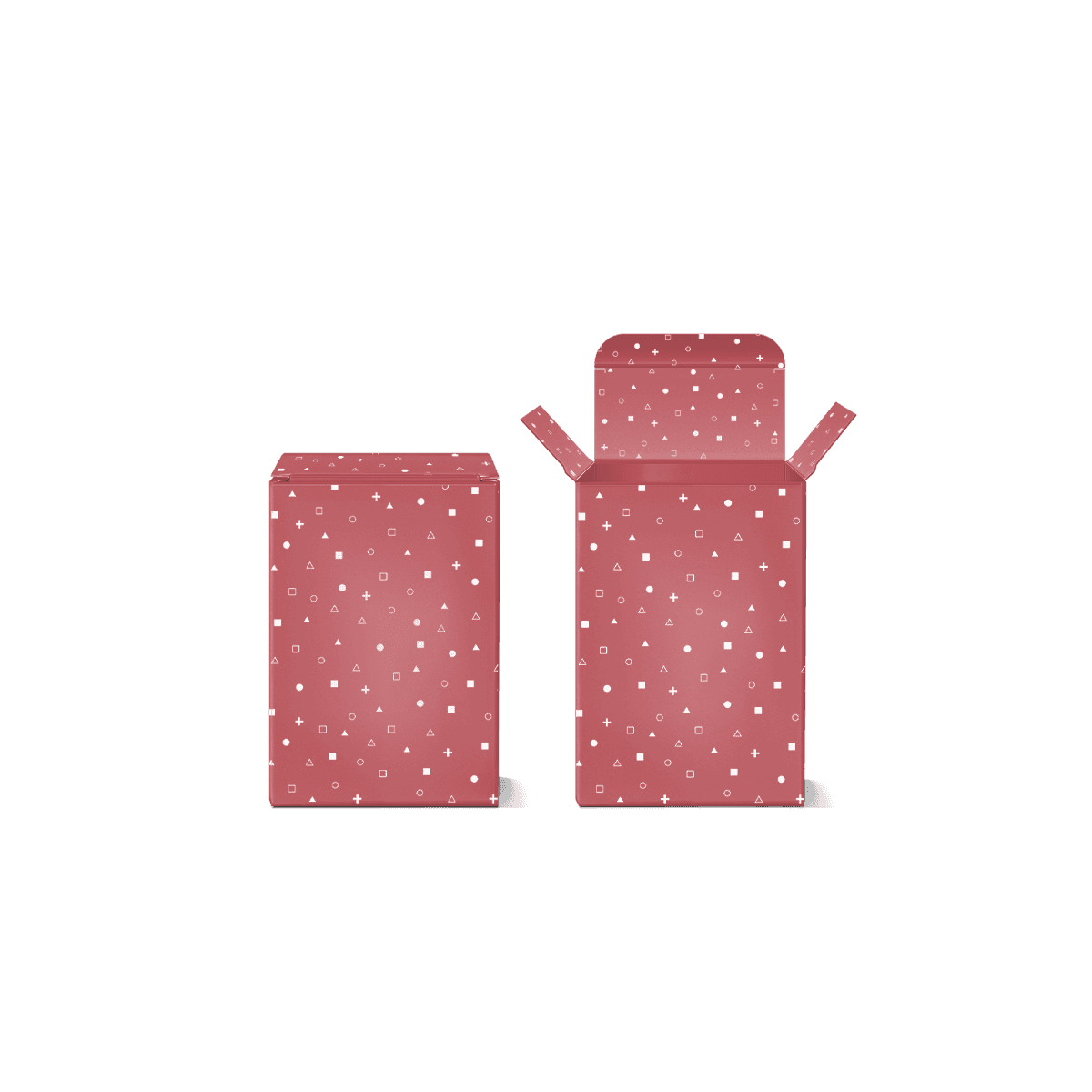
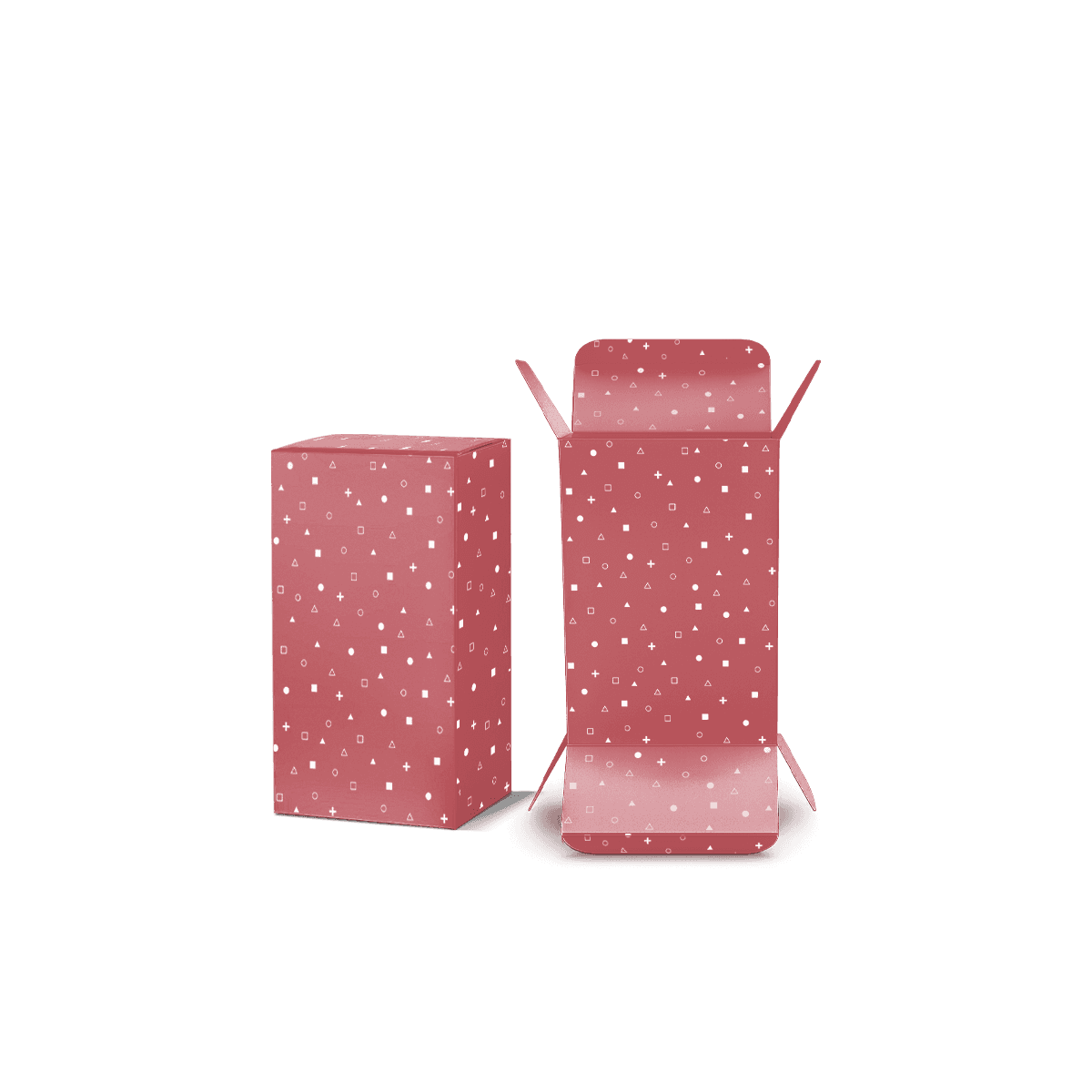
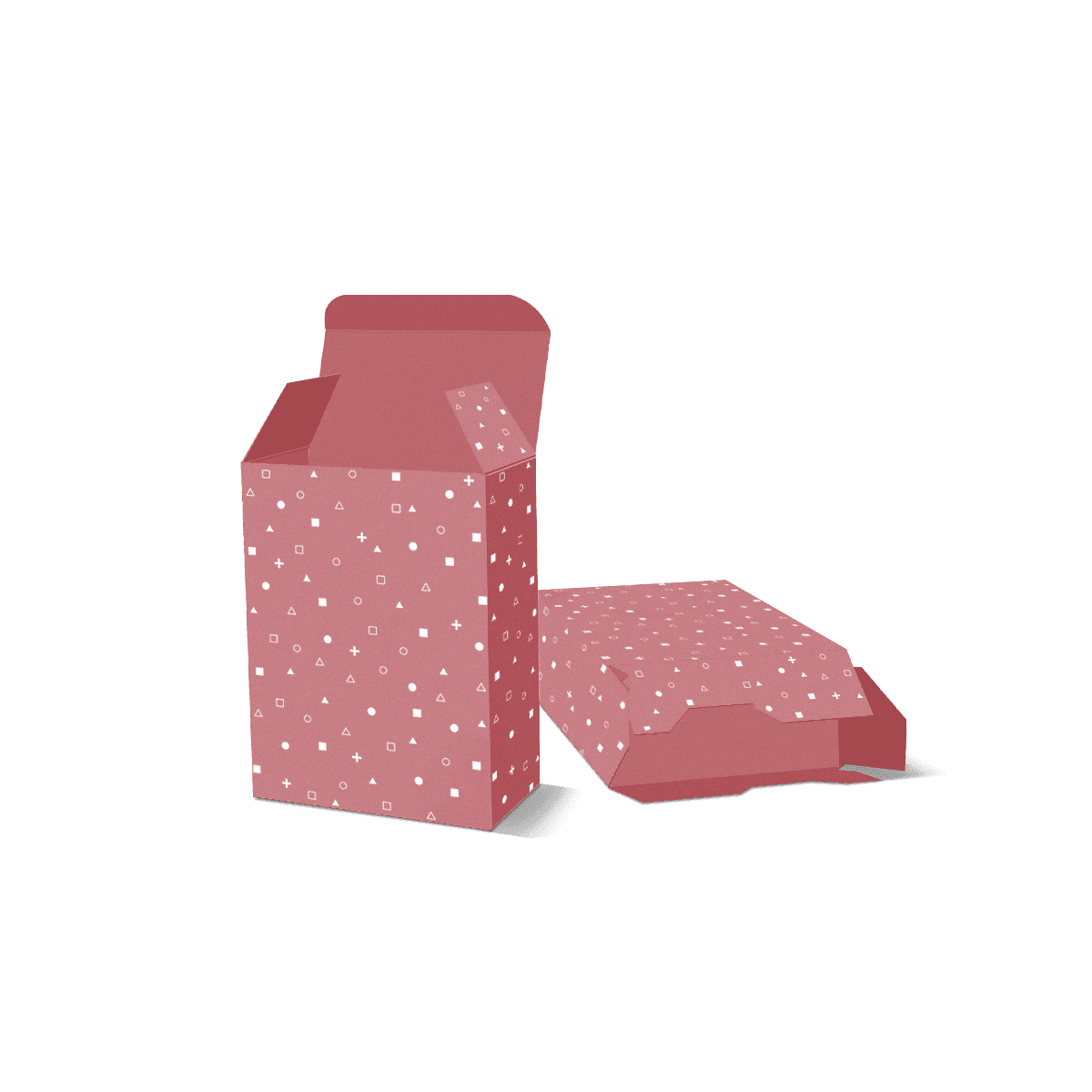
Made-to-measure cartons that steady supplement bottles, organise essential product information and keep every strength, flavour and count visually consistent from shelf to delivery.

Free Design Support

Clear Pricing

Flexible Quantities

Unlimited Customization

Premium Materials

Offset Precision

Free Shipping

Quick Turnaround

Custom Supplement Packaging for Bottles, Jars and Sachets

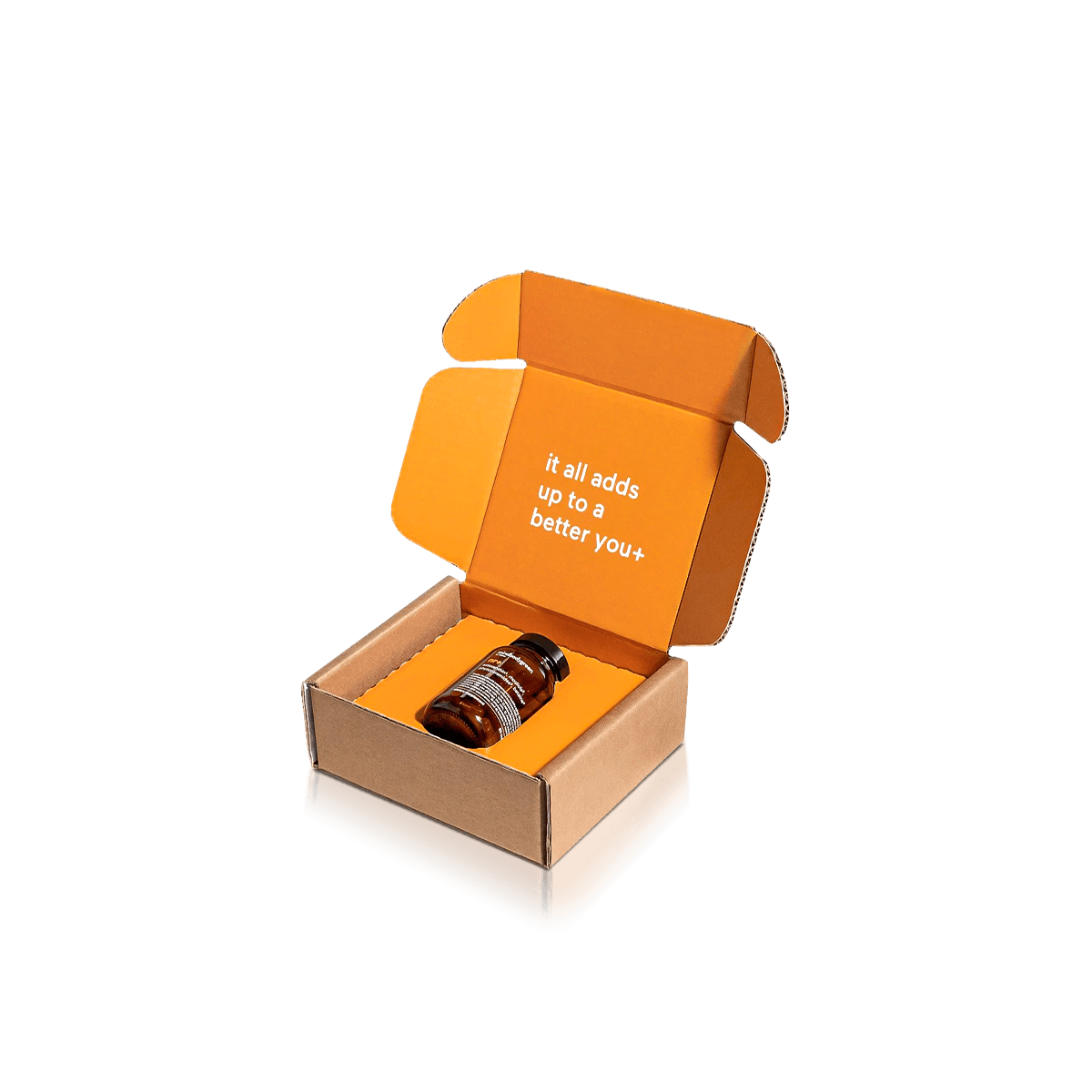
Custom Supplement Boxes give capsules, tablets, gummies and powdered products a structured outer carton with clear space for branding and approved product information. They can hold one bottle, a jar, blister cards, grouped sachets or a small supplement set.

The box should suit the finished container rather than the stated fill volume. Two 60-capsule bottles can have different caps, shoulder shapes and diameters. Custom Supplement Boxes account for those differences so the product loads smoothly, sits neatly and presents well.

Brands with vitamins, powders, nutrition bars and self-care goods can coordinate their cartons through Custom Wellness Packaging. The visual system can stay consistent while each product receives the right size, board and closure.
Start With the Finished Supplement Container

The finished bottle, jar or sachet determines the size of Custom Supplement Boxes. Measure after labels, caps, seals and tamper bands are applied.

Allow for caps and tamper bands

The cap is often the widest or tallest part of a bottle. Measure its full diameter and height, including any band around the neck.

Custom Supplement Boxes need enough clearance for easy loading. Too little room can catch the label or press against the top flap. Too much room allows the bottle to rattle and makes the carton look oversized.

Measure jars at their widest point

Gummy and chewable products often use squat jars. Measure the lid as well as the base because some lids extend beyond the jar wall.

Check the filled weight too. A wide jar may place more pressure on the bottom panel than a light capsule bottle. Custom Supplement Boxes for heavier containers may need stronger board or a more secure base.

Plan sachets and blister cards as a group

Grouped sachets need enough room to load without bending their sealed edges. Blister cards should sit flat without pressure on the formed cavities.

The carton depth, opening direction and divider position should follow the final sachet or card size, not an early estimate.

Match the Carton to Filling and Weight

The best carton closes securely, assembles at the right speed and supports the filled product. Custom Supplement Boxes should reflect how the product is loaded as well as how it looks on a shelf.

Tuck cartons for everyday bottles

Straight tuck and reverse tuck cartons suit many light bottles, jars and sachet groups. They arrive flat and provide several clean print panels.

The loading direction matters. Some teams prefer both flaps to open from the same side, while others use opposing flaps. Custom Folding Cartons and Tuck Boxes can be sized around the container, closure and filling process.

Stronger bases for heavier jars

Auto-bottom, snap-lock or seal-end cartons may suit products that place more pressure on the base. The right choice depends on filled weight, packing speed and whether staff close the box by hand or machine.

A pre-glued base can reduce assembly time. A manually locked base may suit smaller runs where speed matters less.

Keep primary protection separate

Custom Supplement Boxes are secondary packaging. They protect the labelled container and add presentation, but they do not replace the seal, closure or barrier provided by the bottle, jar or sachet.

Confirm primary-container details before sizing the carton. A cap or label change can alter the final measurements.

Give Every Panel a Clear Purpose

Supplement cartons often carry more text than other retail boxes. Good panel planning keeps Custom Supplement Boxes easy to scan without crowding the front.

Make the product easy to identify

The front panel should show the product name, type, strength, flavour or count in a clear order. The brand mark should support that information rather than compete with it.

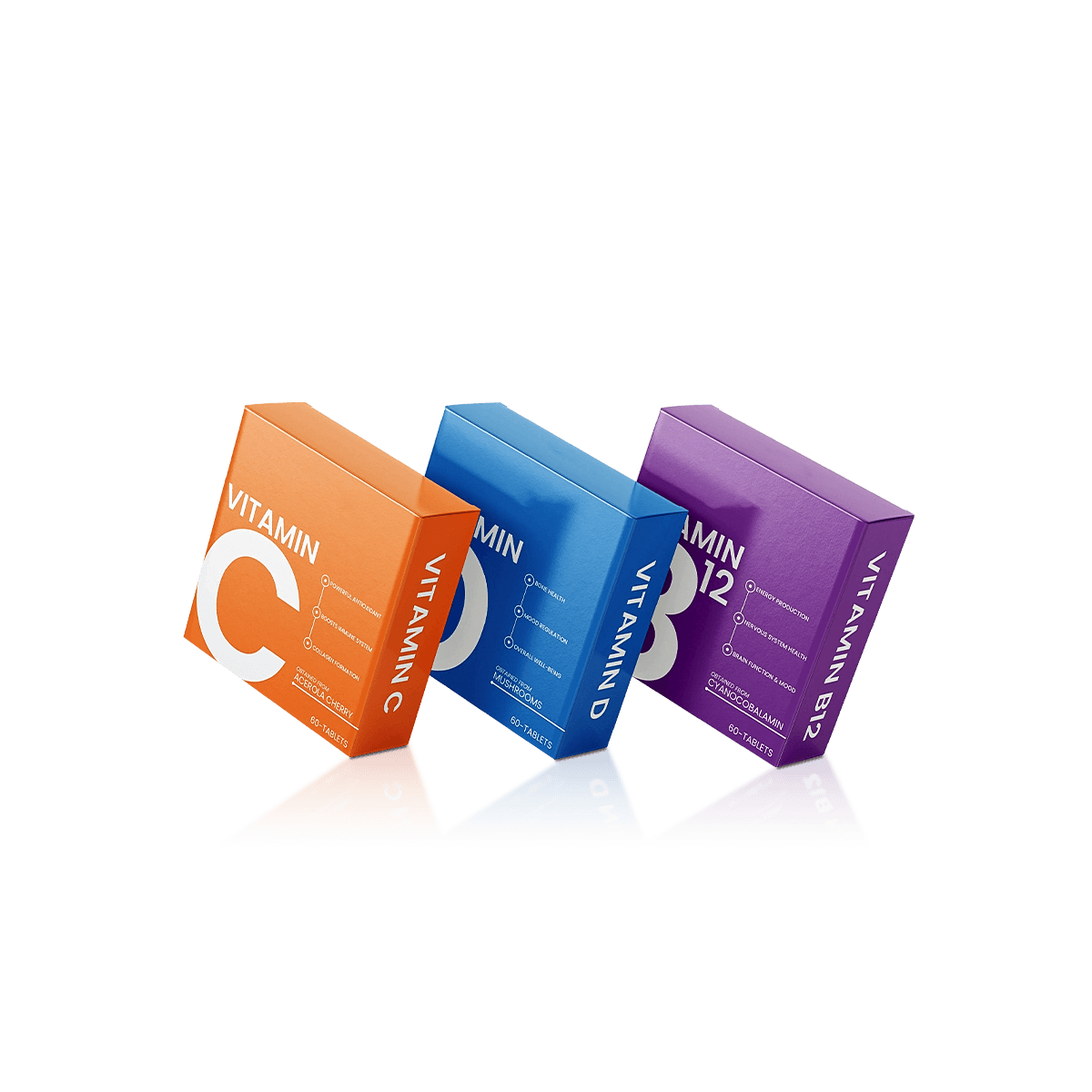
One fixed layout can cover a product family. A controlled colour field can separate magnesium, vitamin D, collagen or daily multi products without moving every element.

Reserve space for approved information

Side and back panels may hold ingredients, directions, warnings, storage notes, company details and barcodes. The brand should supply and approve all required wording before artwork approval.

Do not leave these details until the final design stage. Narrow panels can force small type or poor spacing. Custom Supplement Boxes may need wider panels when several languages or longer instructions apply.

Leave room for batch and expiry details

Many brands add batch, expiry or lot information later. Reserve a clean area that suits the chosen coding method.

Avoid placing foil, heavy varnish or dense graphics over that area unless the coding process has been tested. Custom Supplement Boxes must support both printed artwork and later production marks.

Use Inserts Only When They Solve Movement

An insert should steady a fragile container or organise several items. A standard plastic bottle does not always need one.

Paperboard cradles for glass or tall bottles

Glass jars and narrow bottles can lean inside a tall carton. A folded cradle can support the base or neck without adding foam.

The opening should follow the widest part of the container and allow fast loading. Custom Supplement Boxes with top-heavy products may also need support near the shoulder.

Dividers for supplement sets

A set may combine a bottle, sachets and an instruction card. Separate cavities keep the contents ordered and prevent labels from rubbing.

Custom Inserts and Dividers can use paperboard or corrugated structures based on weight and delivery risk. Printed labels beside each item can also show the order of use.

Test removal as well as fit

An insert can hold the product firmly and still be awkward to use. Check how staff load each item and how the customer lifts it out.

A thumb notch or finger gap often improves access. A physical sample is useful when Custom Supplement Boxes use a tight cradle, several products or an unusual bottle profile.

Print Clearly Without Hiding Product Detail

Custom Supplement Boxes are often read at close range, so small type, fine rules and colour coding must remain sharp.

Keep colour consistent across variants

Premium offset printing supports clean text, smooth colour and detailed graphics on paperboard. A defined colour reference helps the same product look consistent across later orders.

Use one base palette with a different accent for each strength, flavour or count. This makes Custom Supplement Boxes easier to scan without creating a separate design system for every item.

Use finishes as focused details

Matte or gloss coatings can change the overall feel. Foil, embossing and spot UV work best when they highlight a logo, product name or small graphic area.

Keep approved text, barcodes and coding zones free from effects that make them harder to read or scan. Material, coating and finish choices can be aligned through Customisation before artwork is locked.

Choose kraft when the artwork suits it

Kraft paperboard gives a natural brown surface, but it changes printed colour and lowers contrast for some designs. White paperboard provides a cleaner base for bright colour and small text.

Eco-friendly paperboard options can suit many Custom Supplement Boxes when the structure and print brief allow them. Any material claim should match the final stock and construction.

Prepare Boxes for Shelves and Online Orders

A retail carton and a shipping box perform different jobs. Custom Supplement Boxes present the product, while an outer mailer or shipping carton handles courier labels and delivery impacts.

Keep shelf fronts aligned

Check the carton width, height and front-facing panel. Several products should form a clean line even when bottle sizes differ.

Custom Supplement Boxes can share a common height when the containers allow it. Do not place a small bottle in an oversized carton only to match the shelf. A planned stepped system can look more honest and use less material.

Test the complete delivery setup

A bottle may sit firmly in its carton but still move inside the shipping box. Test the printed carton, any filler and the outer box together.

Glass containers, mixed orders and subscription deliveries may need more support than a single light bottle. Custom Supplement Boxes should not carry the full burden of courier protection.

Plan sets around the opening sequence

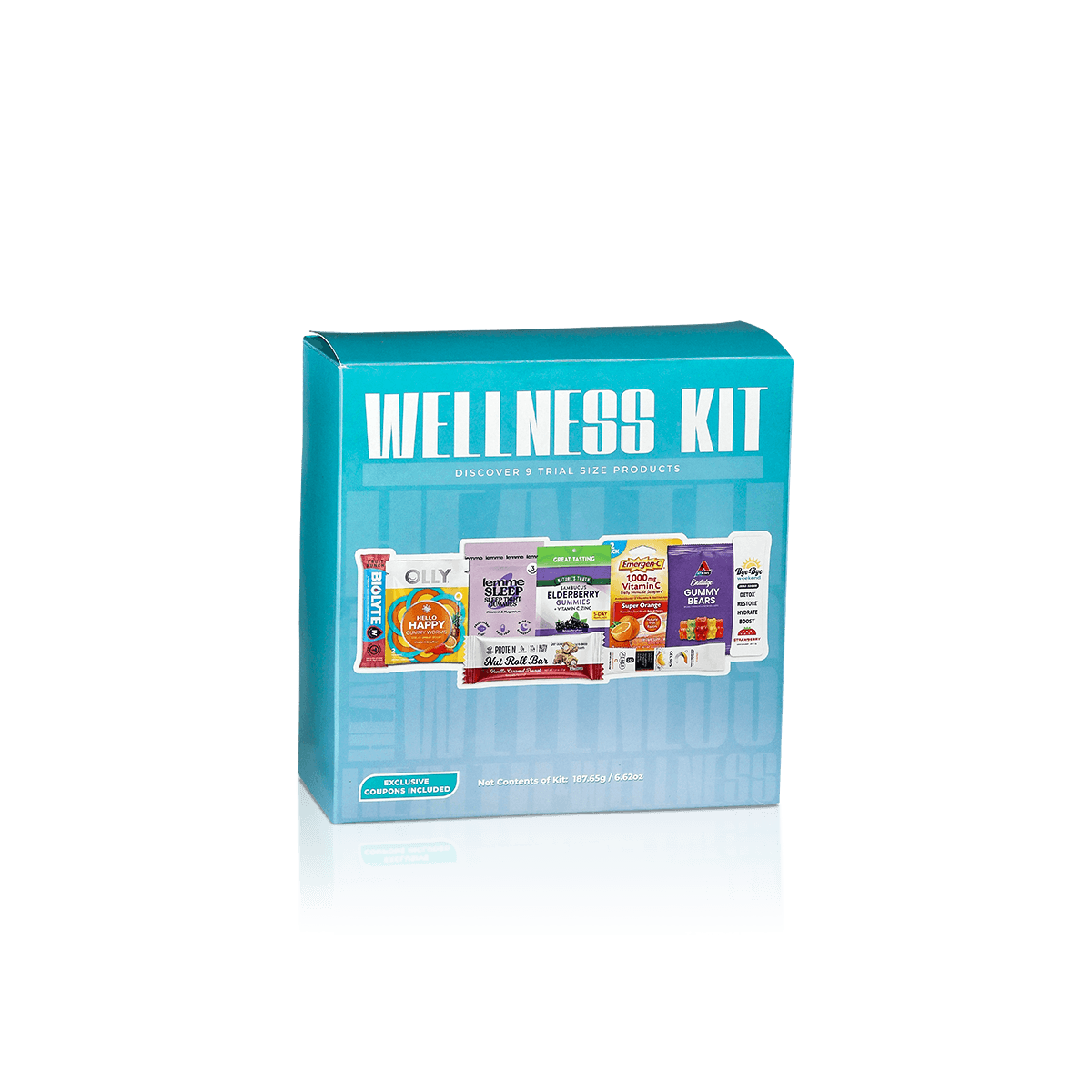
A wellness set may include capsules, sachets and a small accessory. Place the main product first in the reveal, then arrange supporting items in a clear order.

The insert, printed message and removal points should work together. Decoration should not make packing or product access harder.

Keep Strengths, Counts and Flavours Consistent

A supplement line grows more easily when the first carton sets clear rules. Fix the logo position, type sizes, product hierarchy and coding zones before adding more products.

Custom Vitamin Boxes may share the same visual system when bottle shapes and information needs are similar. Different counts or cap sizes still need their own fit check.

Use colour to separate variants, but do not rely on colour alone. Print the product name, strength and count clearly. Custom Supplement Boxes should remain easy to identify in mixed retail displays and online orders.

MOQ starts from 50 for suitable first runs. Custom Packly also supports thousands of units and high-volume ongoing orders. Keep approved artwork, colour references and structural notes organised so later production does not rely on memory.

A new variant may share a dieline when the finished container truly matches. If the bottle, cap or filled weight changes, review the size and base again.

Approve and Quote From the Finished Product

The most useful approval checks the real bottle, not only a screen image. A 3D mockup can confirm proportions, panel order and artwork placement. A physical sample becomes more useful when Custom Supplement Boxes include tight fits, heavy jars or fitted inserts.

Check that:

  • The bottle loads without catching the label
  • The cap clears the top closure
  • The base stays flat under the filled weight
  • The carton closes without bulging
  • Barcodes and small text remain clear
  • Coding zones suit the planned process
  • Inserts hold the product without slowing removal
  • The front panel faces the intended direction

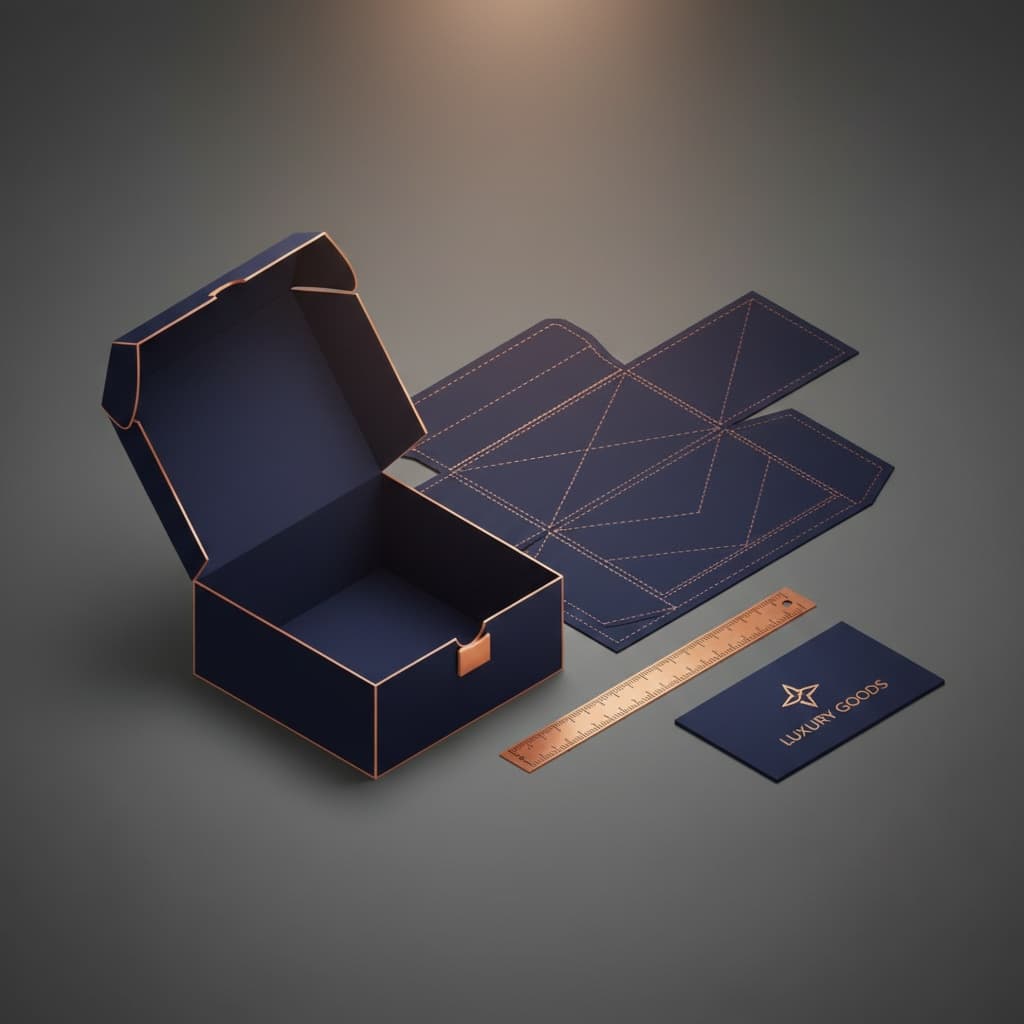
The Dieline Tool can support early dimensions and artwork set-up. Final measurements should still come from the finished container and approved structure.

For an accurate quote, send:

  • Finished bottle, jar, sachet or blister dimensions
  • Cap, lid and tamper-band measurements
  • Filled product weight
  • Quantity for each strength, flavour or count
  • Preferred opening and base style
  • Insert or divider needs
  • Required print panels and coding zones
  • Board or sustainability preferences
  • Finish ideas
  • Artwork status
  • Retail, ecommerce or gifting use
  • Target date and delivery postcode

Custom Packly can identify where several products may share board, print rules or dimensions without forcing unsuitable containers into one carton. Send the details through Get a Quote for structure, material and production guidance on Custom Supplement Boxes.

FAQs

Allow enough room for smooth loading without visible rattle. The exact space depends on the cap, label, bottle shape and board thickness.

No. A close-fitting carton is often enough for a light plastic bottle. Glass, heavy or top-heavy containers may benefit from a paperboard cradle.

Yes, when the finished bottles match. Check every cap, label and filled weight before sharing one dieline.

No. Those features belong to the primary container. Custom Supplement Boxes support presentation, information and added outer protection.

Yes. A 3D mockup is the usual first step. A physical sample is useful for tight fits, inserts, heavy jars or several items.

Process

How it works

Simple steps from idea to delivery

01

Tell Us Your Specs

Custom packaging boxes

Tell Us Your Specs

Provide size, quantity, printing, and finishes.

02

Get a Fast Quote

Custom packaging boxes

Get a Fast Quote

Instant transparent pricing, no hidden fees.

03

Design and Approval

Custom packaging boxes

Design and Approval

Artwork checks, revisions, and final sign-off.

04

Produce

Custom packaging boxes

Produce

Expert manufacturing to meet deadlines.

05

Ship to Your Door

Custom packaging boxes

Ship to Your Door

Hassle-free, flexible delivery options.

Start Your Custom Packaging Quote

Share your product details, dimensions, quantity and artwork needs. We’ll help choose the right packaging style and send a clear quote.