Skip to content
Details

Custom Health Product Boxes

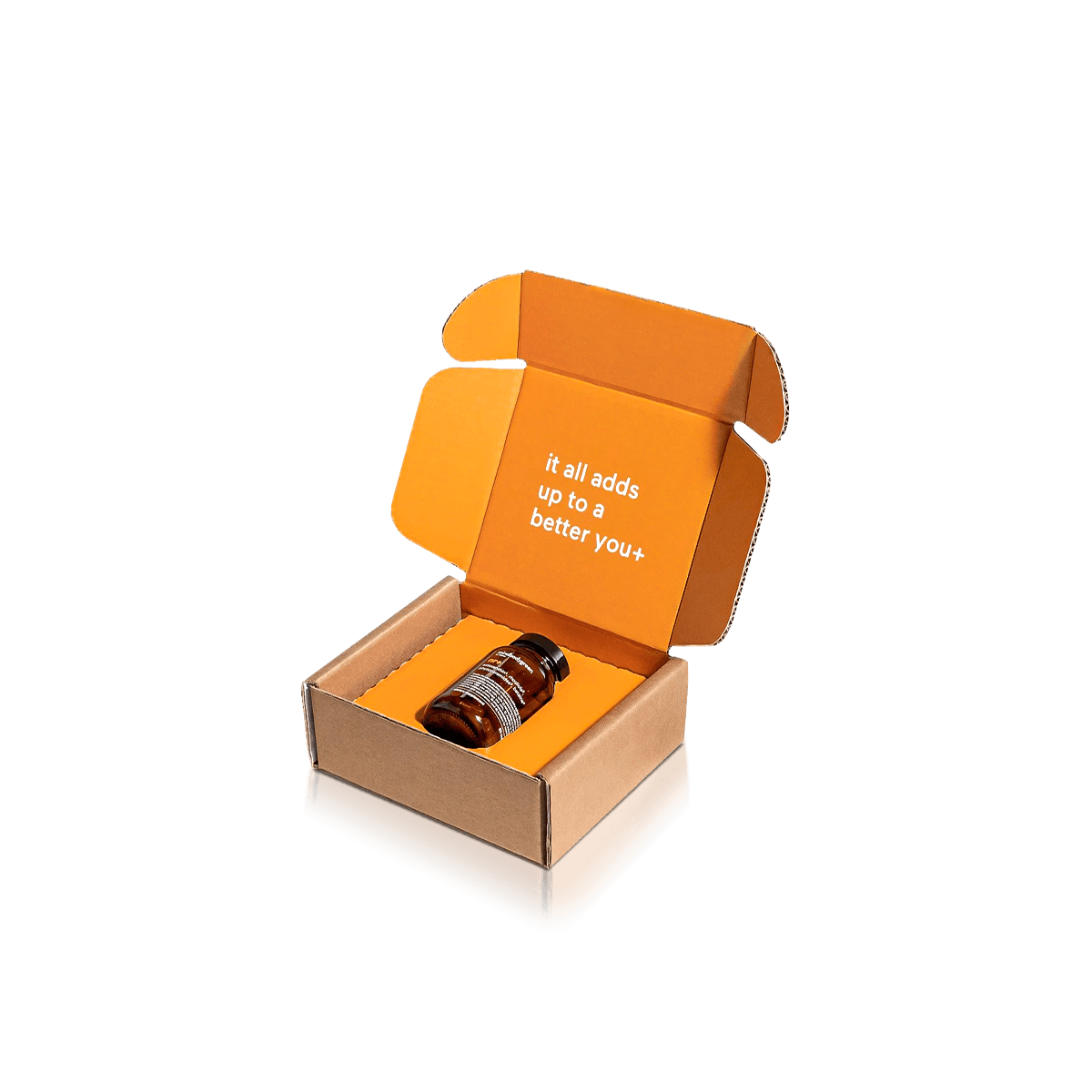
Printed cartons planned around bottles, tubes, patches and daily care items, with secure product fit and clear space for instructions, codes and brand details.

Free Design Support

Clear Pricing

Flexible Quantities

Unlimited Customization

Premium Materials

Offset Precision

Free Shipping

Quick Turnaround

Health Product Boxes That Explain the Product Clearly

Custom Health Product Boxes should help customers identify the product, understand its intended use and find key information without searching across crowded panels. They can hold topical care, sealed patches, tubes, dropper bottles, sprays, small wellness aids and multi-item daily care sets.

The box needs to do more than look clean. It must suit the primary container, keep each component in place and leave enough room for approved instructions, business details, codes and storage text.

A broad health product line can sit within Custom Wellness Packaging while each carton keeps its own product name, use cue and visual identity.

Lead with the product identity

Place the product name where it can be read from a shelf or product image. Add the size, quantity or main variant close to it when those details affect the buying choice.

Colour can help separate products, but it should support the name rather than replace it. Clear text matters when several similar cartons sit beside each other.

Reserve space before design begins

Collect the approved copy before the main artwork is finalised. This helps avoid small type, crowded side panels and barcodes placed too close to folds.

The box may need space for instructions, ingredients or contents, warnings, storage notes, batch details, an expiry area, a barcode and business information. The final list depends on the product.
Start With the Primary Container

Custom Health Product Boxes should be sized from the final filled item, not a stock carton or an early product sketch. Caps, pumps, labels and seals can all change the required internal space.

Measure the widest and tallest points. A pump may be wider than the bottle body. A crimped tube end may need more depth than the tube itself. A folded leaflet can also affect how easily the carton closes.

Measure bottles with caps and labels fitted

Use the bottle as it will enter the box. Include the cap, tamper seal and final label. A thick label seam can catch on a close carton or insert.

Leave enough clearance for quick loading without allowing the bottle to rattle. A very tight fit may scuff the label or make packing slow.

Check tubes at the shoulder and sealed end

Tubes can taper from the shoulder towards the crimp. Measure both ends. Decide whether the cap should sit at the top or base of the carton.

The loading direction affects the opening, internal support and artwork orientation. Test how the user is likely to remove the tube.

Allow for leaflets and small accessories

A carton may also hold a folded leaflet, applicator or small accessory. Give each piece a clear position rather than placing loose items around the main product.

The leaflet fold should be tested at its final paper weight. A thicker sheet can take more space than the flat artwork suggests.

Choose Structures Around Filling and Use

The right carton should be simple to fill, secure after closing and easy for the customer to open. Custom Health Product Boxes can use different closures based on product weight, retail use and assembly speed.

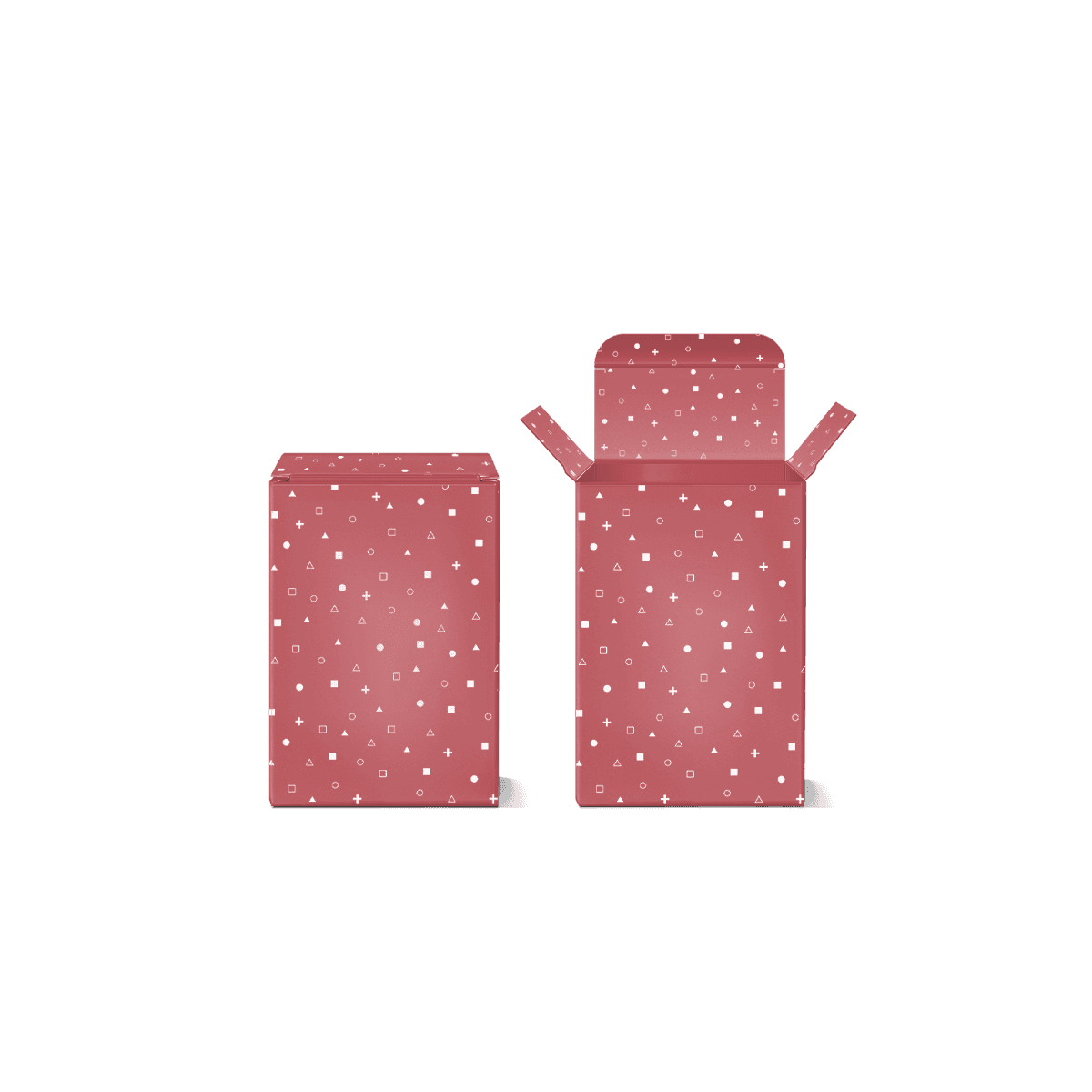
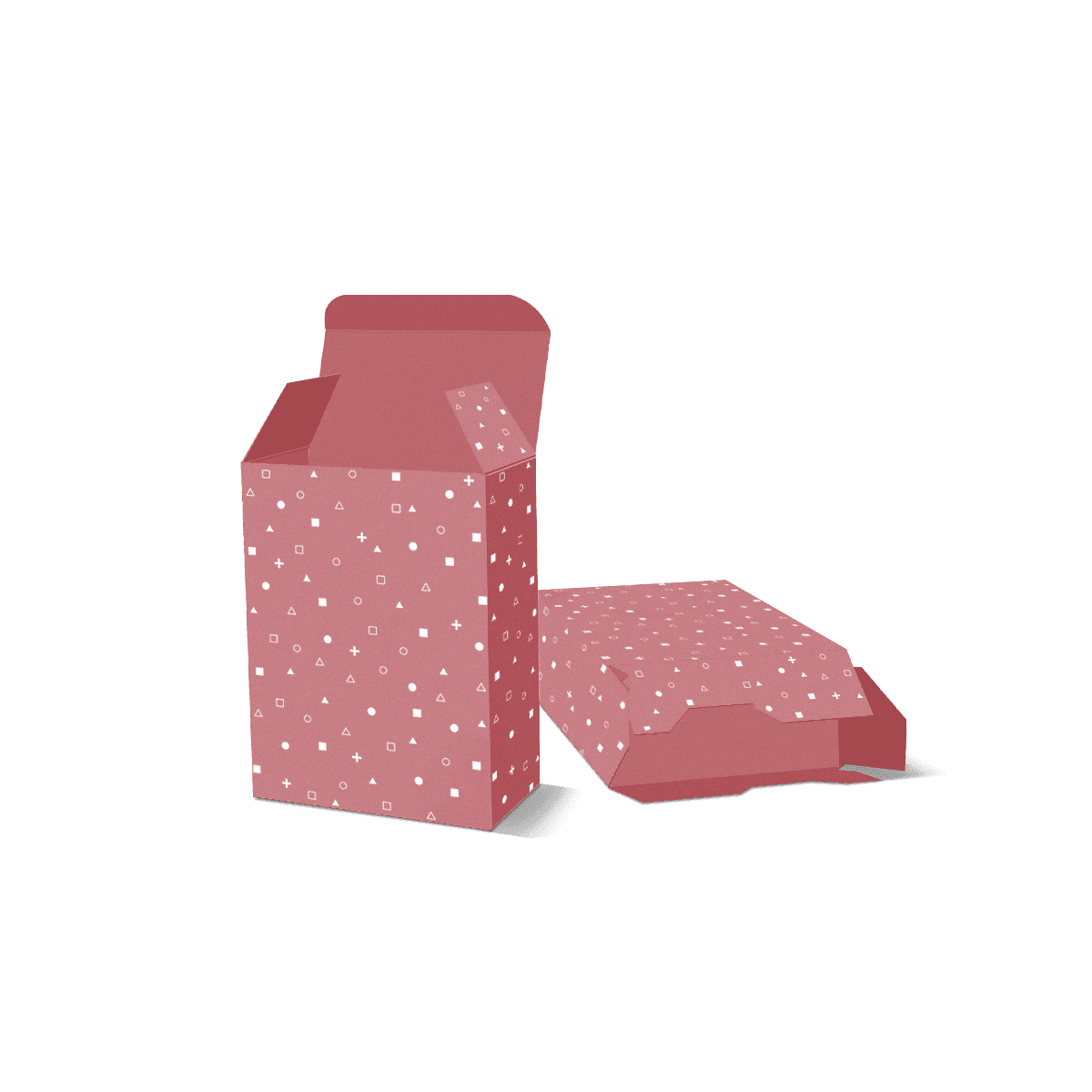
Many bottles, tubes and sealed care items work well in Custom Folding Cartons and Tuck Boxes. These cartons arrive flat, provide broad print panels and suit hand or assisted filling.

Tuck ends for light daily care items

A tuck-end carton can suit small tubes, patches or light bottles. It opens without tearing and can be retained for storing the product.

Check the flap direction before artwork begins. A top flap crossing the main front panel can affect where key text or colour changes should sit.

Auto bases for heavier small bottles

A pre-glued base forms as the carton opens. It can speed up filling when staff handle larger quantities.

This base may suit a heavier glass or dense plastic bottle. Test the complete product weight before approval.

Glued ends for a more fixed close

A glued closure can reduce casual opening on a retail shelf. It also gives the carton a more permanent feel.

The filling process must allow access before the final end is sealed. Confirm which end remains open during production.

Keep Bottles, Pumps and Components Steady

Custom Health Product Boxes need internal support when the product is narrow, fragile or made from several parts. Movement can mark labels, bend leaflets or make the unboxing feel careless.

Custom Inserts and Dividers can grip a bottle base, support a pump neck or separate two items in one carton.

Hold the product without making removal difficult

A paperboard cradle can support the base or shoulder of a bottle. It should not press against a pump, trigger or cap.

Add a finger space where the customer needs to lift the item. A secure insert should not turn the first opening into a struggle.

Separate mixed care items

A daily care set may contain a tube, sealed sachets and a small accessory. A divider can give each part its own position.

Set the divider height around the real items. A wall that is too low may not control movement. One that is too high can hide the products.

Use a physical sample when fit carries risk

A 3D mock-up can confirm panel order, artwork size and opening direction. A physical sample is more useful when the box contains glass, a pump, several components or a fitted insert.

Test the sample with all labels, seals and leaflets in place. The unlabelled container may not reflect the final fit.

Organise Instructions, Codes and Brand Details

Custom Health Product Boxes often need more written content than ordinary retail cartons. A clear information order helps customers find important details while keeping the artwork calm.

Your team should supply and approve all product claims, instructions and label text before production. The packaging artwork can then place that content without changing its intended meaning.

Use a clear panel hierarchy

The front can hold the brand, product name and primary variant. The side panels can carry short directions or key contents. Longer approved text can sit on the back.

Avoid splitting one instruction across a crease. Keep headings with the text they introduce.

Protect barcode and batch areas

Place barcodes on a flat panel with enough clear space around them. Avoid foil, heavy texture or strong varnish over scan areas.

Reserve a stable area for any batch, expiry or traceability details that need to be added later. Confirm the printing or labelling method so the surface suits it.

Make small text readable

Fine copy needs suitable contrast and spacing. Light grey text on white board may look elegant on screen but become difficult to read in print.

A full-size proof helps show whether the text is practical. Check it at the final size, not only while zoomed in on a monitor.

Separate Products Without Losing Brand Consistency

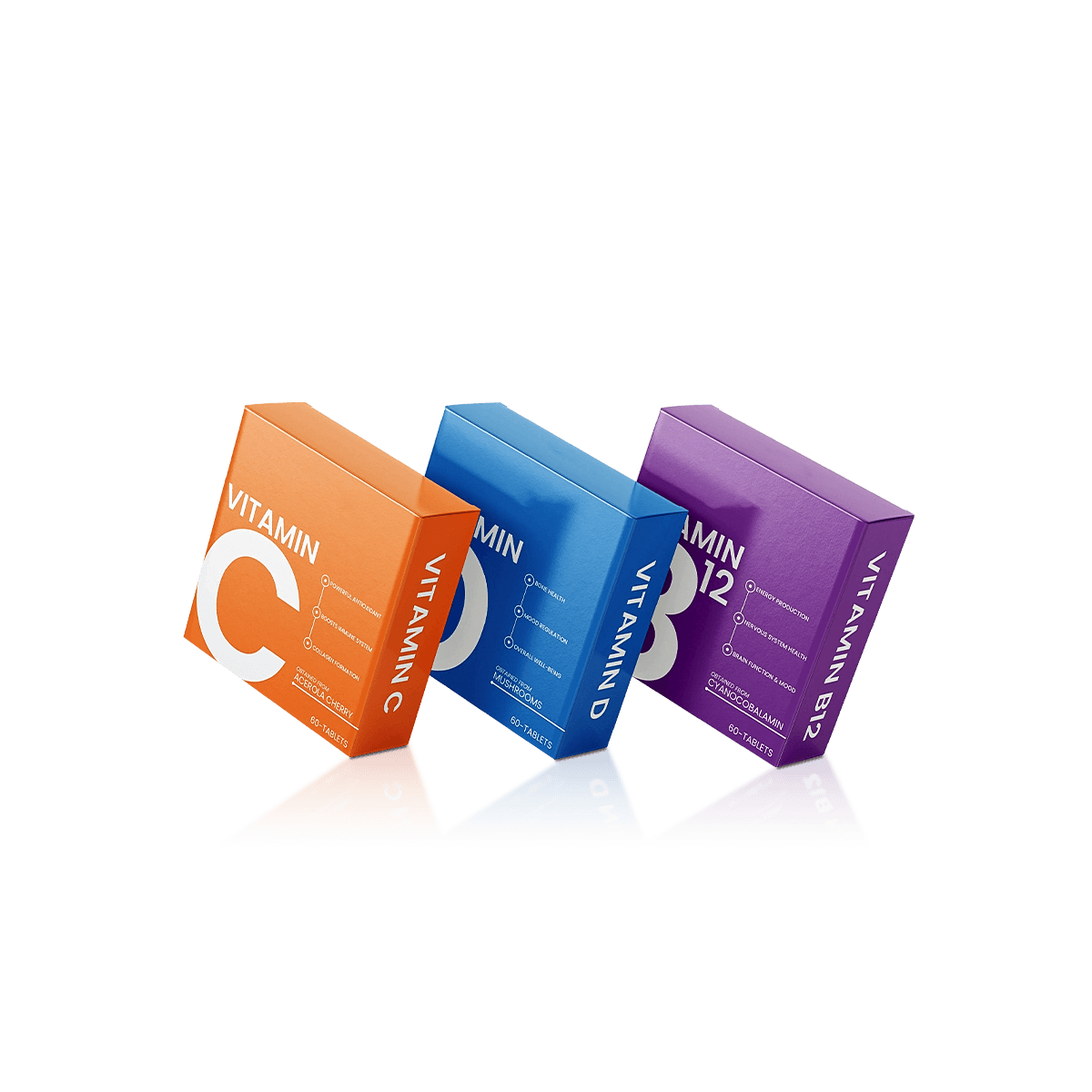
A health product line may include sprays, patches, tubes and bottles that address different needs. The artwork should make each item easy to distinguish while keeping the brand recognisable.

Custom Health Product Boxes can share the same logo position, type style and panel structure. Product names, colours, icons and approved directions can then change.

Use names before colour

Give each item a clear product name. Use colour as a second cue. This helps when two colours look similar or the product appears as a small online image.

Icons can support quick identification, but they should not replace required text or suggest an unapproved claim.

Keep fixed elements in fixed places

Choose one position for the logo, product quantity and barcode where box dimensions allow. This creates a more orderly product family and makes artwork checks easier.

A size change may require a new dieline, but the main visual rules can remain consistent.

Distinguish health products from supplements

Health product cartons may hold topical care, patches, sprays or small daily care items. Ingestible tablets and capsules often need a more focused structure and information plan.

Custom Supplement Boxes can address bottle counts, tablet products and supplement-specific presentation without making both pages compete for the same buyer intent.

Prepare Boxes for Shelves and Online Orders

Custom Health Product Boxes may appear in pharmacies, clinics, wellness shops, online stores or care sets. The carton needs to stay presentable through handling, storage and delivery.

The retail carton should not be treated as the shipping box unless its structure has been designed for that job.

Keep shelf fronts square

Select board strength around the item weight and carton height. A tall carton around a small round bottle may bow if the board is too light or the fit is too loose.

A close fit, firm base and well-set creases help the box stand straight. Print the product name on the top panel when staff may view cartons from above.

Protect printed cartons in delivery

Use a suitable mailer or shipping carton around the retail box. Fill empty space so the product does not move during transit.

Hard items should not press directly against the printed carton. Mixed orders may need paper fill or a simple divider.

Plan sets as one complete presentation

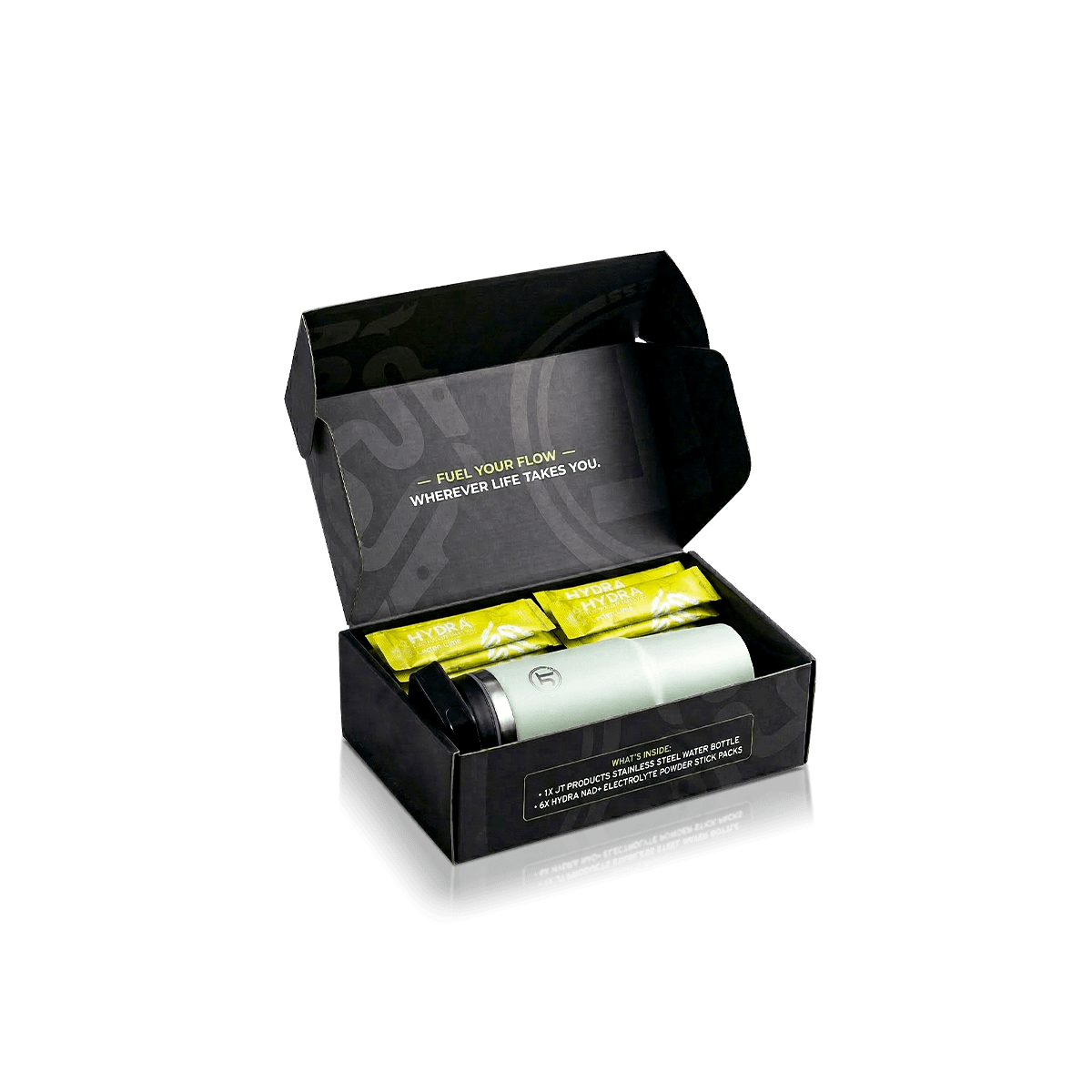
Several health items can be arranged in a care set or launch box. Each individual carton can carry its own identity, while the outer box presents the set as one offer.

Test the combined weight and insert layout before finalising the outer box.

Select Board and Finishes With Restraint

Custom Health Product Boxes often benefit from a clean surface, strong colour control and an uncluttered finish. Paperboard works well for many small retail cartons because it folds neatly and provides a smooth print face.

White board supports bright colour and fine text. Kraft board can create a natural appearance, though printed colours may look softer. Corrugated board may suit larger sets or heavier items.

Match the board to product weight

A light patch or sachet carton may use a thinner grade than a glass bottle box. The base should remain firm when the product is lifted or stacked.

Do not select board by appearance alone. Test it with the filled item.

Use finish to support the design

Matte lamination can reduce glare and suit calm artwork. Gloss can strengthen bright colour. Foil, embossing or spot gloss can highlight a logo or short product name.

Keep decorative finishes away from small instructions, barcodes and areas that need later coding.

Review the full material combination

A paper carton with a paperboard insert may be simpler to separate than a box using several material types. A window should have a clear purpose before film is added.

Board, print and finish details can be planned through Customisation once the product shape and artwork needs are known.

Plan Product Launches and Reorders Carefully

Custom Health Product Boxes can start from 50 units. This may suit a new care item, a clinic-branded product or a short market test. Custom Packly can also support larger runs and ongoing orders in the thousands.

Record the box size, board, finish and artwork revision for each product. Similar cartons can be easy to confuse when several designs move into production together.

A practical three-product example

A brand may use one visual system for a spray, tube and patch carton. Each box has a different size, but the logo, type and key information order remain consistent.

The spray may need a neck-support insert. The tube may use a simple tuck carton. The patches may sit flat in a shallow box.

The quote should show the quantity and specification for each item. This prevents one total quantity from hiding three different structures.

Recheck the product before every large reorder

A new pump, cap, tube supplier or label can change the fit. Confirm the final item dimensions before repeating a large order.

Review the approved copy, barcode and coding area at the same time. Do not assume an old artwork file remains current.

Quote Details That Prevent the Wrong Box

An accurate quote for Custom Health Product Boxes needs the complete item details, not only a product name and logo. Product shape, weight and internal components can change both structure and cost.

Send:

  • Product type and intended use
  • Final container length, width and height
  • Filled product weight
  • Cap, pump, trigger or tube dimensions
  • Leaflet and accessory sizes
  • Insert or divider requirements
  • Preferred opening and loading direction
  • Number of artwork designs
  • Quantity for each design
  • Board and finish preferences
  • Barcode and coding needs
  • Retail, clinic, ecommerce or set use
  • Artwork status
  • Required date

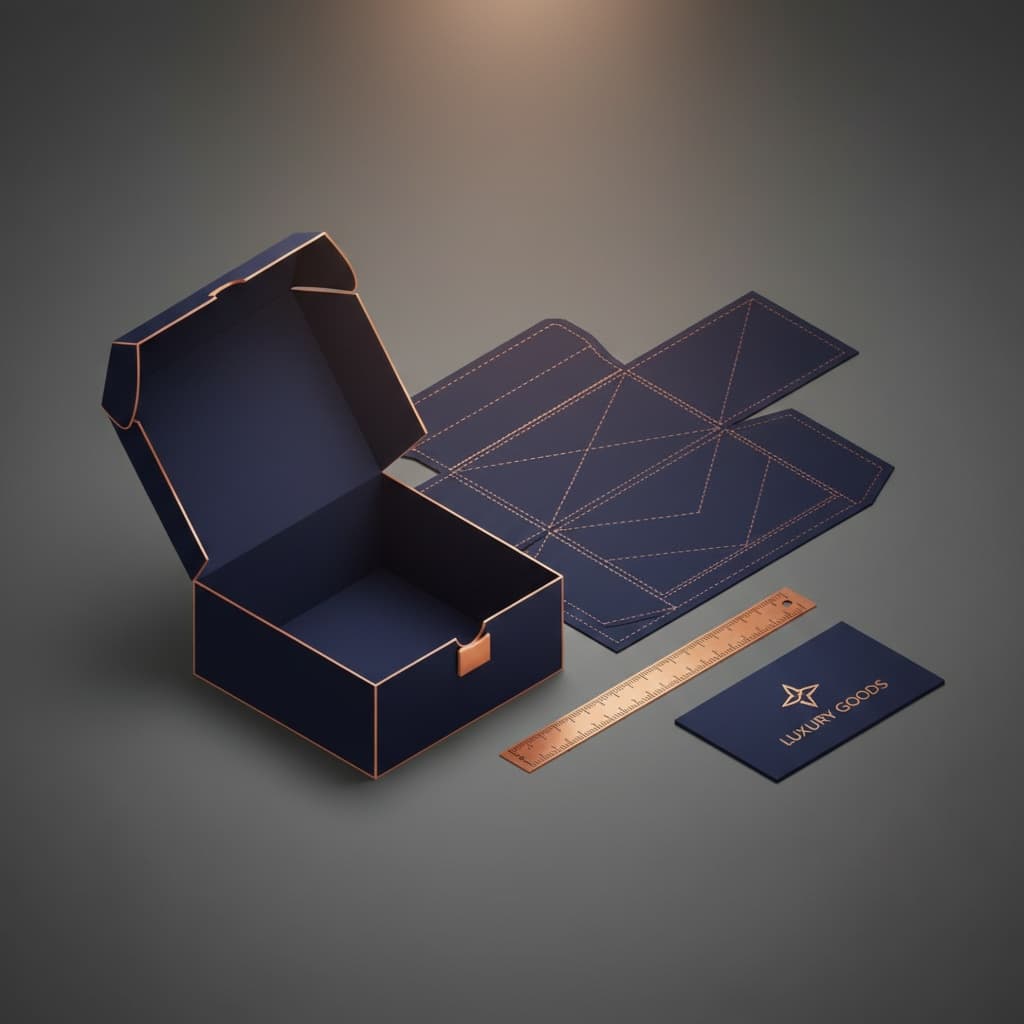
The Dieline Tool can support custom dimensions and panel setup after the carton style is confirmed.

Send the product size, quantity and component list through Get a Quote. Custom Packly can then assess the carton, insert and artwork as one complete job.

FAQs

They can suit bottles, tubes, patches, sprays, sealed sachets and small daily care items. The structure depends on the final product.

Yes. A physical sample is sensible when the pump, glass container or fitted insert creates a higher fit risk.

Yes. Keep the core brand elements fixed, then change the product name, colour, instructions and codes for each item.

Process

How it works

Simple steps from idea to delivery

01

Tell Us Your Specs

Custom packaging boxes

Tell Us Your Specs

Provide size, quantity, printing, and finishes.

02

Get a Fast Quote

Custom packaging boxes

Get a Fast Quote

Instant transparent pricing, no hidden fees.

03

Design and Approval

Custom packaging boxes

Design and Approval

Artwork checks, revisions, and final sign-off.

04

Produce

Custom packaging boxes

Produce

Expert manufacturing to meet deadlines.

05

Ship to Your Door

Custom packaging boxes

Ship to Your Door

Hassle-free, flexible delivery options.

Start Your Custom Packaging Quote

Share your product details, dimensions, quantity and artwork needs. We’ll help choose the right packaging style and send a clear quote.