Custom Auto Lock Bottom Boxes
Fast-forming folding cartons with pre-glued bases for products that need stronger bottom support, quicker packing, clean print and stable retail display.
Free Design Support
Clear Pricing
Flexible Quantities
Unlimited Customization
Premium Materials
Offset Precision
Free Shipping
Quick Turnaround
Faster cartons with a stronger base
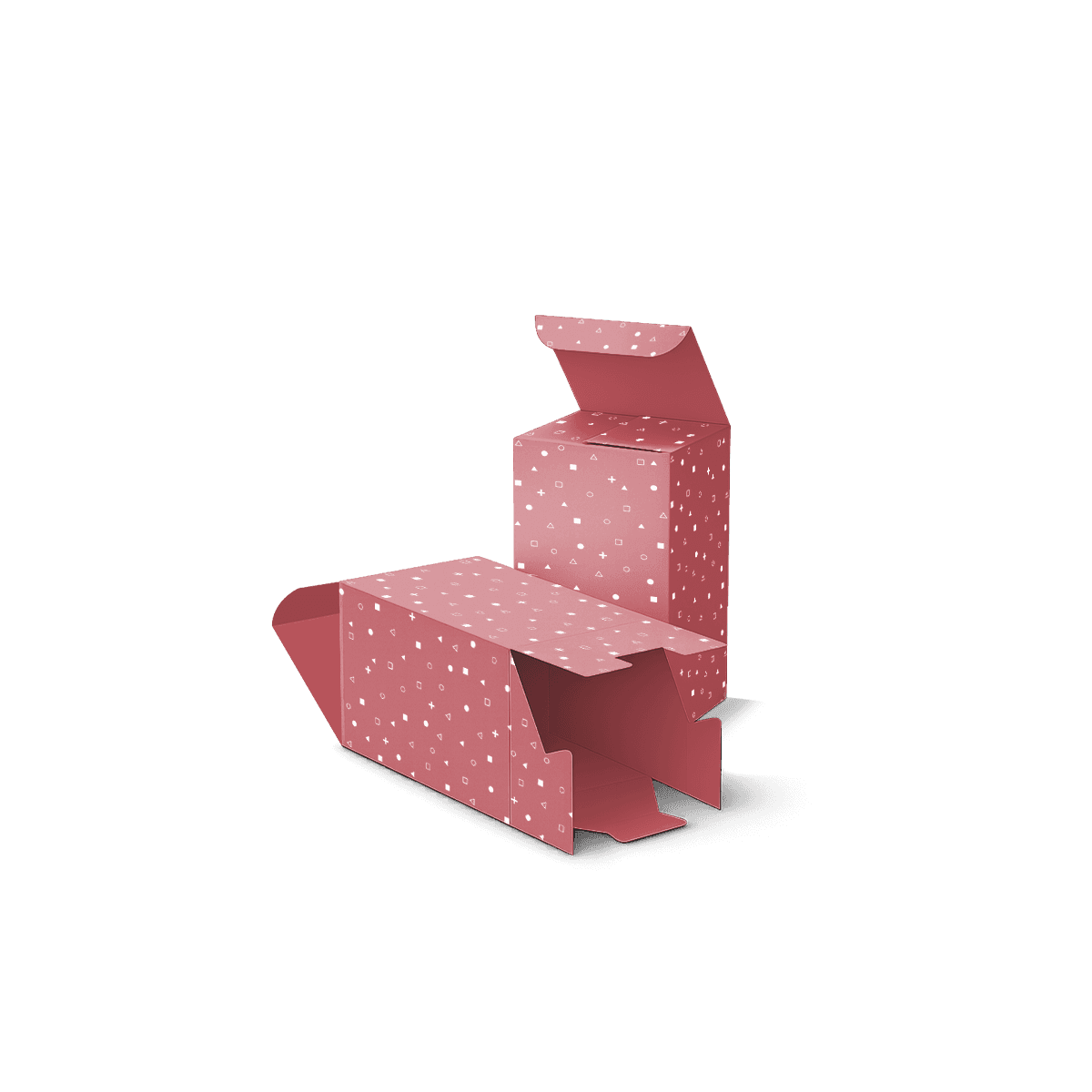
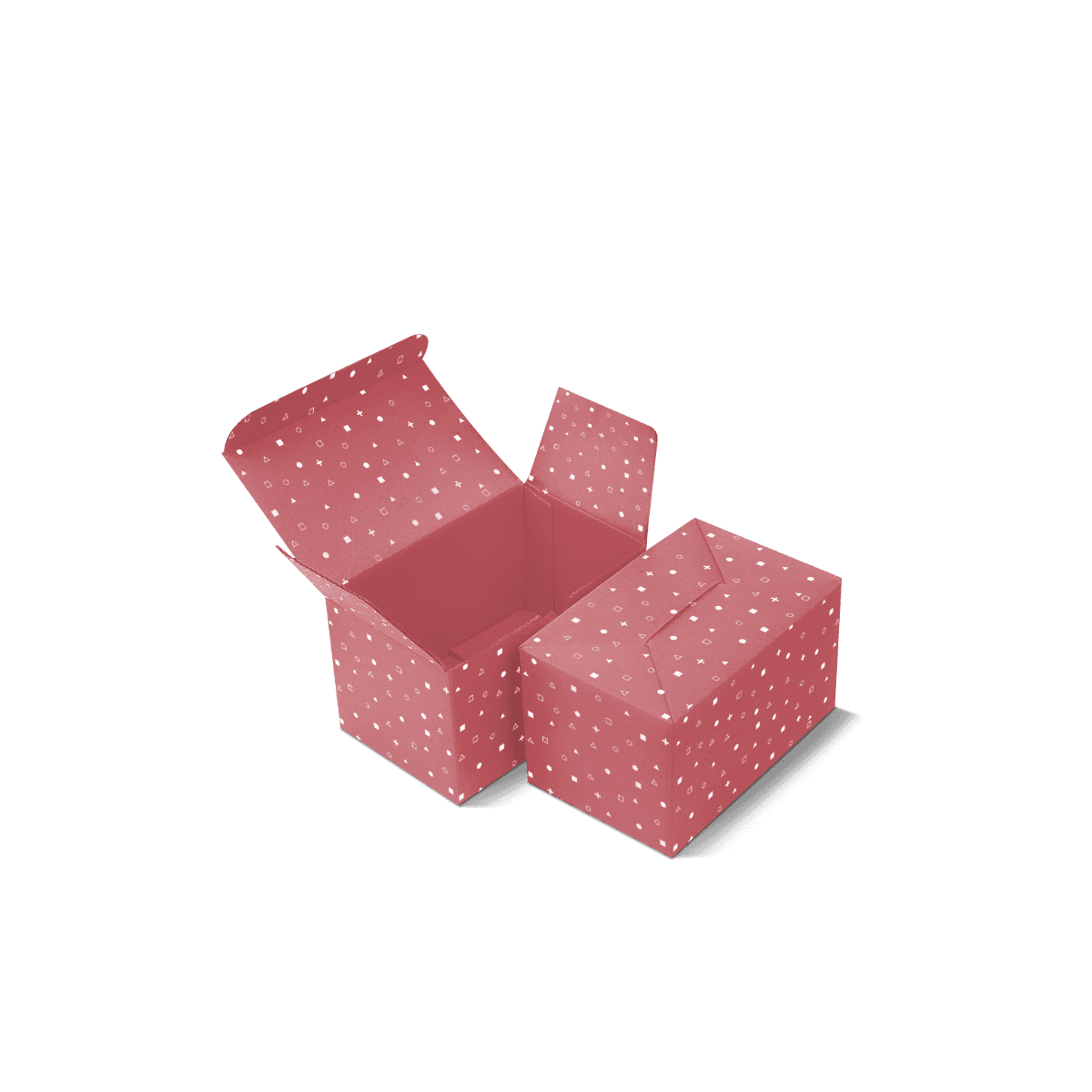
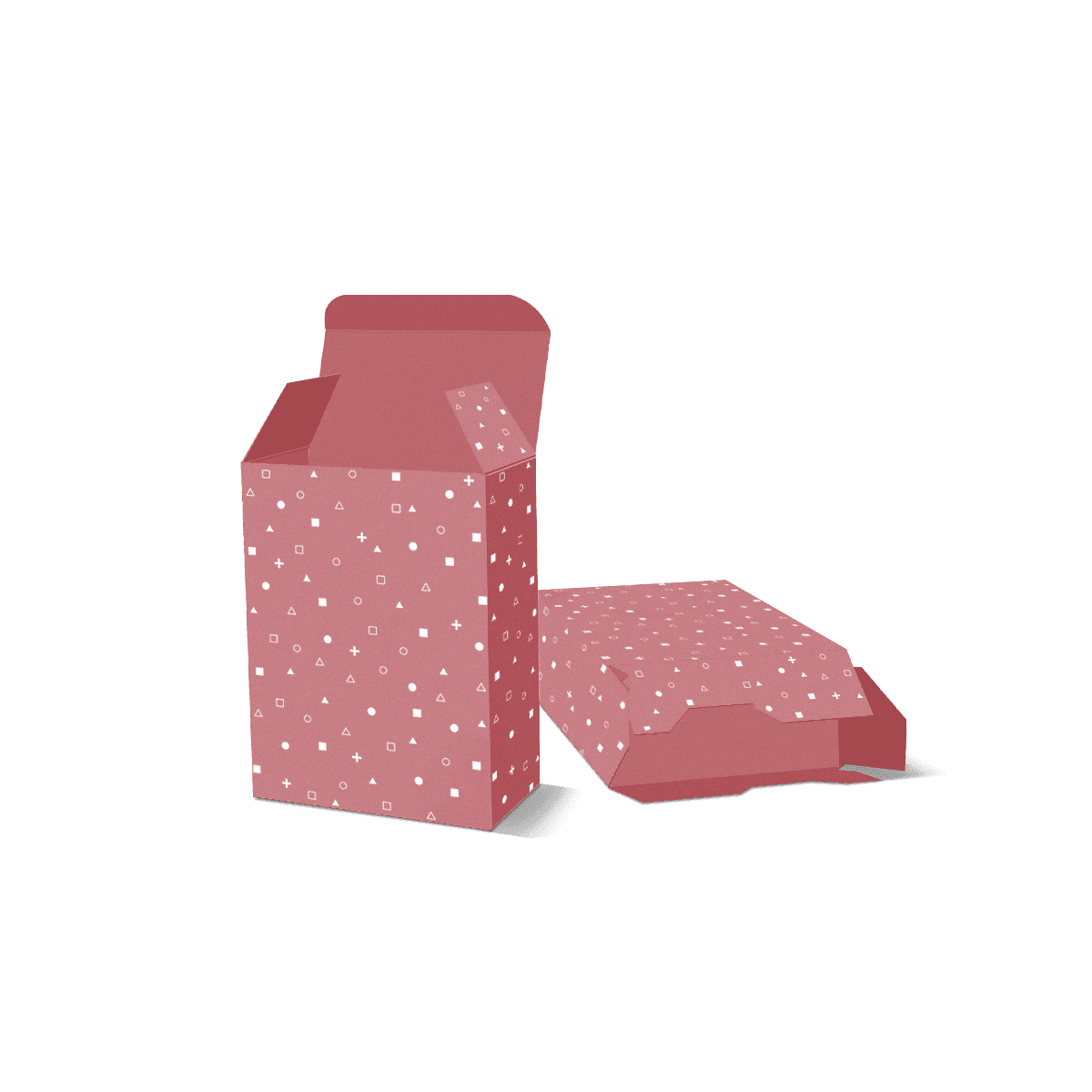
Custom Auto Lock Bottom Boxes are folding cartons with a pre-glued base that opens and locks into position as the box is formed.
That makes them useful for products that need faster packing and more base support than a basic tuck end carton. Instead of folding several bottom flaps by hand, the base is already glued during production. The packer can open the carton, load the product and close the top with fewer steps.
These boxes suit small to medium retail products that are slightly heavier, taller or more awkward than a standard tuck box can handle comfortably. Food items, bottles, jars, candles, wellness products, cosmetics, gift items and product kits often use auto lock bottom packaging because the base feels more stable during filling, display and handling.
Custom Packly creates Custom Auto Lock Bottom Boxes with custom sizing, paperboard choices, print options, finish support and dieline help. The wider Custom Folding Cartons and Tuck Boxes range covers related carton styles when a product needs a lighter tuck base, sealed end or window panel.
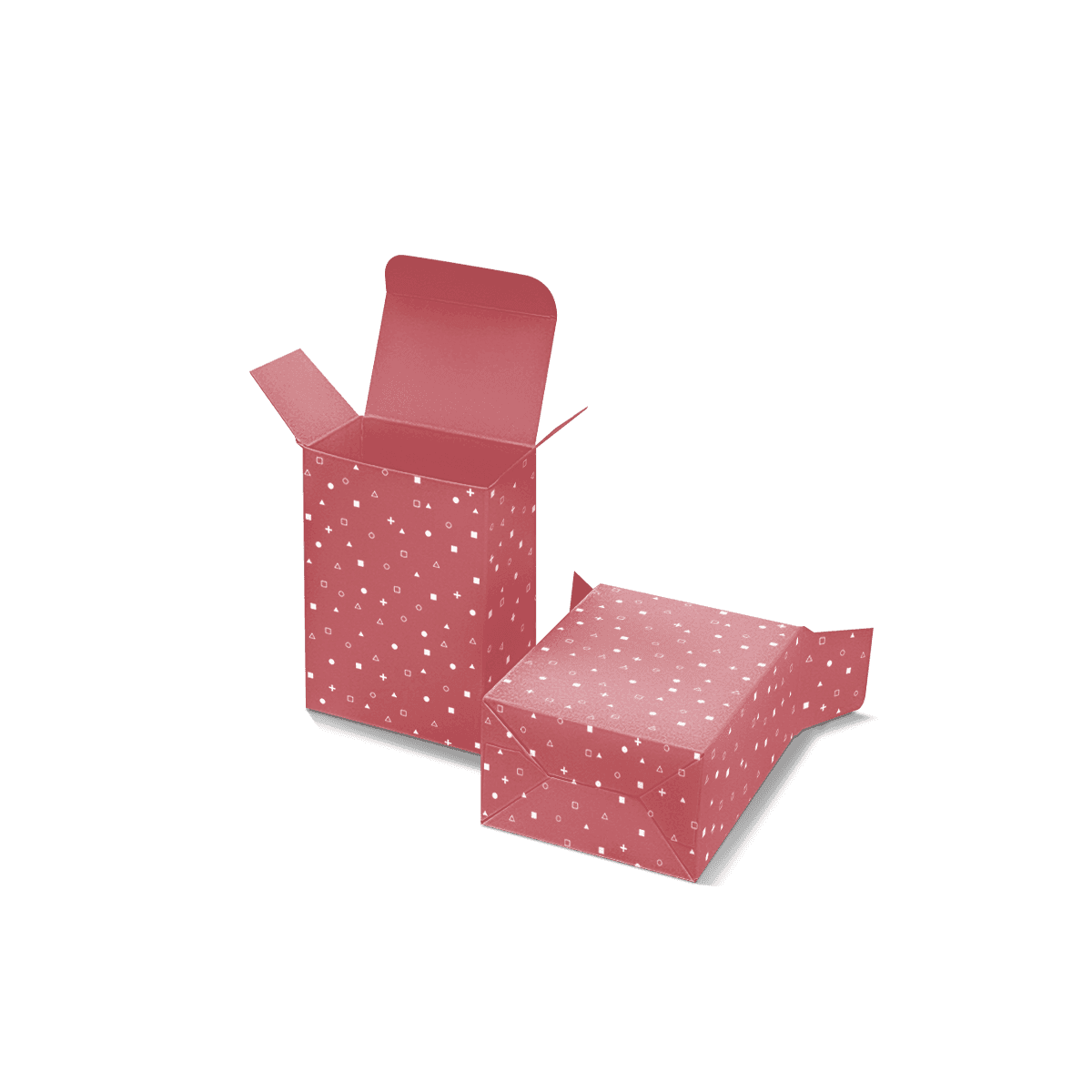
Why the base changes the packing speed
Auto lock bottom boxes speed up packing because the bottom forms automatically instead of being folded flap by flap.
This matters when a product team packs cartons by hand, prepares retail orders in batches or needs packaging that opens consistently across a larger run. The pre-glued bottom reduces the small delays that happen with manual base folding. It also helps keep the base shape more consistent from one carton to the next.
Pre-glued bottom setup
The base is glued during production so it can pop into shape when the carton is opened. That makes packing easier for teams that handle many units in one session.
Fewer manual folding steps
A standard tuck base or snap base can take more handling. Auto lock bottom cartons reduce the need to fold and lock multiple bottom flaps during packing.
Better repeat handling
When cartons are assembled the same way each time, the product sits more consistently. That helps with shelf display, packing tables and repeat production runs where the same SKU is packed again and again.
Products that need auto lock support
Custom Auto Lock Bottom Boxes work best for products that need a stronger base, quicker filling or a more stable upright carton.
They are still folding cartons, not heavy shipping cartons. Their job is to improve retail packaging support for products that are too weighty or time-sensitive for a basic tuck bottom but do not need rigid packaging.
Food and beverage retail items
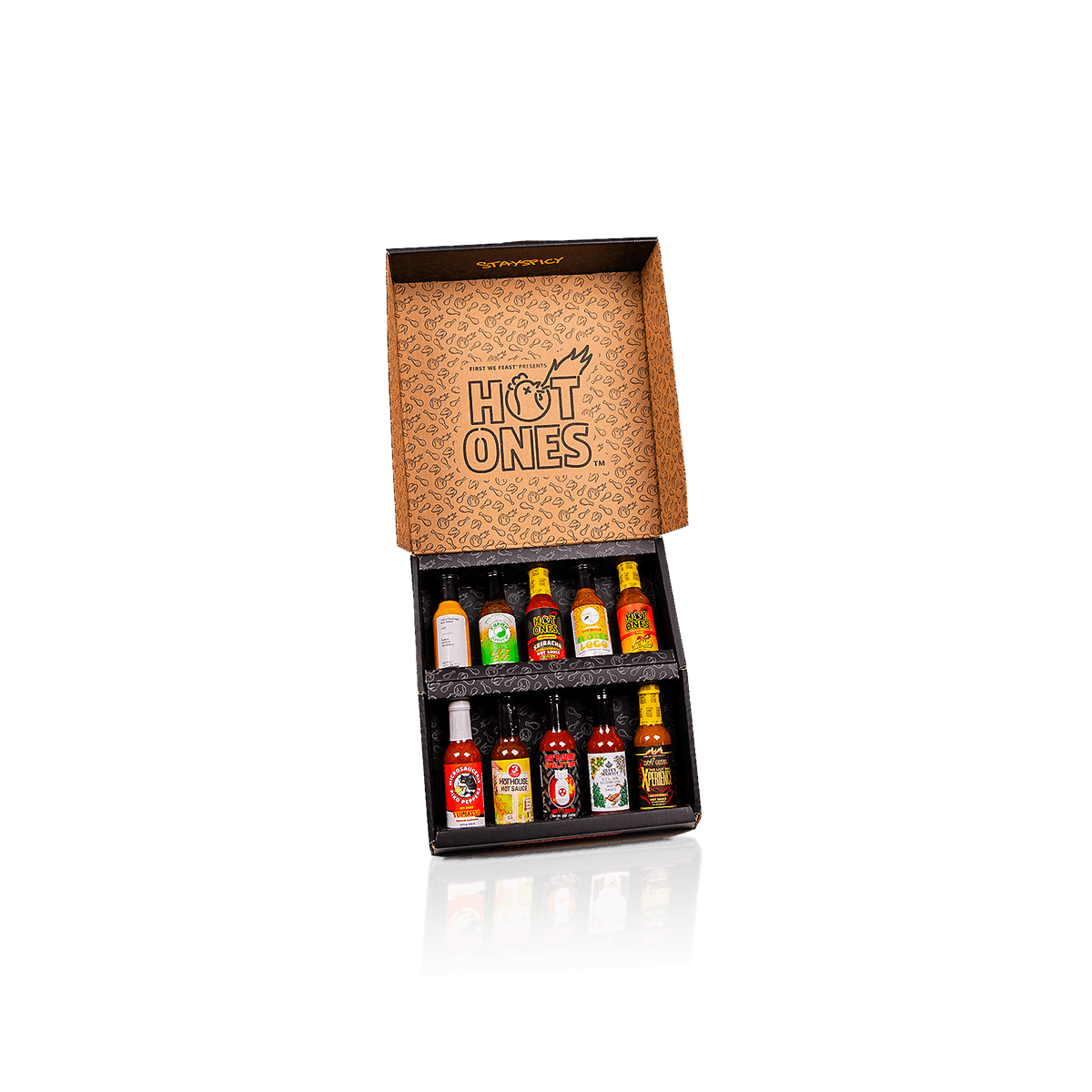
Dry food products, jars, bottled items, tea, confectionery, snacks and giftable food ranges can benefit from an auto lock base when the product needs a stable bottom and neat shelf presentation. Custom Food and Beverage Packaging often needs carton structures that balance product visibility, food-friendly material planning and fast packing.
Candles, jars and small bottles
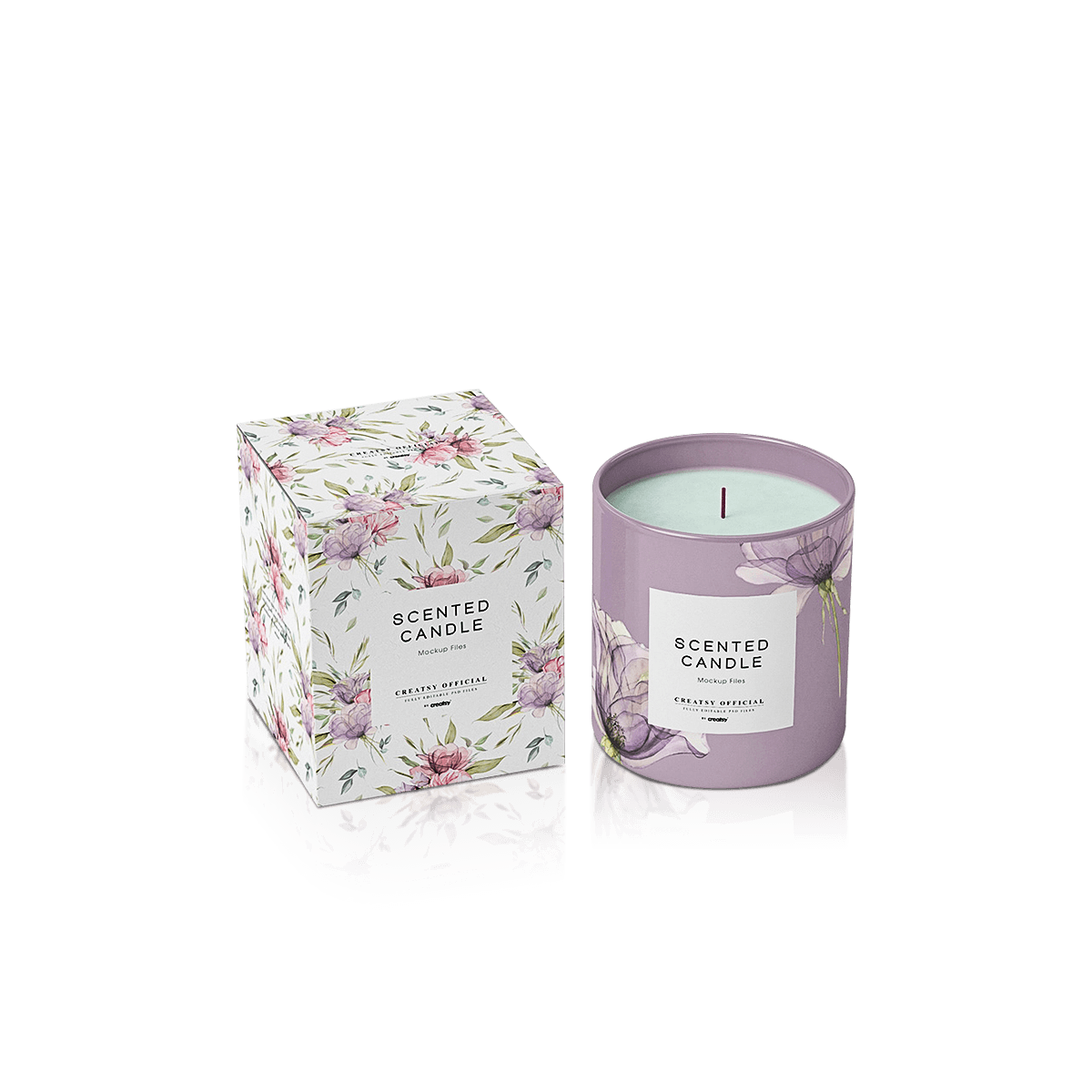
A candle jar, dropper bottle or compact glass container can place more pressure on the carton base than a flat product. Auto lock bottom packaging can give the base more confidence while still keeping the carton flat-packed before use.
Wellness and cosmetic products
Supplements, creams, serums, bath products, personal care items and small wellness kits often need both clear information panels and stronger bottom support. The auto lock base helps the carton feel more dependable when the product has weight, height or multiple pieces.
When a basic tuck carton is not enough
A basic tuck carton may not be the best choice when the product weight, packing speed or base pressure becomes the main issue.
Straight tuck and general tuck end cartons are useful for lightweight retail products. Auto lock bottom cartons become more suitable when the product needs stronger support from below or the packing process needs to move faster.
Weight at the bottom
Products with dense weight, glass, liquid-filled containers or clustered items can put stress on a simple tuck base. The pre-glued base gives the carton a more secure bottom during filling and handling.
Slow packing at scale
Manual base folding may feel fine for a small test run, but it can slow teams down when orders move into hundreds or thousands of units. Auto lock bottom boxes help reduce that repeated packing step.
Upright display needs
Products that stand upright on shelf need a base that forms evenly. A poorly folded bottom can make cartons sit unevenly. Auto lock bottom packaging helps create a more consistent base shape across the run.
Auto lock, crash lock and snap lock differences
Auto lock bottom boxes use a pre-glued base, while snap lock boxes usually need the base flaps locked manually.
The terms auto lock and crash lock are sometimes used closely in packaging. The safest approach is to confirm the exact base mechanism, product weight and packing method before production. Custom Packly helps choose the correct bottom style based on what the product needs to hold and how the carton will be packed.
Auto lock for speed
Auto lock bottom boxes are practical when faster setup matters. The base forms as the carton opens, which helps teams pack more efficiently.
Crash lock for similar auto-bottom needs
Custom Crash Lock Bottom Boxes can suit buyers looking for a closely related pre-glued base style. The exact choice should be based on carton size, load pressure and packing method.
Snap lock for manual base control
Custom Snap Lock Bottom Boxes use interlocking base flaps. They can suit products where manual locking is acceptable and the packaging team wants a different bottom style.
Top closure and opening feel
Most auto lock bottom cartons use a tuck-style top, so the base supports the product while the top remains easy to open and close.
This gives brands a useful balance. The bottom feels more secure, while the top can still create a familiar customer opening moment. The top flap can also carry a logo, QR code, batch cue, opening message or product detail.
Tuck top access
A tuck top is simple for staff and customers. It keeps the carton easy to close after filling and easy to open without tearing the whole pack.
Dust flap control
Dust flaps help the top close neatly. They should not hit the product, press into an insert or create resistance when the carton is packed.
Opening direction
The opening direction should match the product and artwork. A bottle, jar or kit may need a different loading angle from a flat product or pouch.
Board strength and crease planning
The board must support the product weight while still folding cleanly at the pre-glued base.
Auto lock bottom cartons place more demand on the board and crease design than a very simple folding carton. If the board is too light, the base may not feel strong enough. If the board is too thick, the carton may resist folding or form bulky corners.
Paperboard for printed retail cartons
White paperboard works well for sharp colour, clean product information and premium printed retail cartons. It suits food, wellness, beauty and product packaging where the design needs strong shelf impact.
Kraft board for natural product ranges
Kraft board can suit natural food, candle, soap and wellness ranges. It gives the carton a warmer and more organic look, but colours may print softer than on white board.
Creases that hold the base shape
Crease accuracy matters because the base needs to fold into place cleanly. Weak or poorly placed creases can affect how the carton opens, stands and supports the product.
Print panels for heavier small products
Auto lock bottom boxes still give brands strong print space across the front, back, sides and top flap.
The front panel should carry the main product message. The back panel can hold product details, barcode placement, usage notes or ingredients. Side panels can separate variants, flavours, scents, strengths or product series. The top flap can add a small brand moment without crowding the main display face.
Custom Packly supports premium offset printing for clean type, detailed artwork and colour consistency across repeat orders. For brands focusing heavily on colour, artwork and finish control, Custom Printed Boxes can support the print side of the packaging plan.
Clear front panel hierarchy
Heavier small products often need a box that looks premium but still reads quickly. Keep the front panel focused on the brand, product name and strongest buying cue.
Side panels for range control
Side panels are useful when multiple SKUs share the same box size. Colour bars, variant names or short claims can help customers and packing teams identify each product quickly.
Top flap details
A small logo, QR code or opening message on the top flap can add polish without interfering with the main artwork.
Finishes that support the structure
Finishes should add shelf value without making the folded base, corners or top closure feel overworked.
Auto lock bottom boxes often carry products with more perceived value than a basic carton. A well-chosen finish can help the box feel more premium while keeping it practical for handling.
Matte for refined products
Matte coatings suit candles, wellness products, beauty items and premium food ranges. They reduce glare and create a softer look in product photography.
Gloss for brighter ranges
Gloss coatings suit colourful products, confectionery, promotional packs and food items where brighter colour helps catch attention.
Foil and Spot UV for controlled highlights
Foil, embossing and Spot UV work best when they highlight key details such as the logo, product name or small design feature. The carton should still fold cleanly and read clearly.
Dieline details that affect the base
An auto lock bottom dieline must be planned around the pre-glued base, crease angles, glue areas, tuck top, product clearance and artwork safe zones.
The base is the technical part of this carton. If the dieline is not planned properly, the box may not pop open cleanly or the base may not sit as intended. Artwork also needs careful placement so important design elements do not fall across glue tabs, crease lines or hidden base flaps.
Custom Packly can help with dielines and artwork setup before production. The Dieline Tool is useful when you need to prepare carton sizing and structure details before final artwork.
Glue areas must stay clear
Glue areas should not carry important artwork or small text. They need clean space to bond properly and form the base.
Bottom panels need movement room
The base panels need enough room to fold into place. The product should not press into the base in a way that stops the carton from forming cleanly.
Safe zones protect important print
Logos, barcodes, warnings, ingredients and fine text should stay away from fold lines and glued areas. This protects readability after the carton is formed.
Fit checks before choosing the base
The product must fit the carton without blocking the auto lock base or forcing the top closure.
Auto lock bottom boxes are often used for products with more weight or height, so accurate measurement matters. A product that is too tight can stop the base from settling properly. A product that is too loose can shift during handling and weaken the customer experience.
Measure the widest point
Measure the product at its widest, deepest and tallest points. Include lids, pumps, caps, labels, sleeves, seals and any wrap that will stay on the product during packing.
Include inserts from the start
If the carton needs a divider, cradle or support insert, include it in the sizing plan before the dieline is finalised. Adding an insert later can change the internal fit.
Test filling and closure
The ideal carton opens quickly, accepts the product without force and closes cleanly at the top. That packing motion should feel natural before moving into a larger run.
Short runs and high-volume carton packing
MOQ starts from 50, with support for larger production runs, repeat orders and high-volume carton programs as your brand grows.
Custom Auto Lock Bottom Boxes are useful for both first launches and larger repeat runs because the structure can save time at the packing table. A small first run can confirm product fit, base behaviour and artwork. A larger run can help teams pack faster and keep the carton consistent across stores, fulfilment batches or seasonal orders.
Custom Packly can support free sample review before full production, local production, 4 to 6 day turnaround when order details are ready, free delivery and expert design help. For repeat packaging, bulk storage planning and repeat-order discounts can help brands manage cartons without changing the structure between runs.
When multiple products share the same base size, the same carton structure can often carry different artwork, variants or product details. That makes the range easier to manage and helps repeat orders stay organised.
Quote details that avoid base problems
A good quote request should include product size, product weight, carton quantity, material direction, print coverage, finish ideas and packing needs.
For auto lock bottom cartons, weight matters more than usual. Send the product weight if the item is a jar, bottle, candle, food item or multi-piece set. Mention whether the product will be loaded by hand, packed in batches or used for retail display.
Useful quote details include:
- Product dimensions and weight
- Quantity for first run and likely repeat volume
- Product type and loading direction
- Paperboard, kraft or premium board preference
- Outside print, inside print or both
- Matte, gloss, foil, embossing or Spot UV needs
- Insert, divider or window requirements
- Artwork status and launch deadline
When the base style is not confirmed, send the product details first. Custom Packly can help decide whether an auto lock bottom, crash lock bottom, snap lock bottom or simpler tuck carton will work best.
Where auto lock boxes fit in the range
Custom Auto Lock Bottom Boxes sit between basic tuck cartons and heavier retail packaging, making them useful when base strength and packing speed matter together.
A basic tuck end carton may be enough for light products. A snap lock carton may suit products where manual base locking is acceptable. An auto lock bottom carton works better when staff need faster setup and the product needs a more secure base. A rigid box may suit premium gifts, luxury sets or products where the whole structure must feel heavier.
For product launches, food ranges, wellness products and candle collections, auto lock bottom packaging can give the right mix of retail print, flat storage and stronger bottom support. The result is a carton that stays practical for operations while still looking polished on shelf.
FAQs
Related Packaging Styles
Related Industries
How it works
Simple steps from idea to delivery
Tell Us Your Specs

Tell Us Your Specs
Provide size, quantity, printing, and finishes.
Get a Fast Quote

Get a Fast Quote
Instant transparent pricing, no hidden fees.
Design and Approval

Design and Approval
Artwork checks, revisions, and final sign-off.
Produce

Produce
Expert manufacturing to meet deadlines.
Ship to Your Door

Ship to Your Door
Hassle-free, flexible delivery options.
Start Your Custom Packaging Quote
Share your product details, dimensions, quantity and artwork needs. We’ll help choose the right packaging style and send a clear quote.