Skip to content
Details

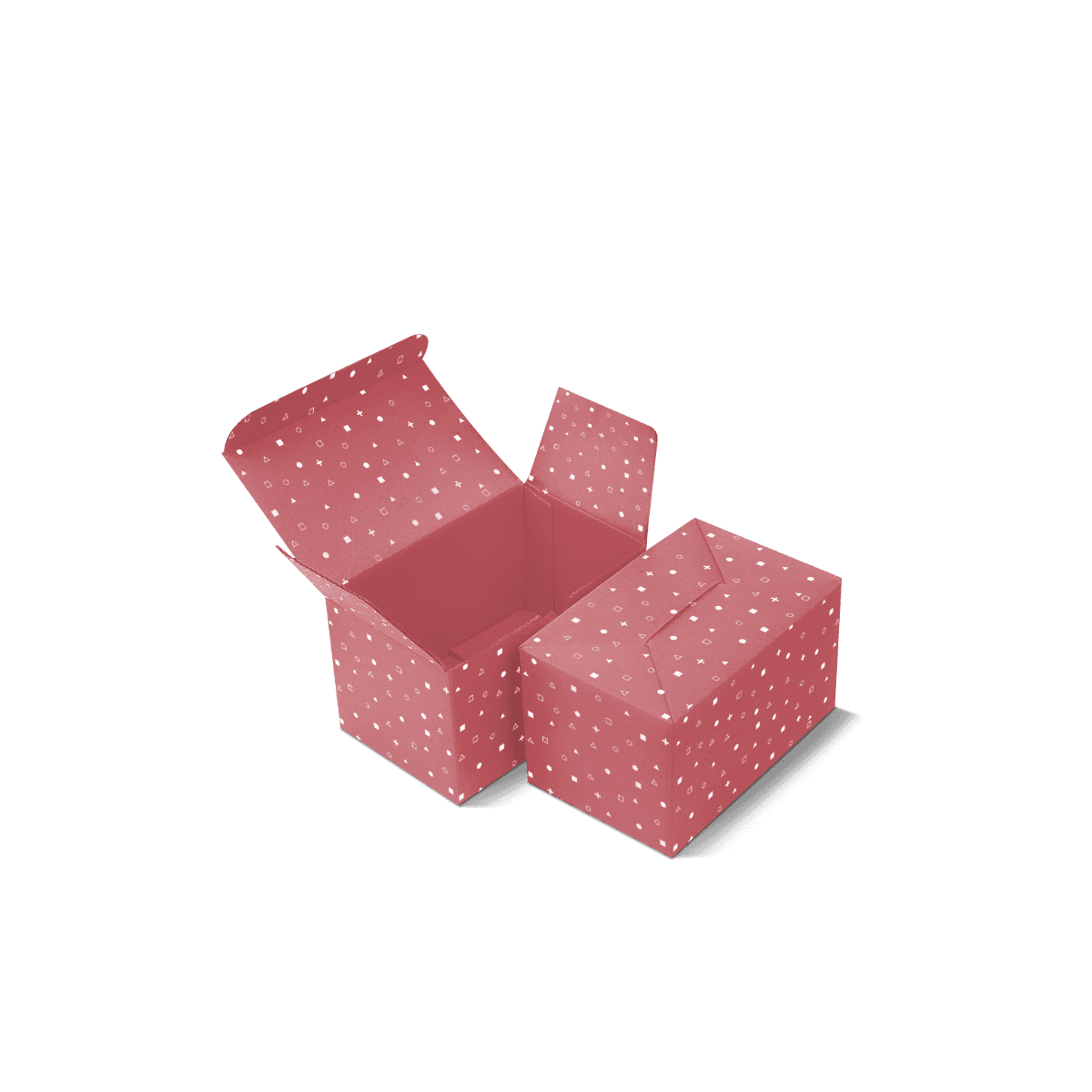
Custom Snap Lock Bottom Boxes

Manual-lock folding cartons with interlocking bases for retail products that need stronger bottom support, stable display and controlled hand assembly.

Free Design Support

Clear Pricing

Flexible Quantities

Unlimited Customization

Premium Materials

Offset Precision

Free Shipping

Quick Turnaround

Manual-lock cartons for stronger retail bases

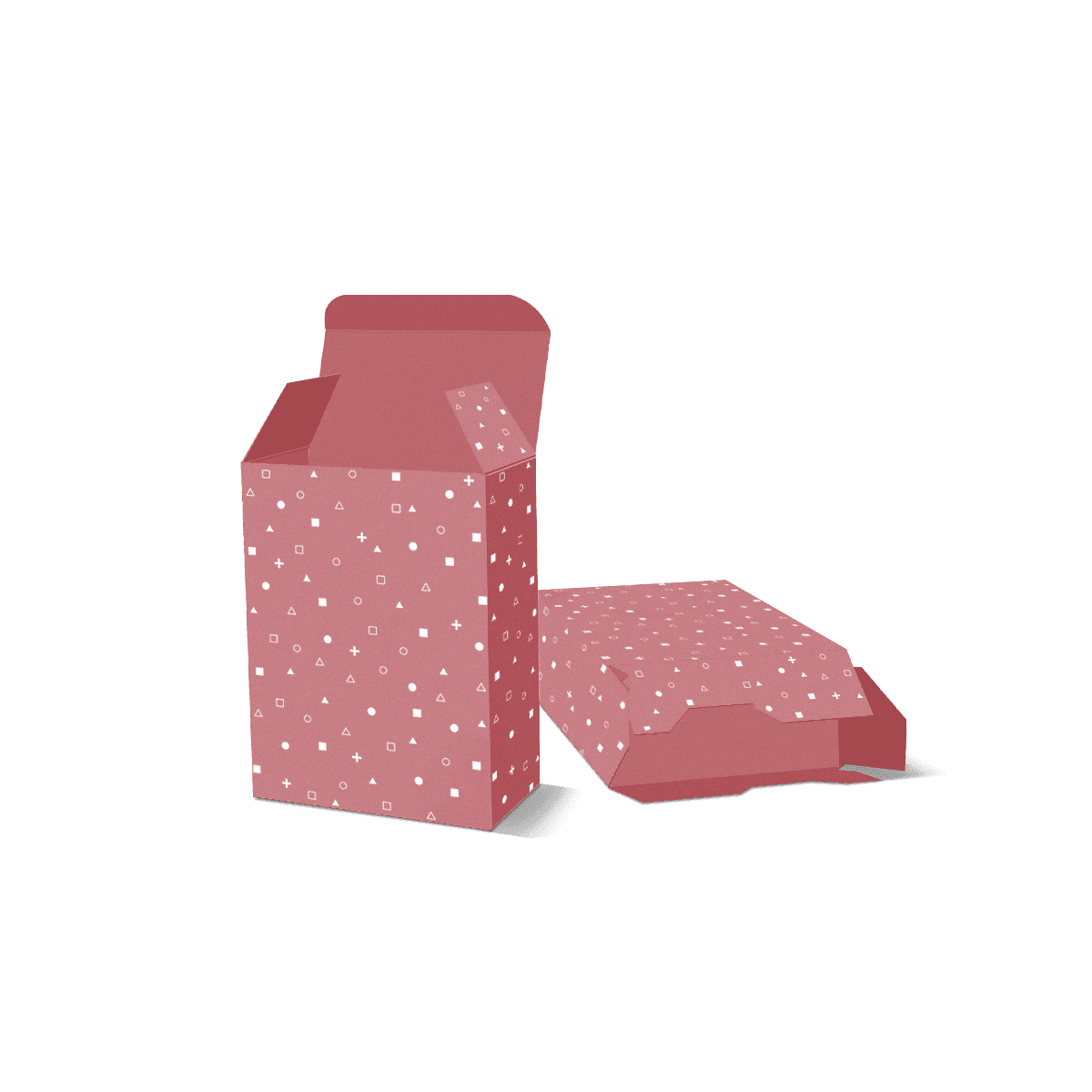
Custom Snap Lock Bottom Boxes are folding cartons with base flaps that fold and interlock by hand to create a stronger bottom for retail products.

This structure is also known as a 1-2-3 bottom box because the bottom usually locks through a short sequence of folding steps. It is useful when a product needs more base strength than a simple tuck bottom but does not need the faster pre-glued setup of an auto lock bottom carton.

The main benefit is control. The packer manually locks the base into place, which creates a firm bottom for products such as cosmetics, jars, supplements, small bottles, candles, confectionery, gift items, accessories and sample kits. These cartons still store flat before use, so they work well for product teams that need better structure without bulky pre-assembled packaging.

Custom Packly creates Custom Snap Lock Bottom Boxes with custom sizing, paperboard options, offset printing, finish support and dieline guidance. The wider Custom Folding Cartons and Tuck Boxes range can help when your product needs a different tuck closure, display face or base style.

Why the locked base matters

A snap lock base matters because it gives the carton more bottom support without using a pre-glued automatic base.

Each bottom flap has a role. The flaps fold into each other, then lock through pressure and panel shape. When the dieline is correct and the board suits the product, the bottom feels stable, tidy and stronger than a basic tuck base.

More support than a simple tuck bottom

A basic tuck bottom can suit light products, but it may feel weak when the product has more weight at the base. Snap lock bottom boxes help support products that need a firmer base during filling, display and handling.

Manual setup with better control

The base takes longer to assemble than an auto lock base, but the manual lock gives the packer clear control over how the bottom forms. This can be useful for brands packing smaller batches, product kits or premium retail items by hand.

Flat storage before assembly

Snap lock bottom cartons are supplied flat before use. That helps reduce storage pressure for growing brands that handle several SKUs, seasonal runs or repeat carton orders.

Where snap lock works best

Custom Snap Lock Bottom Boxes work best for products that need a stronger base, neat shelf shape and hand-packed presentation.

They are still folding cartons, not freight cartons. Their job is to strengthen the bottom of a retail box while keeping the carton printable, compact and easy to store. They suit products that may be too heavy for a simple tuck bottom but do not require a full rigid box.

Beauty products and cosmetic sets

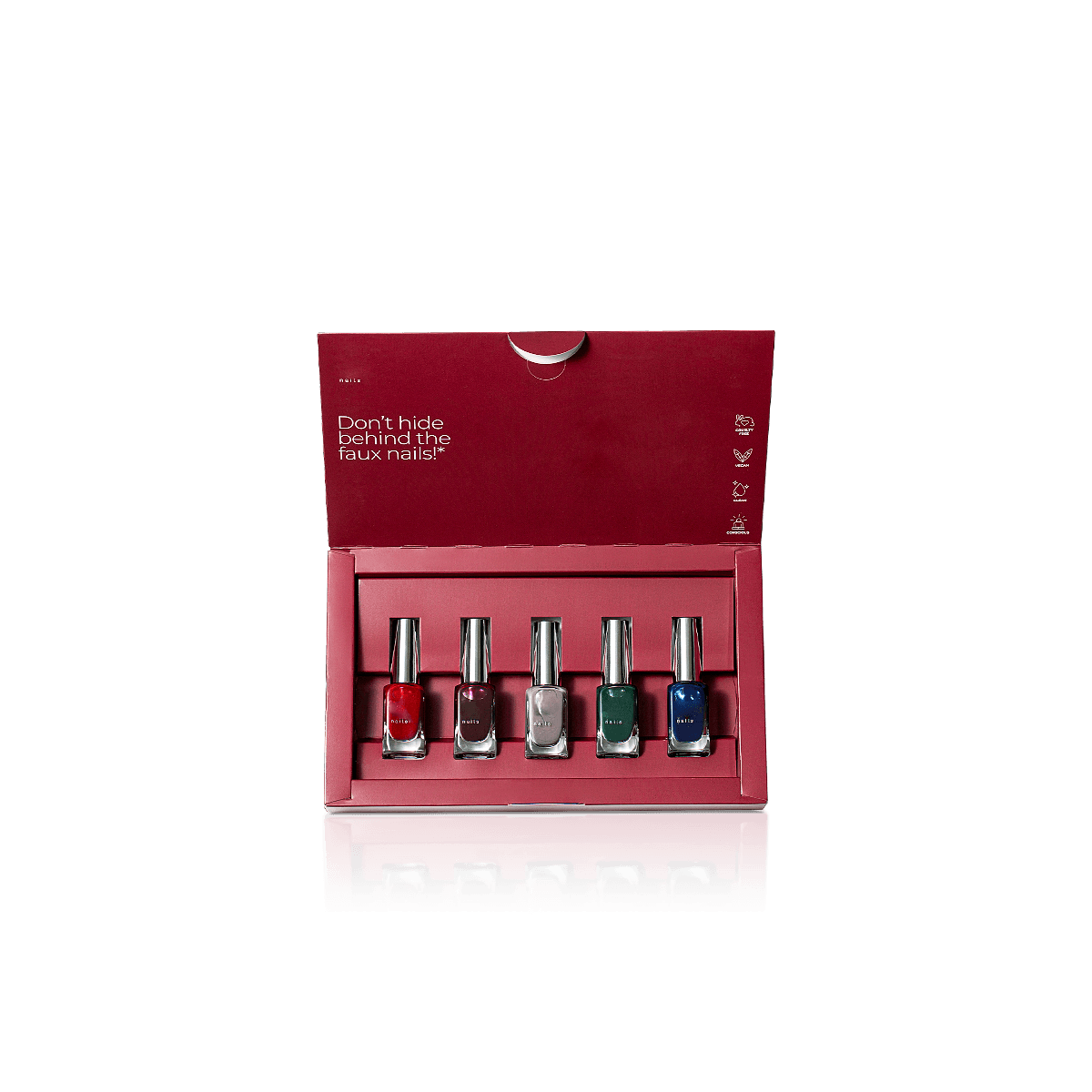
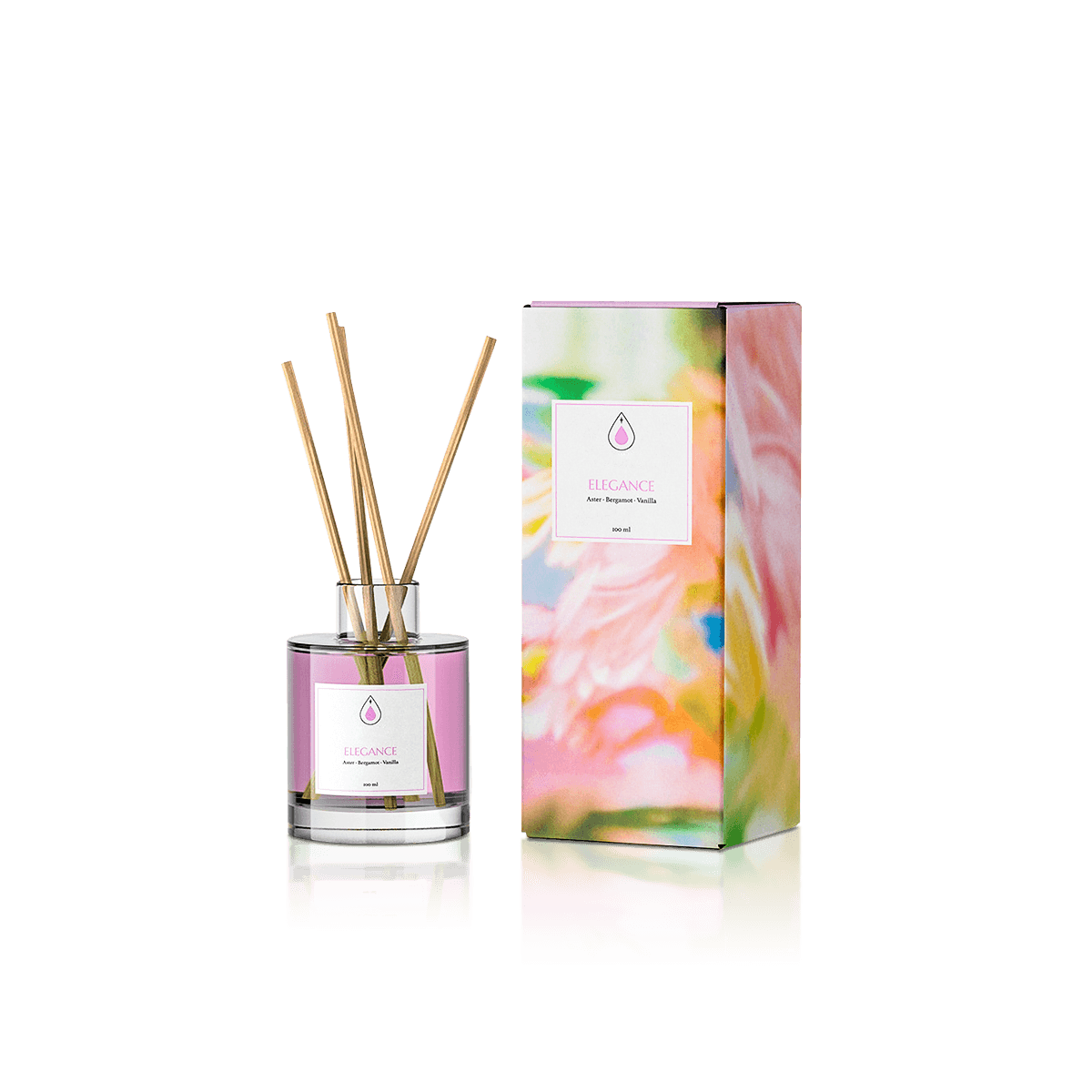
Cosmetic jars, small bottles, creams, lip products, soaps, bath products and beauty kits often need a clean retail face with enough base support to feel secure. Custom Beauty Packaging often uses folding carton styles because beauty products need strong print, tidy panel layout and accurate product fit.

Candles, jars and small glass items

A small candle jar or glass container can put pressure on the base. A snap lock bottom helps the carton feel more stable when the product is placed upright, especially when a basic tuck base feels too light.

Supplements and wellness products

Vitamin bottles, herbal products, sachet kits and wellness packs often need information-heavy panels. Snap lock bottom cartons can hold the product securely while giving the front, back and side panels room for branding, usage notes, barcode placement and product details.

Snap lock compared with auto lock

Snap lock bottom boxes are manually folded, while auto lock bottom boxes use a pre-glued base that opens faster.

This difference affects packing speed, cost planning and the feel of the carton during assembly. Auto lock cartons are usually better when speed is the main concern. Snap lock cartons are useful when the brand wants a firm interlocked base and can allow a little more hand assembly time.

Manual lock for firm base formation

Snap lock cartons require the packer to fold the base flaps into position. That extra step can create a strong locked bottom when the product needs stable support.

Auto bottom for faster packing

Custom Tuck Top Auto Bottom Boxes suit products where the base needs to pop into shape quickly and reduce packing time across larger runs.

1-2-3 bottom for similar base logic

Custom 1-2-3 Bottom Boxes are closely related to snap lock bottom packaging. They are useful when the buyer wants a manual interlocking base and a clear folding sequence for packing teams.

Products that should avoid snap lock

Snap lock bottom cartons are not always the right choice when speed, very heavy weight or outer transit protection is the main need.

A product that must be packed at high speed may work better in an auto bottom carton. A product that is very heavy, fragile or shipped without a protective outer box may need stronger packaging or extra inserts. A snap lock bottom solves base strength inside a retail carton, but it should not be asked to do every job alone.

High-speed packing lines

If a team needs the fastest carton setup, Custom Auto Lock Bottom Boxes may be better because the base forms more quickly during opening.

Very heavy products

Heavy glass, dense jars or multi-piece kits may need thicker board, inserts or a different structure. The product weight should be checked before choosing a snap lock base.

Products shipped without outer packaging

Snap lock bottom boxes can support retail presentation, but many products still need a mailer, shipper or outer carton for delivery. A retail carton should not be treated as the only shipping protection unless the product and route support that choice.

Board choice for the locking base

The board must fold cleanly and hold tension because the snap lock base depends on accurate flap movement.

If the board is too thin, the base may feel weak. If it is too thick, the flaps can resist folding and make the bottom hard to lock. The best board balances product weight, carton size, crease quality and print finish.

White paperboard for clean retail print

White paperboard suits full-colour branding, cosmetics, wellness products, food cartons and small retail goods. It gives artwork a brighter base and helps product details stay easy to read.

Kraft board for natural ranges

Kraft board suits soaps, candles, organic-style products and handmade goods. It gives the carton a warmer look, but colours can print softer than on white board.

Thickness matched to flap movement

A thicker board can improve carton feel, but it must still fold properly at the base. For snap lock bottom boxes, board thickness should be checked against the base design so the flaps lock without force.

Fit checks before dieline approval

Product fit should be checked before final artwork because the base, insert and top closure all depend on the internal size.

A snap lock carton needs enough internal clearance for the product to sit securely without pressing against the base flaps. The product should not block the bottom from locking, force the carton out of square or make the top closure hard to close.

Measure the actual packed product

Measure the widest, tallest and deepest points of the product. Include caps, lids, pumps, labels, sleeves, seals and any wrap that will stay on the product before packing.

Allow for internal supports

If the product needs a paperboard insert, divider or cradle, include that support before the carton size is locked. Adding an insert after the dieline is made can make the carton too tight.

Check how the product sits on the base

The product should sit evenly once the snap lock bottom is formed. If the weight lands on a weak area or pushes into a fold, the base design may need adjustment.

Print panels with a stable shelf view

Custom Snap Lock Bottom Boxes give brands strong print space while the locked base helps the carton stand more confidently.

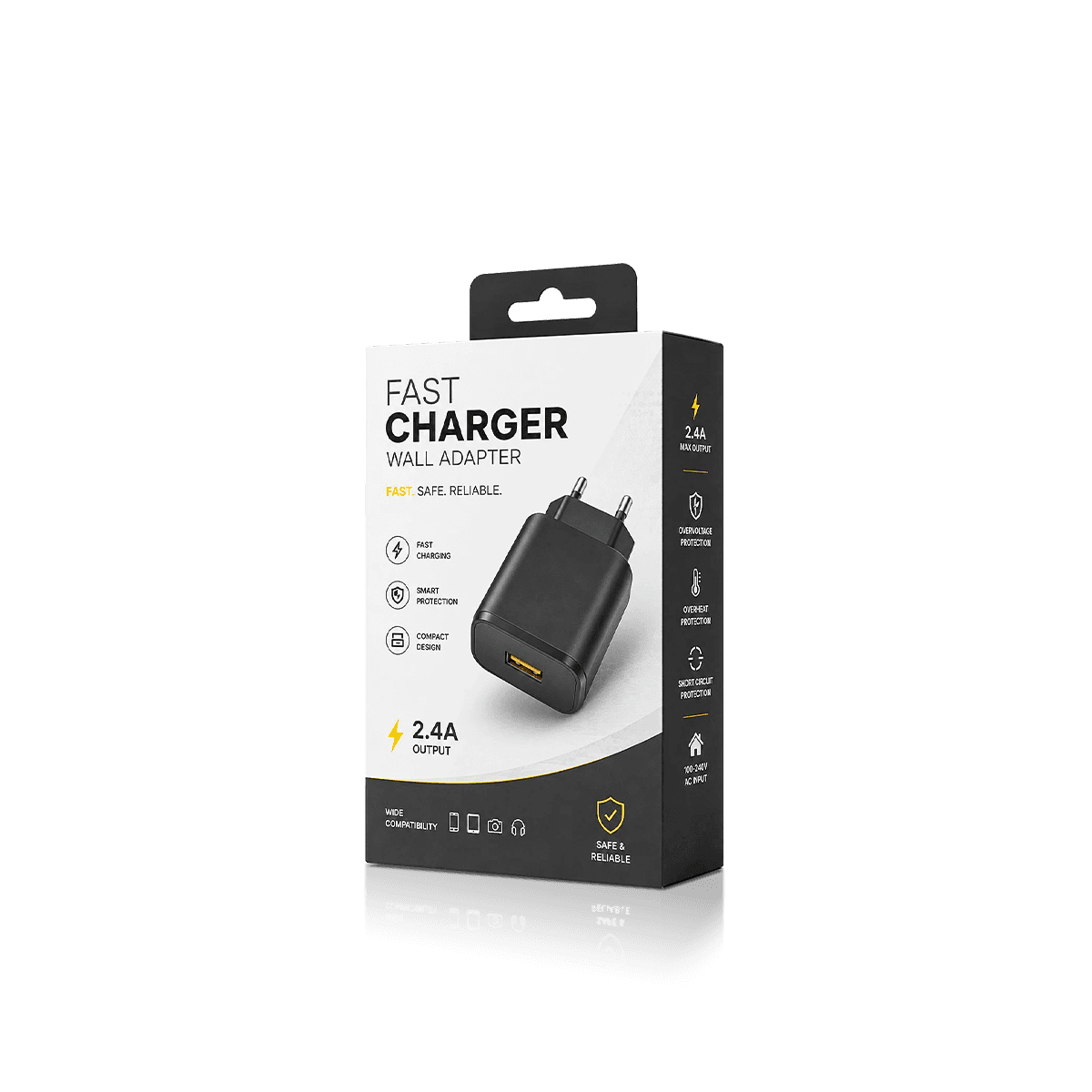
The front panel should carry the main product message. The side panels can help organise scents, flavours, shades, sizes or product strengths. The back panel can hold ingredients, care details, usage instructions, batch information or barcode placement.

Custom Packly supports premium offset printing for sharp artwork, clean type and consistent colour across repeat orders. For print-heavy cartons with detailed artwork or multiple variants, Custom Printed Boxes can support colour direction, finish planning and artwork setup.

Front panel kept simple

A stronger base does not mean the design should feel heavy. Keep the front panel focused on the brand, product name and strongest buying cue.

Side panels for variant control

Side panels work well when several products share the same carton size. Colour bands, small icons or variant names can make packing and shelf organisation easier.

Top panel and opening message

The top tuck area can carry a logo, QR code, short instruction or small brand message. This adds detail without crowding the main retail face.

Finishes for stronger small cartons

Finishes should support the carton’s retail role without making the locking base or crease lines harder to manage.

Snap lock bottom cartons often hold products with a higher perceived value than basic tuck cartons. Matte, gloss, foil, embossing and Spot UV can all work, but each finish should be chosen around the product category and panel size.

Matte for refined products

Matte coatings suit beauty, wellness, candles and premium small goods. They reduce glare and give the carton a softer look in shelf display and product photography.

Gloss for bright product ranges

Gloss coatings can work well for confectionery, colourful retail items and promotional products where stronger colour impact matters.

Foil and Spot UV for selected details

Foil, embossing and Spot UV are strongest when used on key details such as a logo, product name or small design mark. Overusing premium effects can make a compact carton look crowded.

Dieline details that control the lock

A snap lock bottom dieline must manage flap shape, crease direction, locking slots, glue tab position, safe artwork areas and product clearance.

The base is the most important technical area. If the flaps are not shaped correctly, the bottom may not lock smoothly. If the crease lines are weak or placed incorrectly, the base can twist. If artwork crosses hidden bottom panels, the printed result may not look intentional.

Custom Packly can help prepare a production-ready dieline and review artwork before full production. The Dieline Tool is useful when you want to prepare size details and understand the box layout before artwork is finalised.

Locking flaps need clean movement

Each bottom flap must fold in the right order and sit flat once locked. The carton should not need force to close the base.

Crease strength affects assembly

Creases guide the flaps into position. Poor crease planning can slow assembly and make the carton feel uneven at the bottom.

Safe areas protect important artwork

Text, barcodes and logos should stay away from folds, glue tabs and hidden bottom panels. This helps the finished carton look clean after forming.

Packing workflow for manual locking

Snap lock bottom boxes suit teams that can allow a short manual base-folding step in exchange for a stronger carton bottom.

The packing motion should feel simple. Open the carton, fold the base flaps in sequence, check that the bottom sits flat, load the product, then close the top. If the packer has to fight the base every time, the dieline, board thickness or product fit may need review.

Good for batch packing

Snap lock cartons work well when staff prepare a batch of cartons before loading products. The manual lock becomes easier once the folding sequence is familiar.

Better for controlled product placement

Because the base is formed by hand, the packer can confirm that the carton is square before placing the product inside. This helps with jars, bottles and small sets.

Not the fastest base style

Auto lock cartons usually beat snap lock cartons on speed. Snap lock packaging wins when the buyer values base control, stability and a firm manual closure.

Small runs and repeat programs

MOQ starts from 50, with support for larger production runs, repeat carton orders and high-volume packaging programs as your brand grows.

Custom Snap Lock Bottom Boxes are practical for product launches, limited editions, seasonal designs, beauty ranges, wellness products and retail cartons that may later move into larger repeat orders. A first run can help test base strength, product fit and artwork. A repeat run can keep the same structure while changing shade names, scents, flavours, product details or seasonal graphics.

Custom Packly supports free sample review before full production, 4 to 6 day turnaround when project details are ready, free delivery and expert design help. For larger repeat programs, bulk storage planning and repeat-order discounts can help brands keep packaging consistent across future runs.

The best repeat carton systems usually use one structure across several similar products. This makes packing easier, keeps shelf presentation consistent and reduces the chance of ordering a different structure for every variant.

Quote details that avoid base issues

A useful quote request should include the product size, product weight, expected quantity, board preference, print coverage, finish ideas and whether the base must support a heavier item.

For snap lock bottom cartons, product weight and base pressure matter. Send the weight if the product is a jar, bottle, candle, kit or dense small item. Mention whether the product needs an insert, window, hang tab, internal divider or special top closure.

Helpful details include:

  • Product dimensions and weight
  • Quantity for the first run and expected repeat order volume
  • Product type and loading direction
  • Paperboard, kraft or thicker board preference
  • Outside print, inside print or both
  • Finish direction such as matte, gloss, foil or Spot UV
  • Insert, window or divider requirements
  • Artwork status and launch deadline

When the bottom style is not confirmed, send the product details first. Custom Packly can help decide whether snap lock, auto lock, tuck top auto bottom or another folding carton style will give the best balance of strength, packing speed and cost control.

How snap lock fits the carton range

Custom Snap Lock Bottom Boxes sit between simple tuck cartons and faster auto bottom cartons, making them useful when manual locking and base strength matter together.

A basic tuck carton suits light products. A snap lock bottom carton suits products that need a firmer base and can allow manual folding. An auto lock bottom carton suits faster production setup. A rigid box suits higher-end gifting or heavier premium presentation.

For beauty, wellness, candle, food and retail products, snap lock bottom packaging can give a practical mix of shelf display, print area, flat storage and base support. The right choice depends on the product’s weight, how it is packed, how it stands and how much assembly time the team can allow.

FAQs

Custom Snap Lock Bottom Boxes are used for retail products that need a stronger manual-lock base, such as cosmetics, candles, jars, supplements, food items and giftable products.

They are closely related. Snap lock bottom boxes are often called 1-2-3 bottom boxes because the base flaps lock through a short folding sequence.

They can provide strong bottom support because the flaps interlock manually. Auto lock boxes usually assemble faster, while snap lock boxes give more manual base control.

Yes. They are supplied flat for easier storage, then folded and locked by hand before the product is packed.

A sample is useful when the product is heavy, glass, insert-based or close-fitting. It helps confirm the lock, base feel and product movement before full production.

Process

How it works

Simple steps from idea to delivery

01

Tell Us Your Specs

Custom packaging boxes

Tell Us Your Specs

Provide size, quantity, printing, and finishes.

02

Get a Fast Quote

Custom packaging boxes

Get a Fast Quote

Instant transparent pricing, no hidden fees.

03

Design and Approval

Custom packaging boxes

Design and Approval

Artwork checks, revisions, and final sign-off.

04

Produce

Custom packaging boxes

Produce

Expert manufacturing to meet deadlines.

05

Ship to Your Door

Custom packaging boxes

Ship to Your Door

Hassle-free, flexible delivery options.

Start Your Custom Packaging Quote

Share your product details, dimensions, quantity and artwork needs. We’ll help choose the right packaging style and send a clear quote.