Skip to content
Details

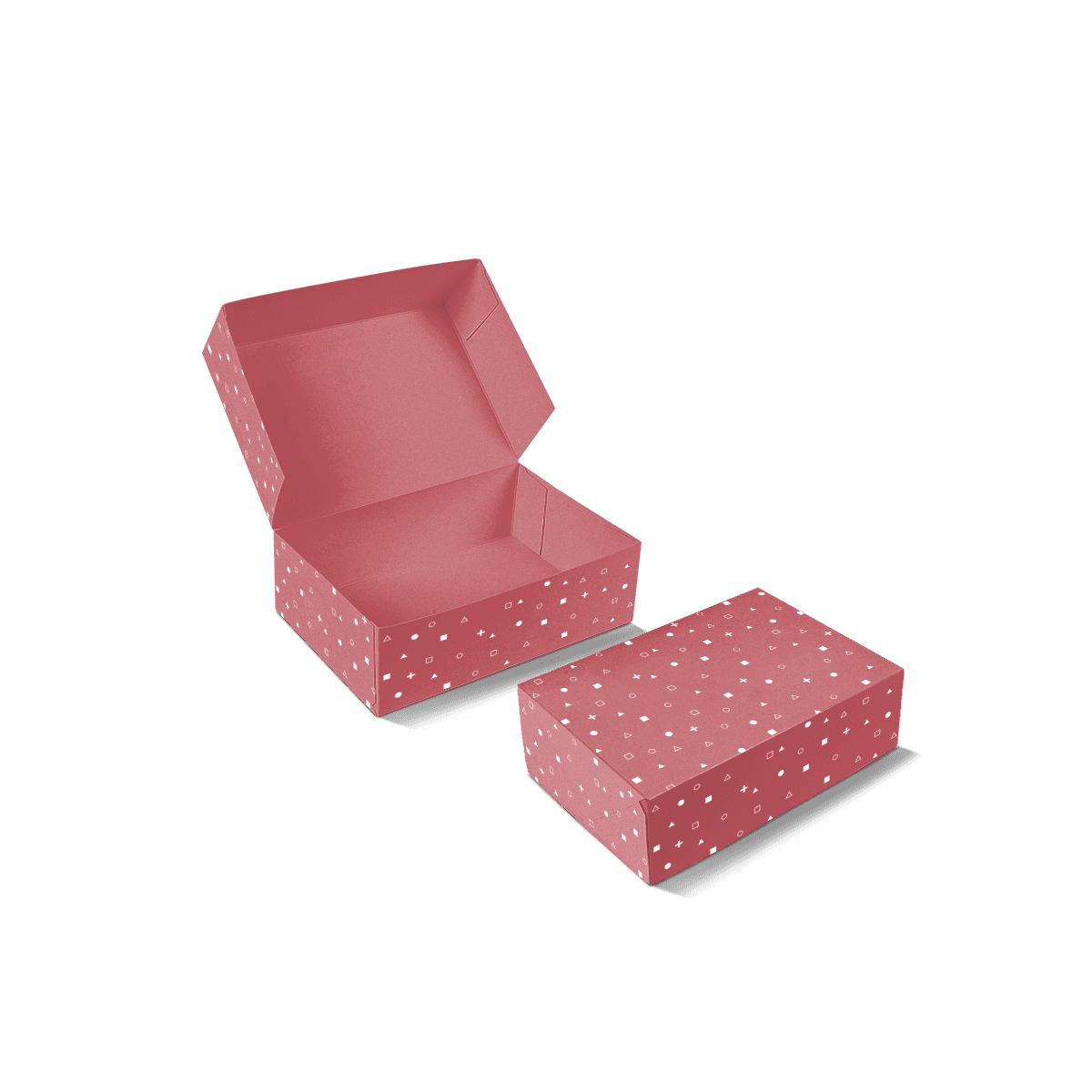
Custom 1-2-3 Bottom Boxes

Step-lock retail cartons with a three-fold base sequence for stable product support, tidy shelf display, accurate fit and controlled hand packing.

Free Design Support

Clear Pricing

Flexible Quantities

Unlimited Customization

Premium Materials

Offset Precision

Free Shipping

Quick Turnaround

Three folds that build the base

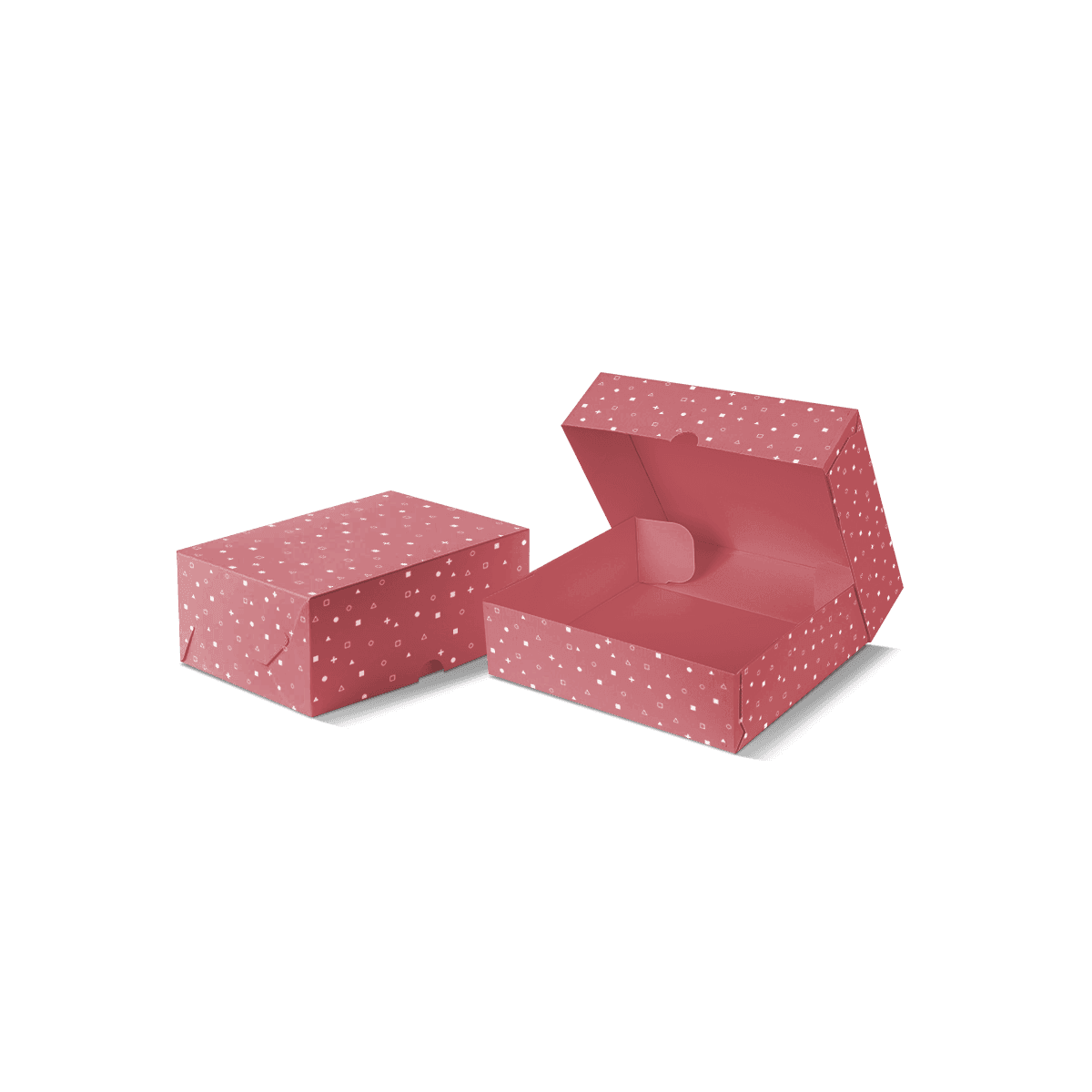
Custom 1-2-3 Bottom Boxes are folding cartons with a manual step-lock base that closes through a simple fold sequence, giving the carton a firmer bottom than a basic tuck base.

The name comes from the way the bottom is usually assembled. The packer folds the base panels in order, locks the final flap into place and creates a flat bottom ready for the product. This makes the structure useful for small to medium retail items that need better base support but do not require a pre-glued auto bottom.

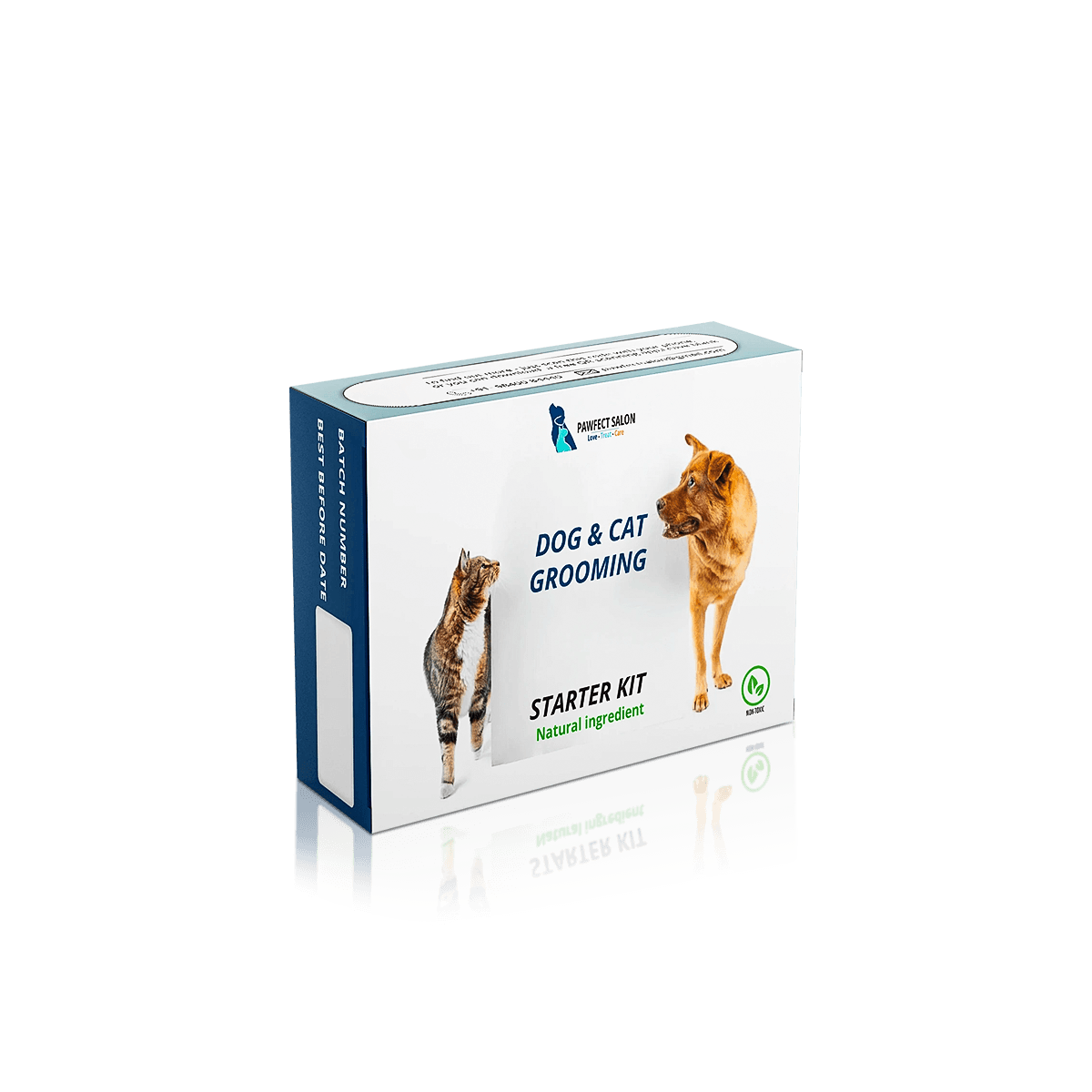
These boxes suit products such as candles, jars, supplements, personal care items, small food products, electronics accessories, gift items and product kits. They can store flat before packing, print well on retail panels and give packing teams a clear assembly routine.

Custom Packly creates Custom 1-2-3 Bottom Boxes with custom sizing, paperboard options, premium offset printing, finish support and dieline guidance. The wider Custom Folding Cartons and Tuck Boxes range covers lighter tuck boxes, sealed cartons and auto-bottom styles when the product needs a different closure or packing method.

Why the 1-2-3 sequence matters

The 1-2-3 sequence matters because it turns a flat folding carton into a stable base through a repeatable hand-folding routine.

This structure is not only about bottom strength. It is also about packing discipline. When a team follows the same fold order each time, the carton forms more consistently and the product sits more predictably inside the box.

Fold order reduces mistakes

A clear base sequence helps packers know which panel folds first, which panel supports the lock and which flap finishes the closure. This can reduce uneven bases, loose corners and rework during packing.

Manual locking confirms the base

The packer can feel the bottom lock into place before loading the product. This is useful when the item has a little more weight or needs to sit upright on shelf.

Flat cartons stay storage friendly

Custom 1-2-3 Bottom Boxes still store flat before use. That helps brands keep cartons organised for launch runs, seasonal ranges, retail orders and multiple SKU programs without holding bulky pre-formed packaging.

Products that suit a step-lock bottom

Custom 1-2-3 Bottom Boxes suit products that need a firmer base, neat shelf stance and hand-packed control.

They are strongest when the product has enough weight to need more support than a simple tuck base, but not so much weight that the carton should move into a heavier structure. The product should also be easy enough to load after the bottom is locked.

Candles, jars and small bottles

Small glass items can benefit from a firmer bottom because the weight lands in one area. A 1-2-3 bottom can help the carton feel more stable when the product stands upright, especially when the carton also uses a snug internal fit.

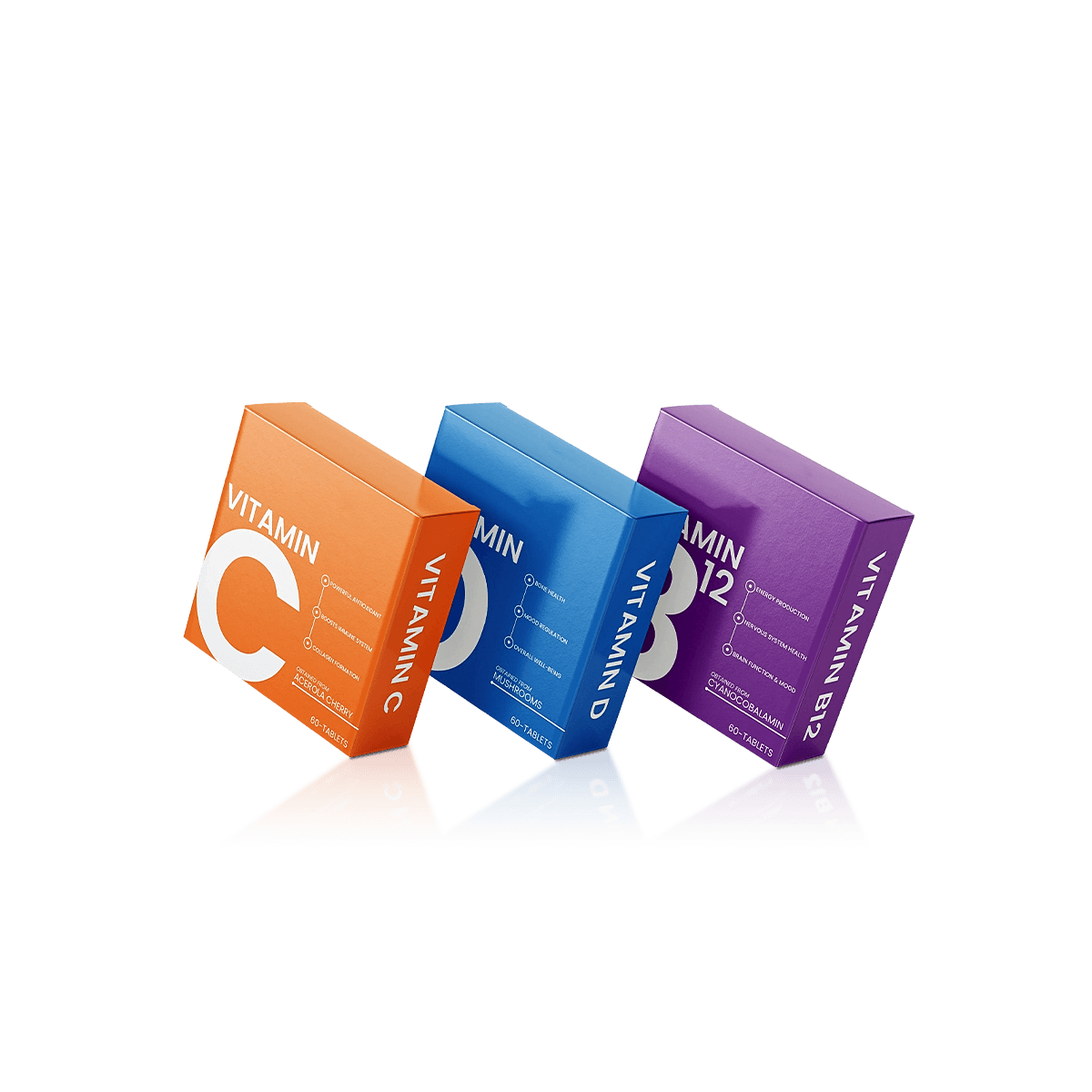
Supplements and wellness items

Vitamin bottles, sachet sets, health product kits and small wellness items often need information-rich panels and reliable product support. Custom Wellness Packaging often needs carton styles that balance product details, shelf presentation and stable packing.

Small retail kits and accessories

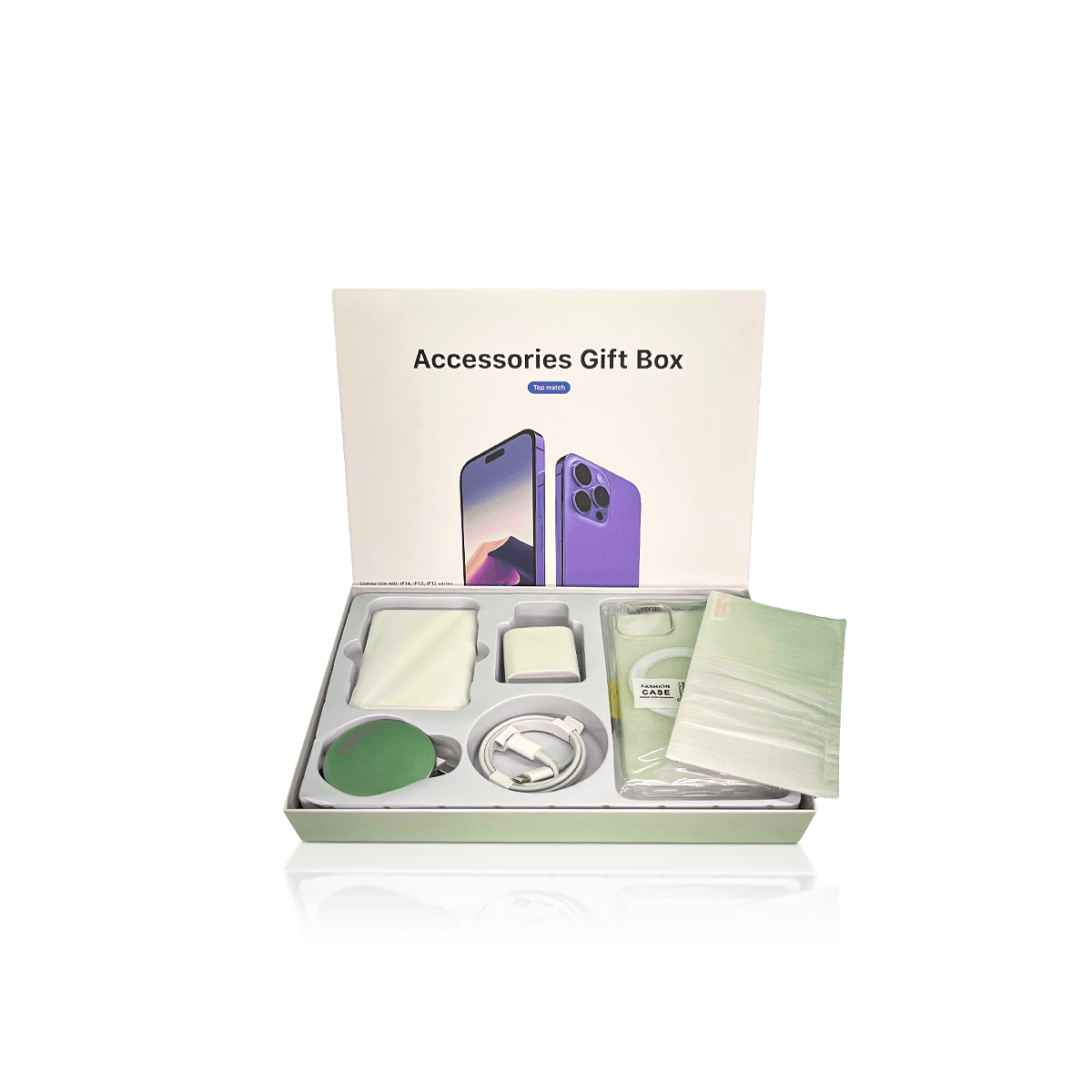
Electronics accessories, stationery, gift items, soap sets and promotional kits can use this structure when the pack should look clean but still hold its shape after loading.

Where this base beats a simple tuck

A 1-2-3 bottom is better than a simple tuck base when the product needs extra bottom control and the team can allow manual base assembly.

A tuck bottom can work well for light products. The issue appears when the base starts to feel too loose, the product presses against the lower flaps or the carton does not stand evenly after filling. A step-lock base gives the bottom more structure without moving into rigid packaging.

Better for upright weight

Products that stand upright often place pressure on the base. A step-lock bottom helps distribute that pressure more confidently than a basic tuck closure.

Better for hand-packed batches

The folding sequence suits teams that assemble cartons at a packing bench. A trained packer can form a batch of bases first, then load products and close the tops.

Better for shelf neatness

A flatter, better-locked bottom helps cartons stand more evenly in rows. That matters for retail counters, beauty shelves, wellness displays and product photography.

When another carton will work better

Custom 1-2-3 Bottom Boxes are not always the best choice when packing speed, very heavy weight or display access is the main priority.

A 1-2-3 bottom gives manual control, but it also takes a little more handling than a pre-glued auto bottom. If speed matters more than base control, another style may fit better. If the product is very heavy, the board, base layout and outer packaging should be reviewed before production.

Faster packing needs

Custom Tuck Top Auto Bottom Boxes suit products where the base should form quickly as the carton opens. This can help when larger packing runs need fewer manual folding steps.

Tray-style product presentation

Custom Four Corner Carton Boxes can work better when the product needs a tray-style format, open-top access or a display-ready structure rather than a standard upright carton.

Wider presentation formats

Custom Six Corner Carton Boxes can suit products that need a more formed presentation style, especially where the box structure must support display and product access differently.

Board tension at the bottom

The board must be strong enough to hold the lock but flexible enough to fold in the right order without cracking or fighting the packer.

Custom 1-2-3 Bottom Boxes depend on flap movement. If the board is too light, the base can feel weak. If the board is too thick, the panels may resist the lock and slow the packing team. The right board depends on carton size, product weight, fold depth and finish.

White paperboard for retail clarity

White paperboard suits full-colour designs, small text, barcode panels and bright brand systems. It is a strong choice for beauty, wellness, food and retail products that need clean print.

Kraft board for natural ranges

Kraft board suits soaps, candles, handmade goods, organic-style products and simple brand designs. Artwork should be planned around the warmer surface because colours can print softer on kraft.

Crease quality controls the fold

Creases guide each bottom panel into position. Poor crease planning can make the base twist, stand unevenly or require too much pressure during assembly.

Product weight and base landing

The product should sit on the locked base without pushing into weak flap edges or forcing the carton out of square.

This is the most important fit issue for 1-2-3 bottom cartons. The bottom may be strong when folded correctly, but the product still needs to land in the right place. Round jars, bottles and dense small items can concentrate weight, so the base and internal size should be checked together.

Check the product’s contact point

Look at where the product touches the base. A flat product may spread weight well. A narrow bottle or jar may need closer sizing, an insert or a stronger board.

Allow clearance for labels and caps

Measurements should include caps, lids, pumps, labels, seals and sleeves. These details can change the internal fit and affect how easily the product loads after the base is locked.

Use inserts before the carton is final

If the product needs a divider, cradle or paperboard insert, include it before the dieline is locked. Adding an insert later can make the box too tight or change how the product sits on the base.

Print panels after the base folds

Artwork should be planned around the visible retail panels and the hidden base panels, so important details do not disappear into the locking area.

Custom 1-2-3 Bottom Boxes give brands strong print space on the front, back, sides and top flap. The bottom panels are functional, so they should not carry critical product information unless the design deliberately uses the base area.

Custom Packly supports premium offset printing for sharp type, clean colour and repeatable print quality. For brands planning detailed artwork, colour-heavy cartons or multiple variants, Custom Printed Boxes can support the wider print and finish direction.

Front panel kept decision-ready

The front panel should carry the brand, product name and main buying cue. The box may have a strong base, but the customer still reads the front first.

Back panel for practical details

Use the back panel for ingredients, instructions, warnings, barcode placement or longer product copy. Keep this away from creases and lower folding areas where possible.

Top flap for quick recognition

A small top logo, product name, QR code or variant marker can help when cartons sit in trays, shelves or storage rows.

Finishes that survive folding

Finishes should be chosen with the base sequence in mind, because heavy coating or detailed effects near fold lines can affect how the carton looks after assembly.

A finish can improve shelf appeal, but the base still needs to fold neatly. Matte, gloss, foil, embossing and Spot UV can all work when used in the right zones. The safest approach is to keep heavier effects away from tight fold areas and use them where they support the main retail face.

Matte for premium calm

Matte coatings work well for candles, skincare, wellness and boutique retail products. They reduce glare and give the box a softer appearance in photos and display.

Gloss for brighter products

Gloss can suit confectionery, colourful supplements, promotional items and food products where stronger colour helps the packaging stand out.

Foil and Spot UV in controlled areas

Foil, embossing and Spot UV should usually highlight the logo, product name or small design elements. On a compact carton, selective detail often looks more premium than covering too much surface.

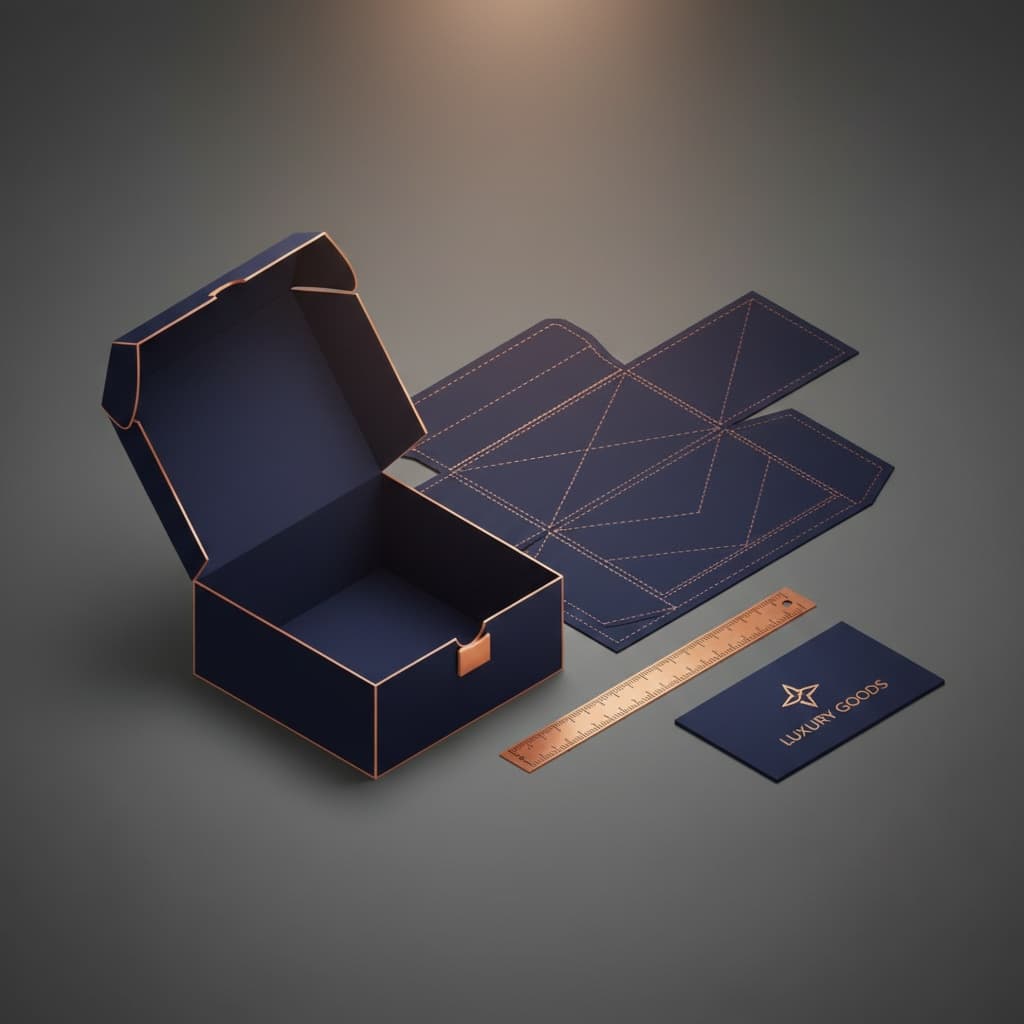
Dieline checks for the 1-2-3 lock

A 1-2-3 bottom dieline must get the locking panels, fold order, crease lines, glue tab, product clearance and artwork safe zones right before production.

The base is the technical heart of the box. If a locking flap is too short, the bottom may feel loose. If it is too tight, the packer may need force. If the product presses into the folding panels, the carton may not sit flat.

The Dieline Tool can help prepare size information before artwork starts, while Custom Packly can guide the final structure, dieline and sample review.

Locking flap shape

The locking flap needs enough shape and depth to hold the base closed. Small changes can affect how the bottom feels during assembly.

Fold order markings

Internal production markings or assembly guidance can help teams understand the base sequence, especially for first runs or multi-SKU packing.

Hidden base panels

Artwork should not rely on hidden base panels. Keep important copy, logos, barcodes and fine details on panels that remain visible and flat after assembly.

First run checks for packing teams

A first run should test the fold sequence, product loading motion and base feel before the structure is used across a larger product range.

This is where 1-2-3 bottom cartons differ from faster auto-bottom cartons. The buyer should care about how the packer forms the base, not only how the box looks in a mockup. The first units should prove that the base locks consistently and that the product does not fight the structure.

MOQ starts from 50, with support for larger production runs, repeat carton orders and high-volume packaging programs as your brand grows. Custom Packly can support a free sample before full production, local production, 4 to 6 day turnaround when details are ready and free delivery.

Test the folding rhythm

The base should become easy after a few repetitions. If packers keep pausing or refolding the bottom, the dieline, crease depth or board choice may need review.

Check loaded shelf stance

Place the filled carton on a flat surface and check whether it stands square. A good 1-2-3 bottom should not rock or lean when the product sits inside.

Plan variant runs carefully

If the same box size will carry different scents, flavours, strengths or shades, keep the base structure consistent and change the artwork only where needed. This makes future production easier to manage.

Details that prove the base will work

A useful quote request should show the product weight, product footprint and packing method, not just the outside size of the box.

For Custom 1-2-3 Bottom Boxes, the base decision depends on how the product loads and where the weight sits. A small but dense item can need more base care than a larger but light product. Send the physical product details before locking the carton style.

Helpful details include:

  • Product length, width, height and weight
  • Bottom contact point, such as flat base, jar base or narrow bottle base
  • Expected quantity for launch and future runs
  • Whether the product will be packed by hand in batches
  • Board preference, such as white paperboard or kraft
  • Outside print, inside print or both
  • Finish direction and any foil or Spot UV areas
  • Insert, divider or product support needs
  • Artwork status and required launch timing

A clear request helps Custom Packly check whether a 1-2-3 bottom, auto bottom, snap lock, tray or another folding carton structure is the safer production choice.

Where 1-2-3 bottom boxes fit

Custom 1-2-3 Bottom Boxes sit between simple tuck cartons and faster pre-glued bases, making them useful when hand-packed base control matters.

A straight tuck or reverse tuck carton can work for lighter products. A 1-2-3 bottom gives more base confidence through manual locking. An auto-bottom carton can help when the packing table needs faster setup. A tray-style carton can help when product access or display shape matters more than upright retail packaging.

The best choice depends on product weight, assembly time, shelf stance, print layout and how the packaging team wants to handle the carton. A step-lock base is a practical choice when the product needs a stronger retail carton but the brand still wants flat storage, clean print and a familiar folding carton format.

FAQs

They are called Custom 1-2-3 Bottom Boxes because the base usually locks through a simple three-step folding sequence. The packer folds the bottom panels in order to create a firm base.

They are closely related and the terms are often used together. A 1-2-3 bottom usually refers to the step-by-step folding sequence, while snap lock describes the interlocking base action.

No. Auto lock bottom boxes usually form faster because the base is pre-glued. A 1-2-3 bottom is better when manual base control matters more than maximum packing speed.

They suit small to medium retail products with some base weight, such as jars, candles, wellness bottles, accessories, food items and compact product kits.

Test the fold order, base lock, product fit, shelf stance and top closure. The base should form without force and hold the product evenly.

Process

How it works

Simple steps from idea to delivery

01

Tell Us Your Specs

Custom packaging boxes

Tell Us Your Specs

Provide size, quantity, printing, and finishes.

02

Get a Fast Quote

Custom packaging boxes

Get a Fast Quote

Instant transparent pricing, no hidden fees.

03

Design and Approval

Custom packaging boxes

Design and Approval

Artwork checks, revisions, and final sign-off.

04

Produce

Custom packaging boxes

Produce

Expert manufacturing to meet deadlines.

05

Ship to Your Door

Custom packaging boxes

Ship to Your Door

Hassle-free, flexible delivery options.

Start Your Custom Packaging Quote

Share your product details, dimensions, quantity and artwork needs. We’ll help choose the right packaging style and send a clear quote.