Custom Retail and Apparel Packaging
Keep clothes, shoes and store goods neat from shelf to doorstep with boxes, bags and sleeves made to suit each item and brand.
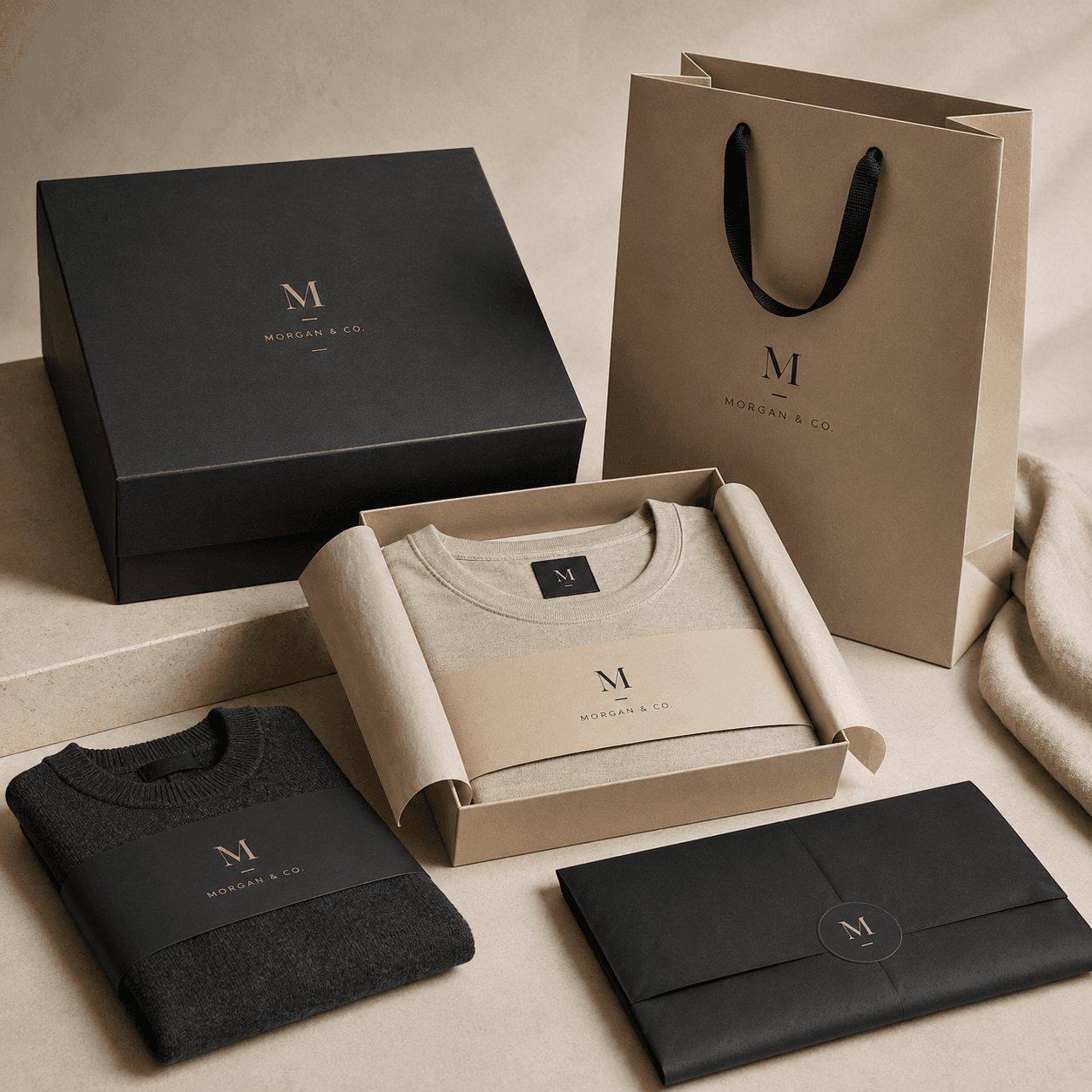
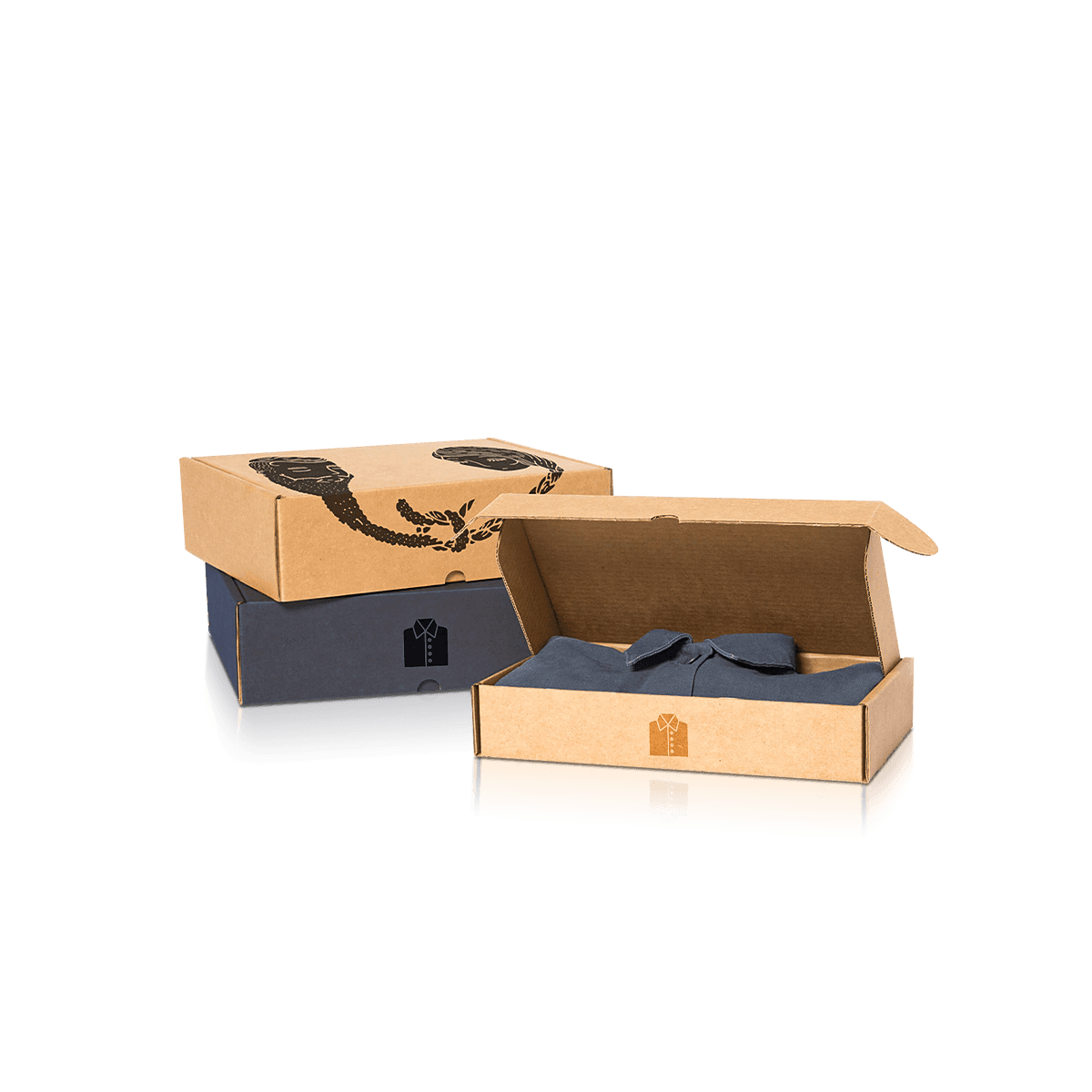
Retail Boxes
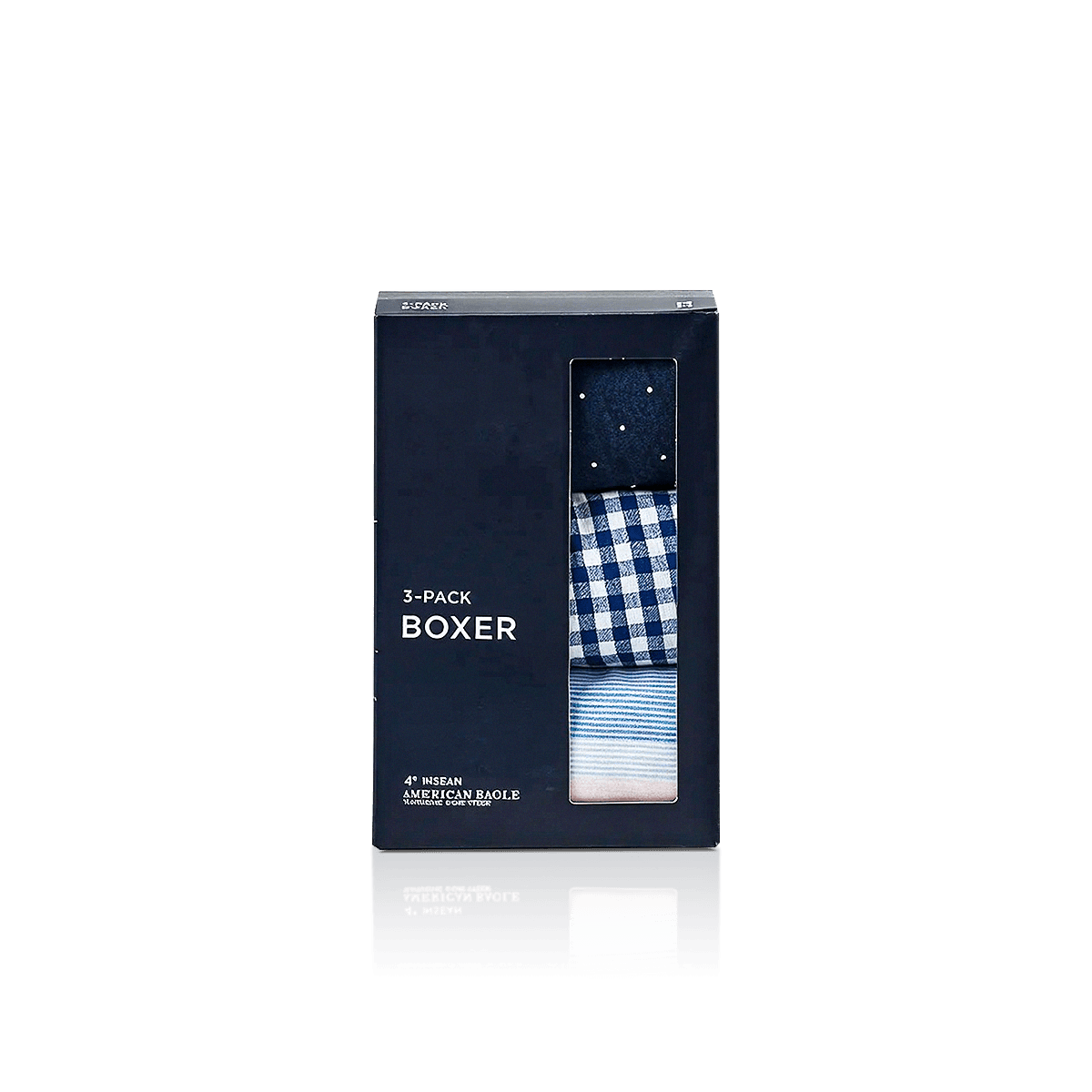
Activewear Boxes
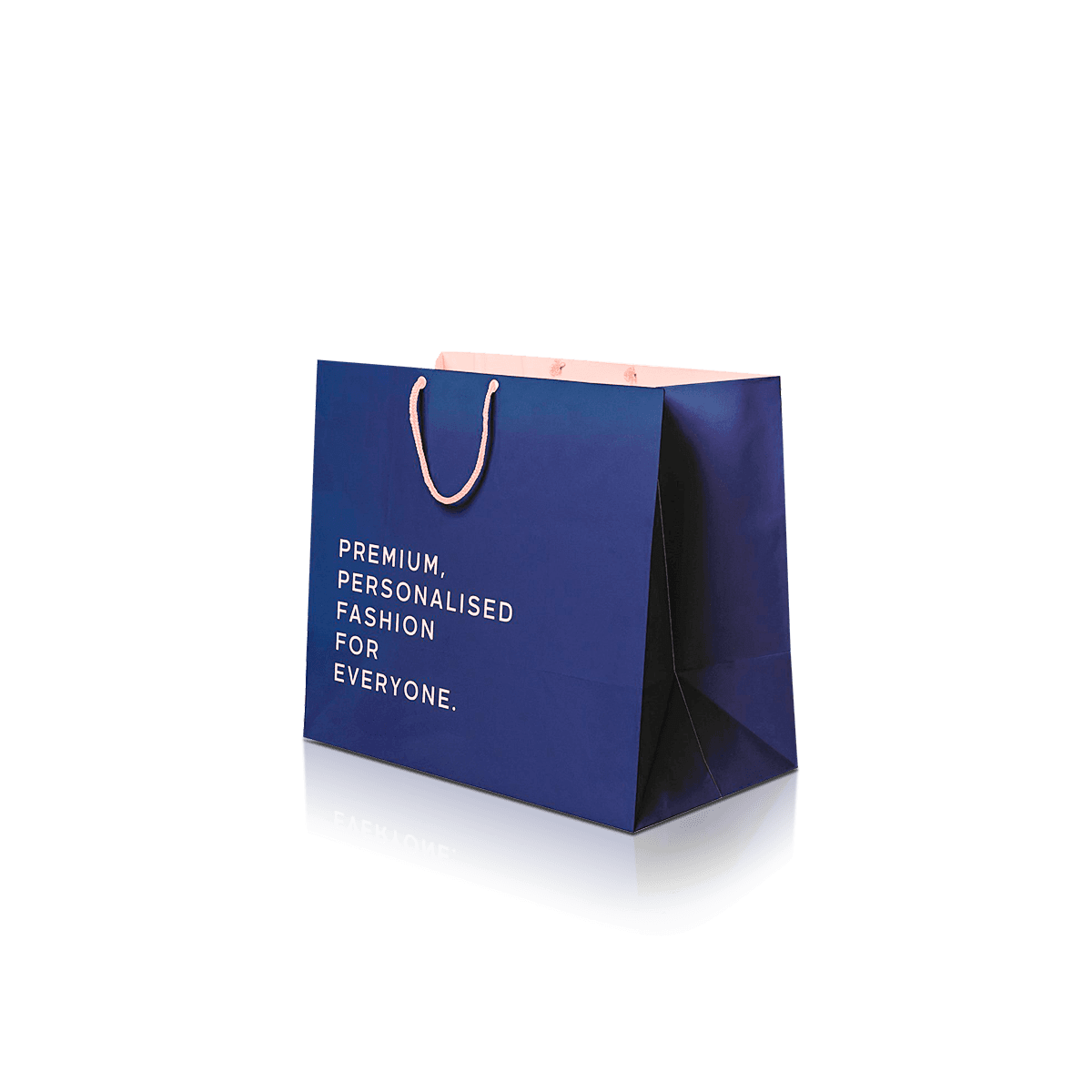
Boutique Shopping Bags
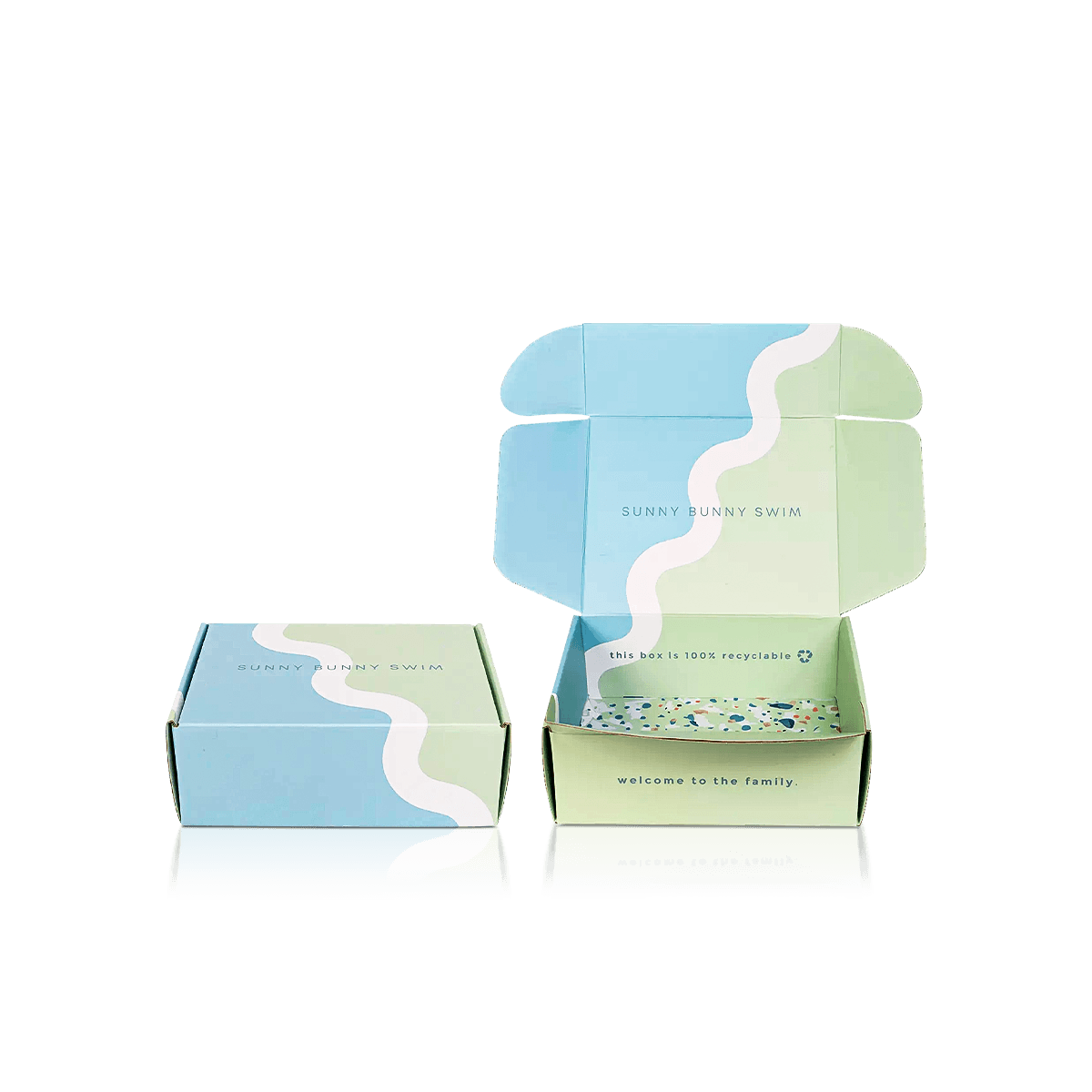
Swimwear Boxes
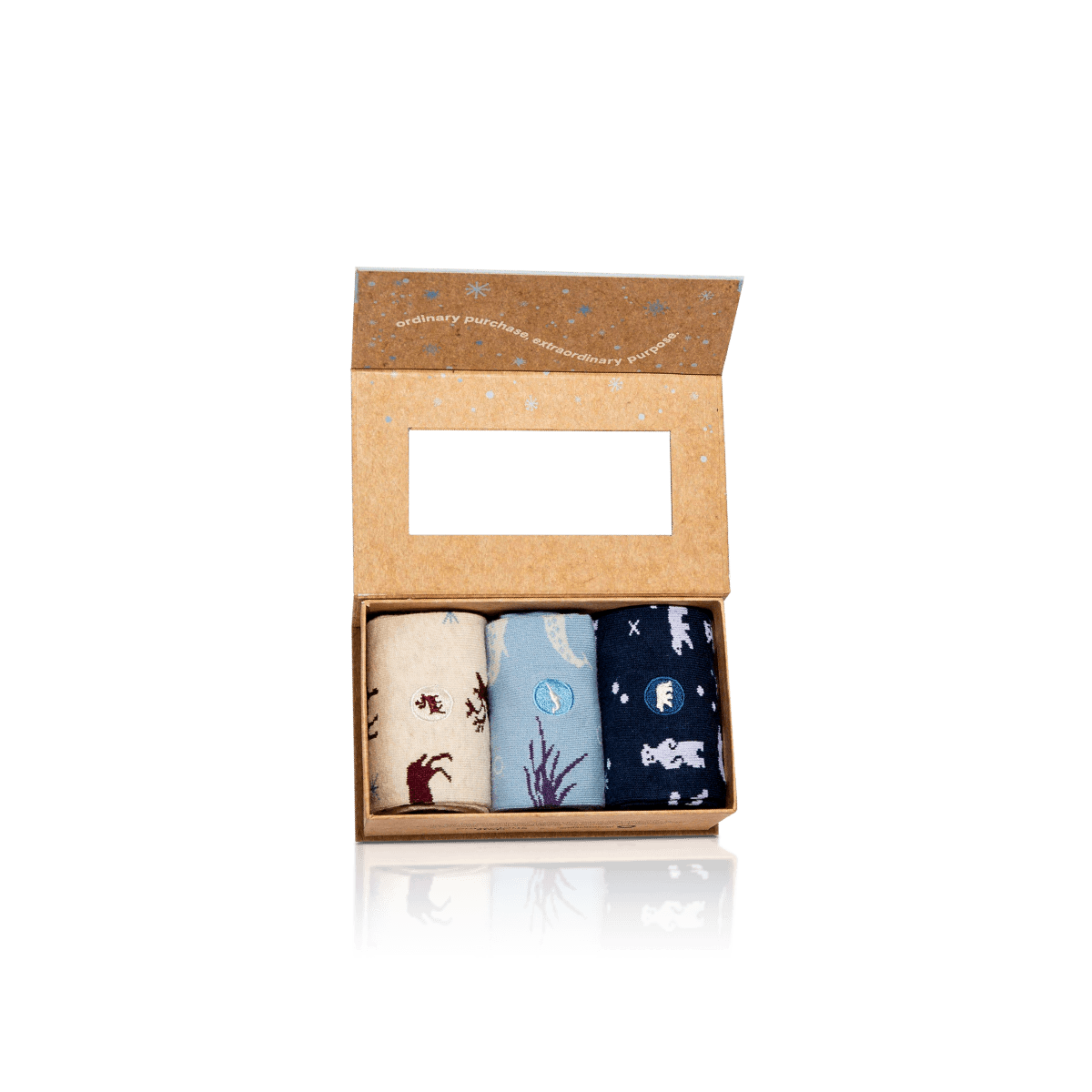
Sock Boxes
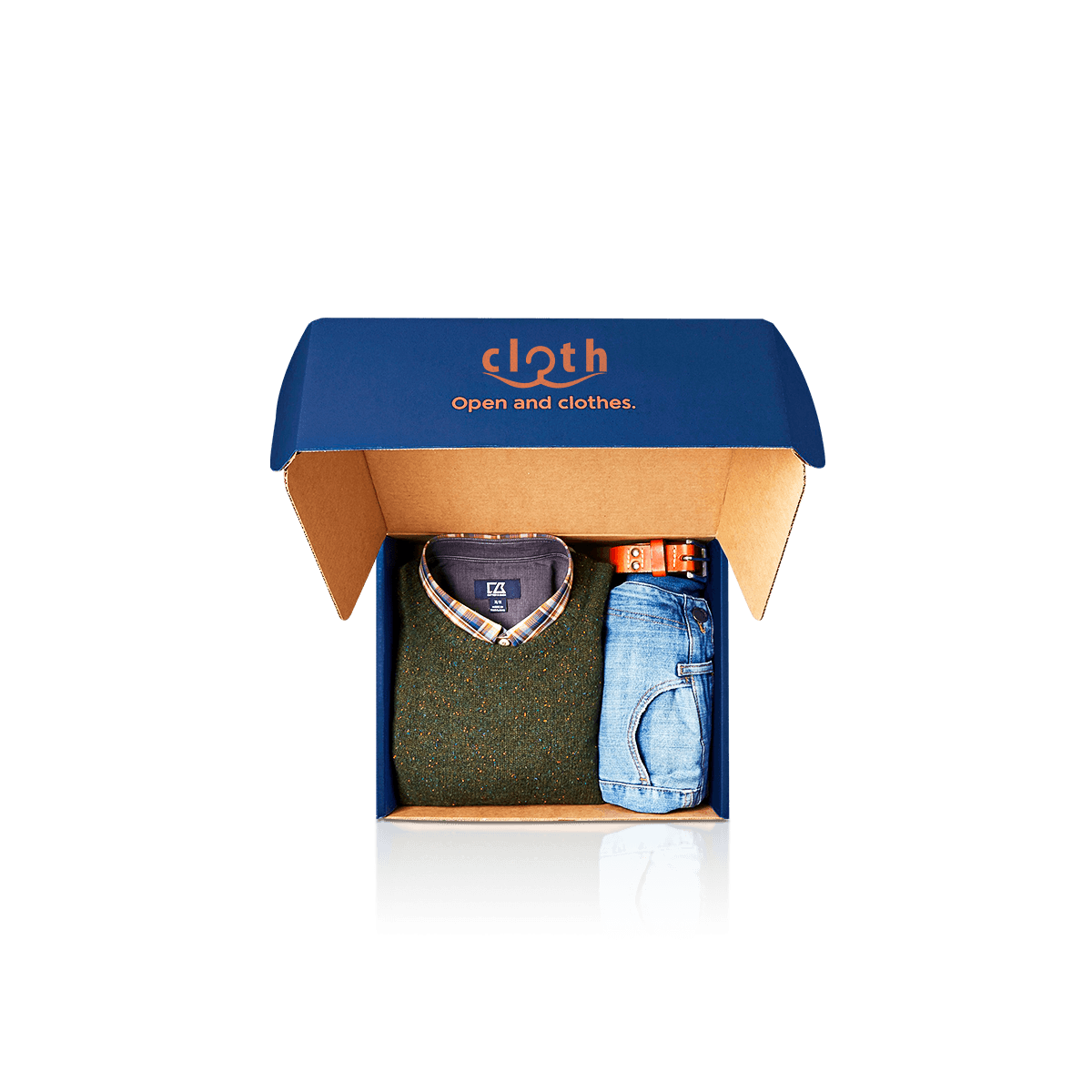
Clothing Boxes
Apparel Sleeves
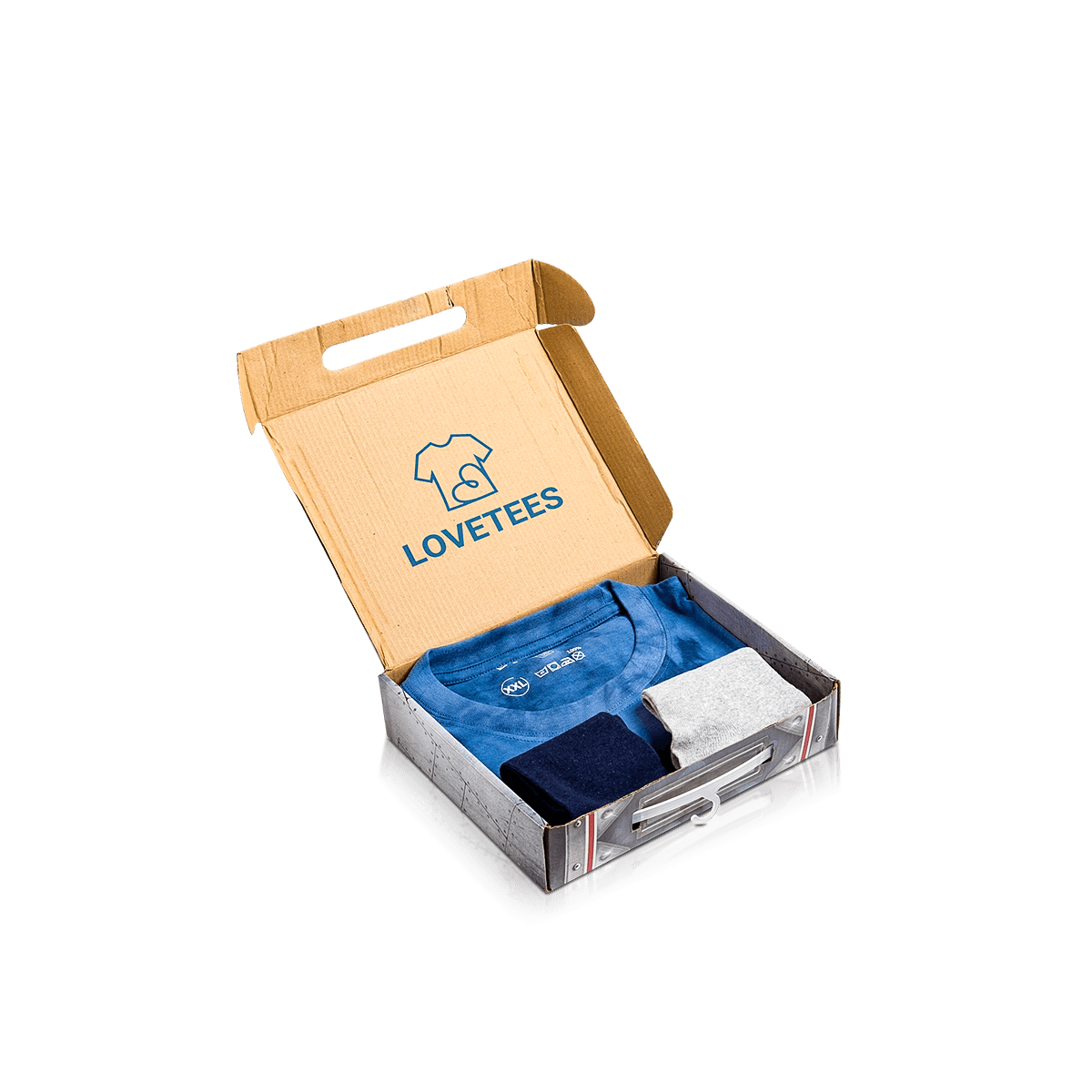
T-Shirt Boxes
Shirt Boxes
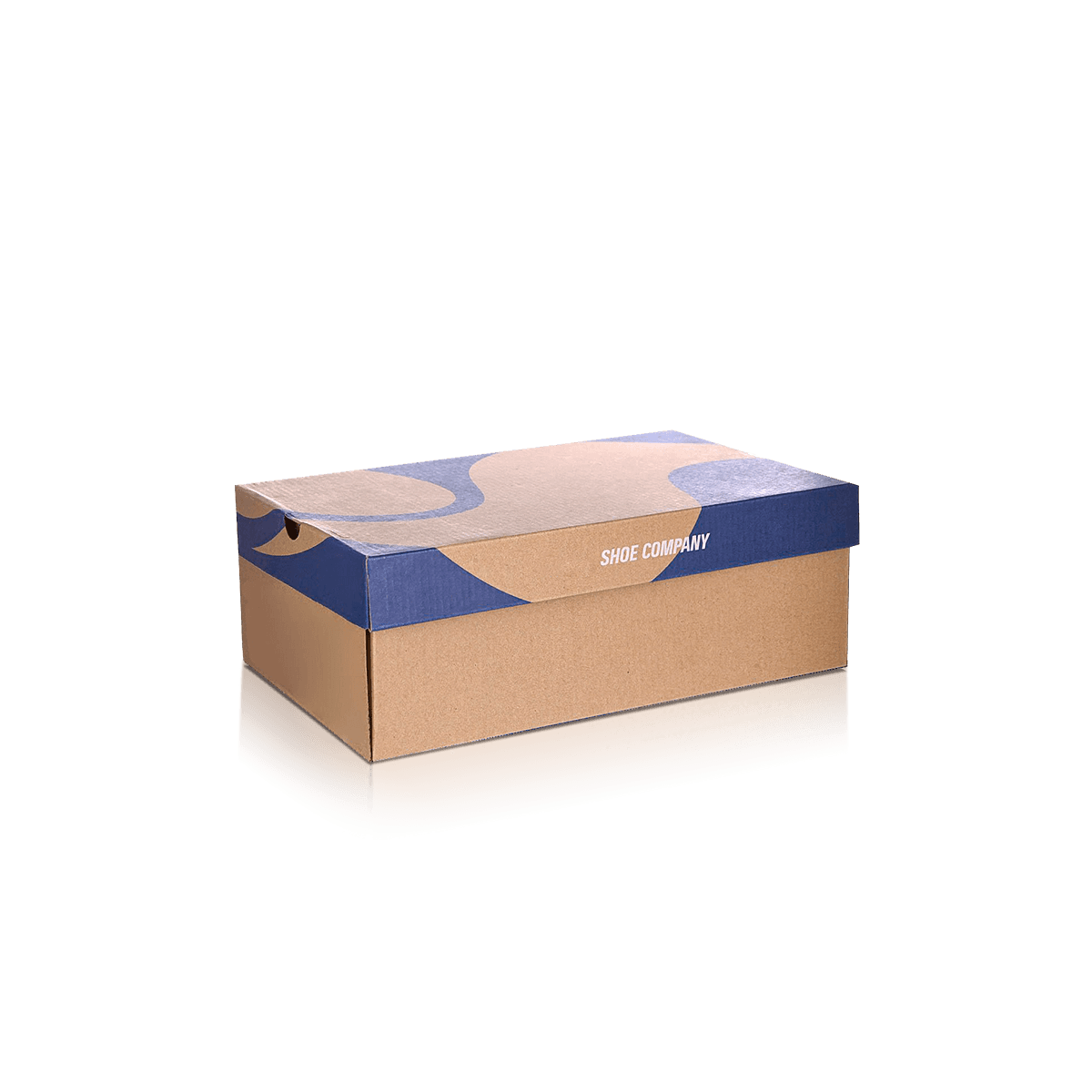
Shoe Boxes
Fashion Packaging
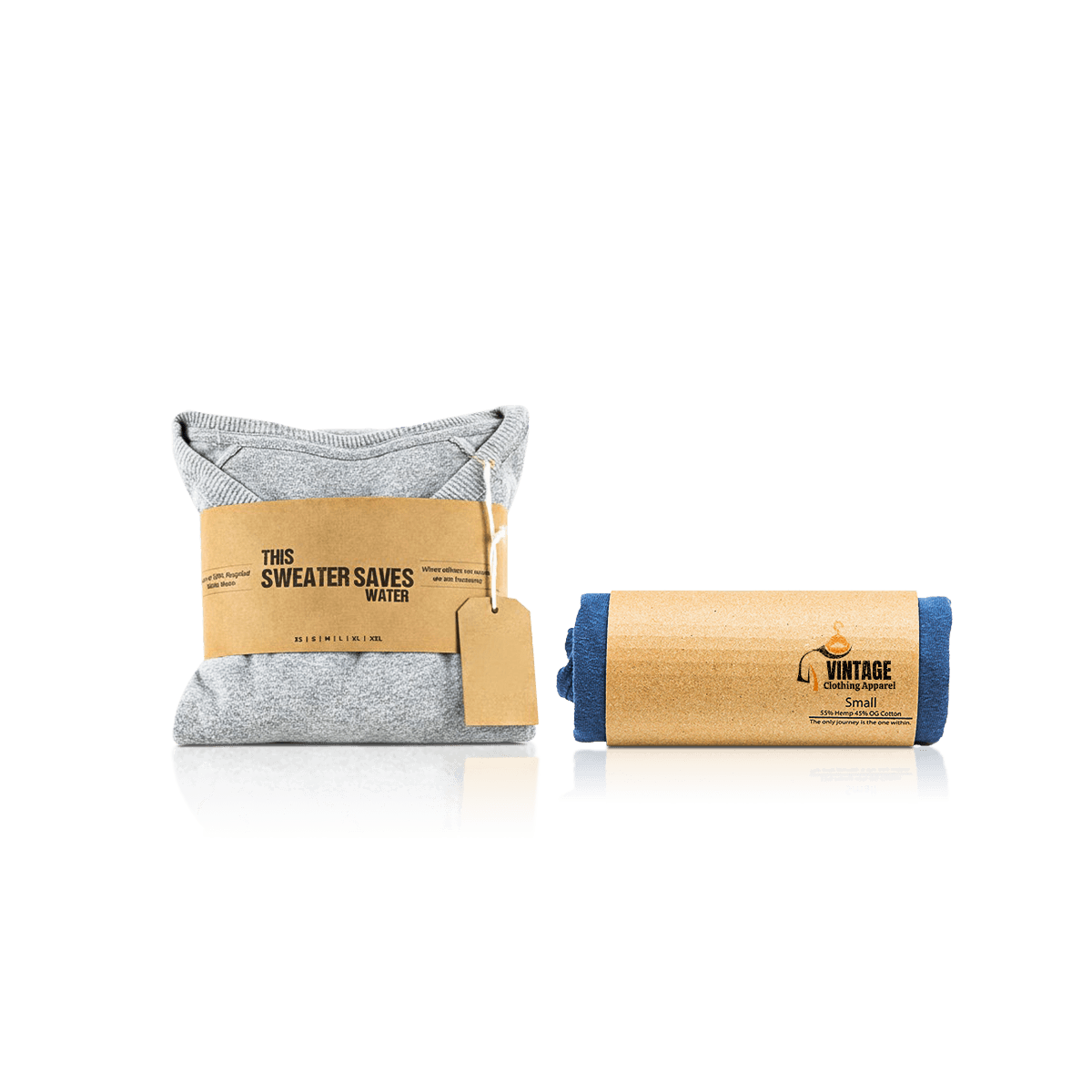
Apparel Boxes
Your product shouldn’t have to fit an off-the-shelf box.
Share the shape, size, material, finish, or insert you have in mind. We’ll turn the details into a tailored packaging recommendation and a clear quote.
Custom sizes · materials · finishes · inserts
Retail Packaging That Works From Store to Door
Custom Retail and Apparel Packaging must keep goods neat, show the brand well and suit the way each item is sold. A store bag has a different job from a shoe box. A shirt carton has a different fit from a box for knitwear. An online order also needs more care than a hand-carried sale.
Start with the item, its fold and the route it takes. A thin tee may need a slim carton or sleeve. A pair of shoes needs more depth and a firm base. A gift set may need tissue, an insert or a rigid box. The best plan can use a few linked sizes instead of one large box for all goods.
Custom Packly helps fashion labels, boutiques, uniform firms and retail teams plan boxes, bags and sleeves as one clear system. Brands that also sell beauty, home or gift goods can carry the same print rules into Custom Retail Packaging. This keeps the brand feel in step at the till, on the shelf and when an order lands at a customer’s door.
Choose the Box From the Folded Item
The finished fold should set the box size. Do not size a carton from the garment label alone. Two items marked medium can have a very different depth once folded.
Boxes for shirts, tees and knitwear
Custom Clothing Boxes suit shirts, tees, scarves, dresses and folded sets. A close fit helps the item stay neat. Too much space lets it shift. Too little space can crush a collar, trim or thick fold.
Custom T-Shirt Boxes can stay slim when the fold stays the same across most sizes. Custom Shirt Boxes may need more room for tissue, a collar card and a clean front fold.
Light clothes often suit paperboard. Thick knitwear, coats or boxed sets may need a stiffer board or a deeper style. The panel span also matters. A wide flat box can flex even when the item inside is light.
Small goods need less space, not less thought
Socks, ties, belts and other small goods can use a narrow carton, sleeve or hanger style. A window may help show colour or print. Yet it should not expose too much of the item or weaken the front panel.
Place size, shade and product codes where staff can read them when stock is stacked. This small step can make store work much easier.
Shoe boxes need depth and a firm base
Custom Shoe Boxes should be based on the shoe shape, not length alone. Toe shape, heel height, sole depth and tissue all change the fit.
A lid-and-base box is easy to use in store. A strong board can help with stacked stock. For online orders, the shoe box may still need an outer shipper so the retail box reaches the customer in good shape.
Use More Than One Style Across the Collection
One box rarely suits a full fashion line. A small set of linked styles can give a better fit and keep the brand look in step.
Rigid boxes for high-value pieces
Custom Rigid Boxes can suit gift sets, formal wear, high-value knitwear and limited drops. They feel firm in the hand and can use lift-off lids, hinged lids or a pull tab.
Rigid board costs more and takes more room to store. Use it where the product price and gift use support it. A folding carton may be the smarter choice for day-to-day stock.
Sleeves for a light brand layer
Custom Apparel Sleeves can wrap a folded tee, sock set, scarf or plain inner box. They can also group two or more items for a gift or launch set.
Fit is key. A loose sleeve can slip. A tight sleeve can bow or split. The fold lines, board grain and item depth must all be checked before print.
Paper bags for the store exit
Custom Paper Bags can carry small goods, folded clothes, shoes or a mixed sale. Bag width and gusset depth should suit the item so it does not press hard on the sides.
Twisted paper handles suit many daily sales. Rope handles can give a more refined feel. A base card and a strong top fold may help with shoes or more than one item.
Link Store Sales With Online Orders
The outer box may change, but the brand should still feel the same. Use the same key colours, type style and tone across store boxes, bags, tissue and mailers.
A neat arrival for soft goods
Clothes are not as fragile as glass, but they can still reach the customer crushed, marked or poorly folded. Right-sized Custom Mailer Boxes give more shape and care than a loose outer bag.
A tee may only need tissue or a paper wrap. Shoes, caps and mixed orders may need a divider or a small inner box. The aim is to stop rub and shift without filling the box with spare space.
Brands that sell in store and online can tie this work to Custom E-commerce Packaging. The print can stay linked while the outer strength changes for post and courier use.
Plan for returns before print
Size and fit returns are common in fashion. A mailer that opens in a clean way and can be sealed again may make the return step less hard. A tear strip, second seal strip or clear return note can help.
These parts must be set before the dieline is final. A late change can move the print, alter flap length or change the way the box closes.
Pick Board by Weight, Use and Print Need
The best board is the one that does the job with no waste. Paperboard, kraft, corrugated board and rigid board each suit a different use.
Paperboard for light store boxes
Paperboard folds well and gives a smooth print face. It suits tees, shirts, socks, swimwear and small goods. White board works well for bright colour and fine type. Kraft board gives a plain, warm look and can suit simple ink work.
The right thickness depends on box size as well as item weight. A large flat lid may need more strength than a small deep carton.
Corrugated board for post and heavy goods
Corrugated board adds crush strength for shoes, thick clothes and online orders. A fine flute can give a neat print face. A thicker flute can add more support for a large box.
The outer size should stay close to the goods. This can cut spare air, reduce fill and keep the order from moving in transit.
Rigid board for a keep-worthy box
Rigid board suits goods where the box may be kept for storage or gifting. It can hold a strong lid, a ribbon pull or a shaped insert. It also uses more board and more store space, so it should have a clear role.
Paper-based choices are available, but each added part can change end-of-life use. Film, foil, magnets, windows and mixed inserts may need to be split from the main box. Claims about reuse or recycling should match the full build.
Print Details That Help Both Staff and Customers
Good fashion packaging is clear. It does not need print on every panel. Use the main face for the brand, then give size and stock details a set place.
Plan for shelves, stockrooms and hands
On a shoe box, place size and colour details on the short end so staff can read them in a stack. On a bag, check how the logo sits when the bag is held. On a mailer, the lid and inside panel can guide the open.
Offset print can give sharp type, fine lines and steady colour on a long run. Pantone colour may help with a key brand shade. CMYK can suit photos, art and many-colour print.
Use finish as a small point of focus
Matt or gloss film can change the feel and help guard the print. Foil, raised print, pressed print and spot gloss can draw the eye to a logo or mark. A small detail often looks more refined than a finish used on all sides.
Soft-touch can suit dark, high-end boxes, but some shades may show hand marks. A 3D mockup is often enough for a plain carton, bag or mailer. A real sample may help when the box has a tight sleeve, a complex rigid shape or a finish that must be felt.
Material, print and finish choices can be set through Customisation before the art is signed off.
Build a Size Set That Is Easy to Reorder
A good size set covers the product line without making stock hard to track. Start with real packed goods and group items that share a close fold.
Measure the item as it will ship
Measure length, width and depth after the item is folded. Add tissue, tags, cards and inner wraps first. Thick fleece and knitwear can add far more depth than a flat size chart shows.
For swimwear, place only clean and fully dry goods in paper boxes or sleeves. Paper and tissue are not a wet-item barrier.
Group close sizes where it makes sense
Several tee sizes may share one carton if the fold is the same. Shoes may need more box groups due to sole and heel shape. Small items may share one outer box while the insert or wrap changes.
Do not force all goods into one size just to cut the box count. The aim is a small, useful set with no large gaps around the item.
A simple launch example
A label with tees, caps and sweatshirts may use one slim tee box, one small cap box and one deep mailer for the sweatshirts. The same logo, type and key colour can run across all three.
This gives each item a sound fit while the full launch still looks like one brand. It also lets the team order more of the sizes that move fastest.
Plan Runs Around Drops, Seasons and Store Use
Fashion stock can move in short bursts. New colours, events, collabs and sale dates can all change demand. Box and bag orders should follow the launch plan, not just the lowest unit cost.
MOQ starts from 50. Custom Packly can also support large runs, repeat work and high-volume needs. A small first run can suit a new line or test drop. A larger run may suit core tees, shoe lines or bags used each day in store.
Keep the approved size, art file, print colour and finish note for each item. A new tag, fold or tissue sheet can change the fit even when the outer art stays the same.
Also check storage. Flat cartons take less room than set-up rigid boxes. Paper bags need dry space and care around the handles. The best order size should suit use rate, stock room space and the next planned drop.
What to Send for a Clear Quote
A quote is more useful when it starts with the goods and the sales use. Send:
- item type and how it is folded
- packed length, width and depth
- each size and print quantity
- box, bag or sleeve style
- store, gift or online use
- board or paper choice if known
- print on the outside, inside or both
- handle, window, insert or finish needs
- art status and due date
Exact data may not be ready at first contact. Photos, a sample item and the old box can help narrow the style. Final size should still be checked with the packed item before the dieline is signed off.
Get a quote with the item type, size, quantity and brand look. The team can then price the right box, bag or sleeve without adding parts that do not help.
FAQs
Start Your Custom Packaging Quote
Share your product details, dimensions, quantity and artwork needs. We’ll help choose the right packaging style and send a clear quote.