T-Shirt Packaging That Starts With a Repeatable Fold
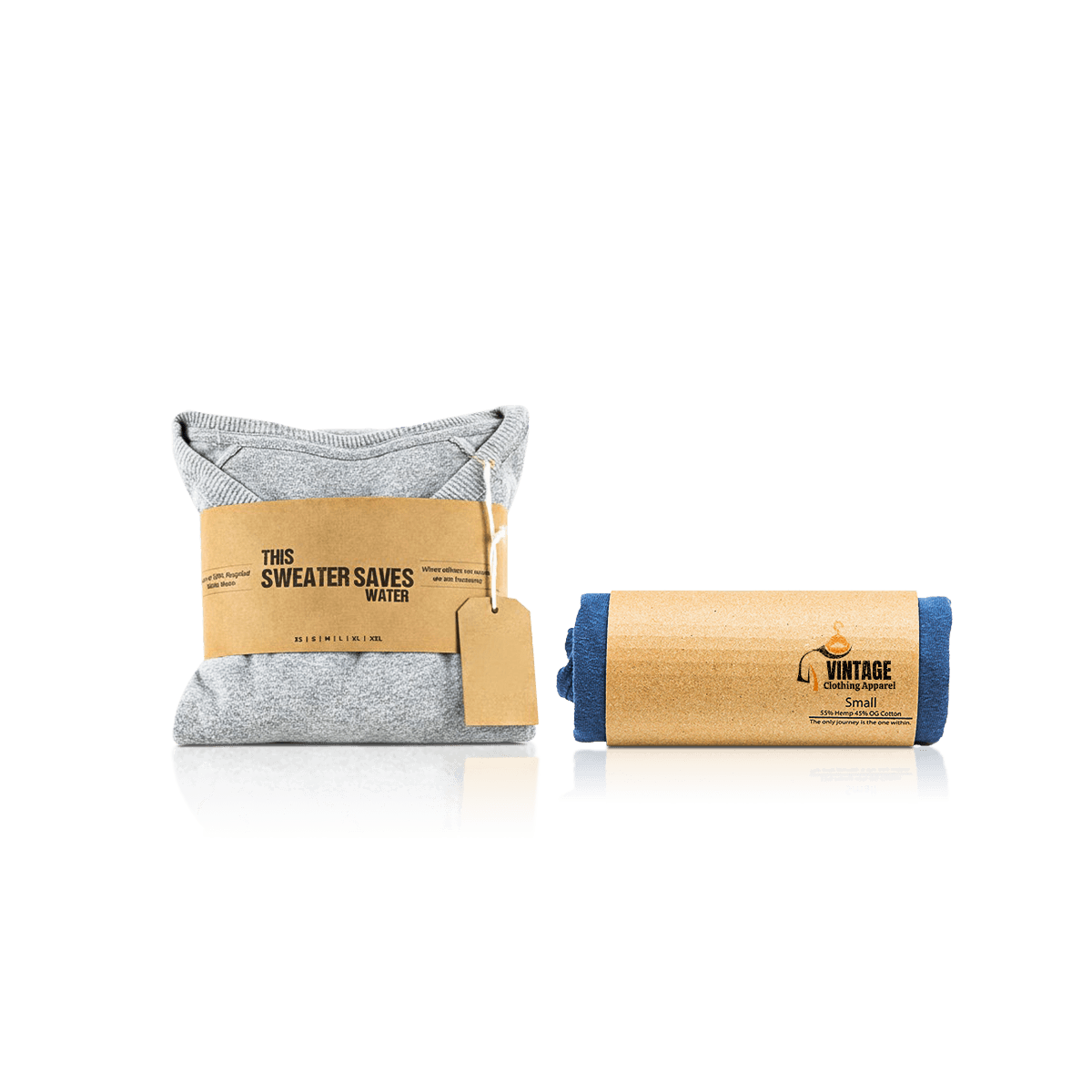
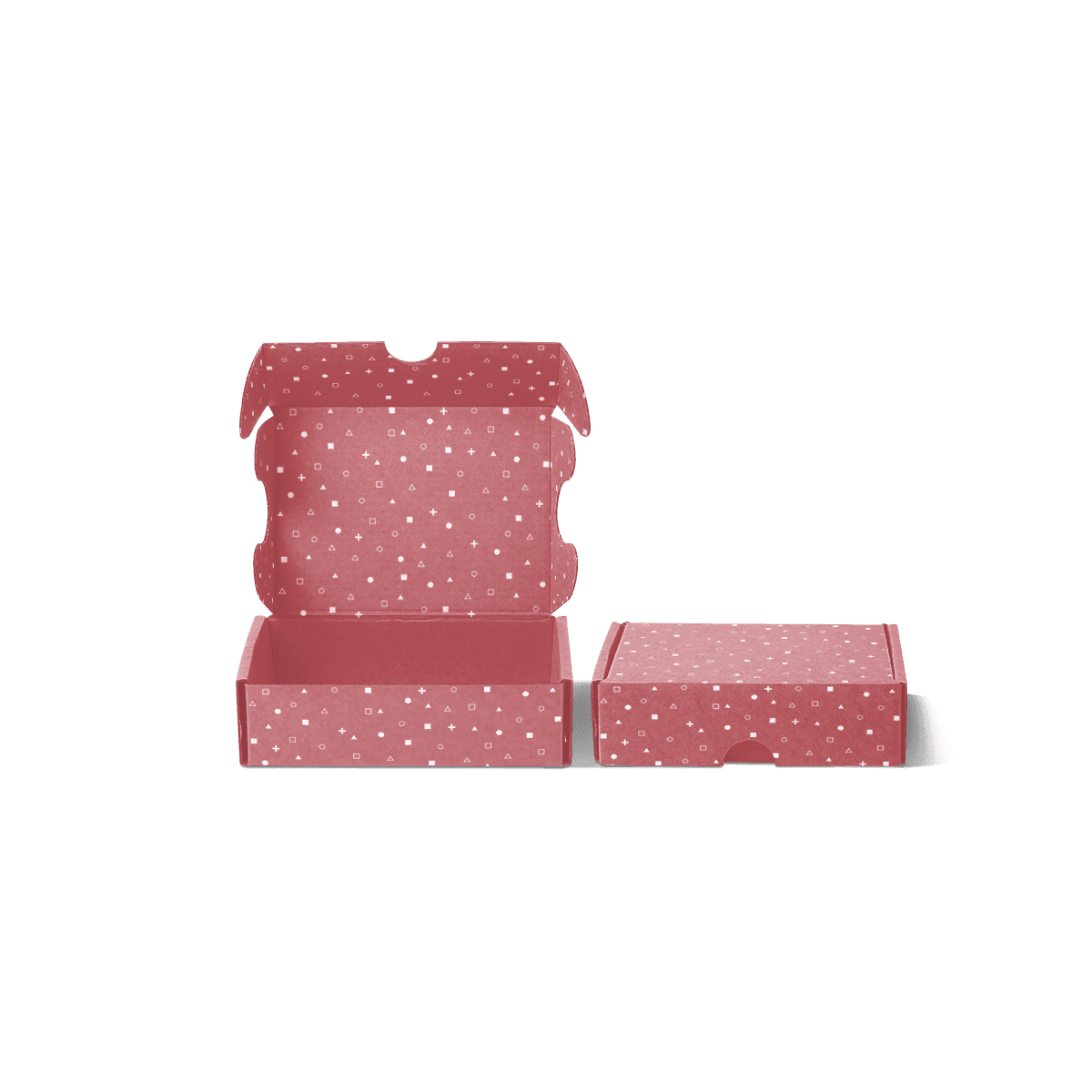
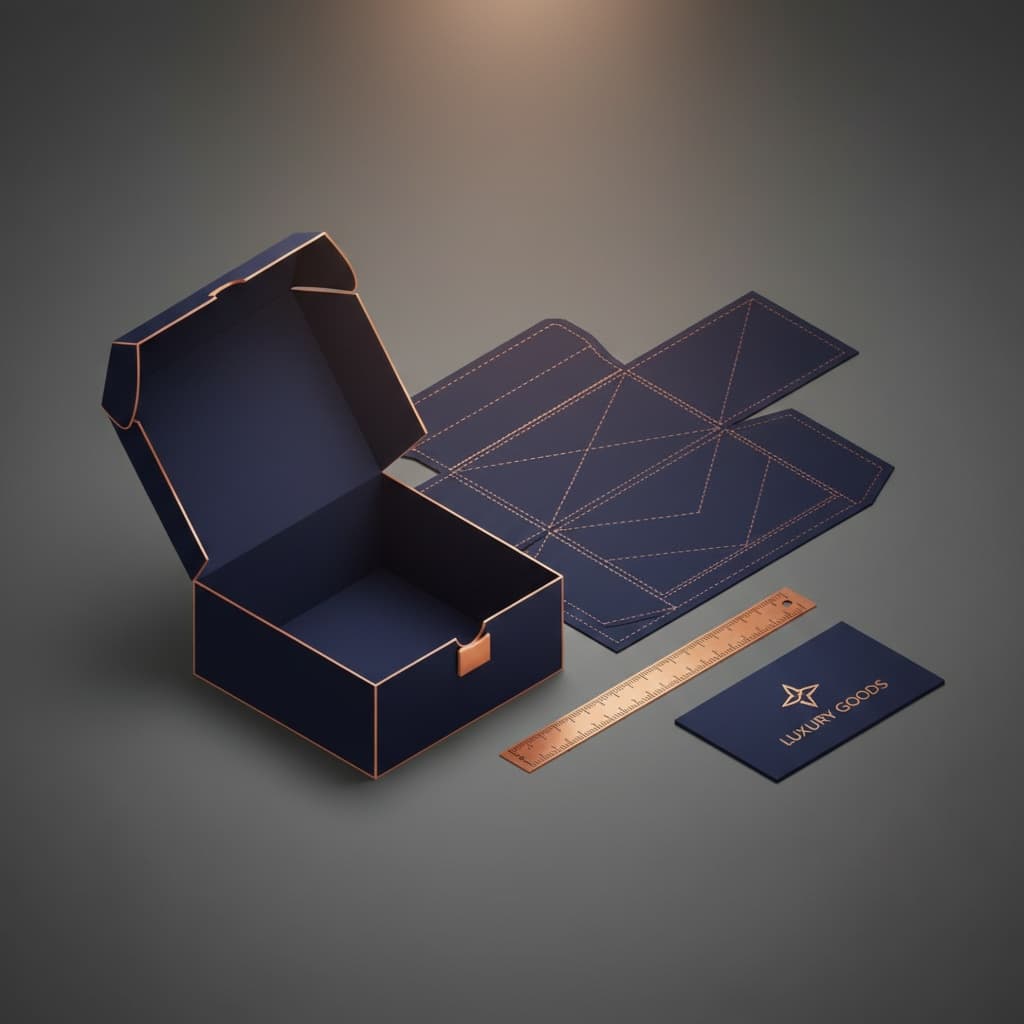
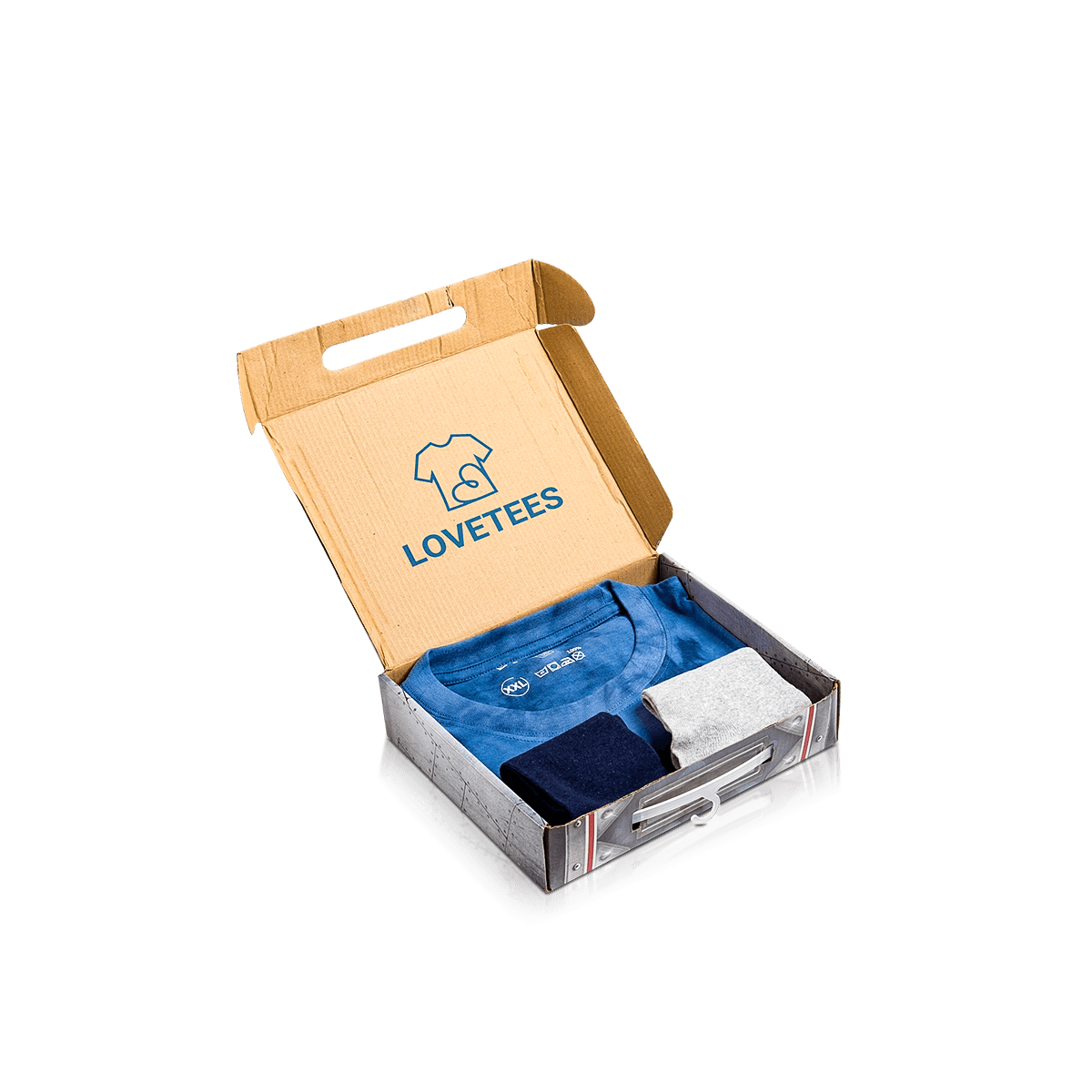
Custom T-Shirt Boxes should keep the garment flat, control loose edges and present the printed design with care. A good box begins with the tee after it has been folded, tagged and wrapped, not with the garment laid open on a table.
Fabric weight, decoration and fold width affect the final depth. Heavy oversized tees and embroidered designs create a thicker fold than lightweight cotton. Leave room for easy filling without letting the shirt slide and unfold.
Custom Packly supports fashion labels, artist merchandise, event teams and online stores with packaging for single tees, gift sets and limited drops. The same visual system can continue across Custom Retail and Apparel Packaging when a clothing line also needs bags, sleeves or boxes for other garments.
Set one folding width
A repeatable fold makes sizing, filling and presentation more consistent. Use a folding board or simple folding template so each tee reaches the same width before it enters the box.
Test several garment sizes. Close sizes may share one fold, while oversized cuts may need a wider box. Create the smallest useful set of Custom T-Shirt Boxes.
Measure the finished thickness
Place tissue, swing tags, stickers and any printed card with the tee before measuring depth. Thick neck ribbing, embroidery and folded sleeves can create raised areas.
The lid should close without pressing a raised print or leaving a deep crease through the garment. It should also sit low enough to stop the tee lifting when the box is moved.