Skip to content
Details

Custom Ecommerce Boxes

Branded ecommerce boxes planned as one clear system across everyday orders, mixed purchases and higher-risk deliveries, with secure fit and consistent presentation.

Free Design Support

Clear Pricing

Flexible Quantities

Unlimited Customization

Premium Materials

Offset Precision

Free Shipping

Quick Turnaround

Custom Ecommerce Boxes That Connect Product Fit, Delivery and Brand Presentation

Custom Ecommerce Boxes need to perform several jobs at once. They must hold the product securely, survive courier handling and arrive with the brand still clear. They should also suit the way orders are filled, labelled and stored before dispatch.

Online businesses often need more than one box type, from compact single-item mailers to stronger cartons for larger bundles. Custom E-commerce Packaging can bring those structures into one consistent system for fulfilment, protection and branded arrival.

A strong system for Custom Ecommerce Boxes does not rely on one oversized carton for every purchase. It uses a small group of useful sizes, clear material choices and consistent artwork. Each box should have a defined role.

Custom Ecommerce Boxes can act as the direct shipping box or as a presentation box placed inside a stronger outer carton. The right choice depends on product weight, surface protection, order value and the condition the customer should see first.
Decide What Each Ecommerce Box Must Do

Choose the job before choosing the structure. Custom Ecommerce Boxes for a soft garment have different needs from boxes carrying glass bottles, ceramics or small electronics.

Custom Ecommerce Boxes may need one shipping layer or two. They may need a fitted insert, a divider or no internal support at all. Starting with the shipping risk avoids paying for features that do not help.

Use one box for the full journey

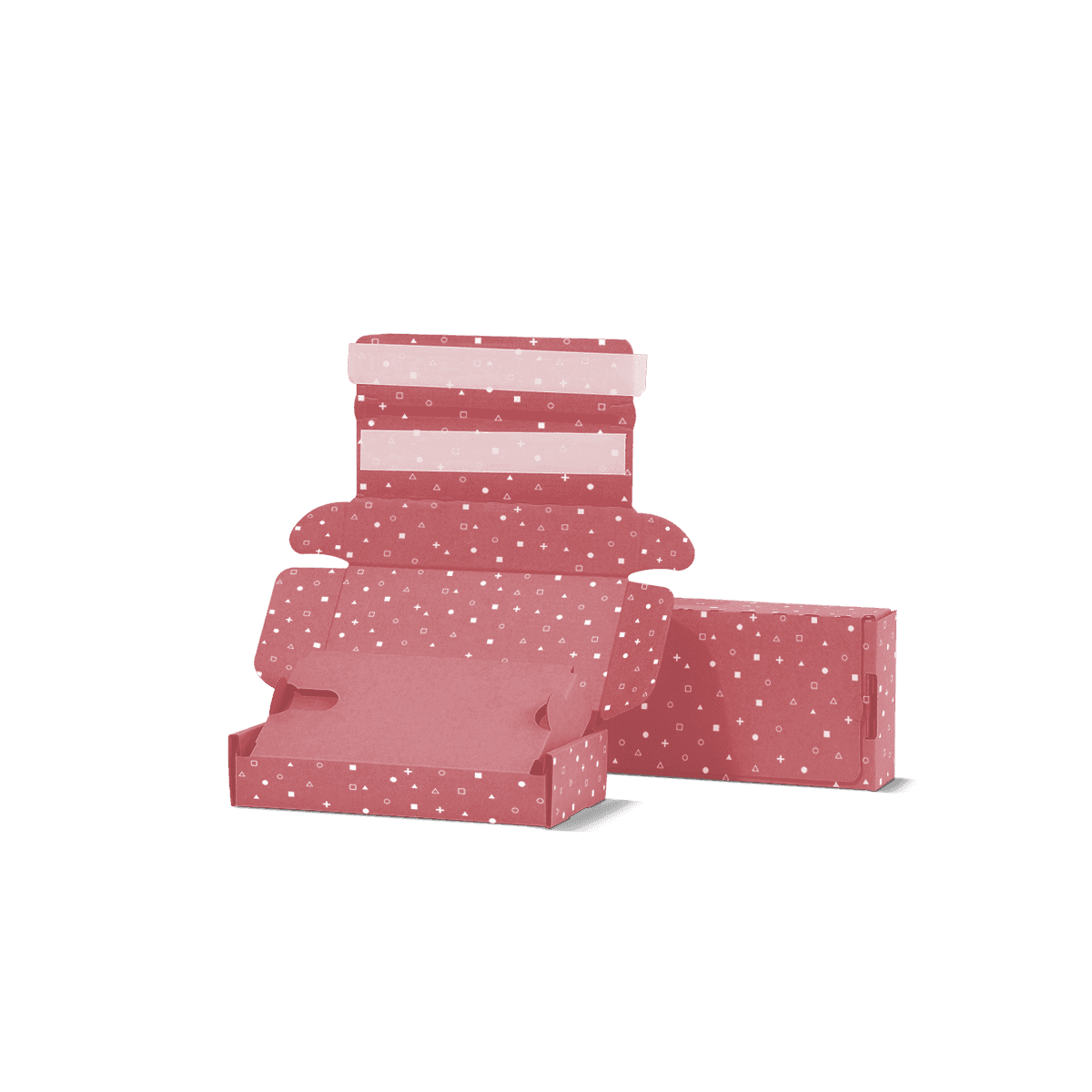
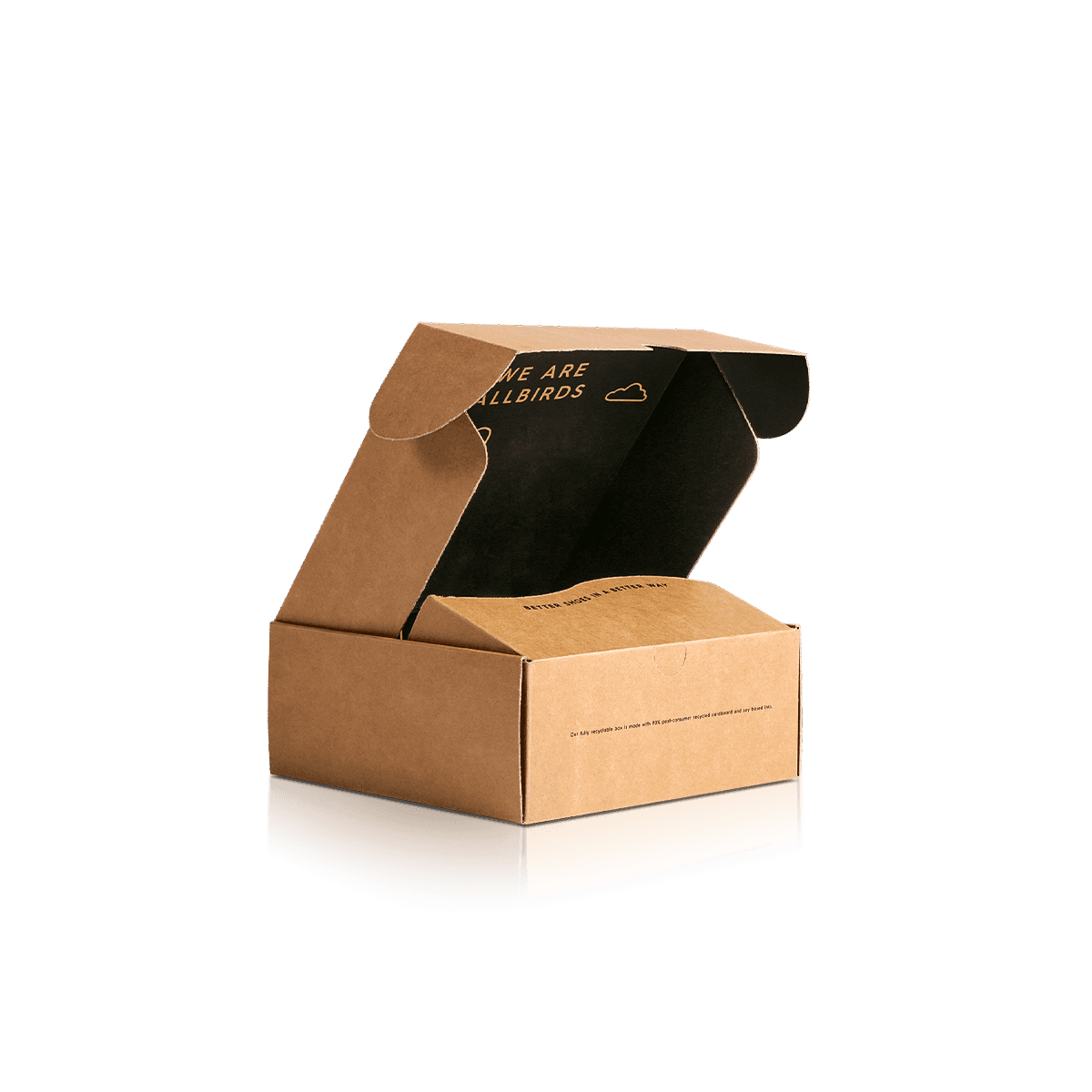
A corrugated mailer can often carry light to medium products from the filling bench to the customer. It combines the shipping outer and the branded opening in one piece.

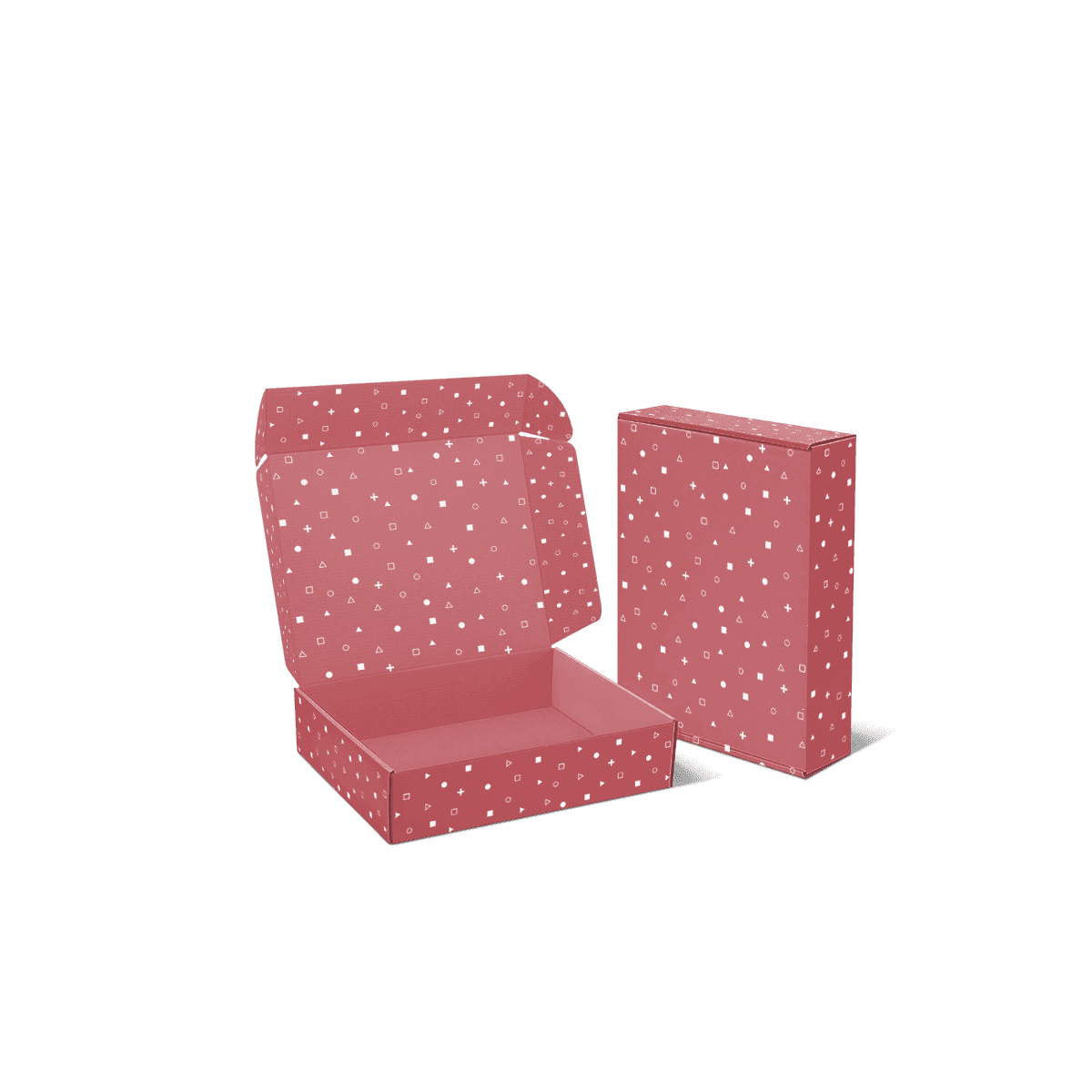
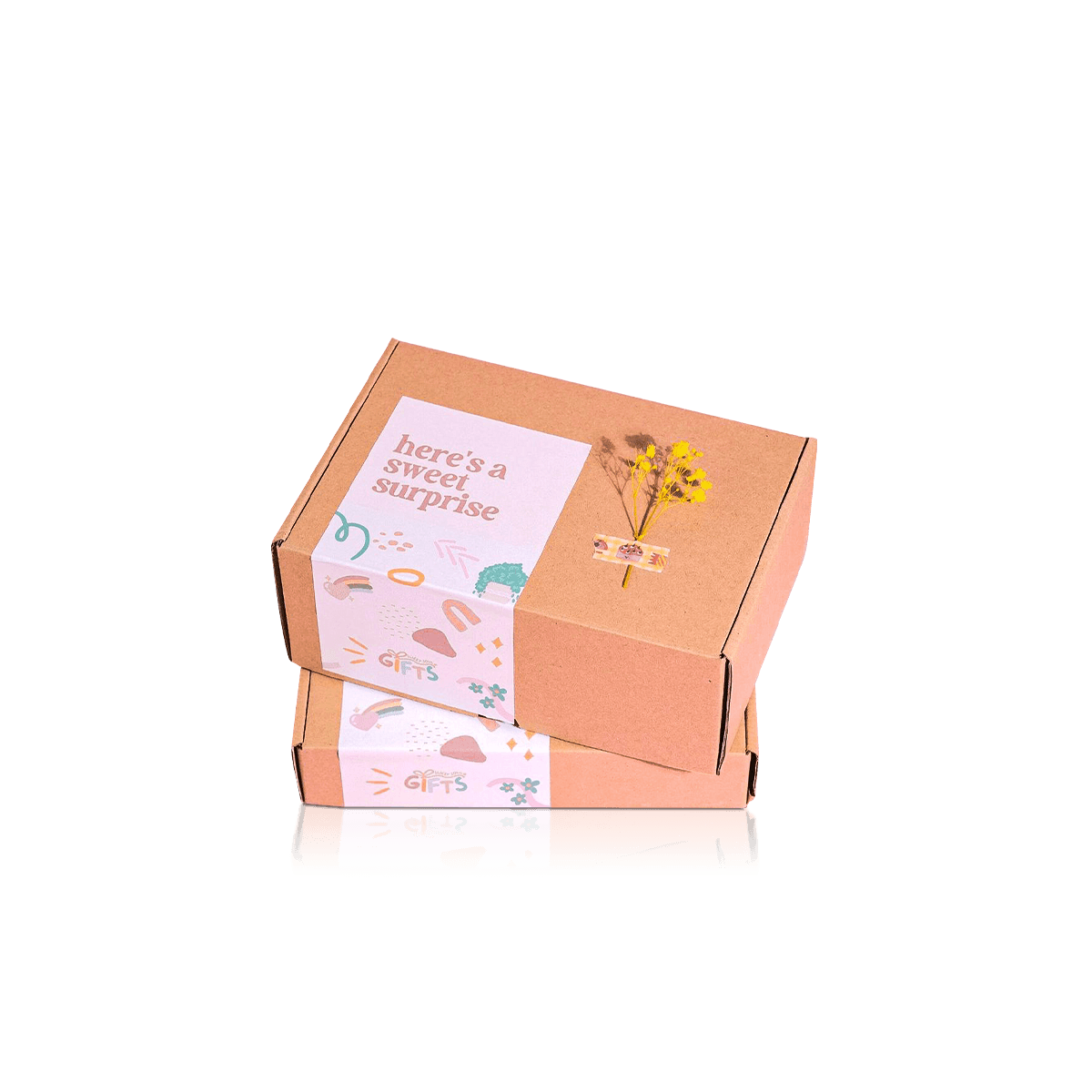
Custom Mailer Boxes suit clothing, skincare, stationery, accessories and many gift items. They store flat and provide broad panels for outside and inside print.

The board grade, depth and closure still need to match the filled weight. A neat shape is not enough if the side walls bow during delivery.

Add an inner box for a clean surface

Some products need a printed presentation box inside a plain shipper. This approach can protect foil, detailed artwork or a softer surface from labels and courier marks.

It can suit premium sets, fragile products and items that may later appear on a shelf. Keep the gap between both boxes controlled so the inner box does not slide.

Use a stronger carton for demanding orders

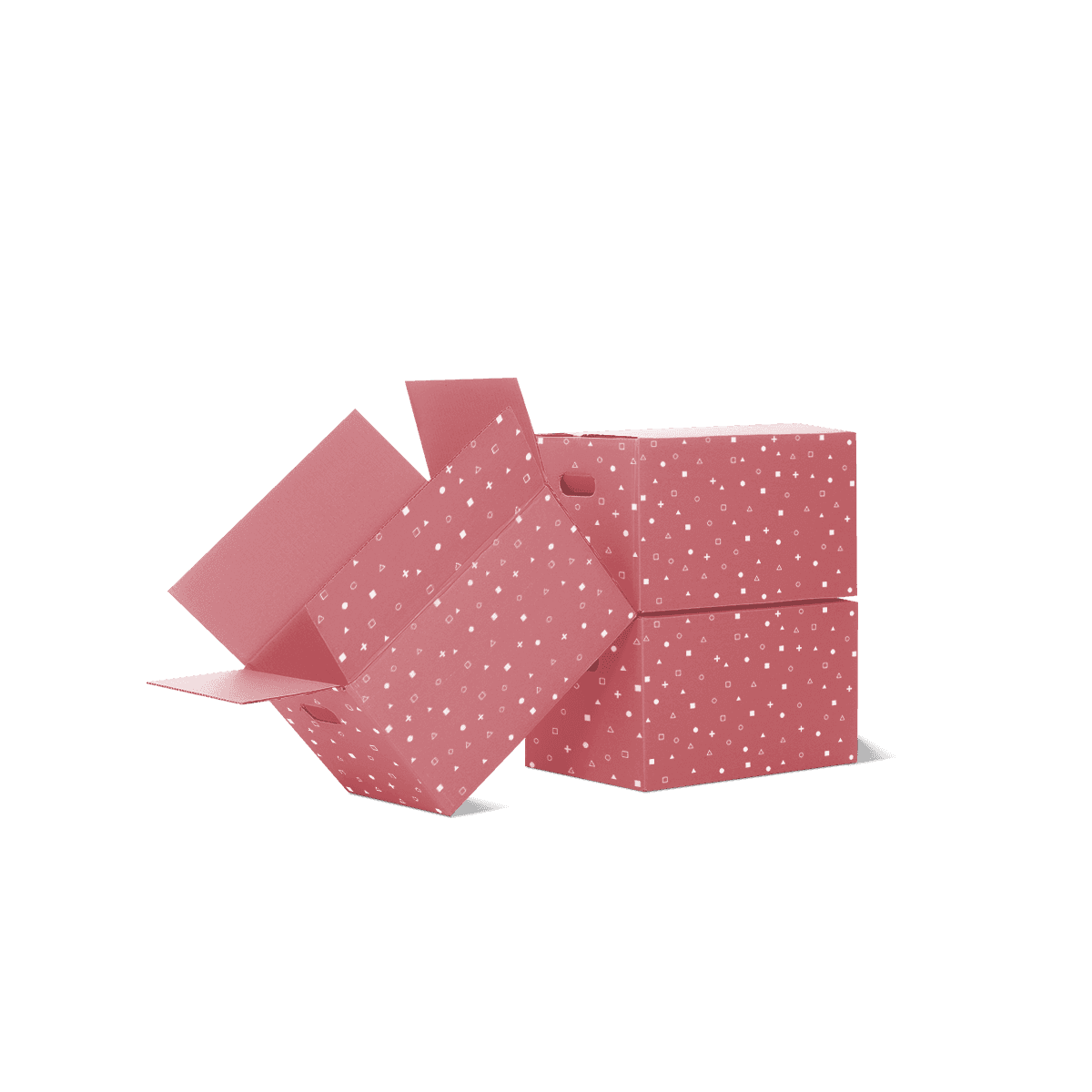
Heavy goods, wider bundles and long delivery routes may need Custom Shipping and Postal Boxes. A taped corrugated carton can provide more base support and stacking strength than a light mailer.

Custom Ecommerce Boxes should match the worst normal handling expected for that order, not only the product photo used during design.

Create a Box Family From Real Order Patterns

Custom Ecommerce Boxes work better as a planned family than as unrelated sizes. Review order records and group purchases by filled dimensions, weight and risk.

The goal is not to create a different box for every product. It is to cover the most common order groups with fewer sensible choices.

Separate compact orders from mixed purchases

A compact box can serve one product or two small items. A medium box may suit the main product plus an add-on. A larger carton can cover bundles and heavy orders.

This gives the filling team a clear way to choose Custom Ecommerce Boxes. It also reduces wide empty spaces and excess paper.

Keep products with similar risks together

Soft items can share a box even when their shapes vary. Glass items may need their own size because they require more control around the sides and base.

Do not group products by price alone. Weight, sharp corners, liquid content and breakable parts affect the box more than retail value.

Set a rule for uncommon orders

Rare oversized orders do not always justify another printed size. A plain stock carton may handle them until demand becomes regular.

Custom Ecommerce Boxes should solve repeated needs. A new size earns its place when it reduces damage, filler or labour often enough to matter.

Control Movement at the Product’s Weak Points

Extra empty space creates movement. More tissue may hide the issue without fixing it. Custom Ecommerce Boxes should support the areas most likely to shift, strike or crush.

For Custom Ecommerce Boxes, start with the actual product, including its cap, pump, handle or retail carton. Then decide where support is needed.

Protect corners and hard edges

Square products can place pressure on outer corners when the box is dropped or stacked. Leave enough clearance for the board to absorb light impact without allowing the item to travel across the box.

A folded paperboard cradle can centre a small carton. Corrugated side supports may suit heavier goods.

Stabilise bottles, jars and round products

Round items can rotate until the label faces down. They can also strike each other in a mixed order.

Custom Inserts and Dividers can separate products and keep them in a planned position. Support a bottle around its body rather than relying on the cap or pump.

Leave room to remove the product

A tight insert may survive transit but create a poor opening. Add finger access where the customer needs to lift a jar, device or accessory.

Test removal with the finished label and any protective wrap in place. Custom Ecommerce Boxes should hold the item firmly without making it feel trapped.

Keep Branding Consistent Across Every Box Size

A small box and a large box should look related even when their structures differ. Custom Ecommerce Boxes need a visual system that can move across lid panels, side walls and shipping cartons.

Custom Ecommerce Boxes stay consistent through colour, type, logo scale and message order. They do not need identical artwork on every surface.

Choose one main outside view

Decide where the logo should remain visible after a shipping label is applied. The lid may work for a mailer while a side panel may work better on a taped carton.

Keep short copy away from folds, tape and high-rub corners. Test the artwork on the formed box rather than judging only the flat dieline.

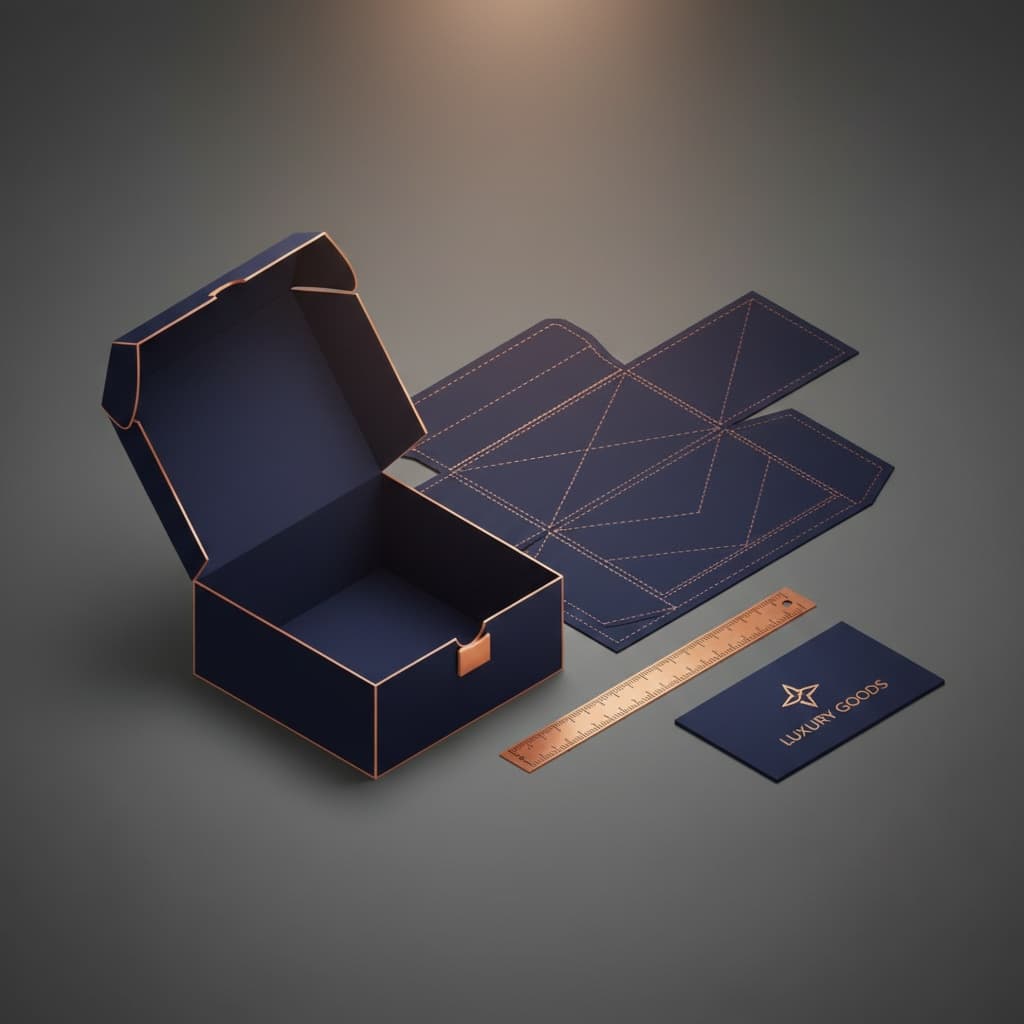
The Dieline Tool can support custom dimensions and artwork setup for suitable structures before print files are finalised.

Use inside print to support the purchase

Inside print can thank the customer, explain care or point to the next useful action. Keep the message brief and place it where the product will not cover it.

For Custom Ecommerce Boxes with several sizes, the inside message can stay consistent while the layout changes with each structure.

Apply finishes where handling is lower

Matte or gloss coatings can change colour depth and surface feel. Foil, embossing and spot UV can highlight a logo or short detail.

Courier handling may mark dark solids and delicate finishes. Keep special effects away from areas that rub against other parcels. Customisation can help match the print and finish to the shipping use.

Make the Opening Useful After the First Impression

Custom Ecommerce Boxes should do more than create a brief reveal. The customer may need product instructions, care details, return information or a clear way to reorder.

The best opening order gives the customer only the information needed at each point.

Place the product first

The product should remain the main focus. Cards, tissue and printed notes should support it rather than cover it.

For a bundle, arrange items in the order they will be used. A small printed label beside each item can help when shapes or colours are similar.

Keep care and return details easy to find

Care instructions can sit under the lid, on a card or beside the product. Return steps should not dominate the first view, but they should be easy to locate later.

A return-friendly closure may matter for fashion, footwear or other products with frequent size exchanges. Share that need before the structure is approved.

Use one clear next action

A QR code may lead to product care, registration or reordering. Test it at final printed size and keep it away from folds.

Do not place several competing actions in one small space. Custom Ecommerce Boxes work better when the next step feels clear.

Prepare Boxes for the Fulfilment Floor

A box may look good in a mock-up and still slow the team that fills hundreds of orders. Custom Ecommerce Boxes should form, fill and close in a clear sequence.

Test Custom Ecommerce Boxes in the real routine with tissue, inserts, cards, labels and closure materials included.

Reduce unnecessary handling

Place flat boxes near the filling area and keep each size clearly marked. Folds should follow an obvious order.

An insert should load without forcing staff to turn the box several times. A card should have a fixed place so it is not forgotten.

Plan label and scan areas

Leave a clear zone for shipping labels and any warehouse barcode. Avoid foil or heavy texture where scanners need a clean surface.

The label should not cover the logo, opening instructions or return strip. Confirm the final label size before artwork approval.

Record every approved version

Save internal dimensions, board grade, flute, artwork and finish for each size. Give files clear names linked to the actual order type.

This prevents old artwork or the wrong depth from returning during a busy reorder. Custom Ecommerce Boxes become easier to manage when each approved version has one reliable record.

Plan Supply Around Demand, Storage and Change

Online demand can rise quickly during launches, promotions and seasonal periods. Custom Ecommerce Boxes should be ordered with both stock space and expected use in mind.

MOQ starts from 50, while larger production runs and high-volume repeat needs are also supported. This allows a brand to test a new box without limiting future growth.

Order stable sizes differently from campaign boxes

An everyday mailer with long-term artwork may suit a larger quantity. A short campaign box with a date or limited message may be safer in a smaller run.

Keep temporary details on cards, labels or sleeves where possible. The main box can then remain useful after the campaign ends.

Watch usage by size

Record how quickly each box is used. A large box may leave stock slowly while a compact everyday size moves much faster.

This helps set reorder points and reduces the risk of running out of the size used most.

Leave time for fit and artwork checks

Local production typically takes 4 to 6 days after approval. Final timing depends on the structure, quantity and finish.

A free 3D mock-up is the usual review step. Physical sampling is most useful for fragile items, unusual dimensions or a complex insert.

Prepare a Quote From the Full Shipping System

A clear quote for Custom Ecommerce Boxes should cover the product, normal order groups and delivery use. One outer measurement is rarely enough.

Share:

  • Product dimensions and filled weight
  • Common single-item and mixed orders
  • Quantity needed for each box size
  • Fragile points, liquids or sharp edges
  • Direct shipper or inner-and-outer box needs
  • Preferred board colour and strength
  • Insert or divider requirements
  • Outside and inside print areas
  • Shipping label size and position
  • Return closure needs
  • Artwork status
  • Required delivery date

Custom Packly can review these details and help reduce the first box family to the sizes that serve the most orders.

When a corrugated mailer is already the confirmed structure, Custom Ecommerce Mailer Boxes can focus the design around its lid, front lock and opening panels.

Get a quote with product photos, dimensions and examples of the orders sent most often.

FAQs

They protect products during delivery while carrying the brand across the outside, opening and internal presentation.

No. Mailers suit many light to medium orders. Heavy or wide goods may need a taped shipping carton.

Start with the sizes that cover the most common compact, mixed and larger orders. Add another only when demand shows a clear need.

Yes. Return needs can affect the closure, label space and opening path, so include them in the first brief.

Process

How it works

Simple steps from idea to delivery

01

Tell Us Your Specs

Custom packaging boxes

Tell Us Your Specs

Provide size, quantity, printing, and finishes.

02

Get a Fast Quote

Custom packaging boxes

Get a Fast Quote

Instant transparent pricing, no hidden fees.

03

Design and Approval

Custom packaging boxes

Design and Approval

Artwork checks, revisions, and final sign-off.

04

Produce

Custom packaging boxes

Produce

Expert manufacturing to meet deadlines.

05

Ship to Your Door

Custom packaging boxes

Ship to Your Door

Hassle-free, flexible delivery options.

Start Your Custom Packaging Quote

Share your product details, dimensions, quantity and artwork needs. We’ll help choose the right packaging style and send a clear quote.