Skip to content
Details

Custom Self-Seal Mailer Boxes

Tape-free mailer boxes for faster ecommerce packing, secure dispatch and cleaner branded delivery across repeat fulfilment runs.

Free Design Support

Clear Pricing

Flexible Quantities

Unlimited Customization

Premium Materials

Offset Precision

Free Shipping

Quick Turnaround

Peel, press and dispatch

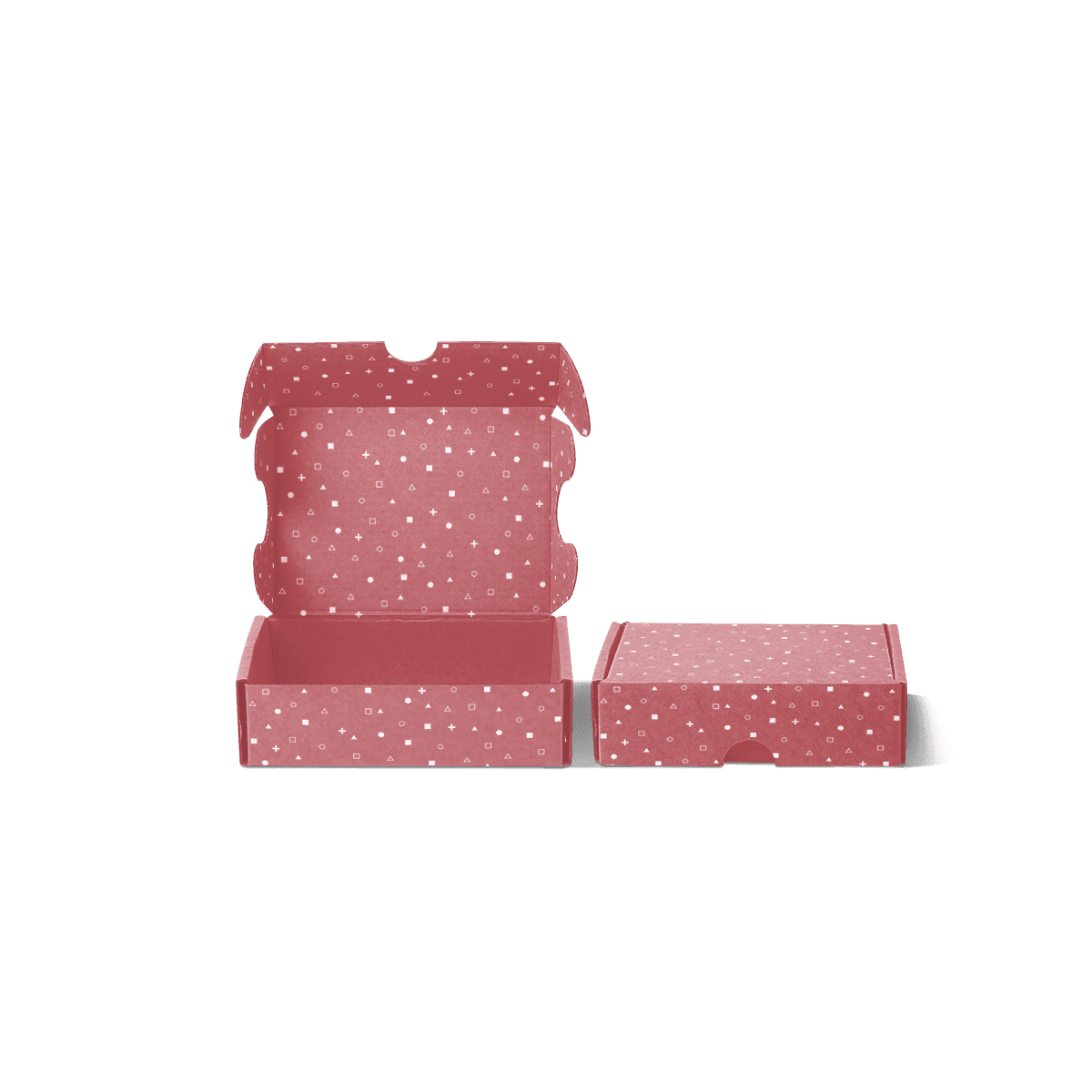
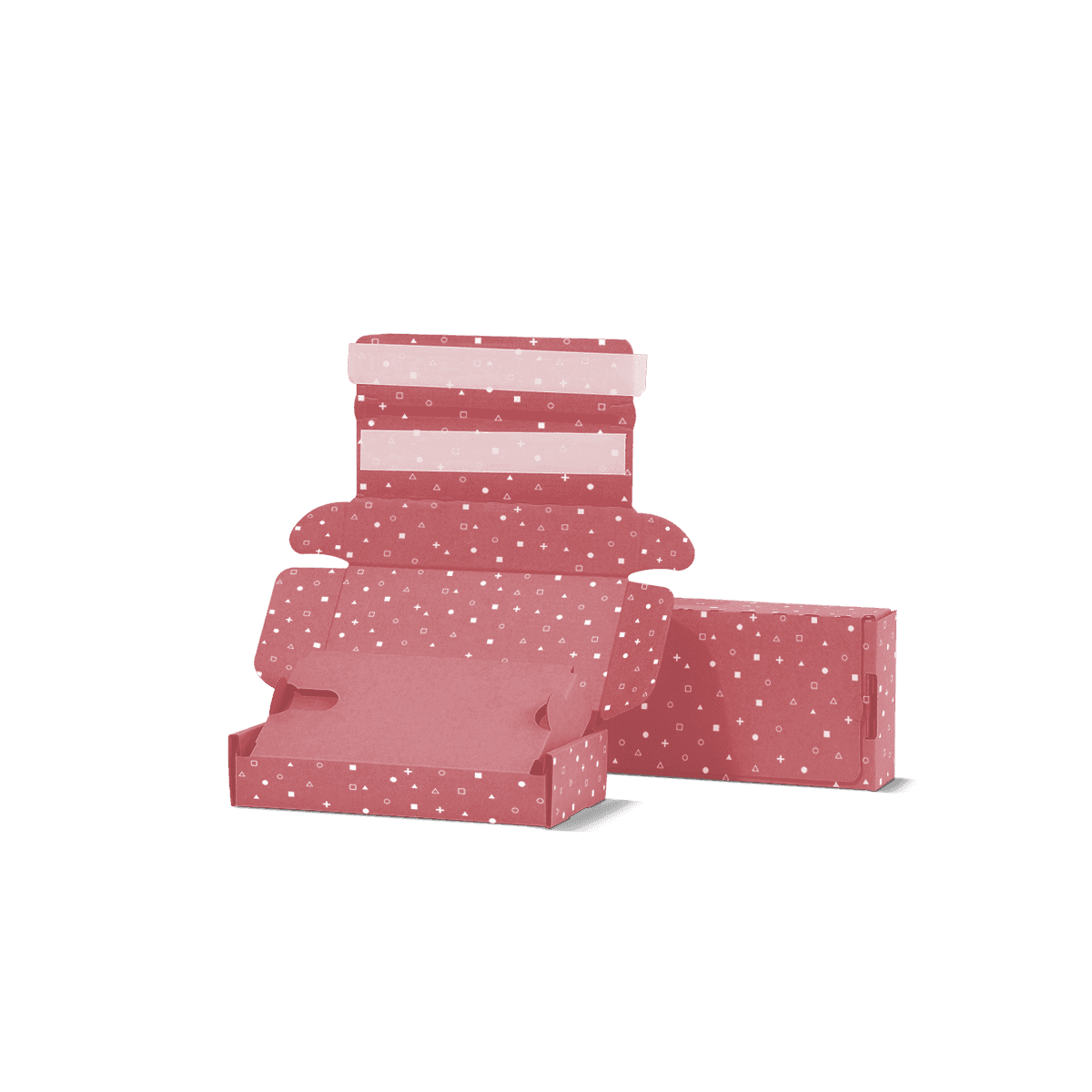
Custom Self-Seal Mailer Boxes are corrugated mailer boxes with a built-in adhesive strip that helps packing teams close orders without separate tape. They suit ecommerce brands, subscription businesses and retail teams that want faster dispatch, cleaner presentation and fewer packing steps.

The adhesive strip turns sealing into a simple peel-and-press action. Once the product is placed inside and the lid is folded down, the protective liner is removed and the closure is pressed into place. This helps make the packing bench cleaner and reduces the chance of boxes leaving with loose tape, crooked tape or too many sealing layers.

This style works well for apparel, skincare, wellness kits, small accessories, sample packs, candles, subscription items and product launch boxes. The main value is workflow. The box still needs the right board, size and product fit, but the seal strip helps make daily fulfilment more efficient.

For brands comparing mailer structures, Custom Mailer Boxes includes self-seal, tear strip, corrugated, die cut and other mailer styles for different product needs.

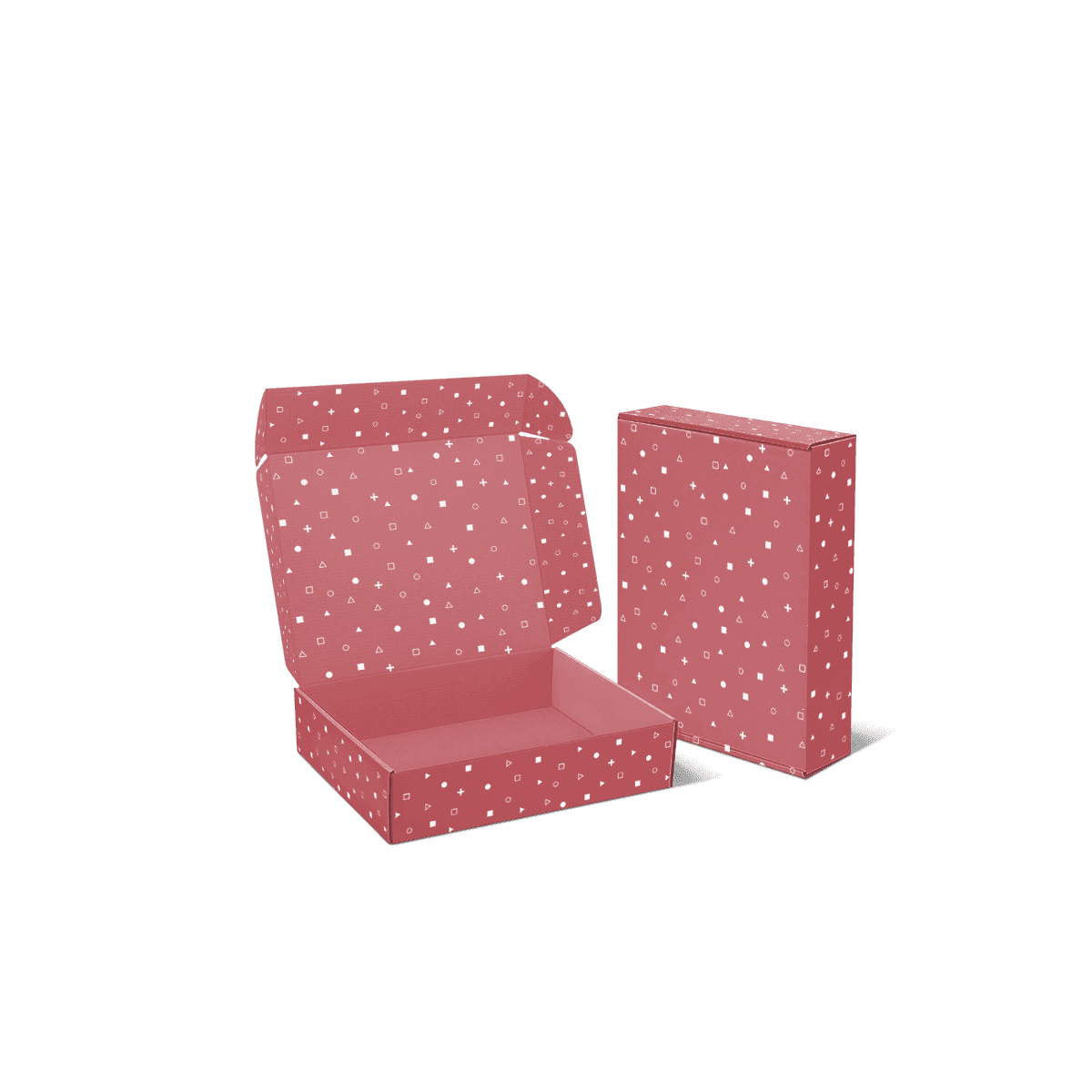
Why self-seal saves time

Self-seal mailers are useful when packing speed affects the whole order flow. Removing separate tape may seem like a small change, but it can reduce steps when a team is packing dozens, hundreds or thousands of orders.

The benefit is not only speed. A self-seal closure can also make the finished package look cleaner. Instead of visible tape across the lid or front edge, the adhesive strip sits within the box structure and keeps the outside design neater.

Fewer packing steps

A standard mailer may need folding, taping and checking. A self-seal mailer reduces that process because the sealing strip is already built into the lid or closure area.

This helps during product drops, sale periods and subscription dispatch where every extra step slows the line.

Cleaner outside finish

Tape can cover artwork, wrinkle on corrugated board or make a premium mailer look less polished. A self-seal strip keeps the closure more discreet.

This is useful when the box carries logo artwork, product range colours or a simple kraft design that should stay clean.

More consistent sealing

Different team members can apply tape differently. Some use too little, some use too much and some place it across important design areas.

A built-in adhesive strip creates a more consistent closure point across the whole run.

Best use cases

Custom Self-Seal Mailer Boxes are best for products that need fast dispatch and a tidy sealed closure. They work especially well when the product is light to medium in weight and already sits well inside the box.

Self-seal is a strong choice for ecommerce brands that want cleaner fulfilment. It can also suit subscription boxes where the packing team repeats the same process often.

High-volume ecommerce

Ecommerce teams often want packaging that is quick, reliable and easy to train around. A self-seal mailer gives the packing team a simple closure method that does not rely on tape rolls, cutters or extra packing tools.

For brands focused on online orders, Custom E-commerce Packaging can connect self-seal mailers with shipping boxes, inserts, product launch boxes and other delivery-ready styles.

Subscription dispatch

Subscription boxes need repeatable packing. A self-seal strip can make monthly or seasonal fulfilment easier because the closure process stays the same from box to box.

It also helps the package arrive looking neat, which matters when customers receive the same brand experience more than once.

Retail fulfilment

Retail teams can use self-seal mailers for boutique online orders, event packs, gift-style dispatch and product samples. The adhesive closure helps the outside of the box feel finished without adding visible tape.

This is useful for brands that want a cleaner delivery look while still using corrugated board for protection.

Seal strip placement

The adhesive strip needs to sit in the right place for the box structure. A poor strip position can make the closure awkward, weaken the lid or create pressure on the packed product.

The strip should support the opening and closing path of the mailer. It should also leave enough room for artwork, fold lines and any shipping label area.

Lid sealing area

Most self-seal mailers use the strip near the closing edge of the lid. The strip should land on a clean contact surface when pressed down.

If the contact area is too narrow or uneven, the seal may not feel reliable.

Adhesive liner

The removable liner protects the adhesive before use. Packing teams should be able to peel it quickly without fighting the box or touching the adhesive too much.

A smooth liner removal helps keep packing fast and reduces frustration at the bench.

Closure pressure

The seal usually needs firm pressure after closing. If the product pushes against the lid, the seal may not sit flat.

This is why product height and internal fit matter before finalising the dieline.

Board and adhesive fit

Custom Self-Seal Mailer Boxes usually use corrugated board because it gives the box strength, fold support and shipping protection. The board must work with the adhesive strip, not against it.

The adhesive performs best when the closure area is flat, clean and matched to the box design. Board strength, coating choice and print coverage can all affect the sealing surface.

Corrugated board

Corrugated board has a fluted layer between liner sheets. This helps the mailer hold shape and resist pressure during handling.

For self-seal boxes, the board should fold cleanly so the adhesive strip lands in the right place.

Kraft finish

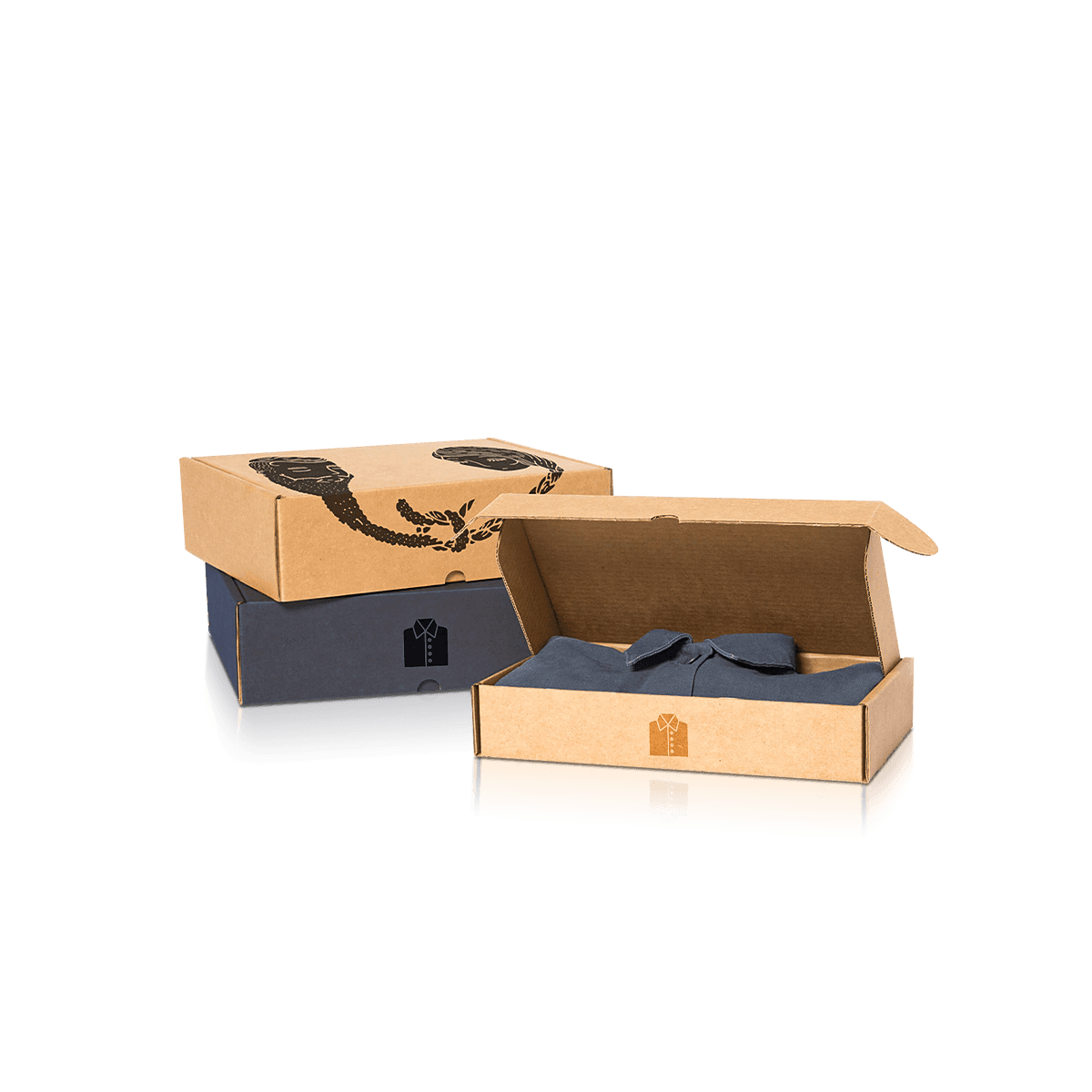
Kraft board gives a natural and practical look. It suits apparel, wellness, handmade products, candles, subscription boxes and eco-led brands.

Simple artwork works well on kraft, especially when the adhesive strip allows the outside to stay tape-free.

White finish

White board gives a cleaner print base for bright colour, soft artwork and premium product presentation. It suits beauty, gifting, sample kits and campaign mailers.

White board can also make inside print look sharper when the opening experience matters.

Print without tape clutter

Self-seal mailers give brands more freedom with artwork because there is less need to place tape over the outside. This can make the box look cleaner when it reaches the customer.

The print still needs to work with fold lines, adhesive areas and shipping labels. A beautiful design can lose impact if the label covers the main logo or the seal sits over key artwork.

Top panel artwork

The top panel can carry the main logo, product range artwork, campaign colour or simple pattern. It is often the largest visible surface before opening.

The design should leave room for shipping labels where needed.

Seal-safe artwork

Artwork should avoid the adhesive landing zone. Heavy ink, coating or folds in the wrong area can affect the closure feel.

A dieline review helps keep print and adhesive placement working together.

Inside lid detail

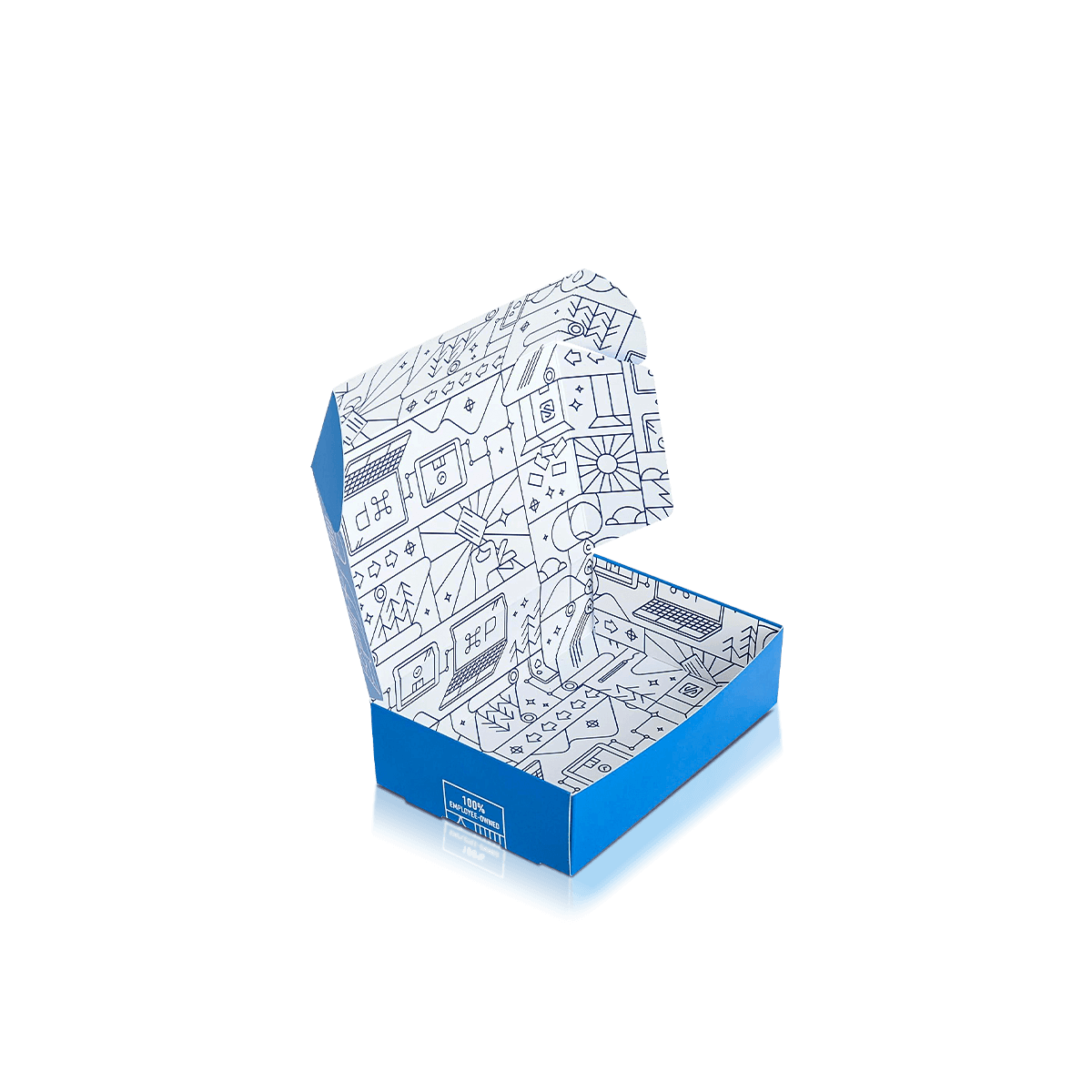
Inside print can carry a thank-you message, product instruction, QR code or brand note. Since the outside looks cleaner without tape, the inside can continue the same polished experience.

Inside print should stay short and easy to read.

Sizing for sealing

Self-seal mailer boxes need accurate sizing because the adhesive closure depends on the lid sitting flat. If the box is too tight, the seal can lift. If it is too loose, the product may move and affect the unboxing.

The best sizing starts with the product in its packed form, not just the product by itself. Include tissue, sleeves, wraps, inserts, caps, cards and protective pieces.

Packed height

Height is critical for self-seal mailers. The lid should close without pushing down on the product.

If the product presses upward, the adhesive may carry more strain than it should.

Movement control

A self-seal strip closes the box, but it does not hold the product in place. If the product can slide, rattle or hit the walls, use an insert or divider.

This matters for candles, jars, small electronics, glass items and multi-product kits.

Dieline check

The dieline should show the adhesive strip, liner area, cut lines, crease lines, panels and safe print zones. It should also show where the seal lands when closed.

Free dieline support can help prevent seal placement issues before production.

Inside packing options

The inside layout should protect the product and make the opening feel organised. A self-seal closure makes the outside neat, but the product still needs to sit properly inside.

Inserts, cards and wraps can help create a better customer reveal while reducing movement.

Fitted trays

A fitted tray can hold bottles, jars, candles, accessories or sample products in place. It makes the box feel more intentional when opened.

It can also reduce loose fill and improve product protection.

Divider sets

Dividers help separate multiple items. They suit subscription kits, beauty bundles, pet product packs, wellness sets and promotional boxes.

Dividers can keep products from rubbing or shifting during delivery.

Packing layers

Tissue, sleeves or top cards can add a softer layer before the customer reaches the product. These details work well when the brand wants a more premium opening without using a rigid box.

Returns and reseal needs

Not every self-seal mailer is designed for returns. Some adhesive strips are one-way closures. Others can be planned with a second strip when the brand wants return-friendly packaging.

This should be decided before production because it affects the dieline, cost and customer instructions.

One-way sealing

A one-way seal works when the main goal is fast outbound dispatch. It is suitable for many ecommerce orders where the brand does not need the same box to return the product.

This option keeps the structure simpler.

Second-strip returns

A second adhesive strip can help customers reseal the box for returns. This can be useful for apparel, footwear accessories and products with higher exchange rates.

It should be planned with clear opening instructions so the customer does not damage the second strip.

Opening guidance

If the mailer includes a tear-open or return feature, the opening path should be obvious. Small printed cues can help customers use the box correctly.

Without guidance, customers may cut the box open and lose the return feature.

Packing bench efficiency

Self-seal mailers are most valuable when the packing team uses them as part of a clean workflow. The box should fold quickly, seal smoothly and store flat before use.

The structure should not create new problems while solving tape use. Testing the fold and seal process before a large run can prevent delays.

Flat storage

Self-seal mailers ship flat, which saves storage space and helps organise packaging by size, SKU or campaign.

This is useful for brands with multiple product sizes or seasonal artwork.

Team training

Packing teams should know where to fold, when to peel the liner and how much pressure to apply. A simple packing sequence helps prevent missed seals or uneven closures.

A sample run can help confirm the process.

Repeat consistency

Repeat runs should keep the same board, adhesive placement, dieline and print setup. Changes can affect seal feel and packing speed.

Bulk planning can help keep the same box available for regular fulfilment.

When self-seal is the right choice

Custom Self-Seal Mailer Boxes are the right choice when sealing speed, cleaner presentation and tape-free dispatch matter. They are especially useful for ecommerce teams that want fewer packing tools and a more consistent closure.

If the customer opening experience is more important than the packing speed, Custom Tear Strip Mailer Boxes may be a better fit. If the product needs stronger corrugated protection without adhesive sealing, Custom Corrugated Mailer Boxes may suit the order better.

The best choice depends on product weight, order volume, return needs, packing workflow and how the box should look when it reaches the customer.

Details that shape the seal

A self-seal mailer quote needs more than length, width and height. The adhesive strip, return needs, inside layout and print coverage all affect the final structure.

Prepare the product size, packed weight, first order quantity, expected repeat volume, board preference, artwork status and delivery timing. Also mention whether the box needs one adhesive strip or a return-friendly second strip.

Useful details include:

  • Product size in packed form
  • Approximate packed product weight
  • First order quantity
  • Expected repeat order volume
  • Kraft or white board preference
  • One-way seal or return-friendly design
  • Inside print, outside print or both
  • Insert, divider or tray needs
  • Artwork files or brand colours
  • Launch date or fulfilment timing

These details help create self-seal mailer boxes that work for the product, packing team and customer experience.

What are self-seal mailer boxes?

Often no, but some fulfilment teams may add tape for heavier or high-risk shipments.

Yes, a second adhesive strip can be planned for returns if needed.

It can if not planned well. Keep artwork clear of the seal area.

Yes. They help make repeat packing faster and cleaner.

Process

How it works

Simple steps from idea to delivery

01

Tell Us Your Specs

Custom packaging boxes

Tell Us Your Specs

Provide size, quantity, printing, and finishes.

02

Get a Fast Quote

Custom packaging boxes

Get a Fast Quote

Instant transparent pricing, no hidden fees.

03

Design and Approval

Custom packaging boxes

Design and Approval

Artwork checks, revisions, and final sign-off.

04

Produce

Custom packaging boxes

Produce

Expert manufacturing to meet deadlines.

05

Ship to Your Door

Custom packaging boxes

Ship to Your Door

Hassle-free, flexible delivery options.

Start Your Custom Packaging Quote

Share your product details, dimensions, quantity and artwork needs. We’ll help choose the right packaging style and send a clear quote.