Custom Box Styles and Shapes
Shape-led custom boxes for gifts, retail products, samples and launches that need stronger shelf appeal, better product fit and practical production support.
Pillow Boxes
Pyramid Boxes
Window Boxes
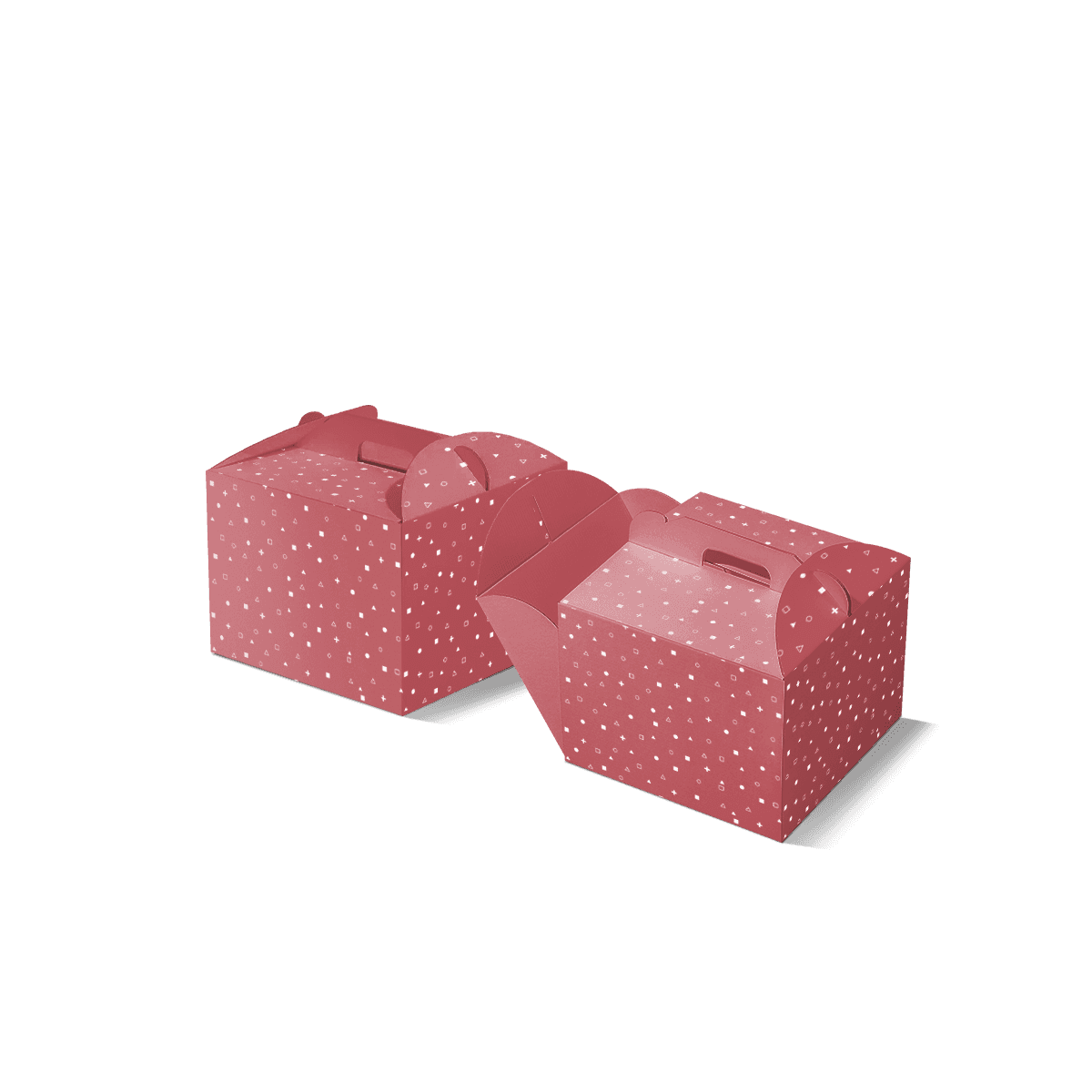
Gable Boxes
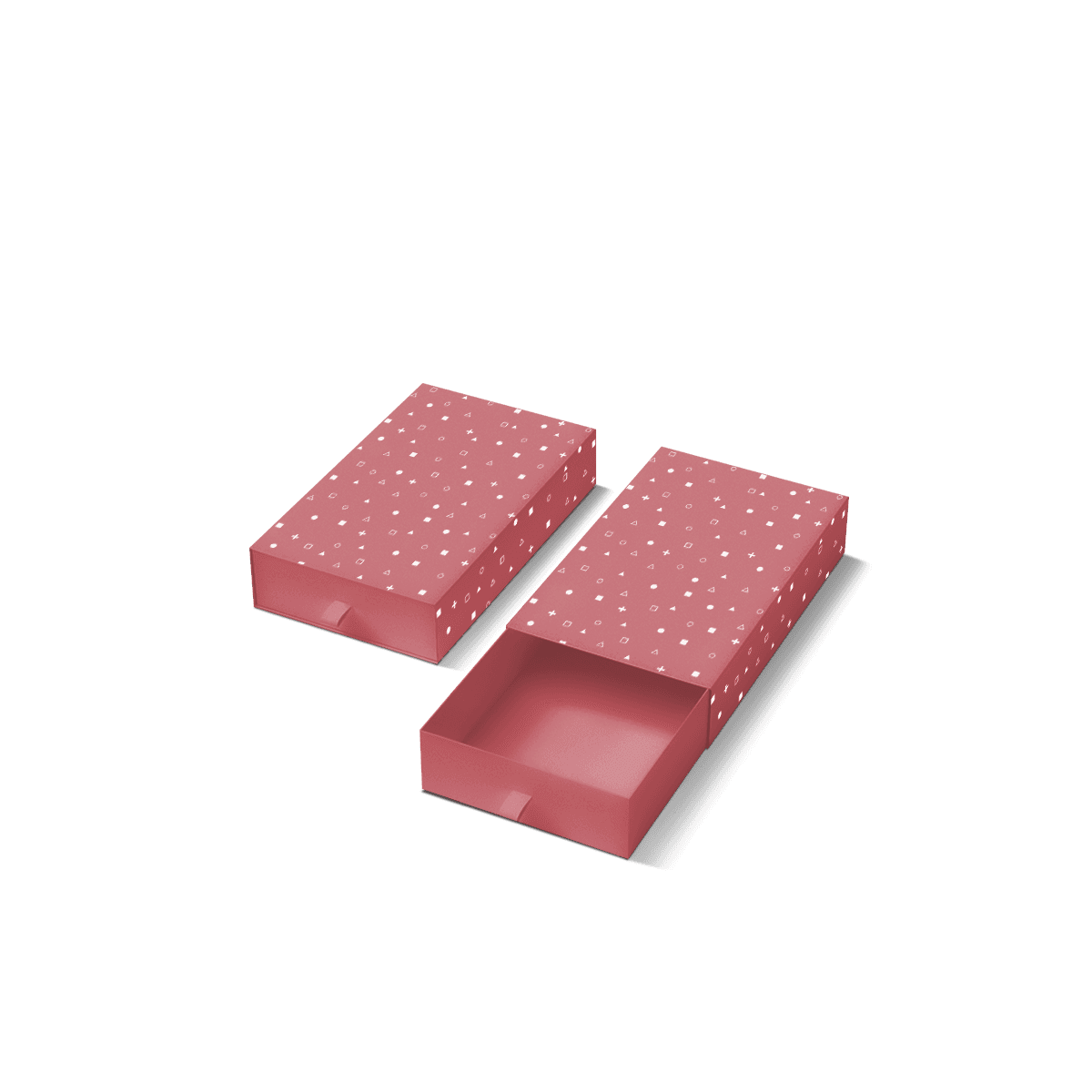
Drawer Boxes
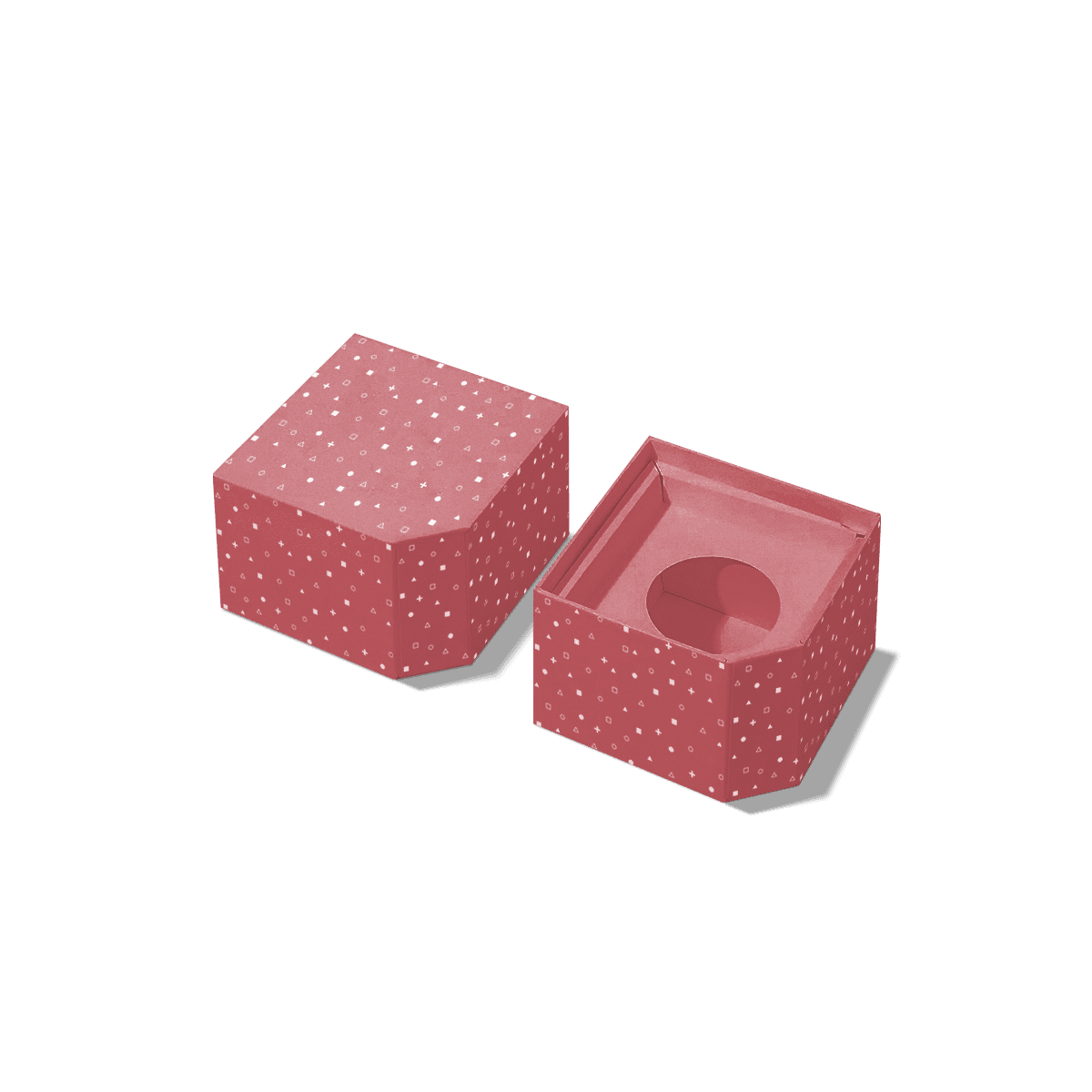
Custom Shaped Boxes
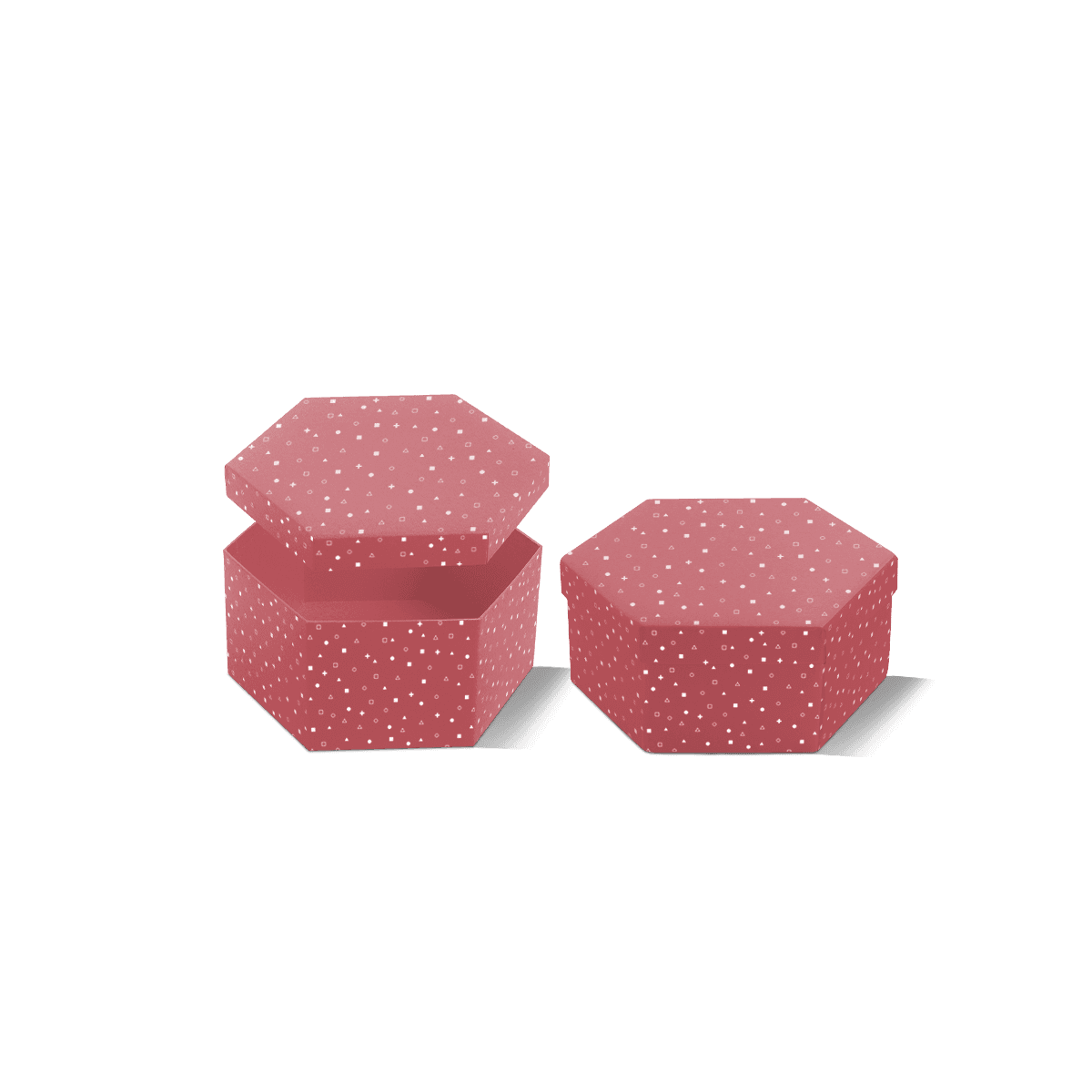
Hexagon Boxes
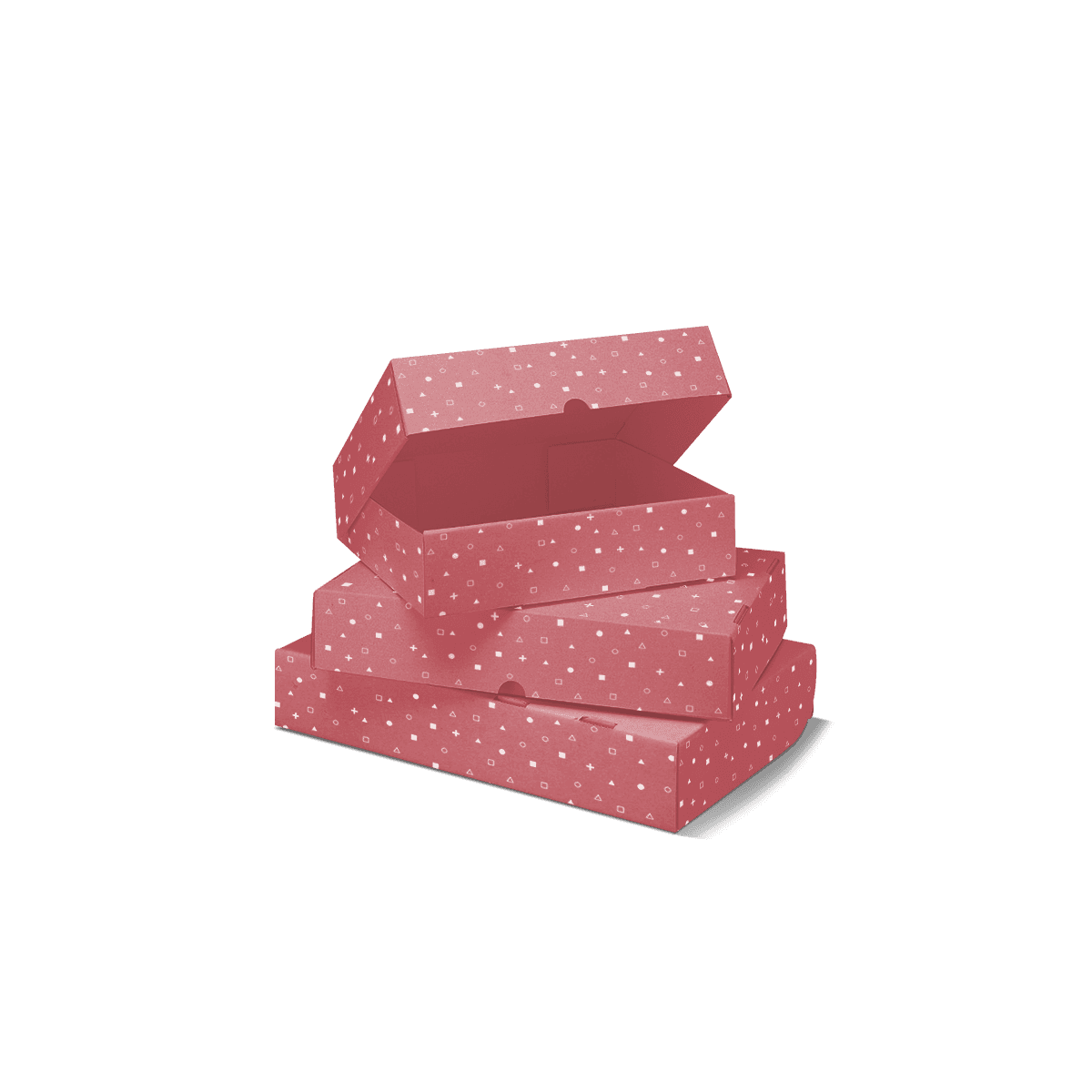
Clamshell Boxes
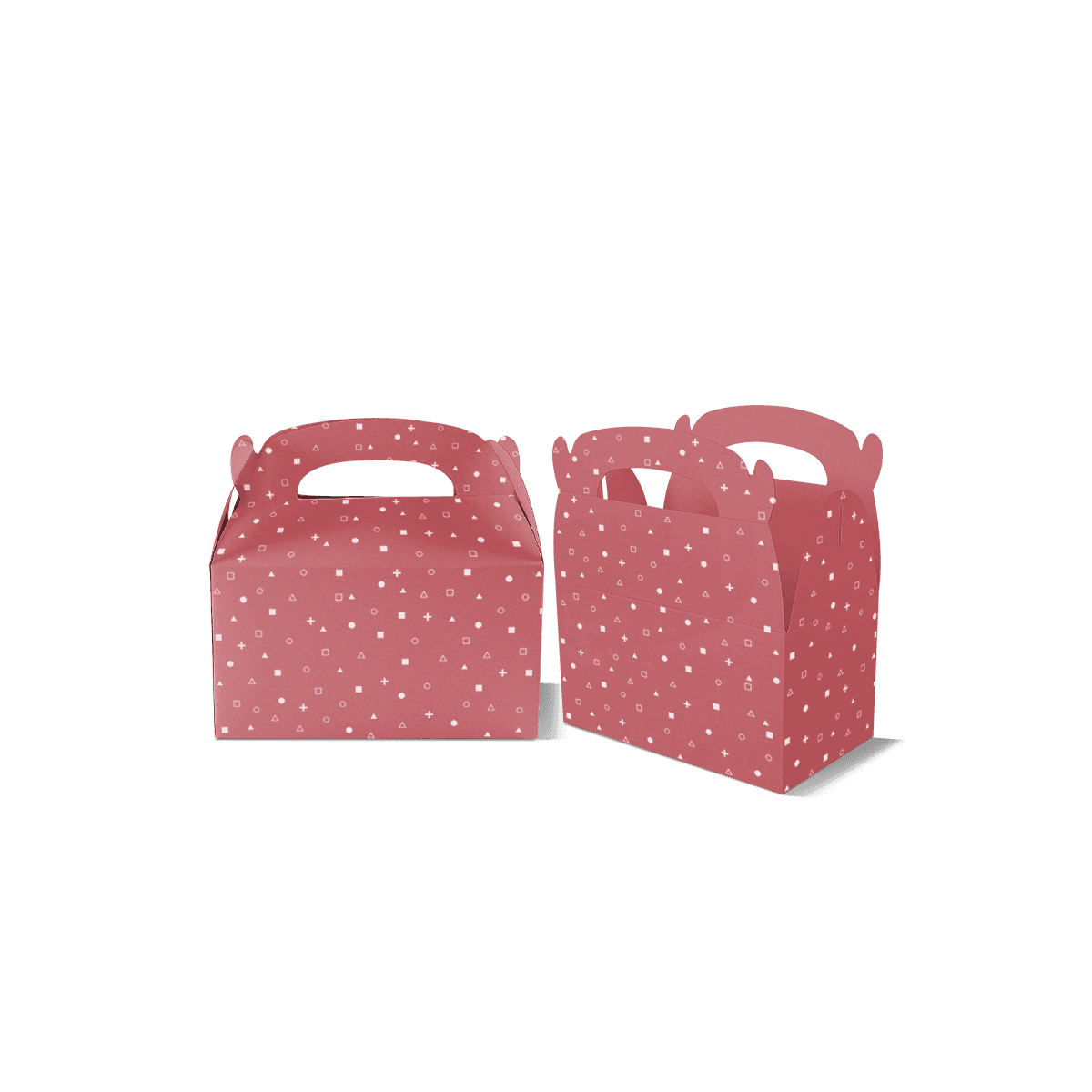
Handle Boxes
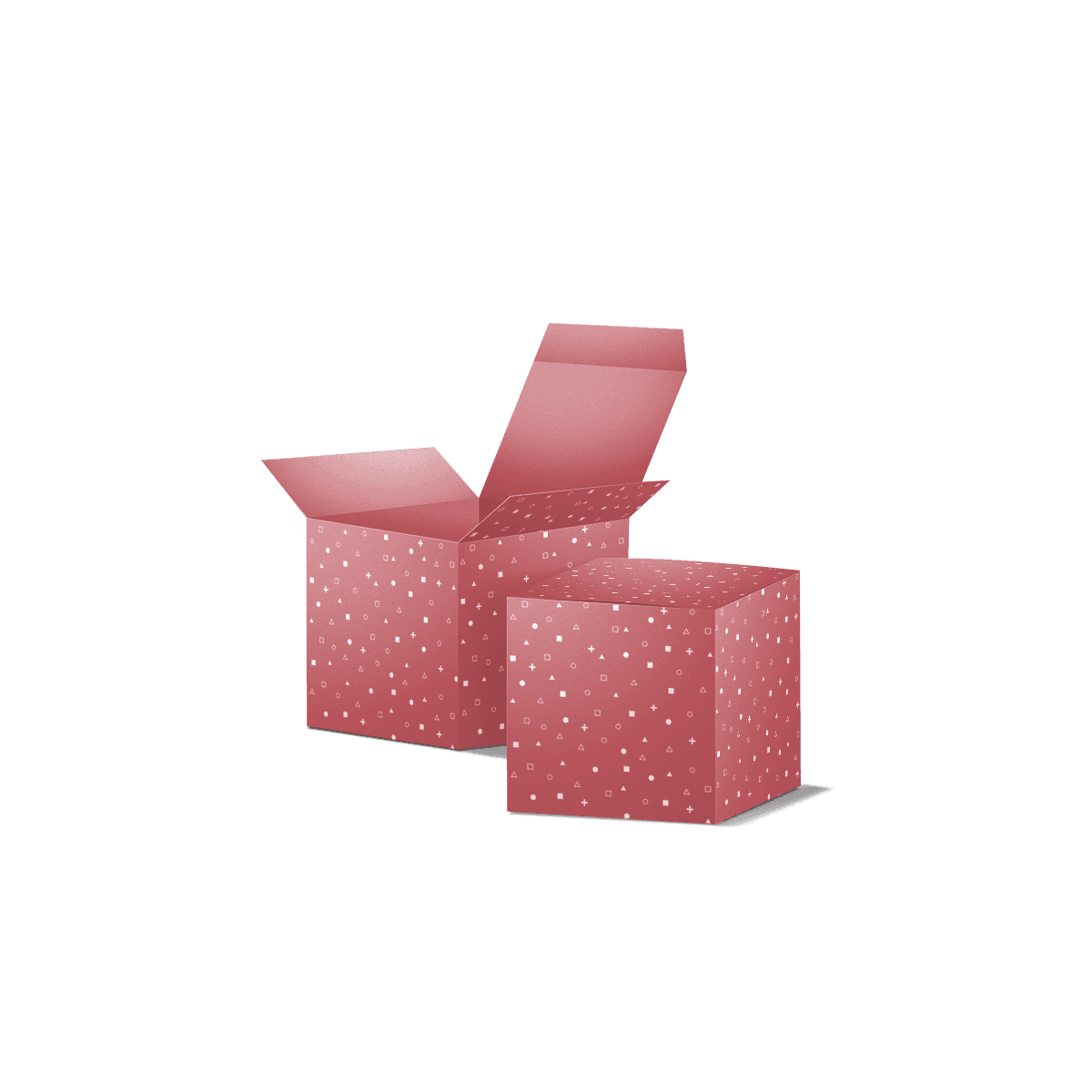
Cube Boxes
Your product shouldn’t have to fit an off-the-shelf box.
Share the shape, size, material, finish, or insert you have in mind. We’ll turn the details into a tailored packaging recommendation and a clear quote.
Custom sizes · materials · finishes · inserts
Box Shapes That Help Products Stand Apart
Custom Box Styles and Shapes help products look more intentional when a standard carton, mailer or rigid box does not suit the way the product is sold, gifted, carried or displayed.
This packaging group is for brands that need more than a simple rectangle. A handle box can make gifting easier. A window box can show the product before purchase. A drawer box can slow down the reveal and create a more premium opening. A cube, hexagon, pyramid or shaped box can turn a compact item into something that feels display-ready.
Custom Packly creates Custom Box Styles and Shapes around the product first, then refines the dieline, board, print area, closure and finish so the structure is not only attractive but also practical to pack. The goal is to help buyers choose a shape that improves presentation without making production, storage or assembly harder than it needs to be.
This parent page sits under Packaging Styles and acts as the shape-led hub for custom gable boxes, pillow boxes, drawer boxes, handle boxes, window boxes, hexagon boxes, pyramid boxes, clamshell boxes, cube boxes and shaped boxes.
When a Different Box Shape Makes Sense
A different shape makes sense when the structure solves a real selling, handling or presentation problem. Custom Box Styles and Shapes should not be chosen only because they look unusual. The best choice usually improves how the product is carried, opened, viewed or protected.
Carry-friendly packaging for gifts and events
Handle and gable styles work well when the customer needs to carry the product without a separate bag. This is useful for event favours, welcome packs, food gifts, product bundles and promotional packaging where the box itself becomes part of the experience.
A carry handle changes the way the buyer interacts with the box. It also changes the dieline because the handle area needs enough board strength, clean fold lines and balanced weight distribution. If the packed item is heavy or uneven, the handle design needs closer review before production.
Shelf-facing boxes for product visibility
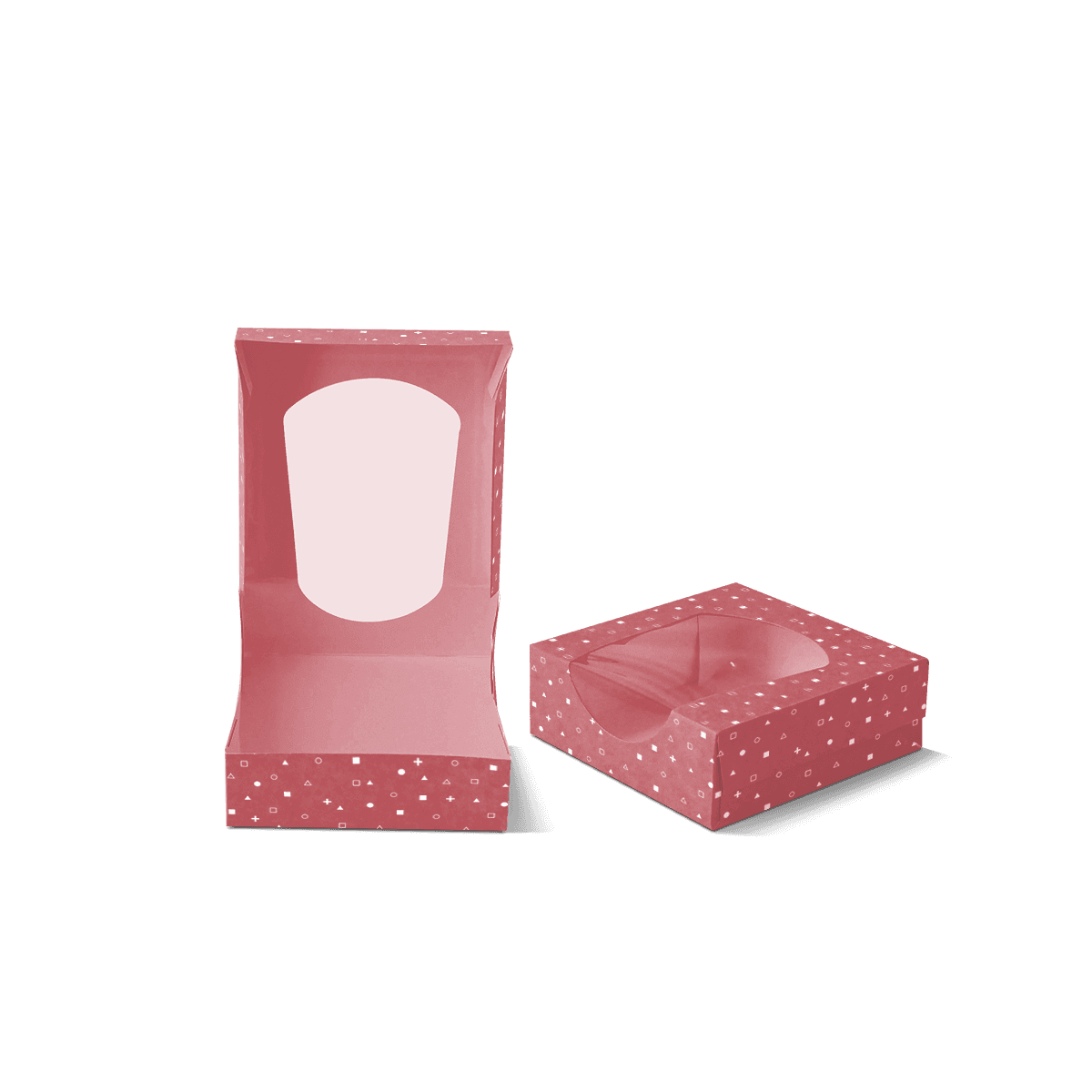
Window and shaped display boxes help customers see the product, colour, texture or arrangement before they buy. These styles can work well for bakery items, confectionery, accessories, candles, beauty items and retail gifts where visibility supports the purchase decision.
The window position matters. A window that cuts too close to a crease can weaken the panel. A window that sits too high or too low can hide the best part of the product. Custom Box Styles and Shapes need careful panel planning so the display area, print design and structural strength work together.
Reveal-led packaging for premium moments
Drawer and clamshell styles suit products where the opening action matters. They are useful for jewellery, accessories, cosmetics, small tech items, sample kits and gifting ranges where the box needs to feel considered.
These structures often need more attention to tolerance. If the sleeve is too tight, the drawer feels difficult to open. If it is too loose, the product can move or the box can feel cheap. Custom Box Styles and Shapes are strongest when the reveal, insert fit and printed surfaces are planned together.
Shape Options Buyers Usually Compare
Most buyers compare Custom Box Styles and Shapes by how the product will be packed, displayed and opened. The right option depends on product weight, product movement, shelf space, branding area and whether the box needs to be packed flat or assembled before use.
Gable boxes for carry and gifting
Custom Gable Boxes are a strong choice for gift packaging, food gifts, party packs, event boxes, hamper-style items and products that benefit from a built-in handle. The top handle makes the box easy to pick up while the lower body gives room for branding, product details and decorative print.
Gable boxes need proper base support if the product has weight. They also need handle alignment so the top closes neatly and does not twist when carried. This makes sizing and board selection important from the start.
Pillow boxes for slim products and soft presentation
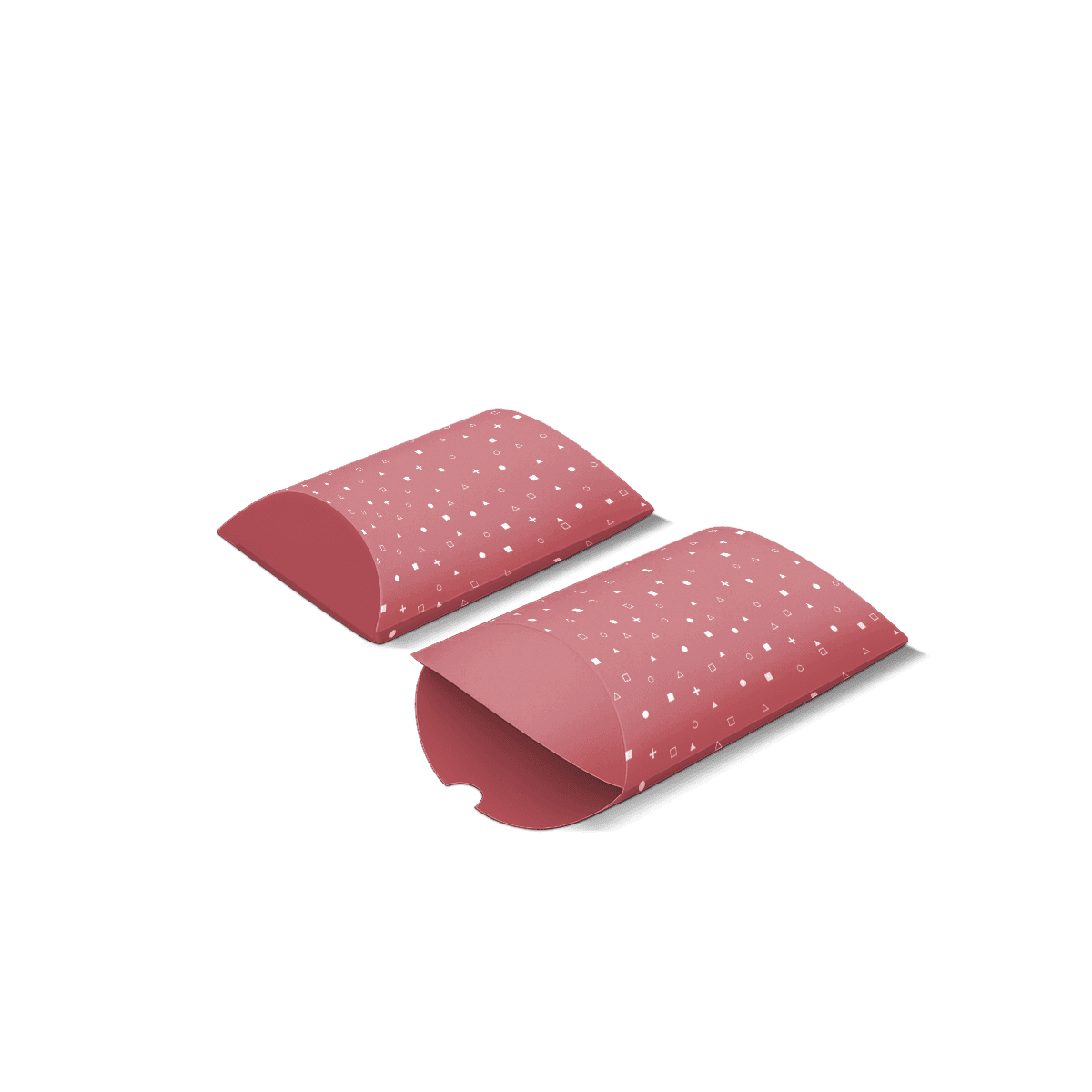
Custom Pillow Boxes suit lighter items, accessories, soaps, scarves, jewellery pieces, small gifts and promotional products. Their curved profile gives a softer look than a square carton and can make simple products feel more giftable.
Pillow boxes work best when the product is not too bulky and does not need heavy internal protection. Because the curved panels reduce flat print space, artwork should focus on a clear logo, simple pattern, product label or centre-facing brand mark.
Drawer boxes for a controlled reveal
Custom Drawer Boxes create a sliding reveal that works well for premium accessories, cosmetics, small kits, gifting products and limited-edition ranges. The outer sleeve gives strong branding space while the inner tray controls how the product is presented.
Drawer boxes are especially useful when paired with inserts. An insert keeps the item centred and helps the opening feel more deliberate. If the product has multiple pieces, the tray layout should be planned before the dieline is finalised.
Handle and window boxes for practical retail use
Handle boxes are useful when the box needs to travel from shelf to customer without extra carry packaging. Window boxes are useful when product visibility helps conversion. Both styles need careful structural planning because cutouts, handles and windows can change strength.
Custom Box Styles and Shapes often need small adjustments around these areas. The aim is to keep the box easy to assemble, strong enough for the packed product and clean enough for retail display.
Geometric and shaped boxes for visual impact
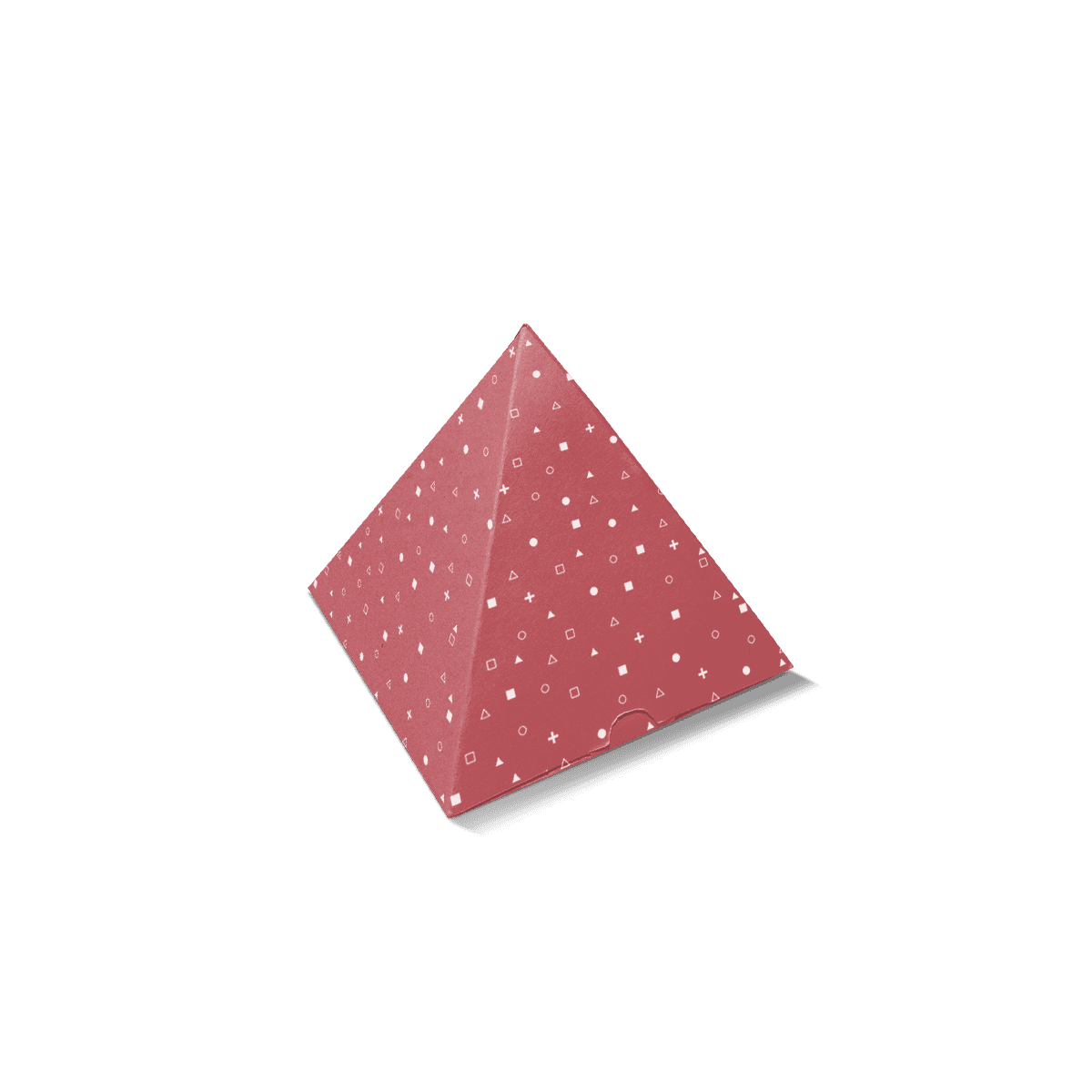
Hexagon, pyramid, cube and fully shaped boxes work well when packaging needs to create instant visual difference. These styles can suit event packaging, luxury samples, confectionery, seasonal gifts, candle ranges and brand activations.
Custom Shaped Boxes need more planning than standard cartons. Every angle affects folding, gluing, packing speed and artwork placement. A strong dieline keeps the shape interesting without making production or fulfilment difficult.
Match the Shape to the Product Risk
The best box shape protects the product without hiding the reason people want to buy it. Custom Box Styles and Shapes should be matched to movement risk, handling risk, shelf risk and opening risk.
Product movement inside the box
Small products can shift inside unusual boxes if the cavity is not planned properly. A cube box may look neat from the outside but still need an insert if the product is round, fragile or supplied as a set. A drawer box may need a paperboard tray to stop the product sliding during handling.
Movement is also important for e-commerce and gifting. If the product will be shipped, the internal fit needs to work harder. Custom Box Styles and Shapes can be paired with inserts, dividers or snug board folds so the outer shape stays attractive while the product remains stable.
Shelf space and display direction
A shaped box should suit the way the product will be displayed. A pyramid box may create strong visual impact but may not stack neatly. A gable box carries well but may need enough shelf height. A pillow box looks soft and premium but may roll or shift if placed loosely in a retail tray.
Retail teams should think about front-facing panels, side panels and how the box sits beside other products. If consistent shelf blocking matters, a cube or window box may be easier to manage than a more dramatic shape.
Opening style and customer experience
The opening style changes how the customer judges quality. A drawer should slide smoothly. A pillow box should close neatly at both ends. A gable box should lock cleanly at the top. A clamshell should open without stressing the hinge area.
These details are small but important. Custom Box Styles and Shapes need the right fold lines, tabs, locks and board thickness so the box feels good in the customer’s hands.
Board and Structure Choices for Shaped Boxes
Board choice affects whether a shaped box feels premium, folds cleanly and holds its form. Custom Box Styles and Shapes can use paperboard, corrugated board or rigid-style construction depending on the product and budget.
Paperboard for light retail products
Paperboard suits many shaped boxes because it folds cleanly and supports sharp print. It works well for beauty items, small food products, accessories, event gifts, samples and retail packs. White paperboard can support bright colour and clean product information. Kraft board can create a more natural or eco-conscious look.
Paperboard is often the best choice when the box needs to ship flat, assemble quickly and present well on a shelf.
Corrugated board for stronger shaped packaging
Corrugated board suits shaped boxes that need more strength, especially for larger gift packs, heavier products or boxes that may go through delivery handling. It can also work for display-style shapes that need more rigidity than light paperboard.
If the product needs stronger transit protection, Custom Boxes may also be worth considering alongside this shape-led category. That keeps the choice practical instead of forcing a decorative shape where a stronger box style would work better.
Rigid board for premium shaped presentation
Rigid board suits premium gift boxes, luxury retail packs and high-value product presentation. It adds weight, stiffness and a more durable hand feel. It can also support drawer, clamshell or geometric structures where the box should feel long-lasting rather than disposable.
For higher-end product lines, Custom Rigid Boxes may be the better fit if the buyer wants thicker board, stronger presentation and a more luxury unboxing experience.
Print Placement on Angled and Curved Panels
Print placement matters more on shaped boxes because the main display area may not be a simple flat rectangle. Custom Box Styles and Shapes often include angled sides, curved folds, windows, handles or sliding panels, so artwork needs to be planned around how the box is actually viewed.
A logo may look centred on a flat dieline but sit too close to a crease once the box is folded. A pattern may look strong on a square panel but break awkwardly across a curved pillow box. A window may leave less room for ingredients, barcodes, product claims or required retail information.
Custom Packly supports premium offset printing, custom colours and finish options for shape-led packaging. Matte, gloss, foil, embossing and spot UV can all work, but they should be used where the structure supports them. For example, foil can look strong on a gable front panel, while embossing may work better on a drawer sleeve than on a heavily curved pillow panel.
Inside print can also be useful for drawer and clamshell boxes. It adds a branded moment during opening without making the outer design too busy.
Dielines for Non-Standard Shapes
A dieline turns a box shape into a production-ready layout. For Custom Box Styles and Shapes, the dieline is especially important because unusual folds, cutouts, handles and angled panels leave less room for error.
A good dieline should show cut lines, crease lines, glue areas, bleed, panel direction and safe artwork zones. It should also make the assembly path clear. If a shaped box has a window, handle or sliding tray, the dieline needs to show how those details affect strength and print placement.
Custom Packly provides a free dieline tool and downloadable dielines for supported structures. The Dieline Tool is useful when buyers want to understand sizing, layout and artwork setup before sending files for review.
For more complex shapes, expert review is still important. A physical sample before full production helps test closure feel, insert fit, handle comfort, drawer movement, window position and final product presentation.
Small Runs, Seasonal Shapes and Repeat Production
Custom Box Styles and Shapes work well for product launches, seasonal campaigns and growing ranges because they can create visual difference without needing to redesign the entire packaging system.
MOQ starts from 50, which helps brands test a new shape for a product launch, event pack or limited run. Custom Packly can also support larger production runs, thousands of units and repeat packaging programs when the shape becomes part of the main product range.
Production planning matters more when the box shape is unusual. A simple cube may be easy to repeat across multiple SKUs. A gable box with handle strength requirements may need closer weight checks. A drawer box used across several product sizes may need shared sleeve dimensions with different insert layouts to reduce complexity.
Bulk and repeat-order support can help keep shaped packaging consistent. It can also help brands avoid changing panel sizes, colours or dielines between runs unless there is a planned product update.
Details That Help Us Quote the Right Shape
The best quote starts with the product, not only the box name. Custom Box Styles and Shapes can vary widely in board use, print area, assembly needs and finishing cost, so clear details help the team recommend a practical structure.
Useful quote details include:
- Product dimensions, weight and whether the item is fragile
- Preferred box shape, such as gable, pillow, drawer, cube or shaped
- Quantity for the first run and expected repeat volume
- Material preference, such as kraft, white paperboard, corrugated or rigid board
- Print needs, including outside print, inside print, colour count and finish ideas
- Whether the box needs a window, insert, handle, sleeve or divider
- Artwork status, deadline and whether a sample is needed before production
Buyers do not need to know every technical detail before asking. If the shape is only an idea, Custom Packly can help narrow it down based on product fit, packing speed, shelf space and budget. A clear product photo or rough sketch can also help the team understand the intended opening style and display angle.
Related Packaging Choices
Custom Box Styles and Shapes are best when the packaging shape is part of the selling experience. Some products still need a more standard structure, especially when strength, stacking or postal handling is the main concern.
Brands that need compact product cartons may suit Custom Folding Cartons and Tuck Boxes. Premium gift and luxury products may suit rigid packaging. Product teams that sell through stores can match shaped packaging with Custom Retail and Apparel Packaging when shelf presence, product handling and customer experience matter together.
For bakery, gifting, events and retail ranges, shape-led packaging can make a product feel more finished without overcomplicating the order. The right choice should balance visual appeal, product fit, assembly time, print quality and repeat production.
Get Help Choosing the Right Box Shape
A strong shape should make the product easier to sell, carry, display or open. It should not create avoidable problems with folding, packing, storage or artwork placement.
Send your product size, quantity, artwork status and any shape idea you already have. Custom Packly can help refine the structure, recommend board and finish options, prepare dieline guidance and confirm whether a sample is useful before full production. You can Get a Quote when you are ready to compare shape, material and print options.
FAQs
Start Your Custom Packaging Quote
Share your product details, dimensions, quantity and artwork needs. We’ll help choose the right packaging style and send a clear quote.