Skip to content
Details

Custom Clamshell Boxes

Hinged custom boxes for products that need easy opening, neat display access, secure closure, custom sizing and clean branded presentation.

Free Design Support

Clear Pricing

Flexible Quantities

Unlimited Customization

Premium Materials

Offset Precision

Free Shipping

Quick Turnaround

Hinged Packaging That Opens Cleanly

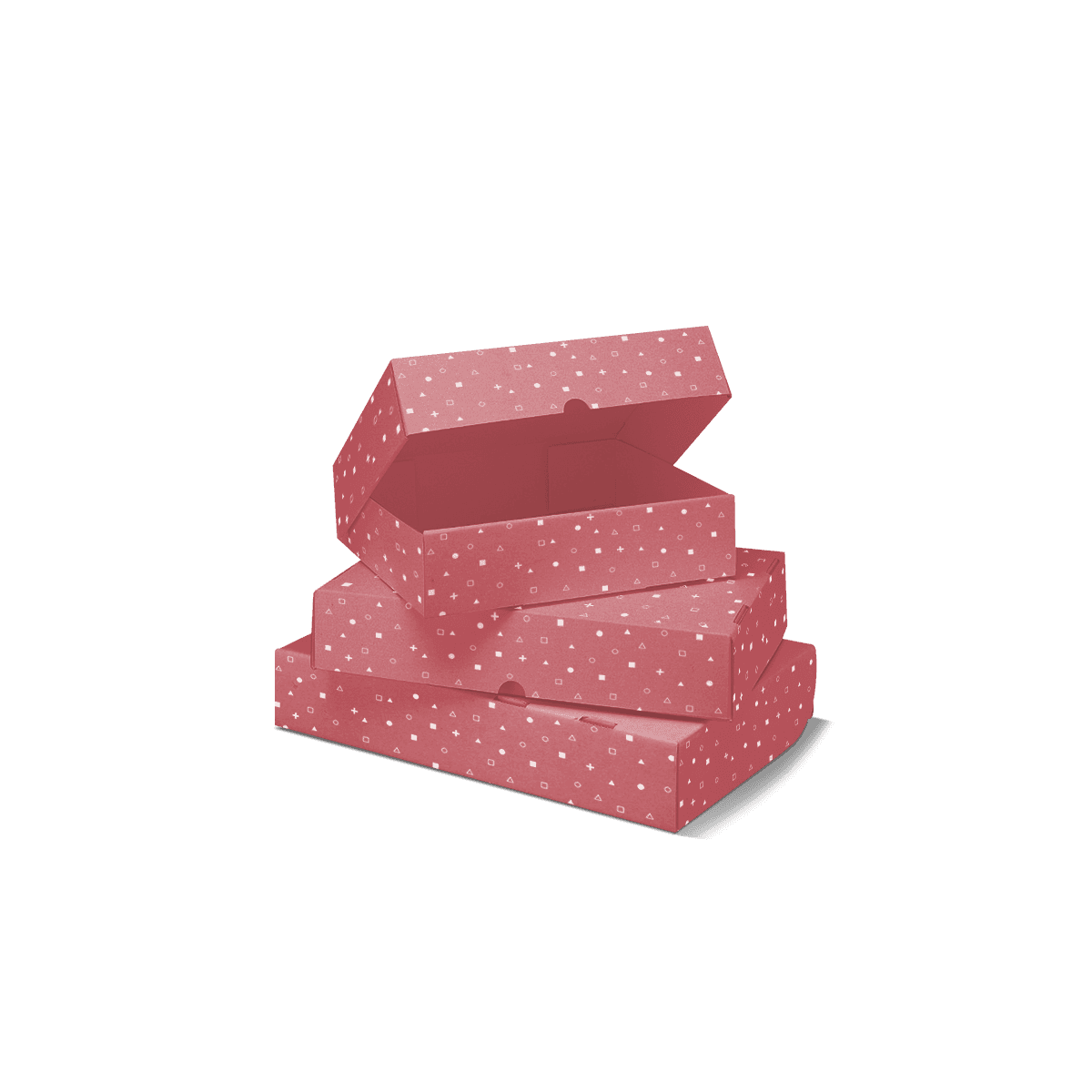
Custom Clamshell Boxes are designed for products that need a connected lid and base, easy access and a neat opening experience. The hinged structure keeps the top and bottom together, which makes the box useful for retail items, bakery products, gift packs, samples, electronics accessories, promotional kits and products that need to be viewed or accessed without loose parts.

The main benefit is control. A clamshell style can open smoothly, close securely and hold the product in a more presented position than a simple folding carton. This makes Custom Clamshell Boxes useful when the packaging needs to protect the product while also making it easy for customers, staff or recipients to open and close.

Custom Packly creates Custom Clamshell Boxes in custom sizes, materials, print layouts and finishes so the hinge, closure, product fit and display angle work together. A good clamshell box is not only about the outer shape. It needs the right hinge fold, lid depth, internal support and board strength for the product inside.

This structure sits within Custom Box Styles and Shapes because it is selected for opening style, product access and presentation. It suits brands that want packaging to feel practical, tidy and more interactive than a standard tuck box.
Why the Hinge Matters

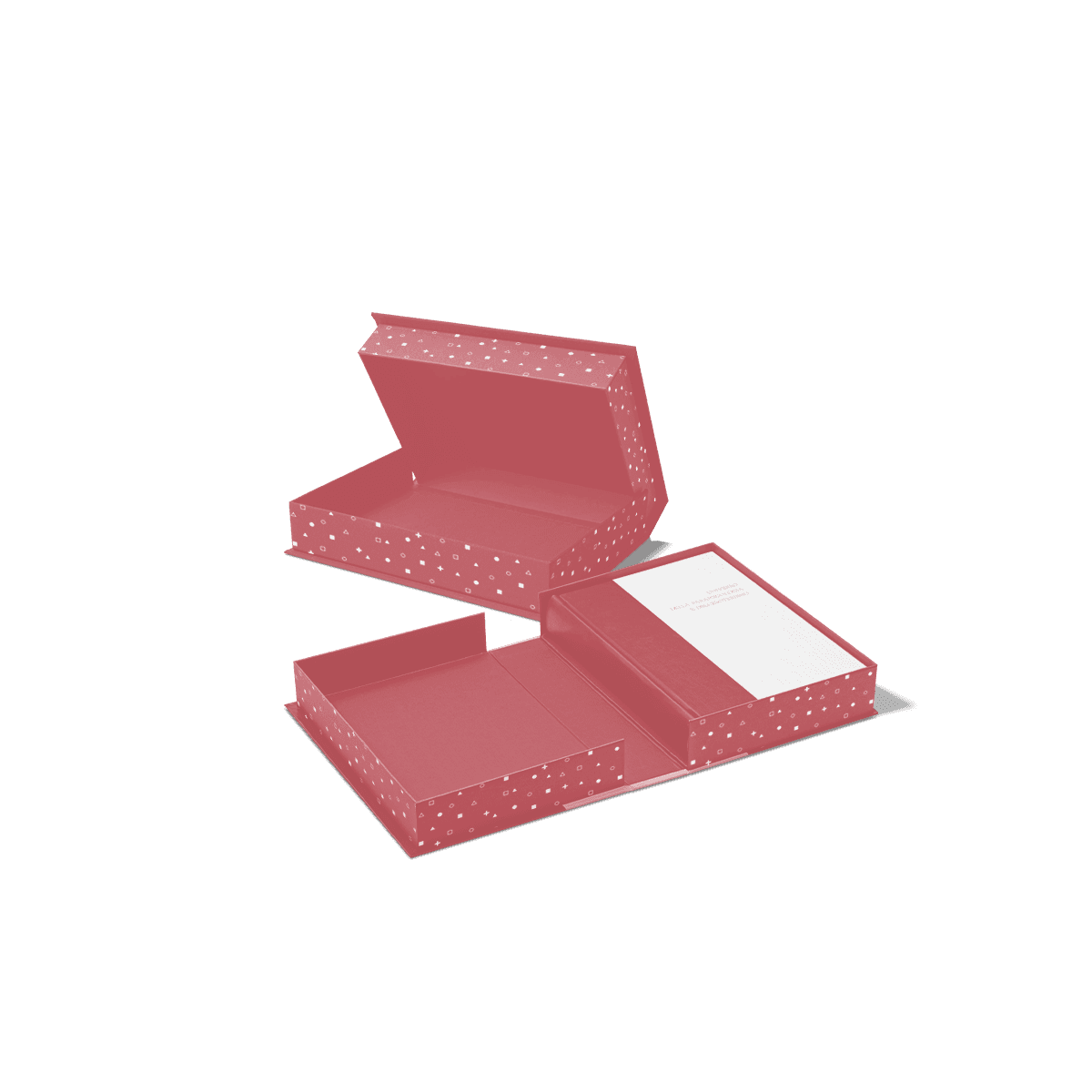
The hinge is the most important part of Custom Clamshell Boxes because it controls how the box opens, closes and feels in the hand. A weak hinge can make the lid sit awkwardly. A poorly placed hinge can push against the product or make the box hard to close.

The hinge also affects product display. When the box opens, the lid and base stay connected. This can create a cleaner reveal for bakery items, gift products, small electronics, beauty products and sample sets. It also reduces the chance of a separate lid being misplaced during packing, inspection or customer use.

A clamshell structure can be useful in retail and operational settings because staff can open the box, check the product and close it again quickly. That is helpful for sample kits, event packs, bakery display packs and products that need quick handling before sale.

A connected lid saves handling time

A connected lid makes the pack easier to handle at the packing table. Staff do not need to match separate lids and bases. They can fill, close and move the box with fewer parts.

This matters when a business is packing short launch runs, daily bakery products, event kits or repeat retail orders. Small packing delays can become expensive when the same action repeats across hundreds or thousands of units.

The opening angle changes the reveal

The lid should open far enough for the product to be seen and removed easily. It should not collapse backward, pull the base out of shape or push the product forward.

For gift and display products, the opening angle can make the product feel more premium. For bakery or food-adjacent packaging, the opening should allow easy placement and removal without damaging the product.

Closure feel affects buyer confidence

A clamshell box should close with a neat, confident feel. If the closure is too loose, the pack can open during handling. If it is too tight, customers may bend the board while trying to open it.

The closure style should match the product weight, board grade and intended use. Light retail packs may use simple tab closures. Heavier or more premium packs may need stronger locking points or internal support.

Products That Suit Clamshell Structure

Custom Clamshell Boxes suit products that benefit from easy access, connected opening and a presentable reveal. They work well when the buyer wants the product to be protected, visible, organised or simple to remove.

Common uses include bakery products, confectionery, gift sets, small electronics accessories, cosmetics, candles, jewellery, product samples, promotional items, stationery, retail accessories and event packs. They can also be useful where the product needs to be checked or displayed before final handoff.

The clamshell format is not always the best choice for every product. If the main goal is a decorative shape, a novelty box may work better. If the main goal is heavy shipping protection, a stronger corrugated structure may be needed. Custom Clamshell Boxes are strongest when access, reclosure and presentation are part of the buyer experience.

Bakery and confectionery packs

Clamshell packaging can work well for bakery and confectionery items because it opens wide and keeps the lid attached. That can help with product placement, counter display, takeaway handoff and customer access.

Material choice should match the product. Grease, moisture, temperature and direct contact needs should be reviewed before production. Brands working across cakes, pastries, sweets or desserts may also need packaging planned alongside Custom Bakery and Confectionery Packaging when product freshness, presentation and transport all matter.

Retail products and small accessories

Custom Clamshell Boxes can suit small retail products that need a clean display and easy customer opening. Examples include chargers, cables, cosmetics, skincare tools, stationery, hair accessories, small craft products and sample items.

A hinged opening can make the product feel more accessible than a sealed carton. This is useful when the product may be shown to a customer, checked by staff or opened after purchase without tearing the pack apart.

Gift packs and event handouts

A clamshell structure can make gift and event packs feel tidy because the opening action is simple. The lid stays attached, the product stays framed and the recipient gets a clear reveal.

This works well for small corporate gifts, product launch samples, influencer packs, welcome kits and event favour boxes. Inserts can help hold each item in place during handling and unboxing.

Clamshell Styles and Closure Options

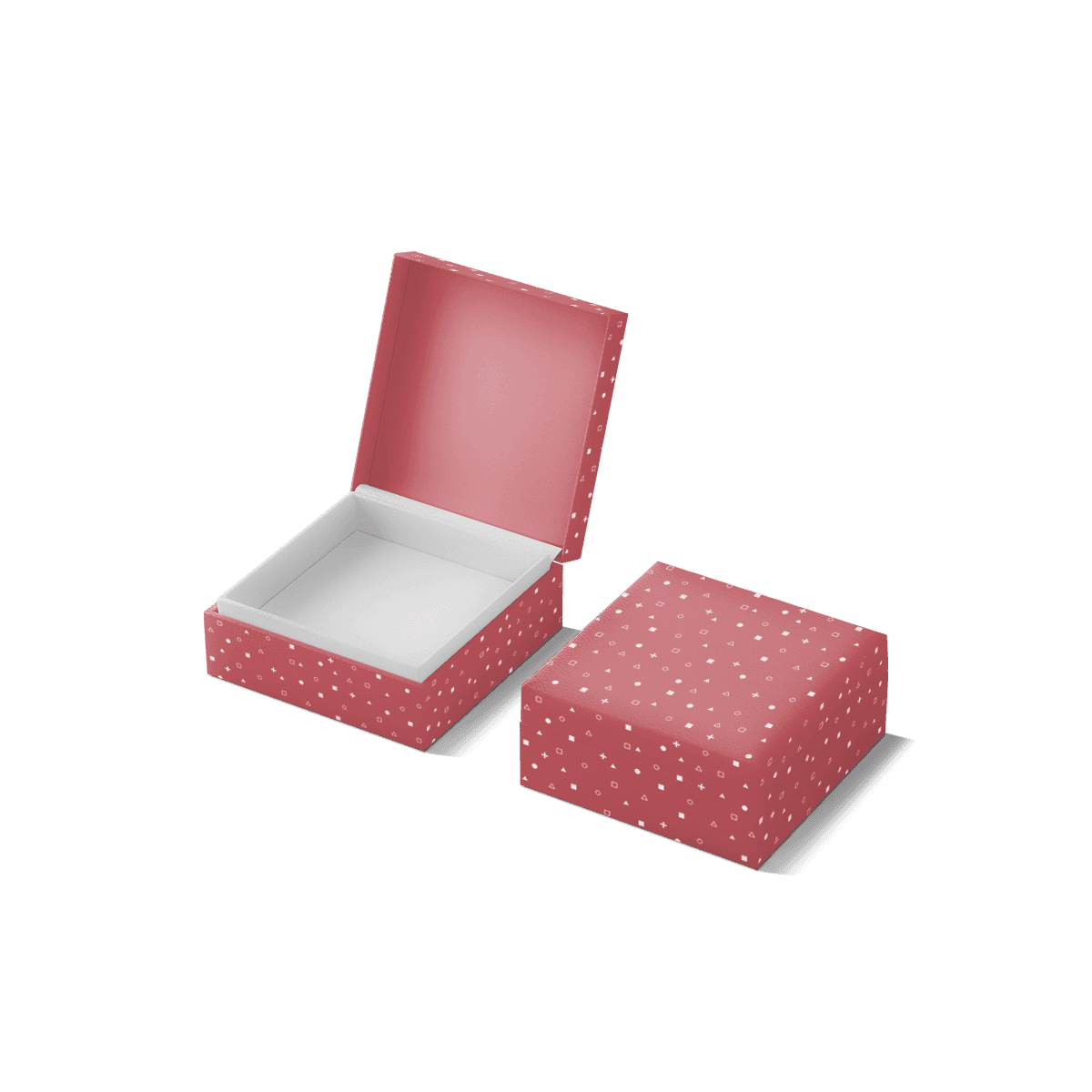
Custom Clamshell Boxes can be built in several ways depending on the product, budget and finish level. Some are folding paperboard styles. Some use corrugated board for stronger product support. Some use a rigid board format for premium presentation.

The choice depends on how often the box will be opened, how much the product weighs and whether the box needs to stay attractive after opening. A bakery handoff box may need speed and easy closure. A premium gift box may need a more refined lid feel and stronger presentation.

Closure options can include tuck tabs, side locks, front locks, friction-fit edges or shaped locking points. The closure should hold the lid without damaging the box during normal handling.

Folding clamshell boxes

Folding clamshell boxes suit lightweight products, bakery items, samples and retail goods where flat storage and quick assembly matter. They can be efficient for growing brands because they store compactly before use.

The dieline must create a hinge that folds cleanly. If the crease is poorly placed, the lid may not sit flat or close evenly.

Rigid clamshell presentation boxes

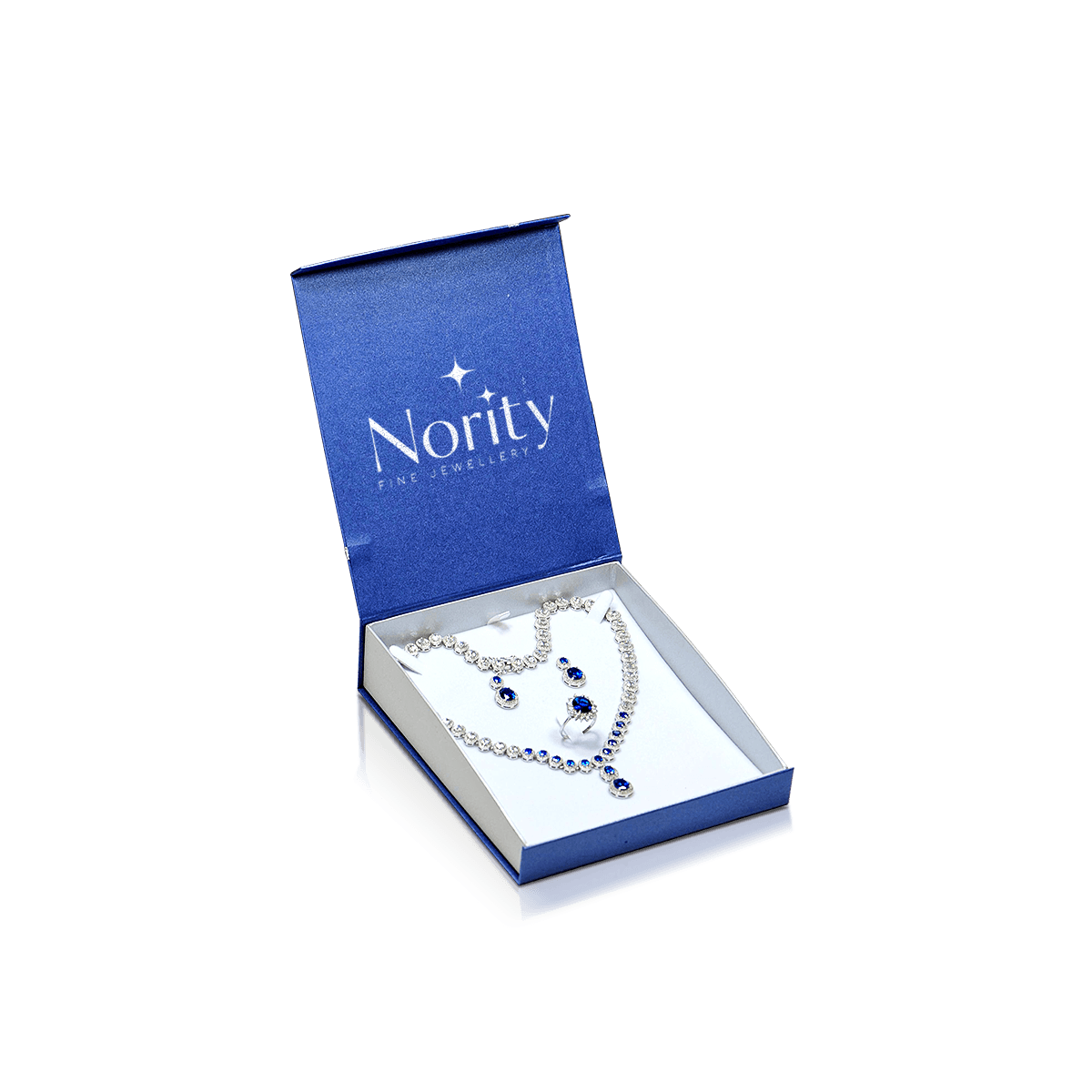
Rigid clamshell styles suit premium products that need a stronger unboxing experience. They can work for jewellery, watches, beauty items, candles, luxury confectionery and high-value retail gifts.

Rigid board gives the box more weight in the hand. It can also make the opening feel more deliberate. However, it is better for products where the packaging experience matters enough to justify the stronger structure.

Display-friendly clamshell boxes

Some clamshell boxes can include windows, cutouts or display-led shapes that show the product before opening. This can help for bakery, confectionery, cosmetics, accessories and promotional products.

Window placement must be planned carefully. A cutout can weaken the lid if it is too large or too close to the hinge, closure or corner folds.

Materials for Hinged Performance

Custom Clamshell Boxes need materials that fold cleanly, hold the hinge and keep the closure stable. The material should match product weight, product contact, handling style and brand finish.

Paperboard suits many lightweight retail and food-adjacent products. Kraft board gives a natural look for handmade, bakery, eco-conscious or simple retail ranges. Corrugated board offers stronger protection for heavier items, bulkier samples and products that need more side-wall support. Rigid board suits premium packs where the box should feel more substantial.

The hinge puts stress on the material each time the box opens and closes. A board that is too stiff may crack at the fold. A board that is too thin may lose shape or feel weak. The right board should hold the crease without making the box difficult to use.

Paperboard for lightweight runs

Paperboard works well for products that are light, neat and easy to support. It is suitable for bakery boxes, sample kits, cosmetics, small accessories and retail products.

For printed paperboard clamshells, the artwork should account for fold areas so colour does not crack or look uneven along the hinge.

Corrugated board for added support

Corrugated board can help when the product has more weight or needs a stronger structure. It can work for ecommerce-style product handoffs, gift kits, sample packs and items that need better protection during storage or local transport.

Corrugated Custom Clamshell Boxes can also support larger products that would feel too flimsy in thin paperboard.

Rigid board for premium opening

Rigid board can make the clamshell feel more like a presentation case. It suits premium items where the customer may keep the packaging after purchase.

For rigid clamshell projects, finish choice, hinge behaviour and insert fit should be checked through sampling before full production.

Print That Follows the Opening

Printing on Custom Clamshell Boxes should support the way the box opens. The lid is usually the main visual area, but the hinge, front lock, side panels and inside surface all affect how the design feels.

The outside lid can carry the main logo, product name, campaign artwork or flavour details. The front edge can carry a short brand message or closure detail. The inside can add a small reveal message, pattern or product instruction if it does not interfere with the product.

Premium offset printing can create sharp colour, clean graphics and stronger brand presentation. Matte, gloss, foil, embossing, debossing, soft-touch and spot UV can be used where they fit the product and handling environment.

Lid artwork needs breathing room

The lid is often the first thing customers see. It should not feel crowded. A clear logo, product name or simple pattern can make the pack look more polished.

Important text should not sit too close to the hinge or locking area. These parts move and fold, so they are not ideal for small copy.

Inside print can make the reveal stronger

Inside print works well when the customer opens the box and sees the product framed inside. A message, colour panel or pattern can make the opening feel more intentional.

This is useful for gift packs, beauty products, event samples and premium food packaging. The inside print should support the product, not distract from it.

Finishes should match handling

A clamshell box may be opened, closed, stacked and handled more than a simple carton. Finishes should be chosen with that use in mind.

Matte finishes can feel refined. Gloss can make colours brighter. Foil can highlight a logo or product line. Spot UV can add contrast to a lid design. For high-touch packs, finish durability should be considered before the artwork is finalised.

Inserts That Keep the Product in Place

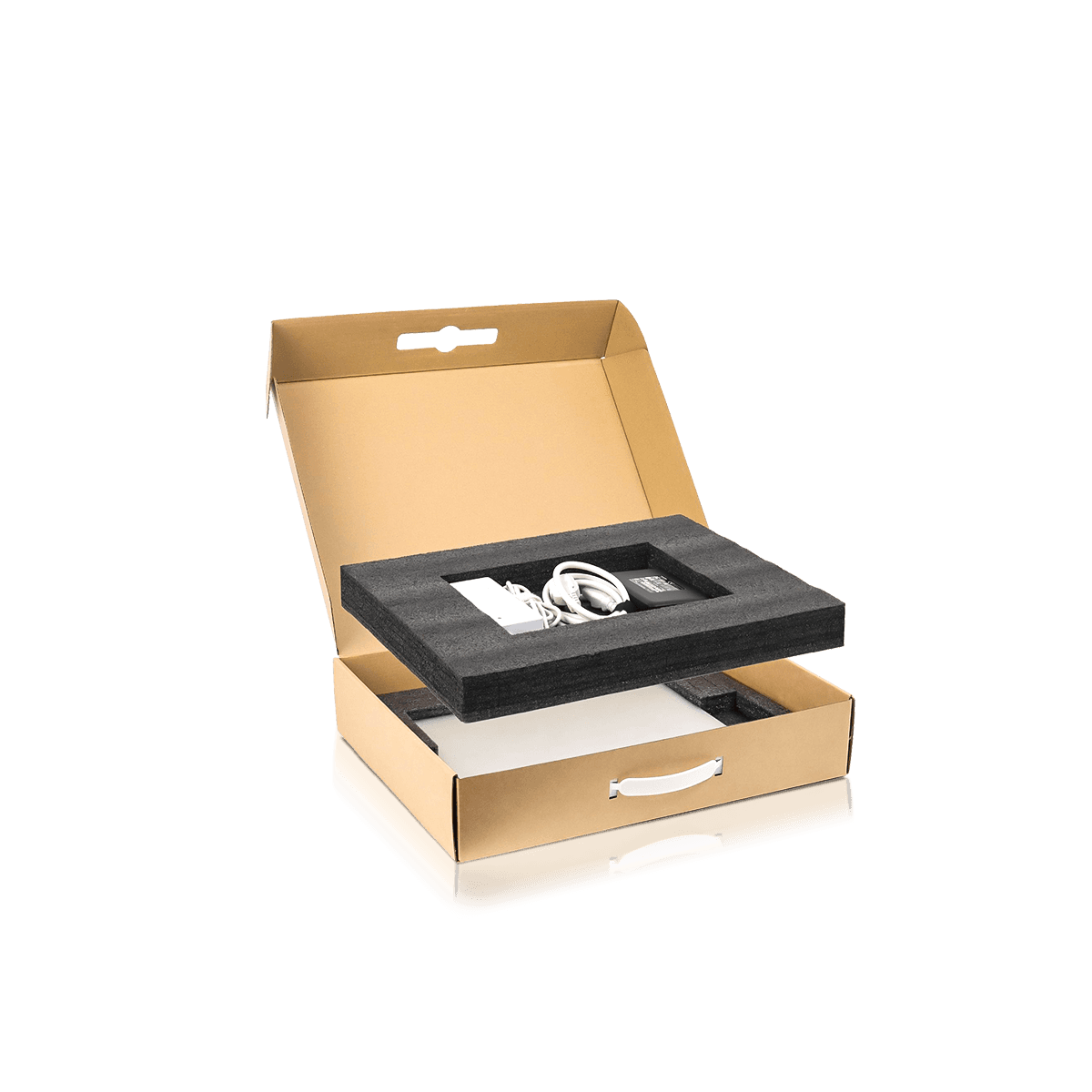
Inserts are often useful in Custom Clamshell Boxes because the opening action can shift the product if it is loose inside. The insert should hold the item neatly when the box is closed and still present it well when the lid opens.

For single products, a die-cut insert or cradle can keep the item centred. For sets, dividers can separate each piece so products do not rub or move. For bakery and confectionery items, the insert design should support product shape, portion count and removal.

Good insert planning also improves customer experience. When the lid opens, the product should look organised, not scattered. This is especially important for gift packs, event kits, beauty tools, electronics accessories and premium samples.

Cradles for shaped products

A cradle can hold round, oval or unusual products in place. It works well for jars, candles, bottles, small electronics, cosmetics and display items.

The cradle should be easy to load and should not make the product hard to remove.

Dividers for sets and mixed items

Dividers can help when the box contains several products. They keep items separated during handling and make the pack look more organised when opened.

For repeat product ranges, the same outer clamshell structure can sometimes use different inserts for different SKUs, which helps brands keep packaging consistent while changing the product mix.

Sampling the Hinge Before Full Production

A sample is valuable for Custom Clamshell Boxes because the hinge, closure, opening angle and internal fit need to work together. A flat dieline can show the shape, but a physical sample shows how the box behaves in real use.

Sampling helps check whether the lid opens cleanly, whether the product stays in place, whether the closure holds and whether the board folds without cracking. It also helps confirm whether staff can pack the box quickly.

Custom Packly offers a free sample before full production where relevant. That support is especially helpful for first-time clamshell structures, premium launches, food-adjacent products and campaign packs where the opening experience matters.

MOQ starts from 50, which suits small test runs, launch quantities and event packs. Once the hinge, closure, print and product fit are approved, the same structure can scale into larger repeat orders, thousands of units or high-volume production programs.

Packing Flow and Reorder Planning

Custom Clamshell Boxes should be planned around how they will be packed, stored and reopened. The connected lid can make handling easier, but the folding sequence, closure pressure and insert placement still affect speed.

For bakeries, cafes and food product teams, fast packing may be important during service windows. For retail or event teams, the box may need to be pre-packed, stacked and transported before handout. For premium products, staff may spend more time placing items carefully, so the insert and opening experience can matter more than speed.

Repeat orders become easier when the dieline is locked. A brand can keep the same clamshell structure and change artwork for seasonal launches, new flavours, product bundles or campaign themes. Repeat-order discounts and bulk storage solutions can help manage packaging across multiple runs without restarting the setup each time.

Production planning should also account for how the boxes arrive before packing. Flat-packed folding clamshells save storage space. Rigid clamshells may need more storage but deliver a stronger presentation.

Quote Details for a Better Clamshell Fit

A strong quote for Custom Clamshell Boxes starts with the product size, weight, use case and opening requirement. The team needs to understand how the box will close, how often it may be opened and whether the product needs a window, insert or stronger board.

Useful details include:

  • Product size, weight and quantity per box
  • Whether the product needs direct viewing, easy removal or reclosure
  • Preferred material such as paperboard, kraft, corrugated or rigid board
  • Closure preference, if known
  • Insert, cradle, divider or window requirements
  • Print coverage, colours and finish ideas
  • Whether the box will be packed flat, pre-filled or assembled at point of sale
  • Quantity, deadline and repeat-order plans
  • Artwork status and any reference packaging images

When the structure is not clear, Get a Quote with the product details and intended use. The team can help decide whether a folding clamshell, rigid clamshell, window clamshell or another style gives the best mix of access, strength and presentation.

Related Shapes for Different Access Needs

Custom Clamshell Boxes are best when the product needs a hinged lid, connected opening and easy access. They work well when buyers want a tidy reveal without separating the lid from the base.

For products that need a balanced, compact shape with equal dimensions, Custom Cube Boxes may suit gifts, candles, jars and small retail products. Cube boxes are simpler when the opening style does not need a hinge.

For products that need a stronger visual silhouette, Custom Shaped Boxes can support unusual outlines, themed campaigns and product-led presentation. Shaped boxes work best when the outer form is the main selling point.

Custom Clamshell Boxes remain the better choice when the lid movement, product reveal and reclosure experience matter most. They are especially useful for products that need to be opened cleanly, shown neatly and closed again without damaging the pack.

FAQs

Custom Clamshell Boxes have a connected lid and base, so the box opens on a hinge instead of using a separate lid or simple tuck closure. This makes access, display and reclosure easier.

Yes, they can suit bakery and confectionery products when the material, coating and size match the food type. Grease, moisture and product contact needs should be checked before production.

Yes. Inserts, cradles and dividers can hold products in place when the lid opens and closes. They are useful for gift sets, samples, accessories, jars and delicate products.

Sampling is useful because the hinge, closure and opening angle affect how the box feels. A sample can confirm lid movement, product fit, print placement and packing speed.

Yes. Once the dieline is approved, the same structure can support repeat runs, seasonal artwork changes and larger production quantities while keeping product fit consistent.

Process

How it works

Simple steps from idea to delivery

01

Tell Us Your Specs

Custom packaging boxes

Tell Us Your Specs

Provide size, quantity, printing, and finishes.

02

Get a Fast Quote

Custom packaging boxes

Get a Fast Quote

Instant transparent pricing, no hidden fees.

03

Design and Approval

Custom packaging boxes

Design and Approval

Artwork checks, revisions, and final sign-off.

04

Produce

Custom packaging boxes

Produce

Expert manufacturing to meet deadlines.

05

Ship to Your Door

Custom packaging boxes

Ship to Your Door

Hassle-free, flexible delivery options.

Start Your Custom Packaging Quote

Share your product details, dimensions, quantity and artwork needs. We’ll help choose the right packaging style and send a clear quote.