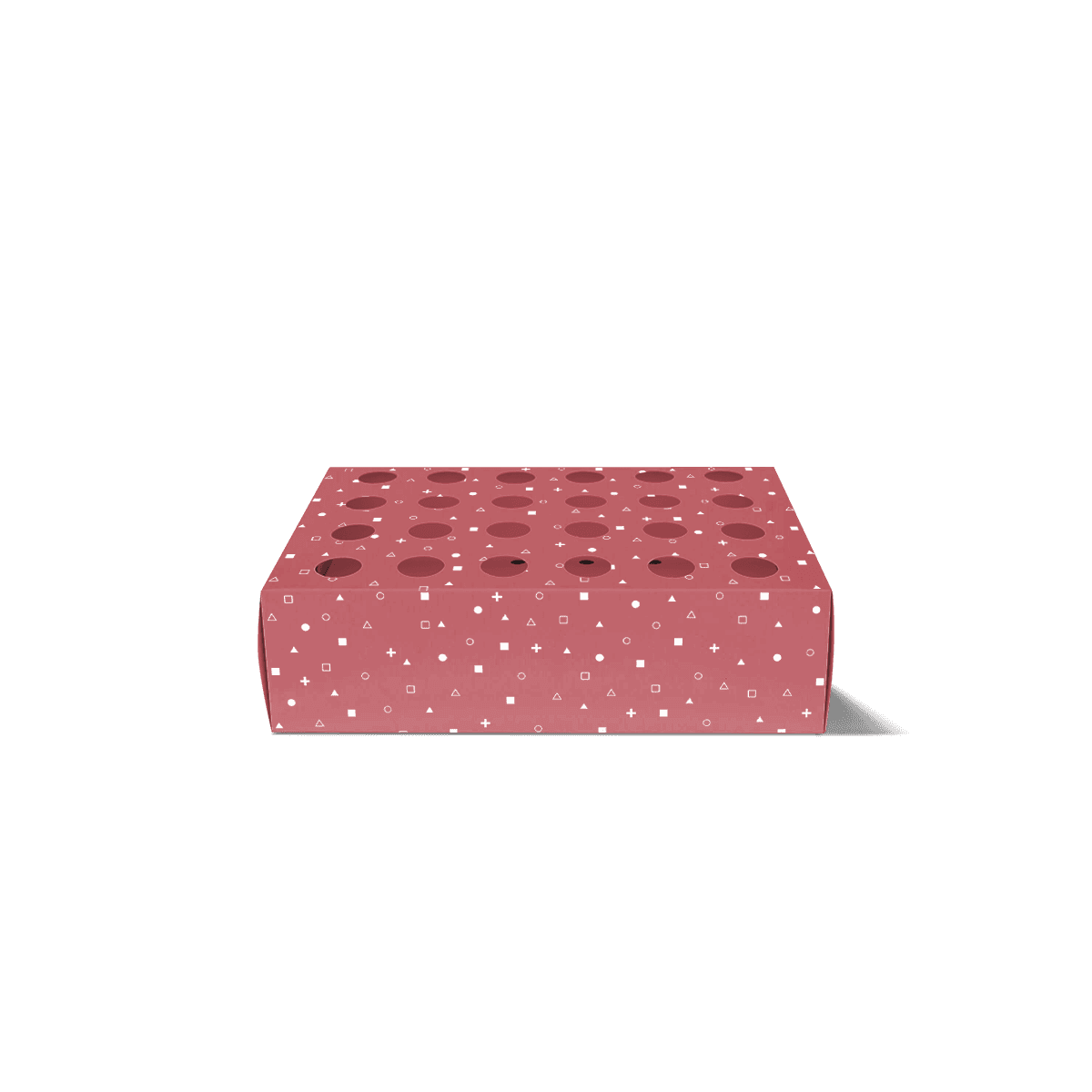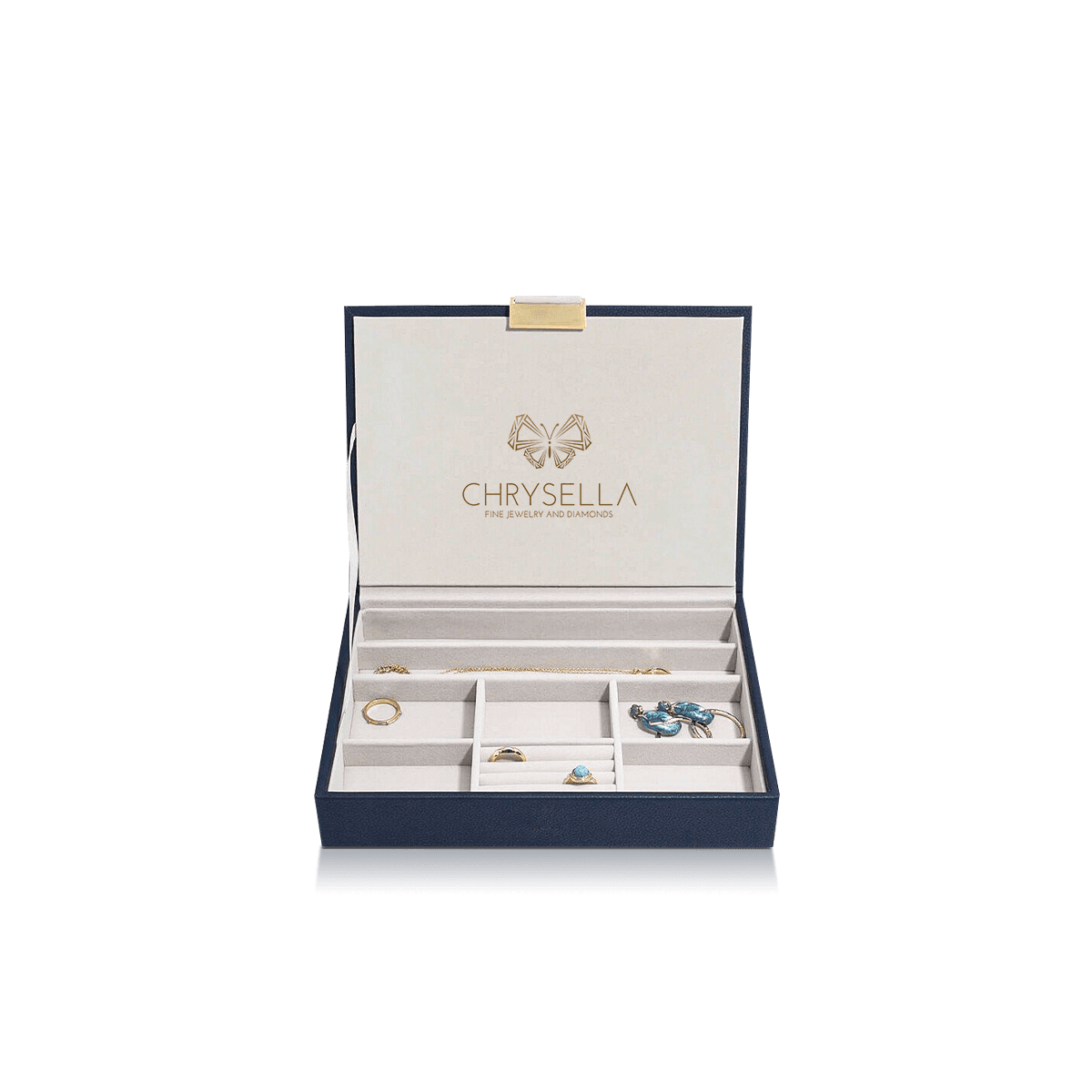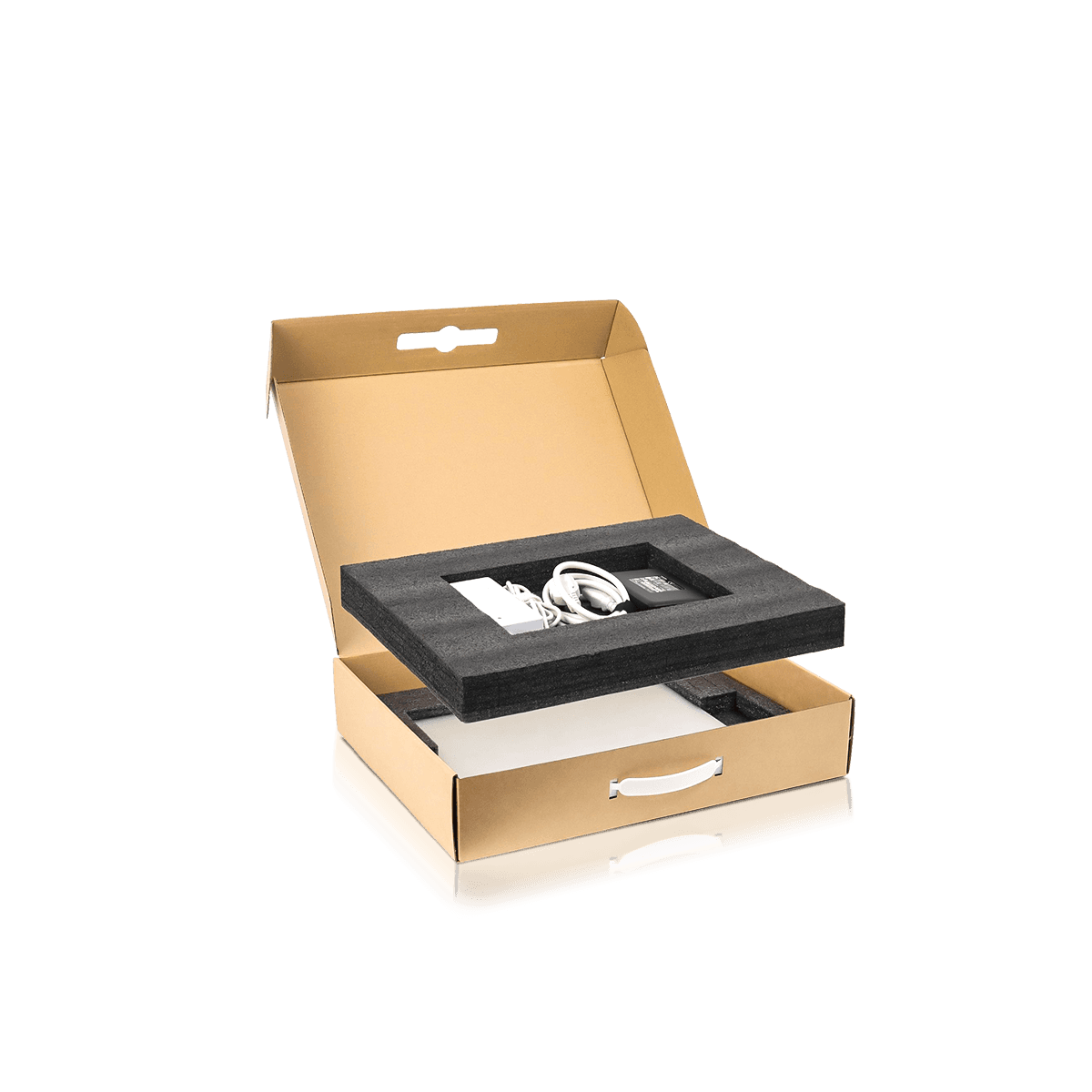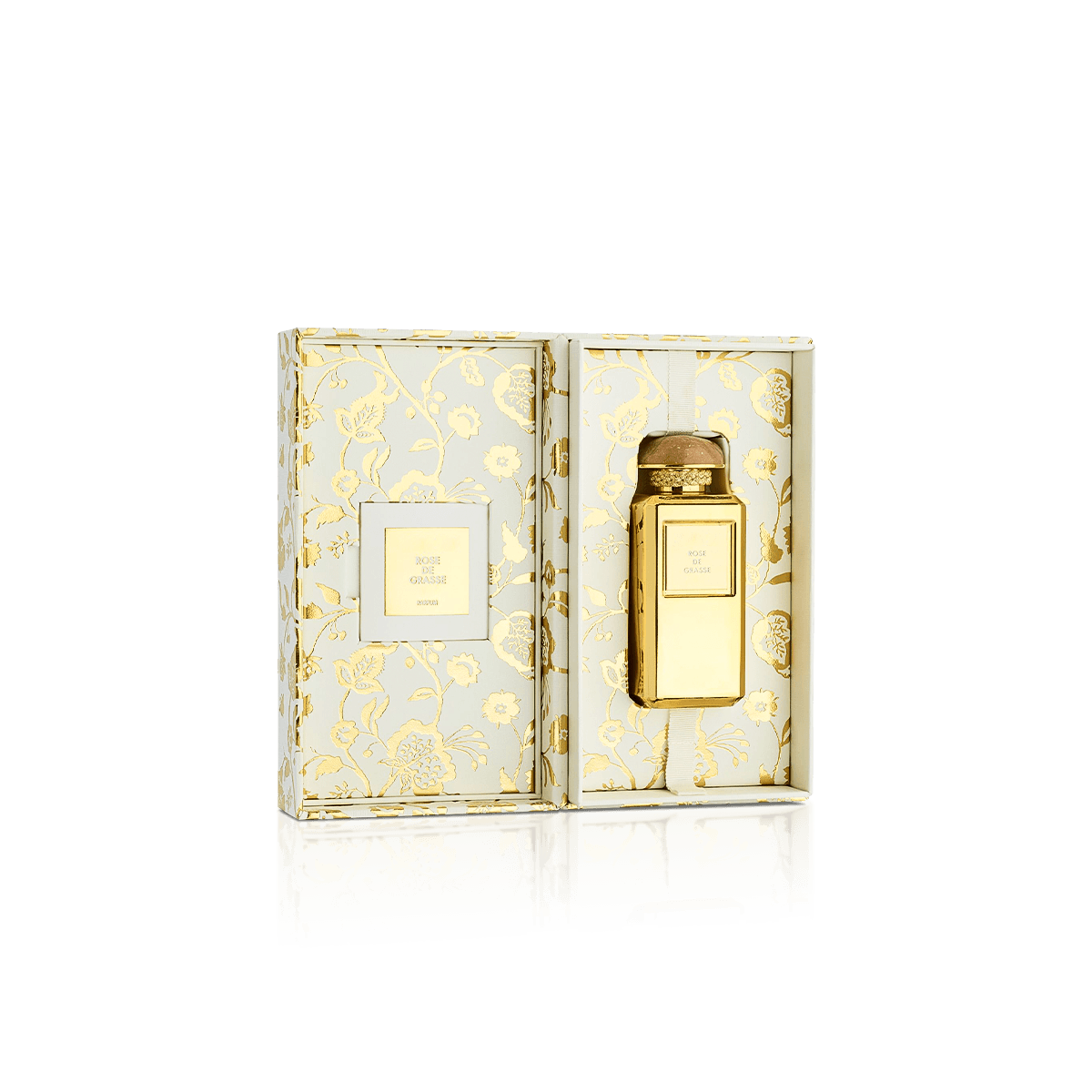
Custom Die Cut Inserts
Precision-cut inserts shaped around product profiles, cavities, lift-out access, presentation control and safer movement inside custom boxes.
Free Design Support
Clear Pricing
Flexible Quantities
Unlimited Customization
Premium Materials
Offset Precision
Free Shipping
Quick Turnaround
Precision Inserts for Products That Need a Shaped Hold
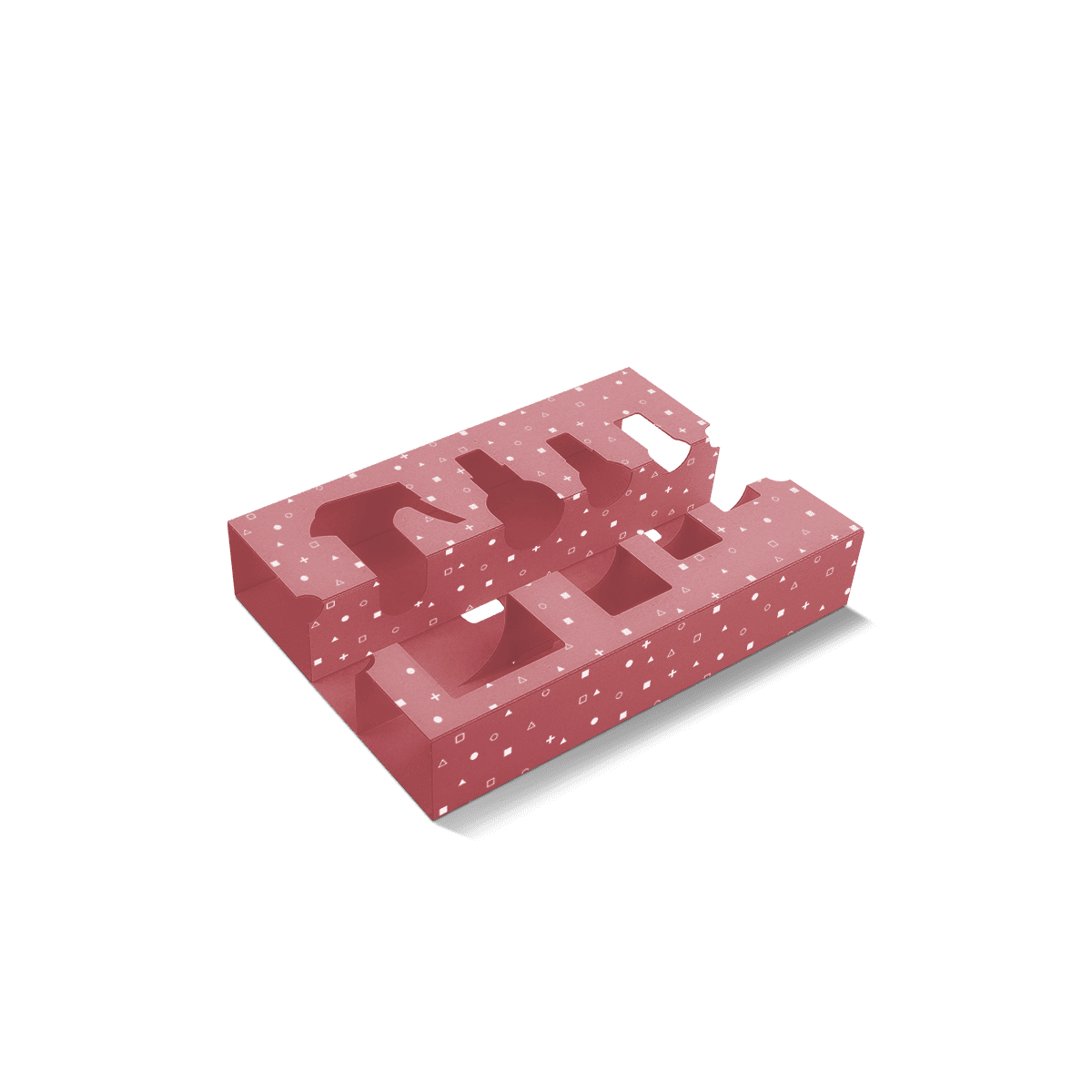
Custom Die Cut Inserts are cut to match the product profile, so the item sits in a planned cavity instead of resting loose inside the box. They are useful when the product shape matters, the opening experience matters or the item needs a more exact hold than a basic flat insert can provide.
A die cut insert can hold jars, bottles, tubes, compacts, jewellery pieces, watches, accessories, sample kits, electronics, candles, tools and promotional products. It can create a single product cavity, several item positions, card slots, bottle neck holds or shaped openings that guide how the product is packed and removed.
The main advantage is control. The cut shape controls movement. The cavity controls presentation. The lift-out area controls how the customer handles the product. When these details work together, the packaging feels more polished and the product arrives in better condition.
Custom Die Cut Inserts should be planned around real product dimensions, not only the outer box size. Product curves, caps, labels, lids, raised parts, surface finish and packing direction all affect the dieline.
When a Simple Insert Is Not Accurate Enough
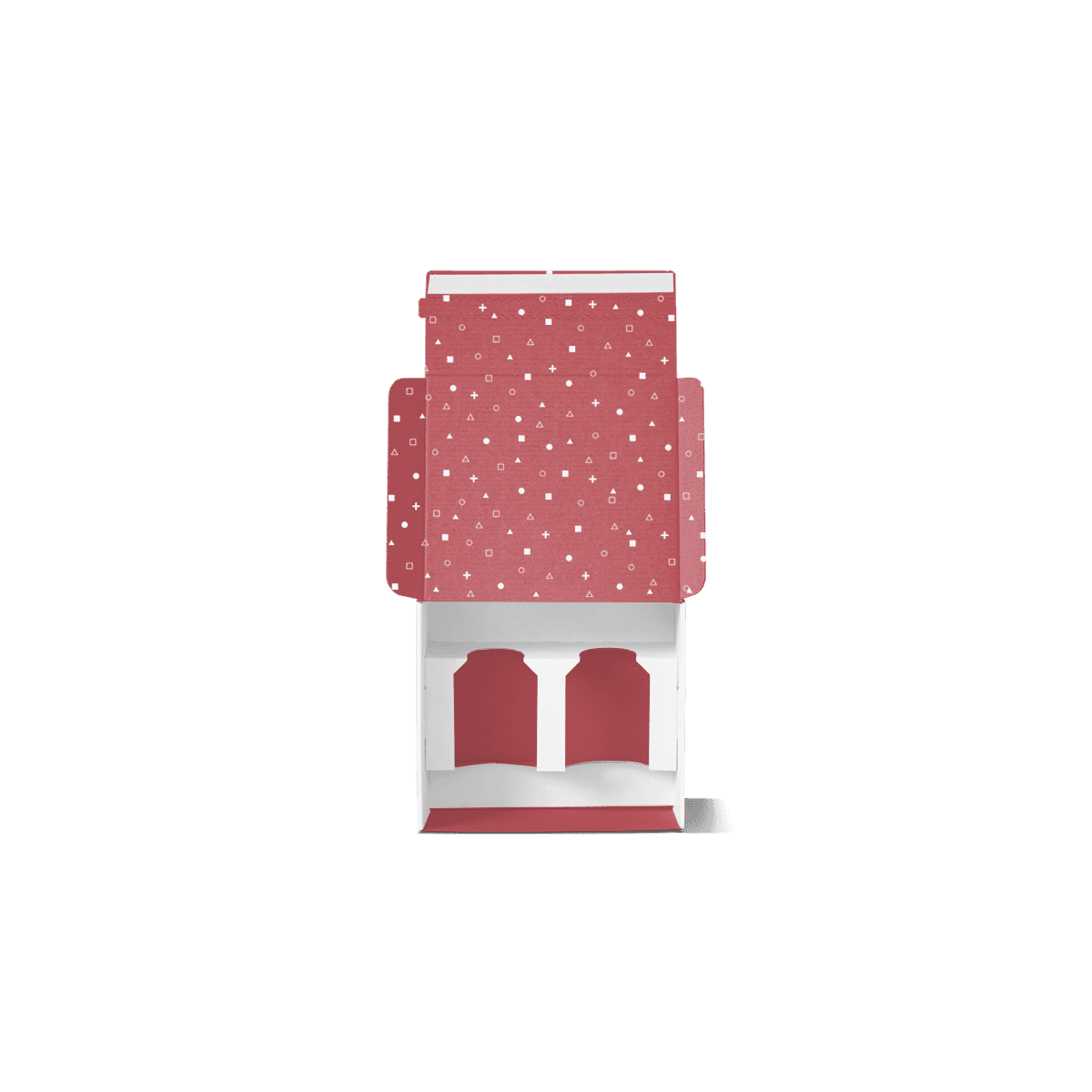
Custom Die Cut Inserts make sense when a product needs a more exact cavity than a standard cardboard platform, divider or flat panel. They are especially useful when the packaging must hold an item by shape rather than just separate it from another item.
Products with curves, caps and uneven shapes
Round jars, dropper bottles, perfume bottles, lipstick tubes, watches and small devices often need a cavity that follows more than one measurement. A simple rectangle may leave too much space around the product, while a shaped cut can hold the item at the right points.
This matters when a product has a cap wider than the body, a label that should not rub or a curved surface that needs contact only in safe areas. A die cut opening can support the product body while leaving delicate parts clear.
Kits that need exact product order
Product sets look better when each item has a defined home. A skincare set, jewellery bundle, event gift pack or sample kit should not arrive with items sitting at different angles.
Custom Die Cut Inserts help organise product order. The hero item can sit in the strongest visual position, with smaller items placed around it in supporting cavities, slots or channels.
Products that need a premium reveal
A shaped insert can make the inside of a box feel custom-built. It frames the product, reduces empty space and gives the customer a clear first view.
This is why die cut insert packaging works well for gift packs, retail sets, beauty launches, jewellery boxes, influencer kits and product presentation boxes where the inside of the package needs to feel as intentional as the outside.
Cut Shape Decisions That Change the Fit
The shape of the cut does more than hold the product. It decides how the item enters the insert, how much it can move, where it touches the board and how easy it is to remove.
Full cavities for firm placement
A full cavity surrounds more of the product footprint. It works well when the item must stay centred or when several products need equal spacing inside one box.
The cavity should still include enough tolerance for packing. If the cut shape copies the product too tightly, staff may need to press the item into place. That can damage labels, seals or coated surfaces.
Partial holds for easier handling
A partial hold supports the product only where it needs control. This can work better for tubes, bottles, boxed items, accessories and products that need easy lift-out.
Partial holds also help when the item has a delicate surface. Instead of gripping the full shape, the insert can hold safe contact points and leave printed, polished or fragile areas untouched.
Slots and channels for smaller pieces
Custom Die Cut Inserts can include narrow slots for cards, sachets, accessories, cables, brushes or instruction sheets. These small cuts stop loose parts from hiding under the main product.
For product sets, these details make the packaging feel organised. They also help the packing team see when a small item is missing before the box is closed.
Board Choice for Sharp Edges and Safe Contact
The board used for Custom Die Cut Inserts should cut cleanly, fold properly and support the product without making the cavity rough or weak. The wrong board can create loose edges, poor hold or an insert that bends under product weight.
Paperboard for clean display cavities
Paperboard is a strong option for light to medium products that need a neat presentation. It suits cosmetics, jewellery, wellness kits, sample packs and premium product boxes.
White paperboard gives a clean background for coloured products and printed labels. Kraft board gives a natural look for eco-led brands, handmade goods, candles and simple retail packaging.
Corrugated board for heavier shaped holds
For heavier products, fragile goods or delivery-focused packaging, corrugated material can add more stiffness and support. A shaped corrugated insert can reduce movement while giving the product more resistance against pressure.
If the insert must handle courier movement, carton stacking or heavier product weight, Custom Corrugated Box Inserts may be a better fit than a thinner display insert.
Visible edge quality matters
Die cut edges are often visible when the box opens. A clean edge makes the packaging feel sharper. A rough edge can make even a good product look less premium.
Edge quality depends on board choice, cut design, cavity shape and how tight the layout is. Small curves, narrow bridges and sharp internal corners need careful planning so the insert looks clean after cutting.
Product Measurements That Protect the Dieline
Custom Die Cut Inserts need accurate product measurements because the dieline depends on the product outline. A few millimetres can change the fit, especially for round items, bottles, caps, lids and small accessories.
Measure the widest product point
The widest point is not always the product body. It may be the cap, pump, lid, collar, label, hinge, tab or outer seal. If the cavity is designed from the body alone, the product may not load correctly.
For bottles and jars, include body diameter, cap diameter, total height and the height where the product should sit in the insert. For flat items, include thickness as well as length and width.
Allow space for real product variation
Products are not always identical. Labels can shift slightly, cartons can vary and caps can sit a little differently across batches. The cavity should allow for normal variation without feeling loose.
Good insert design balances hold and tolerance. It should guide the product into position without forcing the packing team to fight the material.
Plan the removal point early
The product has to come out as easily as it goes in. Finger notches, side gaps, thumb cuts and raised platforms should be planned before the dieline is finalised.
Lift-out access is especially important for jewellery, cosmetics, electronics and gift products because the customer interaction is part of the product experience.
Presentation Details for Premium Products
Custom Die Cut Inserts are often chosen for presentation, not only protection. The cavity shape, product angle and visible board colour can all affect how valuable the product feels.
Centred products feel more deliberate
A centred cavity works well for hero items. It draws attention to one product and creates a cleaner visual frame.
This style suits jewellery pieces, watches, candles, premium jars, single bottles and hero product launches. It can also help small products feel more substantial inside a larger box.
Angled layouts create movement
Not every product needs to sit straight. Angled cavities can make a kit feel more dynamic, especially for beauty, accessory and promotional packs.
However, angled layouts need careful spacing. A product that looks good at an angle still needs enough board around it to keep the insert strong and easy to pack.
Depth changes can improve the reveal
A product can sit flush, raised or slightly recessed depending on the insert design. Raised products feel easier to grab. Recessed products can look more protected.
The right depth depends on product height, outer box depth and how much of the product should show when opened.
Printing and Finishes on Die Cut Inserts
Custom Die Cut Inserts can stay plain or carry printed details where the insert is visible. Print should support the product layout, not distract from it.
Use print to guide the customer
Printed labels, short instructions, step numbers or product names can help customers understand a set. This is useful for skincare routines, wellness kits, jewellery sets, event packs and electronics accessories.
For Custom Jewellery and Accessories Packaging, a printed insert can support product naming, care prompts or a small brand message without adding a separate card.
Keep contact areas practical
If the product sits tightly against printed board, the finish should be chosen with care. Heavy ink coverage, gloss coating or raised finishes may not suit areas that touch the product.
A practical approach is to print visible zones and keep high-contact areas simple. This helps protect both the product surface and the insert appearance.
Match the insert to the outer box
The insert should feel connected to the rest of the packaging. If the outer box is kraft, a kraft insert may feel natural. If the outer box is bright and premium, a white or printed insert may suit better.
The goal is consistency. The insert should look like part of the packaging system, not a last-minute internal piece.
Where Die Cut Inserts Work Best
Custom Die Cut Inserts work best when the product has a clear shape, the box opening matters and the internal layout needs more control than dividers alone.
Jewellery, watches and accessories
Small premium items often need strong framing. A ring, bracelet, watch, pendant, sunglasses case or accessory set can look lost inside an empty box.
A shaped insert helps position the product, control empty space and make the reveal feel more valuable. It can also separate tags, care cards and small accessories from the main item.
Beauty and wellness products
Beauty and wellness products often combine round jars, tubes, bottles and sample sachets in one kit. Custom Die Cut Inserts help each item sit in a planned order so the customer sees the routine or set clearly.
The insert can also protect labels and keep products upright, which is important when the first opening is used for social content, gifting or retail presentation.
Electronics and small devices
Small electronics need careful internal layout because accessories can scratch or press against the main item. A die cut insert can hold a device in one cavity and place cables, adapters or cards in separate slots.
For heavier devices or delivery risk, stronger board or corrugated support may be needed. The shape should guide the product without creating pressure points.
Candles, jars and gift items
Glass jars, small candles and gift products benefit from a defined cavity that stops rolling, tilting or knocking against the box wall. Die cut inserts can improve presentation and reduce movement without filling the box with loose material.
How Die Cut Inserts Compare With Dividers
Custom Die Cut Inserts and dividers both organise products, but they solve different problems. A die cut insert holds a product by shape. A divider separates products into sections.
Use die cut inserts for shaped placement
A shaped cavity is better when the product must sit in a specific position. It is useful for hero products, gift packs, sets with different item shapes and products where the first view matters.
The insert can control product angle, position and lift-out access in a way simple dividers cannot.
Use dividers for repeated compartments
Custom Box Dividers are better when several similar items need separation. They suit bottles, jars, cartons and multipacks where each product needs its own cell.
Dividers are often simpler for repeated equal-size products. Die cut inserts are better when product shapes vary or the layout needs a more polished reveal.
Use partitions for deeper separation
Custom Partition Inserts suit products that need upright separation or a stronger internal grid. They can help with deeper boxes, bottle packs or items that should not touch during handling.
If the product needs both shaped hold and deep separation, the best solution may combine a die cut platform with partition support.
Dieline Checks Before Production
A die cut insert should be approved with fit, packing and customer use in mind. The dieline is not only a cutting outline. It decides how the product behaves inside the box.
Check the cut path and bridges
Narrow bridges between cavities can weaken the insert. Tight internal corners can make cutting harder or create fragile points. Curved product outlines need enough board around them to stay stable.
Before approval, review the cut path for strength as well as shape. A neat cavity is useful only if the insert holds its form during packing and delivery.
Check the product height in the box
The product should sit at the right level when the box opens. If it sits too low, the reveal can feel flat. If it sits too high, the box may press on the item or fail to close cleanly.
Height checks matter for jars, bottles, candles, watches and anything with a raised cap or lid.
Check access before approving
The Dieline Tool can support early structure planning, but product-shaped inserts need accurate item details before final approval. A 3D mockup is usually enough for simple layouts.
A physical sample is worth considering when the cut is tight, the product has unusual curves, the insert has several heights or the finish must be checked in hand.
Small Runs, Launch Kits and Repeat Insert Programs
Custom Die Cut Inserts can support first product launches as well as ongoing packaging programs. Starting from MOQ 50 helps brands test a product set, approve a launch kit or prepare a small batch before scaling.
For larger runs, the insert should be designed with packing speed in mind. A complex shape can still be efficient if the fold sequence is simple, the product drops into place cleanly and the packing team can repeat the layout without adjustment.
Repeat-order planning should keep these details consistent:
- product size and shape
- cavity clearance
- board type and colour
- product height inside the box
- lift-out notches
- outer box size
- visible print areas
- packing order for multi-item sets
Bulk storage and repeat-order support can help when one approved insert layout is used across seasonal kits, subscription boxes, campaign packs or core product ranges.
What to Send for a Better Insert Quote
A strong quote request gives enough detail to shape the insert correctly. Product dimensions are important, but photos and handling notes often reveal risks that numbers miss.
Send these details where possible:
- product length, width, height and weight
- diameter for round products
- cap, lid, pump or raised-part measurements
- number of products per box
- preferred product order inside the box
- areas that should not be touched by the insert
- outer box style or size
- preferred board colour or material
- print needs on visible insert surfaces
- order quantity and repeat-order plans
- artwork status or dieline status
For wider material, print, finish and structure choices, Customisation can help align the insert with the full packaging build before pricing is finalised.
A More Exact Fit for Better Packaging Control
Custom Die Cut Inserts are the right choice when the product shape needs to guide the internal packaging. They help control movement, improve the opening moment and make product sets feel organised without relying on loose filler.
The best die cut insert is planned around the product silhouette, not only the box. Cut shape, clearance, finger access, board strength, visible edges and product height all affect how the packaging feels in real use.
Send your product details, layout idea, quantity and artwork status through Get a Quote. Custom Packly can help turn your product profile into an insert layout that feels precise, practical and ready for production.
FAQs
Related Packaging Styles
How it works
Simple steps from idea to delivery
Tell Us Your Specs

Tell Us Your Specs
Provide size, quantity, printing, and finishes.
Get a Fast Quote

Get a Fast Quote
Instant transparent pricing, no hidden fees.
Design and Approval

Design and Approval
Artwork checks, revisions, and final sign-off.
Produce

Produce
Expert manufacturing to meet deadlines.
Ship to Your Door

Ship to Your Door
Hassle-free, flexible delivery options.
Start Your Custom Packaging Quote
Share your product details, dimensions, quantity and artwork needs. We’ll help choose the right packaging style and send a clear quote.