Custom Partition Inserts
Interlocking partition inserts for organised compartments, safer product separation, faster packing and cleaner multi-item packaging inside custom boxes.
Free Design Support
Clear Pricing
Flexible Quantities
Unlimited Customization
Premium Materials
Offset Precision
Free Shipping
Quick Turnaround
Partition Inserts for Products That Need Separate Spaces
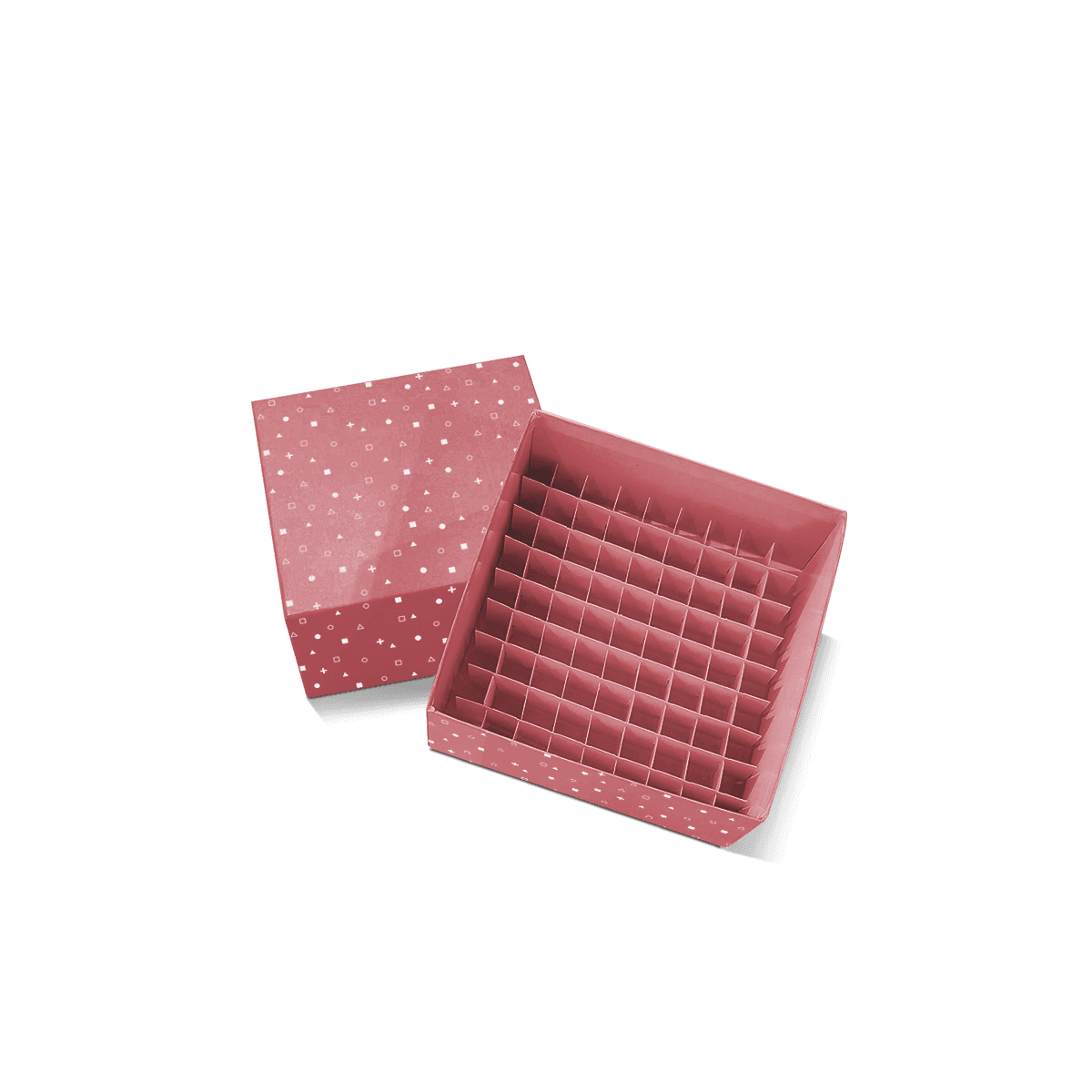
Custom Partition Inserts create separate compartments inside a box so products stay apart during packing, handling and delivery. They are ideal when several items need to sit upright, avoid contact or stay organised in the same outer box.
This insert style works differently from a shaped cavity. A die cut insert holds one item by its product outline. A partition insert builds a grid, row or multi-cell layout so each product has its own space. That makes it useful for bottles, jars, cosmetics, electronics, retail multipacks, gift sets, glass items, parts, samples and subscription packaging.
The best partition insert does more than divide a box. It controls side-to-side movement, protects printed surfaces, speeds up packing and helps the customer understand the product set as soon as the box opens.
Custom Partition Inserts should be planned around product size, product count, box depth, cell height, board thickness and packing sequence. If the compartments are too tight, packing slows down. If they are too loose, the products can still knock together.
When Partition Inserts Are the Right Structure
Custom Partition Inserts are a strong choice when the packaging problem is separation, not only presentation. They suit products that repeat in rows, need individual cells or must not touch during movement.
Multiple products in one outer box
A partition layout works well when one box carries several products of the same or similar size. This may include jars, bottles, small cartons, candle tins, cosmetic containers, vials, cans, components or gift items.
Each product sits in its own compartment, which reduces contact and keeps the pack easier to count. This helps fulfilment teams check the order before closing the box.
Products that mark or damage each other
Some products are not fragile in the usual sense, but they still need separation. Printed cartons can rub. Glass can knock. Metal lids can scratch. Glossy labels can scuff.
Partition inserts help create space between items without relying on loose padding. They keep products from rubbing together, which is useful for retail-ready goods and branded product sets.
Tall items that need upright support
Tall products can tilt inside a box if there is too much open space. Partition walls give them side support and help keep them upright.
This is useful for bottles, jars, tubes, candles, dropper bottles, supplement containers and small electronics packed in rows. The partition height should match how much support the product needs without making removal difficult.
Partition Layouts That Change Packing Results
The layout of Custom Partition Inserts affects product hold, packing speed and how the box looks when opened. A good layout uses just enough structure to separate products without making the pack harder to assemble.
Single-row partitions
Single-row partitions are useful when products sit side by side in one line. They can work well for sample sets, candle duos, fragrance packs, small jars or retail kits.
This layout is simple to pack because staff can load products from left to right. It also creates a clean reveal when the customer opens the box.
Cross partitions for equal cells
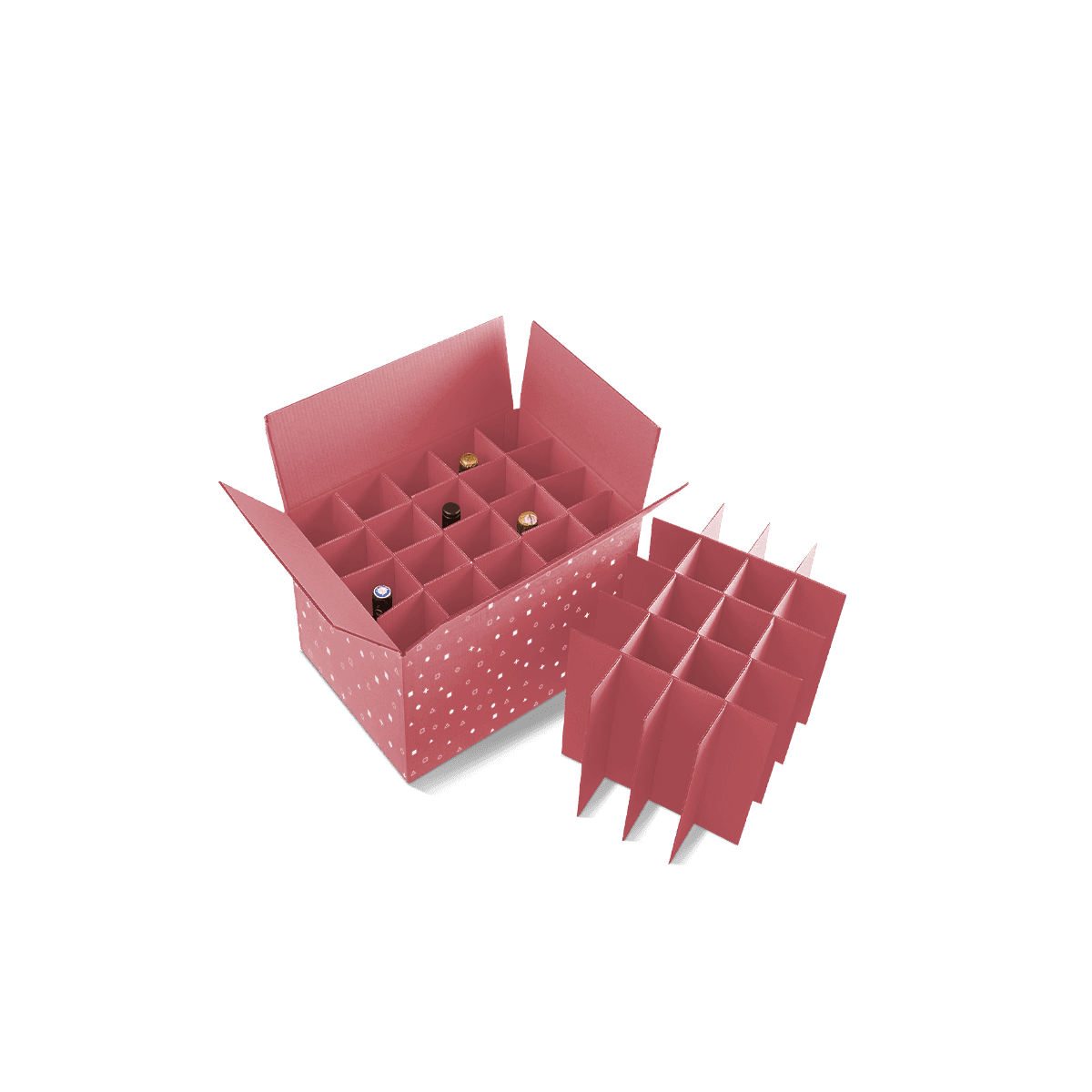
Cross partitions create a grid of compartments. They work well when the box carries multiple similar items, such as bottles, jars, cans or small cartons.
The grid should match the product count and box size. If the outer box has too much empty space, the grid may still move. If the cells are too narrow, products may drag against the board during packing.
Mixed-cell layouts
Not every pack uses equal products. A mixed-cell partition layout can hold one larger item and several smaller items in the same box.
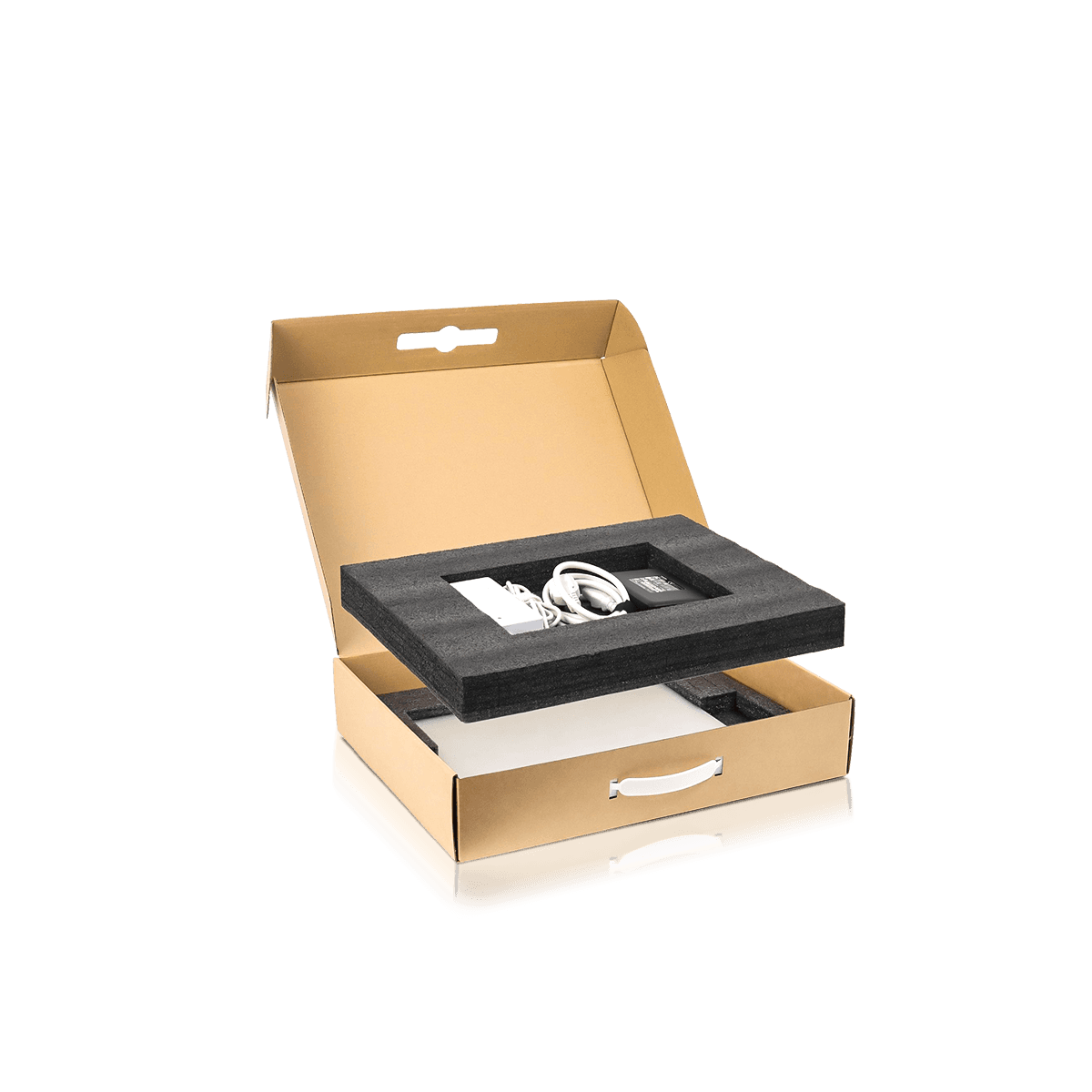
This is useful for kits where products vary in size, such as a main bottle with sample tubes, a device with accessories or a gift box with several item types. The layout should keep the heavier product stable while giving smaller products clear positions.
Board Thickness and Wall Height Matter
Custom Partition Inserts depend on material choice and wall height. These details affect how well the insert stands, how the products stay apart and how easy the pack is to load.
Thin board for light product separation
Thin paperboard or lightweight cardboard can suit small retail products, light gift sets and presentation boxes where the main goal is organisation.
This option keeps the insert neat and compact. It also stores well when packed flat. However, it may not be enough for heavier products or shipping cartons with more movement risk.
Corrugated board for stronger compartments
Corrugated board adds stiffness for heavier items, ecommerce orders and products that need stronger transit support. It is often better for jars, bottles, glass goods, dense components and products that may move during courier handling.
When products need more strength than a light divider can provide, Custom Corrugated Box Inserts can support the same separation goal with stronger board performance.
Wall height should match the product risk
Partition walls do not always need to reach the full height of the product. For some items, a lower divider is enough to stop base movement. For taller products, higher walls can prevent tilting.
The right height depends on product shape, weight, centre of gravity and box depth. A tall wall can protect better, but it may also make the product harder to remove if there is no finger access.
Slot Depth and Assembly Need Care
Partition inserts often use interlocking slots. These slots decide how the walls connect, how flat the grid sits and how much handling the insert can take before packing.
Interlocking pieces should sit flat
If the slot depth is wrong, the partition can bow, sit unevenly or lift from the base of the box. This can affect product height and make the pack feel untidy.
The slot depth should allow the pieces to lock together cleanly without forcing the board. The assembled partition should sit flat before the products are loaded.
Assembly should suit the order volume
A complex partition may look strong, but it can slow packing if it has too many pieces or awkward slot positions. For small runs, this may be manageable. For larger runs, the assembly sequence matters more.
MOQ starts from 50, with support for larger production runs, repeat orders and high-volume packaging programs. When order volume grows, a simple and repeatable partition build can save real packing time.
Flat storage before packing
Many partition inserts can be supplied flat before assembly. This helps reduce storage space and keeps inserts easier to handle before production or fulfilment.
Flat storage is useful for seasonal kits, ecommerce orders, product launches and multi-SKU brands where inserts need to be stored with matching outer boxes.
Products That Benefit From Partition Cells
Custom Partition Inserts work best when the box carries several products that should stay separated. The layout can be practical, premium or transit-focused depending on the product category.
Bottles, jars and glass products
Bottle and jar packs often need compartments so products do not knock together. This is important for glass, labelled containers, food jars, sauce bottles, skincare bottles and fragrance products.
For products with narrow bases or taller shapes, cell width and wall height need careful planning. Custom Bottle Dividers may be a better fit when bottle separation is the main need.
Electronics and component sets
Electronics packaging often includes a main product plus cables, chargers, cards or small accessories. Partitions can separate each item so the contents stay organised.
For Custom Electronics Packaging, partition inserts can reduce movement, prevent accessory contact and make the pack easier to check before dispatch.
Retail multipacks and gift sets
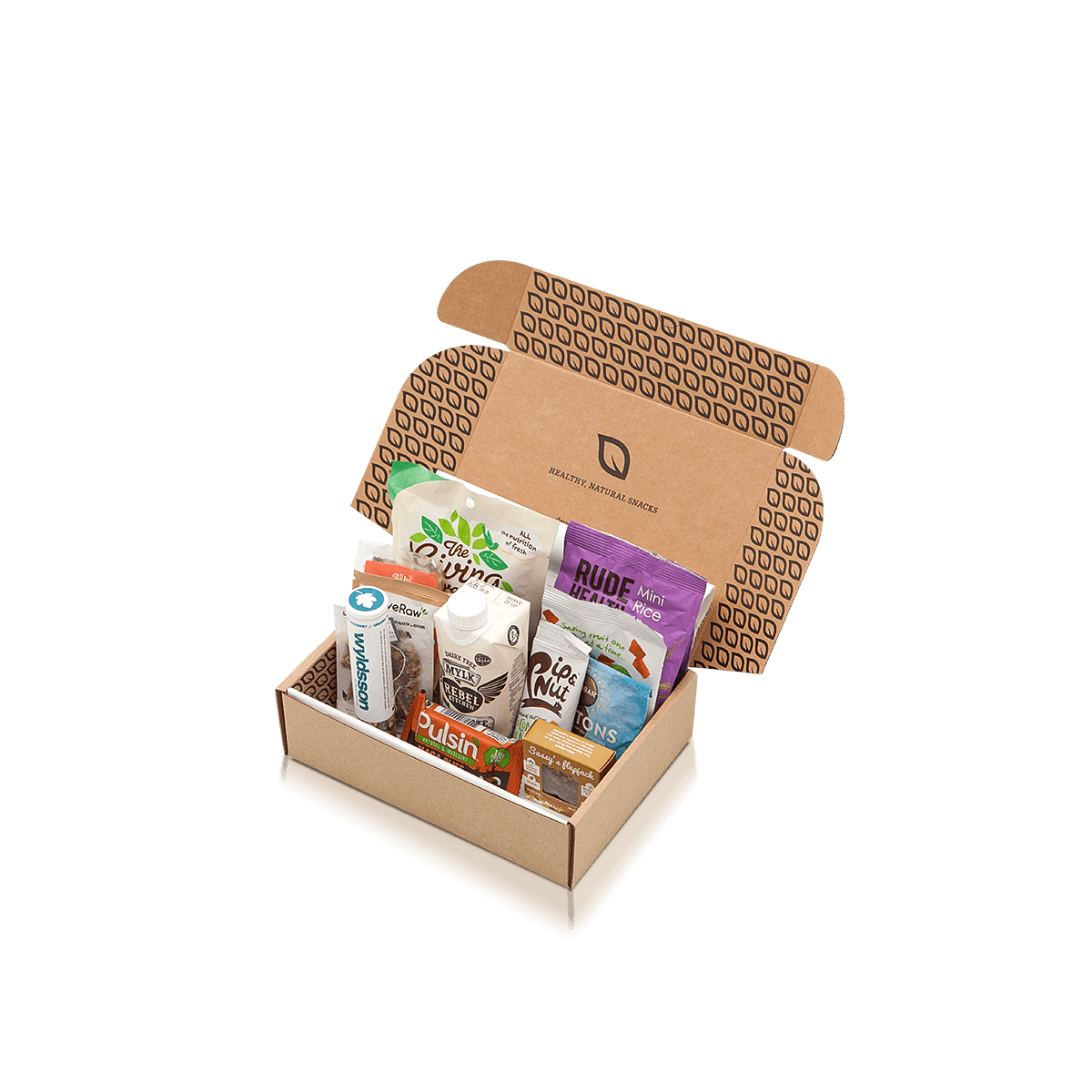
Retail multipacks need a layout that looks tidy and packs quickly. Partition cells can help organise candles, cosmetics, food jars, wellness products, event gifts and branded kits.
This makes the box feel more considered while still keeping the structure practical for repeated packing.
How Partitions Differ From Dividers and Die Cut Inserts
Custom Partition Inserts sit between simple dividers and more detailed shaped inserts. They are usually best when several products need repeated compartments rather than one product needing a custom-shaped cavity.
Partitions create deeper separation
A partition insert usually creates vertical walls that divide the inside of the box. This works well for products that need separation through height, not just a flat layer or surface hold.
It is especially useful when products are tall, round or likely to lean inside the box.
Box dividers suit simpler separation
Custom Box Dividers can be simpler when the packaging only needs basic separation between products. They suit lighter multipacks, small product rows and straightforward compartment layouts.
Partitions are better when the cell structure needs more depth, stronger interlocking pieces or a more controlled grid.
Die cut inserts suit product-shaped placement
Custom Die Cut Inserts work best when the product shape needs a cut cavity. They are ideal for presentation boxes, exact product profiles and premium product reveal.
Partition inserts are better when the goal is repeated compartments, product separation and upright organisation.
Print and Finish Choices for Partition Inserts
Custom Partition Inserts can stay plain or include print where the insert is visible. The decision depends on whether the partition is mostly protective, mostly presentational or part of the brand experience.
Plain partitions for practical packs
Plain kraft, white or corrugated partitions work well for shipping cartons, bulk packs and internal protection. The focus is product separation, not decoration.
Plain partitions can also look clean in product kits when the outer box and product labels already carry the main branding.
Printed partitions for open-box impact
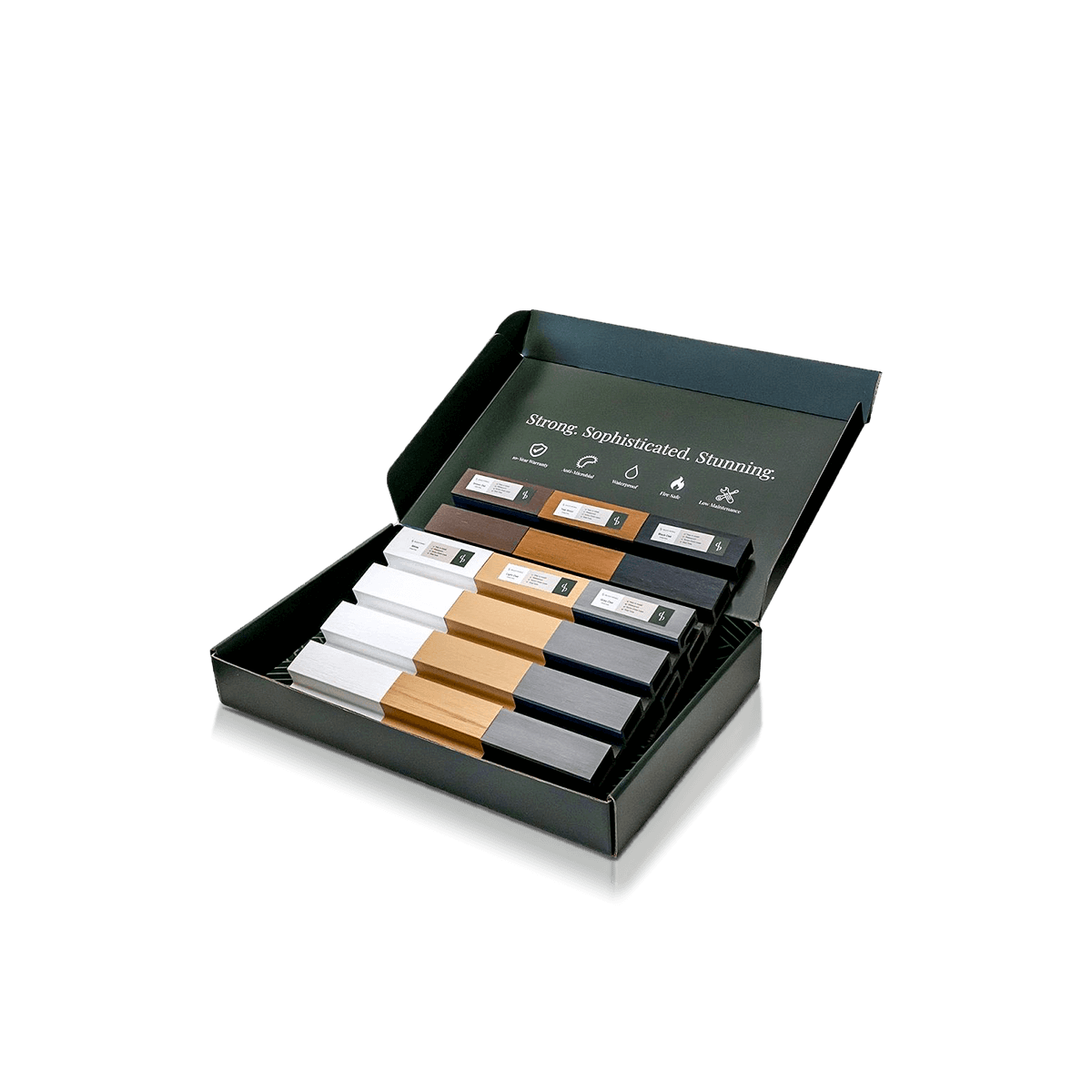
Printed partitions can add colour, product names, small messages or category labels inside the box. This can help with gift sets, launch packs and product ranges where the inside layout is part of the customer experience.
Printing should be used carefully on surfaces that touch products. Practical contact areas may work better with lighter ink coverage or plain board.
Finish choices should not reduce function
Gloss, matte or special finishes can be used where visible, but the insert still needs to assemble cleanly and hold its shape. Heavy finishes can affect folding, slot fit or scuff resistance depending on the board.
For partitions, function should lead. Finish should support the opening moment without making the insert harder to use.
Fit Checks Before the Dieline Is Approved
The partition dieline needs to match the product count, product size, outer box size and assembly method. A few small checks can prevent loose products, bowed walls or slow packing.
Check cell width and product clearance
Each cell should be wide enough for the product to load without scraping, but not so wide that the product can swing or hit the wall.
Round products may need more clearance than expected because labels, caps or shoulders can create wider points. Rectangular products may need clearance for carton edges, seals or sleeves.
Check wall height against box closure
The partition should support the product without blocking the box from closing. If the wall is too high, it can push against the lid, flap or inner surface.
This check matters for mailer boxes, rigid boxes, folding cartons and shipping cartons with shallow internal clearance.
Check assembled strength
The Dieline Tool can help with packaging setup, but partition inserts also need product and layout details before approval. The assembled grid should hold its shape before loading and after products are placed inside.
For complex grid layouts, heavy products or tight cell counts, a physical sample can help confirm assembly and fit before full production.
Planning Partition Inserts for Repeat Packing
A partition insert becomes more valuable when the same pack is repeated. Once the cell layout is approved, it can support regular production, seasonal gift sets, subscription boxes or multipack cartons.
Repeat planning should consider:
- product count per box
- cell size and wall height
- product order inside the grid
- board thickness and material colour
- outer box size
- slot depth and assembly method
- flat storage before packing
- print or labelling on visible walls
- SKU naming for packing teams
Custom Packly can support small first runs and larger repeat programs once the layout is confirmed. Repeat-order discounts and bulk planning support can help when the same partition layout is used across regular packaging cycles.
Details to Send for an Accurate Partition Quote
A good quote request should explain the compartment layout, not just the outer box size. The more detail you provide, the easier it is to design a partition that fits the products and packing process.
Send these details where possible:
- outer box style or internal box size
- product length, width, height and weight
- product diameter if round
- number of items per box
- whether all products are the same size
- desired cell count or rough layout
- whether products must stand upright
- areas that should not rub or touch
- preferred board type such as kraft, white or corrugated
- print needs on visible partition walls
- order quantity and repeat-order plans
- artwork status or dieline status
For broader choices across materials, sizing, print and finishes, Customisation can help align the insert with the full packaging system before the quote is finalised.
A Cleaner Way to Separate Products Inside the Box
Custom Partition Inserts are the right choice when multiple products need their own compartments inside one box. They help organise items, reduce product contact, support upright packing and make repeated product sets easier to assemble.
The strongest partition layouts are practical first. Cell width, wall height, slot depth, board thickness and packing sequence all affect how the insert performs. When those details are planned early, the packaging becomes easier for your team and safer for the product.
Send your product sizes, box idea, item count and quantity through Get a Quote. Custom Packly can help turn your product layout into a partition insert that fits, separates and packs cleanly.
FAQs
Related Packaging Styles
How it works
Simple steps from idea to delivery
Tell Us Your Specs

Tell Us Your Specs
Provide size, quantity, printing, and finishes.
Get a Fast Quote

Get a Fast Quote
Instant transparent pricing, no hidden fees.
Design and Approval

Design and Approval
Artwork checks, revisions, and final sign-off.
Produce

Produce
Expert manufacturing to meet deadlines.
Ship to Your Door

Ship to Your Door
Hassle-free, flexible delivery options.
Start Your Custom Packaging Quote
Share your product details, dimensions, quantity and artwork needs. We’ll help choose the right packaging style and send a clear quote.