Skip to content
Details

Custom Corrugated Box Inserts

Corrugated inserts built to control movement, separate products and add stronger internal support for ecommerce, retail, kits and fragile product packaging.

Free Design Support

Clear Pricing

Flexible Quantities

Unlimited Customization

Premium Materials

Offset Precision

Free Shipping

Quick Turnaround

Product Support That Starts Inside the Box

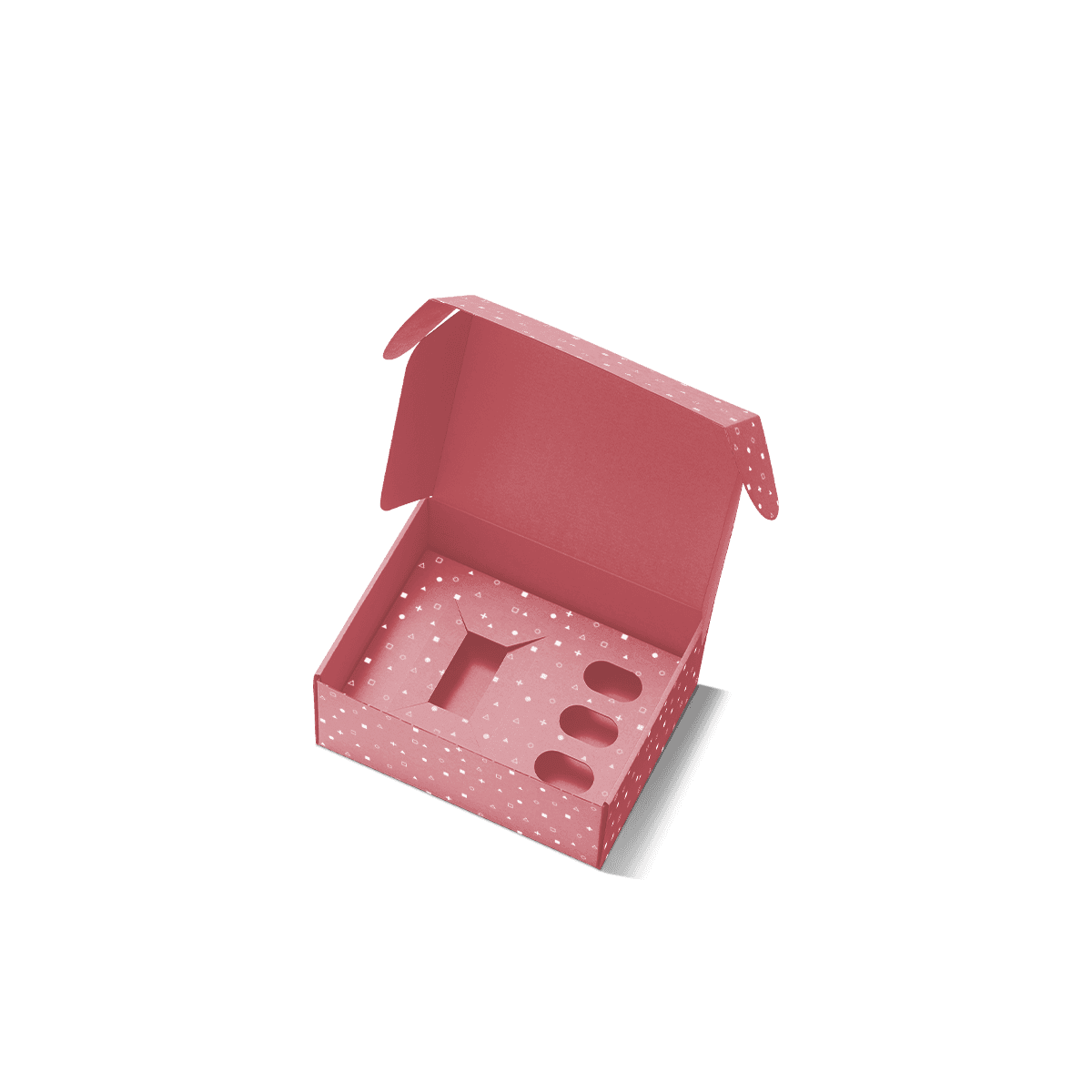
Custom Corrugated Box Inserts hold products in place inside a box so they move less, knock less and arrive in a more organised way. They are useful when the outer box alone is not enough to control product movement during packing, storage or delivery.

A corrugated insert uses fluted board for extra structure. That flute layer gives the insert more stiffness than flat paperboard, which makes it useful for heavier items, product kits, glass jars, bottles, electronics, candles, accessories and ecommerce orders that need more internal control.

The main job is simple: keep the product where it should be. Good insert design can reduce loose void fill, improve the unboxing layout and make packing easier for your team. When the insert fits the product and box together, the whole pack feels more deliberate.

Custom Packly can help build Custom Corrugated Box Inserts around your product dimensions, box style, packing method and delivery risk. For broader insert formats, Custom Inserts and Dividers covers the full structure family.
When Corrugated Inserts Make Sense

Custom Corrugated Box Inserts make sense when the product needs support, spacing or separation rather than just a decorative platform. They are stronger than many light paperboard inserts and can work well inside mailer boxes, shipping boxes, retail boxes and product kits.

Products that cannot rattle around

If a product can slide, roll or knock against another item, an insert can hold it in position. This matters for glass bottles, jars, tech accessories, candles, jars with lids, boxed sets and small parts that look messy when they arrive loose.

Kits with more than one item

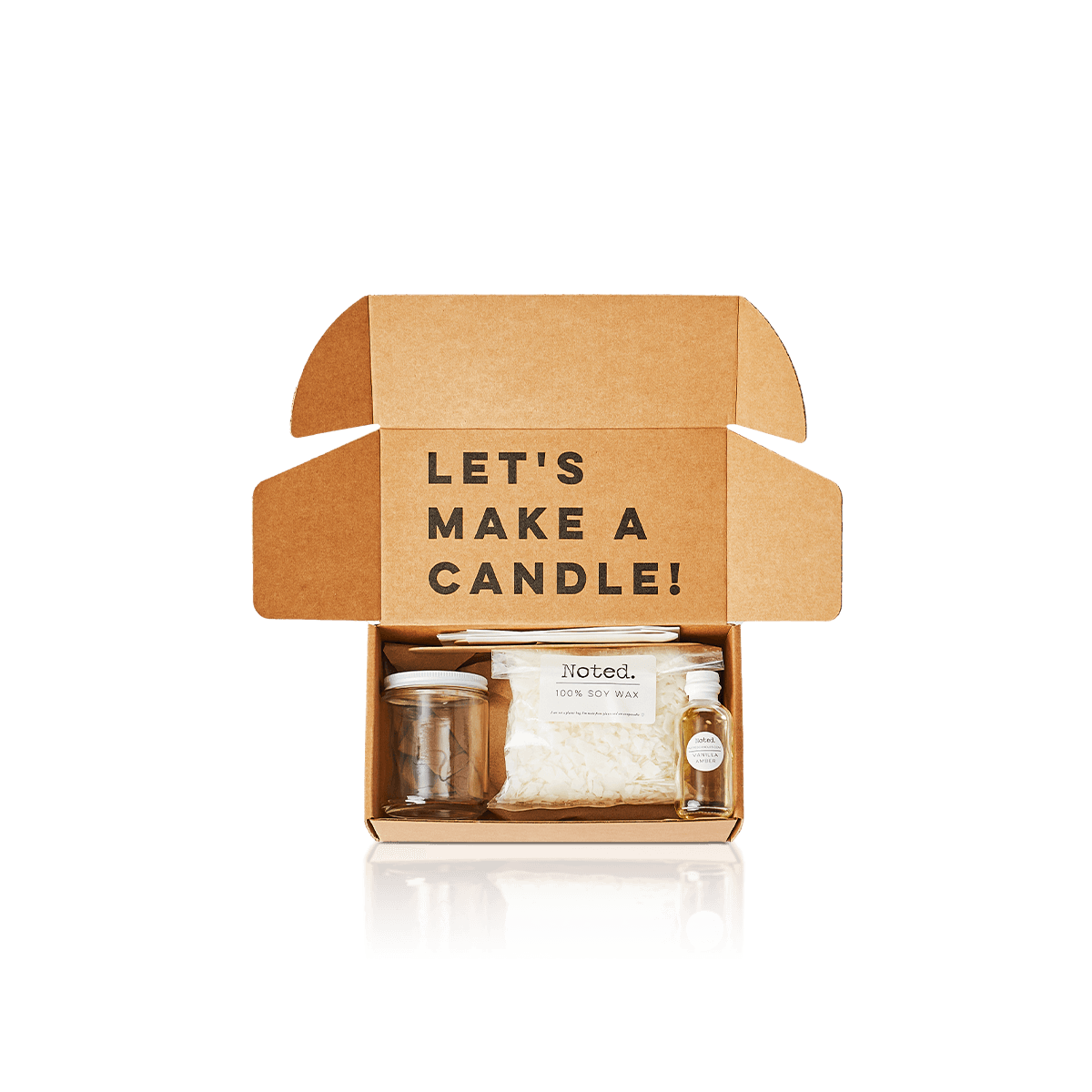
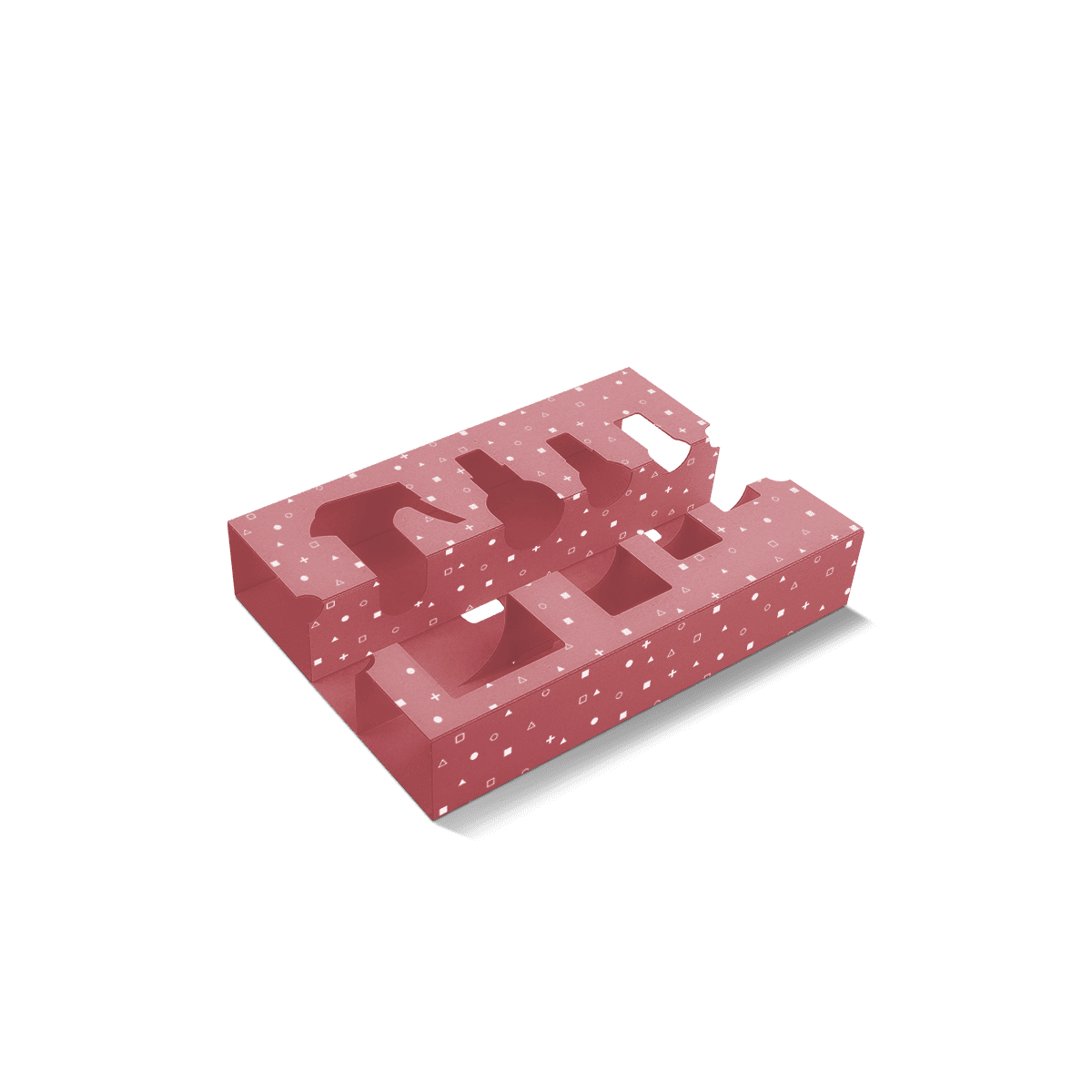
A kit often needs clear placement for each product. Corrugated inserts can create compartments, slots, risers or support panels so the customer opens the box and sees an organised set rather than a pile of mixed items.

Orders that need less loose void fill

Loose void fill can look untidy and slow down packing. A well-fitted insert can reduce the need for extra filler because the structure itself controls product movement. It also gives your packing team a clearer routine.

Corrugated Board Gives Inserts Their Strength

The fluted layer is what makes Custom Corrugated Box Inserts different from flat cardboard or paperboard inserts. Corrugated board has a wave-like layer between paper liners, giving the insert more thickness, stiffness and crush resistance.

That added structure is useful when the insert needs to hold weight, resist bending or support a product across a wider span. It can also help with product separation when items would otherwise press against each other during transit.

Flute direction and product pressure

Flute direction affects how the insert handles pressure. A poorly planned insert may bend, sag or collapse under repeated handling. A better layout places fold lines, tabs, slots and support walls where they help the product stay stable.

Single product support

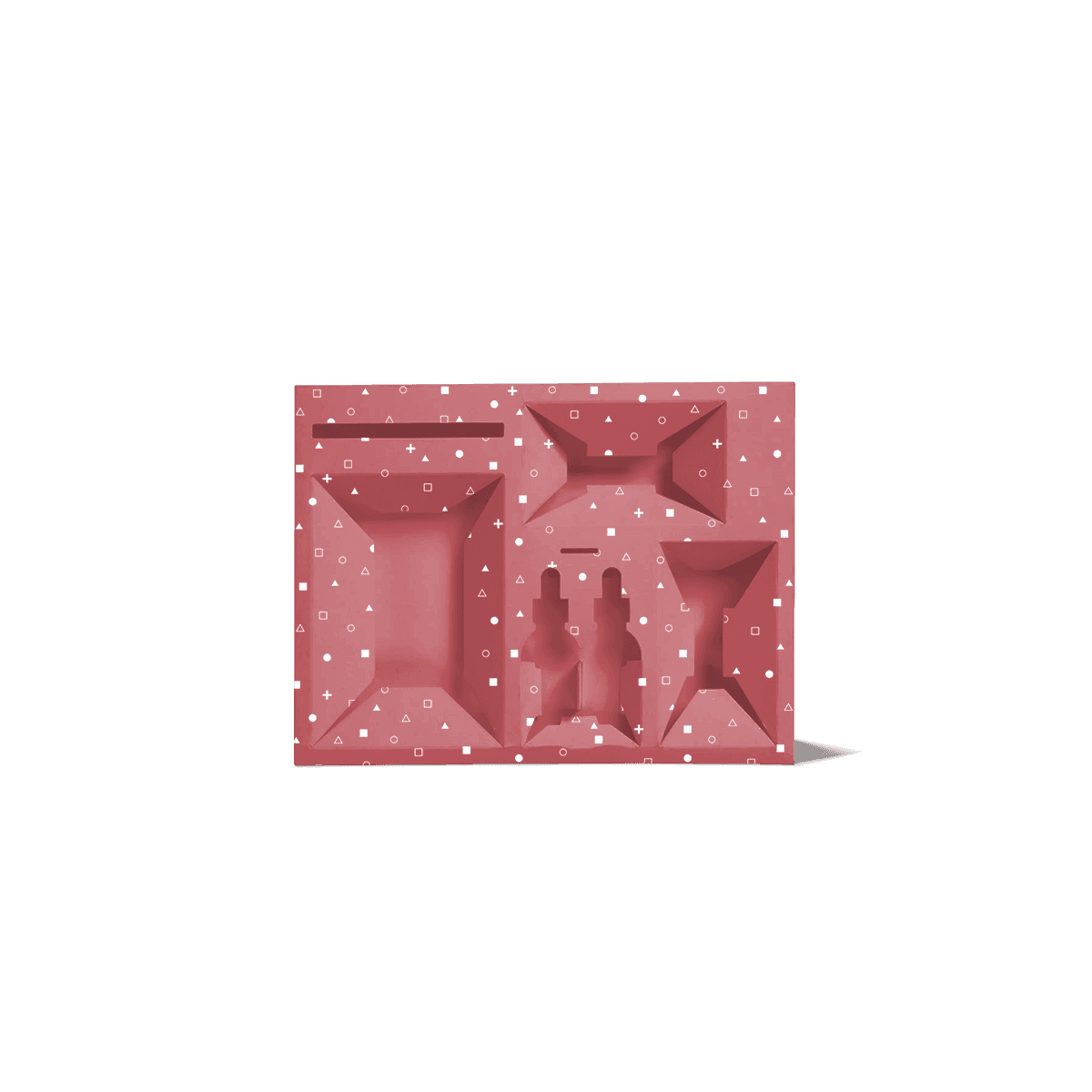
For one product, the insert may act like a cradle, raised platform or shaped locator. This can work for a candle jar, bottle, device, accessory or premium product that needs to sit centred in the box.

Multi-product separation

For sets, the insert may use several openings or compartments. This approach helps separate products with different shapes, heights or weights. It also gives the pack a cleaner retail or gift-ready layout.

Fit Matters More Than Insert Thickness

A thicker insert does not automatically protect better. The right fit matters more. Custom Corrugated Box Inserts should match the product, outer box and packing process so the product stays secure without making assembly slow or awkward.

Too much space around the product can still allow movement. Too tight a fit can make packing difficult or damage labels, lids or delicate finishes. The best insert has enough clearance for easy packing while still stopping the product from shifting.

Measure the product, not only the box

Start with the product’s true length, width, height and shape. Include caps, lids, pumps, sleeves, labels, seals, wrapped parts and any product variation that changes the final packed size.

Check the outer box depth

The insert height needs to work with the internal depth of the box. If the insert sits too high, the lid may press on the product. If it sits too low, the product may feel loose or look unfinished when the box opens.

Plan for packing speed

A beautiful insert can fail if it is too slow to pack. For larger runs, the design should help the product drop into place quickly and consistently. Fold sequence, slot shape and tab placement all affect the packing table.

Protection Without Making the Box Bulky

Custom Corrugated Box Inserts help add internal protection without turning every product into a much larger pack. This is useful for brands that need safer delivery but still care about carton size, freight cost, shelf space and storage.

The insert should support the product where it needs control. For example, a bottle may need spacing at the base and neck. A device may need edge support. A jar may need movement control around the sides. A product kit may need dividers so items do not rub or chip.

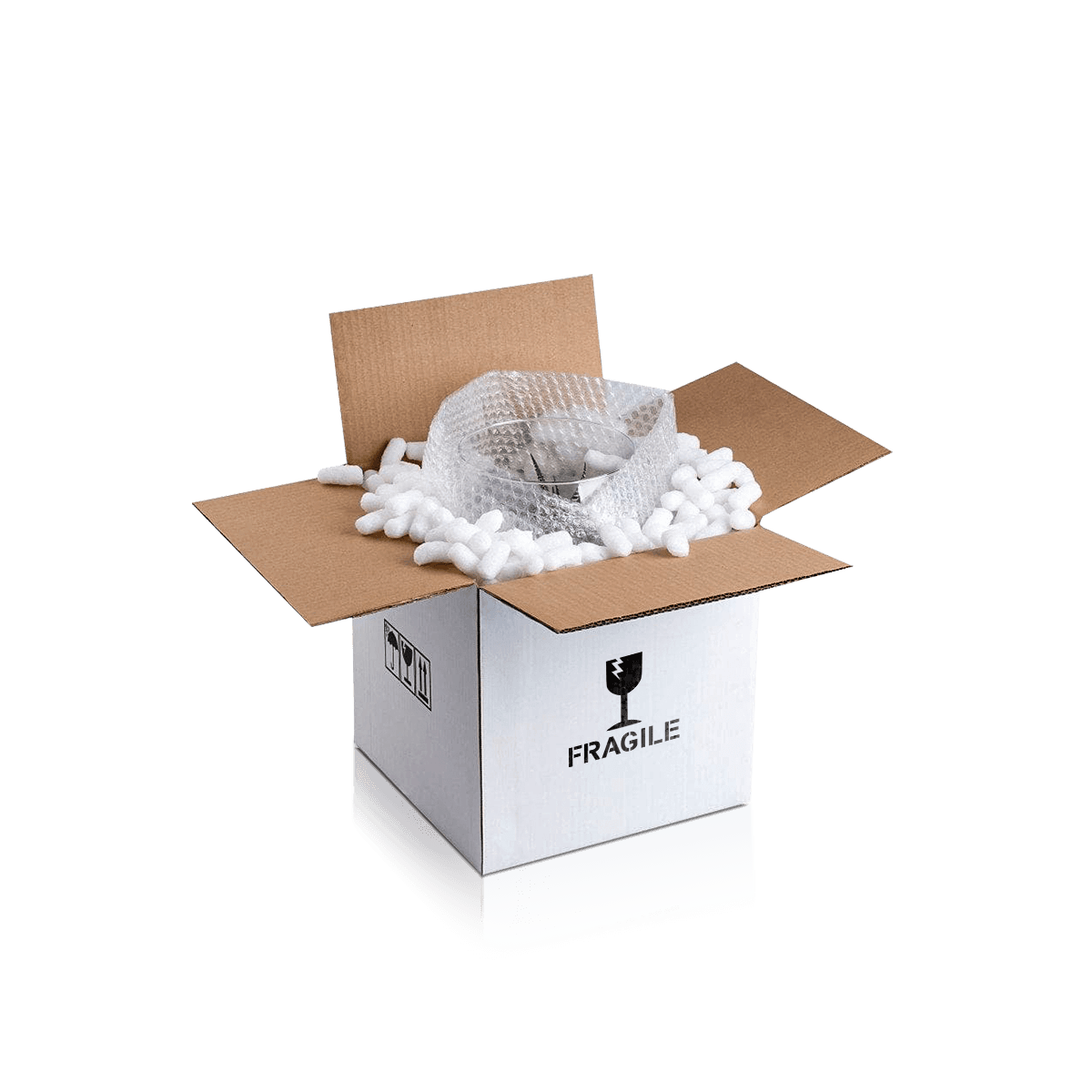
For fragile or high-value items, the outer box still matters. Inserts support internal control, while the outer packaging handles the wider shipping environment. For heavier delivery packaging, Custom Corrugated Box Inserts may sit inside shipping-style structures or mailer boxes depending on the product and freight path.

Avoid unsupported gaps

Large empty spaces under the insert can cause sagging. A corrugated support panel or folded leg can help hold the product at the right height without wasting space.

Protect labels and surface finishes

If the insert rubs against printed labels, foil details, coatings or soft-touch surfaces, the product may arrive with scuff marks. The opening shape and board edge need to be planned carefully.

Control movement in two directions

Many inserts only hold the product from side to side. Better insert design also considers upward movement, twisting and pressure from the lid during handling.

Better Presentation for Kits and Unboxing

Custom Corrugated Box Inserts can turn a practical shipping box into a cleaner product presentation. The customer sees each item in its own place, which makes the pack feel more careful and complete.

This matters for product launches, subscription kits, sample packs, corporate gifts, ecommerce bundles, electronics accessories and premium retail sets. Corrugated inserts can look more industrial than thin paperboard if left plain, but with the right shape, board colour and print planning, they can still support a polished brand experience.

For very detailed cut-outs, Custom Die Cut Inserts may be a better fit when the product needs a more precise shape. Corrugated is often stronger for support, while die cutting gives more tailored product openings.

Plain kraft for natural packaging

Kraft corrugated inserts can suit eco-led, handmade, candle, wellness and food-adjacent products where a natural look feels intentional.

White or printed surfaces for cleaner display

White board or printed top surfaces can make the inside of the box feel more retail-ready. This works well for beauty, tech, gifting and launch kits.

Brand moments inside the box

A printed insert can carry a short message, QR code, product order or usage note. Keep it simple. Too much copy on the insert can make the pack feel crowded.

Corrugated Inserts for Electronics and Fragile Items

Custom Corrugated Box Inserts are especially useful for products that need spacing, grip and internal organisation. Electronics, chargers, cables, devices, small accessories and components often need a layout that stops parts from tangling, scratching or pressing against each other.

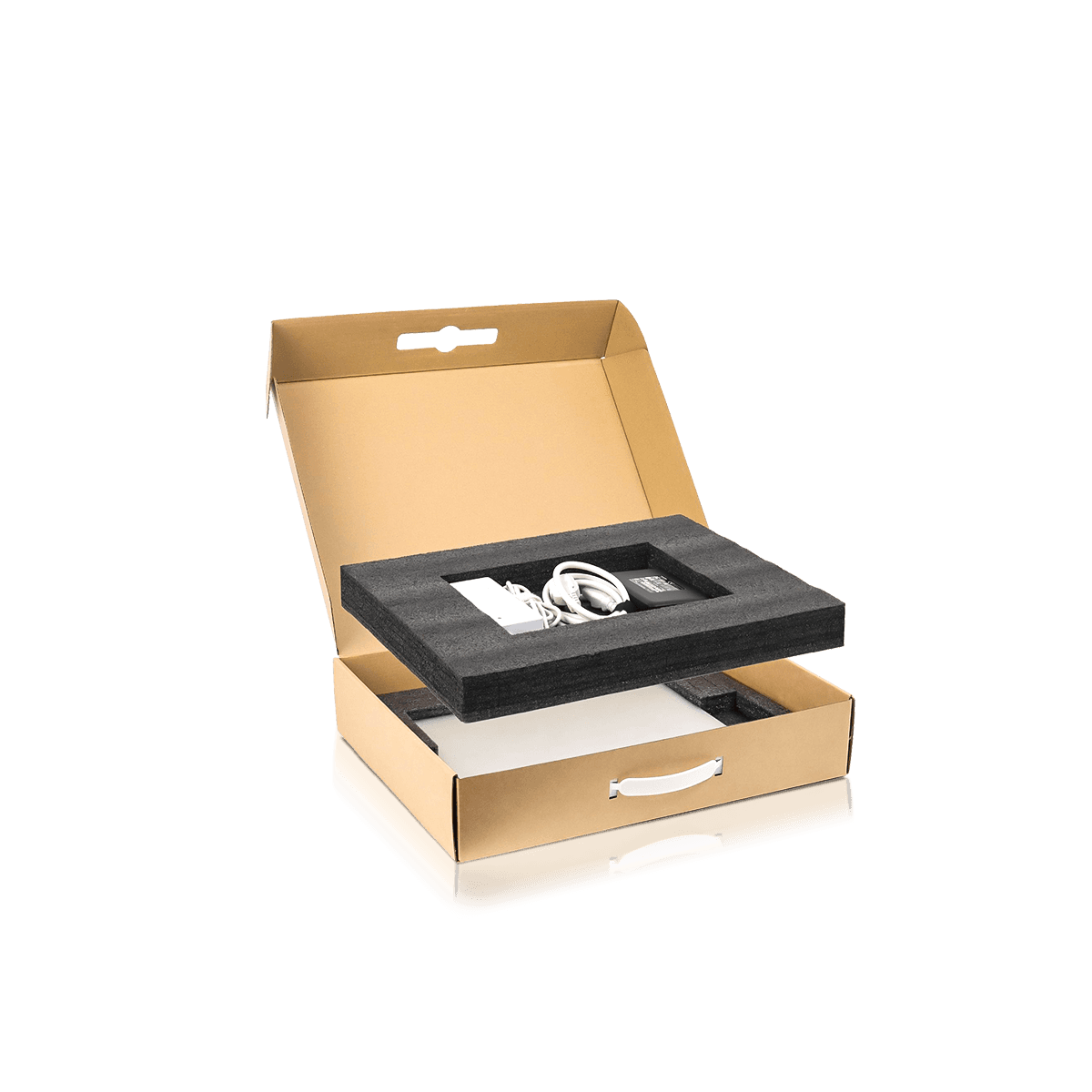
For electronics packaging, the insert should organise each part clearly and support the product during delivery. A device may need a main cavity, while cables, booklets and accessories may need separate channels. If the product has fragile corners or a screen, the insert should avoid pressure points.

Brands working on tech, device or accessory packaging can align inserts with Custom Electronics Packaging when product protection, accessory layout and customer setup all matter.

Separate accessories cleanly

Small parts can make a pack look messy if they sit loose. Corrugated sections can give cables, chargers, tools, cards or spare parts a clear position.

Reduce rubbing and impact

Products with coated surfaces, screens, bottles or jars should not rub against other items. The insert should create enough space to prevent contact during movement.

Support heavier small products

A compact product can still be heavy. Corrugated board helps when a thin insert would flex too much under the product’s weight.

Printing and Finish Choices for Insert Surfaces

Custom Corrugated Box Inserts do not always need heavy printing. Many inserts work best with a simple, clean surface because the product is the main focus. Still, print can add value when the insert is visible during unboxing or used in a retail kit.

Premium offset printing can support sharp logos, brand colours, QR codes, instructions and simple internal graphics. Finishes should be chosen carefully because inserts face friction during packing and product removal.

Keep print away from tight contact points

Print that sits directly under a product may rub during transit. Place key artwork where it stays visible and protected.

Use colour to organise the kit

A printed insert can show product order, shade names, step numbers or product groups. This is useful for skincare sets, sample kits, electronics accessories and multi-part products.

Match the insert to the outer box

The inside should not feel like an afterthought. Match the insert colour, board tone and finish to the outer packaging so the box opens as one complete brand experience.

Fit Checks Before Production

Custom Corrugated Box Inserts benefit from fit checks because small measurement errors can affect the whole pack. A product that is only a few millimetres wider than expected may not sit properly. A lid, pump, cap or outer wrap can change the fit more than expected.

For simple layouts, a 3D mockup may be enough to approve the structure and start production. For heavy products, fragile products, multi-item kits or tight cavities, a physical sample can help confirm product clearance, insert height, packing speed and lid pressure before the full run.

Check product tolerance

Products from different batches can vary slightly. If the product has labels, wraps, pumps or caps, measure the largest likely version before finalising the insert.

Check opening and removal

The product should be easy to place and remove. If the cut-out grips too tightly, the customer may struggle to take the product out cleanly.

Check shipping movement

A good insert should hold the product through normal handling. For higher-risk products, test movement inside the full box, not the insert alone.

Runs From First Launch to Repeat Orders

Custom Corrugated Box Inserts can start with a small launch run and scale into larger repeat packaging programs. MOQ starts from 50, with support for larger runs, thousands of units and repeat orders as demand grows.

For first orders, the main goal is usually to prove product fit, packing speed and customer presentation. For repeat runs, consistency becomes more important. The same insert should match the same box, product set and assembly method each time.

Custom Packly can support repeat-order planning, storage discussions and larger production runs where a brand has multiple SKUs, seasonal bundles or recurring ecommerce fulfilment needs.

SKU changes can affect the insert

A small change in bottle shape, accessory count or product wrap can require a new insert layout. Keep product details updated before each repeat order.

Bulk runs need packing clarity

For higher quantities, the insert should fold, load and sit inside the box without slowing down the team. Simple fold paths and clear product positions reduce packing errors.

Reorders need the same reference details

Keep the approved dieline, product dimensions, board choice, box style and artwork files together. This helps future runs stay consistent.

Quote Details That Prevent Insert Problems

A clearer quote request helps prevent wrong board choice, loose fit, slow packing or poor presentation. For Custom Corrugated Box Inserts, send details that show how the insert needs to behave inside the box.

Useful quote details include:

  • Product length, width, height and weight
  • Number of items inside the box
  • Outer box style and internal dimensions
  • Product shape, lid, cap, pump or accessory details
  • Whether the insert is for shipping, retail, gifting or product kits
  • Preferred board colour, flute strength or finish direction
  • Artwork status and any print needed on the insert
  • Quantity for first run and likely repeat order needs

If the product needs separate compartments rather than shaped product support, Custom Box Dividers may be the more efficient option. If the insert needs both shaped support and separation, the best structure may combine cut-outs, divider walls and folded corrugated support.

Send product photos or measurements when requesting pricing through Get a Quote. The team can suggest a practical insert layout based on protection level, product fit and how the box will be packed.

FAQs

Yes. Corrugated inserts use a fluted board structure, which gives them more stiffness and support than many flat cardboard inserts. They suit heavier items, fragile products and packs that need stronger internal control.

They can reduce loose fill when the insert is designed to hold the product properly. Some high-risk products may still need extra cushioning depending on weight, fragility and delivery conditions.

They work well for jars, bottles, candles, electronics, accessories, kits, sample packs and multi-item ecommerce orders. They are useful when products need spacing, support or a cleaner unboxing layout.

A 3D mockup may be enough for simple insert layouts. A physical sample is useful when the product is fragile, heavy, unusually shaped or needs a very tight fit.

Yes. Visible insert surfaces can be printed with branding, instructions, QR codes or simple graphics. Artwork should avoid tight contact points where the product may rub during packing or transit.

Process

How it works

Simple steps from idea to delivery

01

Tell Us Your Specs

Custom packaging boxes

Tell Us Your Specs

Provide size, quantity, printing, and finishes.

02

Get a Fast Quote

Custom packaging boxes

Get a Fast Quote

Instant transparent pricing, no hidden fees.

03

Design and Approval

Custom packaging boxes

Design and Approval

Artwork checks, revisions, and final sign-off.

04

Produce

Custom packaging boxes

Produce

Expert manufacturing to meet deadlines.

05

Ship to Your Door

Custom packaging boxes

Ship to Your Door

Hassle-free, flexible delivery options.

Start Your Custom Packaging Quote

Share your product details, dimensions, quantity and artwork needs. We’ll help choose the right packaging style and send a clear quote.