Skip to content
Details

Custom Heavy Duty Shipping Boxes

Stronger corrugated shipping boxes for heavy, bulky or fragile products, built for stacking, freight handling, custom print and repeat high-volume supply.

Free Design Support

Clear Pricing

Flexible Quantities

Unlimited Customization

Premium Materials

Offset Precision

Free Shipping

Quick Turnaround

Built for weight, stacking and rougher transit

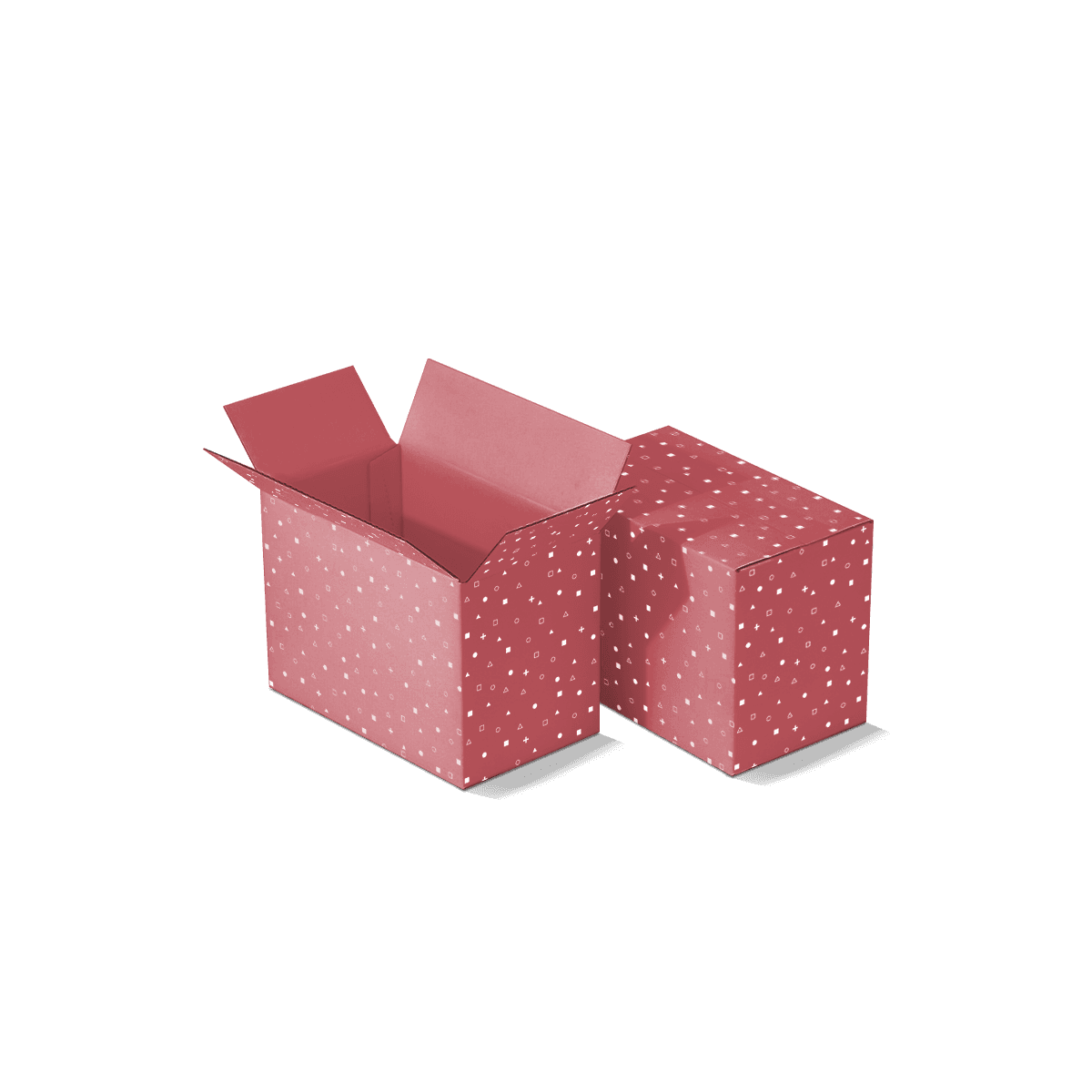
Custom Heavy Duty Shipping Boxes are made for products that need more strength than a standard shipping carton can provide. They suit heavy, bulky, sharp-edged, fragile or high-value items that may face stacking, courier handling, warehouse movement or palletised delivery.

The main purpose is protection under pressure. A heavy product can split a weak base, push through side walls or crush lighter cartons when boxes are stacked. Heavy duty packaging uses stronger board, better structure and tighter sizing to reduce those risks before the order leaves your facility.

Custom Packly produces Custom Heavy Duty Shipping Boxes for product teams, ecommerce brands, manufacturers, electronics suppliers, subscription businesses and wholesale dispatch operations. The broader Custom Shipping and Postal Boxes range covers lighter cartons, postal packs and freight-ready box styles, so heavy-duty boxes can sit within a clear delivery packaging system.

When a standard carton is not enough

Custom Heavy Duty Shipping Boxes are the safer choice when product weight, transit distance or handling risk makes a regular carton feel uncertain. A stronger box can help protect the product, reduce returns and keep packing teams from overusing tape, void fill or extra outer cartons.

Heavy products and dense contents

Dense items place more force on the base and corners of the box. Products such as electronics, tools, hardware, candles in bulk, bottled products, pet supplies, replacement parts, industrial components and bundled retail stock can stress lighter board during lifting and stacking.

A heavy-duty box needs enough board strength to support the packed weight. It also needs the right internal fit so the load does not shift from one side to another. Poor weight distribution can break corners even when the board itself is strong.

Bulky items with awkward shapes

Large or awkward products can be hard to pack because they leave uneven spaces inside the box. If the item is long, tall or irregular, the structure may need extra clearance, inserts, dividers or a stronger flute profile.

Custom Heavy Duty Shipping Boxes can be built around the way the product actually sits inside the carton. That helps reduce weak spots, protects edges and makes packing more repeatable for staff.

Fragile items with higher damage risk

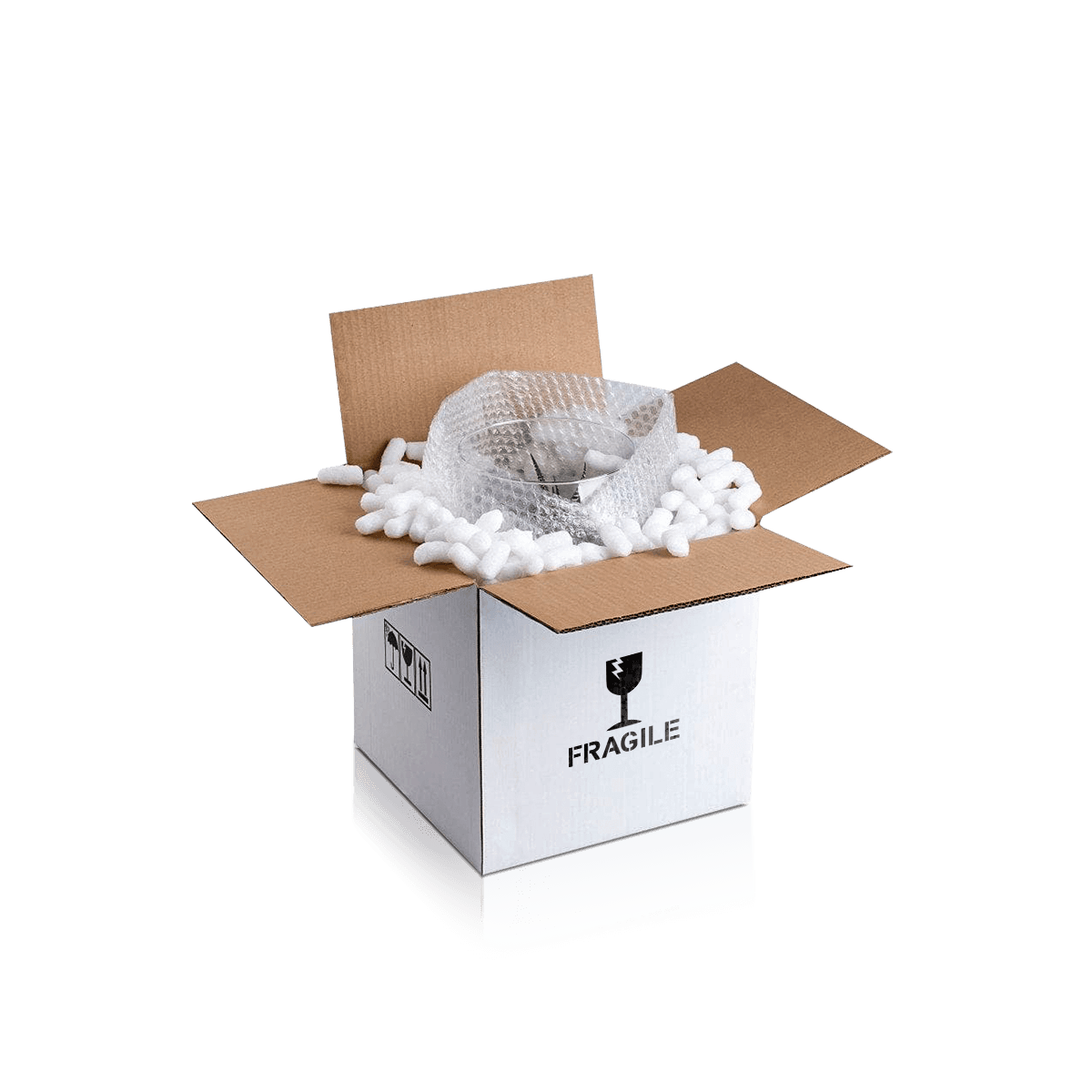
Fragile items often need more than a thicker outer box. Glass, electronics, homeware, framed products, equipment and premium product sets may also need inserts, corner support, paper cushioning or partitioning.

The outer carton protects against compression and impact. The inside structure controls movement. Both parts need to work together.

Strength starts with board and flute

A heavy-duty box performs well when the board grade, flute type and box structure match the product weight. The best option is not always the thickest board. It is the board that gives the right crush resistance, stiffness and print surface for the job.

Corrugated board is the usual starting point for Custom Heavy Duty Shipping Boxes because the fluted layer adds cushioning and strength. Single-wall board may work for lighter products, but heavier or stack-sensitive goods often need double-wall corrugated board.

Double-wall corrugated board uses two fluted layers and three liners. That structure improves stacking strength, puncture resistance and carton stiffness. It is often the better choice for freight, bulk shipping and warehouse handling.

Double-wall board for stronger cartons

Double-wall board can help prevent base sag, side-wall bowing and corner collapse. It is useful when boxes may be stacked on pallets, stored in warehouses or moved through longer delivery routes.

The box style still matters. A strong board can fail if the carton is too large, poorly loaded or not closed correctly. Custom Packly can help match board strength to the packed weight, product shape and expected handling method.

Kraft and white board options

Kraft board suits heavy-duty boxes where strength, practicality and a natural look matter most. It works well for industrial goods, pet products, ecommerce refills, warehouse dispatch and bulk shipping.

White board or white-lined corrugated board can suit branded shipping when the outer box needs cleaner colour, stronger logo visibility or a more polished customer-facing finish. The choice depends on whether the box is mainly protective, branded or both.

Box design that stops failure points

Custom Heavy Duty Shipping Boxes need careful design around the areas most likely to fail. Corners, base panels, flaps, seams and handling points all carry stress during transit.

A box may fail because the board is too light, but it can also fail because the product has too much room to move. Internal movement can turn a heavy item into a battering ram inside the carton. That is why right-size packaging is one of the strongest protection decisions.

Base strength and flap overlap

The base carries the product weight during lifting, packing and delivery. For heavy contents, flap overlap, board direction and closure method can all affect how secure the carton feels.

Some products need reinforced closure with tape. Others may benefit from a structure that increases bottom coverage or reduces stress on one seam. The right choice depends on weight, shape and whether the carton is handled loose or palletised.

Side walls and stacking pressure

Stacking strength matters when boxes sit in storage, travel on pallets or move through freight networks. Side walls need enough rigidity to resist compression from above.

Tall cartons can bow if the product is not properly supported. Wider cartons may need stronger board or internal support so the top panel does not dip. Custom Heavy Duty Shipping Boxes should be designed around stacking pressure, not only product dimensions.

Internal support for heavy products

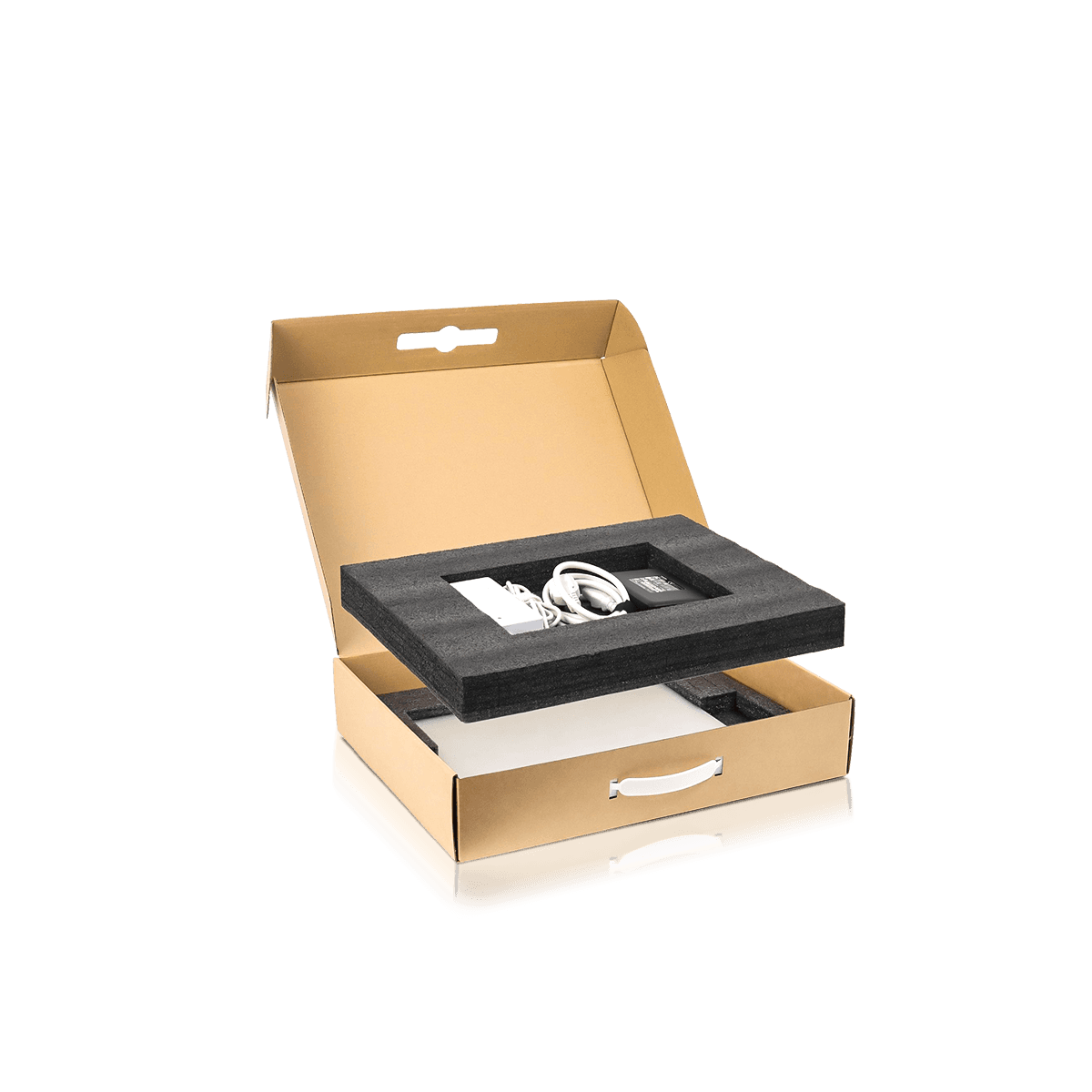
Inserts, partitions, pads and dividers can help spread weight and reduce movement. They are useful when the product has fragile corners, multiple parts or a shape that does not fill the box evenly.

For electronics and accessories, Custom Electronics Packaging often needs a mix of outer carton strength and internal organisation. A stronger carton alone may not protect screens, components, chargers, cables or small device parts if they can move freely.

Sizing heavy products before artwork

Heavy products should be measured as packed items, not just as bare products. The final carton size needs to include product dimensions, wrapping, inserts, padding, dividers, manuals, accessories and any inner packaging.

If the box is too tight, packing becomes slow and the product may push against the panels. If the box is too loose, the product can move, damage itself or weaken the carton during handling.

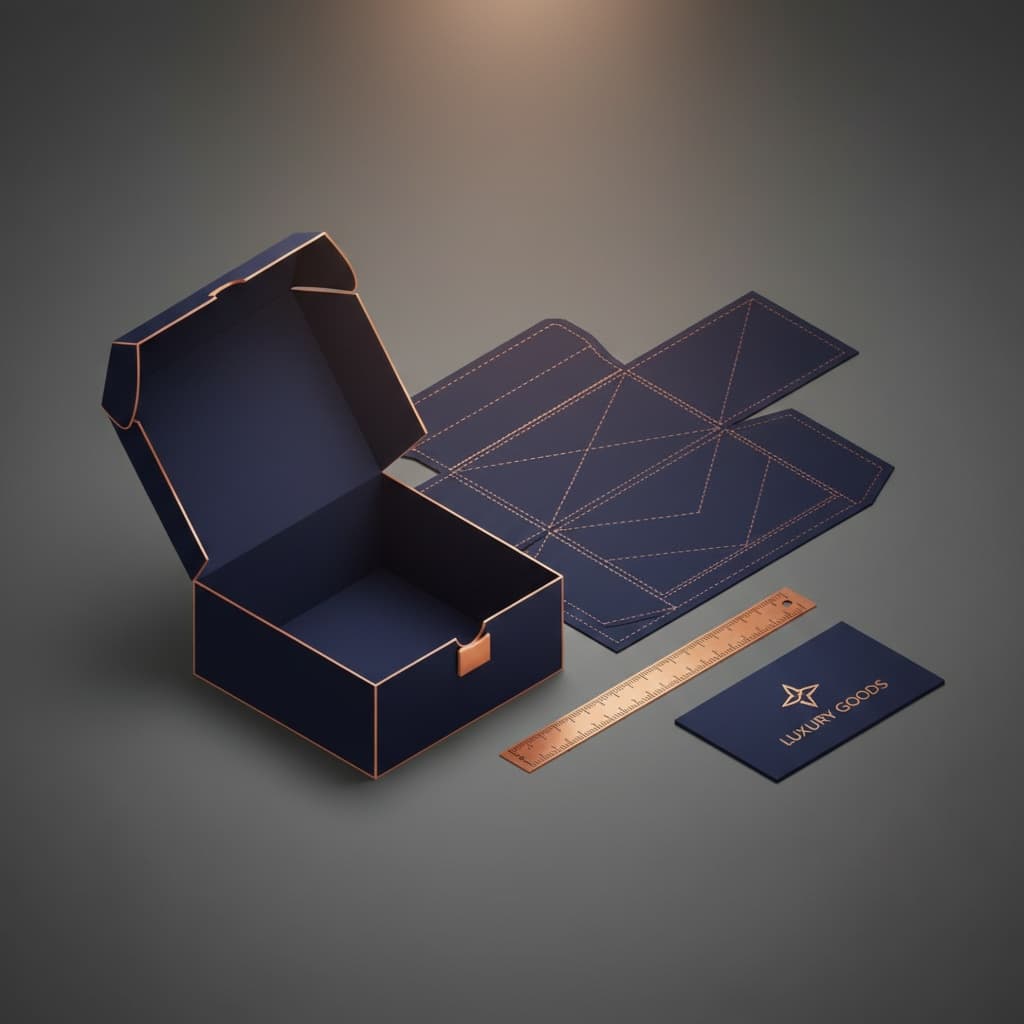
The free Dieline Tool can help prepare a starting dieline for custom box planning. For Custom Heavy Duty Shipping Boxes, the dieline should then be checked against product weight, closure strength, board direction and any insert requirement before production.

Allow space without creating movement

Extra space is useful only when it has a purpose. Cushioning, wraps and inserts need room. Loose air space does not protect heavy products unless it is controlled with the right support material.

A good heavy-duty carton holds the product securely while still giving staff enough room to pack quickly. That balance can reduce damage and improve fulfilment speed.

Plan for labels and handling marks

Heavy-duty shipping cartons often need shipping labels, handling notes, orientation marks, barcode placement or pallet labels. These details should be planned before artwork is finalised.

Important brand artwork should not sit where labels, tape or handling marks will cover it. A practical print layout keeps the carton usable in real logistics settings.

Print that works on strong cartons

Printed heavy-duty boxes should look branded without making the carton harder to use. For many businesses, the best design is clean, durable and easy to read.

Custom Heavy Duty Shipping Boxes can include logo printing, panel print, handling icons, product identification, batch information, SKU details or simple brand patterns. Premium offset printing can support sharper artwork and more consistent colour across repeat runs.

Heavy-duty packaging often needs a different print approach from retail packaging. The carton may be stacked, rubbed, labelled or taped. Strong, clear artwork is usually more useful than delicate decoration.

Outside print for dispatch clarity

Outside print can help staff identify product types, sizes, batches or handling needs faster. It can also make the carton feel more professional when customers receive the order.

For wholesale and B2B dispatch, print can support warehouse organisation. For ecommerce, print can support brand recognition without turning the carton into a fragile display pack.

Finishes for practical use

Matte, gloss, spot UV, foil and embossing can be used where suitable, but heavy-duty shipping often benefits from practical finishes first. The finish should support handling, readability and brand consistency.

If the box will travel through rougher freight channels, strong board, clean print and sensible label placement matter more than a high-gloss effect.

Heavy-duty boxes for real product categories

Custom Heavy Duty Shipping Boxes suit products where failure has a real cost. A damaged product can mean replacement stock, refund processing, customer complaints and extra freight.

Electronics, tools and spare parts

Electronics, tools and spare parts often combine weight with damage-sensitive surfaces. The carton needs enough strength to handle the load and enough internal control to stop parts from rubbing, denting or pressing into each other.

For kits with cables, chargers, mounts or accessories, inserts and dividers can keep components organised. That improves protection and makes the unboxing easier for the customer or technician.

Pet products and bulk refills

Pet products can be dense, bulky or awkward to pack. Treat bundles, grooming products, toys, accessories and refill packs may need stronger corrugated shipping when order weights increase.

A heavy-duty carton can help keep repeat shipments consistent, especially when the same product range ships weekly or monthly.

Retail cartons and wholesale shipments

Retail brands that ship multiple units at once often need cartons that hold up during storage and bulk dispatch. Heavy-duty boxes can support multi-unit orders, wholesale cartons and seasonal inventory movement.

The goal is not only strength. The carton should also help warehouse teams pack, stack, identify and move orders without confusion.

From 50 boxes to major production runs

Custom Heavy Duty Shipping Boxes can start from MOQ 50 for first runs, product tests, launch quantities or new shipping formats. Custom Packly can also support thousands, tens of thousands or very large repeat production runs as the packaging programme grows.

This matters because heavy-duty packaging often becomes part of an operational system. Once the size, board, closure and insert are approved, repeat production can help keep packing consistent across warehouses, fulfilment teams and product lines.

Bulk order storage, repeat-order discounts and production planning can also help when the box is used regularly but does not need to be delivered all at once. That gives growing businesses more control over packaging supply without making every reorder feel like a new project.

Repeat quality for recurring shipments

Recurring shipments need the same structure and board performance each time. If a carton changes slightly between orders, packing teams may notice it first through slower assembly, changed product fit or different stacking behaviour.

Custom Packly can keep specifications organised for repeat runs so approved Custom Heavy Duty Shipping Boxes stay consistent across later orders.

Scaling without changing the box too early

A first heavy-duty box should be planned with growth in mind. If a product is likely to move from small dispatch batches into bulk or wholesale supply, the box should not be sized only for the first short run.

A sample before full production can help confirm fit, board feel, closure strength and print placement before the order moves into larger volume.

When another shipping style fits better

Custom Heavy Duty Shipping Boxes are best when strength, stacking and transit protection are the main concerns. Lighter or more flexible formats may suit better when the product does not need that level of board strength.

Products with changing pack heights may suit Custom Multi Depth Shipping Boxes because the depth can adjust across different product combinations. That can reduce excess space when the same box needs to handle several order sizes.

For general delivery packaging that still needs corrugated protection, Custom Corrugated Shipping Boxes can suit regular ecommerce, retail and product shipments where the load does not require a heavier-duty format.

Lighter daily dispatch can also use standard cartons, mailing boxes or postal boxes when overbuilding the carton would add unnecessary material and cost.

Quote details for stronger cartons

A strong quote starts with the real packed weight, not only the product name. Custom Packly can recommend better Custom Heavy Duty Shipping Boxes when the request includes product size, packed weight, quantity, delivery method, stacking needs and whether the item ships loose, in an inner pack or on a pallet.

Also include any damage problems you have already seen. Split bases, crushed corners, bowed panels, scuffed products and loose internal movement all point to different fixes.

If artwork is ready, send it with the box dimensions and print goals. If it is not ready, free expert design support can help set up artwork for the correct panels. Custom Packly can also help with dielines, sample review, board choice and repeat production planning.

For pricing, send product size, weight, quantity, artwork status and delivery use through Get a Quote. A packaging expert can help match the carton to the product, transit risk and production volume.

FAQs

Use Custom Heavy Duty Shipping Boxes when the product is heavy, bulky, fragile, stacked, palletised or likely to face rough handling during delivery.

Yes. Custom Heavy Duty Shipping Boxes can be printed with logos, handling marks, SKU details, product information or branded panel artwork.

Not always. Double-wall board is often better for heavier loads and stacking, but the right board depends on weight, box size and handling risk.

Yes. Custom Packly can help with right-size cartons, inserts, dividers, pads and board choices that reduce movement inside the box.

Yes. MOQ starts from 50 and production can scale to thousands, tens of thousands or very large repeat runs once the structure is approved.

Process

How it works

Simple steps from idea to delivery

01

Tell Us Your Specs

Custom packaging boxes

Tell Us Your Specs

Provide size, quantity, printing, and finishes.

02

Get a Fast Quote

Custom packaging boxes

Get a Fast Quote

Instant transparent pricing, no hidden fees.

03

Design and Approval

Custom packaging boxes

Design and Approval

Artwork checks, revisions, and final sign-off.

04

Produce

Custom packaging boxes

Produce

Expert manufacturing to meet deadlines.

05

Ship to Your Door

Custom packaging boxes

Ship to Your Door

Hassle-free, flexible delivery options.

Start Your Custom Packaging Quote

Share your product details, dimensions, quantity and artwork needs. We’ll help choose the right packaging style and send a clear quote.