Custom Box Dividers
Custom dividers that create neat compartments, reduce product contact and make multi-item boxes easier to pack, ship and present.
Free Design Support
Clear Pricing
Flexible Quantities
Unlimited Customization
Premium Materials
Offset Precision
Free Shipping
Quick Turnaround
Compartments That Keep Products Apart
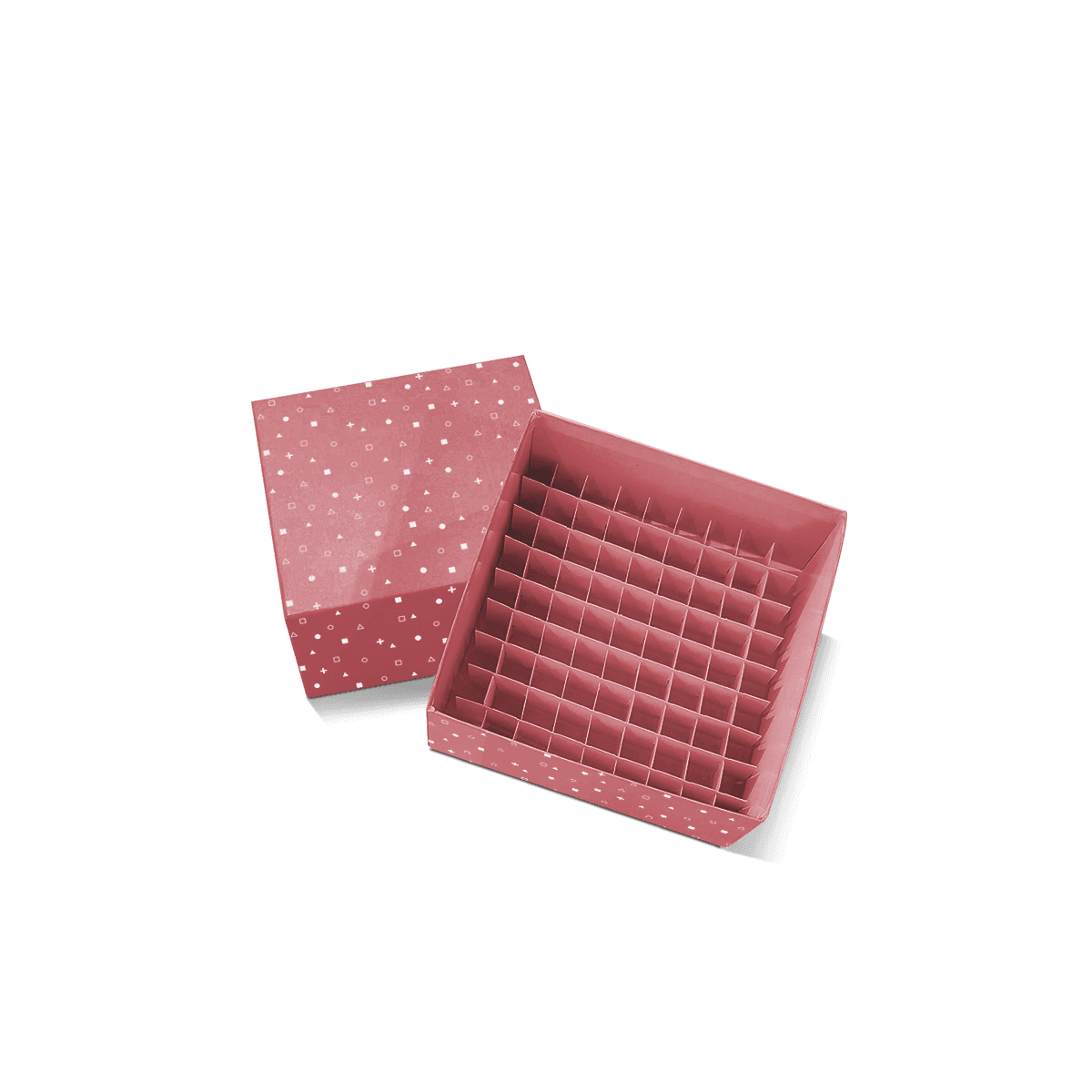
Custom Box Dividers separate products inside one box so each item has its own space. They are used when multiple products need to travel, store or display together without rubbing, rolling, clashing or looking messy.
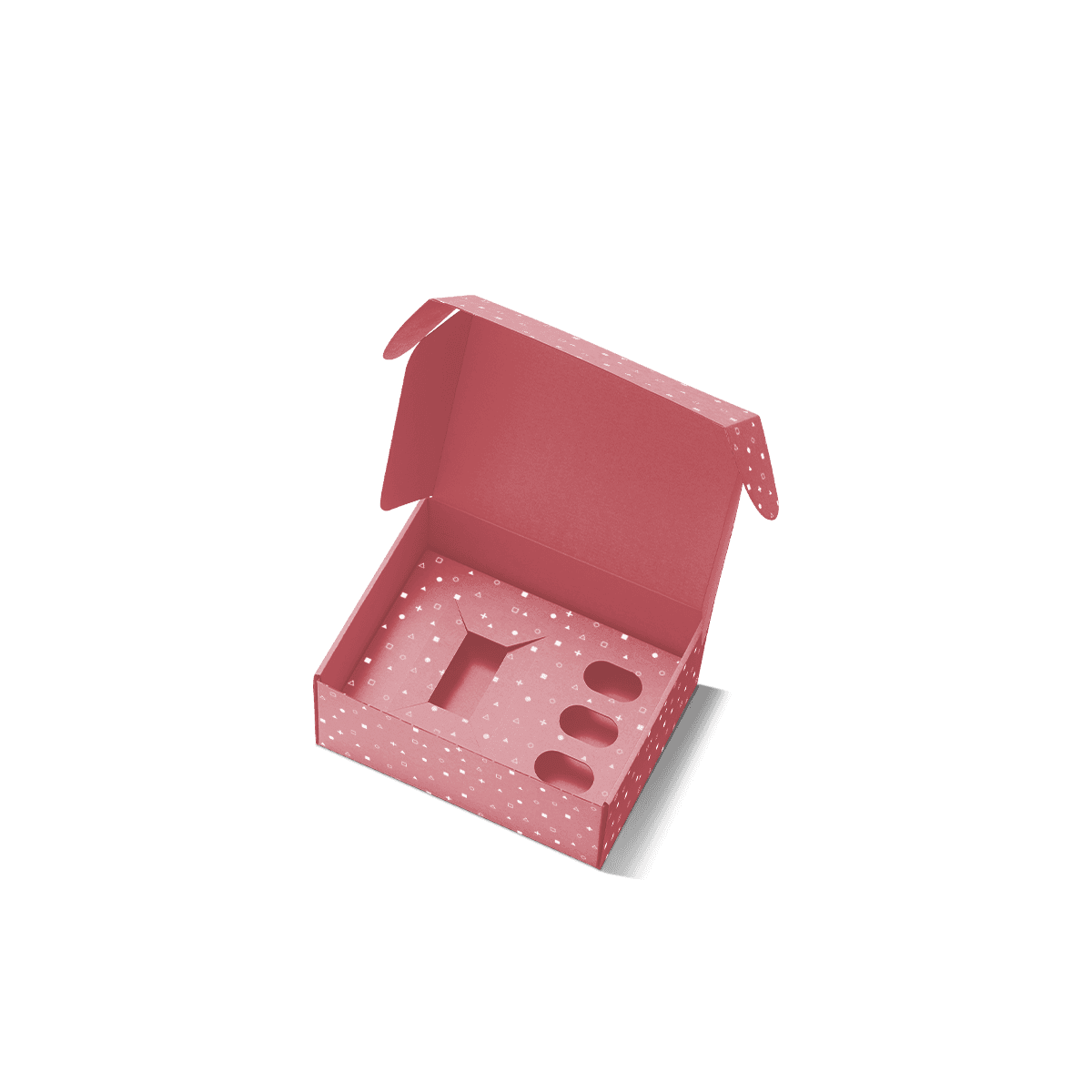
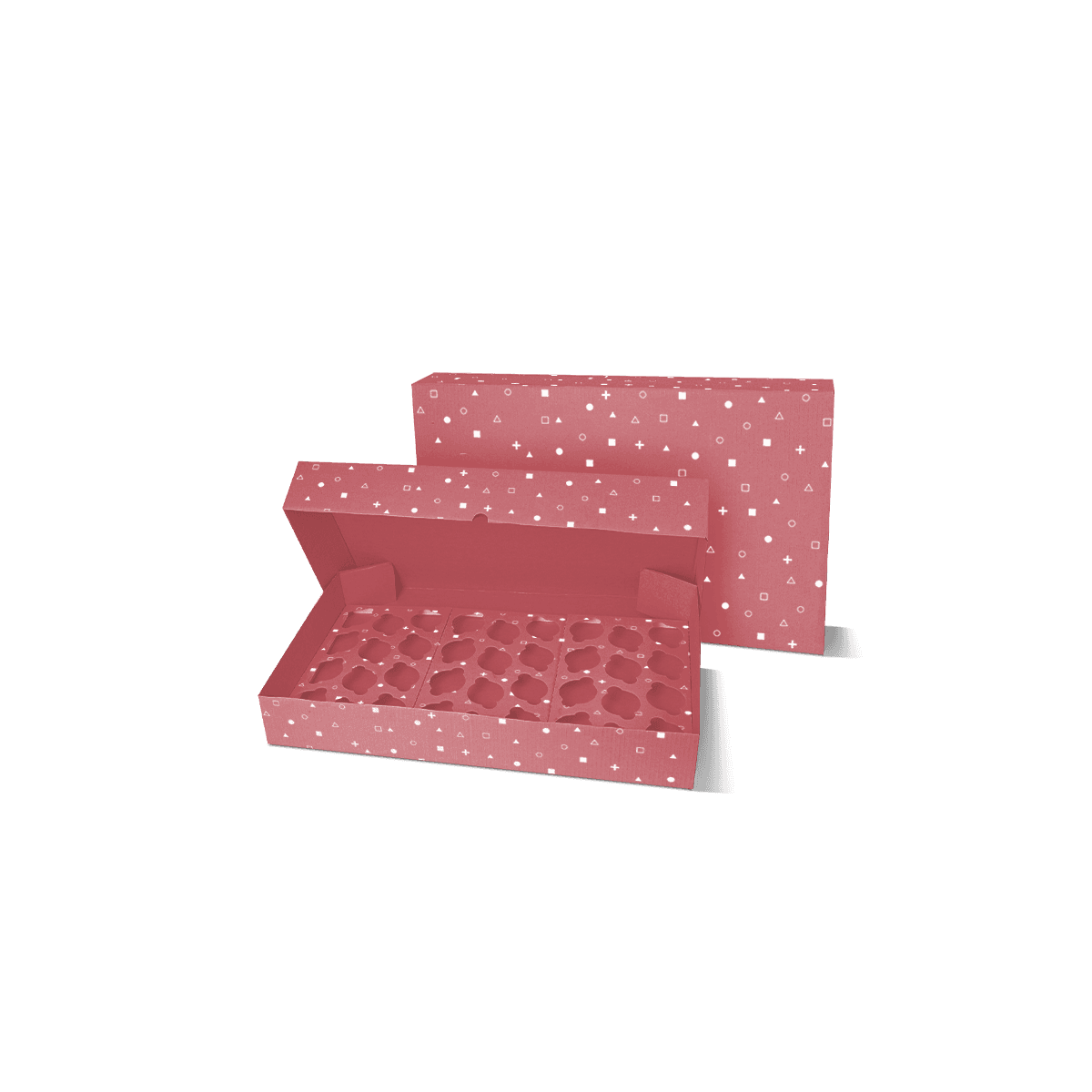
A box divider is different from a shaped insert. Instead of holding one product in a cut-out, it usually creates a set of compartments inside the box. This makes Custom Box Dividers useful for bottles, jars, candles, cosmetics, samples, gift packs, subscription boxes, retail sets and ecommerce kits.
The best divider does three jobs at once. It keeps products apart, helps the packing team load the box faster and gives the opened box a cleaner layout. When the divider is made to the outer box size and product count, the pack feels organised rather than improvised.
Custom Packly can help plan Custom Box Dividers around your product dimensions, number of compartments, packing sequence and outer box style. For the wider insert family, Custom Inserts and Dividers covers related protective and presentation formats.
When Box Dividers Work Best
Custom Box Dividers work best when the main problem is product-to-product contact. They are ideal when several items need to sit together in one carton, mailer, gift box or retail pack.
Bottles, jars and upright products
Round products can roll, tilt or knock against each other. Dividers give each bottle or jar its own lane, which helps reduce scuffing, label damage and breakage risk during handling.
Gift sets and sample packs
A gift set looks better when every item has a planned position. Custom Box Dividers can separate products by size, scent, shade, flavour, step or product type so the customer understands the set as soon as the box opens.
Bulk cartons with repeated units
Dividers also work inside larger cartons where the goal is not only presentation. They can help separate units in storage, transport or wholesale packing, especially when products need to remain upright or evenly spaced.
Divider Layout Changes the Whole Pack
Custom Box Dividers are all about layout. The number of rows, columns, cell widths and divider heights can change how safely the product travels and how quickly the box is packed.
A four-cell divider may suit jars or candles. A six-cell grid may suit bottles or product samples. A long two-lane divider may suit paired products that need to sit side by side. For mixed-size products, equal cells may not work. The divider should follow the product set, not force every item into the same space.
Equal cells for repeated products
Equal compartments work well when every item has the same size and shape. This suits product cases, bottle cartons, candle sets, jars, cans and repeated retail units.
Mixed cells for curated kits
Mixed compartments work better when a box holds different items. A skincare kit may need one tall space for a bottle, one square space for a jar and one narrow area for a tube or card.
Open-top access for faster packing
A divider should let your team load products without fighting the structure. If the cells are too tight or too tall, packing slows down. If they are too loose, the product still moves.
Choosing the Right Divider Style
Custom Box Dividers can be made as simple interlocking pieces, folded divider panels or more structured partition systems. The right style depends on how many products need separating, how much strength is needed and how the box will be assembled.
Simple dividers are often enough for light products and clean product separation. Stronger partitions may be needed when the products are heavier, fragile or stacked in larger cartons. If the design needs a more technical interlocking structure, Custom Partition Inserts may be the better match.
Interlocking divider strips
Interlocking strips create a grid. They are practical for repeated product cells and can be supplied flat for efficient storage before assembly.
Single-piece divider layouts
A single-piece divider can fold into compartments with fewer separate parts. This can suit smaller product sets, light items and layouts with uneven compartments.
Tall dividers for upright control
Tall dividers help keep bottles, jars and tall products standing more neatly. They need enough height to control movement without making product removal awkward.
Board Choice for Separation and Support
Custom Box Dividers can use paperboard, cardboard or corrugated board depending on the product weight, divider height and shipping risk. The material should suit the job rather than simply look good in the box.
Paperboard can work for light retail items, cosmetics, small samples and presentation-led packs. Corrugated board gives more stiffness for heavier products, fragile items or taller dividers that need to resist bending. Kraft board can suit natural packaging, while white or printed surfaces can feel cleaner for premium kits.
Lightweight products
For small cosmetics, tea samples, wellness items or boutique accessories, a neat cardboard divider may be enough to separate the products and improve presentation.
Heavier or fragile products
For glass jars, candle tins, bottles or dense product sets, stronger board helps the divider hold its shape through handling and transport.
Visible divider surfaces
If the divider is visible during unboxing, the board colour matters. A natural kraft finish feels warm and earthy. A white or printed finish can look more retail-ready.
Better Packing at the Fulfilment Table
Custom Box Dividers should make packing easier, not only make the inside look better. A good divider creates a repeatable packing map so staff know where each product goes.
This is especially useful for subscription boxes, product launch boxes, sample packs, retail bundles and gift sets with several components. When every item has a defined location, packing errors are easier to spot. The finished box also looks more consistent across the full run.
Fewer loose items
Loose products can end up in different positions from box to box. Divider compartments keep the layout consistent, which matters when customers share unboxing photos or when retail teams need tidy product presentation.
Less packing confusion
A clear divider layout helps staff pack faster. For mixed product kits, the divider can act like a silent packing guide because each space is made for a specific item.
Cleaner quality checks
When products have fixed positions, quality checks become simpler. A missing item, wrong item or upside-down product is easier to notice before the box is sealed.
Product Presentation Without Overbuilding
Custom Box Dividers can make a box look organised without using a heavy or complex insert. This is important when the product set needs separation but does not need a shaped cavity, raised platform or full cradle.
For many brands, the best solution is simple. A clean divider grid can make the box feel premium enough while keeping material use, storage and assembly more practical. This suits ecommerce sets, retail gift packs, beauty bundles, wellness kits and food-adjacent product collections.
Beauty and personal care brands often use box dividers to separate bottles, jars, tubes and accessories inside one set. When product order, shade grouping or routine steps matter, the divider can support a more polished experience. This also connects well with Custom Beauty Packaging when the product needs both presentation and protection.
Organise by routine or sequence
Skincare, wellness and sample kits can use divider layout to show the order of use. This can make the pack easier to understand without adding extra printed cards.
Separate scents, flavours or variants
A divider helps keep product variants apart. It works well for candle sets, confectionery-style gift packs, tea samples, fragrance testers and mixed retail bundles.
Keep the product the hero
The divider should not compete with the products. Simple shapes, clean board edges and controlled print often work better than a busy divider surface.
Print on Dividers Only Where It Helps
Custom Box Dividers can be printed, but not every divider needs full artwork. Print is most useful when the divider stays visible after the box opens or helps explain the product set.
A simple logo, product name, step number, shade label or small message can add value. Heavy artwork can make the inside feel cluttered, especially if the products already have strong labels or colourful branding.
Branding on visible top edges
If the top edge or divider panel is visible, light branding can improve the unboxing experience. Keep the design clear and avoid small text on narrow panels.
Product labels inside each compartment
For sets with multiple items, printed labels can guide customers. This works for product routines, shade collections, tasting sets or multi-step kits.
Contact areas need care
Avoid placing key print where products rub against the divider. Repeated contact during transit can scuff the artwork or transfer marks onto product labels.
Size Details That Matter
Custom Box Dividers need accurate product and box measurements. The divider must fit the internal box size, not the outside dimensions. It also needs to account for product labels, lids, wraps, pumps, caps, seals and any variation between products.
The divider height is just as important as the cell width. If the divider is too low, products may still knock together near the top. If it is too high, customers may struggle to remove items or the lid may press down awkwardly.
Use internal box measurements
Outer box size does not tell the full story. Board thickness changes the available inside space, so divider design should start with the usable internal length, width and depth.
Allow sensible clearance
A tight divider can slow down packing or damage labels. A loose divider can fail to control movement. The aim is practical clearance, not a forced fit.
Plan for the tallest product
If products vary in height, the divider should support the set without blocking visibility or making the tallest item press against the lid.
Flat Supply, Assembly and Storage
Custom Box Dividers can often be supplied flat, which helps reduce storage space before packing. This matters when a business orders thousands of dividers or needs to keep packaging ready for repeat fulfilment.
Flat dividers are easier to store than bulky pre-assembled structures, but they still need a clear assembly method. If the interlocking pieces are confusing, packing teams may lose time or assemble the grid incorrectly.
Flat dividers for repeat runs
Flat supply can suit repeat orders because the packaging is easier to store between packing days. It also helps when a brand rotates seasonal kits or product combinations.
Pre-assembly for complex packs
Some divider systems may be worth pre-assembling if the layout is complex or packing speed is more important than storage space.
Simple numbering can help
For multi-piece dividers, small assembly marks or packing instructions can reduce errors. This is useful for complex grids or mixed compartment layouts.
Small Runs and Scaling Up
Custom Box Dividers can support first product launches, small seasonal runs and larger repeat packaging programs. MOQ starts from 50, with capacity for bigger production runs, repeat orders and high-volume divider programs as your product range grows.
For a first order, the goal is usually to confirm layout, product clearance and packing flow. For repeat runs, the priority shifts to consistency. The divider should match the same outer box, product set and packing method each time.
If your product range changes often, build a little flexibility into the divider plan. One divider may support several similar products if the cell size is planned carefully. A very tight divider may look neat for one product but fail when a new size is introduced.
What to Send for a Clear Quote
A good quote request should show the compartment plan, not only the box size. Custom Box Dividers depend on product count, product shape and how each item should sit inside the box.
Send these details when possible:
- Outer box style and internal dimensions
- Number of products per box
- Product length, width, height and weight
- Whether all cells are equal or mixed sizes
- Product photos or a simple sketch of the layout
- Preferred divider height
- Board preference such as kraft, white, cardboard or corrugated
- Whether the divider needs print
- Quantity for the first run and likely repeat runs
- Any packing, storage or fulfilment requirements
For products that need smaller repeated cells, Custom Cell Dividers may be more suitable than a general divider layout. For a tailored recommendation, send your product details through Get a Quote and include photos, measurements and the number of compartments you need.
FAQs
Related Packaging Styles
Related Industries
How it works
Simple steps from idea to delivery
Tell Us Your Specs

Tell Us Your Specs
Provide size, quantity, printing, and finishes.
Get a Fast Quote

Get a Fast Quote
Instant transparent pricing, no hidden fees.
Design and Approval

Design and Approval
Artwork checks, revisions, and final sign-off.
Produce

Produce
Expert manufacturing to meet deadlines.
Ship to Your Door

Ship to Your Door
Hassle-free, flexible delivery options.
Start Your Custom Packaging Quote
Share your product details, dimensions, quantity and artwork needs. We’ll help choose the right packaging style and send a clear quote.