Custom Cell Dividers
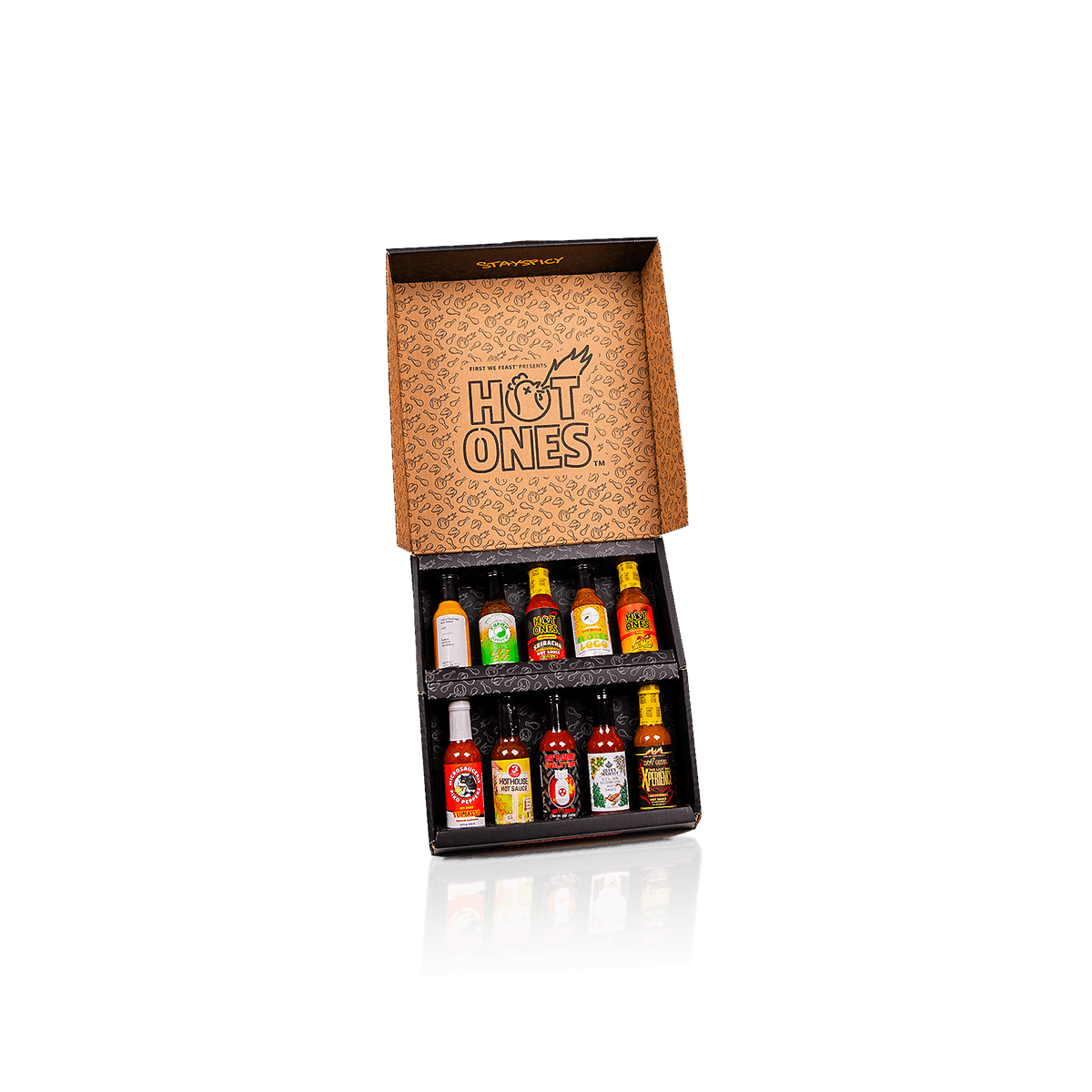
Cell dividers made for repeated product compartments, tidy SKU separation, safer carton packing and cleaner presentation across bottles, jars, samples and small products.
Free Design Support
Clear Pricing
Flexible Quantities
Unlimited Customization
Premium Materials
Offset Precision
Free Shipping
Quick Turnaround
Repeated Cells for Products That Need Their Own Space
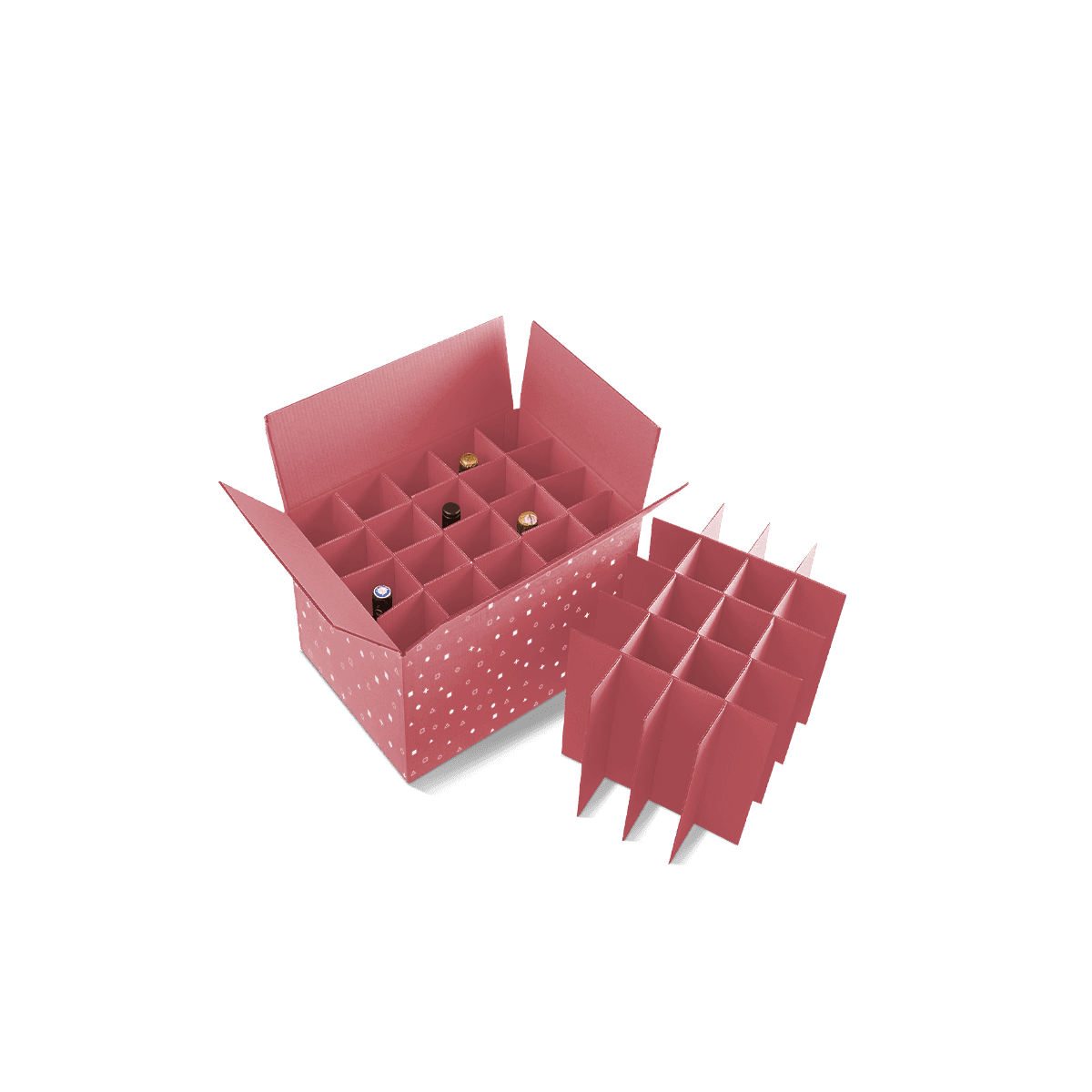
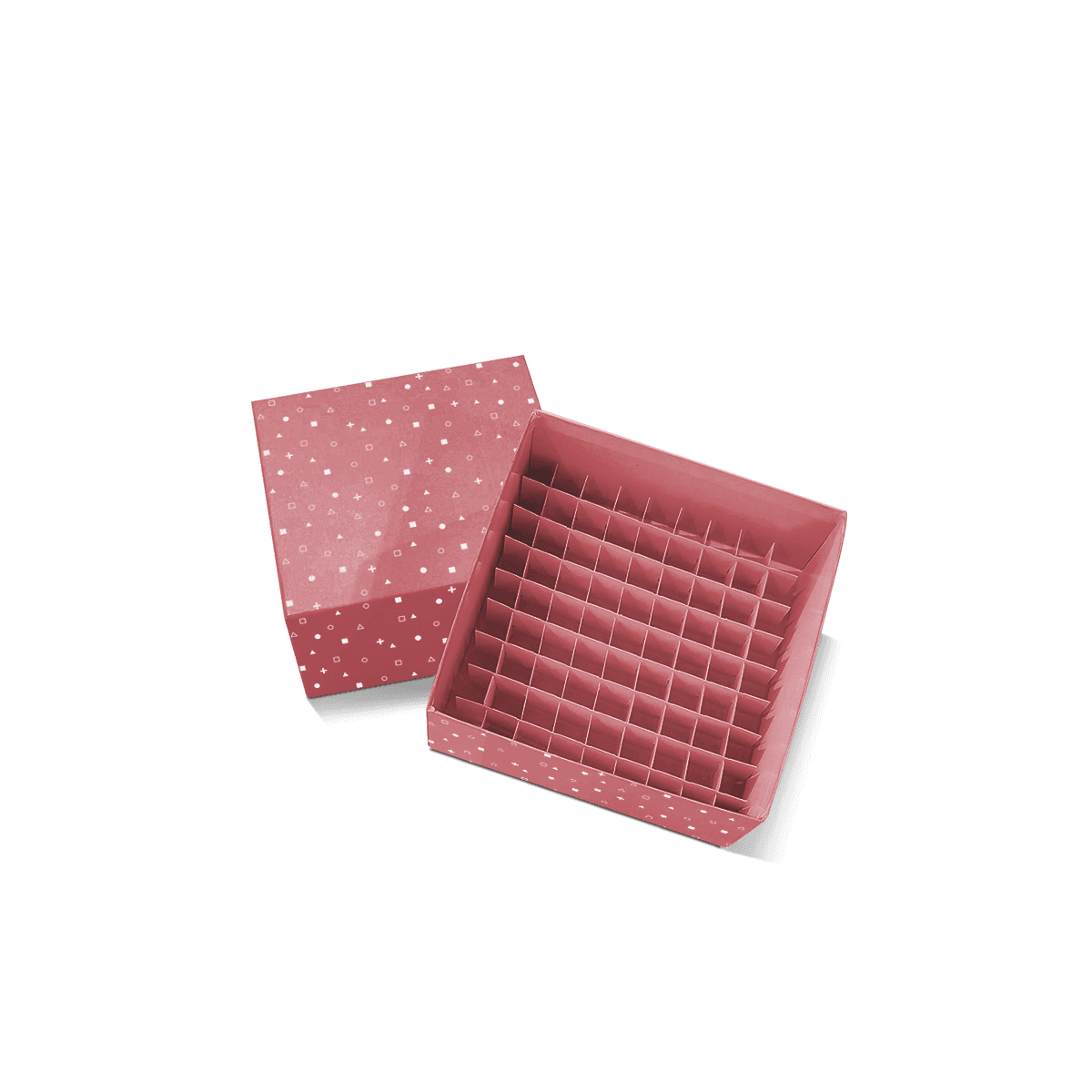
Custom Cell Dividers create repeated compartments inside a box so each item sits in its own cell. They are useful when a box holds several similar products that must stay separated, upright and easy to count.
A cell divider is more specific than a general divider. It usually creates a grid of equal or near-equal spaces, which makes it practical for bottles, jars, vials, candles, glass products, small retail items, samples and wholesale cartons. The structure helps stop products from clashing while keeping the box layout simple.
Good cell dividers also improve packing control. Your team can load one item into each cell, see missing products quickly and keep the carton layout consistent across the full run. That matters for ecommerce fulfilment, gift sets, retail packs and storage cartons where product count must stay accurate.
Custom Packly can help plan Custom Cell Dividers around product count, cell size, board type, box depth and packing method. The wider Custom Inserts and Dividers range covers shaped inserts, partitions, cradles and other internal protection styles.
Where Cell Dividers Beat General Dividers
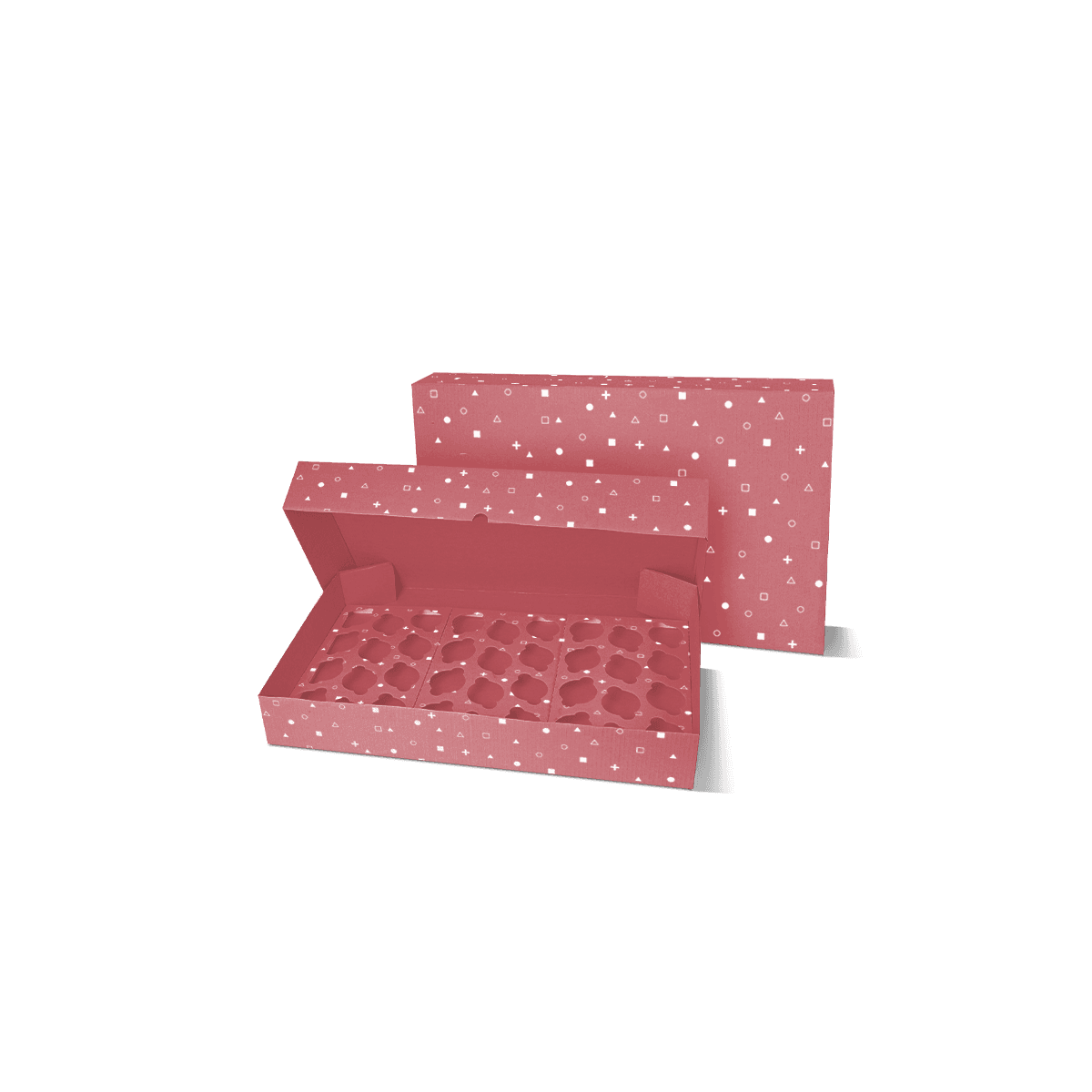
Custom Cell Dividers work best when the products are repeated, similar in size and packed in a set pattern. They are less about flexible product layout and more about predictable separation.
A general divider may create a few different compartments for mixed items. A cell divider usually creates a structured grid where each product gets a defined space. That makes it a better choice for six jars, twelve bottles, small boxed products, sample tubes or any item that needs repeatable spacing.
Consistent product count
Cell dividers make counting easier. If a carton needs 6, 12, 24 or another fixed quantity, empty cells are easy to spot before sealing.
Equal spacing between items
Repeated cells keep products from leaning into each other. This helps reduce rubbing, chipped labels, scratched lids and damage from product-to-product contact.
Simple pack maps
A clear cell grid gives packing teams an obvious workflow. They can load across rows, by flavour, by SKU or by product batch without guessing where each item belongs.
Common Uses for Custom Cell Dividers
Custom Cell Dividers suit products that need separation more than display shaping. They are common in cartons for bottles, jars, candles, small glass items, sample packs, cosmetics, wellness products and accessories.
The key question is not only “Will the products fit?” It is “Will each product stay in its own space through packing, handling and delivery?” If the answer matters, a cell divider can be the simplest internal structure.
Bottles, vials and jars
Round items can roll or knock together inside a box. Cell dividers give each item a wall around it so the product stays more controlled.
Candles and glass products
Glass jars, candle vessels and small containers need spacing to reduce impact between units. The divider helps stop hard surfaces from touching.
Samples and small retail items
Sample cartons can look messy when products move around. Custom Cell Dividers keep repeated items in rows so the customer or retail team receives a neater pack.
Cell Size Is the First Design Decision
The cell size controls how the product sits, how fast it can be packed and how much movement remains inside the box. If the cell is too tight, products may scrape during loading. If it is too loose, the divider will not control movement well.
Custom Cell Dividers should be sized from the product’s widest real dimension, not only the product label size or catalogue size. Include lids, caps, pumps, wraps, seals, labels and any outer protection used before packing.
Allow enough clearance to pack quickly
A small amount of clearance helps staff place each item without force. Tight cells may look precise on a drawing but slow down packing in real production.
Control movement without gripping too hard
The divider should reduce movement, not trap the product. Customers should be able to remove items without tearing the cell wall or damaging labels.
Use the tallest item as the height guide
Cell wall height should support the product where movement happens. Low dividers may not stop tall products from leaning, while overly tall dividers can make the box harder to load.
Grid Layouts for Different Product Counts
Custom Cell Dividers can be designed around the number of items in each carton. A 2x3 grid may suit six candles. A 3x4 grid may suit twelve jars. Larger cartons may need more cells, stronger board or extra support to keep the grid stable.
The best layout balances product count, box footprint, product weight and packing access. A layout that saves a little box space can create problems if staff struggle to load products or if the cell walls flex too much.
Six-cell and twelve-cell packs
Small grids suit retail cartons, gift packs and sample cartons. They are easy to count and often simple to assemble.
Higher cell counts
Larger grids can work for wholesale cartons or repeated product shipments. They need stronger planning because long divider strips can bow if the board is too light.
SKU or flavour grouping
A grid can separate product variants by row, column or section. This is useful for mixed cartons where each row has a different scent, flavour, shade or item type.
Board Strength for Small Compartments
Custom Cell Dividers can be made from paperboard, cardboard or corrugated board depending on the product weight and carton use. Small cells do not always need thick board, but the divider must hold its shape during packing and transport.
Paperboard can suit light samples, small retail units and presentation-led cartons. Corrugated board helps with glass jars, bottles, candle vessels and heavier repeated products. Kraft board gives a natural look, while white board can create a cleaner interior for retail or gifting.
Light cells for samples
For very small samples, heavy board can waste space. A lighter material may separate products cleanly without overbuilding the carton.
Stronger cells for glass
Glass, jars and heavier items need more stiffness. Corrugated or stronger cardboard can help the grid resist pressure during handling.
Board edge quality
Small cells have many visible edges. Clean cutting and tidy slots matter because rough edges can catch labels, sleeves or product wraps.
Slots, Strips and Assembly Fit
Custom Cell Dividers often use interlocking strips that slot together into a grid. The slot depth, slot width and strip height all affect how firmly the divider stands inside the box.
If the slots are too loose, the grid can wobble or lift during packing. If they are too tight, assembly becomes slow or the strips may bend. The best design should hold together neatly while still being easy enough for packing staff to set up.
Slot tolerance
Slot width should match the board thickness. This detail is small, but it has a big effect on assembly feel and grid stability.
Strip direction
The direction of the long and short strips can affect strength. For larger cells or heavier products, the strip layout should support the carton’s weakest direction.
Flat storage
Many cell dividers can ship and store flat before assembly. This helps with storage space, especially for repeat runs or seasonal packing.
Cleaner Cartons for Jewellery and Accessories
Custom Cell Dividers can help small premium items arrive in a more organised way, especially when a box holds repeated pieces, small cases, pouches or accessory sets. Jewellery and accessory packaging often needs a tidy layout because small products can look untidy fast when they move.
For product sets, a cell divider can separate each unit while keeping the box compact. This works for small gift packs, sample sets, charm boxes, accessory refills, sunglass accessories, watch add-ons and boxed jewellery components. It also supports stock control when each cell represents one item in a set.
Brands working on product kits can align the cell layout with Custom Jewellery and Accessories Packaging when organisation, presentation and safe product spacing all matter.
Small items need visible order
Tiny products can disappear into loose filler. A cell divider gives each piece a clear place so the pack feels more deliberate.
Repeated units stay easy to count
For accessories sold in sets, the grid helps staff confirm the right quantity before the box is closed.
Soft packaging still needs structure
Pouches, sleeves and small wraps can still move inside a carton. Cell dividers add structure around the packed item without needing a full shaped insert.
Difference Between Cell Dividers and Bottle Dividers
Custom Cell Dividers are often used for bottles, but they are broader than bottle-specific dividers. A bottle divider is usually designed around upright bottle protection, neck height, base spacing and carton strength. A cell divider can be used for many repeated products, including jars, samples, candles and accessories.
If the main product is a bottle range, Custom Bottle Dividers may be the better fit because bottle height, shape and movement risk need closer attention. If the products are mixed but similar in footprint, Custom Cell Dividers may give enough structure with a simpler grid.
Use bottle dividers for tall bottles
Tall bottles often need higher walls and more upright control. That needs a more bottle-led structure.
Use cell dividers for repeat cells
Cell dividers work well when each product sits in a similar footprint and the main goal is equal spacing.
Use cradles when the product needs shaped support
If the product needs to sit in a formed position rather than a simple grid, Custom Cardboard Cradle Inserts may offer better support.
Print Only When the Grid Stays Visible
Custom Cell Dividers can be printed, but many grids work best with simple board. Once products fill the cells, most divider surfaces may not be visible. Printing only makes sense when top edges, header panels or visible surfaces add real value.
A printed cell divider can help with product order, flavour groups, shade names or internal branding. However, tight cell walls face rubbing, so artwork should avoid areas where products touch the board during transit.
Top-edge branding
A simple logo or colour on the visible edge can make the inside feel more polished without overloading the pack.
Cell labels
Printed cell labels can guide mixed-product sets. Use short wording so the layout stays clean.
Avoid contact scuffing
Do not place important print where a glass jar, bottle or coated product may rub against the divider wall.
Sampling and Fit Approval
Custom Cell Dividers should be checked carefully when products are fragile, heavy, tall or packed in a tight grid. For basic equal-cell layouts, a 3D mockup may be enough to approve the structure. For glass items, mixed SKUs or high cell counts, a physical sample can help confirm loading speed and movement control.
The sample should be tested inside the real outer box. A divider can look fine on its own but behave differently once it sits inside the carton with product weight pressing against it.
Test with the actual product
Use the real product, including labels, caps, wraps and seals. Small changes can affect how each cell fits.
Check removal
The product should come out cleanly. If customers need to pull too hard, the cell may be too tight or too deep.
Shake and handling checks
For delivery use, test how much movement remains after the grid is loaded. If products still knock together at the top, the divider height may need adjustment.
First Runs, Reorders and Changing SKUs
Custom Cell Dividers can start from smaller runs for product launches, then scale into larger repeat programs. MOQ starts from 50, with support for larger quantities, thousands of units and repeat production as your product range grows.
Cell dividers are sensitive to product changes. A new jar diameter, taller lid, different label wrap or added seal can change the cell fit. For repeat orders, keep the approved product dimensions and divider reference together so the next run matches the original pack.
If you plan to rotate products in the same carton, build the grid around the largest likely item. This may give smaller products a little more space, but it can reduce the need for a new divider every time the range changes.
Details That Make Quoting Easier
A clear quote request for Custom Cell Dividers should focus on the grid. The team needs to know how many cells you need, what each product weighs and how the divider will sit inside the outer box.
Useful details include:
- Internal box length, width and depth
- Number of cells required
- Product length, width, height and weight
- Whether each cell holds the same product or mixed SKUs
- Preferred board type, colour or finish
- Divider height or product support height
- Whether the divider ships flat or pre-assembled
- Any print needed on visible edges or panels
- Quantity for first run and expected repeat runs
- Photos, product samples or a simple grid sketch
Send your measurements, product photos and cell count through Get a Quote so the divider can be planned around packing speed, product movement and carton fit.
Related Packaging Styles
How it works
Simple steps from idea to delivery
Tell Us Your Specs

Tell Us Your Specs
Provide size, quantity, printing, and finishes.
Get a Fast Quote

Get a Fast Quote
Instant transparent pricing, no hidden fees.
Design and Approval

Design and Approval
Artwork checks, revisions, and final sign-off.
Produce

Produce
Expert manufacturing to meet deadlines.
Ship to Your Door

Ship to Your Door
Hassle-free, flexible delivery options.
Start Your Custom Packaging Quote
Share your product details, dimensions, quantity and artwork needs. We’ll help choose the right packaging style and send a clear quote.