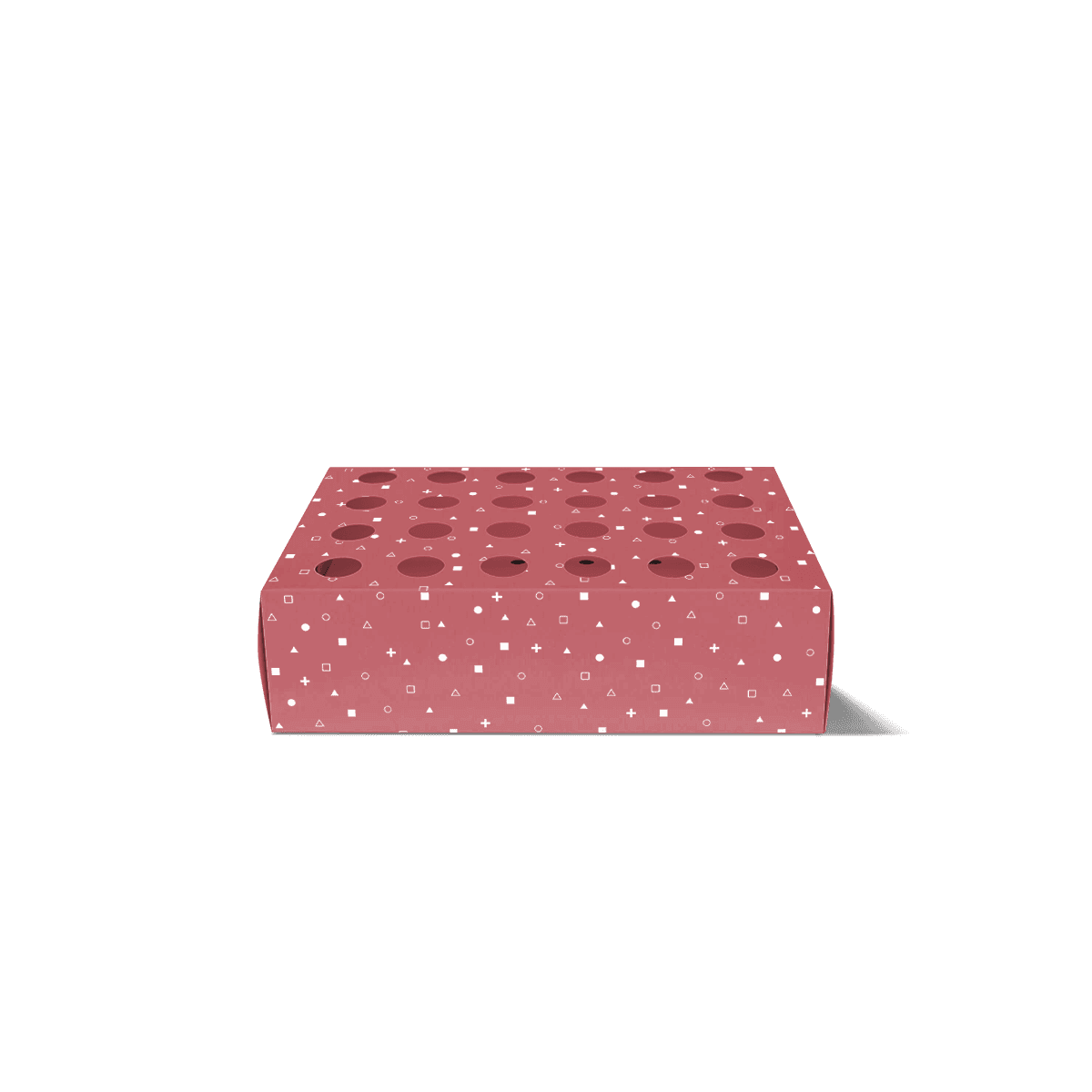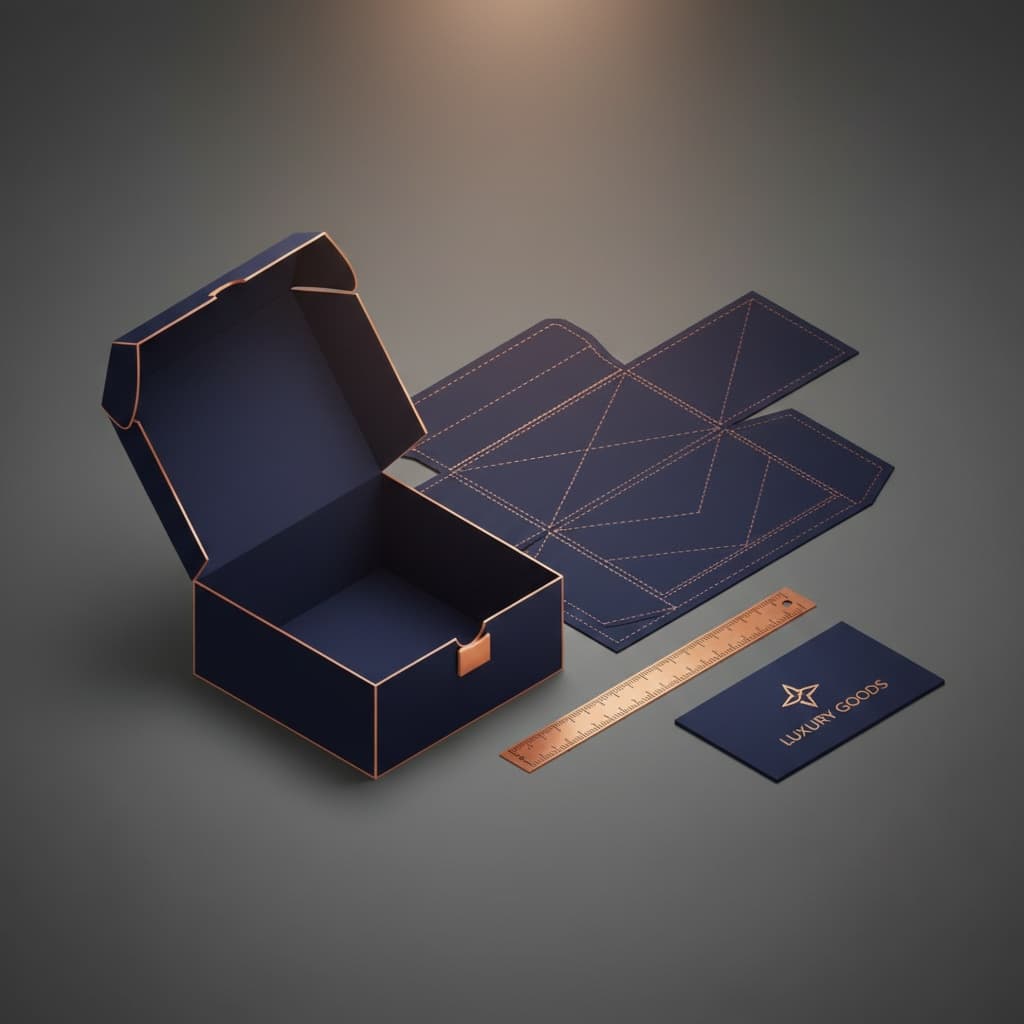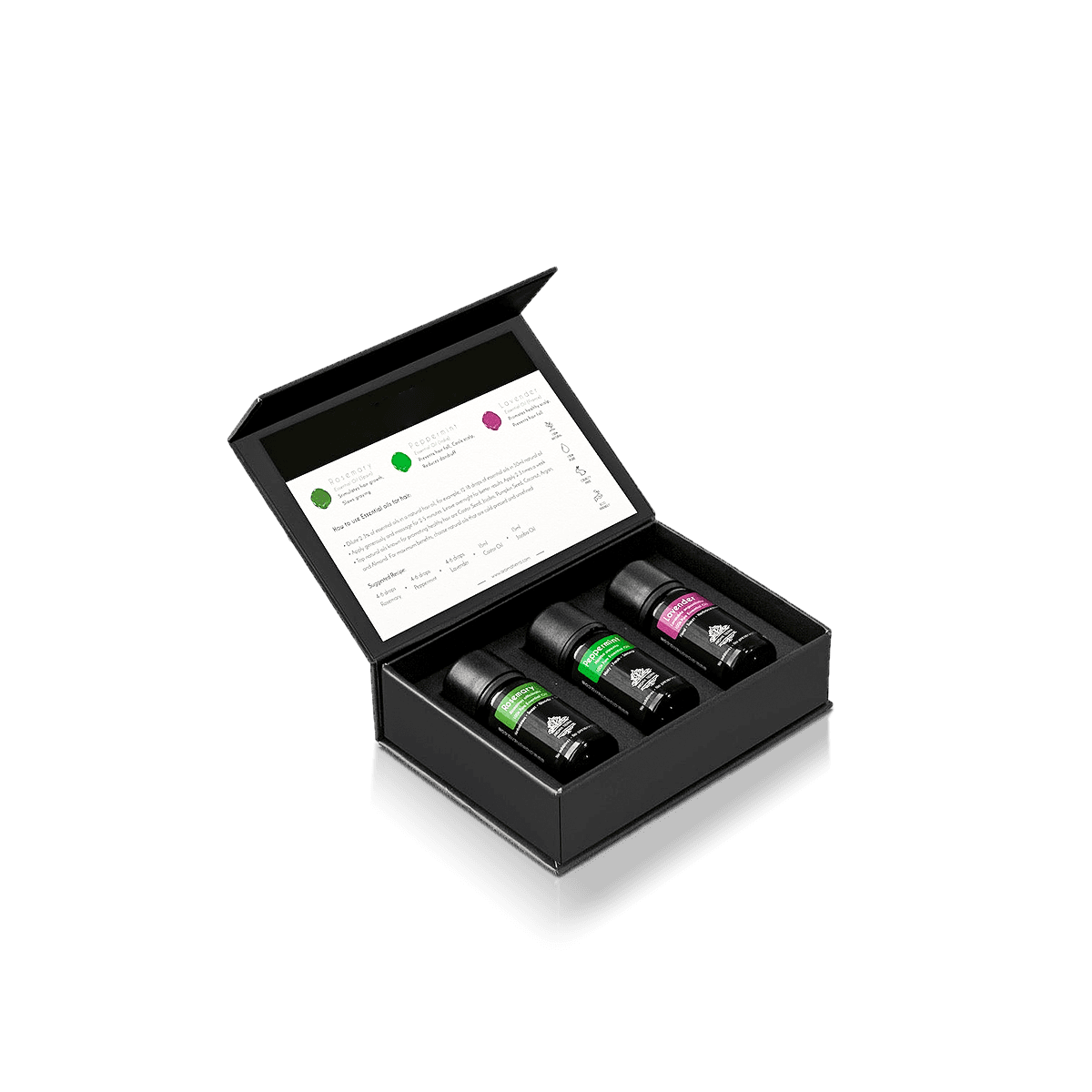
Custom Essential Oil Boxes
Secure small glass bottles, protect droppers and reducer caps and keep every oil name clear across individual cartons, discovery sets and retail collections.
Free Design Support
Clear Pricing
Flexible Quantities
Unlimited Customization
Premium Materials
Offset Precision
Free Shipping
Quick Turnaround
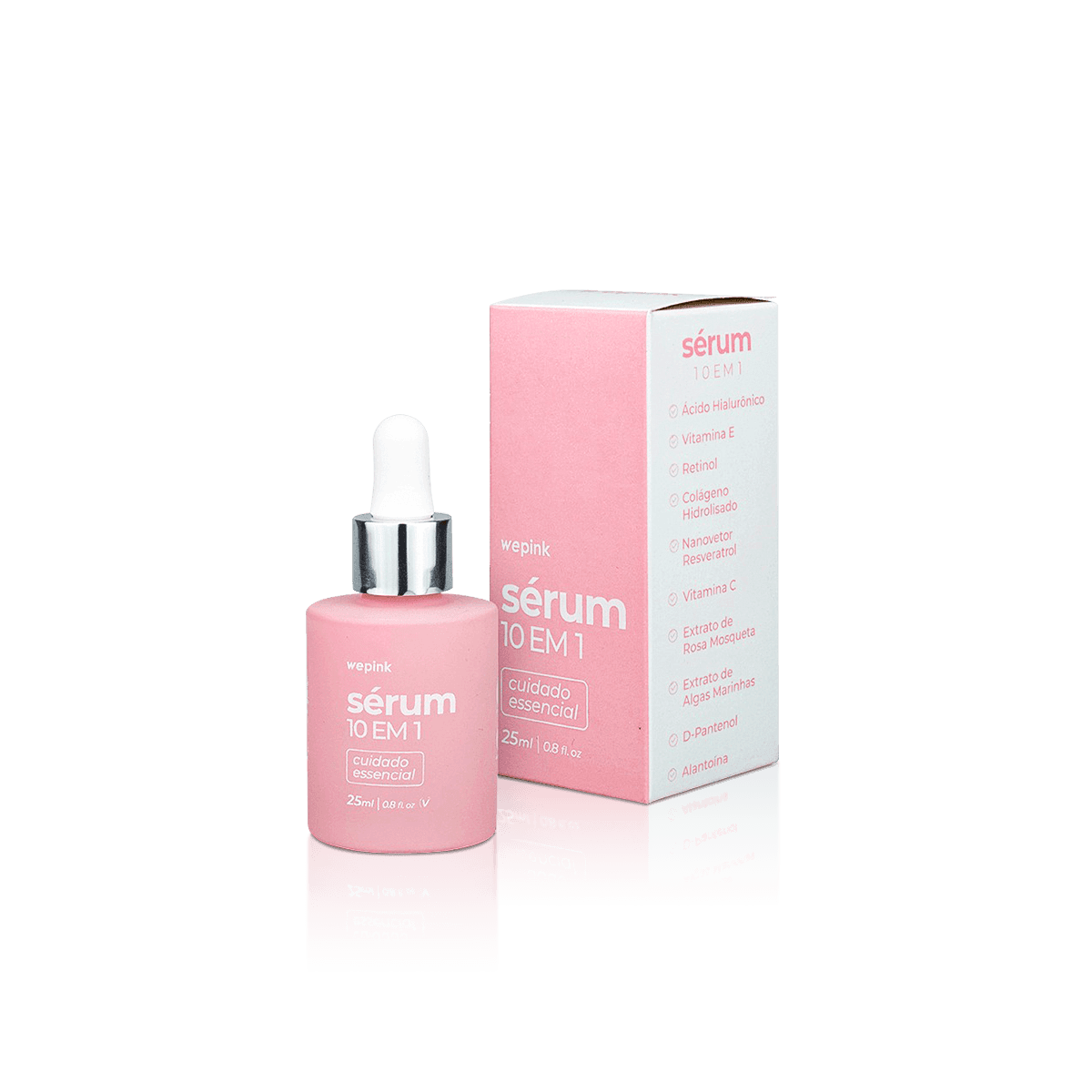
Essential oil packaging shaped around small glass bottles
Custom Essential Oil Boxes need to control a small, dense bottle without pressing on its closure. The bottle capacity alone does not give enough information to size the carton.
A 10 ml dropper bottle may have a long pipette cap. Another bottle with the same capacity may use a short reducer cap, rollerball or spray top. The outer height, shoulder and closure can differ even when both bottles hold the same amount.
The carton must also leave room for labels, tamper bands and raised bottle details. An overly tight fit can scrape the label or place pressure on the cap. Too much space lets the bottle lean or strike the panels.
The wider Custom Candle and Home Fragrance Packaging collection covers candles, sprays, diffusers and oils. This content focuses on Custom Essential Oil Boxes for single bottles, blends, roller oils, sample vials and multi-bottle sets.
Droppers need full cap and pipette measurements
Measure the bottle with the final dropper fitted and tightened. Include the widest part of the cap and the complete external height.
The glass pipette sits inside the bottle, but the closure still affects how the product enters and leaves the box. The carton should not force staff to grip the dropper top during filling.
Reducer caps need easy bottle removal
Small essential oil bottles often use a screw cap with an inner reducer. The box should support the bottle body rather than squeeze the cap.
A thumb notch or slightly wider opening can make a close-fitting carton easier to use. Customers should not need to pull hard on the cap to remove the bottle.
Roller bottles have a different outline
Roller bottles may be taller and slimmer than standard dropper bottles. Decorative caps can also extend beyond the bottle shoulder.
Custom Essential Oil Boxes should match the final roller bottle rather than reuse a dieline made for a dropper bottle of the same volume.
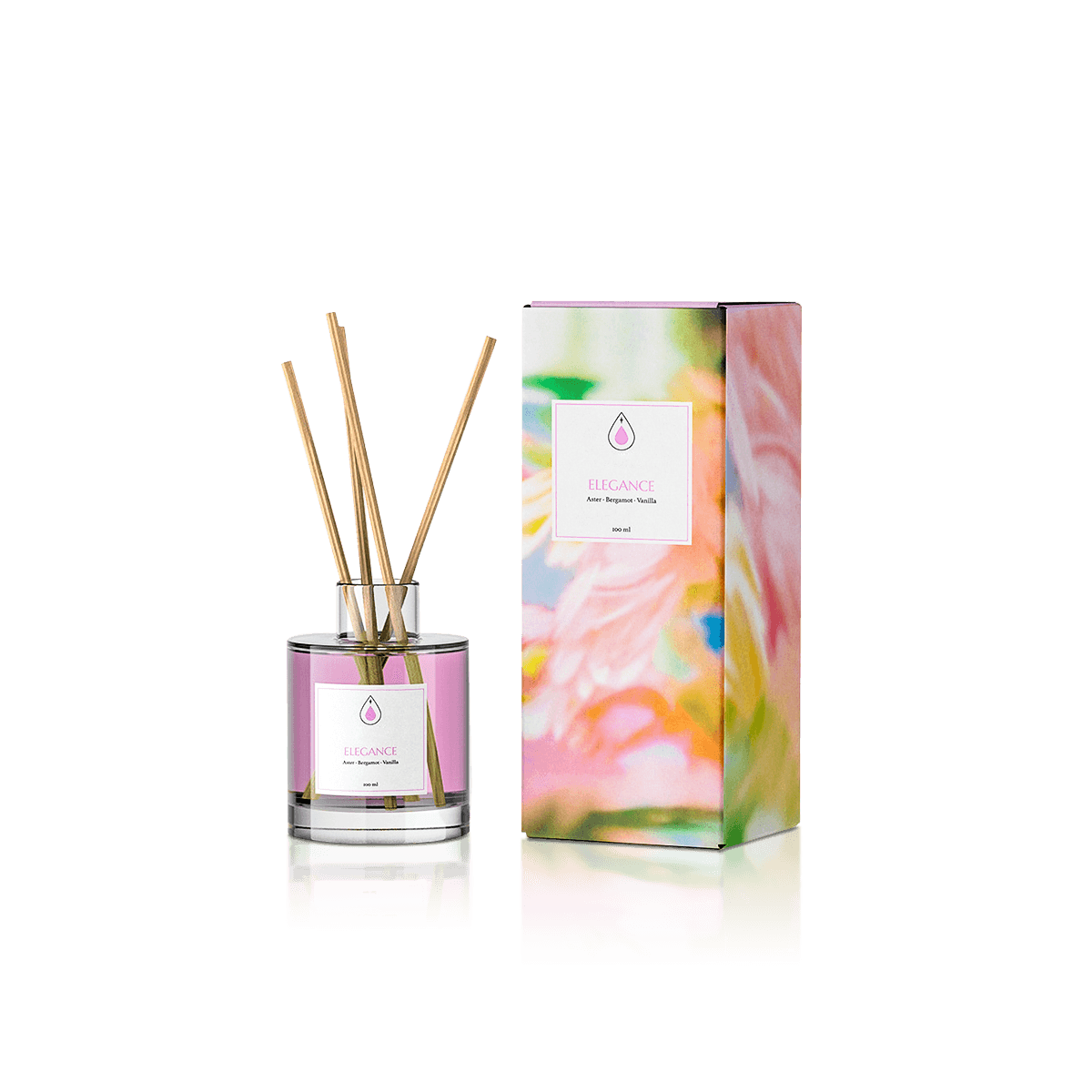
Hold each bottle upright without loading the closure
Small glass bottles can move inside surprisingly little empty space. A well-planned insert supports the body and base while keeping pressure away from the cap.
Use a base cradle for single bottles
A folded paperboard cradle can centre one bottle and lift it slightly above the bottom panel. It can also stop the base from sliding when the carton lies on its side.
The opening should suit the true bottle diameter. A loose circular cut-out gives little control. Folded tabs can hold the lower body more securely.
Support the shoulder below the cap
A second support point can steady a tall bottle. Place it below the cap, collar or tamper band.
The insert should not press against a glass dropper top or create resistance when the bottle is removed. Finger space can help customers lift the product without pulling on the closure.
Custom Inserts and Dividers can use paperboard, corrugated board or shaped partitions according to the bottle weight and presentation needs.
Keep glass bottles apart inside sets
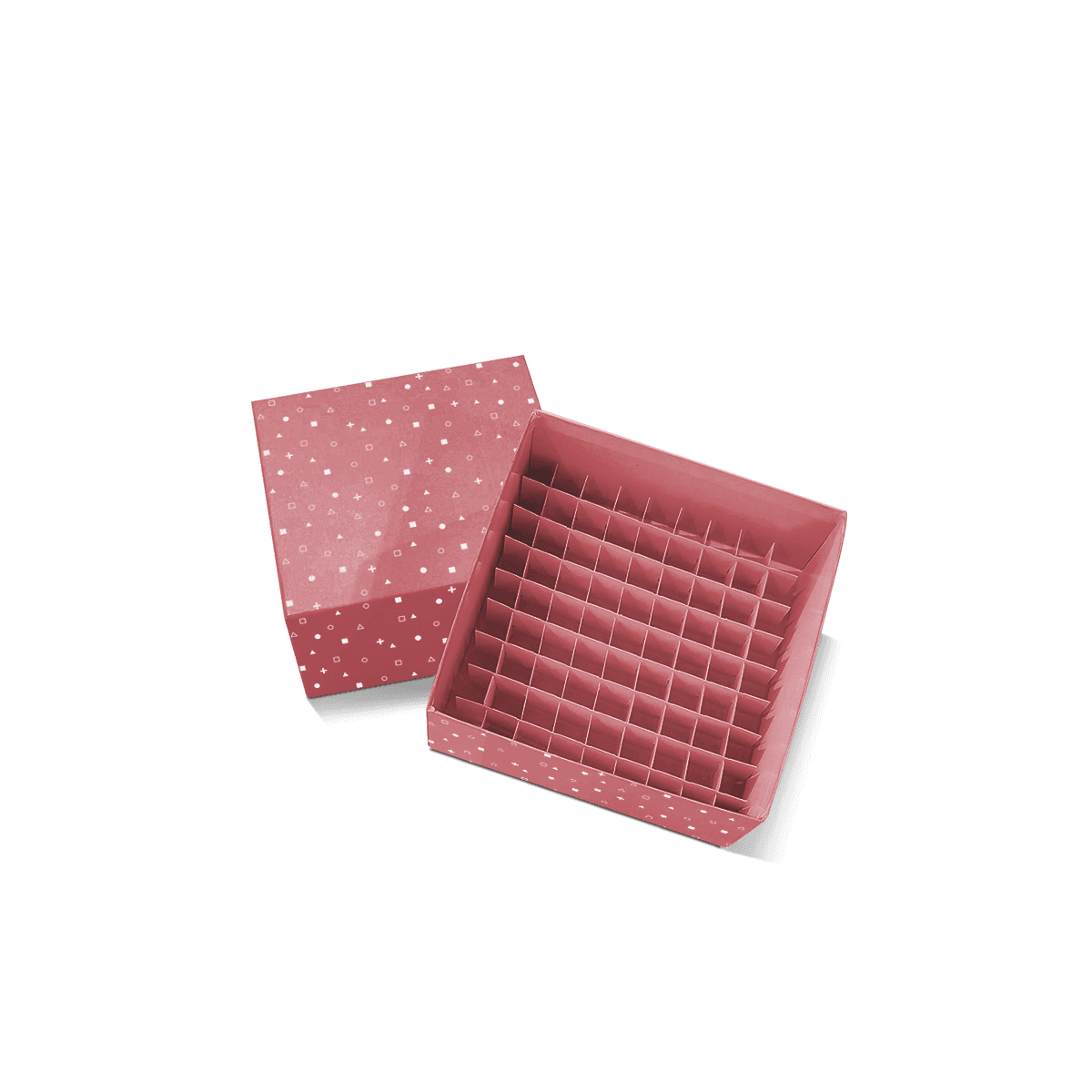
A two, three or six-oil set needs individual cells. Bottles should not strike each other when the box moves.
Dividers also keep labels facing the same direction. This gives a tidier opening and helps customers identify each oil before removing it.
Choose between individual cartons and oil sets
Custom Essential Oil Boxes can present one bottle, a small blend collection or a larger aromatherapy gift set. Each use needs a different opening and insert layout.
Folding cartons for individual oils
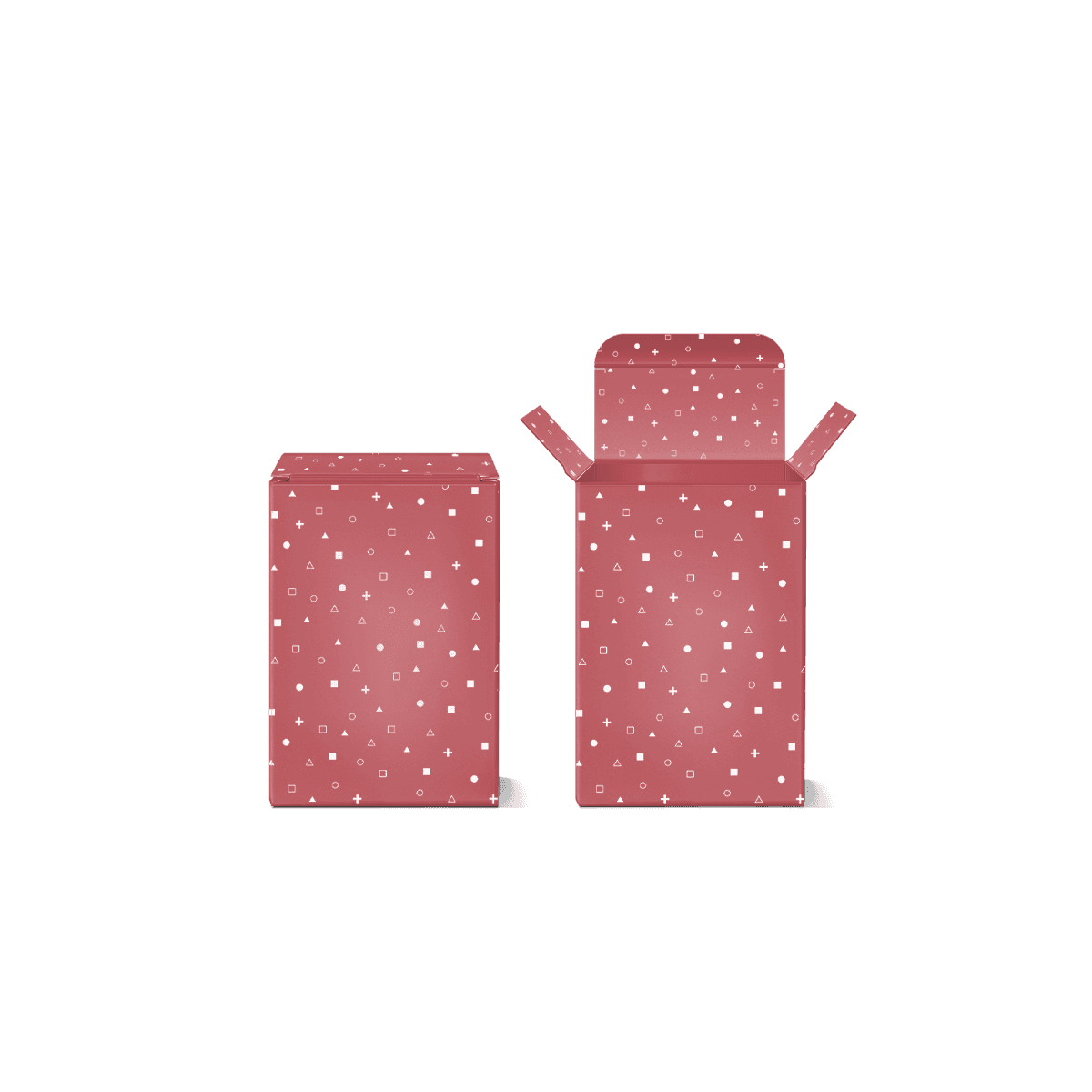
Individual bottles usually suit compact Custom Folding Cartons and Tuck Boxes. These cartons store flat and give each oil its own printed panels.
Straight tuck and reverse tuck boxes suit many light bottles. Heavier glass or larger dropper bottles may need a stronger base. The best closure depends on the filled weight and how quickly the cartons need to be assembled.
Partitioned boxes for starter collections
A starter collection may include several oils in one outer box. A partitioned tray keeps each bottle upright and gives the set a clear order.
The box should state every included oil on the outside. Customers should not need to remove the bottles to confirm the contents.
Rigid boxes for premium gift sets
Rigid construction can suit higher-value collections, corporate gifts and limited releases. A lift-off lid, drawer or hinged opening can reveal several bottles at once.
The presentation should not make bottle removal difficult. Leave finger access between cells and avoid deep openings that hide short bottles.
Use the box as an opaque secondary layer
Custom Essential Oil Boxes can limit direct light reaching a bottle while it remains boxed. They also protect the printed bottle label from scuffs and dust.
The carton is still secondary packaging. The bottle and closure must contain the oil. Paperboard should not be expected to manage leakage.
Keep leaked oil away from bare expectations
A carton is not an oil-proof container. If a bottle leaks, the oil can mark paperboard, printed areas and nearby products.
Confirm the bottle, reducer, dropper and cap with the actual formula before production. If the product uses a neck seal, shrink band or protective inner bag, include it in the box dimensions.
Avoid unsupported protection claims
Do not rely on the outer carton to make claims about preserving the oil unless those claims have been checked for the complete product.
Custom Essential Oil Boxes can provide an opaque outer layer and physical protection. Product stability, closure performance and storage instructions remain separate product matters.
Keep the bottle away from cut edges
A fitted insert can hold the bottle away from raw die-cut edges. This helps protect labels and decorative bottle coatings.
It also makes the product feel more deliberate than a bottle placed loose inside an oversized carton.
Make small panels easy to read
Essential oil cartons have limited print space. The front panel should identify the oil before decorative artwork competes for attention.
Place the oil name before the illustration
Keep the brand, oil name and product type in a clear order. A botanical image can support the design, but it should not make the name difficult to find.
Long plant names may need more room than short blend names. Test the longest name before fixing the type size for the whole collection.
Reserve one panel for variable details
Brands with many oils often change the oil name, botanical name, colour code and small description while keeping the core design fixed.
Use one controlled area for those changes. This reduces the chance that text shifts into a crease or safe margin on later artwork files.
Plan labels and batch details before print
Some information may be printed directly on the carton. Other details may be applied later through labels or coding.
Leave a clean, flat space for any variable label. Avoid folds, glued seams and textured finishes in that area.
Keep dozens of oils visually organised
Custom Essential Oil Boxes should help customers tell single oils, blends and intended uses apart without making every carton look unrelated.
Create a clear colour system
Colour can separate citrus, floral, herbal, woody or blended oils. The written oil name should still remain the main identifier.
Similar colours can be hard to distinguish under retail lighting. Use enough contrast between the text and background.
Keep one master panel structure
The logo, volume, general information and reading order can stay fixed. Oil names, botanical details and colour fields can change in planned areas.
A master structure makes future artwork easier to check. It also gives shelves and gift sets a more consistent look.
Give blends their own hierarchy
A blend name may be more important to customers than its individual ingredients. The front panel can lead with the blend name while another panel lists the included oils where appropriate.
Do not use the same wording hierarchy for single oils and blends when it makes the product type unclear.
Match the board to bottle weight and display use
Most Custom Essential Oil Boxes use paperboard because the bottles are compact. Board grade still matters when the glass is thick or the carton holds several bottles.
White paperboard for detailed print
White paperboard suits small text, fine botanical artwork and accurate colour reproduction. It works well for oil collections that use pale backgrounds or detailed illustrations.
The board should remain stiff enough to hold its shape around the bottle.
Kraft board for simple branding
Kraft board can support a natural, understated look. Dark inks often show clearly, while pale colours may appear more muted.
A kraft appearance should not replace structural checks. The box still needs correct fit and enough base strength for the filled bottle.
Use finishes without losing small text
Matte and soft-touch finishes can give Custom Essential Oil Boxes a calm surface. Foil, embossing and spot UV can highlight a logo or oil name.
Keep fine text away from heavy embossing and reflective areas. The available customisation options can be matched to the board, artwork and finishing position.
Measure every closure before approving the dieline
Bottle volume is not a reliable box dimension. Measure each finished bottle from the base to the highest part of its closure.
Record width, depth and total height
Round bottles need an accurate diameter. Square bottles need width, depth and corner measurements.
Include the dropper bulb, cap, roller closure, reducer cap or spray top. A decorative overcap can add both height and width.
Check tamper bands and label overlap
A shrink band around the neck may make the closure wider. Labels can also overlap or sit slightly proud of the glass.
Measure the bottle in its final sale condition. Do not size Custom Essential Oil Boxes from an undecorated sample when the finished product will be different.
Test the dieline at full size
Print the dieline at 100% and fold a plain mock-up before final artwork approval. This can reveal a tight cap area or a panel that is too narrow for the longest oil name.
The Dieline Tool can support standard carton dimensions once the bottle is final. Multi-bottle trays and unusual closures may need a tailored dieline.
Protect retail cartons during online delivery
An individual paperboard carton improves presentation, but it may still need an outer shipping box.
Keep single bottles from moving
A fitted mailer or shipping carton should stop the retail box from travelling across empty space. Paper void fill can help with small gaps, but it should not replace correct sizing.
The bottle should remain secure inside its retail carton before the outer box adds further protection.
Separate several bottles in one order
Multiple essential oils should not sit loose together. Use dividers, cells or a fitted tray when glass bottles share one shipping box.
Custom Essential Oil Boxes may remain inside the outer carton, or a dedicated set box may hold the bottles directly in separate cells.
Do not rely on the carton to stop leakage
The closure must stay secure throughout handling. The shipping box can contain the retail cartons, but it cannot fix an unsuitable cap or reducer.
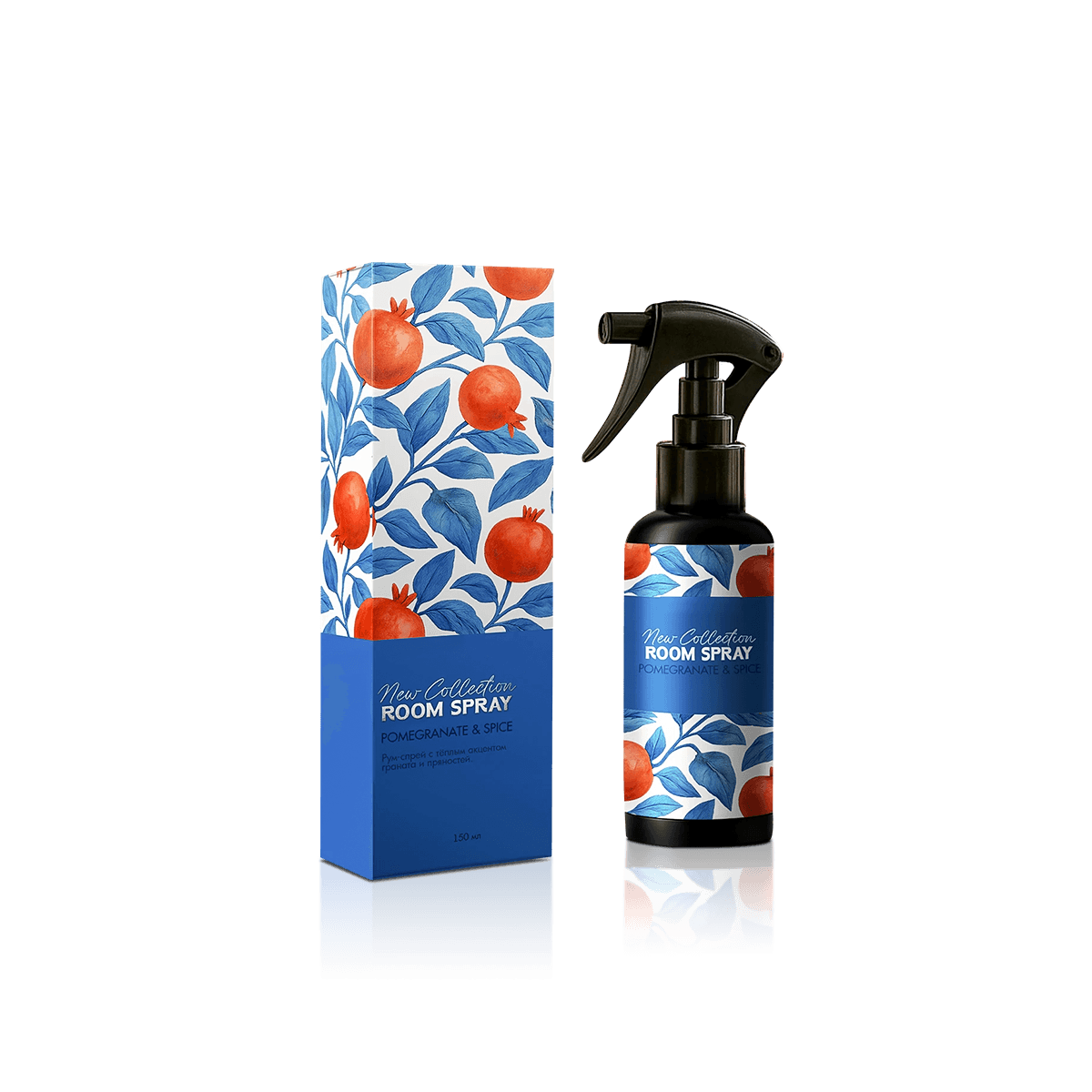
Brands using similar small bottles for home sprays can apply the same closure-first sizing principle to Custom Room Spray Boxes, while allowing for a taller pump or actuator.
Plan small runs and larger oil collections carefully
MOQ starts from 50 for suitable Custom Essential Oil Boxes. Custom Packly also supports larger runs in the hundreds or thousands as the product line grows.
The most important pricing detail is often the quantity for each printed oil. One thousand cartons in one artwork differ from one thousand divided across twenty oil names.
Keep one structure across matching bottles
When every oil uses the same bottle and cap, one dieline can often support the complete collection. Each oil then changes through artwork rather than box construction.
This simplifies later orders and makes stock easier to organise.
Separate bottle changes from artwork changes
A new oil name may only need a new print file. A new bottle, cap or dropper may need a new dieline.
Treat those changes differently. Do not assume a 15 ml roller bottle can use the carton approved for a 15 ml dropper bottle.
Label stored cartons clearly
Use the full oil name on outer cases and storage labels. Colour alone may not be enough when several designs use related shades.
Review older artwork before using it again. Bottle suppliers, labels and required product details may have changed.
Quote the bottle, closure and artwork split
A useful quote for Custom Essential Oil Boxes needs the finished bottle details and the quantity for every printed version.
Share:
- Bottle capacity, material and filled weight
- Complete width, depth and height
- Dropper, reducer, rollerball or spray closure type
- Tamper band, neck seal or protective bag details
- Quantity for every oil name and bottle size
- Single carton, multi-bottle set or gift use
- Insert, divider and finger-access requirements
- Print colours, finishes and artwork status
- Retail, wholesale, gifting or ecommerce use
- Required delivery date
Photos from the front, side and top help show the closure shape. For sets, include the order in which the bottles should appear.
Send these details through Get a Quote so the carton and insert can be assessed around the real bottle rather than its stated capacity.
FAQs
Related Industries
Related Packaging Styles
How it works
Simple steps from idea to delivery
Tell Us Your Specs

Tell Us Your Specs
Provide size, quantity, printing, and finishes.
Get a Fast Quote

Get a Fast Quote
Instant transparent pricing, no hidden fees.
Design and Approval

Design and Approval
Artwork checks, revisions, and final sign-off.
Produce

Produce
Expert manufacturing to meet deadlines.
Ship to Your Door

Ship to Your Door
Hassle-free, flexible delivery options.
Start Your Custom Packaging Quote
Share your product details, dimensions, quantity and artwork needs. We’ll help choose the right packaging style and send a clear quote.