Custom Window Boxes
Display-ready boxes with clear product visibility, custom window shapes, branded print and structure support for bakery, beauty, gifts and retail products.
Free Design Support
Clear Pricing
Flexible Quantities
Unlimited Customization
Premium Materials
Offset Precision
Free Shipping
Quick Turnaround
Product Visibility Without Opening the Box
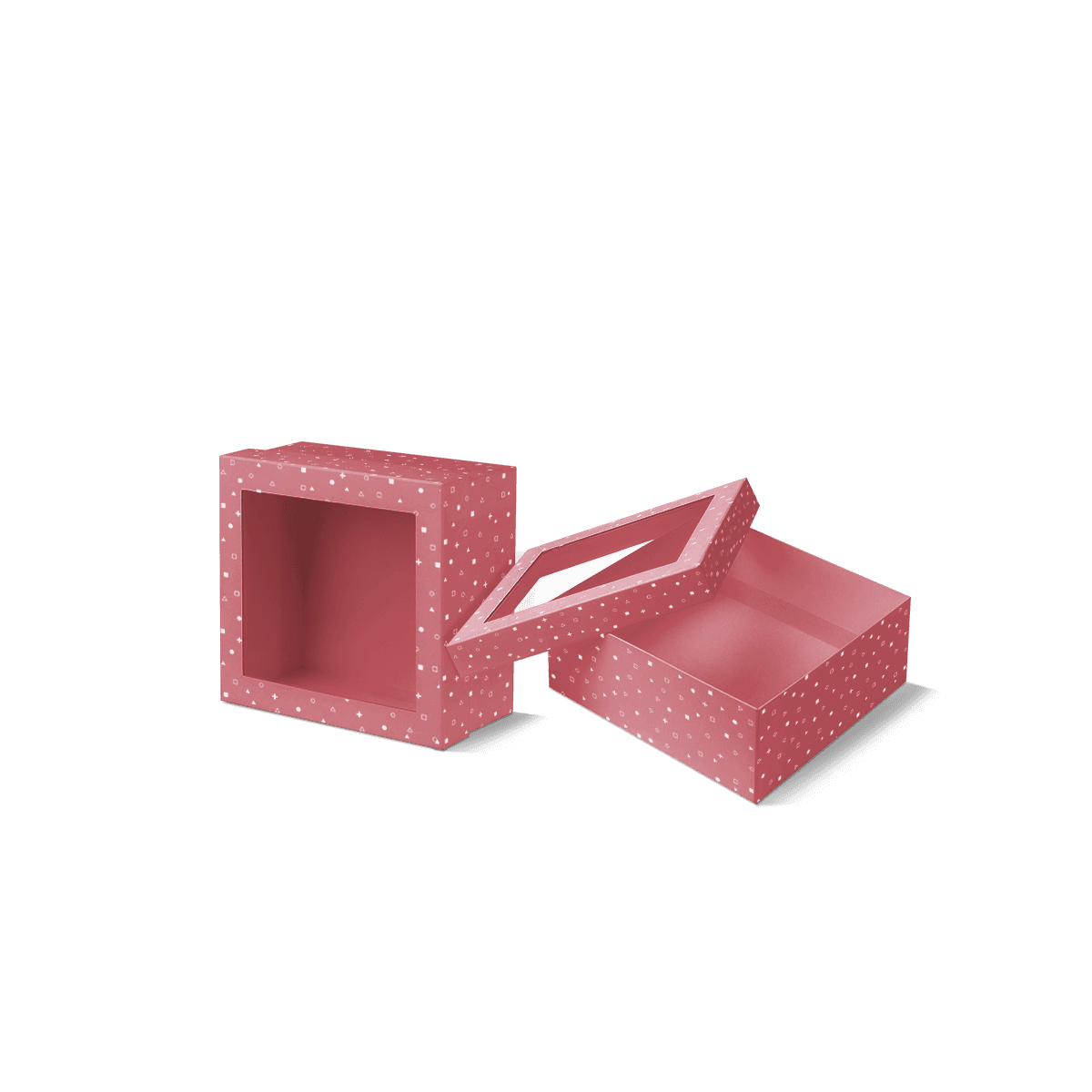
Custom Window Boxes let customers see the product before they open the packaging, which makes them useful for retail shelves, bakery displays, beauty products, gifts and product samples.
The window can show colour, texture, finish, flavour, shape or product arrangement. That small view can help customers feel more confident because they are not buying from a fully hidden box. For some products, the window does the selling faster than a printed photo because the real item is visible.
Custom Packly creates Custom Window Boxes around both presentation and structure. The window shape, window size, panel placement, board strength and product position all need to work together. A window that looks attractive on the dieline can still weaken the panel or show the wrong part of the product if it is not planned carefully.
Window packaging sits under Custom Box Styles and Shapes because the cutout changes how the box looks, folds, protects and sells. The aim is to show enough of the product to build interest while keeping the box strong, clean and easy to pack.
What the Window Should Show
The best window shows the part of the product that helps the customer decide. Custom Window Boxes should not use a cutout only for decoration. The window should reveal something useful, attractive or reassuring.
Colour, texture and finish
Windows work well when the product has a visible quality that print cannot fully explain. This may include the colour of soap, the texture of a candle, the icing on a bakery item, the shine of a cosmetic product or the finish of a small gift.
For beauty, food and retail products, the window can reduce uncertainty. Customers can see what is inside rather than relying only on product photography or label copy.
Product arrangement inside the pack
Window boxes can also show how a set is arranged. This helps with gift packs, confectionery, samples, accessories and small product bundles. A centred arrangement can make the pack look more valuable and better organised.
If the product sits behind the window unevenly, the packaging can look careless. Inserts, dividers or tray support may be needed so the visible product stays in the right position.
Enough reveal, not too much exposure
A good window shows the product without exposing every detail. Too small and the view may feel pointless. Too large and the box can lose strength, product protection or print space.
Custom Window Boxes work best when the window supports the main panel rather than taking over the full structure.
Open Cutout or Covered Window
A window box can use an open cutout or a clear covered panel. The right choice depends on product protection, hygiene needs, customer interaction and shelf handling.
Open windows for touch and scent
Open cutouts can work when the customer needs to touch, smell or closely view the product. This may suit some soaps, candles, textiles, artisan products or dry items where direct interaction helps the sale.
Open windows need careful thought. If the product can be damaged, marked, contaminated or moved by frequent handling, a covered window may be safer.
Clear panels for cleaner display
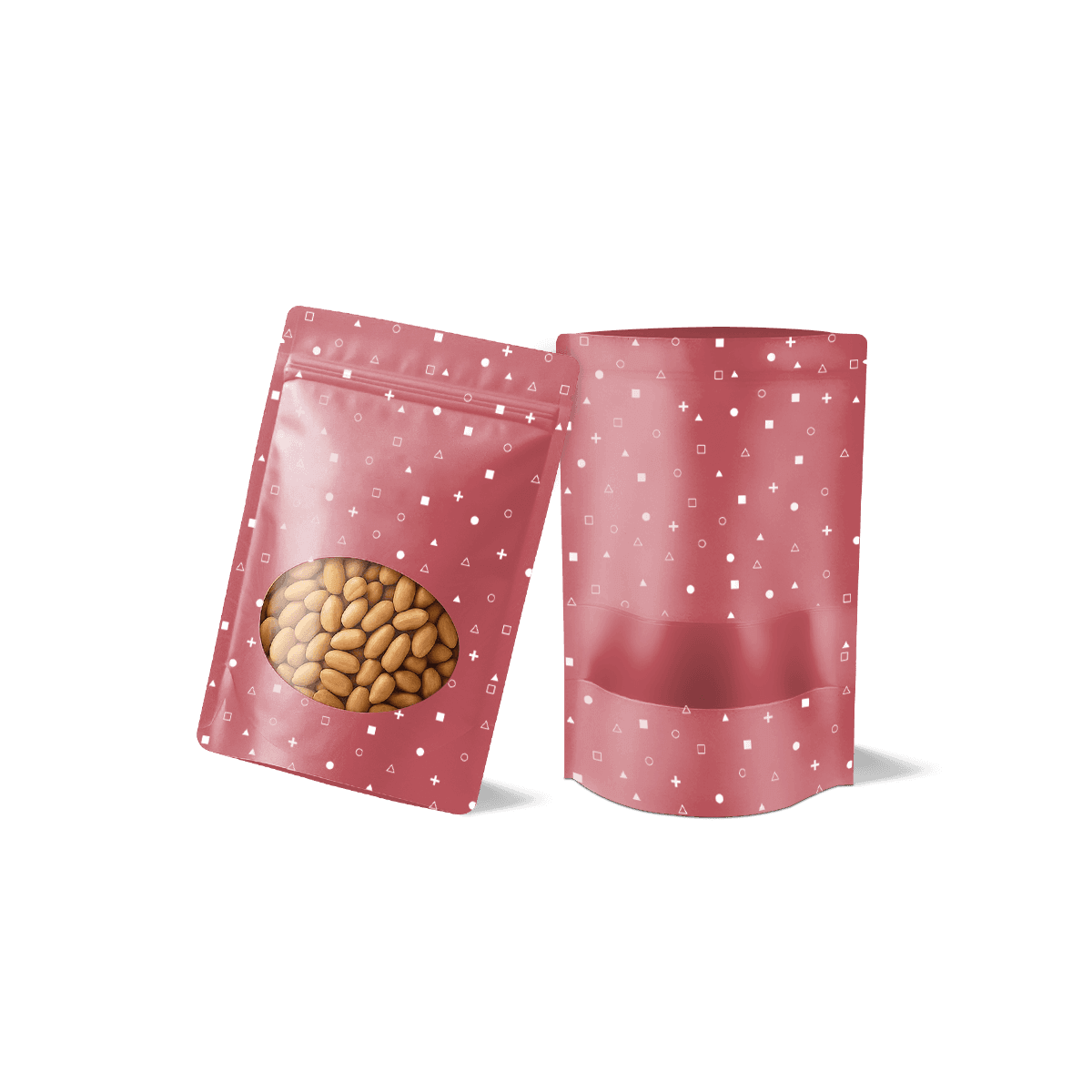
Covered windows can protect the product while still showing it. A clear film or transparent panel can help keep dust, fingerprints and handling away from the item.
This can be useful for bakery products, cosmetics, gift items and retail products that need a neater display. The clear panel should match the product and use case. It should not fog, warp or hide the detail the customer needs to see.
Window material and sustainability choices
Some brands want product visibility while keeping material use low. A smaller window, paper-based structure or carefully selected clear panel can reduce excess material while keeping display value.
For eco-conscious packaging, the window decision should be honest and practical. A window can improve presentation, but it also adds a material consideration that should be planned before production.
Where to Place the Window
Window placement affects strength, shelf impact and what the customer sees first. Custom Window Boxes need the window placed where it improves display without damaging key fold areas.
Front panel windows
The front panel is usually the best place for a window because it faces the customer. It works well for bakery boxes, cosmetic cartons, gift products, candles, soaps and retail packs.
A front window should leave enough space for the logo, product name and key details. It should also avoid sitting too close to the bottom fold, top closure or side creases.
Top windows
Top windows work well for flat-lay products, bakery items, confectionery, boxed sets and products viewed from above. They can be useful for counter displays or gift boxes placed on tables.
Top windows must be planned around stacking. If boxes will be stacked or transported, the top panel may need enough board around the window to resist pressure.
Side windows
Side windows can work for tall products, products with labels on the front or items where the side profile matters. They can also add a design feature without removing too much front-panel print space.
Side windows need careful alignment because they may show less of the product than expected once the box is folded.
Window Shapes That Suit the Product
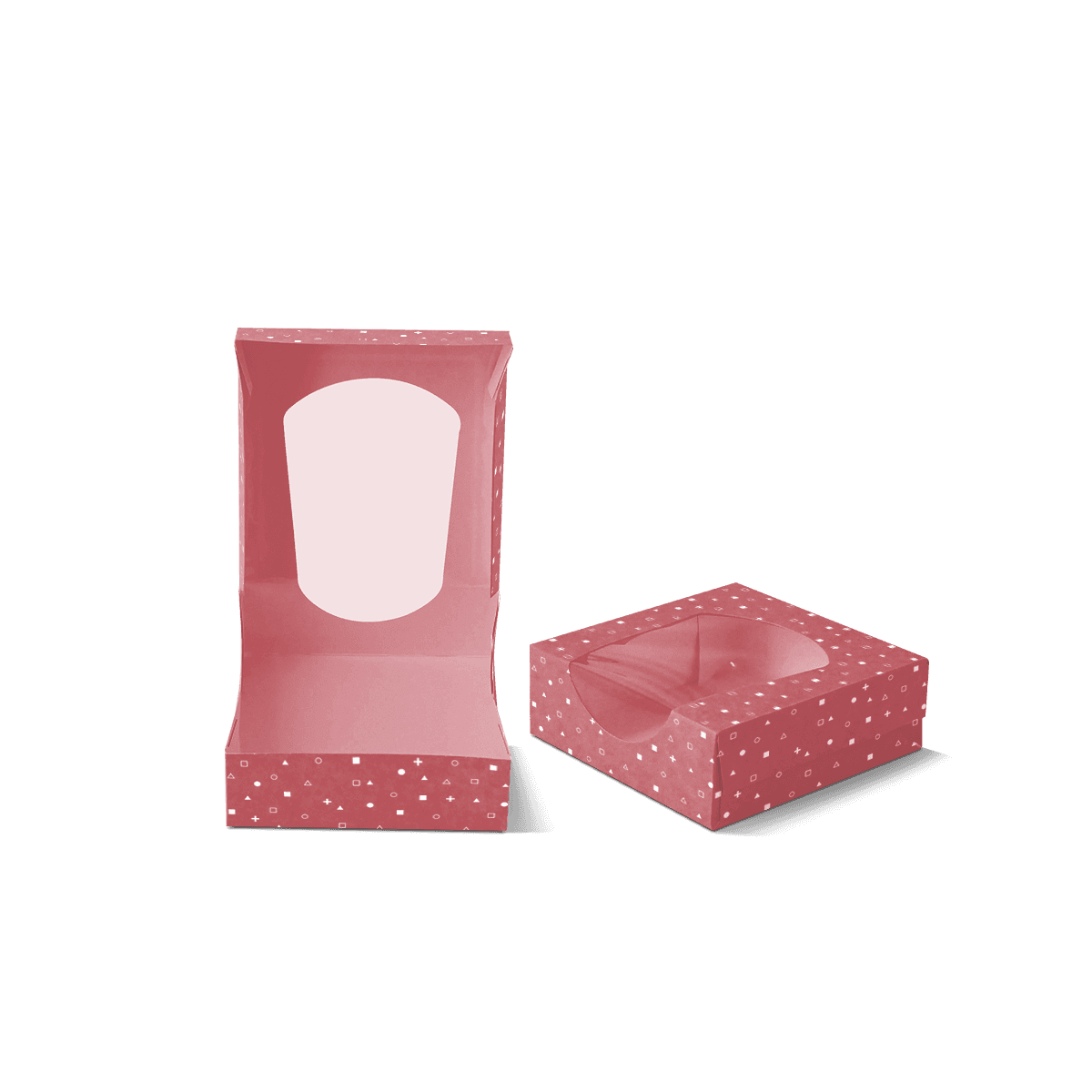
The window shape should match the product shape, brand style and panel strength. Custom Window Boxes can use simple or shaped cutouts, but every cutout changes how the panel behaves.
A rectangular window is clean, practical and useful for many products. A round or oval window can soften the look for cosmetics, soaps, candles or gifts. A custom-shaped window can follow a product outline, logo element or seasonal theme.
Creative cutouts can look strong, but they need enough board around the edge. Thin corners, sharp points and very large windows can weaken the panel or make the box harder to produce neatly.
For retail packaging, simple shapes often work better than over-designed cutouts. The product should remain the focus. The window should guide attention, not compete with the product or brand artwork.
New Section
Products That Benefit From a Clear View
Custom Window Boxes suit products where visual proof helps the customer understand value, quality or freshness before purchase.
Bakery, confectionery and food gifts
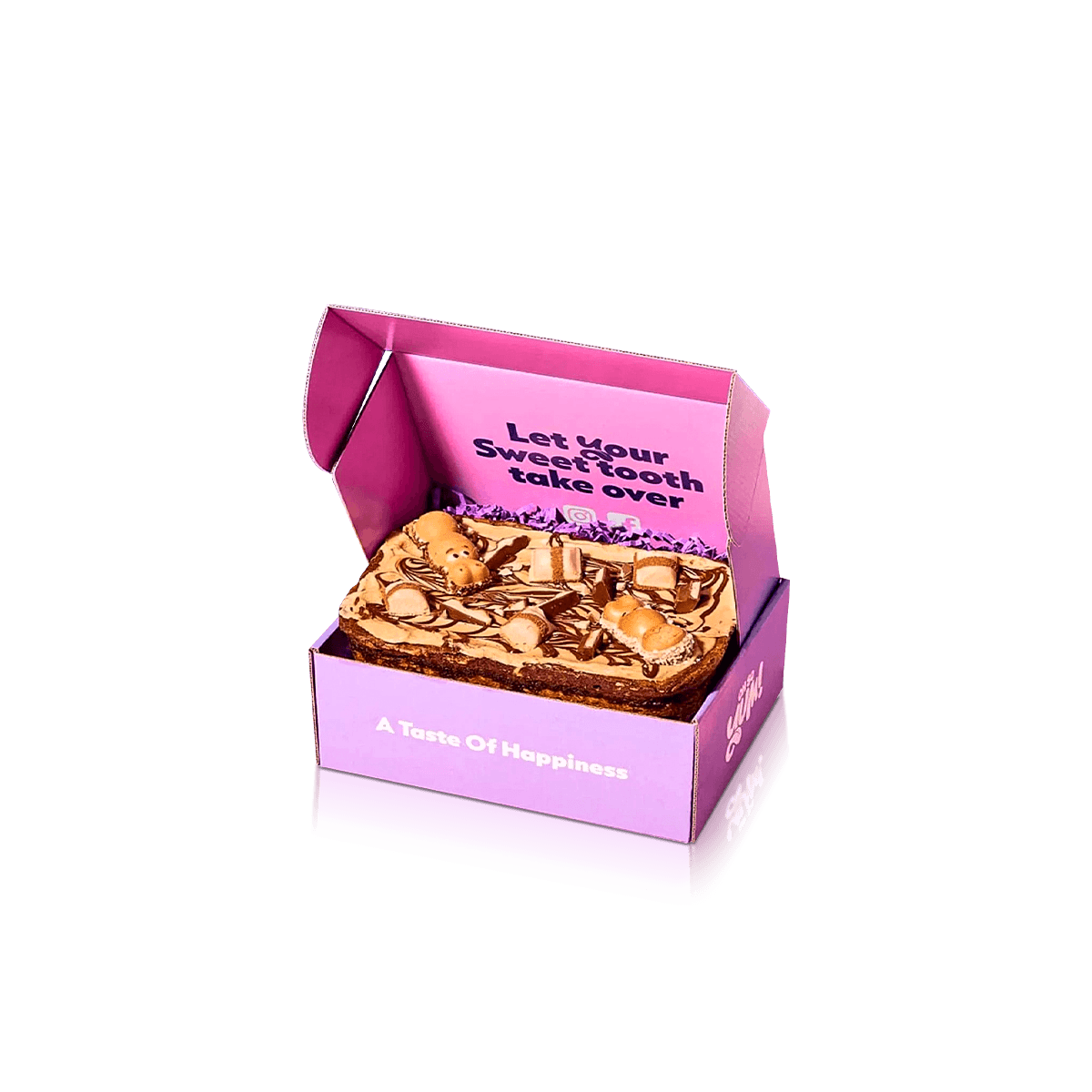
Window boxes are useful for cookies, macarons, chocolates, cupcakes, pastries, dessert packs and food gifts. Customers can see colour, decoration, portion size and arrangement before they buy.
For Custom Bakery and Confectionery Packaging, windows can improve display while helping products feel fresh and gift-ready. Material choice, coating and window coverage should suit the type of food and how it will be handled.
Beauty, soap and candle products
Beauty and home fragrance products often benefit from colour and texture visibility. A window can show a soap bar, bath bomb, candle colour, jar shape or cosmetic arrangement.
This works especially well when the product itself is attractive. If the product has a simple shape, the window can be paired with strong print, foil or a clean label area to add more brand value.
Retail gifts and accessories
Window boxes suit small gifts, ornaments, toys, stationery, accessories and boutique products where customers want a quick look before buying.
If the product needs a more unusual outer form, Custom Hexagon Boxes or Custom Pyramid Boxes may create a stronger shelf shape. Custom Window Boxes are the better fit when product visibility matters more than a dramatic silhouette.
Board Strength Around the Cutout
A window removes part of the box panel, so the remaining board must carry more of the structure. This makes board selection and cutout size important.
Paperboard works well for many light retail products, bakery boxes, cosmetics, soaps and gifts. White board supports bright print and clean product information. Kraft board gives a natural look and can pair well with simple branding.
Corrugated board may be better for larger window boxes, heavier items or packaging that needs stronger handling. The flute and board thickness should suit the product weight and the size of the window.
A large window on thin board can cause bowing, flexing or weak corners. A smaller window on stronger board can keep the box stable while still showing the product clearly.
Print That Frames the Product
Print should frame the product rather than fight with it. Custom Window Boxes need artwork that uses the window as part of the design.
The print area around the window can carry the logo, product name, collection title, flavour, scent, ingredients, use instructions or short brand message. The visible product becomes part of the visual layout, so the artwork should leave enough space for it.
Premium offset printing can support sharp colours, clear detail and strong shelf presentation. Matte finishes can make the window feel more premium. Gloss can create a brighter retail look. Foil, embossing and spot UV can work well when placed away from fragile cutout edges.
Inside print can also add value when the customer opens the box. It can carry a small message, pattern or product story, especially for gifts, beauty items and limited-edition packaging.
Fit Behind the Window
The product needs to sit in the right place behind the window every time. Custom Window Boxes can lose impact if the item moves, turns or slides away from the visible area.
Inserts help solve this. A paperboard insert, tray, cradle or divider can hold the product where the customer can see it. This is useful for candles, jars, soaps, cosmetics, confectionery, accessories and sample sets.
The insert should be designed with the window position. If the insert is planned after the window shape, the visible product may not line up. If the product has multiple sides, the best display side should face the window naturally when packed.
For products sold in multiples, the layout should also consider spacing. A row of macarons, a set of soaps or a collection of mini products can look neat when each item has a clear position behind the window.
Dieline Checks for Window Boxes
A window box dieline must show the cutout, safe zones, fold lines, glue areas, bleed, panel direction and any insert or clear panel area. These details help avoid weak edges and awkward print placement.
The window should not sit too close to major creases, locking tabs or glue flaps. It also needs enough margin for clean die cutting. If a clear panel is added, the dieline should allow for panel attachment and any production tolerance.
Custom Packly provides dieline support and downloadable dielines where available. The Dieline Tool can help buyers understand box dimensions, panel layout and artwork setup before production review.
A sample before full production is useful when the window is large, unusual, covered with a clear panel or paired with an insert. Sampling helps check the window view, product alignment, box strength and final print placement.
Small Launch Runs and Repeat Display Packaging
Custom Window Boxes can support small launches, seasonal ranges and larger repeat orders when the window position and product fit stay consistent.
MOQ starts from 50, which helps brands test a new retail product, bakery pack, gift range or beauty item before moving into larger production. Custom Packly can also support larger runs, thousands of units and repeat packaging programs as the product grows.
For repeat orders, it helps to keep the structural dieline stable. Artwork can change for seasons, flavours or collections, while the same window shape and insert layout remain in place. This can make reorders cleaner and reduce the risk of product alignment issues.
Production planning is especially important when several SKUs use one window box style. A shared outer box can work across different products if the insert changes, but the visible product area must still look balanced for each SKU.
Quote Details That Improve Window Placement
The best quote for Custom Window Boxes starts with what the customer should see through the window.
Useful details include:
- Product size, weight and display side
- Whether the window should be open or covered
- Preferred window shape, size and position
- Product type, such as bakery, beauty, gift, candle or retail item
- Whether the box needs an insert, divider or tray
- Material preference, such as kraft, white paperboard or corrugated board
- Outside print, inside print and finish ideas
- First order quantity and expected repeat volume
- Artwork status, deadline and whether a sample is needed
A product photo helps the team understand which part of the item should be visible. If the product will be sold on shelves, mention shelf direction, stacking needs and how customers will handle the box.
When those details are ready, Get a Quote and the team can help refine the window size, board, print layout and product fit.
FAQs
Related Packaging Styles
Related Industries
How it works
Simple steps from idea to delivery
Tell Us Your Specs

Tell Us Your Specs
Provide size, quantity, printing, and finishes.
Get a Fast Quote

Get a Fast Quote
Instant transparent pricing, no hidden fees.
Design and Approval

Design and Approval
Artwork checks, revisions, and final sign-off.
Produce

Produce
Expert manufacturing to meet deadlines.
Ship to Your Door

Ship to Your Door
Hassle-free, flexible delivery options.
Start Your Custom Packaging Quote
Share your product details, dimensions, quantity and artwork needs. We’ll help choose the right packaging style and send a clear quote.