Custom Window Pouches
Clear-panel pouch packaging for snacks, tea, pet treats, granola and retail products that need product visibility, flexible storage and branded shelf impact.
Free Design Support
Clear Pricing
Flexible Quantities
Unlimited Customization
Premium Materials
Offset Precision
Free Shipping
Quick Turnaround
Clear Windows That Let the Product Sell First
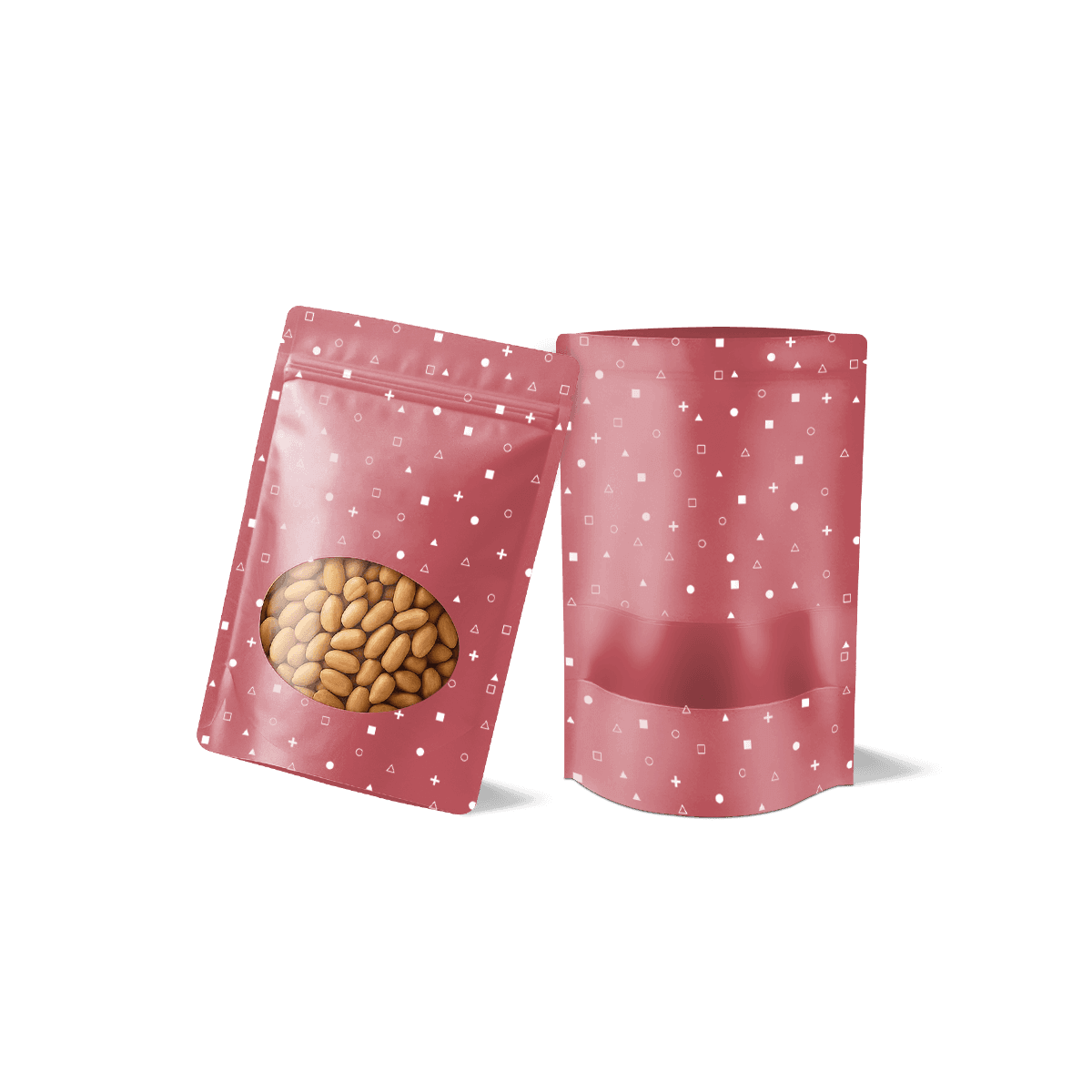
Custom Window Pouches are flexible pouches with a clear panel that lets customers see the product before they buy. They work well for products where colour, texture, shape or fill level builds trust, such as granola, tea, coffee, snacks, herbs, spices, pet treats, bath salts and dry refill products.
The window is not only a design feature. It changes how the pouch balances branding, product visibility and barrier protection. A clear panel can make the pack feel more honest and tactile, but it needs the right size, placement and material direction so the pouch still protects the product properly.
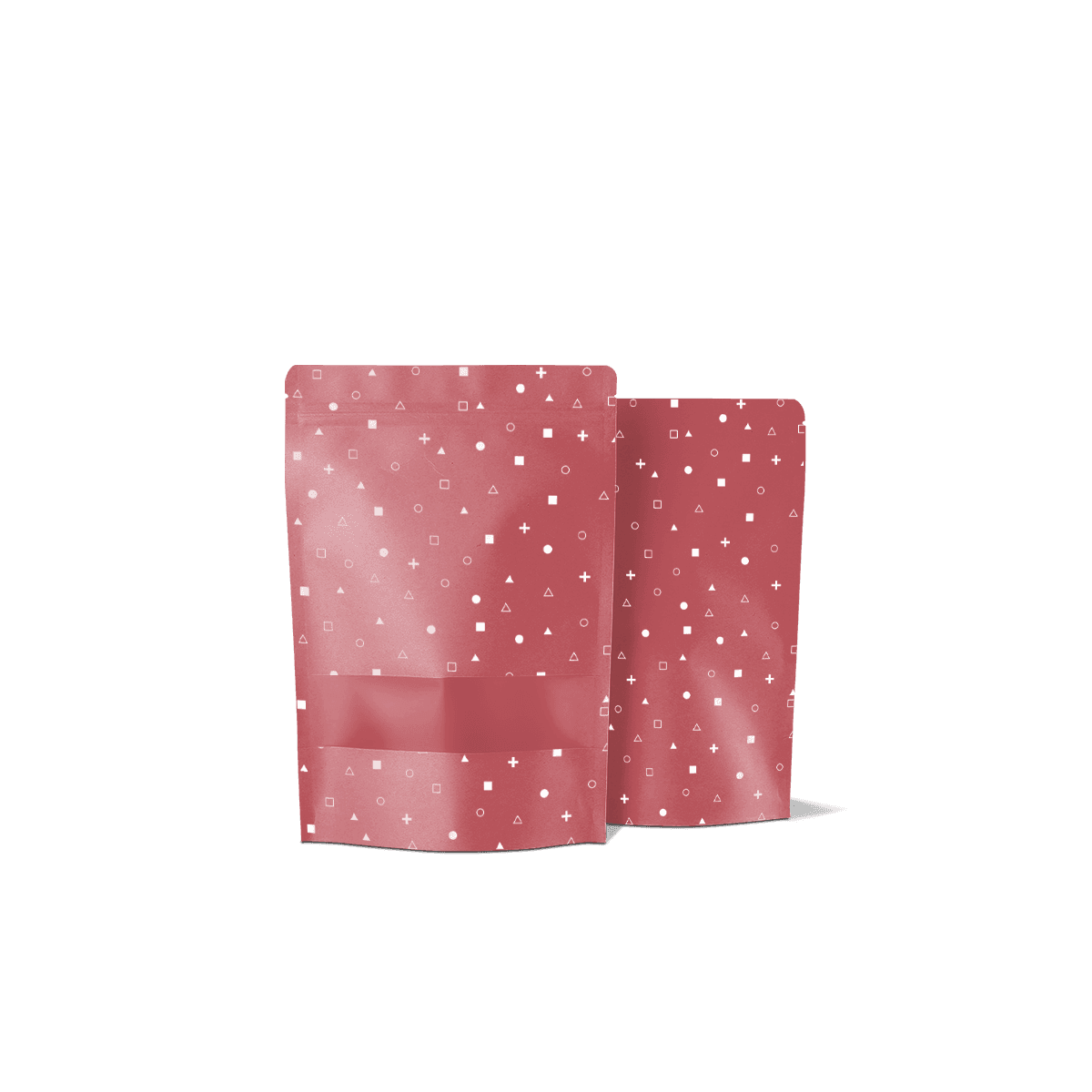
A well-designed window pouch should show enough product to help the sale without making the branding feel weak. The window should also avoid seal areas, gusset folds and key artwork zones.
Custom Window Pouches sit within Custom Pouches and Flexible Packaging when your product needs flexible structure, printed branding and a visible product panel instead of a fully covered pouch.
The Window Needs a Clear Job
Custom Window Pouches work best when the visible product adds confidence. The window should answer a customer’s silent question: what does the product actually look like?
A window can show freshness, texture, colour, size, quantity or product style. It can help customers compare products quickly on shelf. It can also reduce the need for overly descriptive front-panel copy because the product itself does part of the selling.
Show Texture, Not Empty Space
The window should sit where the product naturally rests after filling. If the clear panel shows too much air, the pouch can look underfilled. If it sits too low, it may only show compressed product at the base.
For granola, snacks, tea leaves, pet treats and bath salts, the window should reveal the product’s best visual detail. For powders, the window may need more care because fine product can cling to the clear surface or settle unevenly.
Keep the Brand Panel Strong
A window should support the design, not split it apart. The front panel still needs a clear logo, product name, variant, weight and main buying message.
A large window can work when the product looks highly appealing. A smaller window is often better when brand story, flavour coding or product claims need more room.
Avoid Functional Zones
The window should not run into the top seal, bottom gusset, side seam, tear notch or zip area. These zones move, fold or seal during production and filling.
Keeping the window away from these areas helps the pouch look cleaner and reduces the risk of awkward distortion after filling.
Products That Benefit From a Visible Panel
Custom Window Pouches suit products where customers want visual proof before purchase. This is especially useful for food, pet, wellness, home fragrance and refill ranges where the product’s texture or colour supports the buying decision.
Snacks, Tea, Granola and Dry Foods
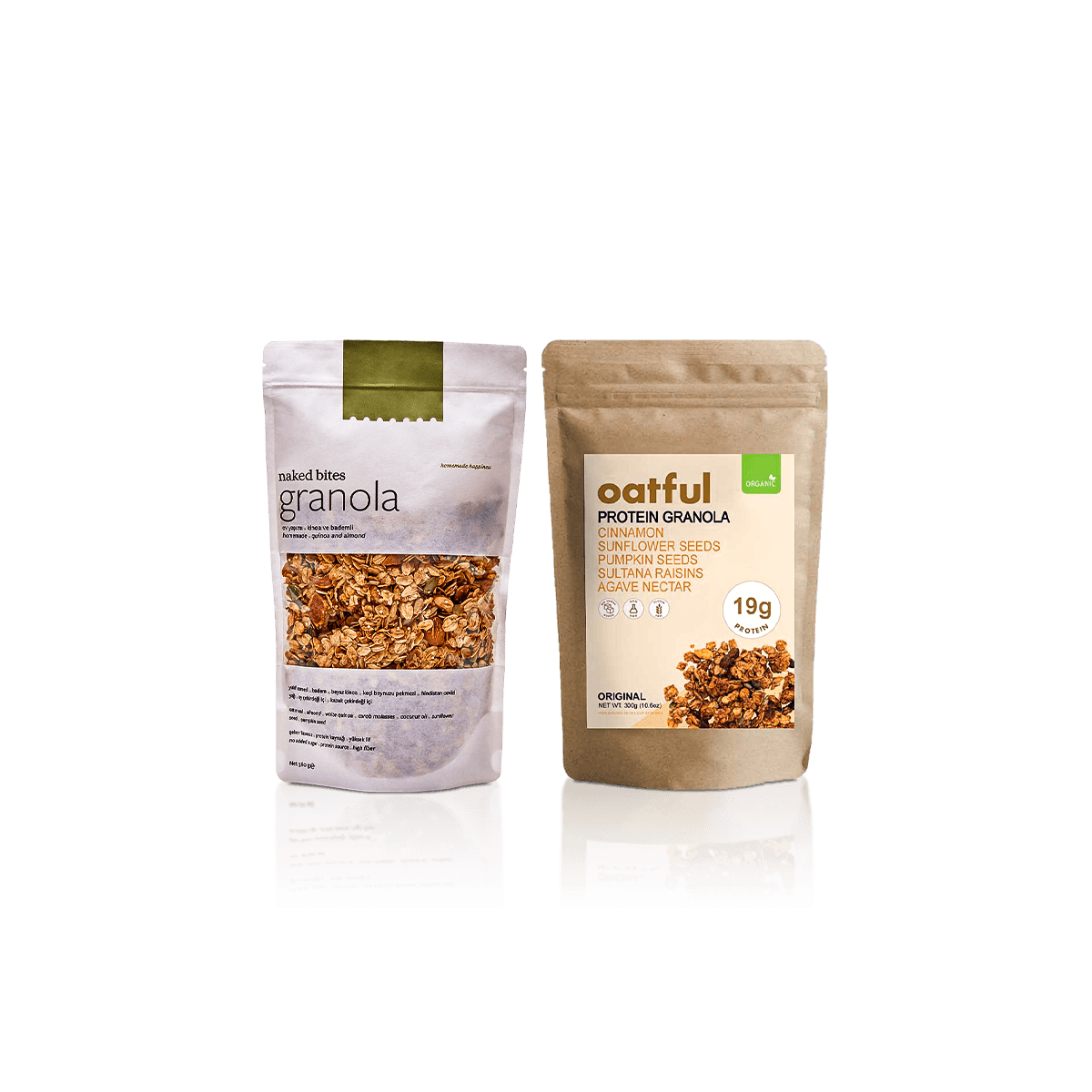
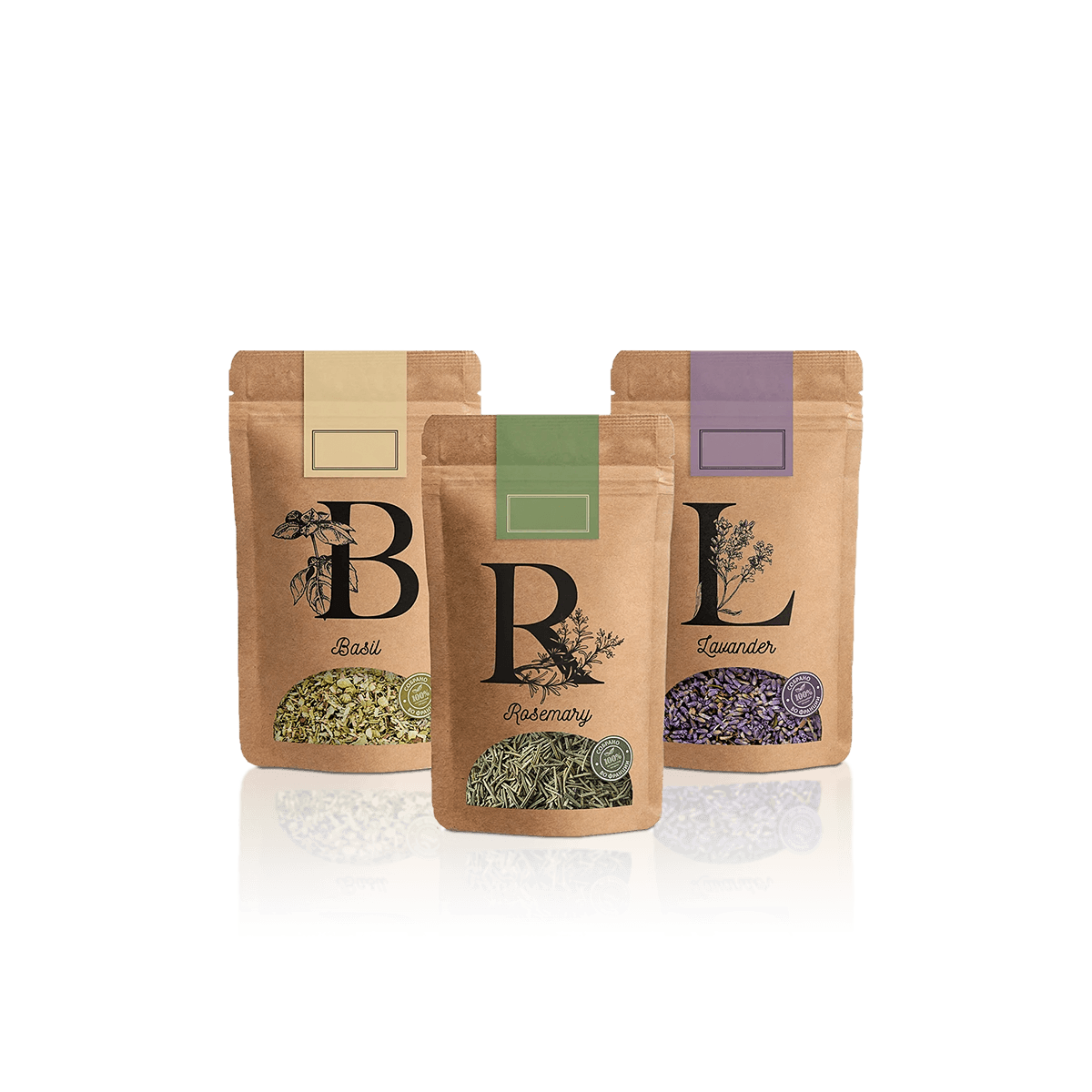
Snack mixes, dried fruit, loose tea, muesli, granola, herbs and spices can all benefit from a clear panel. Customers can see the product quality, blend, colour and size before choosing.
For dry food products, window placement should be planned with product settling in mind. Larger pieces may sit against the front panel well. Fine powders and small grains may need a smaller or better-positioned window to avoid a messy look.
Pet Treats and Product Shape
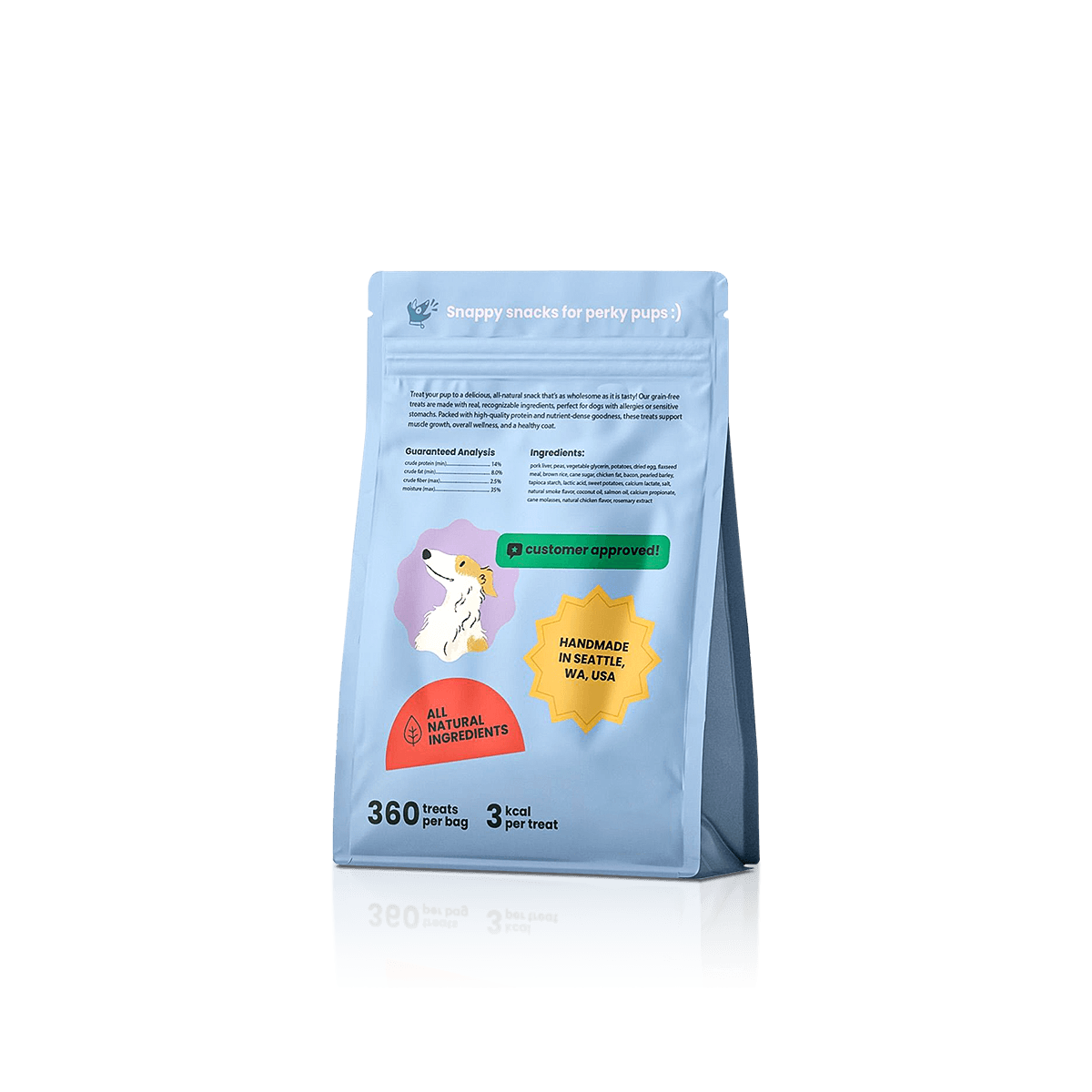
Pet treat brands often use windows because treat size, colour and texture matter to the customer. A visible panel helps show whether the treat looks crunchy, soft, small, large or suitable for the pet.
For larger treat packs, window size should be balanced with pouch strength and front-panel branding. Pet product ranges can also connect Custom Window Pouches with Custom Pet Product Packaging when the same range needs boxes, pouches or subscription packaging.
Bath Salts, Refills and Specialty Blends
Bath salts, soap flakes, dry refills and specialty blends can look attractive through a window. The clear area can show colour, texture or premium ingredient mix.
However, products with strong colour transfer, scent or oil content may need careful material guidance. The window should support display without compromising product protection.
Window Shape Changes the Shelf Message
The shape of the window affects how the pouch feels before the customer reads a word. A rectangular window feels practical and clear. A curved window can feel softer. A narrow vertical window can show fill level. A small shaped window can add character without taking over the pack.
Custom Window Pouches should use window shape as part of the brand system, not as a random decoration.
Large Windows for Product-Led Sales
A large window is useful when the product looks appealing and consistent. It can work for colourful snacks, granola, pet treats, tea blends and bath salts.
The risk is that the pouch may lose too much space for brand messaging. If the product varies in colour or texture across batches, a large window may also create inconsistency on shelf.
Small Windows for Premium Control
A smaller window gives customers proof without exposing too much of the pack. It can suit premium products, minimalist designs or items where the product looks good but does not need to dominate the front panel.
Small windows also leave more room for print, flavour coding, ingredients, product claims and brand storytelling.
Fill-Level Windows for Practical Packs
Some pouches use a vertical window so customers can see how much product remains. This can be useful for pantry products, refills, powders and pet treats.
The window should be placed where the customer can actually read the fill level. If the product settles away from the panel, the feature loses value.
Barrier Protection Still Comes First
Custom Window Pouches need a careful balance between visibility and protection. A clear panel may change the material structure, light protection or barrier performance compared with a fully opaque pouch.
That does not mean window pouches are weak. It means the product should guide the window size, placement and material choice. Freshness, shelf life, aroma, moisture and light sensitivity should be discussed before artwork is approved.
Light-Sensitive Products Need Caution
Some products do not suit large windows because light exposure may affect colour, flavour, aroma or quality. Coffee, tea, herbs, spices and wellness blends may need different levels of protection depending on the product.
If visibility matters but protection is still important, a smaller window may work better than a large clear panel.
Moisture and Aroma Risks
Dry foods, coffee, tea and pet treats can lose quality if moisture or aroma control is poor. A window can help sales, but the pouch material still has to support storage and freshness.
For products where barrier performance matters more than visibility, a fully covered structure or foil-based pouch may be more suitable.
When a Different Pouch Style Works Better
Custom Window Pouches are not always the right format. Products that need a strong seal with limited display may suit Custom Three Side Seal Pouches. Products that need more fill capacity, side expansion or a fuller shelf shape may suit Custom Gusseted Pouches.
The best choice depends on what the product needs to show, protect and hold.
Printing Should Frame the Product
Custom Window Pouches need print design that frames the clear panel instead of fighting it. The printed area should guide the eye from the product view to the brand name, product name and buying details.
A strong layout uses the window as proof, then uses print to explain why the product is worth choosing. This is especially important when several similar products sit together on shelf.
Use the Window as a Visual Anchor
The window should sit where it feels intentional. It can sit below the product name, beside the flavour name or within a structured brand panel.
Avoid placing a window randomly in the middle of the design. If the clear panel interrupts the brand flow, the pouch may look cheaper than intended.
Keep Fine Text Away From Clear Edges
Fine text should not sit too close to the window edge, seal zones or folds. The window trim, product movement and pouch curve can make nearby text harder to read.
Ingredients, directions, barcode and product weight usually work better on stable printed areas, often on the back or lower panel.
Match the Window With Finish Choice
Matte finishes can make the clear panel feel more premium because the window contrasts with the softer printed surface. Gloss finishes can make colours brighter and more retail-focused.
For natural product ranges, kraft-style and window combinations can work well. For bold snack or pet ranges, stronger colour blocks around the window can create better shelf impact.
Sizing Around Product Movement
Custom Window Pouches should be sized around how the product moves inside the pack. Loose products settle, shake, stack or press against the window differently.
A pouch may look perfect when filled once, but it still needs to look good after transport, handling and shelf display.
Headspace Affects the View
Headspace is the empty space above the product before sealing. Too much headspace can make the pouch look underfilled through the window. Too little can push product into the seal area.
The right headspace depends on product size, fill method, pouch height and closure type.
Chunky Products Need Window Planning
Products such as pet treats, dried fruit, biscuits and large snack pieces may sit unevenly against the front panel. The window should be placed where the product naturally gathers.
A very large window can look messy if product pieces vary too much. A smaller window can show enough detail while keeping the pack controlled.
Powders Need a Cleaner Approach
Powders can cling to the clear panel, settle flat or create dust near the seal. For powders, a window should be used only when the product view genuinely helps the sale.
If powder visibility creates a messy look, a printed pouch with strong artwork may work better.
Closure Choices for Window Pouches
Custom Window Pouches can include practical opening and closure features depending on how customers use the product. A window helps them see the product, but the pouch still needs to open and store well.
Zip Closure for Repeated Use
A resealable zip is useful when customers use the product over time. Snacks, pet treats, tea, bath salts and refills often benefit from this feature.
The zip should sit above the product area and away from the main window. If the window runs too close to the zip, the pouch can feel crowded.
Heat Seal for First-Open Confidence
A heat seal can protect the product before purchase. It can sit above the resealable zip or work as the main closure for simpler packs.
Heat sealing is useful for products where freshness, hygiene or tamper-aware opening matters.
Tear Notch for Neater Opening
A tear notch helps customers open the pouch cleanly. It should not cut through the window, logo or key artwork.
The notch position should be considered early because it affects the top panel design and customer opening path.
Small Runs, Reorders and Seasonal Variants
Custom Window Pouches can support small launches, seasonal blends, limited product drops and larger repeat packaging runs. MOQ starts from 50, with support for bigger production volumes as your range grows.
Window pouches are especially useful for seasonal products because customers can see colour and texture. This can help with giftable food, pet treats, tea blends, bath products and event ranges.
Keep First Runs Focused
A first window pouch run should not try to include every possible feature. Choose the clearest product view, the most suitable window size and the most practical closure.
Once the pouch has been tested with real customers, the design can expand into more flavours, sizes or finishes.
Use Repeatable Window Placement
For multi-SKU ranges, consistent window placement helps the whole range look organised. It also makes artwork setup easier when new variants are added.
Changing the window shape on every flavour can make the range look messy and harder to reorder.
Plan Product Photos and Shelf Display Together
Window pouches often appear in product photography, online listings and retail shelves. The window should look good in all three settings.
If the product is sold online, make sure the visible contents still read clearly in small images.
Approval Checks Before Production
Custom Window Pouches should be reviewed around product visibility, material needs, artwork placement and customer opening. A 3D mockup is usually enough for standard structures, but a physical sample can be useful when the window size, fill behaviour or finish is more sensitive.
The approval process should check what customers will actually see and touch. Empty pouch visuals are not enough for window packaging because the product view is part of the design.
Check the Filled Look
Check whether the window shows the best part of the product after filling. Look for empty gaps, dust, uneven pieces, clumping or awkward colour variation.
If the product does not look appealing through the window, change the window size or placement before production.
Check the Print Frame
Review how the artwork frames the window. The product name, flavour and main claim should still read clearly.
The window should not make the printed brand area feel squeezed.
Check Opening and Seal Areas
Confirm that the tear notch, zip, heat seal and side seams do not interfere with the clear panel. The customer should be able to open the pouch without damaging the window or printed design.
Quote Details That Help Us Get It Right
A quote for Custom Window Pouches needs more than size and quantity. The product view matters, so details about product texture, fill weight and window preference help the team recommend a better format.
Useful quote details include:
- Product type and fill weight
- Product texture, such as powder, granules, leaves, pieces or treats
- Preferred pouch size
- Window size, shape or placement idea
- Stand up, flat or gusseted pouch preference
- Zip, tear notch or heat seal needs
- Barrier concerns such as light, moisture, aroma or oxygen
- Front and back artwork requirements
- Quantity for first run and likely repeat order volume
- Launch date or packing deadline
Custom Packly can help refine the window placement, pouch size and print areas before production. Send the details through Get a Quote so the pouch can be planned around both the product view and the practical packing needs.
FAQs
Related Packaging Styles
Related Industries
How it works
Simple steps from idea to delivery
Tell Us Your Specs

Tell Us Your Specs
Provide size, quantity, printing, and finishes.
Get a Fast Quote

Get a Fast Quote
Instant transparent pricing, no hidden fees.
Design and Approval

Design and Approval
Artwork checks, revisions, and final sign-off.
Produce

Produce
Expert manufacturing to meet deadlines.
Ship to Your Door

Ship to Your Door
Hassle-free, flexible delivery options.
Start Your Custom Packaging Quote
Share your product details, dimensions, quantity and artwork needs. We’ll help choose the right packaging style and send a clear quote.