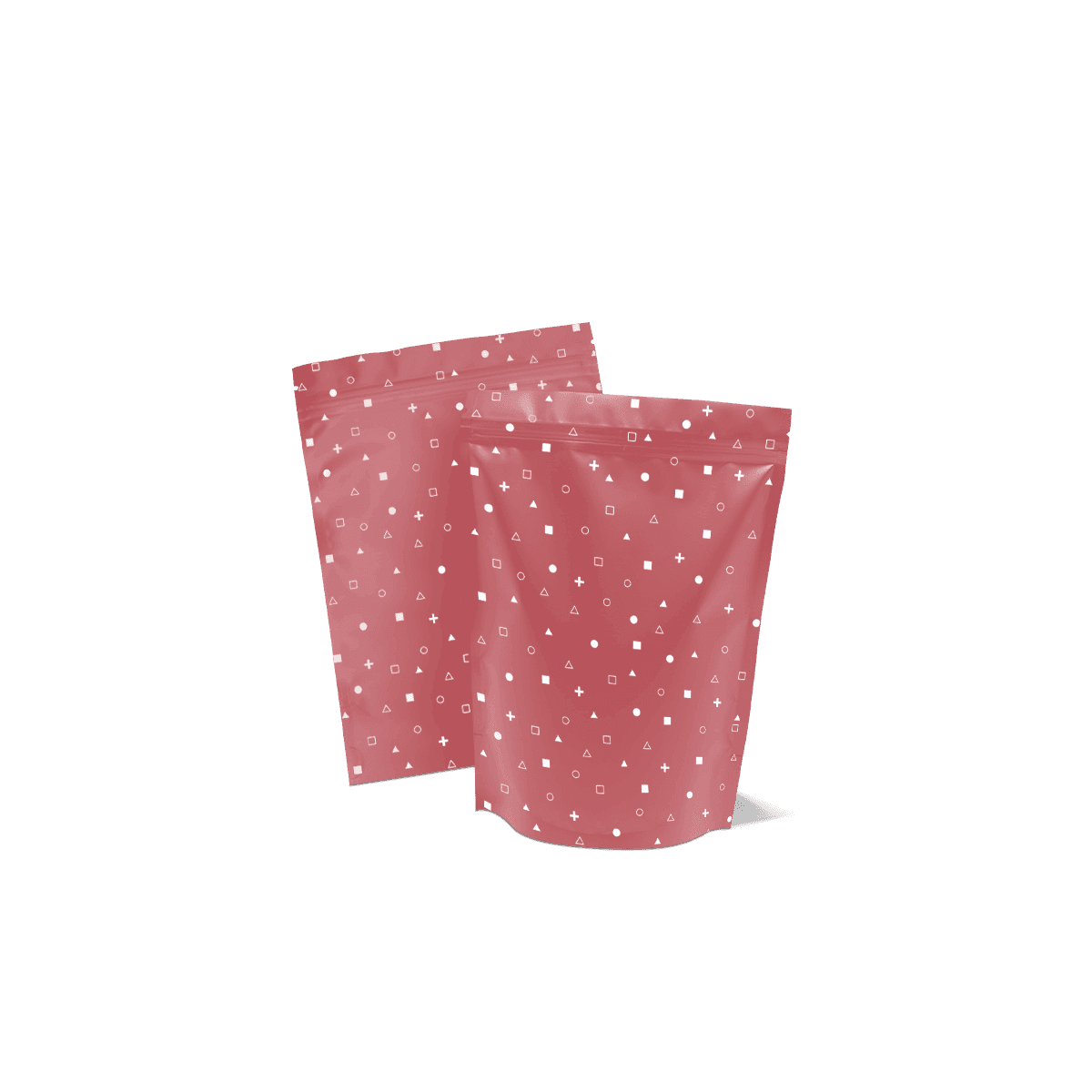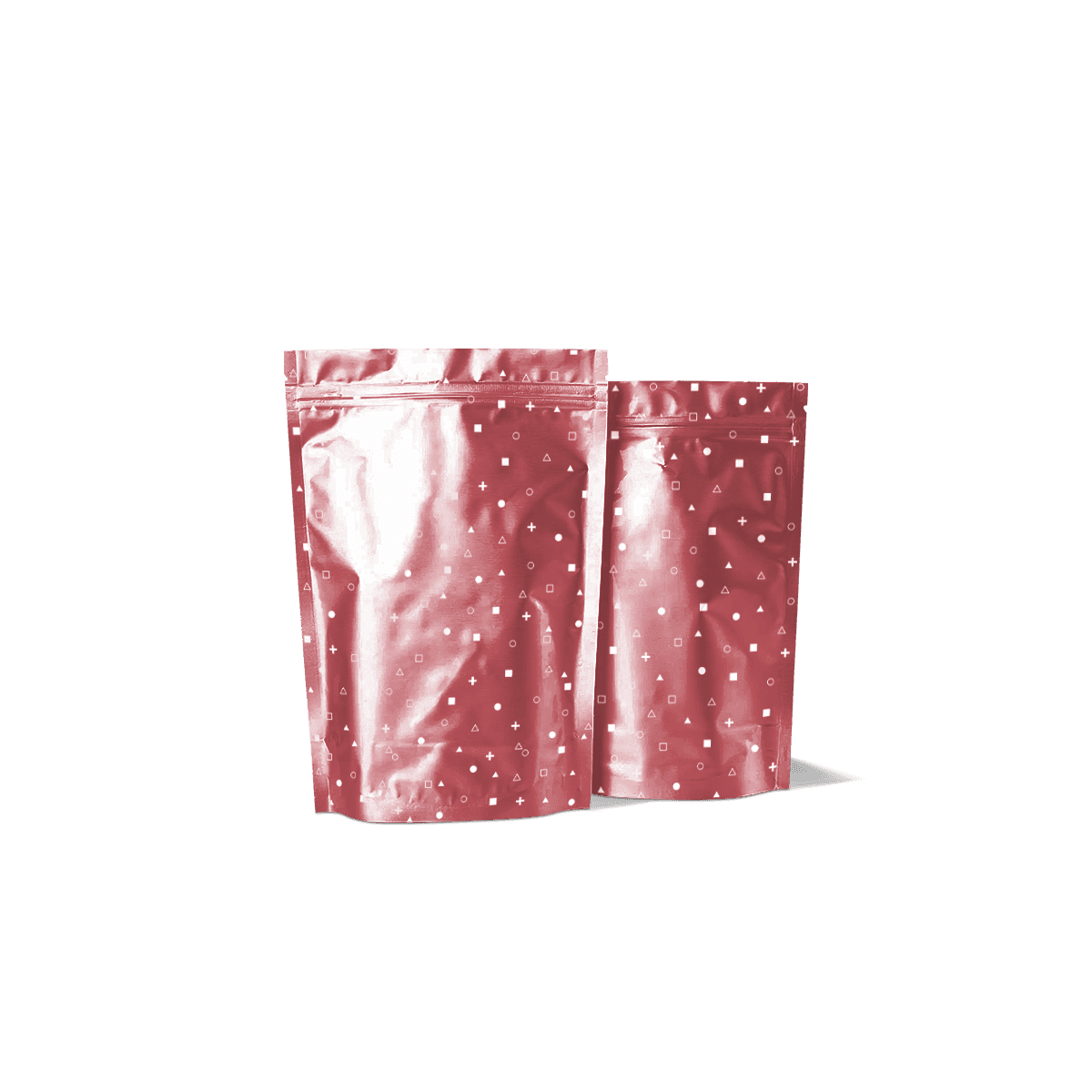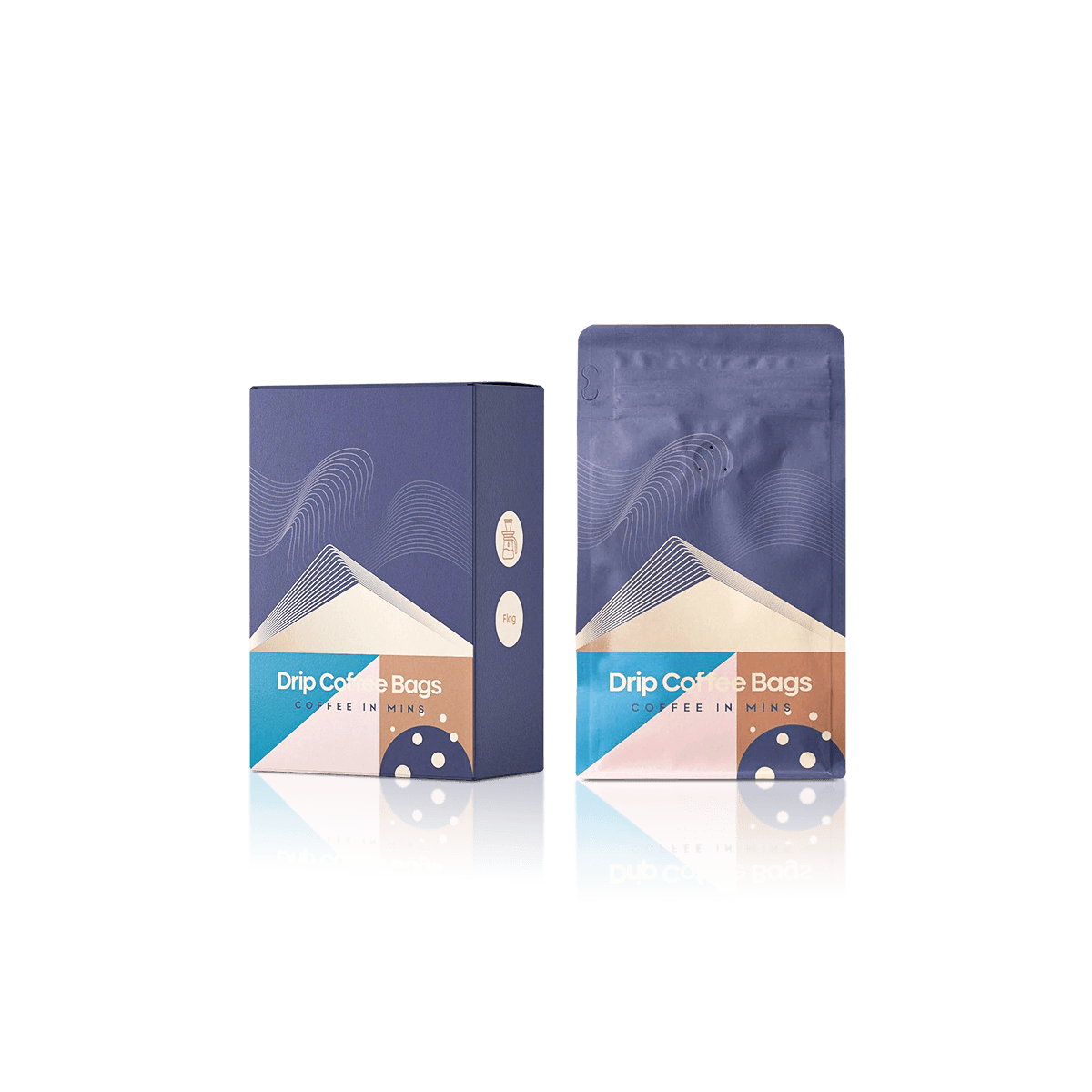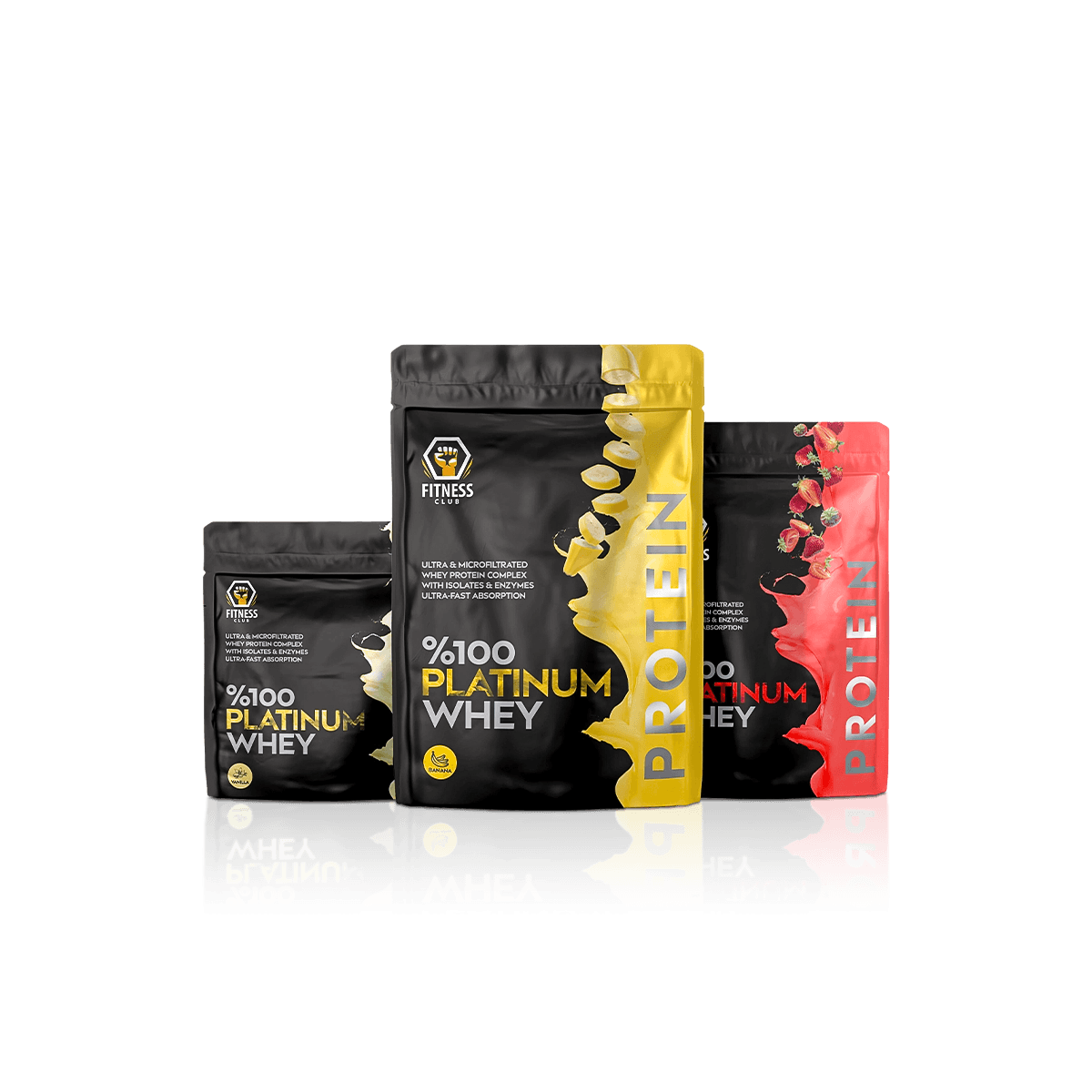
Custom Gusseted Pouches
Expandable pouch packaging for coffee, powders, pet treats, snacks and refills that need more fill space, stable shape and custom printed panels.
Free Design Support
Clear Pricing
Flexible Quantities
Unlimited Customization
Premium Materials
Offset Precision
Free Shipping
Quick Turnaround
Expandable Pouches for Products That Need More Room
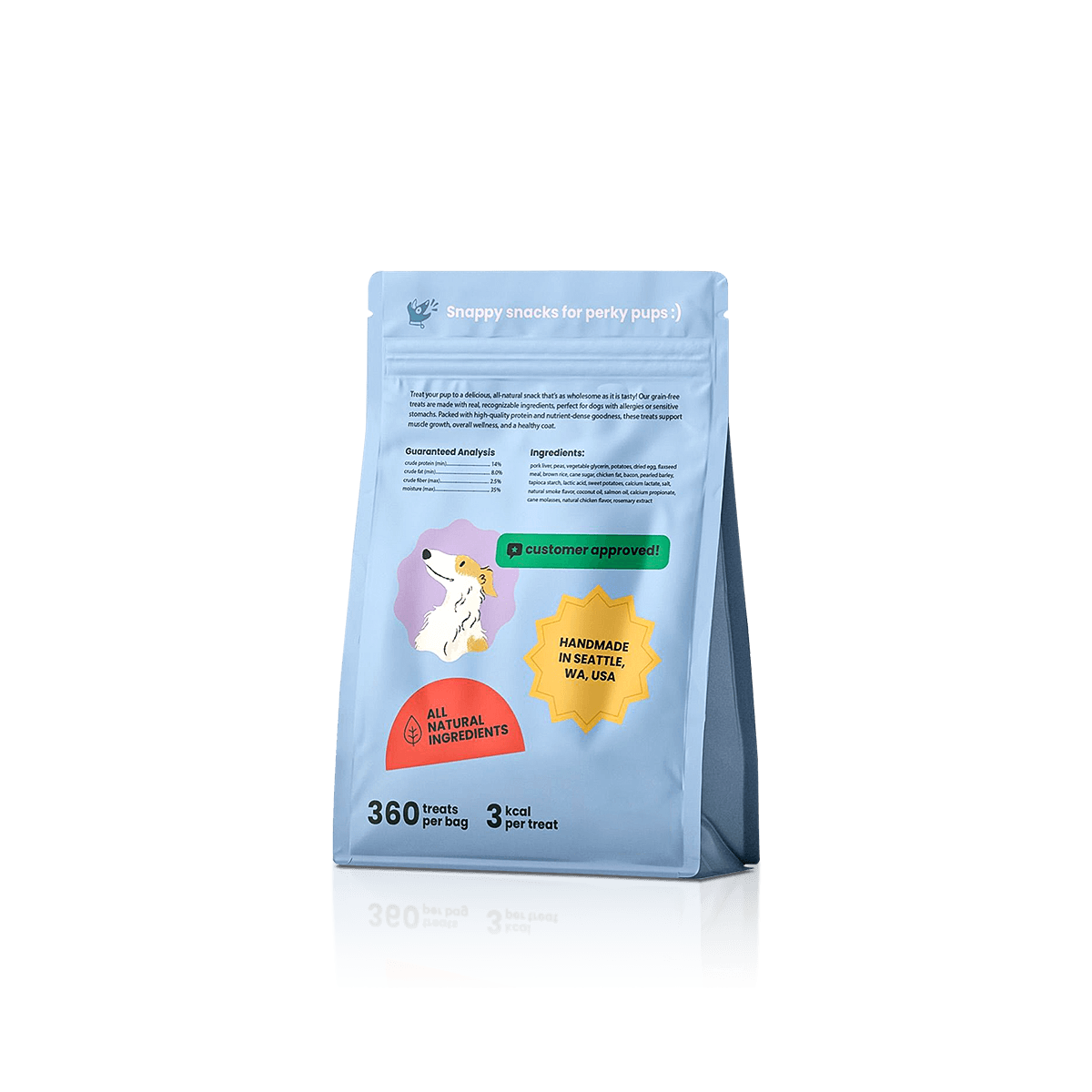
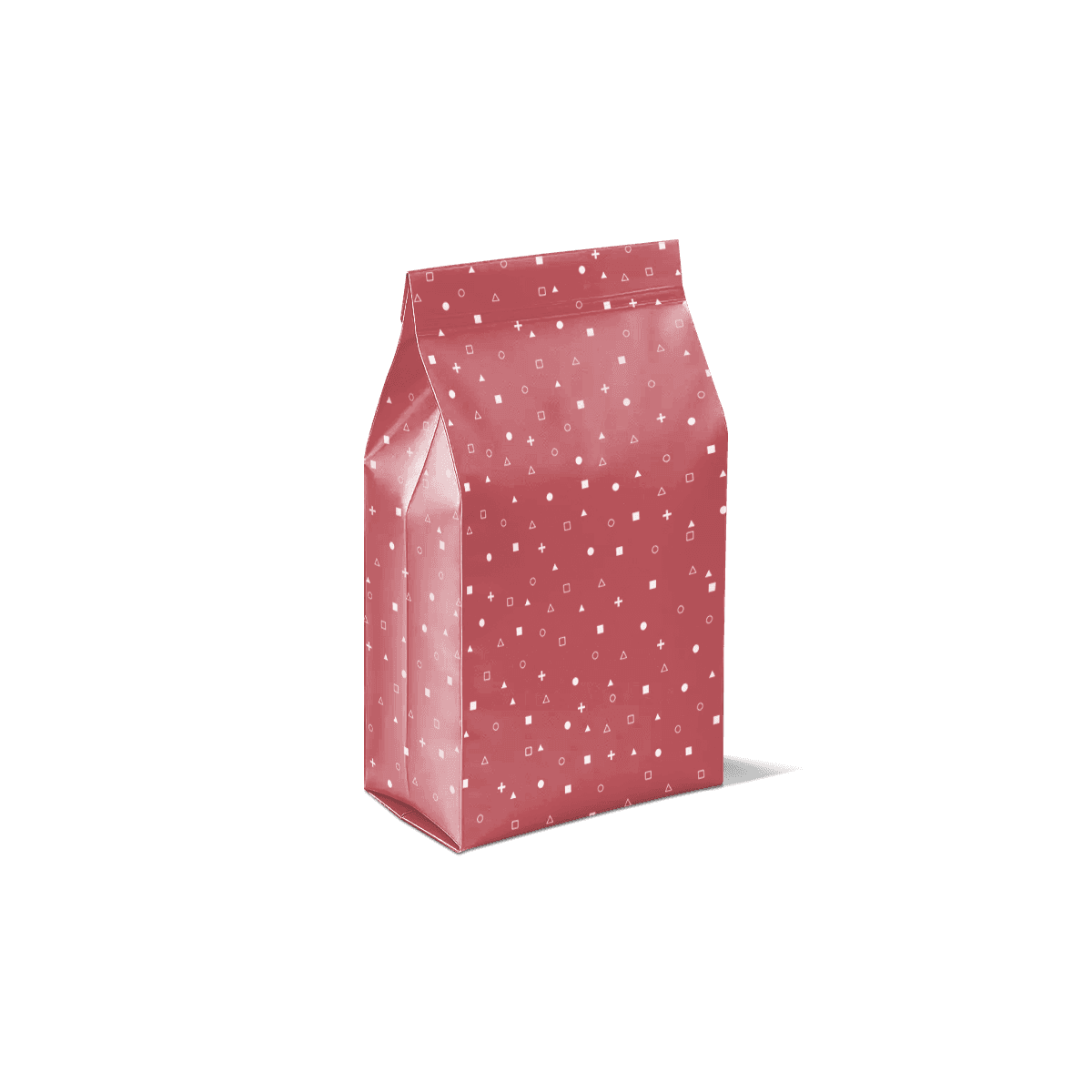
Custom Gusseted Pouches are flexible packs with folded panels that expand when filled, giving products more internal space without making the front and back panels look oversized. They suit coffee, tea, powders, pet treats, snacks, dry food, wellness blends and refill products that need better capacity than a simple flat pouch.
The gusset is the working part of the pouch. It can sit at the sides, base or lower fold depending on the pouch structure. Once product is added, the gusset opens and helps the pouch form a fuller, more stable shape.
This makes Custom Gusseted Pouches useful when a product has volume, weight or movement that would make a flat pouch feel tight, lumpy or underbuilt. Instead of stretching the main panel, the pouch expands through its folded sections.
Custom Gusseted Pouches sit within Custom Pouches and Flexible Packaging when your product needs flexible structure, larger fill capacity, custom print and a more controlled filled shape.
The Gusset Controls Capacity and Shape
The gusset gives the pouch room to expand without losing its branded front face. That matters for products that settle, shift or create pressure inside the pack.
A pouch with the wrong gusset can look awkward after filling. It may lean forward, bulge at the wrong point, pull the artwork out of shape or make the product look underfilled. A well-planned gusset supports the product from the sides or base so the pouch feels more intentional.
Side Gussets for Fuller Products
Side gussets expand outward from the left and right sides of the pouch. They help increase capacity while keeping the front and back panels available for branding, product details and variant information.
This can work well for coffee, tea, snacks, pet treats and larger dry products. The side panels can also carry supporting artwork, ingredient cues or small brand details when the pouch is viewed from an angle.
Bottom Gussets for Better Standing
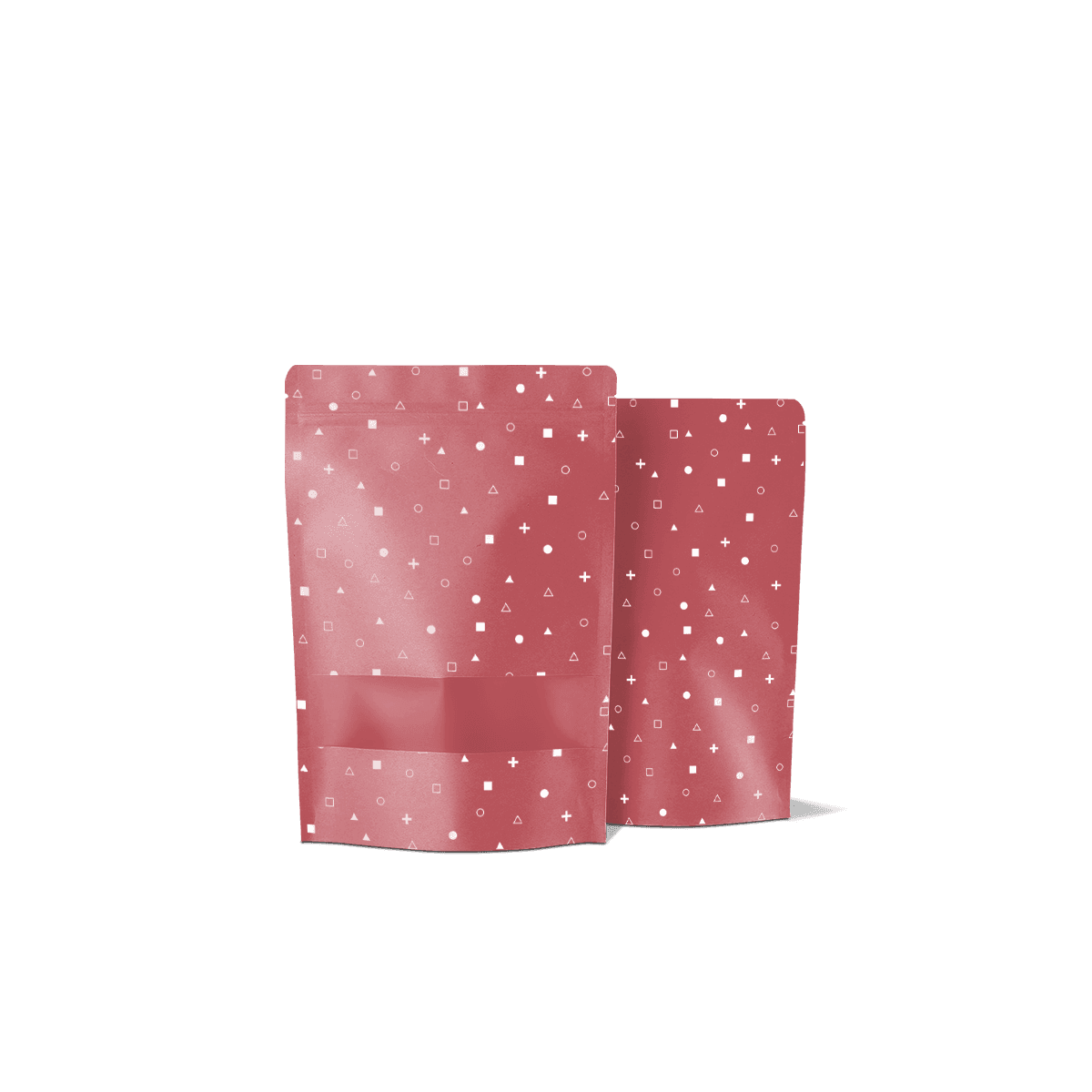
Bottom gussets help pouches form a base. They are useful when the product needs to stand on shelf, sit neatly on a counter or stay upright in product photography.
The bottom gusset should match the fill weight. A dense powder may need different base behaviour than loose tea leaves or chunky pet treats.
Gusset Depth Affects the Final Look
Gusset depth changes how full the pouch appears. A shallow gusset may not give enough expansion. A deep gusset can make the pouch look bulky if the product does not fill it properly.
The right depth should be chosen around fill weight, product texture, headspace and display needs.
Best Uses for Gusseted Pouch Packaging
Custom Gusseted Pouches work best for products that need more volume, better shelf shape or extra side expansion. They are especially useful when the product is sold in larger quantities or packed in loose, irregular or bulky forms.
Coffee, Tea and Pantry Products
Coffee beans, ground coffee, loose tea, herbs, cereal blends and granola often need more fill space than a slim pouch can provide. A gusseted pouch can hold volume while keeping the front panel clean for branding.
Coffee and tea ranges also benefit from a stable pack shape because customers often store the pouch after opening. The gusset should help the pouch sit neatly, not collapse once the product level drops.
Powders and Wellness Blends
Custom Gusseted Pouches can suit protein powder, collagen, nutrition blends, bath salts and dry wellness products when the product needs more room than a flat pouch.
Powder-heavy products need careful headspace and seal planning. If powder gets into the fold or closure area, it can affect sealing, opening or resealing.
For product ranges built around supplements, powders or bath products, Custom Wellness Packaging can support the wider packaging system around pouches, boxes and refill formats.
Pet Treats and Larger Dry Goods
Pet treats, dry food samples, refill packs and chunky products often need more internal space because the product pieces do not stack evenly. A gusset lets the pouch expand around the product instead of forcing everything against one flat panel.
For pet ranges, side expansion can also help the pouch feel fuller and easier to store after opening.
Choose the Gusset Before the Artwork
Custom Gusseted Pouches should be sized and structured before artwork placement is finalised. The fold pattern changes how the pouch expands, where the flat print areas sit and how much of the side panel remains visible after filling.
Artwork that looks balanced on an empty dieline may shift once the pouch is filled. Text near a gusset fold can curve, disappear around the side or become harder to read.
Front Panels Need Stable Branding
The front panel should carry the logo, product name, variant, weight and main sales message. These elements should sit away from the fold lines so the pack still reads clearly after filling.
A gusseted pouch can give strong shelf presence, but only if the core artwork stays on stable zones.
Side Panels Can Add Value
Side gussets create extra visible areas when the pouch is full. These areas can carry pattern work, brand colour, flavour cues or short supporting information.
Avoid placing critical text only on the gusset. Side panels can be useful, but they are not always as easy to read as the main front and back panels.
Back Panels Need Order
The back panel should hold product details that customers expect to find quickly. This may include ingredients, directions, barcode, batch details, storage advice and brand story.
For pouches with deeper gussets, check that the back panel does not become too narrow or crowded once the side folds expand.
Material Choices for Bigger Fill Volumes
Custom Gusseted Pouches often carry more product than smaller pouch formats, so material strength and barrier direction matter. The pouch needs to handle product weight, filling pressure, shelf handling and customer storage.
A larger pouch with weak material can crease poorly, feel unstable or lose shape. A pouch with too much stiffness can feel difficult to fill or close. The material should suit both the product and the pouch structure.
Barrier Needs for Coffee, Tea and Dry Food
Coffee, tea, herbs, snacks and dry food products often need protection from moisture, oxygen, aroma loss or light. The barrier choice should reflect how long the product will sit before and after opening.
For products that need stronger protective layers, Custom Foil Pouches may be useful when barrier performance is more important than a natural paper-look surface.
Stronger Structures for Heavier Fill
Heavier fill weights can place more stress on seams, folds and closure areas. Gusseted structures should be planned around the product’s packed weight, not only the outer dimensions.
Large pet treats, coffee bags and powder pouches should be checked for seam pressure, base shape and handling feel.
Surface Feel and Brand Position
Kraft-style finishes can suit natural, pantry and artisan products. White or full-colour printed surfaces can feel cleaner for wellness, food and retail ranges. Metallic or high-barrier materials can create a stronger premium or protective feel.
The finish should support the product story without hiding the structural needs of the pouch.
Closures That Suit Gusseted Shapes
Custom Gusseted Pouches can use different closure styles depending on product use. Some need a clean heat seal for first-open protection. Others need a resealable zip, tin tie, valve or fold-over style depending on the product category.
The closure must work with the gusset. A pouch that expands well but closes poorly will frustrate customers.
Heat Seals for First-Open Confidence
A heat seal can help protect the product before sale. It is useful for food, coffee, tea, powders and wellness products where first-open confidence matters.
The seal area must stay clear of product dust, folds and heavy artwork. Fill method and headspace should be planned so the seal performs cleanly.
Resealable Features for Repeat Use
Products used over time may need a resealable feature. This can help customers store the pouch after opening and reduce the need to move the product into another container.
If the zip function is the main buyer need, Custom Mylar Bags can be considered for products that need strong flexible structure, barrier support and resealable options.
Valves and Fold-Top Needs
Coffee pouches may need extra closure or valve planning depending on the product and packing process. Fold-top formats, tin ties and valve placement should be decided before artwork is finalised.
These details affect both function and how the top of the pouch looks after filling.
Sizing Around Product Settling
Custom Gusseted Pouches should be sized around how the product settles after filling. Loose and irregular products do not behave like liquids or compact blocks. They move, compress, stack and push into corners.
A good pouch size should look full, close properly and keep the product easy to access. A poor size can create too much headspace, strained seams or a pouch that looks unstable on shelf.
Fill Weight Comes First
Start with fill weight before choosing the pouch size. A 250 g coffee pouch, 500 g pet treat pouch and 1 kg powder pouch can all need different gusset depth, height and closure space.
The pouch should feel balanced in hand and sit neatly once packed.
Product Texture Changes Volume
Large pieces create more air gaps. Fine powders settle more tightly. Tea leaves and cereal blends can fill unevenly. These details affect the pouch’s final shape.
Tell Custom Packly how the product behaves so the pouch can be sized around real fill conditions.
Headspace Prevents Seal Problems
Headspace gives the product room below the seal. Too little headspace can push product into the closure area. Too much can make the pouch look underfilled.
The correct headspace depends on fill method, closure type and product texture.
Print That Works Across More Panels
Custom Gusseted Pouches offer more print surfaces than many simple pouch formats. The front and back panels carry the main message, while gussets can add colour, pattern or supporting details.
This gives brands more room to build a strong retail presence, but it also creates more artwork decisions.
Use Gussets for Colour Blocking
Side gussets can help separate flavours, product types or pack sizes. A colour block on the gusset can make the pack more recognisable when several pouches sit side by side.
This is useful for coffee, tea, supplements and pet treat ranges with multiple variants.
Keep Small Text Away From Folds
Fine text can become hard to read on folds or angled panels. Keep small details on flatter zones where possible.
Use gussets for visual cues rather than critical information unless the pouch shape keeps that area easy to read.
Plan Product Photography Early
Gusseted pouches can look different from the front, side and angled views. Product photography should show the pouch shape clearly, especially when the gusset is part of the selling point.
If the pack will appear in online listings, the front panel must still read well in small images.
How Gusseted Pouches Compare With Other Pouch Types
Custom Gusseted Pouches are best when volume, expansion and fuller shape matter. They are not always the simplest or lightest pouch option.
A flat pouch can work better for samples and single-serve products. A standard stand up pouch may be better for smaller retail packs that only need a base. A foil pouch may be better when high barrier performance matters most.
More Capacity Than Flat Pouches
Flat pouches are slim and efficient, but they do not expand in the same way. Gusseted pouches are better when the product needs more internal space or a fuller packed shape.
This makes them useful for larger dry goods, pet treats, coffee and pantry products.
More Panel Planning Than Stand Up Pouches
Stand up pouches focus strongly on the base and front panel. Gusseted pouches need more attention across side folds, panel width and filled shape.
That extra planning can create a stronger pack for bulkier products, but it should be handled carefully.
Better for Ranges With Larger Sizes
Custom Gusseted Pouches often suit growing ranges that need larger formats, refill packs or higher-fill products. They can also help brands keep a pouch format while moving into bigger pack sizes.
Small Runs, Bulk Orders and Refill Ranges
Custom Gusseted Pouches can support first launches, refill packs, seasonal product drops and larger repeat runs. MOQ starts from 50, with support for bigger volumes and ongoing pouch programs as the product range grows.
For first runs, focus on one strong size and one clear structure. Once the format works, expand into more sizes, variants or materials.
First Runs Should Prove the Fit
A first gusseted pouch run should prove that the product fills well, sits well and gives the customer a good storage experience.
Do not overcomplicate the first order with too many sizes, windows, finishes or closure features unless the product truly needs them.
Repeat Runs Need Consistent Dielines
Repeat orders work best when the dieline, gusset depth, colour system and information layout stay controlled. This helps the pouch range look consistent and makes future artwork changes easier.
For multi-SKU products, shared structures can reduce confusion across production and reordering.
Bulk Planning Helps Avoid Waste
Larger pouch programs should consider storage, variant count, reorder timing and likely demand. A simple pouch system can reduce obsolete packaging when product ranges change.
Custom Packly can help plan structure, print and finish direction through Customisation before a pouch range becomes hard to manage.
Approval Checks for Gusseted Pouches
Custom Gusseted Pouches should be reviewed as filled packs because the gusset changes the final shape. A flat artwork proof cannot show every real-world issue.
A 3D mockup is usually enough for standard structures and simple products. A physical sample can be useful for heavier fill weights, unusual textures, premium finishes, valve placements or closure-sensitive products.
Check the Expanded Shape
Look at the pouch from the front, back and side. The gussets should open cleanly and the pouch should not lean, twist or look underfilled.
The shape should suit shelf display, storage and product photography.
Check Seal and Fold Pressure
Review the side seams, base folds and top closure area. Heavier products can place extra stress on these zones.
If the pouch will be heat sealed after filling, make sure the product does not interfere with the seal area.
Check Artwork Around Folds
Important text should not disappear into the side folds. Logo, variant name and product details should remain clear after filling.
If a gusset carries colour or pattern, check that it lines up cleanly with the front panel.
Quote Details That Prevent Guesswork
A strong quote for Custom Gusseted Pouches starts with product volume and fill behaviour. Size alone is not enough because the gusset depth, seal area and material choice depend on how the product sits inside the pouch.
Useful quote details include:
- Product type and fill weight
- Product texture, such as powder, beans, leaves, pieces or treats
- Preferred pouch height, width and gusset depth if known
- Side gusset or bottom gusset preference
- Heat seal, zip, valve or fold-top needs
- Barrier needs such as moisture, oxygen, aroma or light protection
- Front, back and side artwork requirements
- Quantity for first run and likely reorder volume
- Launch date, retail deadline or packing schedule
Send these details through Get a Quote so the pouch can be planned around filled shape, capacity and real customer use.
FAQs
Related Packaging Styles
Related Industries
How it works
Simple steps from idea to delivery
Tell Us Your Specs

Tell Us Your Specs
Provide size, quantity, printing, and finishes.
Get a Fast Quote

Get a Fast Quote
Instant transparent pricing, no hidden fees.
Design and Approval

Design and Approval
Artwork checks, revisions, and final sign-off.
Produce

Produce
Expert manufacturing to meet deadlines.
Ship to Your Door

Ship to Your Door
Hassle-free, flexible delivery options.
Start Your Custom Packaging Quote
Share your product details, dimensions, quantity and artwork needs. We’ll help choose the right packaging style and send a clear quote.