Skip to content
Details

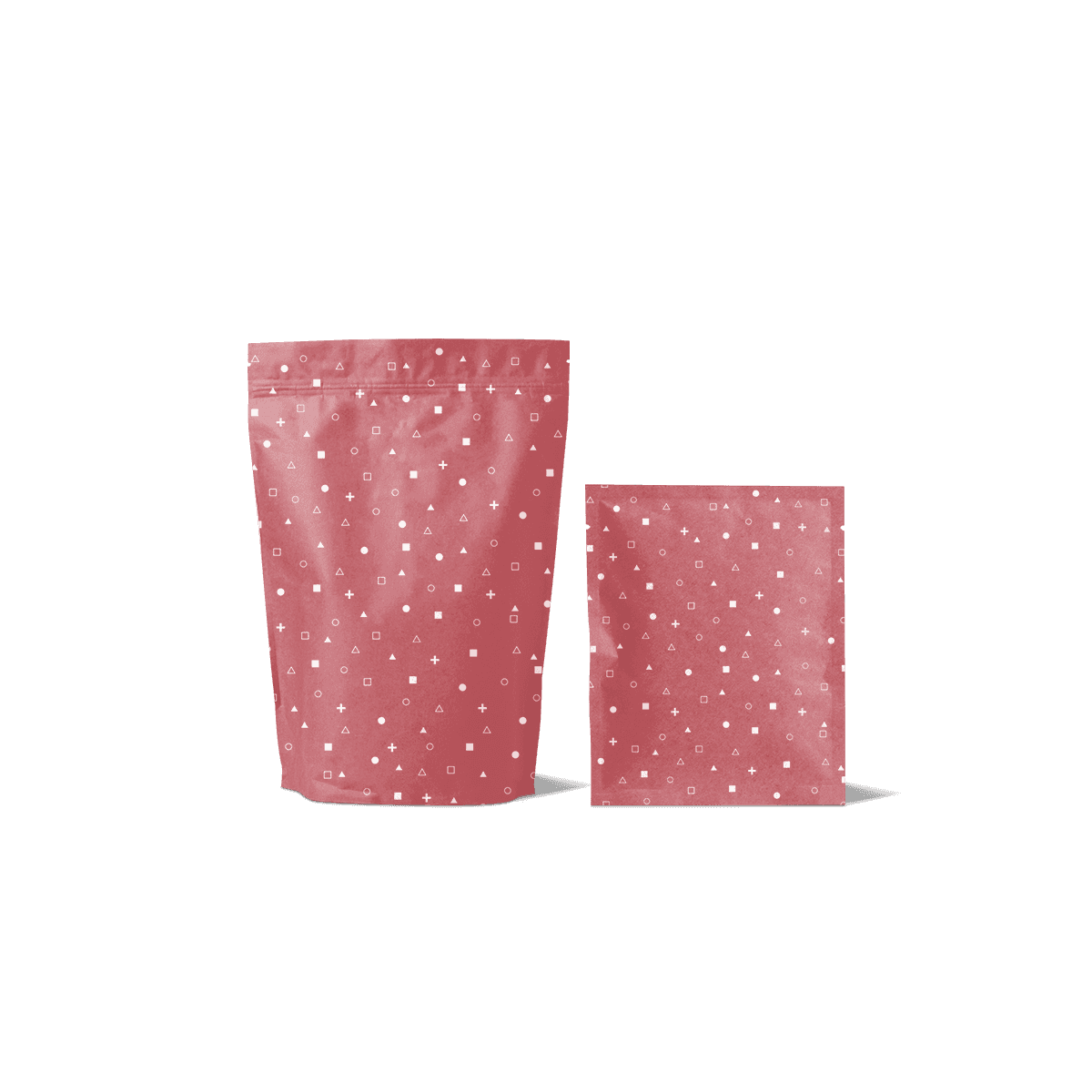
Custom Mylar Bags

High-barrier flexible bags for food, supplements, coffee, pet treats and retail products that need freshness, odour control and custom printed impact.

Free Design Support

Clear Pricing

Flexible Quantities

Unlimited Customization

Premium Materials

Offset Precision

Free Shipping

Quick Turnaround

Barrier Bags for Products That Need More Protection

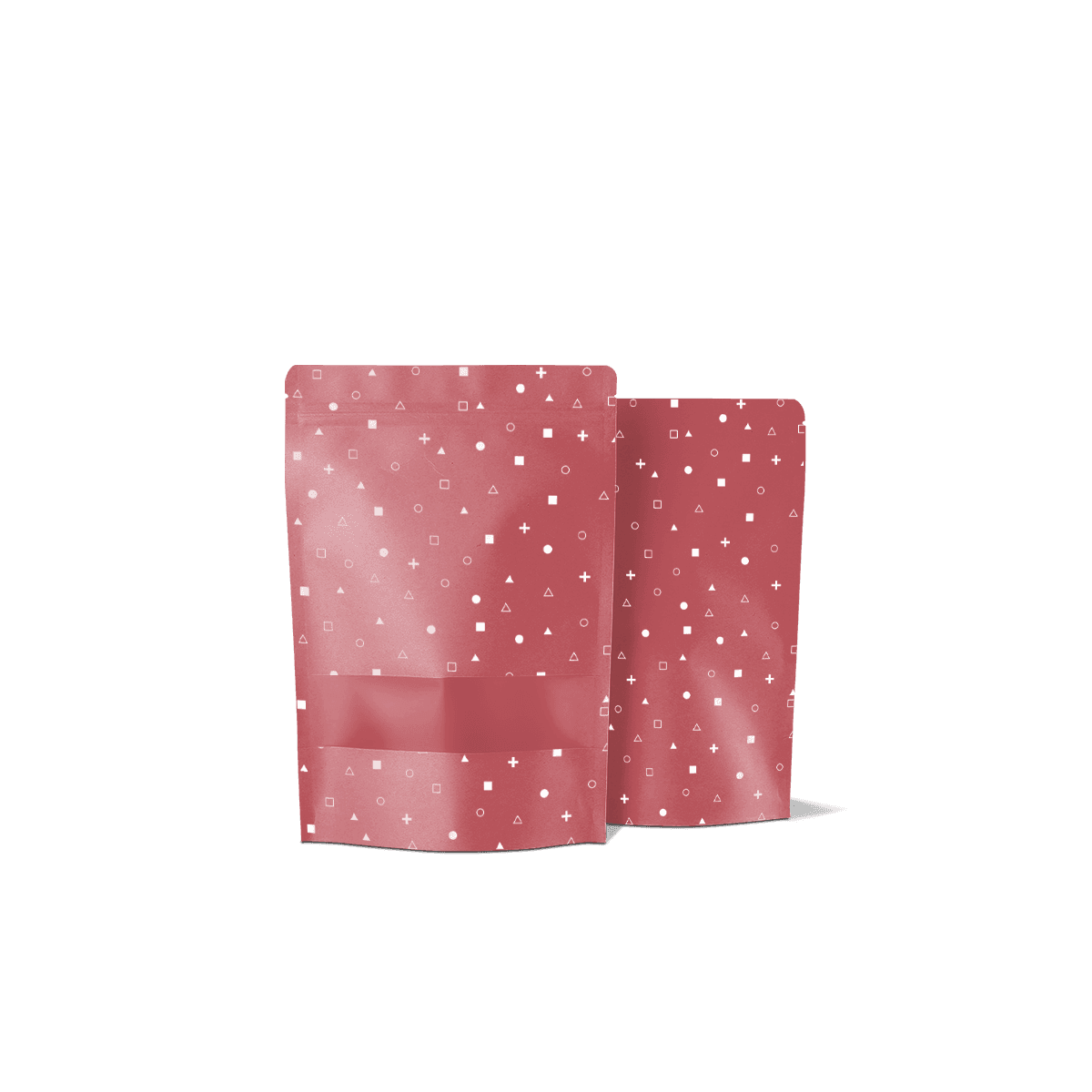
Custom Mylar Bags are flexible packaging bags built for products that need stronger protection from moisture, air, light, aroma loss or odour transfer. They are often used for coffee, tea, dry foods, powders, supplements, pet treats, herbs, spices, refill products and selected retail goods where standard flexible packaging may not give enough product protection.

The key difference is barrier performance. A Mylar-style bag is usually chosen when the product needs more than a printed pouch. It may need freshness support, better storage life, a stronger retail feel or a more controlled customer opening and resealing experience.

Good Mylar packaging should match the product’s risk. Coffee needs aroma and freshness planning. Powders need clean filling and seal control. Pet treats need practical resealing. Snacks need shelf appeal and moisture resistance. The best structure comes from how the product behaves before sale and after the customer opens the bag.

Custom Mylar Bags sit within Custom Pouches and Flexible Packaging when the product needs flexible structure, custom print and stronger barrier direction in one packaging format.
Mylar Is a Material Decision First

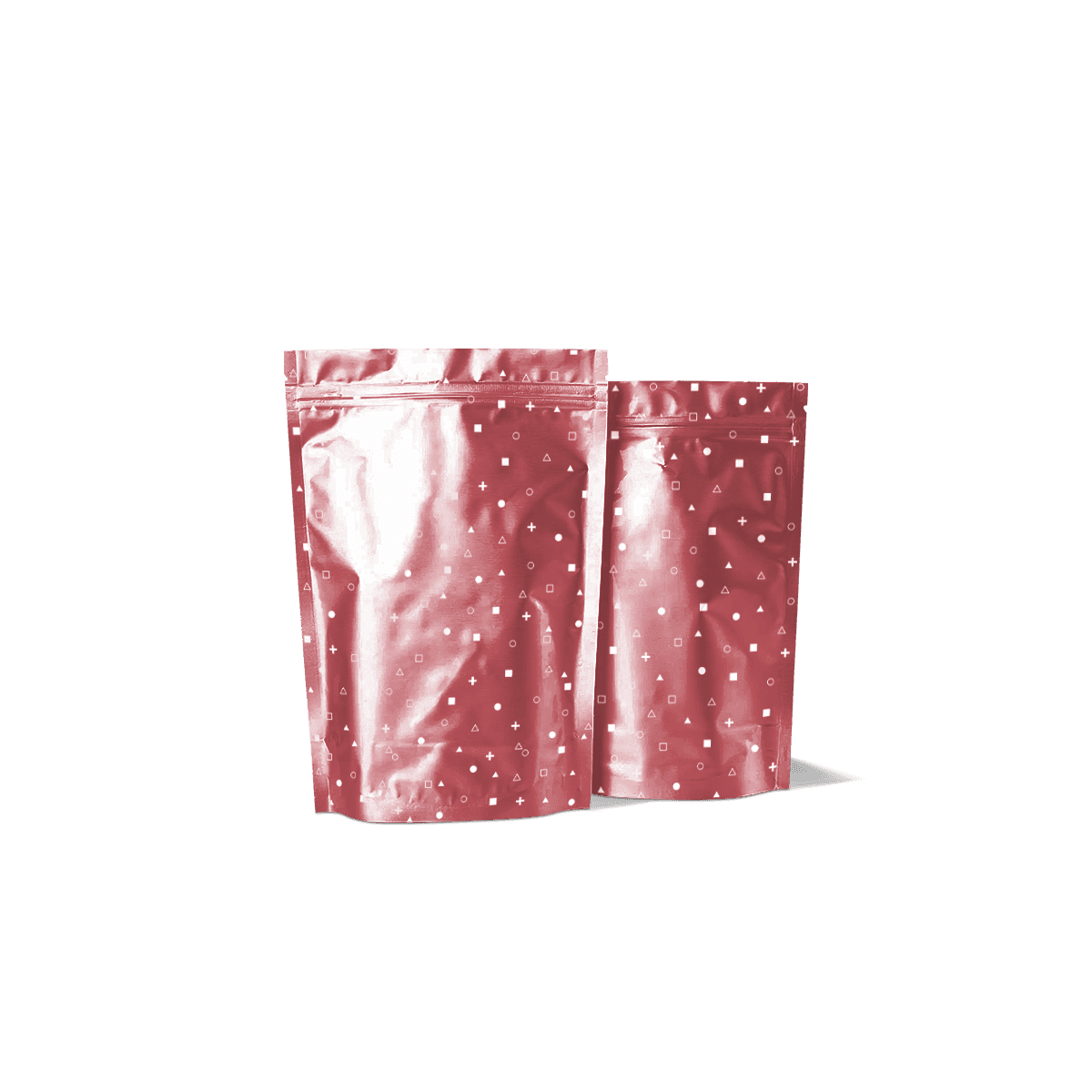
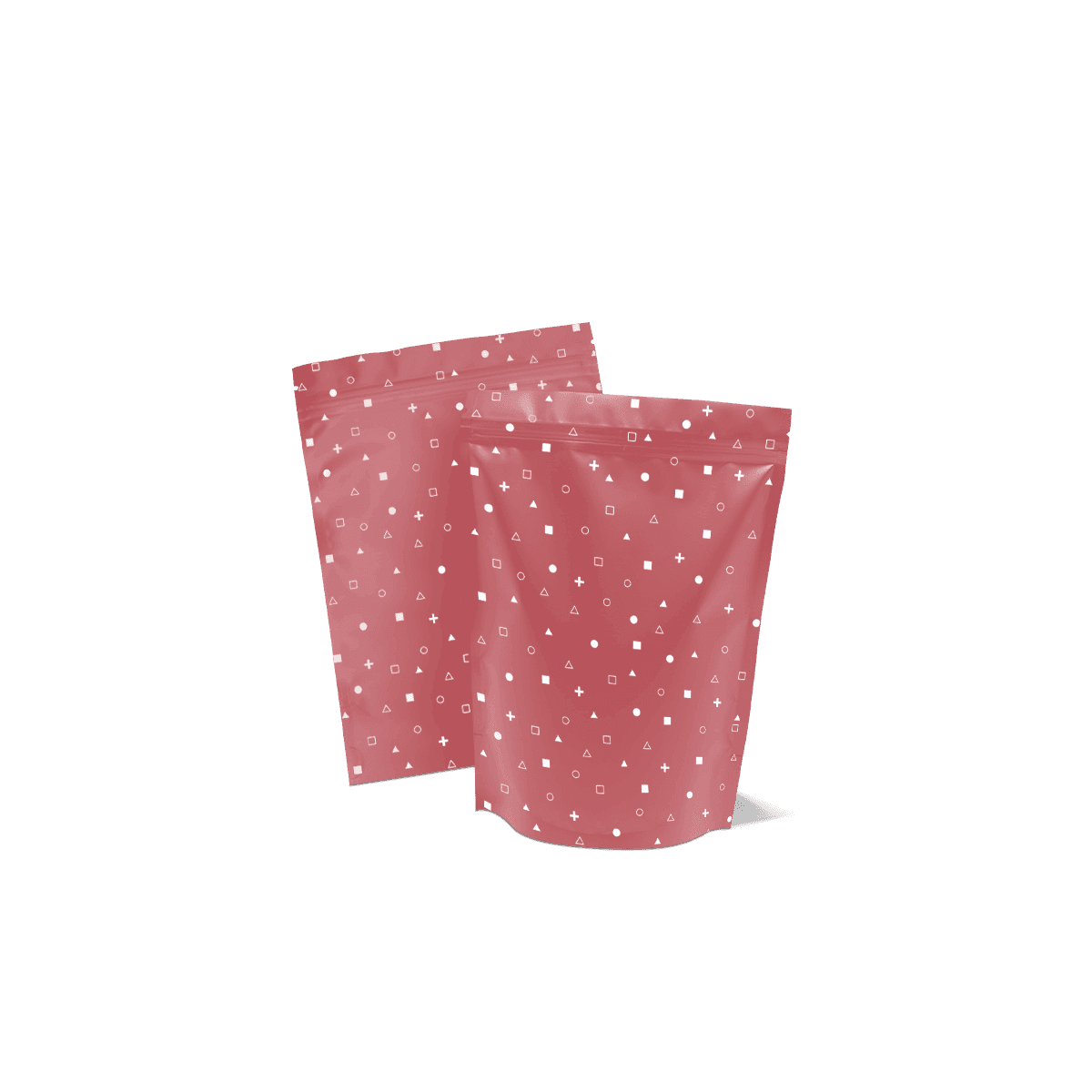
Custom Mylar Bags should be chosen for material performance before shape or finish. The bag can be flat, stand up, gusseted or resealable, but the main reason to use Mylar is product protection.

For many brands, the biggest mistake is treating Mylar as a visual style only. A shiny finish or metallic surface may look premium, but the real value comes from the film structure, seal setup and barrier needs.

Moisture Protection for Dry Goods

Dry products can lose quality when moisture enters the pack. Snacks may soften, powders may clump and herbs or spices may lose their clean texture.

Custom Mylar Bags can support products that need better protection from moisture during storage, transit and customer use. The final material choice should reflect the product type, fill weight and expected shelf life.

Aroma and Odour Control

Coffee, tea, spices, pet treats and scented products often need careful aroma planning. Some products need aroma kept inside the pack. Others need odour transfer reduced so the outer carton or storage area stays clean.

The bag structure, seal area and closure type all influence how well the pack handles aroma. A good design also protects the brand experience because customers judge freshness as soon as they open the pack.

Light Sensitivity and Opaque Surfaces

Some products perform better when they are not exposed to too much light. Opaque or foil-style Mylar structures may help when product quality matters more than product visibility.

A clear window can still be useful for selected products, but it should be used only when visibility supports the sale without weakening protection.

Products That Usually Suit Mylar Bags

Custom Mylar Bags suit products that need flexible storage, strong print and reliable protection. They are especially useful when the product may sit on a shelf, ship through ecommerce or be opened and closed more than once.

Coffee, Tea and Pantry Products

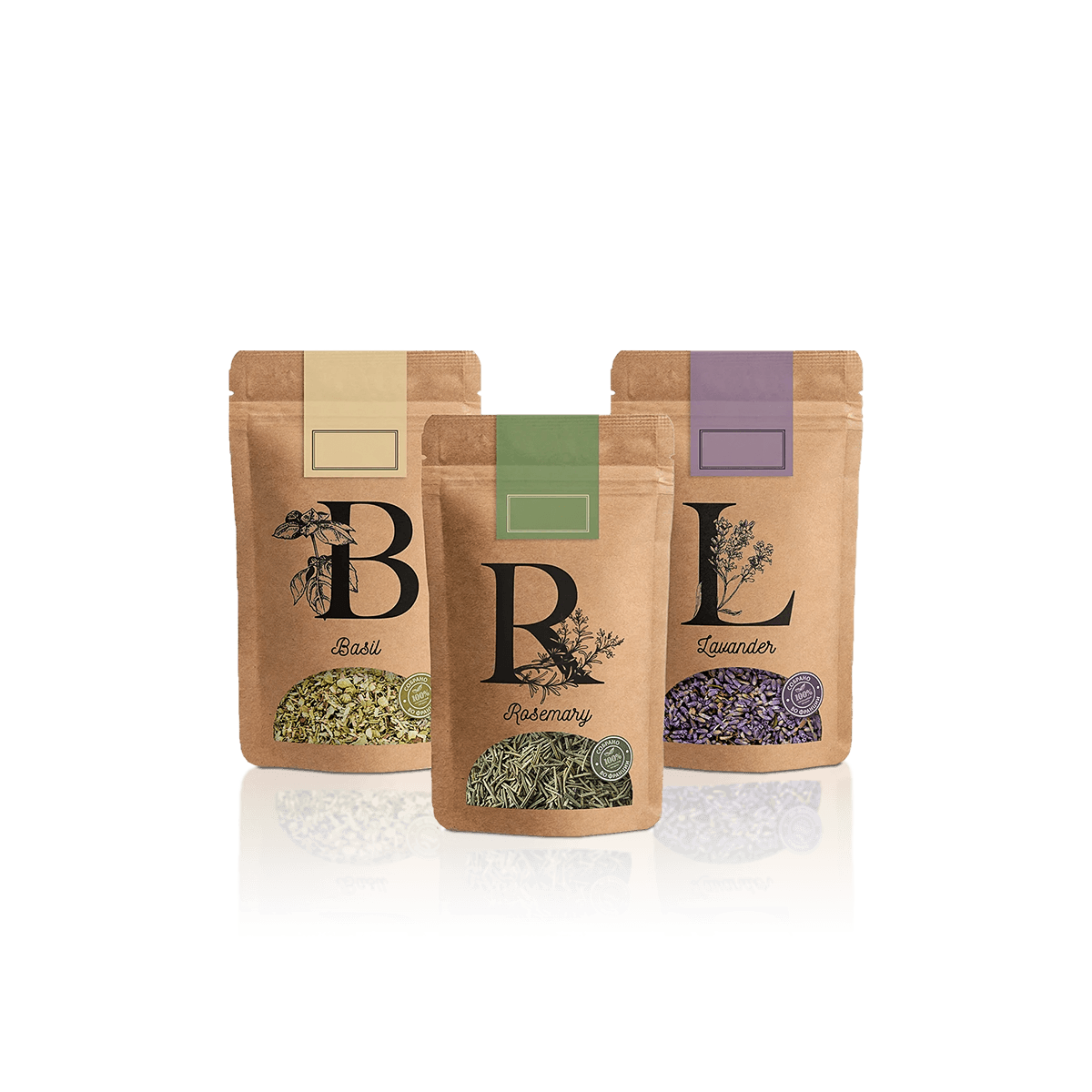
Coffee beans, ground coffee, loose tea, herbs, spices, granola, snacks and dry mixes can all benefit from Mylar-style packaging. These products often need freshness, aroma control and a pack that looks strong on shelf.

For food and drink ranges, Custom Mylar Bags can also support wider product packaging decisions alongside Custom Food and Beverage Packaging, especially when a range includes boxes, pouches, bags and refill formats.

Supplements, Powders and Wellness Blends

Protein powder, collagen, greens powders, powdered drink mixes, bath salts and dry wellness products often need bags that resist moisture and handle repeated use.

For powder-heavy products, the bag should be planned around filling behaviour. Fine powder can affect seal areas, zip tracks and the inside of the bag if headspace is too tight or the opening is not practical.

Pet Treats, Refills and Retail Goods

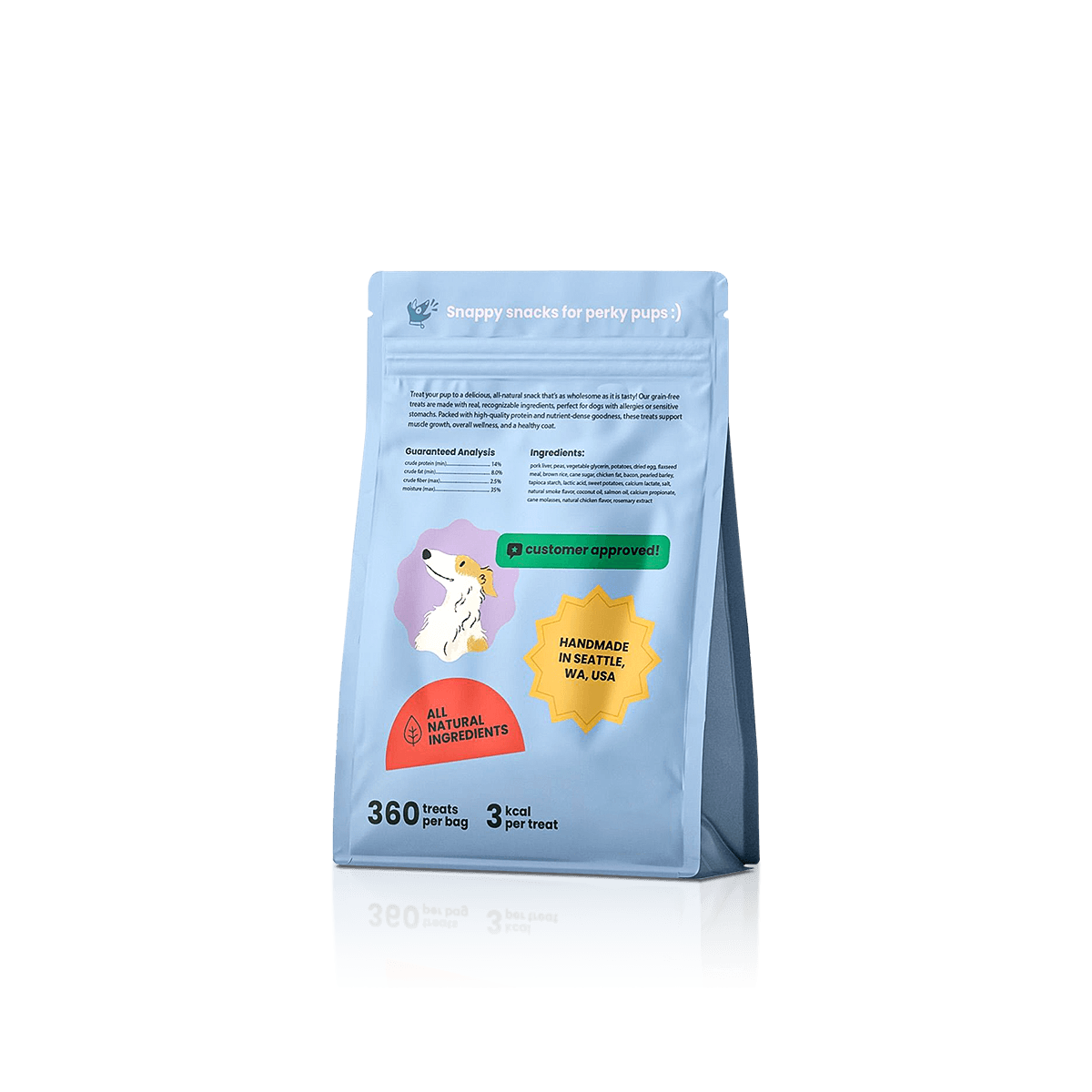
Pet treats and dry refill products often need a strong customer storage experience. Customers may open the pack daily, so the closure should feel secure and easy to use.

Mylar can also suit selected retail goods that need a premium pouch feel, bold print or stronger handling than lightweight film. The final choice should depend on product risk rather than appearance alone.

Shape Still Changes the Bag’s Job

Custom Mylar Bags can be made in different pouch structures. The shape should match how the product is displayed, filled, opened and stored.

A flat Mylar bag can suit samples and smaller products. A stand up Mylar bag can improve shelf display. A gusseted Mylar bag can support larger fill volumes. A resealable style can improve repeat use.

Flat Mylar Bags for Slim Packs

Flat Mylar bags suit lightweight products, samples, single portions and small retail items. They are easier to pack into boxes, mailers or display trays because they do not need a standing base.

They work best when the product does not need a strong shelf posture. The benefit is efficient storage, simple handling and a neat printed surface.

Stand Up Mylar Bags for Retail Display

Stand up styles give the bag a base so it can sit upright on shelf or in product photography. This can suit snacks, coffee, tea, supplements and pet treats.

When the product needs both barrier protection and a strong retail face, Custom Stand Up Pouches can help refine whether an upright format is the better choice.

Gusseted Mylar Bags for Larger Fills

Gusseted structures give the bag more room to expand. This can suit coffee, treats, powders, dry foods and refill products that need more capacity without making the front panel too wide.

The gusset depth should be planned around fill weight, product texture and shelf shape. If the gusset is too deep for the product, the bag can look underfilled or bulky.

Seal Choices Need Product Logic

Custom Mylar Bags can use several opening and closure setups. The right choice depends on whether the product is single-use, repeatedly opened, heat sealed after filling or needs a more secure first-open experience.

A seal choice should not be added only because it appears on other packaging. It should match how customers use the product after purchase.

Heat Seals for First-Open Confidence

A heat seal can help protect the product before the customer opens the bag. It is useful for many dry food, coffee, tea, supplement and pet product formats.

The seal area needs clean space. Product dust, overfilling or poor headspace can affect the seal and create problems at the packing stage.

Zip Closures for Ongoing Storage

A zip closure can help customers reseal the bag after opening. This is useful for snacks, coffee, tea, powders, pet treats and refill products.

The zip should sit where customers can open and close it easily. If the zip is too low, fill space is reduced. If it is too close to the top, the first opening can feel tight.

Tear Notches and Easy Opening

A tear notch gives customers a clear way to open the bag. It should sit above the resealable area and away from key artwork.

The opening path should feel obvious. Customers should not need scissors unless the product or closure style genuinely requires it.

Printing Needs to Work With the Film

Custom Mylar Bags often use strong print because the bag itself becomes the retail presentation. The surface may be metallic, matte, gloss, white, kraft-style or full-colour depending on the brand and material direction.

A strong design should make the product easy to recognise while leaving space for technical details. Mylar bags can look premium, but cluttered artwork can reduce shelf impact.

Use Contrast for Fast Recognition

Mylar surfaces can make colour feel bold, especially on metallic or gloss looks. This can help the pack stand out, but it can also make small text harder to read if contrast is weak.

The logo, product name, flavour or variant and key claim should be easy to read from a short distance.

Keep Functional Zones Clean

Artwork should not crowd the top seal, zip, tear notch, side seam or bottom fold. These areas move, seal or get handled more than the centre panels.

Important information belongs on stable print zones. This includes ingredients, storage advice, weight, directions, barcode and batch details.

Premium Effects Need Control

Holographic, metallic or high-shine Mylar can work well for limited drops, bold retail products and high-impact packaging. It should still support the product, not overpower it.

For brands that need a stronger visual effect, Custom Holographic Mylar Bags can be used when the finish is part of the product’s shelf strategy.

Food and Product Safety Questions to Raise Early

Custom Mylar Bags often carry products that need careful handling, but the exact material requirements depend on the product. Food contact suitability, storage conditions, fill temperature, barrier needs and labelling space should be discussed before production.

The goal is not to choose the strongest possible material for every product. The goal is to choose the material that protects the product properly without adding unnecessary cost or complexity.

Confirm Product Contact Needs

Products that touch the inside of the bag may need material guidance specific to the product type. Dry foods, powders, scented products and oily ingredients can all behave differently.

Share the product type and storage expectations at quote stage so the material direction can be checked before artwork goes too far.

Check Fill and Storage Conditions

Some products are filled by hand. Others are filled through equipment. Some sit in retail storage. Others ship straight to customers.

The bag should suit the filling method and storage environment. A great-looking bag can still fail if it is hard to fill, hard to seal or poorly suited to the product’s handling conditions.

Leave Room for Required Information

Mylar bags often need more practical information than a simple retail label. Ingredients, directions, storage notes, warnings, barcode and batch details may all need space.

Plan these details early so the design does not become crowded after compliance or product information is added.

Sizing Around Fill Weight and Shelf Shape

Custom Mylar Bags should be sized around fill weight, product volume and customer handling. A bag that is too large can look underfilled. A bag that is too small can strain the seal, crease badly or make the product hard to access.

Size is not only height and width. It also includes gusset depth, seal area, headspace and opening width.

Headspace Helps the Seal Work

Headspace is the space above the product before sealing. It helps keep product away from the seal and zip area.

Too little headspace can create sealing problems. Too much can make the pack look half-empty. The right amount depends on product texture, fill method and closure style.

Opening Width Changes Customer Use

Customers may pour, scoop or grab the product. Each action needs a different opening feel.

Powders and supplements often need enough mouth width for scooping. Pet treats and snacks need an opening that feels easy to access without spilling.

Filled Shape Should Match the Channel

A bag used for retail display may need more structure than a bag used as an ecommerce refill. A bag used in a kit may need to fit inside an outer box or mailer.

Think about where the bag goes after filling. Shelf display, shipping, kits and refill storage can all change the ideal size.

Small Runs, Larger Runs and Repeat Bag Systems

Custom Mylar Bags can support product testing, launch runs, seasonal products and larger repeat packaging programs. MOQ starts from 50, with support for bigger production volumes as the product range grows.

For first runs, avoid adding every possible feature. Start with the right material direction, bag size, closure and print system. Once the product performs, expand into new flavours, sizes or finishes.

First Runs Should Test the Main Risk

The first run should prove the packaging works for the product. For Mylar, that usually means checking barrier direction, filling, sealing, shelf look and customer opening.

A strong first run gives the brand a safer base for future product variants.

Repeat Orders Need Consistent Print Areas

When a range grows, consistent artwork zones help keep production clean. Place logos, product names, variant colours and back-panel information in the same positions across the range.

This helps customers recognise the product and makes repeat orders easier to manage.

Bulk Planning Reduces Last-Minute Changes

Larger Mylar bag programs should consider storage, SKU count, seasonal demand and reorder timing. Changing bag sizes or finishes too often can create leftover packaging and make production harder to manage.

Custom Packly can help review sizing, structure, print and material choices through Customisation before the range becomes more complex.

Approval Checks Before Production

Custom Mylar Bags should be checked for barrier direction, filled shape, seal behaviour, opening experience and print placement. A 3D mockup is usually enough for standard formats when the structure and finish are straightforward.

A physical sample may be useful when the product has an unusual fill weight, powder-heavy behaviour, a special finish, a large gusset, a window, a premium surface or a closure that must be tested in hand.

Check Seal and Closure Zones

Review the top seal, zip, tear notch and side seams. These areas affect product protection and customer use more than decorative areas do.

The opening should feel clear and the seal should have enough clean space.

Check the Filled Bag Shape

Mylar bags can look different once filled. Check bulging, leaning, underfilled appearance, crease patterns and product pressure near seams.

If the product is sold online, check how the filled bag looks in product photos too.

Check Artwork Against Real Handling

Customers touch the zip, top panel and sides often. Avoid placing key messages in areas that will be torn, folded or heavily handled.

The front panel should still read well after the bag has been opened and resealed.

Quote Details That Make Mylar Easier to Plan

A clear quote for Custom Mylar Bags should explain the product’s protection needs, not only the bag size. The material and closure depend on what the product needs to resist, how it is filled and how the customer uses it later.

Useful quote details include:

  • Product type and fill weight
  • Product texture, such as powder, beans, pieces, granules or treats
  • Preferred bag shape, such as flat, stand up or gusseted
  • Barrier needs, including moisture, oxygen, aroma, light or odour control
  • Heat seal, zip, tear notch, valve or window needs
  • Preferred surface, such as matte, gloss, metallic or kraft-style
  • Front and back artwork requirements
  • Quantity for first run and likely reorder volume
  • Launch date, packing schedule or retail deadline

Send these details through Get a Quote so the team can recommend the right bag format, material direction and print setup before production.

FAQs

Not always. Mylar usually refers to a polyester-based flexible film, while foil pouches may use foil-style barrier layers. The best choice depends on moisture, oxygen, aroma, light and product storage needs.

Yes. A zip closure is useful when customers open and reseal the bag many times. It works well for snacks, coffee, tea, powders, pet treats and refill products.

Yes. Custom Mylar Bags can support custom printed panels, brand colours, product details, variant coding and finish options. Artwork should leave clean space around seals, zips and tear notches.

Process

How it works

Simple steps from idea to delivery

01

Tell Us Your Specs

Custom packaging boxes

Tell Us Your Specs

Provide size, quantity, printing, and finishes.

02

Get a Fast Quote

Custom packaging boxes

Get a Fast Quote

Instant transparent pricing, no hidden fees.

03

Design and Approval

Custom packaging boxes

Design and Approval

Artwork checks, revisions, and final sign-off.

04

Produce

Custom packaging boxes

Produce

Expert manufacturing to meet deadlines.

05

Ship to Your Door

Custom packaging boxes

Ship to Your Door

Hassle-free, flexible delivery options.

Start Your Custom Packaging Quote

Share your product details, dimensions, quantity and artwork needs. We’ll help choose the right packaging style and send a clear quote.