Skip to content
Details

Custom Herb Pouches

Keep dried leaves, chopped herbs and culinary blends protected and easy to identify with pouches planned around cut size, stem points, fill volume and resealing.

Free Design Support

Clear Pricing

Flexible Quantities

Unlimited Customization

Premium Materials

Offset Precision

Free Shipping

Quick Turnaround

Custom Herb Pouches for Dried Leaves, Blends and Refills

Custom Herb Pouches should protect dried herbs while keeping the contents easy to pour, store and recognise. They can hold single herbs, mixed seasonings, refill products and small food-service quantities.

The herb itself sets the brief. Fine parsley flakes settle closely and may create dust near the seal. Long rosemary leaves take more room and can press against thin film. Bay leaves need a wide opening, while soft basil and mint can crush when the pouch is too tight.

The pouch brief should start with the herb cut, fill weight and intended use. Related spices, tea and pantry products can stay visually aligned through Custom Food and Beverage Packaging.
Size Custom Herb Pouches by Cut and Density

Custom Herb Pouches should be sized from a test fill, not the stated weight alone. Dried herbs differ greatly in density and shape.

Fine flakes and powdered herbs

Fine-cut herbs can settle into a compact layer. They need a seal area that stays clear of dust. A narrow opening may slow hand filling and leave particles around the zipper.

Allow enough top space for filling, settling and heat sealing. Avoid excess height that makes the pouch look underfilled.

Long leaves and firm stems

Rosemary, thyme sprigs and whole bay leaves need more internal room than fine flakes. Firm pieces may catch in narrow corners or press against the front film.

A wider pouch or deeper base can reduce pressure on the herbs. It can also make filling faster without forcing the contents through a small opening.

Mixed culinary blends

Blends that contain leaves, seeds, dried peel or garlic pieces can settle unevenly. Measure the blend after light handling rather than directly after filling.

Check several samples because larger pieces may move to the top while smaller particles collect at the base. Custom Herb Pouches should still look balanced after this natural separation.

Keep Aroma, Dust and Moisture Under Control

Custom Herb Pouches need a closure and material structure that suit the herb. Dried ingredients can lose aroma or take on moisture when the pouch does not close well.

Use the first seal and zipper for separate tasks

The heat seal protects the unopened herb. The zipper helps the customer close the pouch after use. Keep loose leaves and dust away from both areas.

The tear notch should sit above the zipper so the first opening does not remove the reclose feature. Leave enough film above the zipper for a clean heat seal.

Match the barrier to storage time

The pouch layers should suit the herb, shelf period and storage conditions. Opaque structures can reduce light exposure, while clear areas make the product visible.

Custom Herb Pouches used for strong herbs should also limit aroma transfer into nearby products. This matters when several herbs share a carton or storeroom.

Watch sharp stems and broken leaf edges

Dry stems can act like small points inside a tightly filled pouch. A suitable film thickness and sensible fill level can reduce rubbing and pinhole risk.

Do not overfill the pouch to make it look fuller. A controlled amount of space lets the leaves move without pressing hard against the seals.

Choose a Pouch Shape That Suits Filling

Custom Herb Pouches can use stand-up, flat or gusseted structures. The best choice depends on the fill amount, display method and how the herb leaves the pouch.

Stand-up pouches for retail herbs

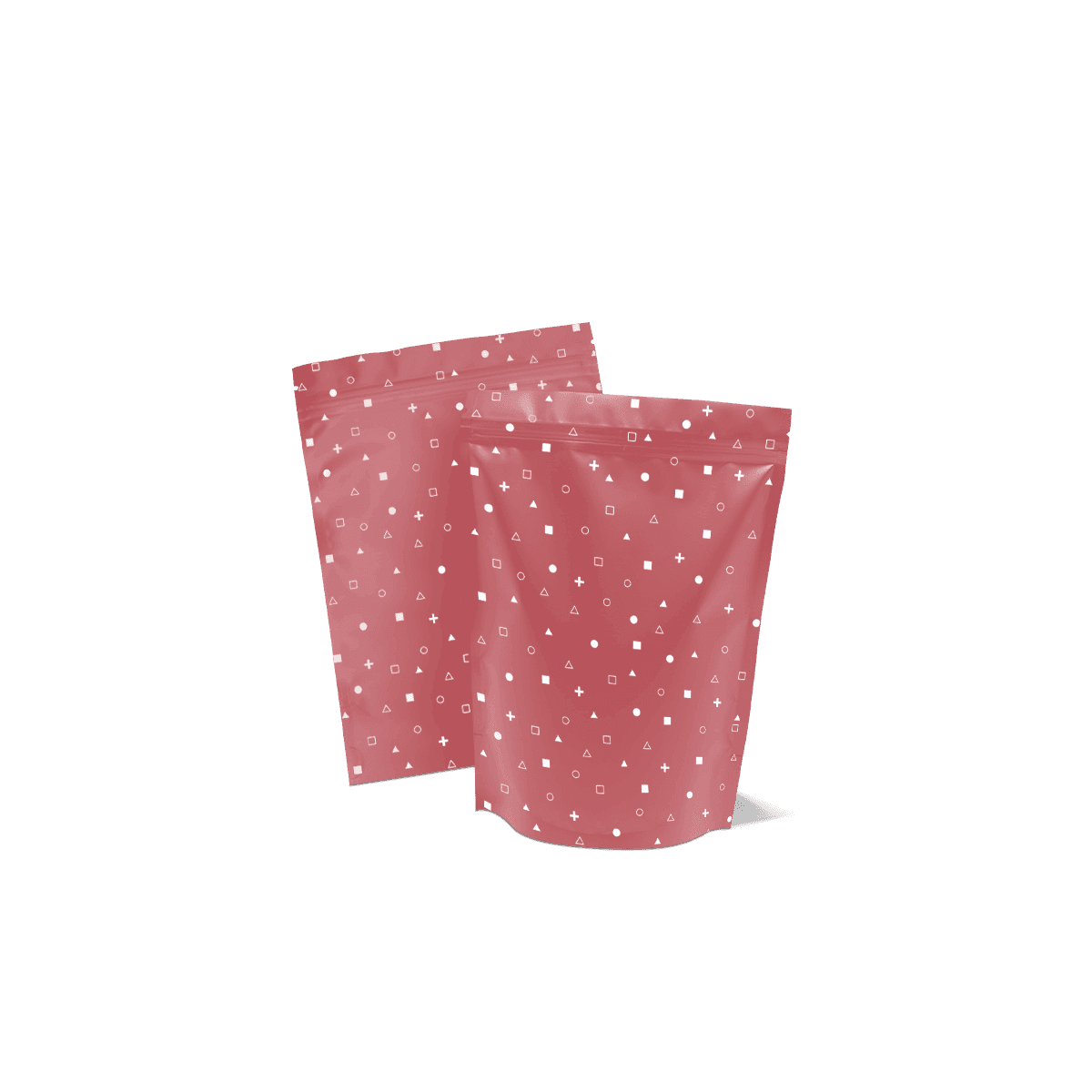
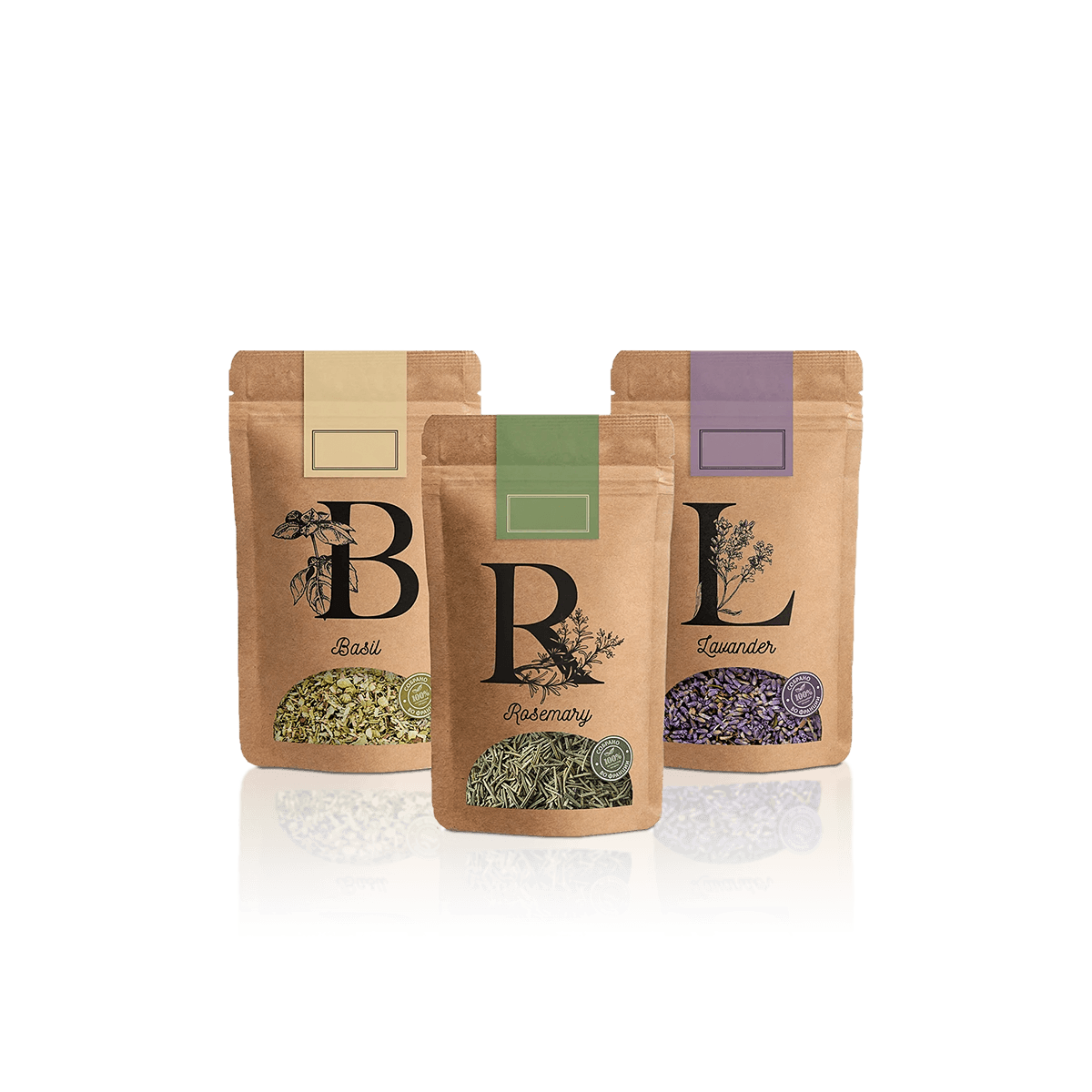
A bottom gusset gives the pouch a stable base and a clear front panel. This works well for dried basil, parsley, oregano and mixed herb blends sold on shelves or market tables.

Custom Pouches and Flexible Packaging can include resealable, heat-sealed and window choices for related dried foods. The base should open fully after filling so the pouch does not lean.

Flat pouches for samples and small portions

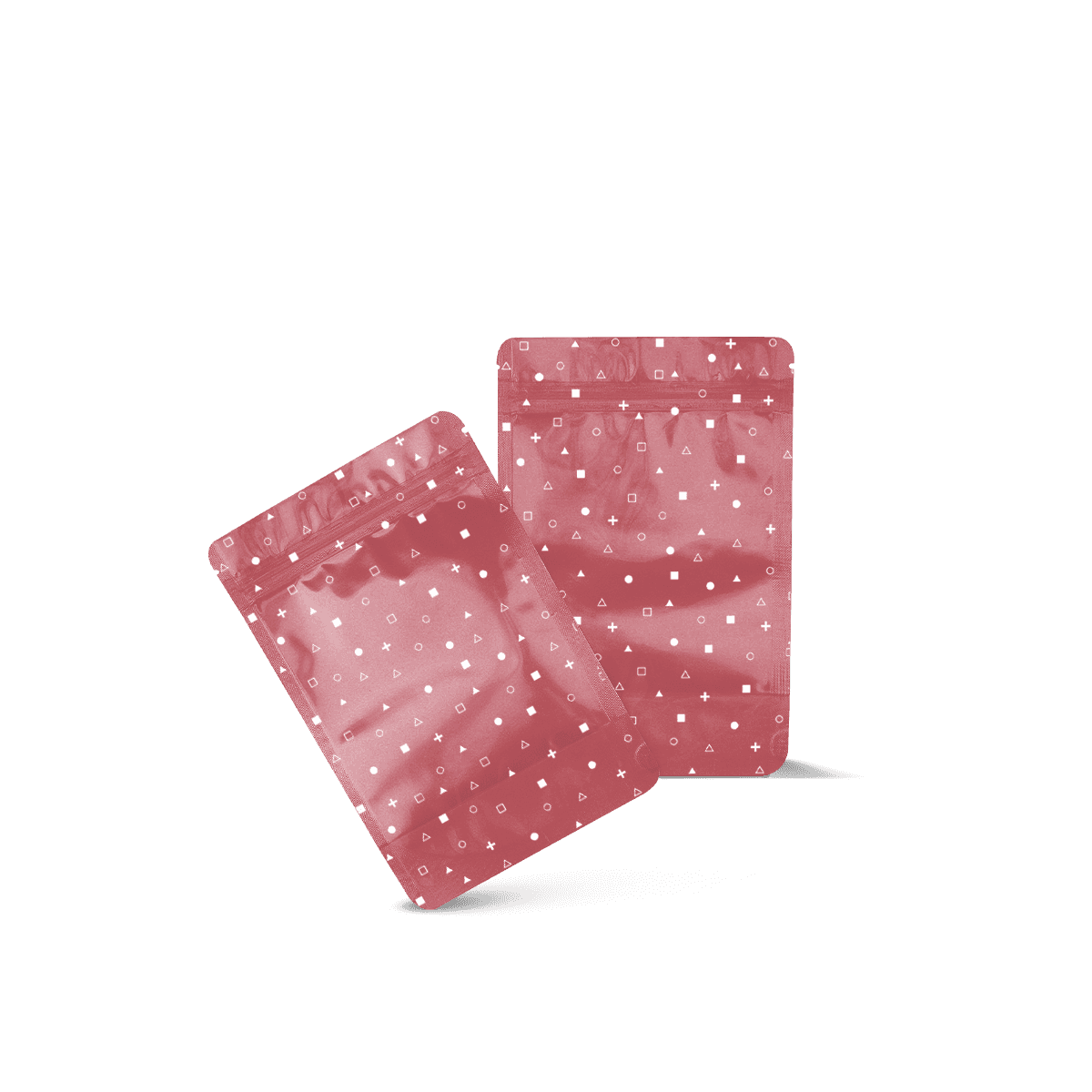
Custom Herb Pouches in a flat structure suit tasting sets, recipe kits, promotional portions and low fill weights. They use little storage space and can sit inside a carton with other ingredients.

A three-side seal can provide broad print panels. A tear notch helps with clean opening when no zipper is needed.

Gusseted pouches for larger refills

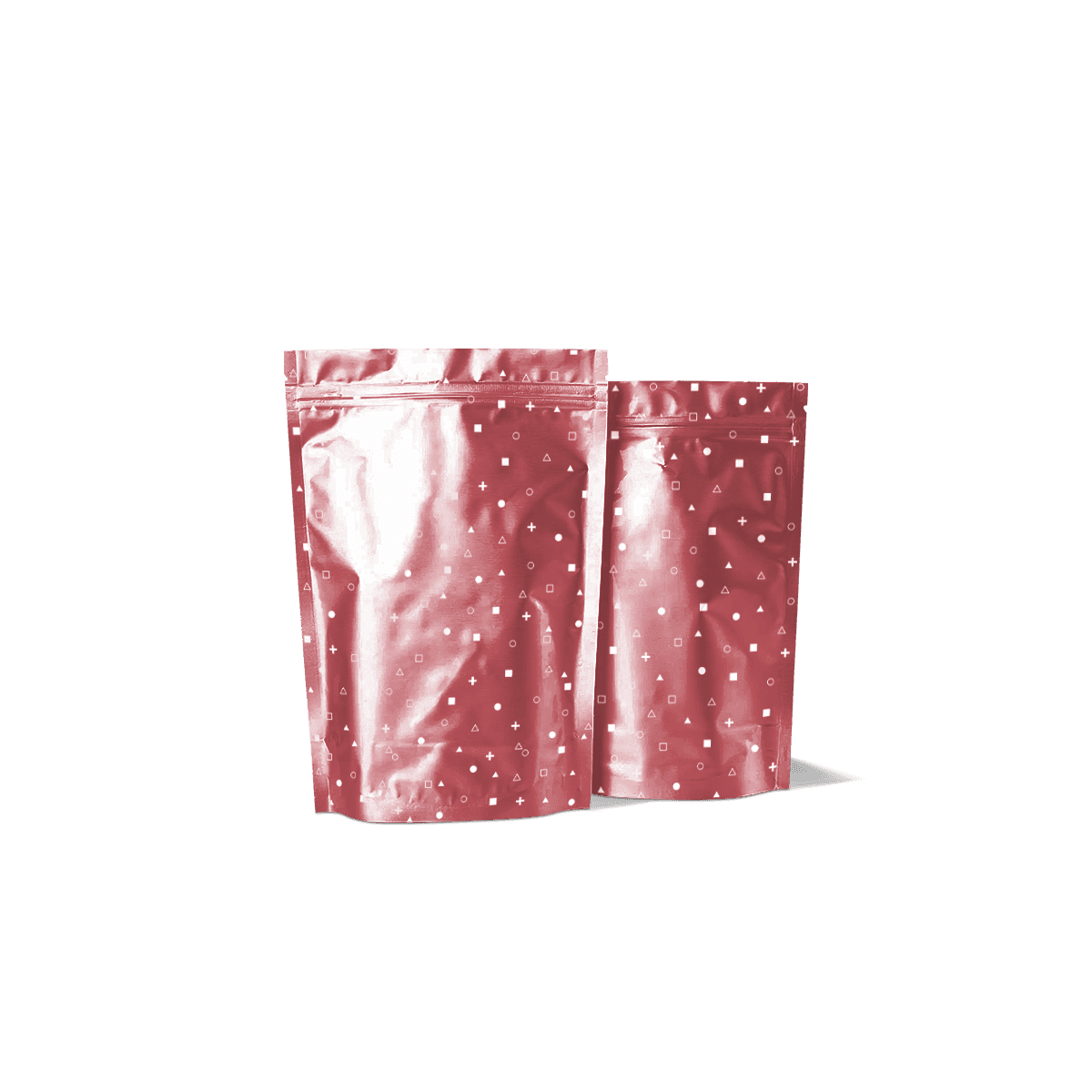
Side or bottom gussets add room for larger herb quantities. They can suit food-service refills and products sold to cafés, caterers or independent food stores.

The gusset depth should match the filled product. An oversized base may fold poorly when the pouch is only partly filled.

Use Windows Without Losing Clarity

Windows on Custom Herb Pouches can show leaf colour, cut size and visible quality. They should reveal the herb without weakening the artwork or hiding key details.

Set the window at the settled fill level

Herbs may move down during transport. Place the clear area where the product will remain visible after settling.

A window near the top can look empty once the pouch has been handled. A lower or centred window often gives a more reliable view.

Keep the herb name on a solid panel

Do not place the product name, barcode or fine text across a busy view of chopped leaves. Use an opaque area for information that must remain easy to read.

Custom Herb Pouches with several similar green herbs need especially clear names. Basil, oregano and parsley should not rely on colour alone.

Check what the window changes

The window affects the available print area and may change the barrier structure. Confirm that it still suits the herb and expected storage period.

A small shaped window may show enough product while leaving room for a strong front design.

Make Every Herb Easy to Identify

Custom Herb Pouches should separate similar products at a glance. Clear identification also helps staff select the correct pouch during filling and order assembly.

Keep one layout across the herb line

Use fixed positions for the logo, herb name, weight and key product details. Change a colour band, illustration or pattern for each herb.

This creates a linked collection without making every pouch identical. It also makes later artwork easier to control.

Use words before subtle colour cues

Many dried herbs share muted green and brown tones. A customer should not have to study a small image to tell thyme from oregano.

Make the herb name the strongest product cue. Use secondary colour or illustrations to support it.

Reserve space for variable details

Leave clear areas for batch codes, best-before dates or labels when those details change between fills. Keep them away from gusset folds and the zipper.

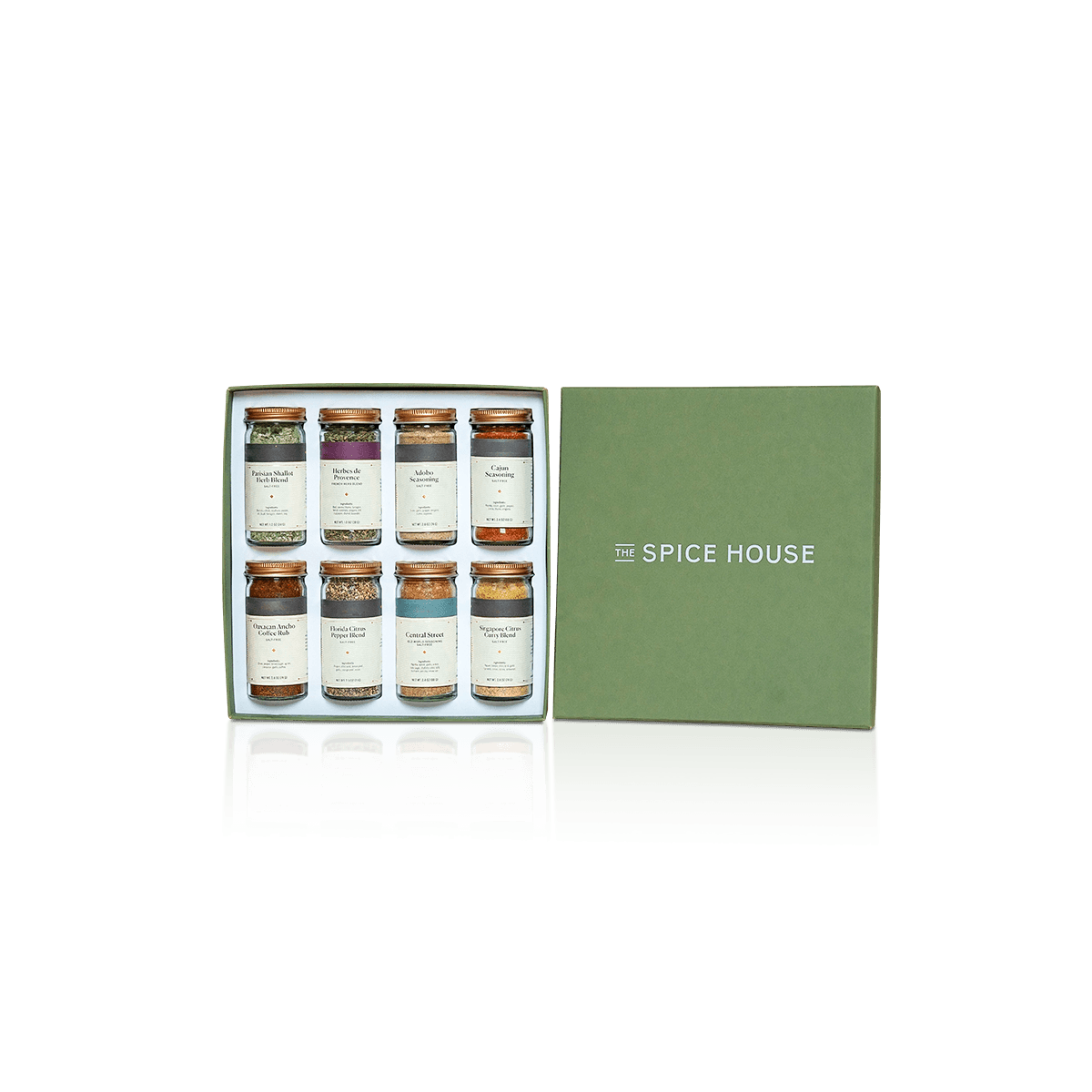
Custom Spice Boxes can carry jars, sachets or mixed seasoning sets when a firm outer carton suits the product better than a refill pouch.

Plan Retail Shelves, Markets and Refills

Custom Herb Pouches may sit on a shelf, hang from a display or travel inside an online order. Each use changes the ideal dimensions and top edge.

Stable pouches for shelves and markets

The base should sit flat and the herb name should appear above any low shelf lip. A compact width can help several herbs sit side by side without hiding each other.

Small pouches may need more base depth to stand well after filling. Test the real herb because light leaves do not always push the base open.

Hanging holes for limited shelf space

Custom Herb Pouches with a euro slot or round hang hole can suit small herb portions displayed on hooks. Keep the hole far enough from the zipper and heat seal.

The filled pouch should hang straight rather than tilt to one side. Uneven herb distribution can affect the balance.

Refill pouches for jars and tins

Refill sizes should pour cleanly into the intended container. The pouch opening must suit the leaf size and the width of the jar.

Custom Herb Pouches for refills can use simpler front artwork while retaining clear herb names, weights and storage details.

Display cartons for small herb pouches

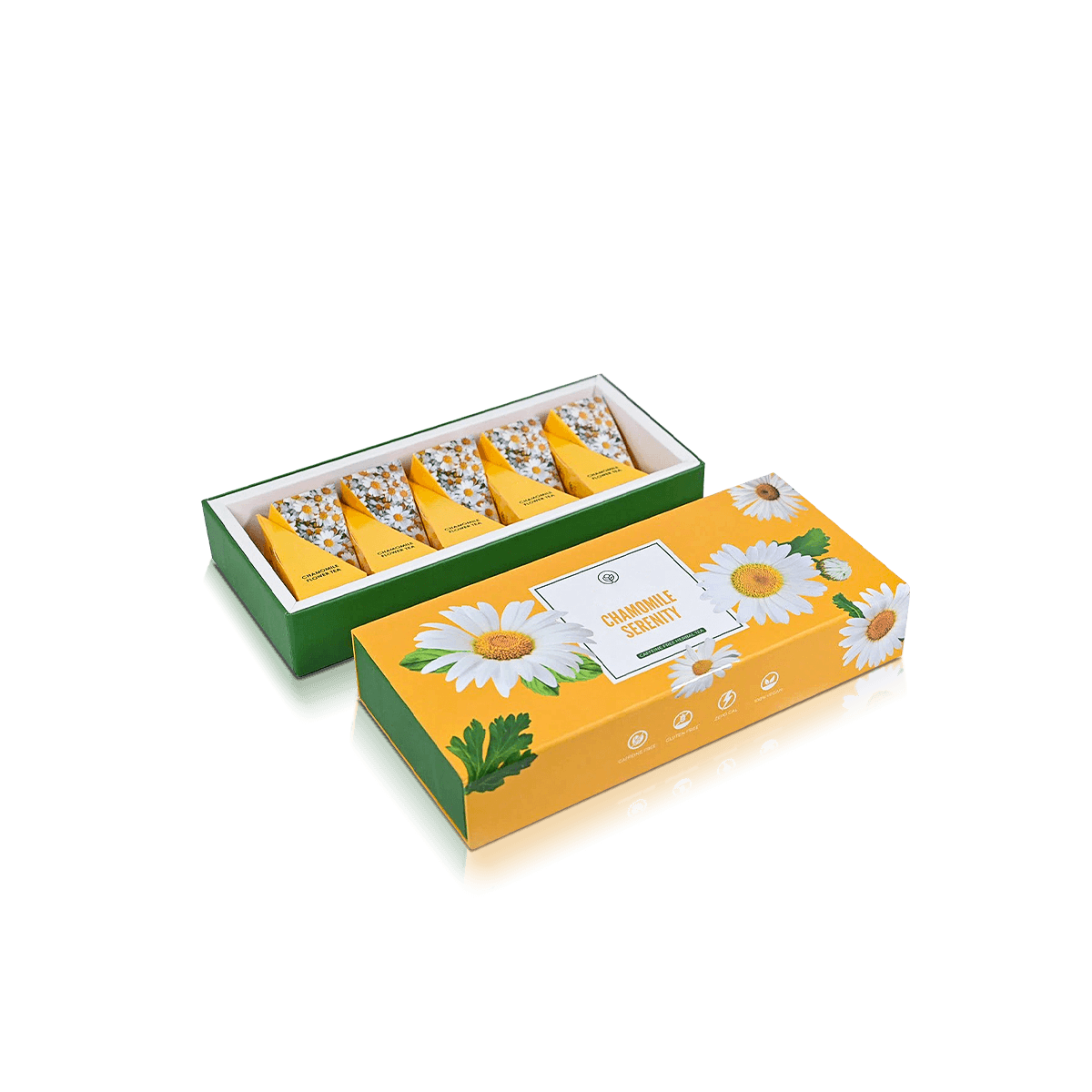
Flat herb portions and recipe sachets can become hard to organise on a counter. Custom Display Boxes can hold them upright and keep the front names visible.

The display lip should support the pouches without covering the herb name or window.

Align Print, Surface and Closure Details

The surface of Custom Herb Pouches should suit the product story while keeping small information sharp and easy to read.

Kraft-look, white and metallic surfaces

A kraft look can suit natural culinary brands. White surfaces support bright colour and fine illustration. Metallic structures can give stronger light protection and a more technical finish.

The visible surface does not explain the full material structure. Any environmental claim should match the complete pouch, zipper and disposal route.

Matte and gloss handling

Matte surfaces can reduce glare at markets and under shop lighting. Gloss can deepen colour and make ingredient images more vivid.

The finish should resist rubbing in shipping cartons. Dark colours and large solid areas need careful print control because marks can be more visible.

Artwork across folds and seals

Keep the herb name, weight and barcode away from the gusset fold, heat-seal zone and tear notch. Small preparation notes should remain on a flat panel.

Customisation can align the film, closure, window, print and artwork layout. A 3D mock-up is usually enough for standard artwork approval. A physical sample may help when sharp stems, a small window or an unusual fill create more risk.

Order Around Harvests and Core Herbs

Custom Herb Pouches often cover stable kitchen staples beside short seasonal herbs and limited blends. The order plan should reflect how long each artwork will remain current.

Use smaller runs for new or seasonal herbs

MOQ starts from 50, with support for larger production runs and repeat herb orders. A new blend may need a modest first quantity, while established basil or oregano products may suit a larger run.

Set each amount by demand, storage space and the life of the artwork.

Keep specifications linked to each herb

Record the pouch dimensions, film structure, zipper, notch, window, finish and approved colour references. Save each herb artwork under a clear name and revision date.

Before reordering, check the herb name, weight, ingredient wording, barcode, coding area and any storage statement.

Match delivery to filling capacity

Packaging should arrive before the planned filling date without taking over storage for months. Eligible approved orders can move through local production in around 4 to 6 days. Complex materials or larger quantities may need more time.

Share the filling date and launch date when requesting pricing so the production plan reflects the real deadline.

Send Herb-Specific Details for Pricing

A useful quote for Custom Herb Pouches needs the herb shape and filling details, not only a target weight.

Include:

  • the herb or blend name
  • whole leaves, chopped leaves, flakes or powder
  • any firm stems, seeds or dried peel
  • target fill weight
  • test-filled dimensions where available
  • stand-up, flat or gusseted preference
  • zipper, tear notch and heat-seal needs
  • window size and position
  • hanging-hole requirements
  • retail, refill, food-service or recipe-kit use
  • number of herb artworks
  • quantity required for each design
  • artwork status and required date

Custom Packly can use these details to assess pouch volume, opening width, seal space and print panels. Send them through Get a Quote for a recommendation based on the real herbs and filling routine.

FAQs

Use both. The weight sets the sale amount, while the filled volume determines the pouch width, height and gusset depth.

Yes. Place the window where the herbs remain visible after settling and check that the pouch structure still suits the required storage period.

Firm stems and leaf edges can increase rubbing. The material and fill level should be checked against the real product before production.

Yes. Provide the quantity for each herb so the print method, artwork plan and pricing can be assessed.

Send the herb cut, fill weight, pouch shape, closure, window, artwork count, quantity and required date.

Process

How it works

Simple steps from idea to delivery

01

Tell Us Your Specs

Custom packaging boxes

Tell Us Your Specs

Provide size, quantity, printing, and finishes.

02

Get a Fast Quote

Custom packaging boxes

Get a Fast Quote

Instant transparent pricing, no hidden fees.

03

Design and Approval

Custom packaging boxes

Design and Approval

Artwork checks, revisions, and final sign-off.

04

Produce

Custom packaging boxes

Produce

Expert manufacturing to meet deadlines.

05

Ship to Your Door

Custom packaging boxes

Ship to Your Door

Hassle-free, flexible delivery options.

Start Your Custom Packaging Quote

Share your product details, dimensions, quantity and artwork needs. We’ll help choose the right packaging style and send a clear quote.