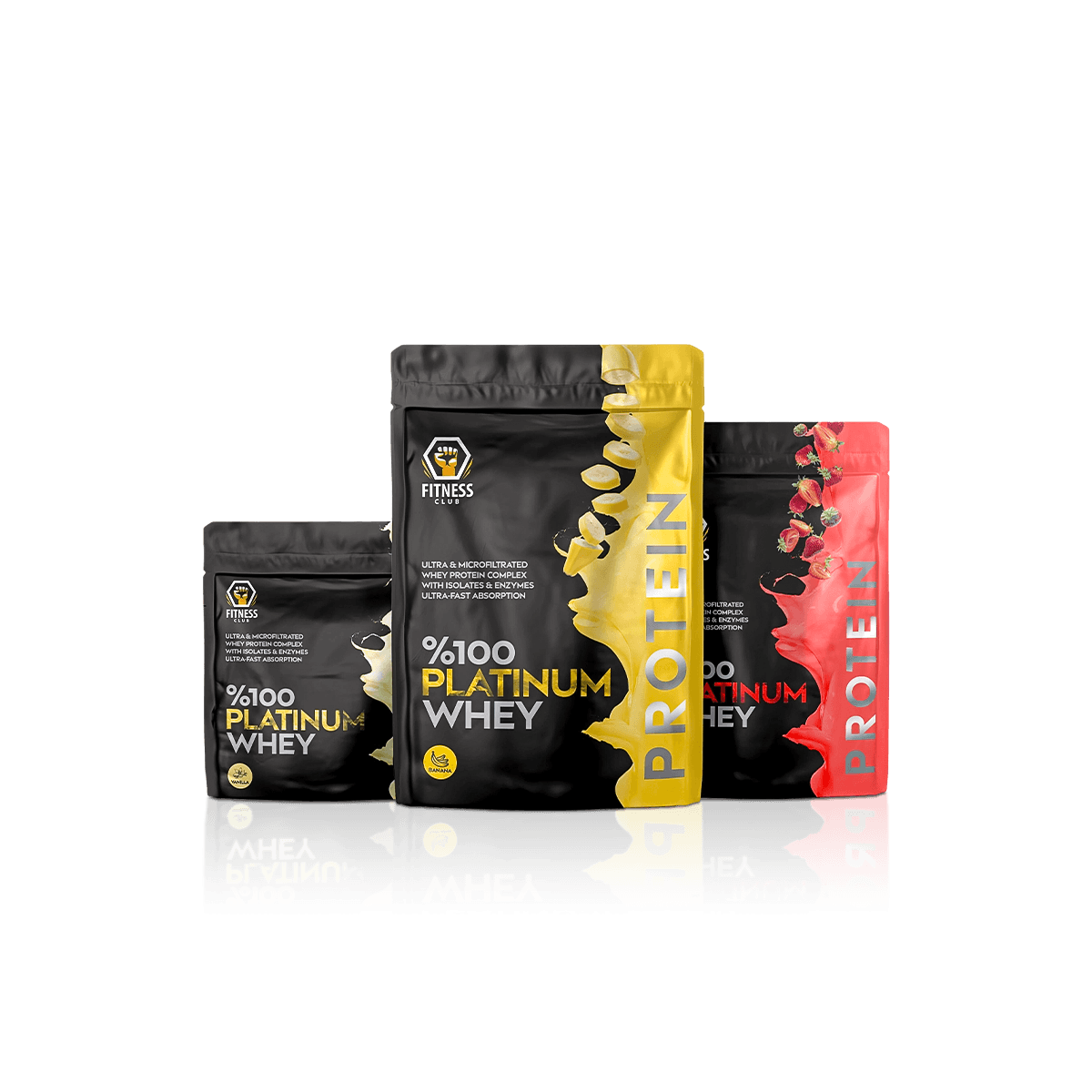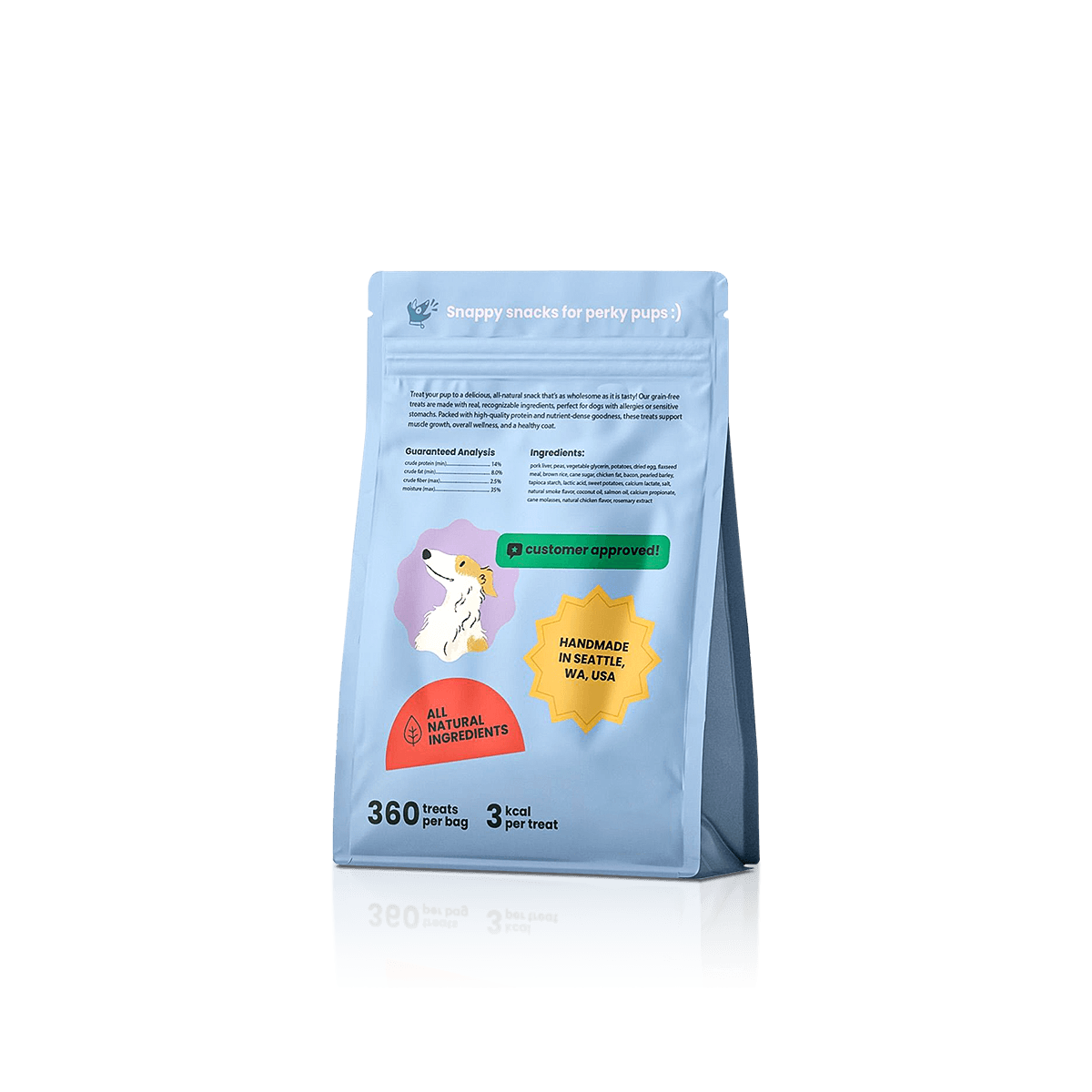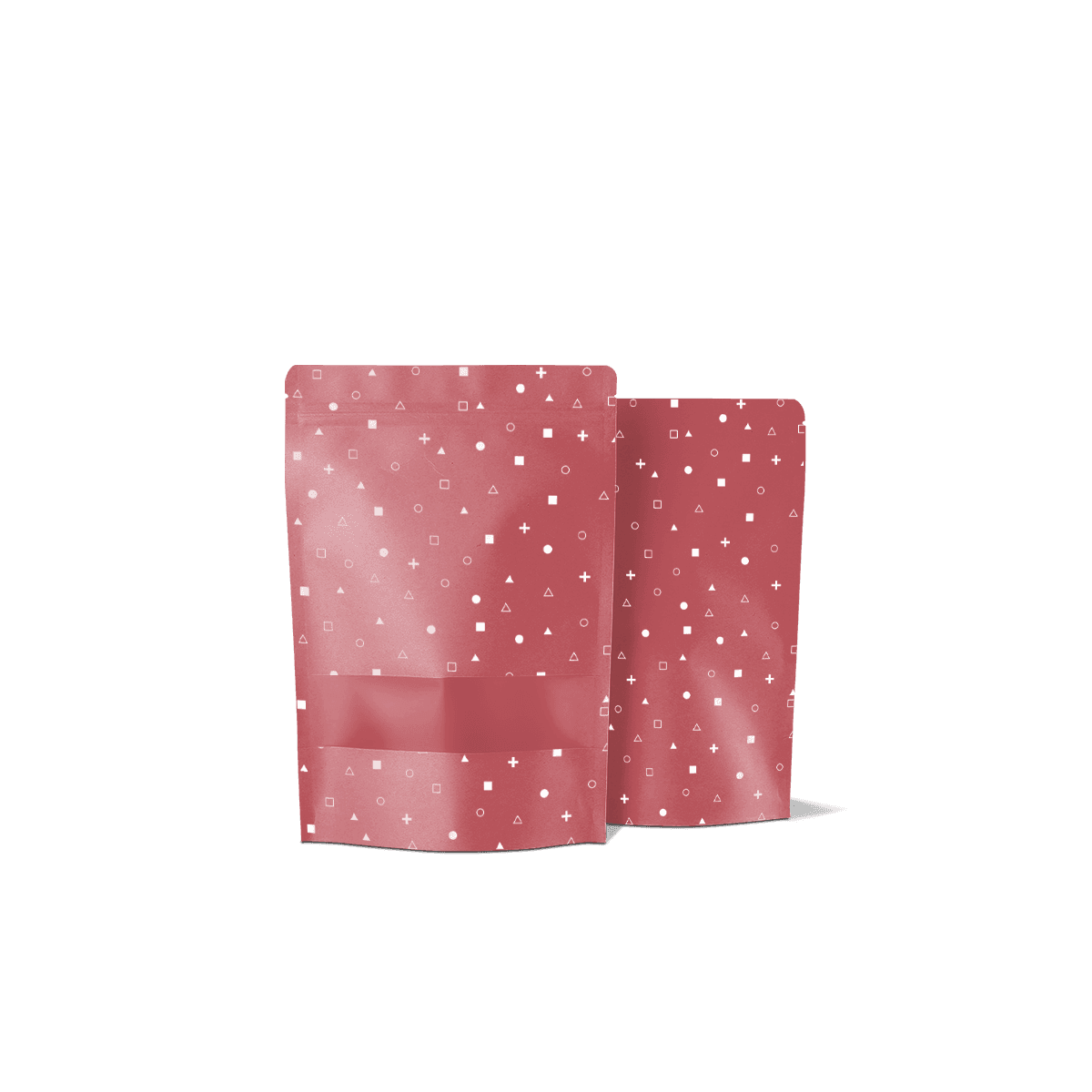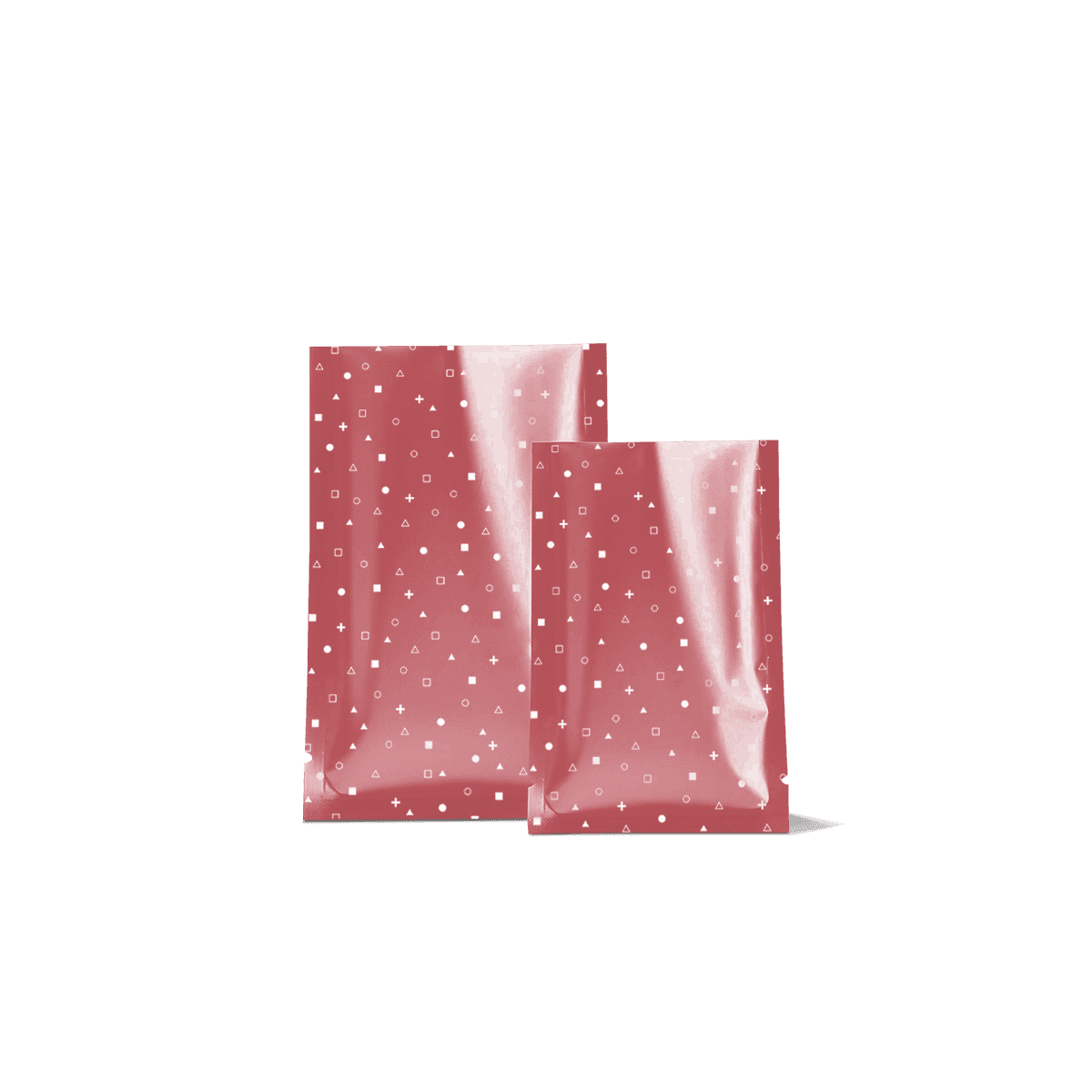
Custom Food Pouches
Flexible pouches specified around food type, fill behaviour and opening method, with barrier choices, seals and print areas matched to the final product.
Free Design Support
Clear Pricing
Flexible Quantities
Unlimited Customization
Premium Materials
Offset Precision
Free Shipping
Quick Turnaround
Custom Food Pouches for Flexible Food Packaging
Custom Food Pouches should be specified from the food outward. The recipe, fill weight, particle size, oils and storage needs all affect the material and closure. A pouch chosen only for its appearance may seal poorly, sit unevenly or provide the wrong level of protection.
Dry snacks, powders, baking ingredients, grains and confectionery can all use flexible food packaging. However, they do not place the same demands on it. Semi-moist foods and liquids need another level of review. Frozen, hot-fill and retort products also require a structure confirmed for the actual process.
The wider Custom Food and Beverage Packaging collection covers cartons, jars, bags and pouches for food businesses. Custom Food Pouches suit products that benefit from lower weight, broad print coverage and less empty space than a rigid container.
Dry foods and pantry staples
For dry products, Custom Food Pouches often need protection from moisture, oxygen or both. Fine powders may also enter the zipper track or top sealing area during filling.
The pouch needs enough clear space above the food. This helps keep the closure clean and gives the top seal room to form.
Oily, sharp and irregular foods
Nuts, jerky, brittle pieces and foods with hard edges can press against the film. Custom Food Pouches for these products need suitable puncture strength. They may also need resistance to oils or grease.
The largest piece matters as much as the stated weight. Test the actual food rather than relying on an average particle size.
Single serves and larger portions
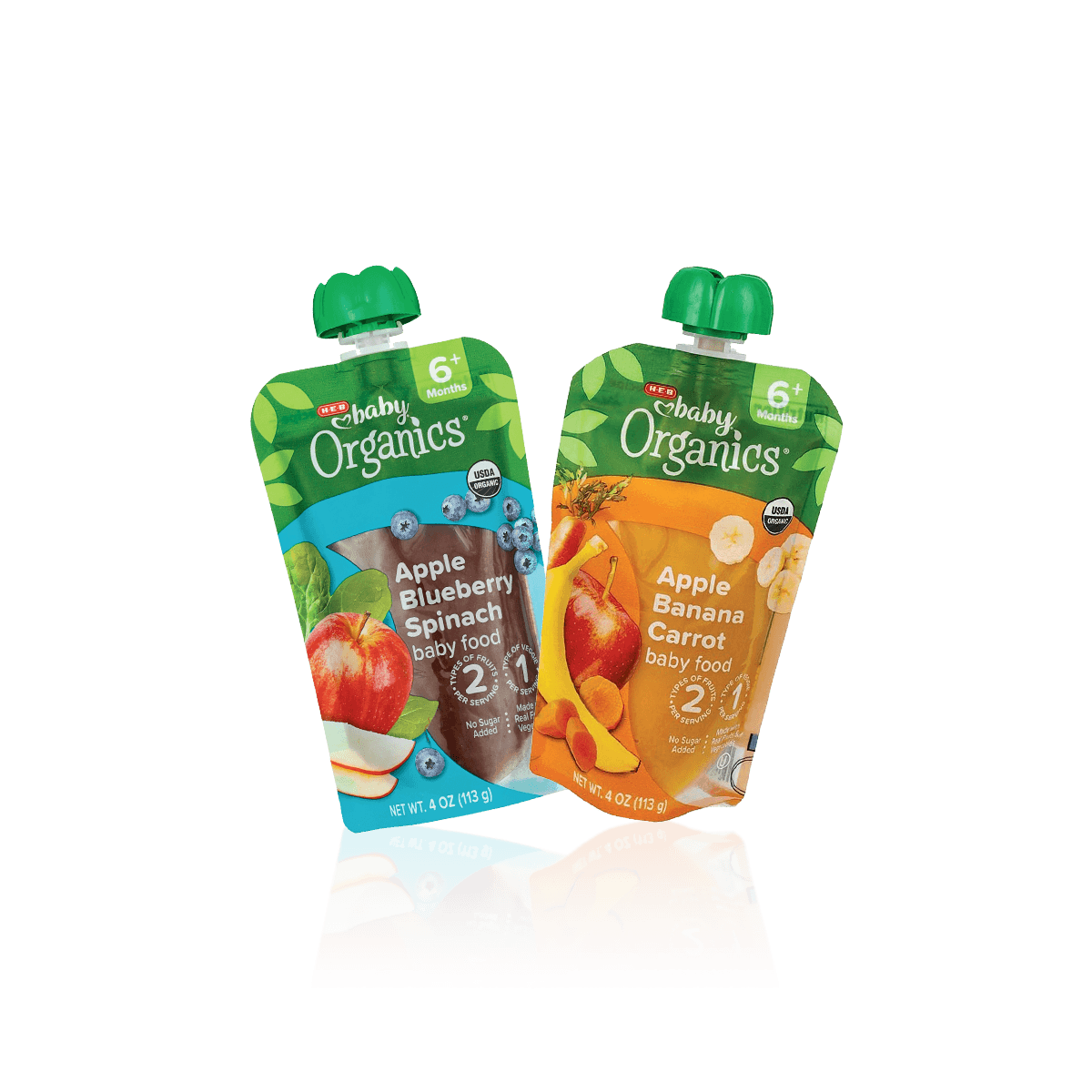
Single-serve Custom Food Pouches may use a simple tear notch and heat seal. Larger portions often benefit from a zipper, wider opening and base that remains stable after several uses.
The closure should suit how the customer eats or prepares the food. Do not add a zipper when the full portion will be used at once.
Choose Barrier Protection from the Food Risk
The barrier in Custom Food Pouches helps reduce exposure to moisture, oxygen, light or aroma transfer. The required level depends on the recipe, shelf-life target and storage conditions.
Adding more layers does not automatically create the right pouch. The material should address the risks that can change the food’s taste, texture or condition.
Moisture-sensitive foods
Crackers, cereals, powders and freeze-dried foods can lose texture when moisture enters. The material, top seal and closure must work together.
A high-barrier film cannot correct a weak or contaminated seal. Custom Food Pouches should leave enough space for the filling team to keep food away from the top edge.
Oxygen-sensitive ingredients
Nuts, seeds, oils and some dried foods may change in flavour over time when exposed to oxygen. The barrier should reflect the recipe, expected storage time and how the product will move through retail or delivery.
Tell the packaging team about oils and fats in the product. A food that looks dry may still need more protection due to its ingredients.
Light-sensitive products
An opaque or metallised structure can reduce light exposure. A clear window may help customers see the food, but it changes the barrier and removes print space.
When a window is added, Custom Food Pouches should be reviewed again for shelf position, product settling and exposure. Use a window only when visibility adds enough value.
Custom Pouches and Flexible Packaging covers stand-up, flat, gusseted, foil and window pouch options. The final structure should be confirmed against the food and filling process.
Match the Pouch Shape to Portion and Display
The pouch shape changes how the food settles, pours and appears after filling. Custom Food Pouches need enough internal volume without looking loose or placing stress on the seams.
Weight alone does not define the pouch size. A light cereal, dense nut mix and fine flour can fill very different amounts of space.
Stand-up pouches for retail shelves
A bottom gusset allows the pouch to expand and sit upright. Custom Stand Up Pouches suit foods that need a stable base and a clear front panel.
The gusset depth should be tested with the finished food. Too little depth can make the pouch lean. Too much can make the product look underfilled.
Flat pouches for samples and measured serves
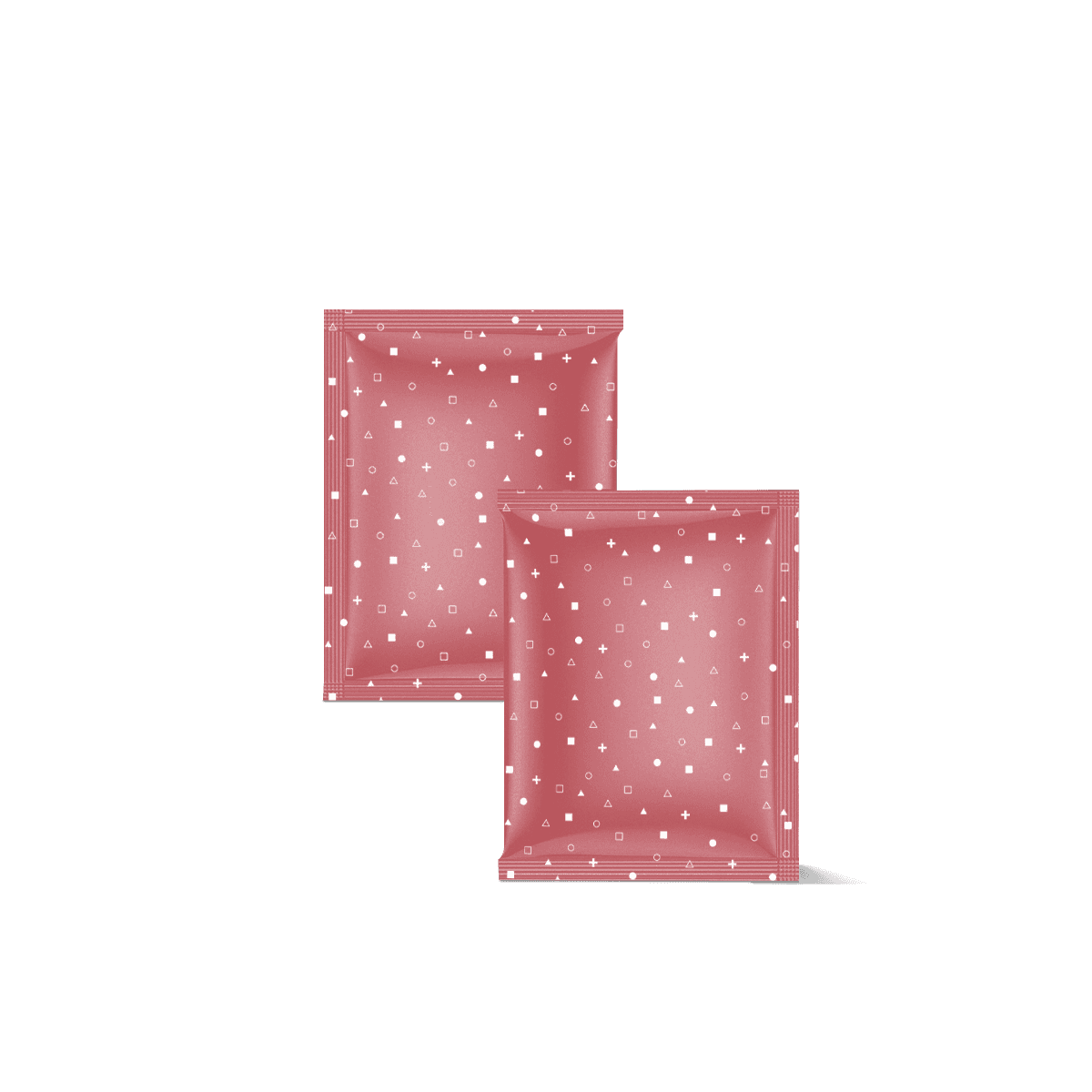
Flat pouches suit samples, spice portions, drink powders, confectionery pieces and smaller servings. They can also sit inside gift boxes or subscription orders without adding much depth.
For one-serve products, Custom Food Pouches can use a compact shape with a clean opening. The top still needs enough room for filling and sealing.
Gusseted pouches for denser fills
Side gussets can provide more internal volume for larger portions or dense foods. The front panel should still remain neat when the pouch is full.
Test how the food settles after handling. A pouch that looks balanced at the filling table may change shape after transport.
Keep Filling Areas Clear of Food and Crumbs
Good Custom Food Pouches are easy to fill without placing food inside the seal. The top layout must account for filling equipment, scoops, funnels, zippers and the final heat seal.
Leave practical headspace
Headspace is the clear area above the food. It gives the product room to settle and helps keep particles away from the closure.
Too little space may cause food to enter the zipper or seal. Too much can make Custom Food Pouches appear short-filled.
Place the zipper below the first seal
A resealable zipper should remain usable after the customer removes the sealed top strip. The tear notch and cut line need enough distance from the zipper.
Keep logos, flavour names and key instructions away from the tear path. The first opening should not remove important artwork.
Account for powders and small particles
Fine powder can collect inside zipper tracks. Crumbs, seeds and flakes can also cross the heat-seal area.
The filling method may require more top clearance than expected. Hand filling with a scoop creates different movement from a controlled filling machine.
Custom Heat Seal Pouches suit portions that need a secure first closure without a zipper. Multi-serve foods may use a zipper beneath that first seal.
Make Opening and Serving Feel Natural
Custom Food Pouches should open cleanly and make the food easy to pour, scoop or remove. The opening width and closure should suit the product shape.
A pouch can protect the food well but still frustrate customers if the opening is too narrow or the zipper is hard to close.
Tear notches for a controlled opening
Position tear notches where the top strip can be removed without cutting the zipper. Both sides should align so the customer can start the tear with ease.
Small instructions should not sit directly beside the notch. They may become hard to read after opening.
Wide openings for scoops and larger pieces
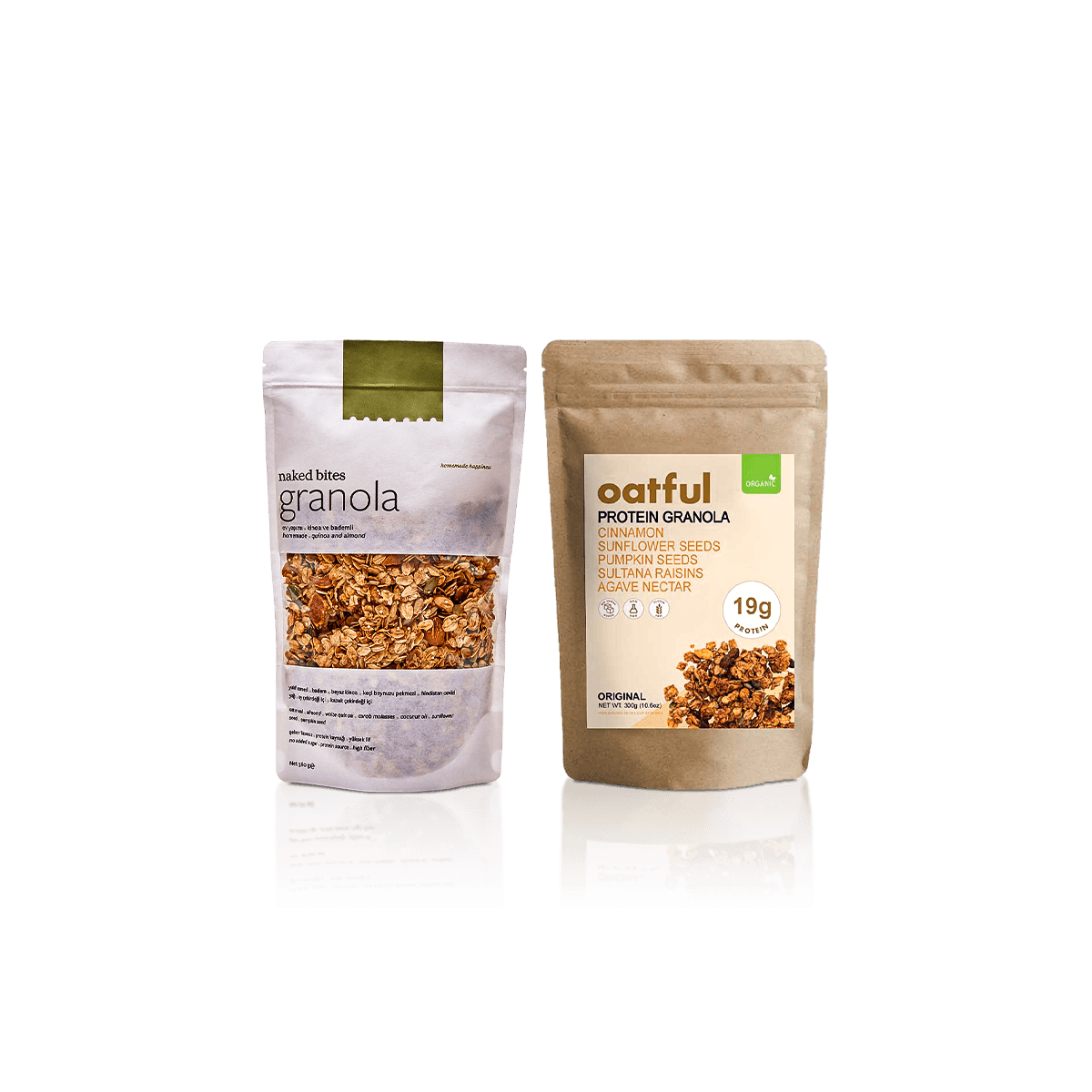
Granola clusters, dried fruit, biscuits and large snacks need more opening width than powder. A narrow top may slow filling and make serving awkward.
The opening should also suit the customer’s hand, spoon or scoop. Custom Food Pouches for baking mixes may need enough space for a measuring cup.
Resealing for foods used over time
A zipper adds value when the food will be used across several days. It may not be needed for a single breakfast, snack or recipe portion.
Custom Granola Pouches show how one food type can need specific zipper clearance, gusset depth and filled-volume testing. Broader food products require the same product-led review.
Turn the Front Panel into a Clear Product Choice
The front of Custom Food Pouches should explain what is inside without forcing customers to search for the product name or flavour. Brand, food type and net contents should remain clear on shelves and online.
Create one strong information order
Lead with the product and flavour. Add the most useful point next. Move detailed ingredients, preparation steps and business details to the back where practical.
Avoid filling the front panel with every claim. Clear spacing can make Custom Food Pouches look more confident and easier to read.
Plan artwork around folds and curves
The bottom gusset and side folds can hide artwork when the pouch opens. Key text should stay away from folds, zippers, notches and seal zones.
The front panel may curve after filling. Keep barcodes, fine print and date coding areas on flatter parts where possible.
Decide whether a window earns the space
A window can show food colour, texture and ingredient size. It may suit nuts, dried fruit, confectionery or grains.
It may add less value for fine powders or foods that settle below the window. The clear area should not remove space needed for the product name or required food details.
Pouch size, finish, print coverage and window placement can be reviewed through Customisation. The printed layout should be assessed on a filled shape, not only on a flat artwork file.
Treat Food Contact and Disposal Claims with Care
Custom Food Pouches need a food-contact structure suited to the product and process. The film, sealant layer, inks and adhesives should be considered as one complete structure.
Confirm how the food touches the pouch
State whether the food has direct contact with the pouch. Also provide details about oil, acidity, temperature and shelf-life needs.
A structure suited to cereal may not suit sauce, frozen food or a hot-filled product. Custom Food Pouches for demanding uses need application-specific checks.
Separate appearance from performance
Kraft-look surfaces, clear films, metallised layers and matte finishes create different visual effects. The chosen look should not override seal strength or barrier needs.
The pouch should first suit the food. Print and finish choices can then support the intended brand position.
Check the whole structure before printing claims
Pouches can combine films, coatings, windows and zippers. Each part may affect disposal.
Confirm the full structure before printing recyclable, compostable or similar environmental wording. Do not base a claim on the outer appearance alone.
The business should review food labelling and compliance wording with its relevant adviser. Custom Packly can support the packaging specification, but the product owner remains responsible for the accuracy of printed food claims.
Control Several Recipes Without Artwork Errors
Food businesses often use one pouch size across several recipes or flavours. A clear artwork system keeps Custom Food Pouches consistent while helping staff identify each product.
Fix the shared design areas
Keep the logo, product name, net weight and key information zones in the same position. Change one strong colour, image or flavour panel for each recipe.
Across several recipes, Custom Food Pouches should look related without becoming hard to tell apart.
Name each file clearly
Use the product name, pouch size and revision date in every artwork file name. Confirm the quantity for each design before production.
This reduces the risk of using an old ingredient list, barcode or nutrition panel.
Retest when the recipe changes
A new ingredient can change filled volume, oil content or puncture risk. Larger pieces may also need more gusset depth or opening width.
Recheck the filled pouch even when the net weight remains the same. Custom Food Pouches should follow the current recipe, not an old specification.
MOQ starts from 50, which can support a new food product, market test or limited flavour. Custom Packly also supports larger production runs and high-volume food orders.
Build the Quote Around the Food, Not the Empty Pouch
A useful quote for Custom Food Pouches depends on more than width, height and quantity. The product and filling process affect the material, seal and finished shape.
Include:
- Food type and main ingredients
- Direct food-contact requirement
- Dry, oily, powdered, semi-moist, liquid, frozen or hot-fill use
- Target fill weight
- Approximate filled volume
- Largest product piece or particle
- Shelf-life target
- Storage and delivery conditions
- Hand filling or equipment details
- Stand-up, flat or gusseted preference
- Zipper, tear notch or window needs
- Quantity for each size and design
- Print and finish preferences
- Artwork status
- Required delivery date
State any puncture, aroma, grease or moisture concerns. For liquid, frozen, retort or hot-fill products, provide the processing details before a material is proposed.
Send the product information through Get a Quote. Custom Packly can review fill clearance, pouch shape, seal zones and artwork placement before Custom Food Pouches move towards production.
FAQs
Related Packaging Styles
How it works
Simple steps from idea to delivery
Tell Us Your Specs

Tell Us Your Specs
Provide size, quantity, printing, and finishes.
Get a Fast Quote

Get a Fast Quote
Instant transparent pricing, no hidden fees.
Design and Approval

Design and Approval
Artwork checks, revisions, and final sign-off.
Produce

Produce
Expert manufacturing to meet deadlines.
Ship to Your Door

Ship to Your Door
Hassle-free, flexible delivery options.
Start Your Custom Packaging Quote
Share your product details, dimensions, quantity and artwork needs. We’ll help choose the right packaging style and send a clear quote.