Skip to content
Details

Custom Stand Up Pouches

Shelf-ready upright pouches for snacks, coffee, supplements, pet treats and refills that need stable display, resealing and sharp custom print.

Free Design Support

Clear Pricing

Flexible Quantities

Unlimited Customization

Premium Materials

Offset Precision

Free Shipping

Quick Turnaround

Upright Pouches Made for Shelf Presence and Daily Use

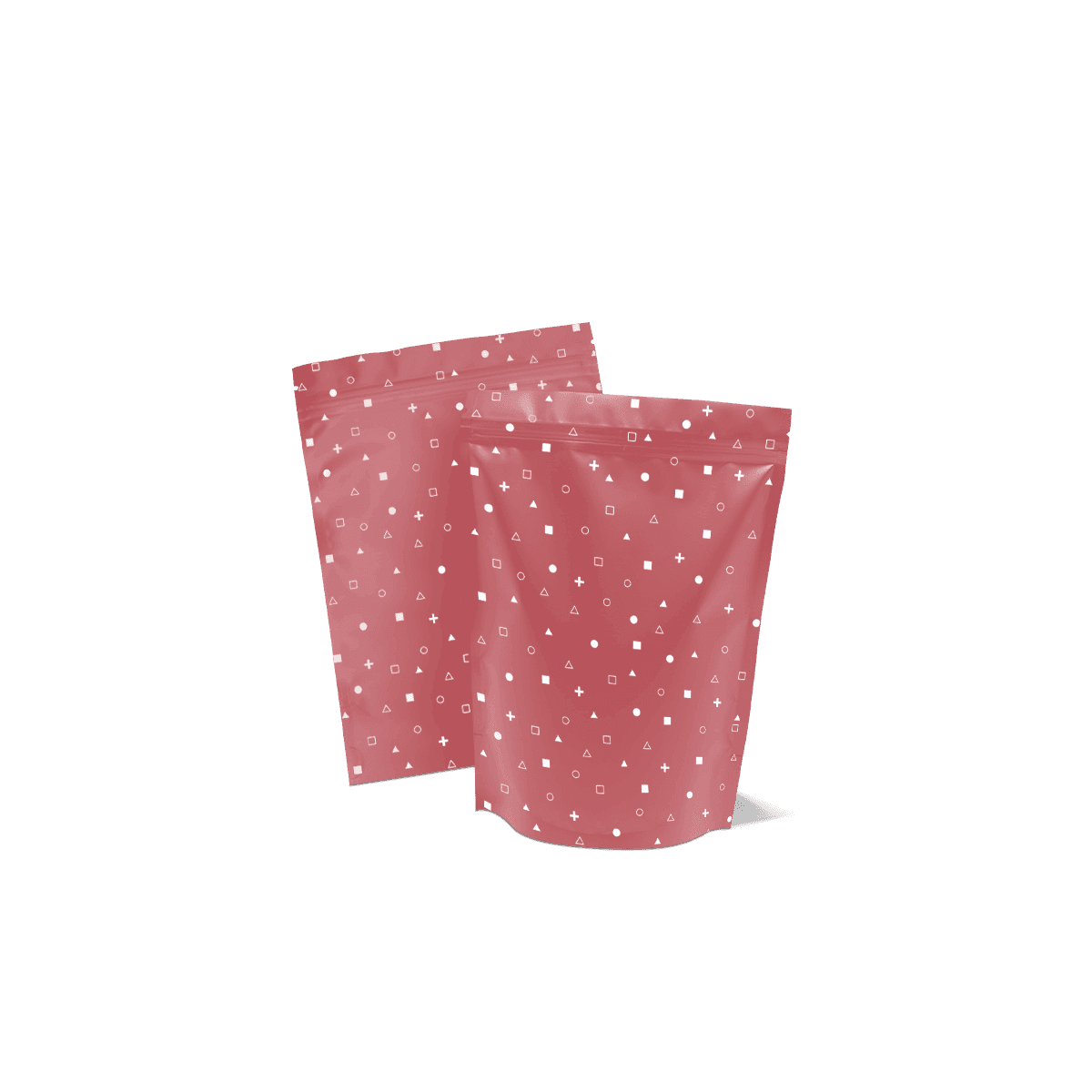
Custom Stand Up Pouches are flexible packs with a bottom gusset that opens out so the pouch can stand upright after filling. They suit brands that need a lightweight pack with strong front-facing branding, practical storage and a better retail shelf shape than a flat sachet or loose bag.

They work especially well for dry foods, coffee, tea, granola, supplements, pet treats, bath salts, powder blends and refill products. The upright base helps the pack display cleanly, while options such as resealable zips, tear notches and product windows can improve customer use after purchase.

A good stand up pouch should not just look neat in a mockup. It should stand properly after filling, leave enough space for sealing, protect the product and give the customer a clear way to open, pour, scoop or reseal the pack.

Custom Stand Up Pouches sit inside the wider Custom Pouches and Flexible Packaging range when your product needs flexible structure, custom sizes, printed panels and practical format guidance.

The Bottom Gusset Does the Heavy Lifting

The bottom gusset is the main feature that makes Custom Stand Up Pouches different from flat pouches. It folds out as the pouch fills, creating a base that helps the pack stand on a shelf, counter or packing bench.

This base has to match the product weight and fill behaviour. Light tea leaves, dense powders, coffee beans and chunky pet treats all settle differently. If the gusset is too narrow, the pouch may lean or fall forward. If it is too wide, the pack can look bulky or underfilled.

Balance Matters After Filling

A stand up pouch should be checked as a filled product, not only as an empty pack. Powders can settle low and wide. Snacks can create uneven pressure. Coffee beans and pet treats may push against the front panel in different ways.

For this reason, fill weight, product texture and headspace should be decided before artwork is finalised. That helps avoid a pouch that looks good empty but performs poorly once packed.

A Better Front Panel for Retail Display

Because the pouch stands upright, the front panel becomes a small billboard. The logo, product name, flavour, weight and main buying claim should sit where customers can read them quickly.

The design should leave room near the seal area, bottom fold and side edges. Artwork placed too close to these zones can distort when the pouch fills or seals.

Best Products for Stand Up Pouch Packaging

Custom Stand Up Pouches are best when the product benefits from upright display, repeat access or reduced storage space. They are less suitable when the product needs heavy crush protection or a rigid outer structure.

Snacks, Coffee and Pantry Products

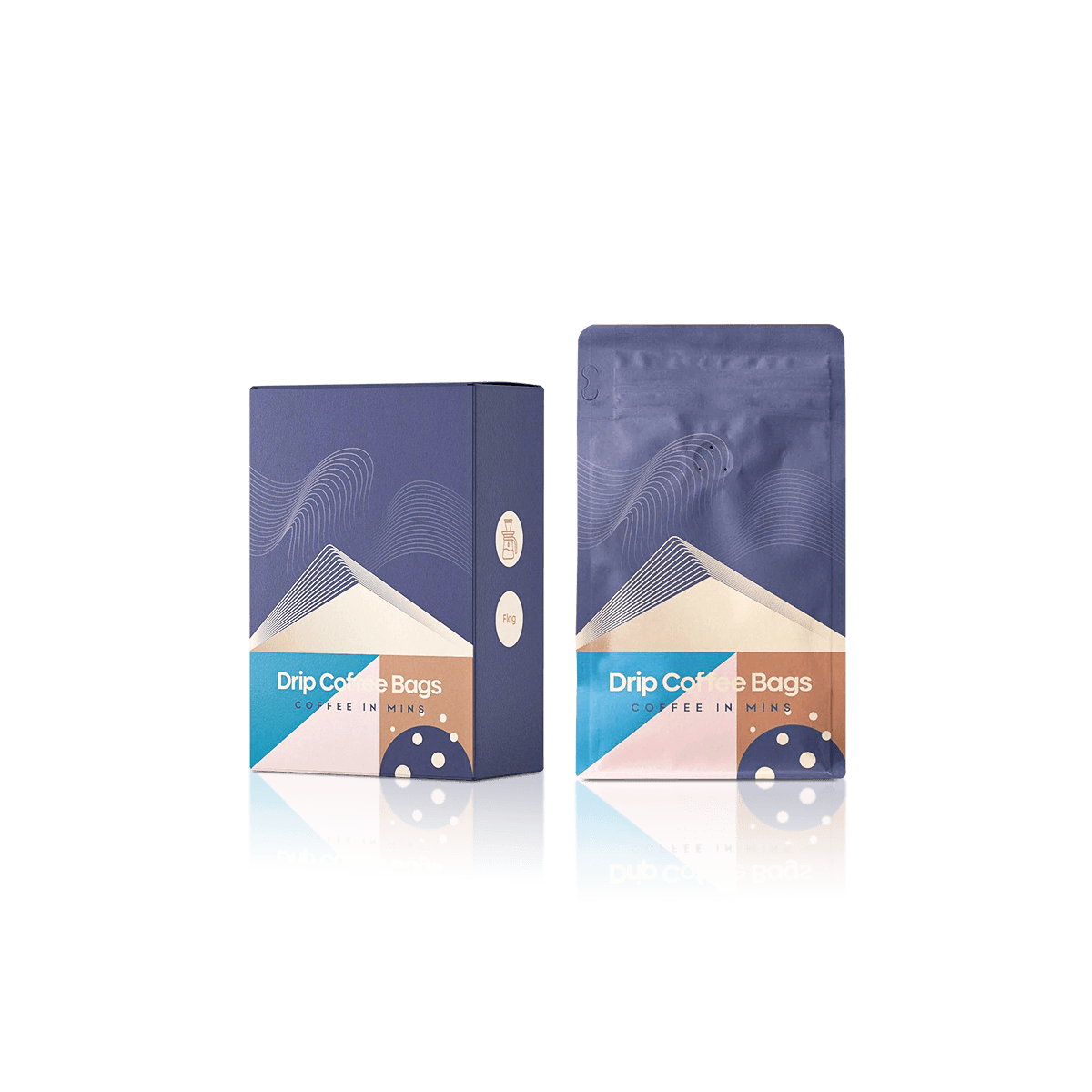
Snack brands, coffee roasters, tea brands and pantry product makers often use stand up pouches because they show well on shelf and store neatly in cupboards. The pouch can include flavour coding, roast details, ingredient notes and product weight without needing a separate carton.

Coffee, tea, granola, spice blends, cereal mixes and dried fruit often need a pouch that balances freshness with clear branding. Material choice, seal quality and closure style become more important than decoration alone.

Supplements and Wellness Blends

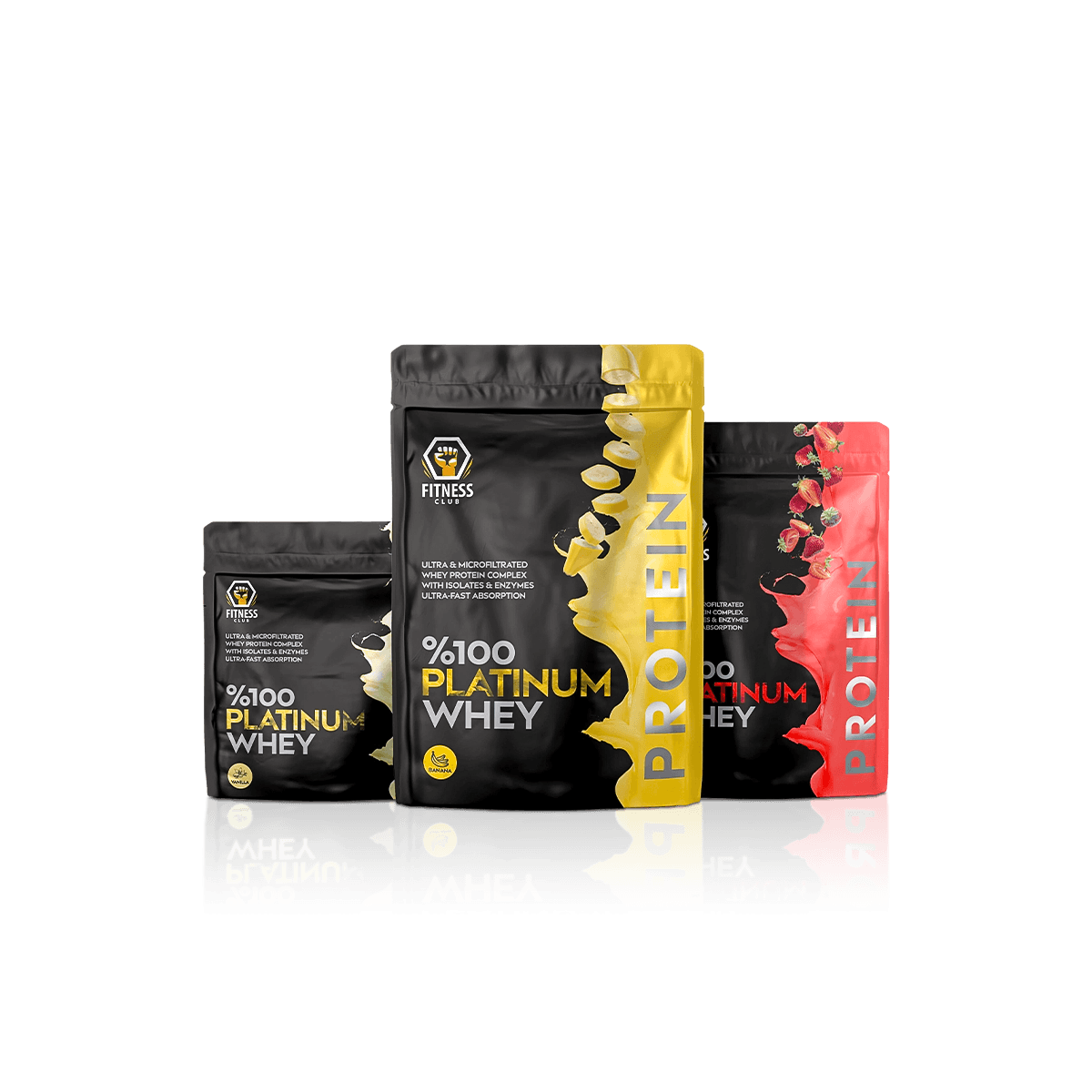
Custom Stand Up Pouches can work well for protein powder, collagen, herbal blends, bath salts and nutrition products. These products often need a clean front panel, clear usage instructions and a resealable feature for ongoing use.

Wellness brands can also use colour coding across flavours, strengths or product goals. If your range includes powders, sachets and boxed kits, Custom Wellness Packaging can help connect the pouch format with broader product packaging needs.

Pet Treats and Refill Products

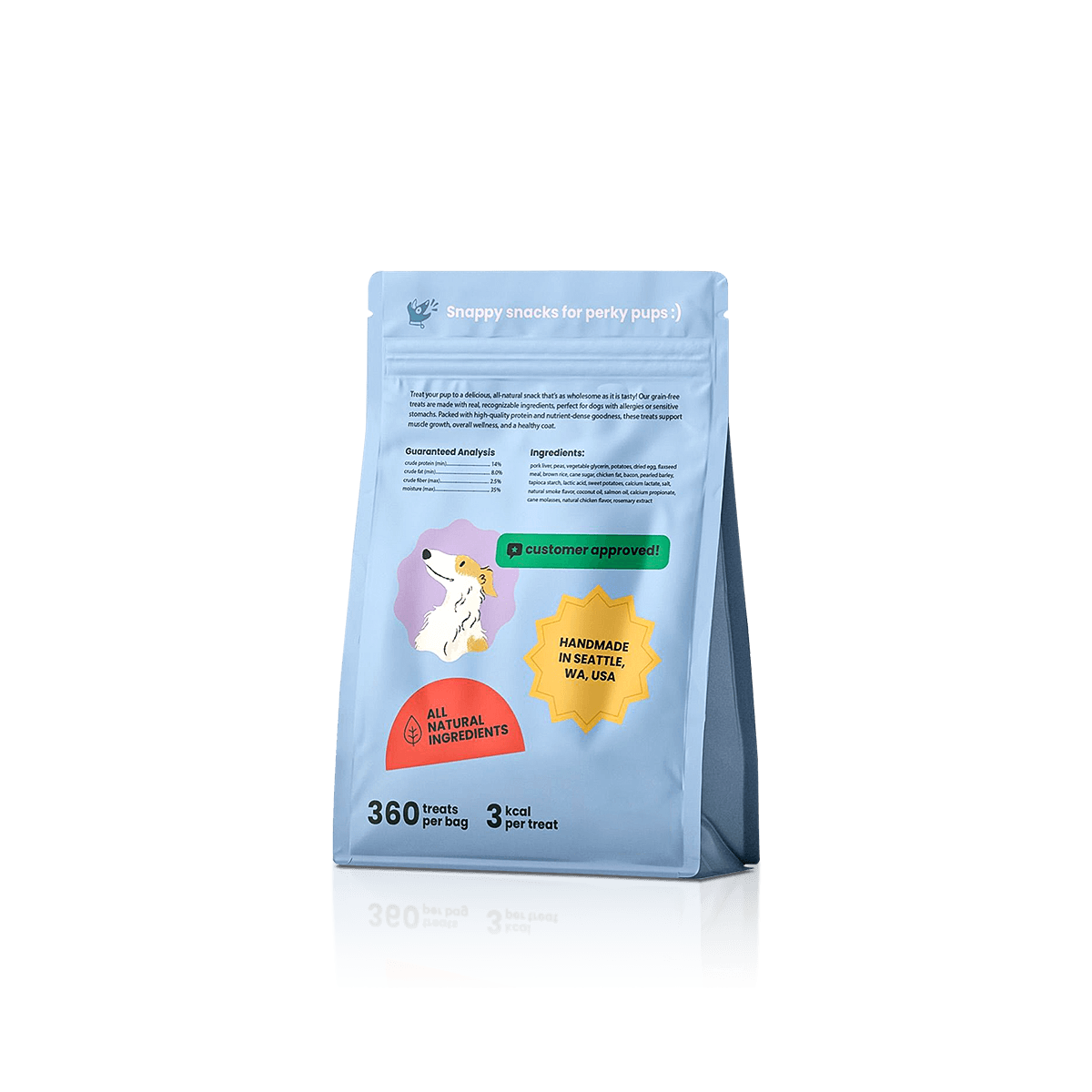
Pet treat pouches need strong usability because customers may open and close the pack often. A stable base, easy tear point and zip closure can make the product easier to store between uses.

Refill products also suit this format because the pouch can use less storage space than many rigid containers. The pack can sit on shelf, slide into a shipper or be used as an inner refill for a jar, tin or dispenser.

Closure Choices Shape the Customer Experience

The closure is one of the most important decisions for Custom Stand Up Pouches. It changes how the customer opens the pack, how the product stays fresh and how the pouch feels after repeated use.

A pouch for single-use samples may only need a simple heat seal and tear notch. A pouch for coffee, snacks, pet treats or supplements often benefits from a resealable zip because the product is used over time.

Zip Closures for Repeat Use

A zip closure helps customers reseal the pouch after opening. This is useful for products that need freshness, neat storage or repeated access.

The zip should sit at a comfortable height. If it sits too close to the top seal, the first opening can feel awkward. If it sits too low, the customer may lose too much usable pouch space.

Tear Notches for Cleaner Opening

A tear notch gives customers a clear starting point. It can reduce rough tearing, damaged print and messy openings.

The tear line should not cut through key artwork, product claims or required information. It should also be placed where the customer can open the pouch without damaging the zip.

Window Placement for Product Trust

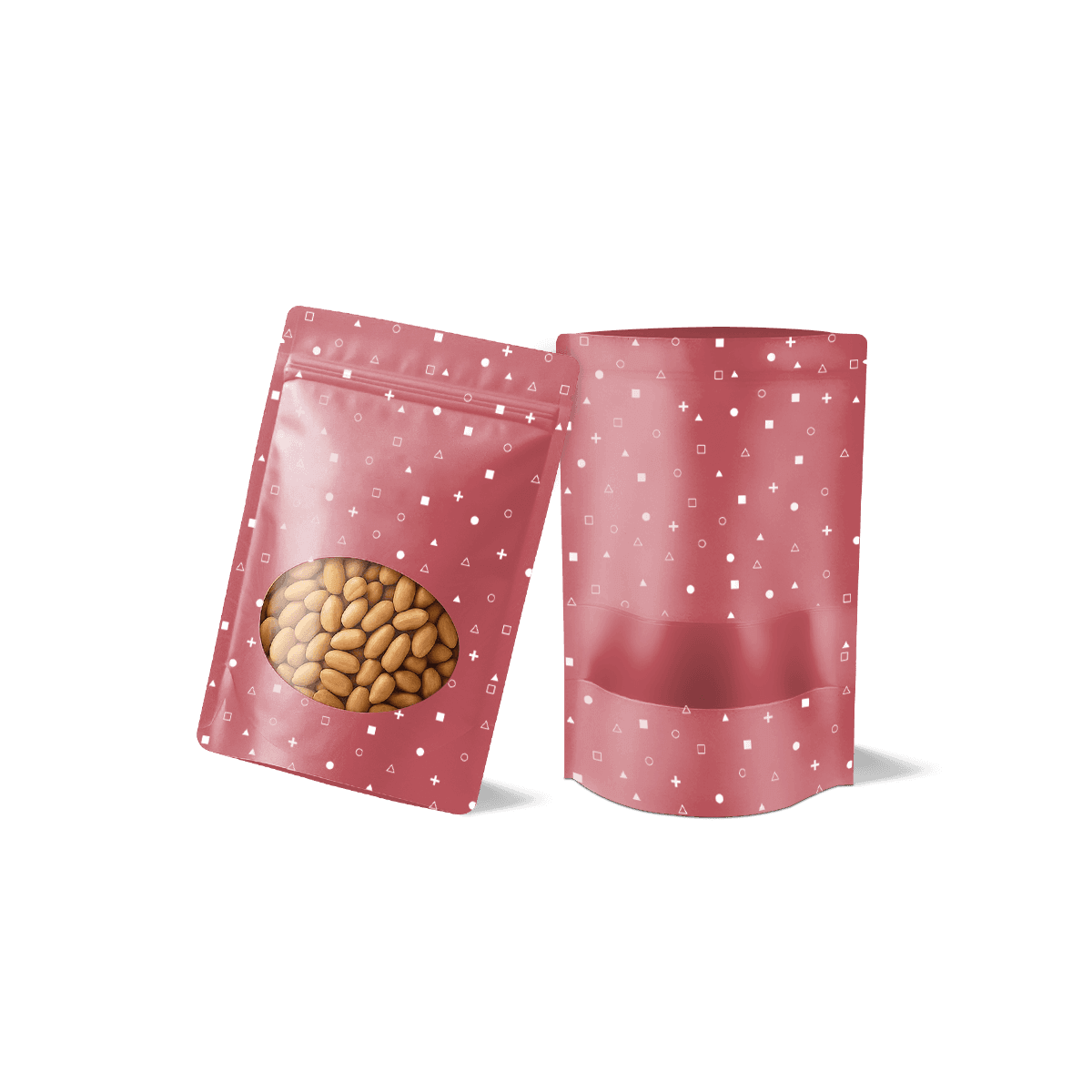
A window can help customers see the product texture, colour or quantity before buying. It works well for granola, tea, snacks, pet treats and visually appealing dry goods.

However, a window should not weaken the front design. It should support the product story without taking over the main brand area.

Material and Barrier Decisions Come Before Finish

Custom Stand Up Pouches should be planned around product protection before finish. The material must suit the product’s sensitivity to moisture, oxygen, light, aroma loss, oil transfer or handling pressure.

Some products need stronger barrier support. Others need a simple display-ready pouch with clean print. Choosing too much material can add cost and reduce flexibility. Choosing too little can hurt shelf life, freshness or product quality.

Freshness Needs for Dry Goods

Dry food, coffee, tea and powders often need protection from moisture and air. A poor barrier can affect flavour, texture, aroma or product confidence.

The best material direction depends on the product, expected storage time, sales channel and how customers use the pouch after opening.

Kraft, White, Clear and Foil Looks

Kraft-style surfaces can suit natural, organic and artisan ranges. White surfaces can make colour and product information feel cleaner. Clear windows can show texture. Foil or metallic-style pouches can support stronger barrier needs or a more premium retail look.

The choice should match the product’s role. A calming wellness pouch may need a different surface than a bright snack pouch or a high-impact promotional pouch.

Eco-Friendly Choices With Real Constraints

Eco-friendly material choices can be considered where they suit the product and barrier needs. The goal is to reduce unnecessary material without risking product damage, spoilage or poor customer use.

Custom Packly can help review material, print and finish choices through Customisation so the pouch supports the product instead of following a generic sustainability claim.

Artwork Needs Room to Bend, Fill and Seal

Artwork for Custom Stand Up Pouches must account for the way the pouch changes shape after filling. Unlike a flat label, the printed surface can curve, crease slightly near the gusset and expand at the front.

Strong pouch artwork usually has one clear hero panel, simple product hierarchy and enough blank space around technical zones. The best designs feel clean from a distance and useful when the customer picks up the pack.

Keep Key Details on Stable Zones

Place the logo, product name, flavour and main selling point on the flattest part of the front panel. Keep barcodes, ingredients, directions and weight details in areas that remain readable after filling.

Avoid placing fine text on the bottom gusset, top seal, side fold or tear area. Those zones can shift during filling and sealing.

Use Variant Coding Carefully

Colour coding helps when a product range includes many flavours, formulas or sizes. However, too many colours or badges can make the pouch harder to read.

A better system uses consistent layout, clear product names and controlled colour changes. This makes repeat orders easier and helps customers recognise the range.

Think About the Back Panel Too

The back panel is useful for instructions, storage advice, brand story, ingredients, barcode and batch information. It should be organised so customers can find important details quickly.

For regulated or information-heavy products, confirm the text area early so design changes do not affect the seal or gusset zones.

Sizing the Pouch Around Fill Weight

Custom Stand Up Pouches should be sized around fill weight, product volume and shelf posture. The goal is a pack that looks full, seals properly and stands with confidence.

An oversized pouch can look half-empty. An undersized pouch can be hard to fill, hard to seal and difficult for customers to use. The correct size leaves enough product room, sealing space and headspace without making the pack feel wasteful.

Headspace Helps Filling and Sealing

Headspace is the space left above the product before sealing. It helps with filling, heat sealing and customer opening.

Too little headspace can push product into the seal zone. Too much can make the pouch look underfilled. The right amount depends on product shape, fill method and closure style.

When a Flat Pouch Is Enough

Not every flexible pack needs a standing base. Samples, single serves, slim refills and lightweight product inserts may work better as Custom Flat Pouches because they use less material and take up less room.

Stand up pouches make more sense when upright display, repeated use or stronger front-panel branding matters.

When Zip Function Is the Priority

Some products need resealing more than upright display. In those cases, Custom Zip Lock Pouches may be the better structure if the zip function is the main buying need.

Custom Stand Up Pouches can include zip closures too, but the final choice should come from how the customer handles the product.

Small Runs, Larger Orders and Range Planning

Custom Stand Up Pouches can support product launches, seasonal flavours, sample programs and larger repeat packaging runs. MOQ starts from 50, with production support for growing order volumes, repeat runs and bigger pouch programs.

For a first run, keep the structure simple. Start with the best pouch size, closure and material for the hero product. Once the product proves demand, expand into more sizes, flavours or finish options.

For repeat runs, consistency matters. Keep the dieline, colour system and information layout controlled so each reorder matches the previous run.

Launch Runs Need Fewer Moving Parts

A new product launch can become difficult when too many pouch features are added at once. A window, zip, foil finish, special surface and multiple variants may all be useful, but they also add decisions.

A tighter first run can reduce approval time and make the packaging easier to test in real sales.

Bulk Planning for Multi-SKU Ranges

Brands with many SKUs should think about shared pouch sizes and consistent artwork zones. This can make production, storage and reordering easier.

Bulk planning can also help avoid rushed redesigns when a product range grows from one pouch to multiple flavours, formulas or weights.

What to Check Before Approving Production

Custom Stand Up Pouches should be checked for fit, fill behaviour, print placement and opening experience before full production. A 3D mockup is usually enough for standard pouch approval, especially when the structure and finish are straightforward.

A physical sample may be useful when the product has unusual fill weight, a complex closure, a special finish, a large window or a high-risk barrier requirement. The goal is to confirm how the pouch behaves in real handling, not to delay a simple order.

Check the Standing Shape

Review whether the pouch stands properly after filling. Look at lean, bulging, top balance and shelf posture.

If the pouch is part of a display or kit, check how it sits beside other products too.

Check the Opening Path

Confirm the tear notch, seal area and zip position. The customer should be able to open the pouch without cutting through artwork or damaging the reseal feature.

Check the Print Zones

Make sure important text does not sit near folds, gussets or the seal. Also check whether the front panel still reads clearly once the pouch is filled.

Details That Help Us Quote Faster

A clear quote starts with practical product details. For Custom Stand Up Pouches, the most useful information is the product type, fill weight, preferred size, closure style, material direction and artwork status.

If you are unsure about the pouch size, send the product dimensions, current packaging photos or a target fill weight. The team can help narrow the structure before production.

Useful details include:

  • Product type and fill weight
  • Dry, powder, granular, treat or refill format
  • Preferred pouch size if known
  • Stand up base requirement
  • Zip, tear notch, window or heat seal needs
  • Barrier requirements such as moisture, oxygen, aroma or light protection
  • Front and back artwork requirements
  • Quantity for first run and likely repeat volume
  • Launch date or packing deadline

For pricing and structure guidance, send these details through Get a Quote. The clearer the product information, the easier it is to recommend the right pouch format.

FAQs

Custom Stand Up Pouches work well for dry foods, coffee, tea, snacks, supplement powders, pet treats, bath salts and refill products that need upright display and practical customer use.

Yes. A resealable zip is useful when customers open and close the pouch multiple times. It works well for snacks, coffee, pet treats, wellness powders and pantry products.

Start with the product’s fill weight and volume. The pouch should look full, leave enough headspace for sealing and stand upright without leaning or bulging.

Yes. A window can help show texture, colour or product quality. It should be placed where it supports the front design and does not interfere with seals, folds or key branding.

A 3D mockup is usually enough for standard Custom Stand Up Pouches. A physical sample is useful for unusual fill weight, complex closures, premium finishes, large windows or important barrier checks.

Process

How it works

Simple steps from idea to delivery

01

Tell Us Your Specs

Custom packaging boxes

Tell Us Your Specs

Provide size, quantity, printing, and finishes.

02

Get a Fast Quote

Custom packaging boxes

Get a Fast Quote

Instant transparent pricing, no hidden fees.

03

Design and Approval

Custom packaging boxes

Design and Approval

Artwork checks, revisions, and final sign-off.

04

Produce

Custom packaging boxes

Produce

Expert manufacturing to meet deadlines.

05

Ship to Your Door

Custom packaging boxes

Ship to Your Door

Hassle-free, flexible delivery options.

Start Your Custom Packaging Quote

Share your product details, dimensions, quantity and artwork needs. We’ll help choose the right packaging style and send a clear quote.