Skip to content
Details

Custom Zip Lock Pouches

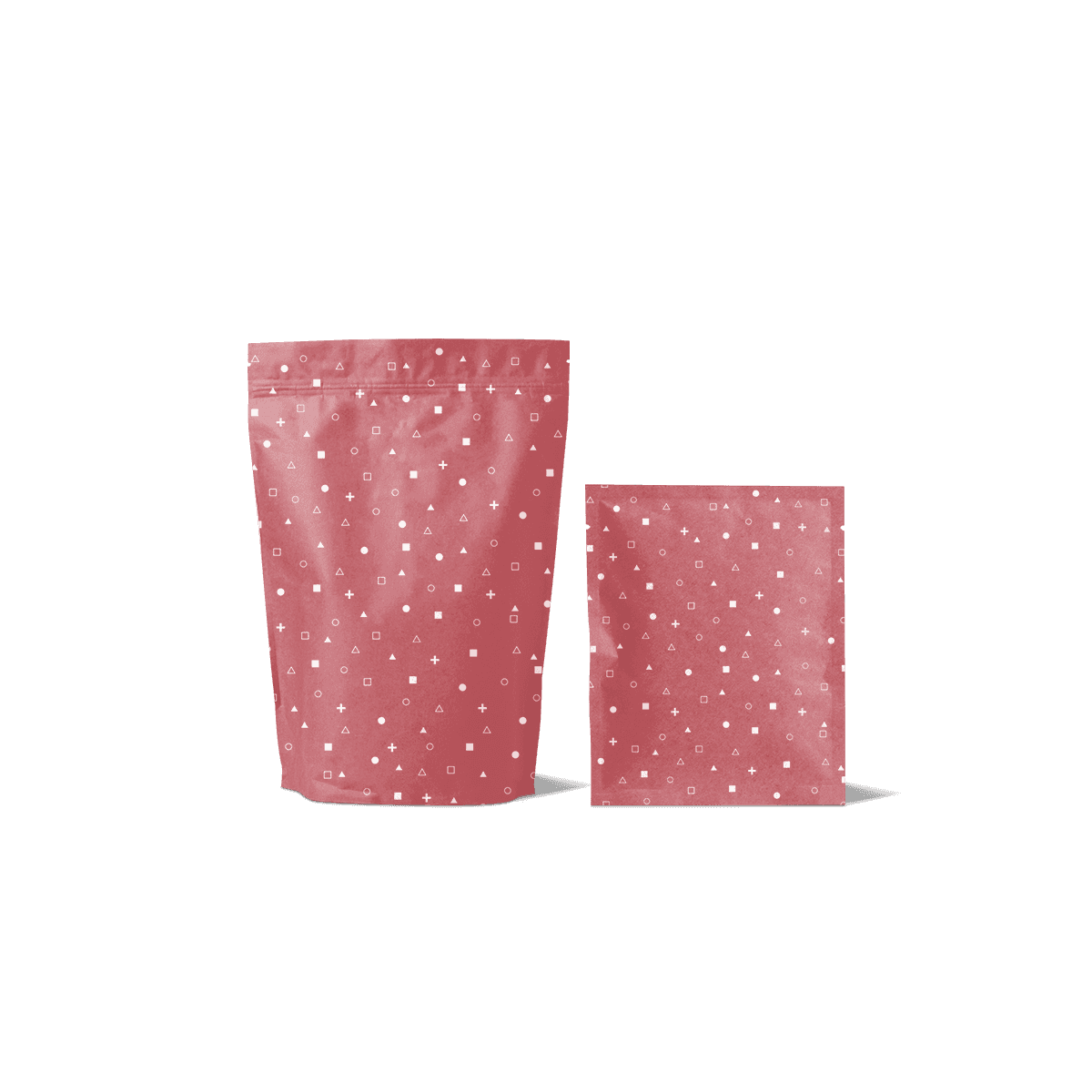
Resealable pouch packaging for snacks, coffee, powders, pet treats and refill products that need freshness, easy storage and branded presentation.

Free Design Support

Clear Pricing

Flexible Quantities

Unlimited Customization

Premium Materials

Offset Precision

Free Shipping

Quick Turnaround

Resealable Pouches Made for Products Used More Than Once

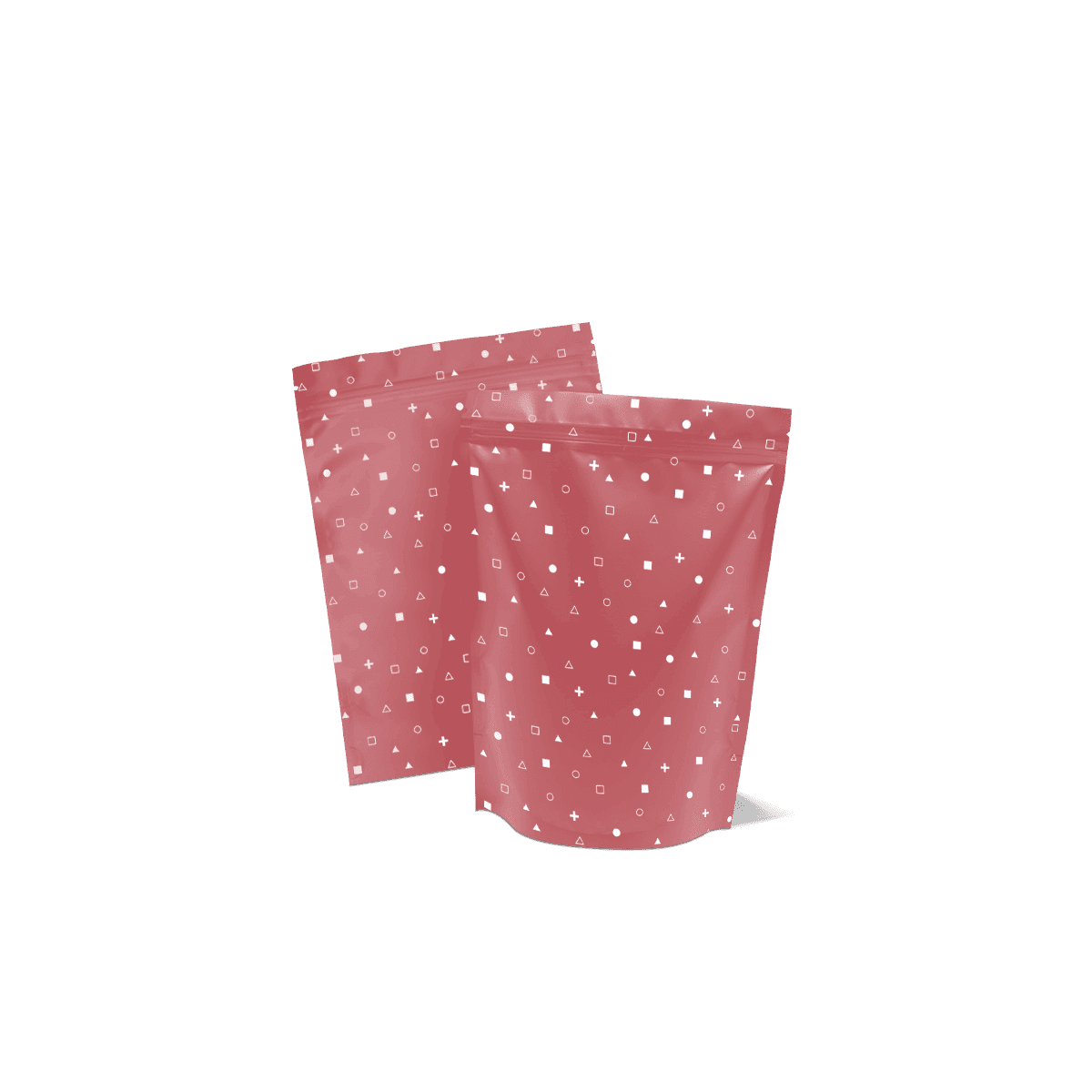
Custom Zip Lock Pouches are made for products customers open, use, store and return to later. The zip closure helps keep the pack neat after first opening, which makes this format useful for snacks, coffee, tea, supplements, pet treats, bath salts, refills and dry product blends.

The main buyer problem is not only freshness. It is repeated handling. A pouch may look strong on shelf, but if the zip is hard to close, sits too low, catches product dust or tears near the seal, the customer experience suffers.

A well-planned zip lock pouch gives the product a cleaner second use. It should open clearly, reseal without fuss, protect the product between uses and keep the front panel looking branded after repeated handling.

Custom Zip Lock Pouches sit within Custom Pouches and Flexible Packaging when your product needs flexible structure, custom print and a resealable feature instead of a single-use seal.
The Zip Closure Is the Main Structure

Custom Zip Lock Pouches are different from standard flat pouches or heat seal pouches because the closure becomes part of the product experience. Customers interact with the zip every time they use the product.

The closure should suit the product texture, pack size and expected use pattern. Fine powders, chunky snacks, coffee beans and pet treats all create different risks around the zip track. Some products can leave residue near the seal. Others can push against the closure when the pouch is full.

A Good Zip Should Close Cleanly

A good zip closure should press together without forcing the customer to fight the pouch. If the zip is too close to the top edge, opening can feel tight. If it sits too low, the pouch may lose usable fill space.

For repeated-use products, zip placement should be checked before artwork approval. The pouch needs enough room for heat sealing above the zip, enough space for customer opening and enough fill volume below it.

Product Dust Can Affect the Track

Powders and fine granules can collect around the zip track. This can make resealing less reliable if the pouch is not designed with the fill method and product behaviour in mind.

Protein powder, collagen, spice blends and bath salts need extra attention here. The filling process, headspace and zip position should work together so the pouch remains easy to close after use.

The First Open Still Matters

Even though the zip is the main feature, the first opening is just as important. Customers should understand where to tear, where to pull and how to reseal the pouch without damaging the closure.

A tear notch or heat seal above the zip can give the pack a cleaner first-open experience while keeping the resealable function protected until purchase.

Best Uses for Zip Lock Pouch Packaging

Custom Zip Lock Pouches work best when customers use the product over days or weeks. The pouch becomes a storage format, not just a sales pack.

They are especially useful for products that need freshness, portion control, pantry storage or easy access after opening.

Snacks, Coffee and Tea

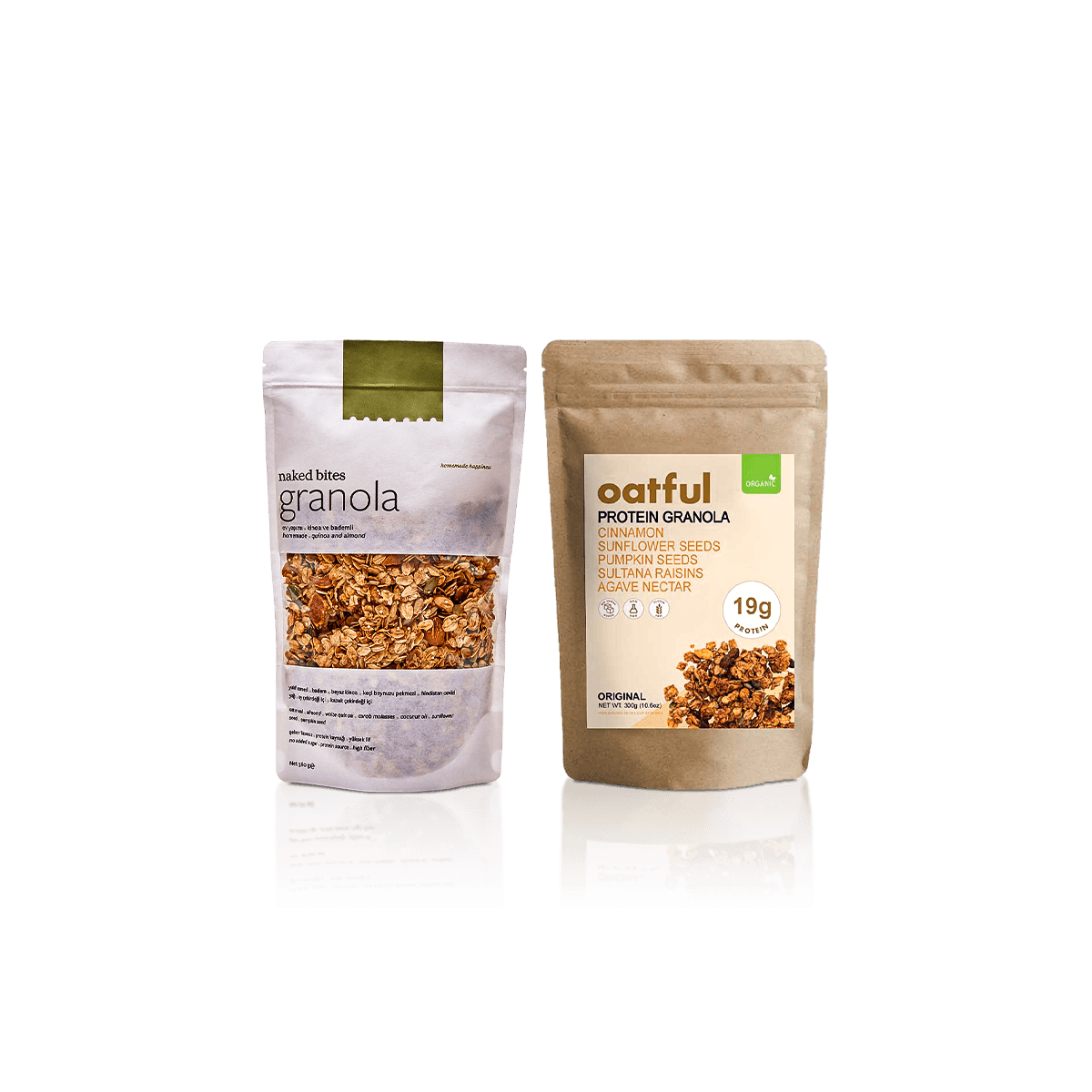
Snack mixes, dried fruit, coffee beans, loose tea and pantry products often need a pack that can be opened and closed many times. A resealable pouch helps customers store the product neatly without transferring it to another container.

For coffee and tea, aroma and freshness matter. The pouch material, barrier choice and closure style should match how long the product may sit before and after opening.

Supplements, Powders and Wellness Products

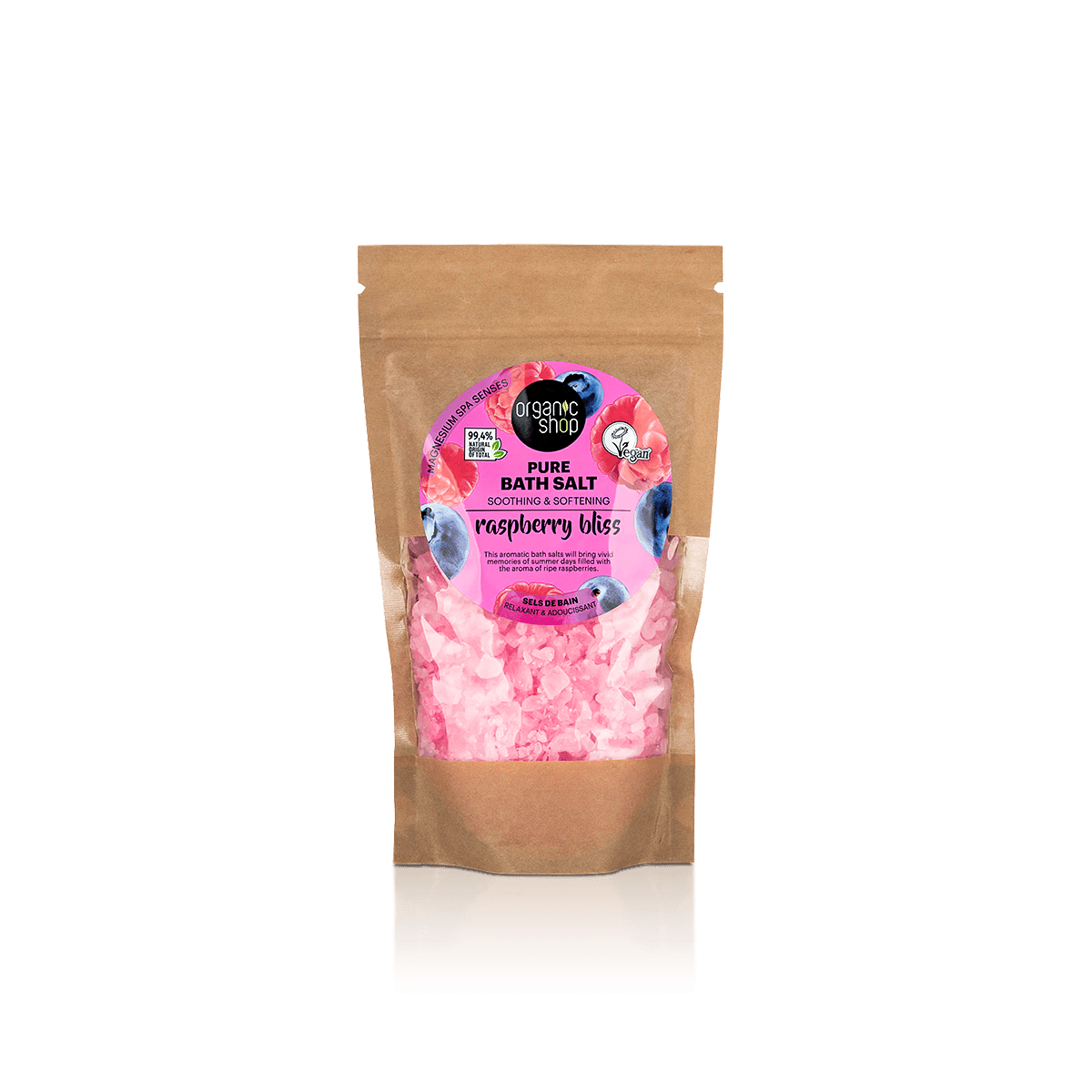
Custom Zip Lock Pouches are useful for protein powder, collagen, greens blends, herbal mixes, bath salts and similar products. These packs need clear dosage information, good powder handling and a closure that works after repeated scooping.

For wellness products, the design should also keep the back panel readable. Directions, ingredient details, warnings, barcode and storage notes need enough space away from folds and seal zones.

Pet Treats and Refill Packs

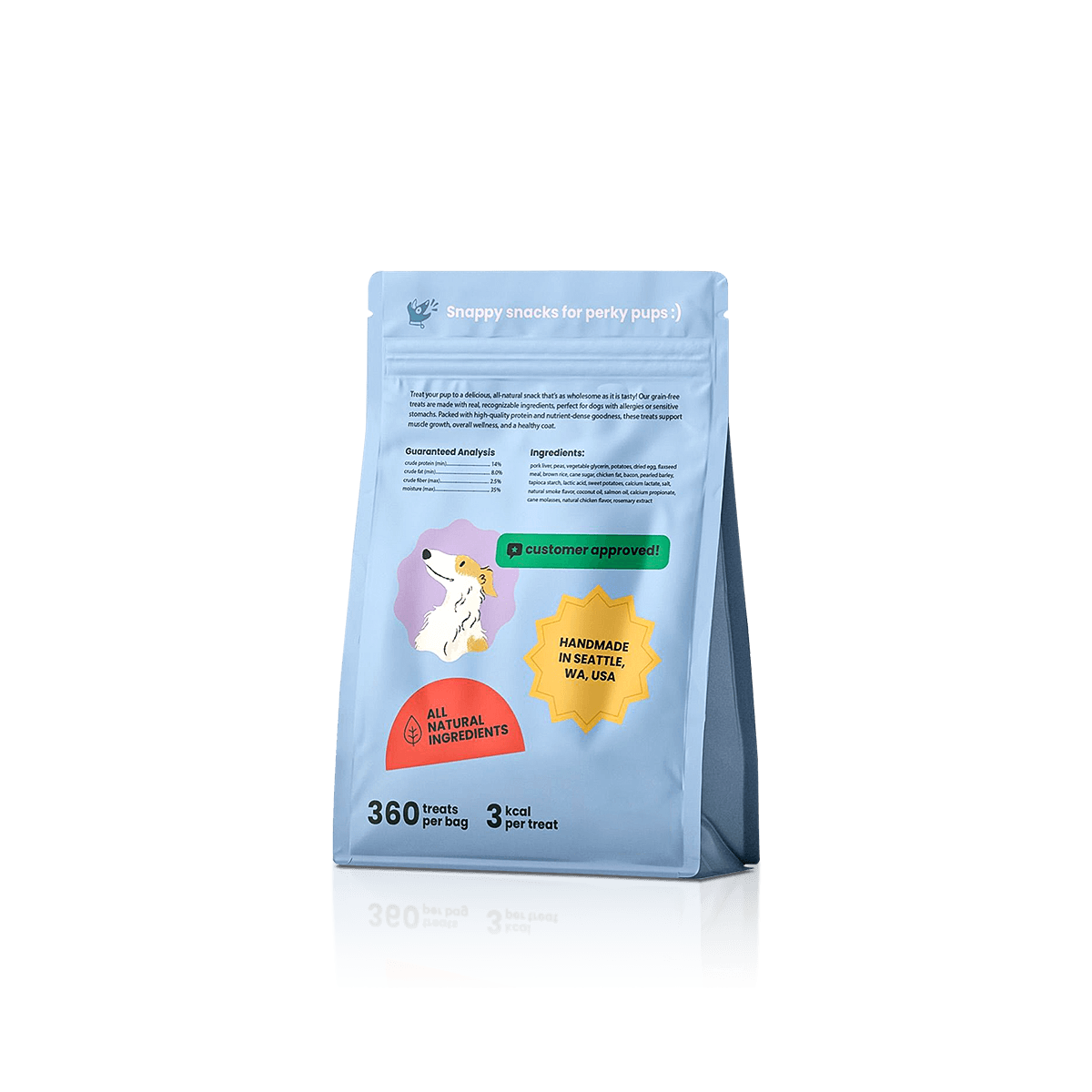
Pet treat pouches get handled often. Customers may open the pack daily, so the zip closure must feel sturdy and simple.

Refill products also suit zip lock formats because customers may store the pouch after topping up another container. The resealable closure helps keep the pack tidy in cupboards, drawers or fulfilment kits.

Choose the First Seal Before the Zip

Custom Zip Lock Pouches can include different opening and sealing setups. The right choice depends on whether the product needs a tamper-aware first seal, a clean tear point, a heat seal above the zip or a simpler resealable format.

For many food, beverage and wellness products, the first seal gives confidence before the customer opens the pack. The zip then supports ongoing use.

Heat Seal Above the Zip

A heat seal above the zip can help protect the product before purchase. The customer tears or cuts the top section, then uses the zip for storage.

This is useful when freshness, hygiene or first-open confidence matters. It can suit food, coffee, tea, powders and pet treats.

For products where first-seal performance is the main concern, Custom Heat Seal Pouches may be a better fit than a zip-first structure.

Tear Notch Position

A tear notch gives customers a clear place to open the pouch. It should sit above the zip so the closure stays intact.

The notch should not cut through logos, flavour names, claims or important design details. Leave enough clean space around the opening area so the pouch feels planned rather than cramped.

When a Zip Is Not Needed

Not every pouch needs a zip. Single serves, sample sachets and products used in one go may work better without one.

A zip adds function, but it also changes pouch cost, structure and artwork zones. Use it when the customer needs repeated access, not simply because it is available.

Barrier Choices for Freshness and Storage

Custom Zip Lock Pouches often carry products that need protection between uses. Barrier performance can matter before sale, after opening and during customer storage.

The right material depends on product type. Some products need moisture resistance. Some need aroma retention. Some need stronger light protection. Others only need a clean, printed pouch with a practical reseal.

Moisture-Sensitive Products

Snacks, powders, tea, coffee, herbs and pet treats can lose quality when moisture enters the pouch. A zip closure helps after opening, but the material choice still matters.

For moisture-sensitive products, ask about material direction early. The pouch should support the product’s shelf life and storage expectations.

Aroma and Flavour Retention

Coffee, tea, spices and some food products need careful barrier planning because aroma affects perceived quality. If scent escapes too quickly, the customer may see the product as less fresh.

A resealable zip can help after opening, but it cannot fix the wrong material choice. Material, seal area and closure setup should work together.

Light and Surface Protection

Some ingredients and product types benefit from more light protection. Foil-style or opaque pouch materials may be useful where visibility is less important than protection.

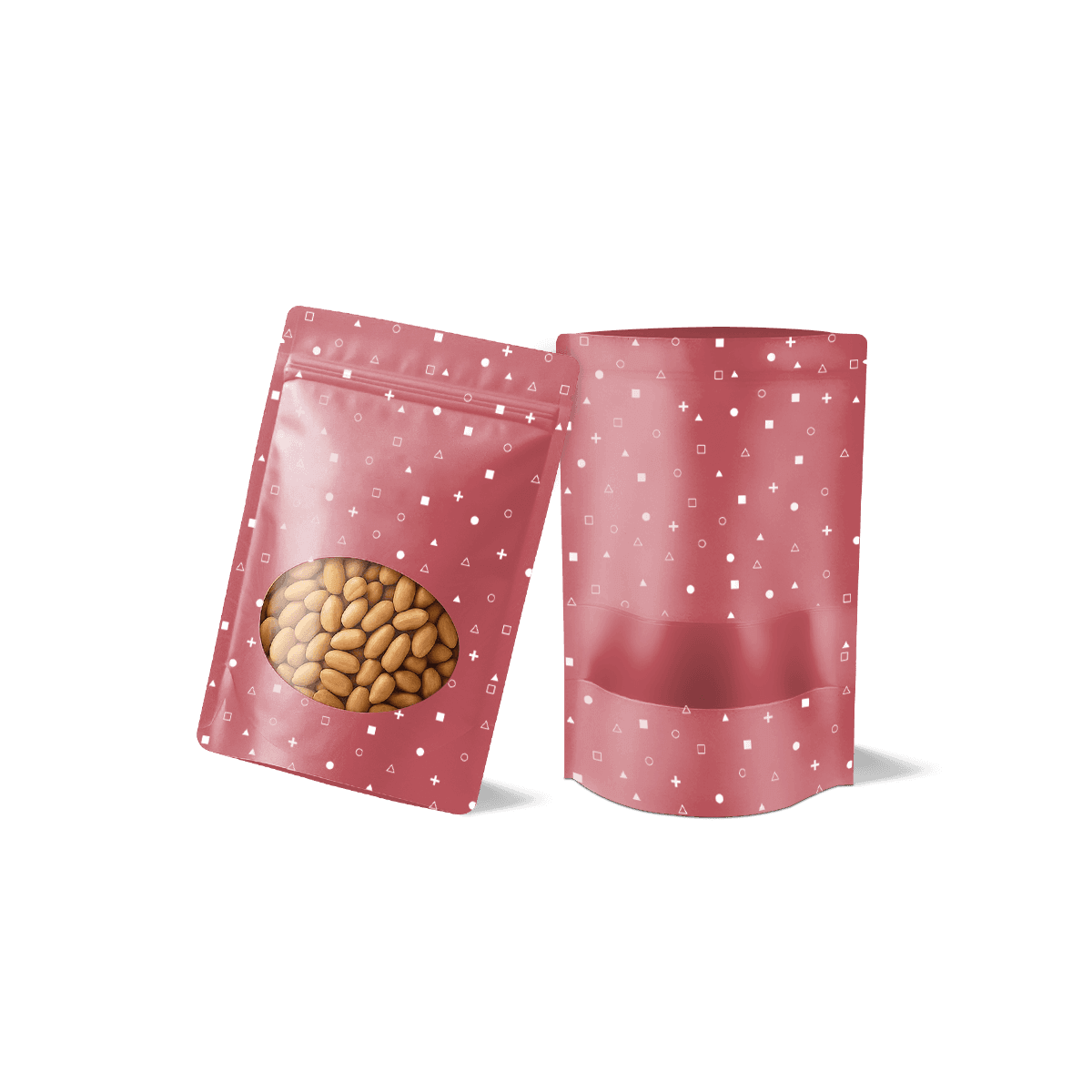
If product visibility helps sell the product, Custom Window Pouches can show texture or colour while still leaving room for brand artwork.

Design Around the Zip, Not Over It

Custom Zip Lock Pouches need artwork that respects the closure area. The zip, tear notch, top seal, side seams and lower pouch area all affect where artwork should sit.

The front panel should still feel clean and branded. However, important information should not be placed where the pouch bends, seals or opens.

Keep the Hero Message Below the Opening

The logo, product name and main claim should sit below the opening and zip zone. This keeps the front panel readable even after the customer tears the top.

If the design puts key words too close to the top, the customer may remove or damage them during opening.

Use the Back Panel for Practical Detail

The back panel should carry details that customers need after purchase. This may include directions, ingredients, storage notes, weight, barcode and batch information.

For products in Custom Food and Beverage Packaging, leave clear space for required information and avoid placing small text too close to seals or folds.

Plan Variant Colours Early

Many zip lock pouch ranges include several flavours, formulas or sizes. Variant colours should help customers choose quickly without making the range feel messy.

A simple system works best. Keep the brand position, product name and information areas consistent, then change flavour colour or secondary design elements.

Sizing the Mouth, Fill Space and Headroom

Custom Zip Lock Pouches should be sized around more than product volume. The mouth opening, zip position and headroom all affect how the product is filled and used.

A pouch can be the right height and width but still feel awkward if the opening is too tight for scooping, pouring or filling.

Mouth Width Affects Customer Use

A narrow opening may suit small treats or lightweight products, but it can frustrate customers using scoops or measuring spoons. A wider opening can improve access but may change pouch shape and display feel.

Think about how the customer will actually remove the product. Pouring, scooping and grabbing all need different opening space.

Headroom Protects the Seal Area

Headroom gives space above the product before sealing. If the pouch is filled too close to the zip or heat seal, product can interfere with closure performance.

Powders, granules and small pieces need enough room so the seal area stays clean during filling and customer use.

Avoid the Half-Empty Look

An oversized zip pouch can make the product look underfilled. An undersized pouch can bulge, strain the zip or make filling difficult.

The best pouch size should hold the product comfortably, look full enough to feel valuable and leave enough space for resealing.

Where Zip Lock Pouches Fit in a Product Range

Custom Zip Lock Pouches can work as the main retail pack, a refill pack, an ecommerce inner pack or part of a kit. The format is flexible, but it should still have a clear role.

For example, a snack brand may use zip lock pouches as primary packaging. A wellness brand may use them for refill packs. A pet brand may use them for treats inside a subscription box.

Primary Pack for Retail Shelves

When used as the primary pack, the pouch needs strong print, a clean front panel and enough structure to present well. The closure helps customers keep the product in its original pack after purchase.

This is useful when the brand wants the pouch itself to carry the full retail experience.

Inner Pack for Kits and Bundles

Some products sit inside an outer box, mailer or gift pack. In this case, the zip lock pouch may not need to do all the selling. It may focus more on storage, portioning and neat product handling.

This works well for sample kits, refills, subscription boxes and multi-product sets.

Refill Pack for Repeat Customers

Refill products need clear naming, easy resealing and simple storage. The pouch should feel practical rather than overbuilt.

If the customer already owns a jar, bottle or dispenser, the zip lock pouch can act as a lightweight refill format that still keeps the product organised.

Small Runs, Reorders and Multi-Flavour Planning

Custom Zip Lock Pouches can start from MOQ 50, with support for larger production runs, repeat orders and high-volume pouch programs as the product range grows.

For first runs, keep the size, closure and material choice focused. This helps reduce approval complexity and gives the brand a cleaner way to test demand.

For repeat orders, consistency matters. Zip placement, colour, finish, barcode position and pack size should stay controlled so customers recognise the product each time.

Launch One Format Before Expanding

A zip lock pouch range can become complicated if every flavour or product size uses a different structure. Start with the main product size and repeat the layout across variants where possible.

This keeps the first run easier to approve and makes future reorder planning smoother.

Shared Dielines Help Range Growth

If multiple products use the same pouch size, shared dielines can make artwork setup easier. This can help brands manage flavour ranges, seasonal drops or product extensions without rebuilding every file from scratch.

Custom Packly can help check structure, size and artwork direction through Customisation before the range becomes too hard to manage.

What to Check Before Production

Custom Zip Lock Pouches should be checked around closure feel, opening path, fill behaviour and print placement. A standard zip lock pouch can often be approved from a clear 3D mockup when the product, material and artwork are straightforward.

A physical sample may be useful for powder-heavy products, unusual fill weights, premium finishes, large windows or pouch formats where the zip position must be tested in hand.

Check the Zip Track

Open and close the pouch in the way a customer would. The zip should align properly, close without force and stay easy to use after the top has been opened.

For powder or granular products, think about whether product residue could affect the track.

Check the Opening Path

The tear notch, top seal and zip should work together. The customer should not need to guess where to tear or risk damaging the closure.

The first-open experience should feel clear and controlled.

Check Print Near Functional Zones

Review the artwork around the zip, top seal, tear notch, side seams and bottom area. Keep important text away from zones that may be torn, sealed, folded or handled heavily.

Quote Details That Matter for Zip Lock Pouches

The fastest way to quote Custom Zip Lock Pouches is to explain how the product will be used after opening. The pouch is not only a container. It becomes part of the customer’s storage routine.

Useful quote details include:

  • Product type and fill weight
  • Powder, snack, coffee, tea, pet treat, refill or dry product format
  • Preferred pouch size if known
  • Zip closure requirement
  • Heat seal or tear notch needs
  • Window or clear panel needs
  • Barrier needs such as moisture, aroma, oxygen or light protection
  • Front and back artwork requirements
  • Quantity for first run and likely repeat orders
  • Launch date or delivery deadline

Send these details through Get a Quote so the team can recommend the right pouch size, closure setup and material direction.

FAQs

Custom Zip Lock Pouches are best for products customers open and reseal many times, such as snacks, coffee, tea, powders, pet treats, bath salts and refill products.

Yes. Many zip lock pouches can include a heat seal above the zip for first-open protection. The customer opens the top, then uses the zip for ongoing storage.

Powders can collect near the zip track if the pouch is overfilled or the opening area is not planned well. Leave enough headspace and choose a suitable opening size for scooping or pouring.

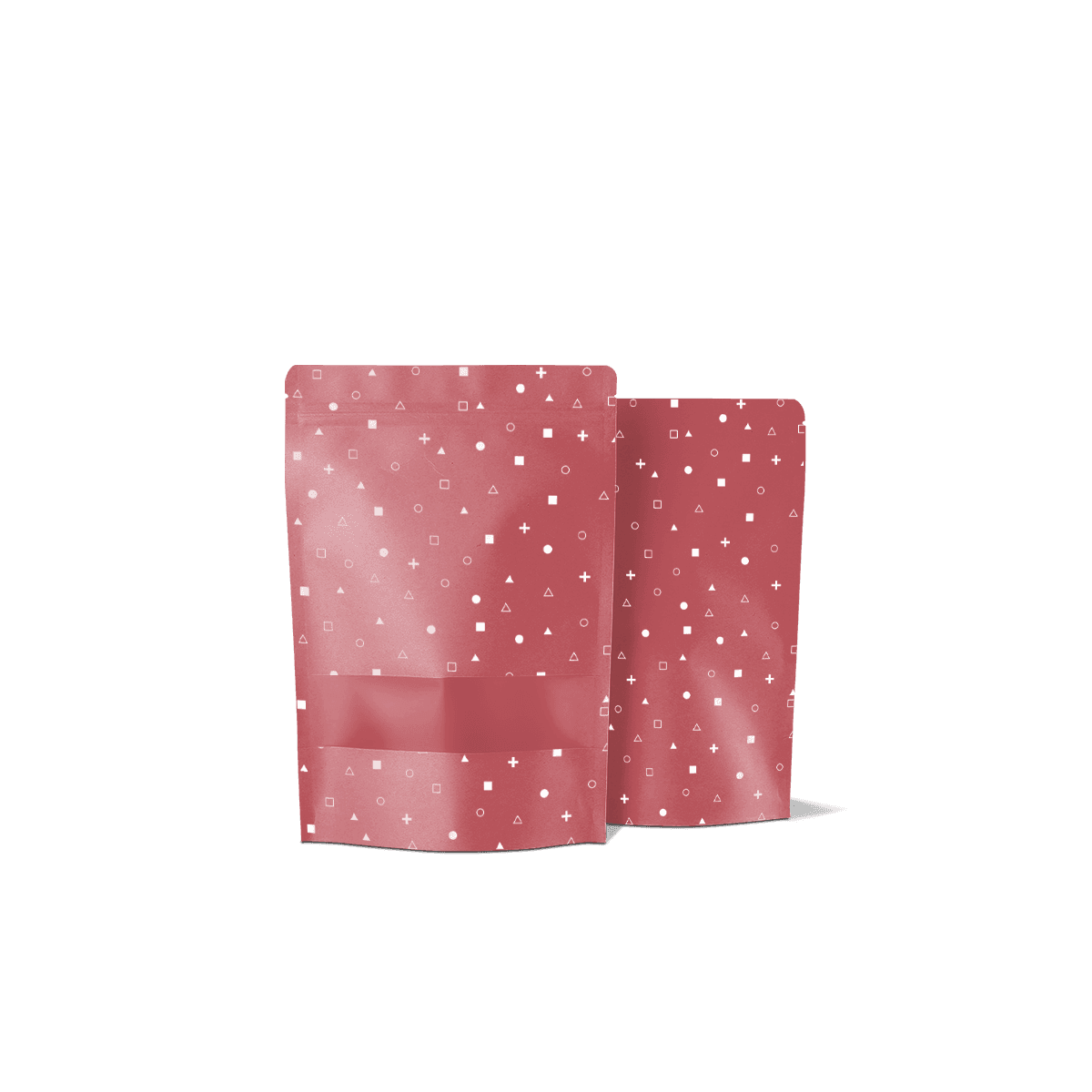
Yes. A window can show product texture or colour. It should be placed away from the zip, seal and key branding zones so the pouch stays functional and visually clear.

Process

How it works

Simple steps from idea to delivery

01

Tell Us Your Specs

Custom packaging boxes

Tell Us Your Specs

Provide size, quantity, printing, and finishes.

02

Get a Fast Quote

Custom packaging boxes

Get a Fast Quote

Instant transparent pricing, no hidden fees.

03

Design and Approval

Custom packaging boxes

Design and Approval

Artwork checks, revisions, and final sign-off.

04

Produce

Custom packaging boxes

Produce

Expert manufacturing to meet deadlines.

05

Ship to Your Door

Custom packaging boxes

Ship to Your Door

Hassle-free, flexible delivery options.

Start Your Custom Packaging Quote

Share your product details, dimensions, quantity and artwork needs. We’ll help choose the right packaging style and send a clear quote.