Skip to content
Details

Custom Coffee Bags

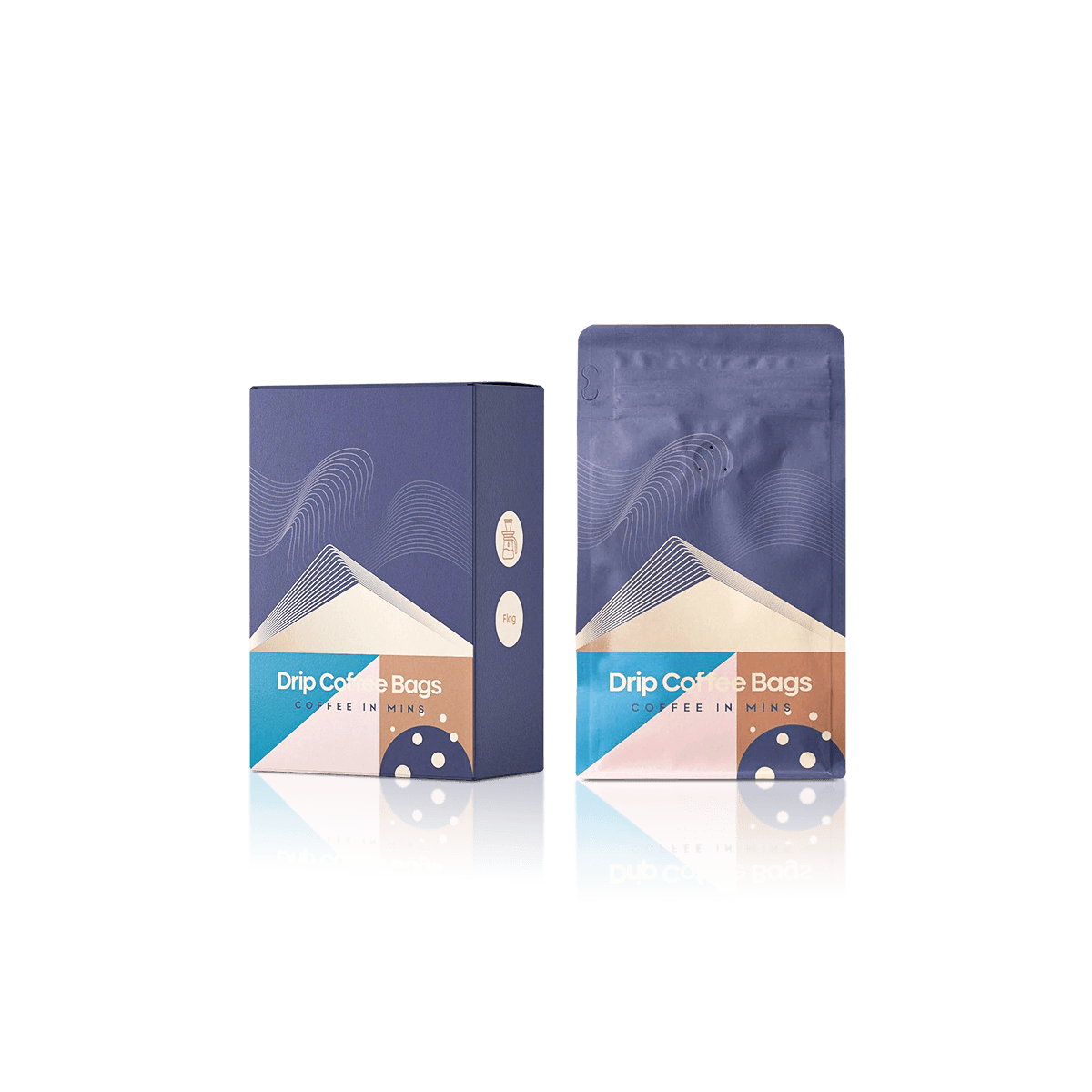
Protect roasted beans and ground coffee with printed pouches planned around fill weight, degassing, resealing, shelf shape and roast-by-roast artwork control.

Free Design Support

Clear Pricing

Flexible Quantities

Unlimited Customization

Premium Materials

Offset Precision

Free Shipping

Quick Turnaround

Printed Coffee Packaging for Whole Beans and Ground Coffee

Custom Coffee Bags need to do more than carry a logo. They must suit the roast, hold the correct fill weight, close cleanly and stay stable on a retail shelf. They should also leave clear space for origin, tasting notes, roast date and brew details.

Whole beans, ground coffee, instant coffee and sample portions do not behave in the same way. Bean size changes how a bag fills. Fine grounds settle more tightly. Fresh coffee may release gas after filling. The closure and valve should suit the roast and your filling routine.

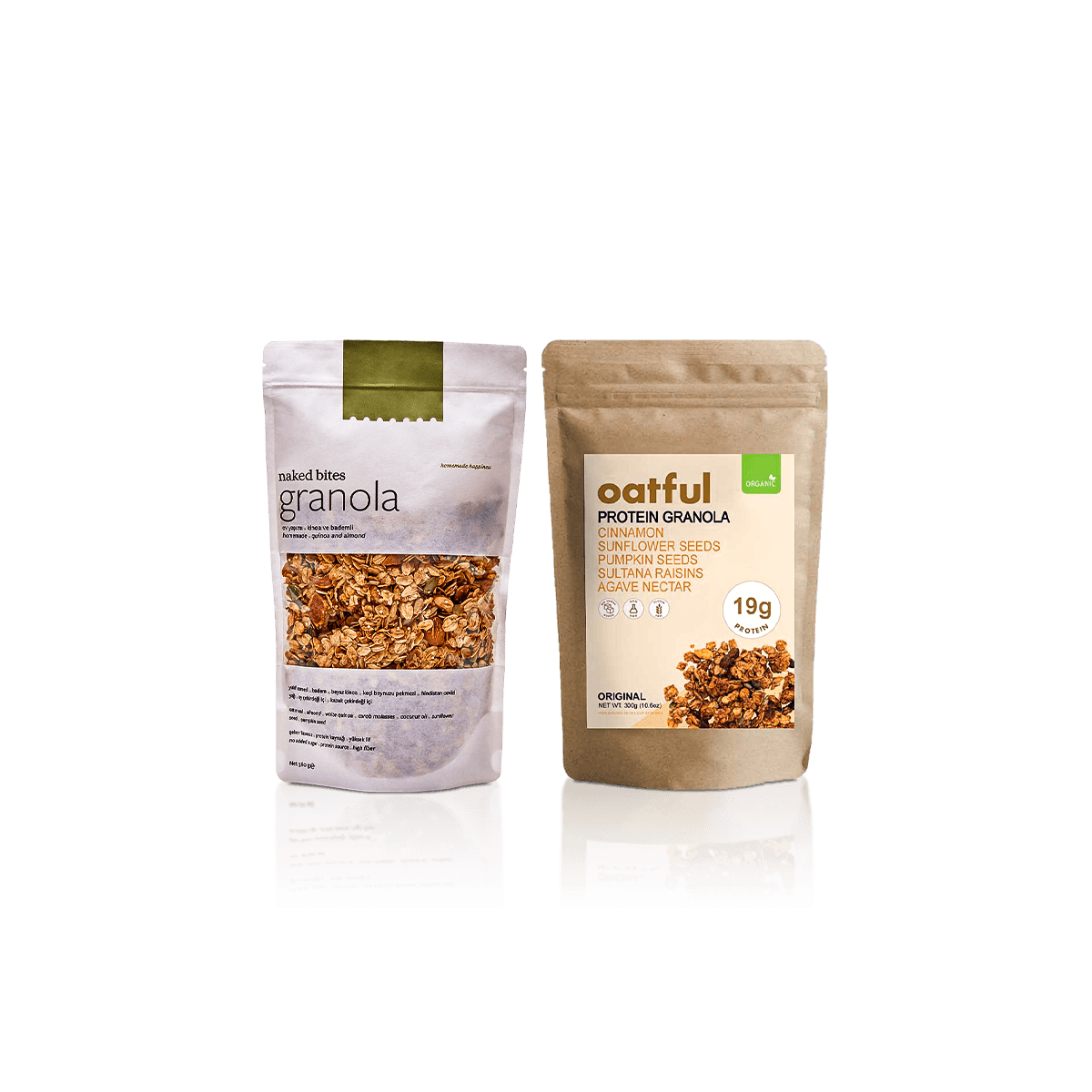
Custom Packly plans Custom Coffee Bags around the coffee first. This keeps the bag, print and key features consistent through later reorders. The wider Custom Food and Beverage Packaging work can also cover tea, snacks and pantry goods.
Custom Coffee Bags That Fill and Stand Well

Bag shape affects filling speed, shelf footprint and how the artwork looks once coffee is inside. Artwork can stretch or fold once the gussets open.

Flat-bottom bags for a firm shelf face

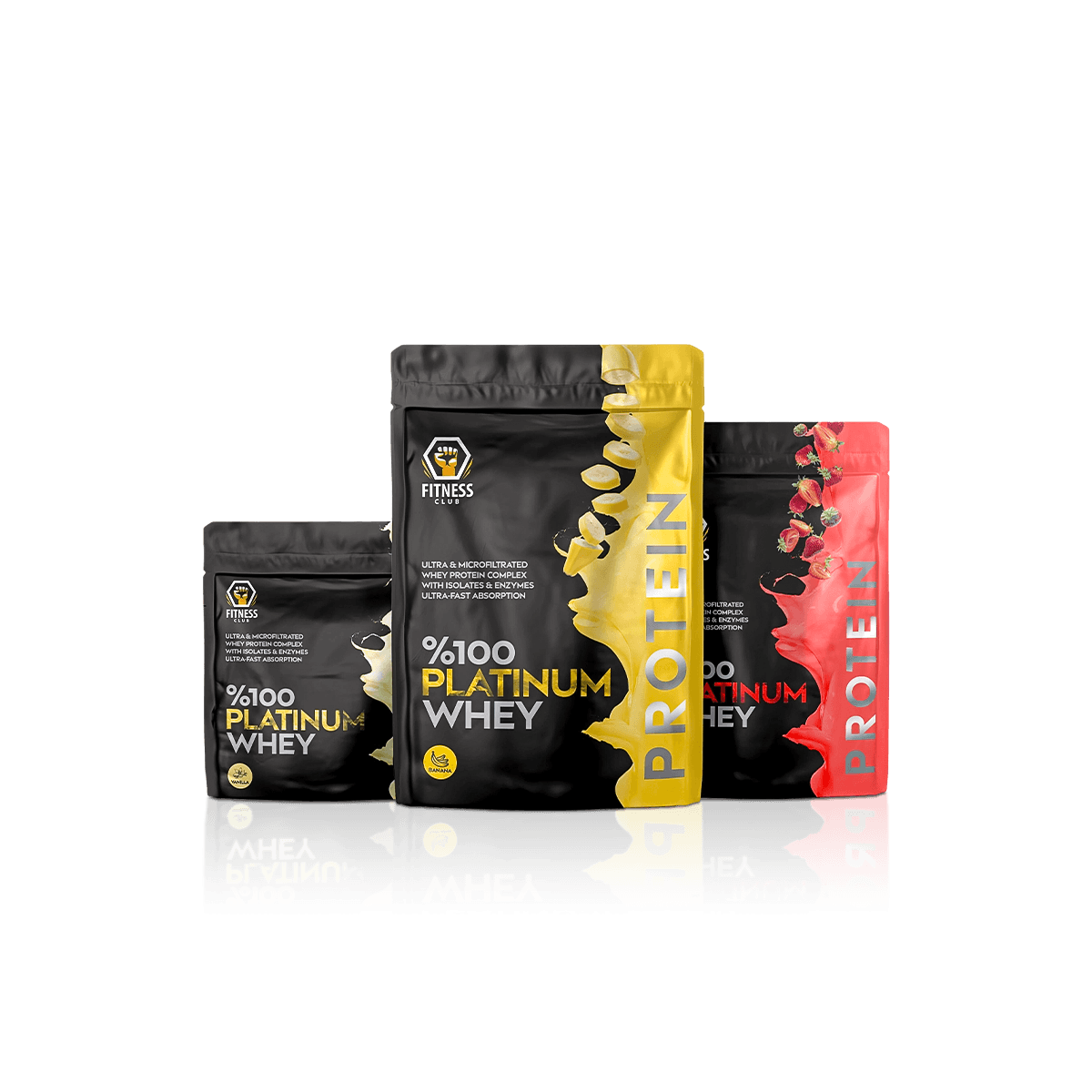
Flat-bottom coffee bags sit upright with a broad front panel and useful side panels. They suit detailed artwork and a strong shelf display. The box-like base also keeps larger fills neat.

Base depth, gussets and the top seal must work together. Too much space looks empty. Too little can make sealing hard.

Side-gusset bags for efficient filling

Side-gusset bags expand at the sides and suit larger fills or a classic roastery look. Their long panels hold branding and coffee details.

Artwork should account for how the gussets fold inward. Important text should not disappear into the crease. The seals must also carry the filled weight.

Stand-up pouches for smaller retail lines

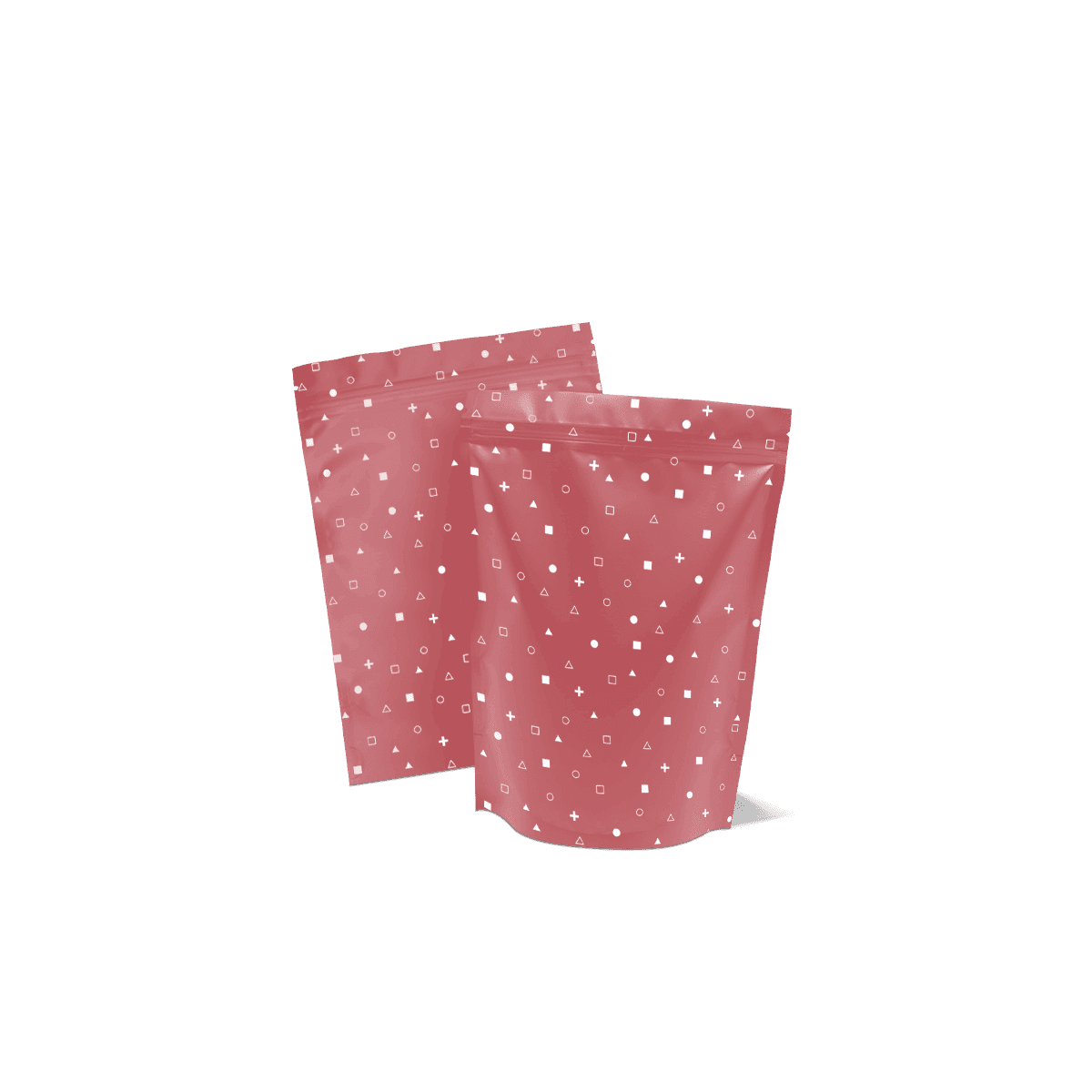
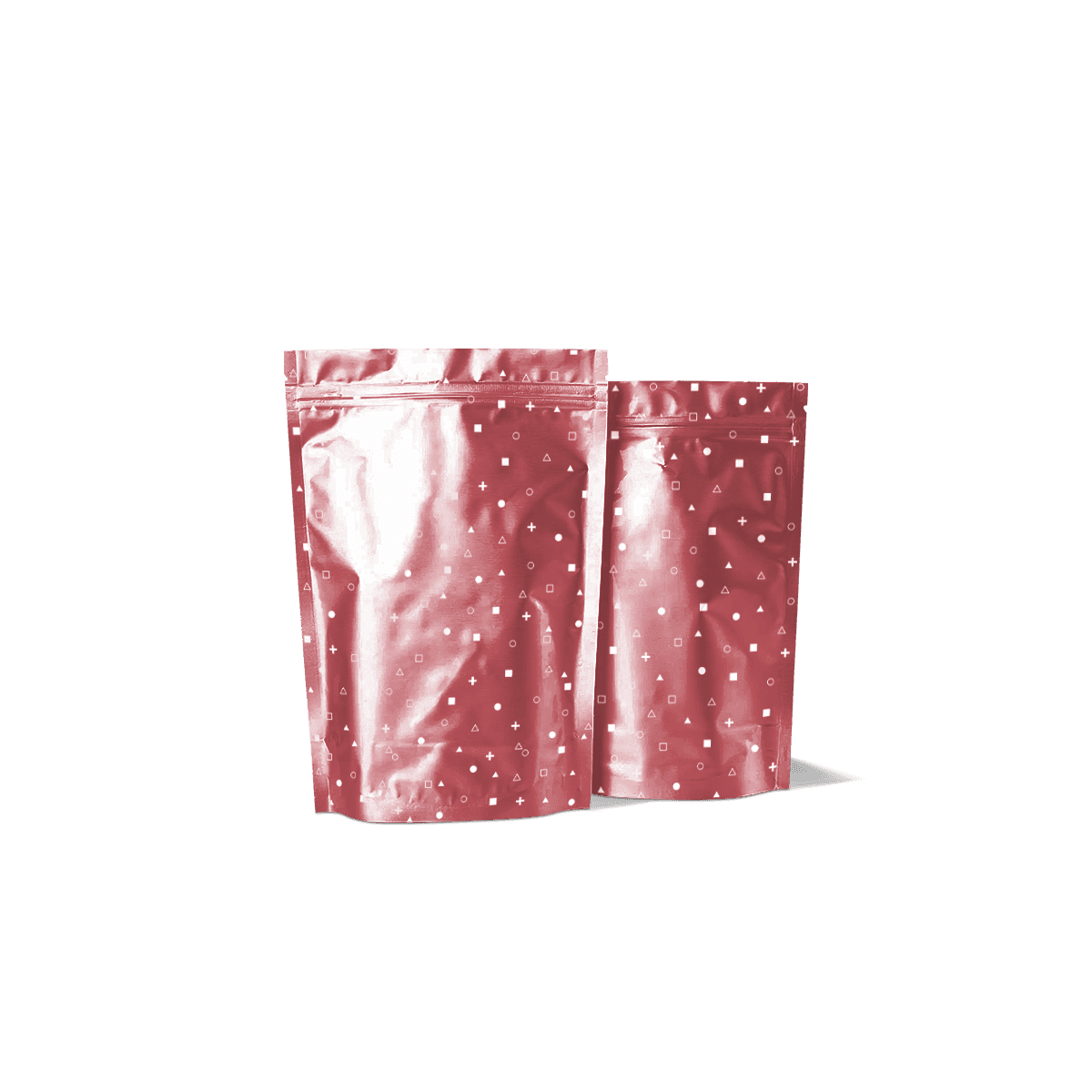
Stand-up pouches suit smaller fills, ground coffee, samples and short releases. A zipper helps after opening. A tear notch gives a clean first opening.

Custom Pouches and Flexible Packaging covers stand-up, flat and gusseted choices for related products. These three bag styles also appear prominently across current coffee-packaging suppliers serving the Australian market.

Valves and Seals for Custom Coffee Bags

Fresh coffee can place pressure on a sealed bag after roasting. A one-way valve lets gas leave while limiting air entry. Many roasters use one for fresh beans and grounds.

Place the valve around the real fill level

Set the valve from the filled height, not the empty bag. A low valve may press against the coffee. A high valve can make the top look unbalanced.

The artwork also needs clear space around the valve. Keep small origin text and logo details away from it.

Use the zipper and heat seal for different jobs

A zipper helps the customer close the bag after opening. The first heat seal protects the unopened coffee. The top needs clear room for both.

The cut, notch, zipper and seal should work in a clear order. A crowded top is hard to seal and open.

Test when the roast or filling method changes

A 3D mock-up is often enough for artwork approval. A physical sample helps when you must test valve position, fill weight, sealing or shelf stance.

Size Custom Coffee Bags From the Filled Product

Size Custom Coffee Bags from the filled coffee. Empty dimensions do not show how beans or grounds will settle.

Match capacity to bean type and grind

The same weight can take up a different volume after roasting or grinding. A test fill is more useful than weight alone.

Weights such as 250 g, 500 g and 1 kg may need different bases and gussets. Coffee type and headspace set the final size.

Allow headspace for clean sealing

Coffee in the heat-seal area can weaken the closure. Leave clear space for filling, settling and sealing.

Do not add excess height. Too much headspace makes the bag look underfilled. The goal is a clean seal and a full shelf shape.

Check cartons and shipping boxes at the same time

The filled width and depth set the outer carton count. This matters for wholesale, online and subscription orders.

Custom Coffee Bags sent by post may need a firm outer box to limit crushing and rubbing. Custom Shipping and Postal Boxes can be sized around the filled bags rather than loose internal estimates.

Clear Artwork Across Custom Coffee Bags

Coffee artwork often carries more than a product name. Origin, process, tasting notes, brew method and date fields all need room. The layout should make the most important information easy to scan.

Keep a fixed system across origins and blends

Keep the logo, coffee name and weight in fixed places. Change colour or art for each origin or blend. The line stays linked without looking the same.

This also makes new artwork faster. The same panel order and type sizes reduce errors.

Plan changing details before printing

Some origins change often, while core blends stay stable. Decide what belongs in print and what needs a label, stamp or blank area.

Custom Coffee Bags can leave a clear zone for dates, lot numbers and short notes. Labels will not cover key art or small text.

Use front, back and gussets with purpose

The front should identify the coffee quickly. The back can carry the brand story, brewing advice and storage notes. Gussets can hold secondary design elements, but text there must remain readable after filling.

Full colour, one-colour art, matte surfaces and metallic effects can all work. Choose by brand style, volume and how often the art changes. Customisation can align print, finish and artwork setup across each roast.

Barrier Choices for Custom Coffee Bags

A coffee bag must protect the product before it can support the brand. Barrier needs change with roast timing, shelf life, grind and storage.

Protect against air, moisture and light

Air, moisture and light can harm coffee quality. High-barrier layers help slow these effects. Choose the layers for the coffee and planned shelf life.

A metallised inner layer can add light and oxygen protection. A clear window shows the beans but may change the barrier, so use it with care.

Create a kraft look without vague claims

Kraft-look surfaces suit natural and origin-led brands. Yet the paper look does not explain the full bag or its disposal route.

Any recycle or compost claim must match the layers, valve, zipper and local disposal path. Use clear facts rather than a broad green claim.

Match finish to handling and shelf use

Matte can give Custom Coffee Bags a soft, low-glare look. Gloss can deepen colour and make photography more vivid. A soft-touch surface may suit premium coffee, but it must also handle rubbing in cartons.

Before final approval, check how dark colours, fine text and small roast details print on the selected surface.

Custom Coffee Bags for Retail and Online Orders

Custom Coffee Bags may serve a café shelf, wholesale carton and online order at the same time.

Retail shelves need a stable base and fast recognition

The bag should stand without leaning and show the roast name at eye level. Colour can separate decaf, espresso, filter and single-origin coffee. Keep the barcode and weight easy to find.

Small bags need enough front width for clear art. Large bags need strong seals and a square base.

Wholesale cartons need quick identification

Cafés may receive several coffees at once. Outer cartons should show the roast, bag size and quantity.

A carton label or one-colour print makes storage easier. The bag remains the main retail feature.

Subscriptions need protection without excess space

Online orders need protection from puncture and crushing. The outer box should not press on the valve or top seal.

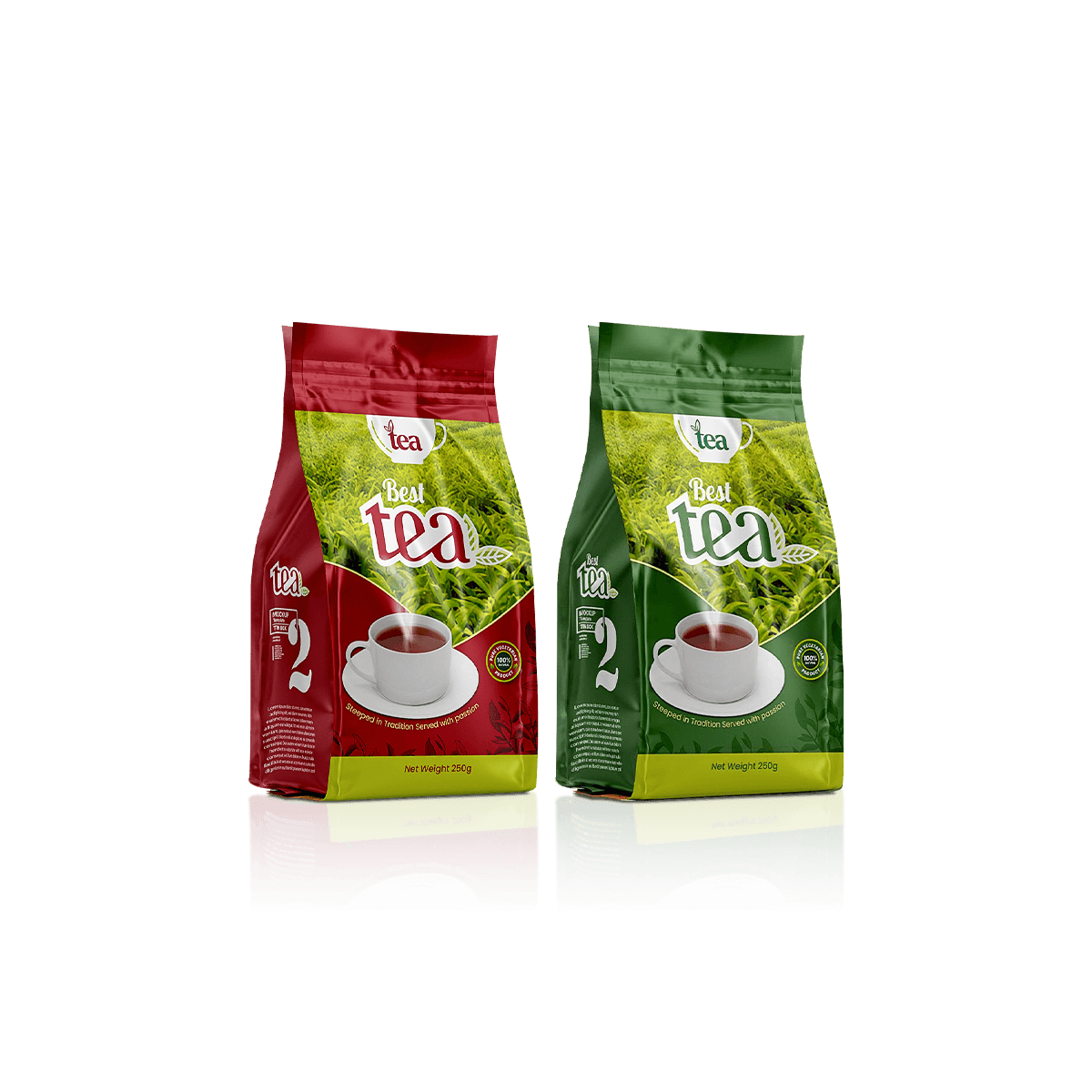
Roasters can carry the same visual system into Custom Tea Pouches, while keeping coffee valve and fill needs separate.

Repeat Runs Without Old Coffee Bag Stock

Coffee lines can change fast. Seasonal origins may last months, while core blends run for years. Custom Coffee Bags should support both without leaving old stock.

Use the print method that suits artwork life

A short release may need lower quantities and easy file changes. A stable blend may suit a larger print run with a lower unit cost.

MOQ starts from 50, with support for larger production runs, repeat orders and high-volume coffee programs as demand grows. Set the order by the life of each roast and your storage space.

Keep approved details consistent on reorders

Record the size, layers, valve, zipper, seal space, finish and colour references. This keeps the next order consistent.

Before reprinting, check the origin, weight, barcode, website and disposal note. Fixing a file is easier than fixing finished stock.

Order around roasting and filling capacity

Packaging should arrive before the roast schedule needs it. Too much stock can take up space and leave old artwork. Plan around roast frequency, fill speed and storage.

Eligible approved orders can move through local production in around 4 to 6 days. Complex materials or large quantities may need more time. Include the due date in the first quote request.

Prepare Coffee-Specific Details for an Accurate Quote

A quote for Custom Coffee Bags needs more than weight and a logo. Coffee type, valve and filling method affect the bag.

Include:

  • whole bean, ground or instant coffee
  • target fill weight and test-filled dimensions
  • preferred flat-bottom, side-gusset or stand-up shape
  • valve and zipper requirements
  • whether the first seal is made by hand or machine
  • the number of roast, blend or origin artworks
  • fixed print details and changeable label areas
  • retail, wholesale or online use
  • required quantity for each artwork
  • desired delivery date

Custom Packly can use these details to set the size, features and print route before the art is final. Send them through Get a Quote to receive advice based on the coffee and the way your team fills it.

FAQs

A valve is often useful for fresh coffee that continues to release gas. Its need and position should match the roast, fill timing and bag size.

Yes. The heat seal protects the unopened coffee while the zipper lets the customer close it again after opening.

Test the actual coffee at the intended weight. Bean size, roast and grind can change the filled volume.

Send the coffee type, fill weight, bag shape, valve, zipper, artwork count, quantity and due date.

Process

How it works

Simple steps from idea to delivery

01

Tell Us Your Specs

Custom packaging boxes

Tell Us Your Specs

Provide size, quantity, printing, and finishes.

02

Get a Fast Quote

Custom packaging boxes

Get a Fast Quote

Instant transparent pricing, no hidden fees.

03

Design and Approval

Custom packaging boxes

Design and Approval

Artwork checks, revisions, and final sign-off.

04

Produce

Custom packaging boxes

Produce

Expert manufacturing to meet deadlines.

05

Ship to Your Door

Custom packaging boxes

Ship to Your Door

Hassle-free, flexible delivery options.

Start Your Custom Packaging Quote

Share your product details, dimensions, quantity and artwork needs. We’ll help choose the right packaging style and send a clear quote.