Custom Spice Boxes
Printed cartons shaped around spice jars, tins and refill pouches, with clearer blend identification, secure fit and room for essential product information.
Free Design Support
Clear Pricing
Flexible Quantities
Unlimited Customization
Premium Materials
Offset Precision
Free Shipping
Quick Turnaround
Custom Spice Boxes for Jars, Tins and Refill Pouches
Custom Spice Boxes give spice products a clean retail face while protecting the container during handling, display and delivery. Custom Spice Boxes should fit the jar, tin or sealed pouch closely. They should also leave enough room for blend names, ingredients, serving ideas and other product information.
The inner container remains responsible for the main moisture and aroma barrier. A paperboard carton does not replace an airtight jar, sealed tin or suitable food pouch. Instead, Custom Spice Boxes add light cover, impact protection, stacking strength and a larger surface for branding.
Spice cartons can share flavour coding and brand details with tea, herbs and pantry products across Custom Food and Beverage Packaging, while the structure stays matched to jars, tins or refill pouches.
Single jars and tins
Custom Spice Boxes around one jar can make a small product easier to display. They also give the brand more room than a narrow label. Custom Spice Boxes should follow the widest point of the container, including shoulders, lids and tamper bands.
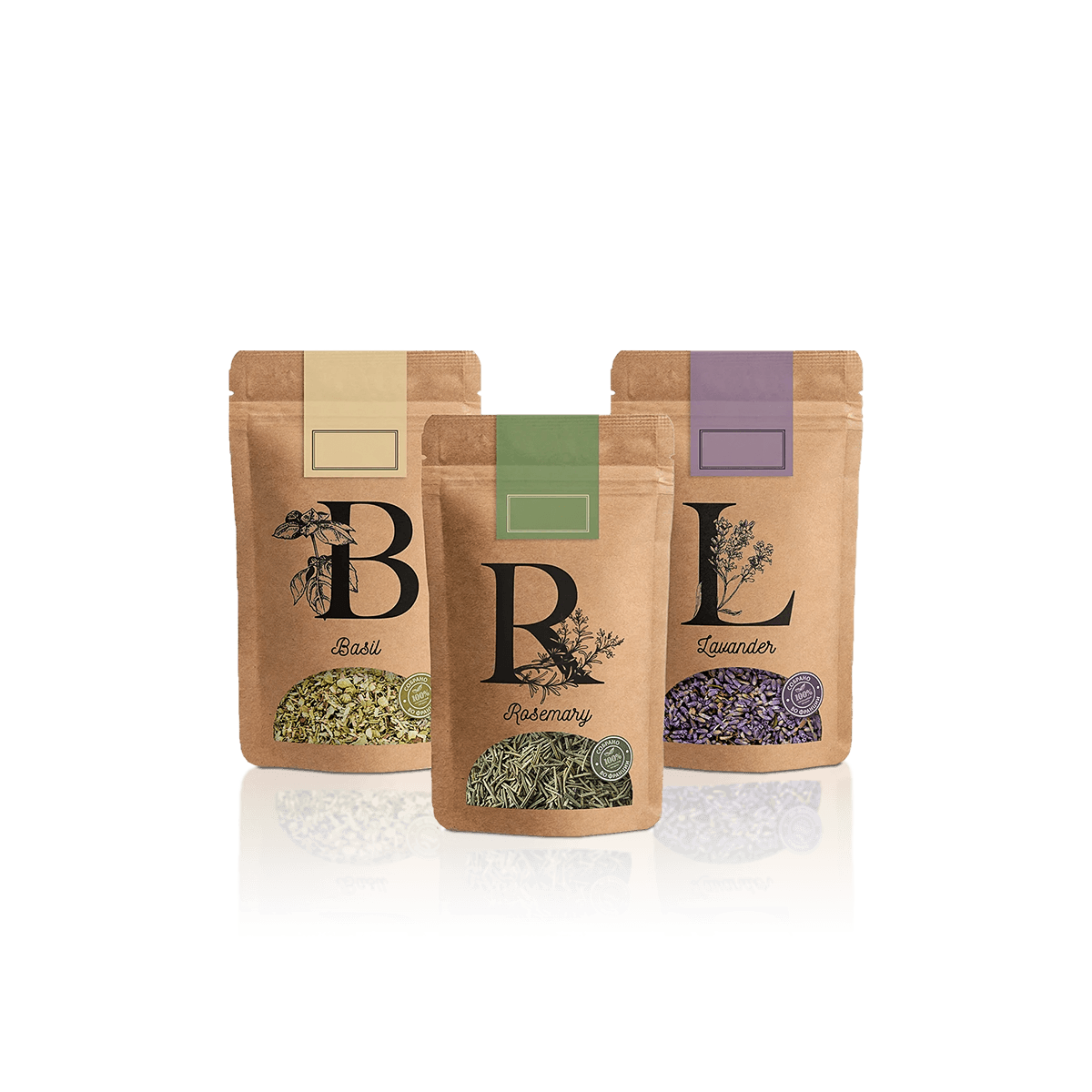
Refill pouches and sachets
Refill spices may use a sealed pouch inside the carton. This can create a flat front panel and help small sachets stand upright. Custom Spice Boxes must be sized from the filled pouch, not the empty film.
Spice sets and gift collections
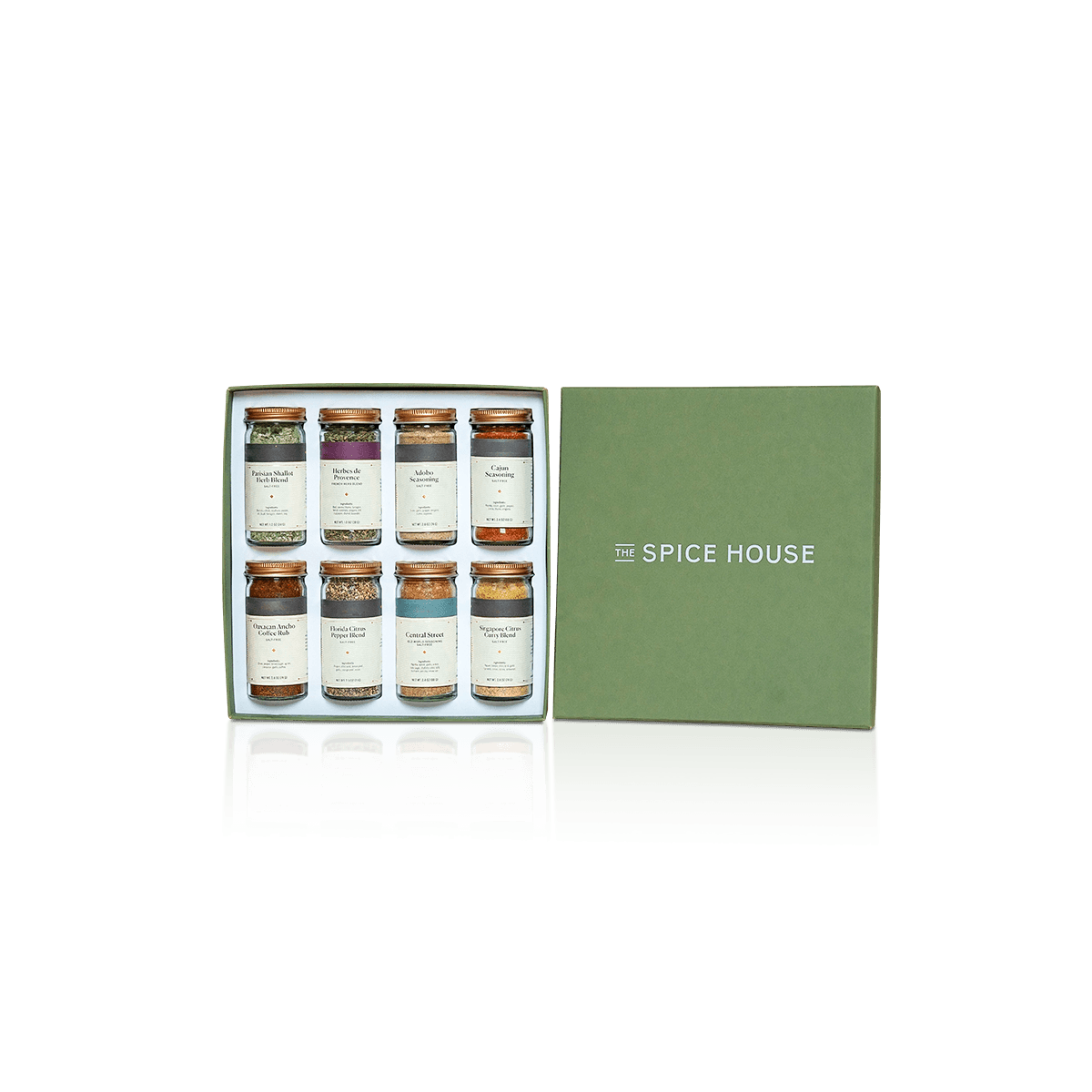
Multi-spice sets need controlled spacing. Each jar should be easy to remove without knocking into the next one. A fitted tray or divider can turn mixed blends into a neat gift presentation.
Start with the Filled Spice Container
Accurate Custom Spice Boxes begin with the finished container. Jar diameter alone is not enough. Lids, shoulders, bases, labels and seals can change the fit.
Measure caps, shoulders and seals
Measure the widest point of the jar or tin. Check the cap diameter and total closed height. Include any shrink band, tamper label or raised lid detail.
A box that is too short may press on the lid. A narrow carton can scuff labels or become difficult to load. Allow practical clearance without leaving enough space for the container to move.
Allow for the weight at the base
Spice jars are compact but can be dense. Glass adds more weight. The base of Custom Spice Boxes should support the filled container without bowing or opening.
Custom Folding Cartons and Tuck Boxes can use tuck, lock or pre-glued bases. The right base depends on jar weight, carton width and how quickly the product must be loaded.
Test round containers inside square cartons
A round jar leaves open corners inside a square box. Small gaps may be harmless for a light plastic jar. Glass containers or premium gift products may need a paperboard cradle.
The fit should stop obvious rattle while keeping the jar easy to remove. It should not grip the label or place pressure on the cap.
Use the Outer Box for More Than Aroma Claims
Custom Spice Boxes support freshness by protecting the sealed container from light, dust and handling. They should not be described as the only aroma or moisture barrier unless the spice directly contacts an approved inner layer designed for that purpose.
Keep direct contact requirements clear
Tell the packaging team whether the spice touches the carton. Most retail spice boxes hold a jar, tin or sealed pouch. This means the carton acts as secondary packaging.
Direct food contact needs a separate material review. The board, coating, ink position and inner treatment must suit the intended use.
Reduce avoidable light exposure
An opaque carton can cover clear jars while they sit on shelves or move through storage. This may be useful for bright spices and blends that you prefer to keep away from constant display light.
A window changes that balance. It can show the jar or spice colour, but it also removes print space and exposes more of the inner container.
Support tamper presentation
Custom Spice Boxes can include closing tabs, seals or an area for a tamper label. The actual tamper system should match the inner container and filling process.
Do not place a security label across weak fibres or a heavily textured finish without testing adhesion. Leave the opening area clear of critical text.
Give Every Blend a Clear Shelf Identity
Spice products often sit together in long rows. Custom Spice Boxes need a strong visual system so cumin, paprika, chilli, turmeric and mixed seasonings do not look interchangeable.
Keep the brand position fixed
Use the same logo position and type hierarchy across the product line. Place the spice name in one clear area. Keep weight, barcode and required information in consistent zones.
A fixed structure helps each carton feel related. It also makes new blends easier to add without rebuilding the full design.
Use colour as a navigation cue
Colour can separate mild, smoky, hot, sweet and herb-led blends. The contrast should remain clear under store lighting and in online product images.
Do not rely on colour alone. Print the spice or blend name in readable type. Similar red shades can become confusing when several chilli products sit together.
Reserve space for useful product details
Custom Spice Boxes may need ingredients, allergen information where relevant, net weight, batch or date coding space, storage advice and business details. Confirm the required wording with the appropriate food compliance adviser before print approval.
Custom Spice Boxes can also carry serving suggestions, heat scales, origin notes or a QR code. These additions should not make the key product name hard to find.
Choose Board and Print for Small Detailed Cartons
Small cartons can be harder to print well than large boxes. Fine type, narrow panels and tight folds leave less room for error. Material and artwork must work together.
White paperboard for fine text and bright colour
White paperboard suits detailed ingredient panels, food photography and strong flavour coding. It gives a clean base for full-colour print.
The board grade should match the jar weight. A very light stock can bow around a dense container. An overly stiff stock may resist small folds and make the carton harder to close.
Kraft for simple ingredient-led branding
Kraft can support natural, organic or small-batch positioning. Dark ink and simple graphics usually read best. Pale colours may change against the brown surface.
Ask for colour guidance before approving a complex palette. The Customisation choices can be matched to the board, print method and finish needed for the spice line.
Finishes that survive kitchen handling
Matte or gloss coatings can help printed panels resist light scuffing. Foil, embossing or spot gloss can highlight a logo or premium blend.
Use special finishes with restraint on small Custom Spice Boxes. Important ingredients and instructions should remain easy to read. The finish should not interfere with barcode scanning, date coding or closure labels.
Decide When a Box Adds Real Value
Not every spice product needs an outer carton. Custom Spice Boxes are most useful when they improve shelf order, protect a glass container, hold several items or provide space that the primary label cannot offer.
Boxed jars for retail presentation
Custom Spice Boxes can make a short jar easier to face on a shelf. They give the retailer a flat front and give the brand more room for product detail.
Custom Spice Boxes should still show the size honestly. Excess empty space can make the product feel smaller when opened.
Pouches for light refills
A sealed pouch can be the better choice for low-weight refills and online orders. Custom Herb Pouches suit loose dried herbs and similar products that need flexible storage.
A carton may still help when a refill pouch needs stronger shelf shape or is sold as part of a cooking kit.
Gift sets for mixed seasonings
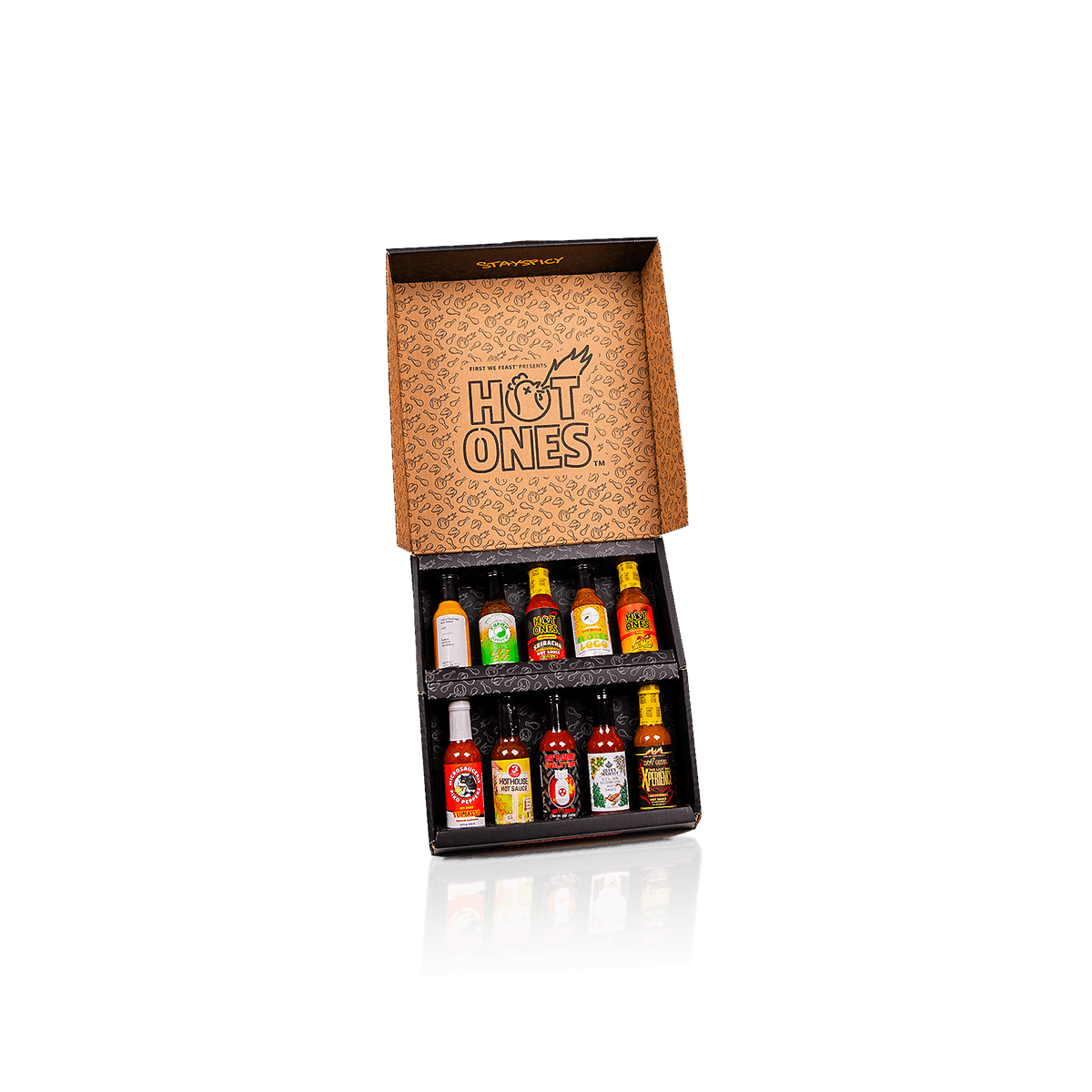
Spice rubs, barbecue blends and recipe collections can work well as boxed sets. Each container should have its own position. The names should remain visible when the lid opens.
The arrangement should match how the set will be used. A tasting collection may place jars in a row. A cooking kit may group blends with a recipe card or small accessory.
Stop Jars Moving Inside Spice Sets
Movement can damage labels, chip glass or make a gift set feel unfinished. Custom Spice Boxes for several containers need more than a larger outer carton.
Use dividers for simple rows
Straight dividers can separate jars of the same size. They are useful when the box opens from the top and each item sits upright.
The divider height should control contact between jars without hiding the product names. The outer walls still need enough strength for the total weight.
Use fitted inserts for premium sets
A die-cut cradle can follow the base or body of each container. This creates a more planned opening and can hold mixed jar sizes in one box.
Custom Inserts and Dividers can be developed around the exact containers. Provide every jar dimension and filled weight rather than one average size.
Add a shipping outer when needed
A retail gift box may not be designed to travel through a courier network on its own. Use a separate corrugated outer when the finish, corners or glass contents need more protection.
Test the complete order as it will be sent. This includes the gift box, insert, jars, void fill and shipping carton.
Control Artwork Across Many Spice Blends
Custom Spice Boxes often share one size while using several printed designs. A clear artwork system reduces the chance of the wrong name, barcode or colour being placed on a carton.
Keep a master layout for fixed brand elements. Give every blend its own artwork code and revision date. Confirm the quantity of each design before production.
For example, a seasoning business may use one jar and carton size for garlic salt, smoky barbecue, lemon pepper and hot chilli. The Custom Spice Boxes structure can remain the same while the flavour panel changes. The team should still check that every label, barcode and ingredient panel matches the correct blend.
MOQ starts from 50. This can support a new seasoning or small test run. Larger quantities and ongoing production can use the same approved structure once the artwork and specifications are locked.
When a jar supplier changes the cap, label or glass profile, recheck the carton. A small container change can affect fit even when the stated fill weight stays the same.
Prepare Quote Details for the Exact Container
The cost and structure of Custom Spice Boxes depend on what sits inside. A rough product description does not show the jar weight, closure clearance or number of printed designs.
Include:
- Spice or seasoning type
- Primary container material
- Filled jar, tin or pouch dimensions
- Filled weight
- Quantity for each blend
- Number of containers in each box
- Tuck, lock or glued base preference
- Window, insert or divider needs
- Direct or indirect food contact
- Print colours and finish ideas
- Barcode and date coding areas
- Artwork status
- Required delivery date
For a multi-jar set, send a simple layout showing the position of every item. Note any recipe card, spoon or accessory that must sit inside the carton.
Submit these details through Get a Quote. Custom Packly can review the container fit, base strength and artwork space before the final spice carton is approved.
FAQs
Related Industries
Related Packaging Styles
How it works
Simple steps from idea to delivery
Tell Us Your Specs

Tell Us Your Specs
Provide size, quantity, printing, and finishes.
Get a Fast Quote

Get a Fast Quote
Instant transparent pricing, no hidden fees.
Design and Approval

Design and Approval
Artwork checks, revisions, and final sign-off.
Produce

Produce
Expert manufacturing to meet deadlines.
Ship to Your Door

Ship to Your Door
Hassle-free, flexible delivery options.
Start Your Custom Packaging Quote
Share your product details, dimensions, quantity and artwork needs. We’ll help choose the right packaging style and send a clear quote.