Skip to content
Details

Custom Herbal Tea Boxes

Cartons planned around tea bag counts, sealed inner pouches and clear blend identification, with room for brewing directions, ingredients and gift-ready details.

Free Design Support

Clear Pricing

Flexible Quantities

Unlimited Customization

Premium Materials

Offset Precision

Free Shipping

Quick Turnaround

Custom Herbal Tea Boxes for Bags, Sachets and Loose Leaf Blends

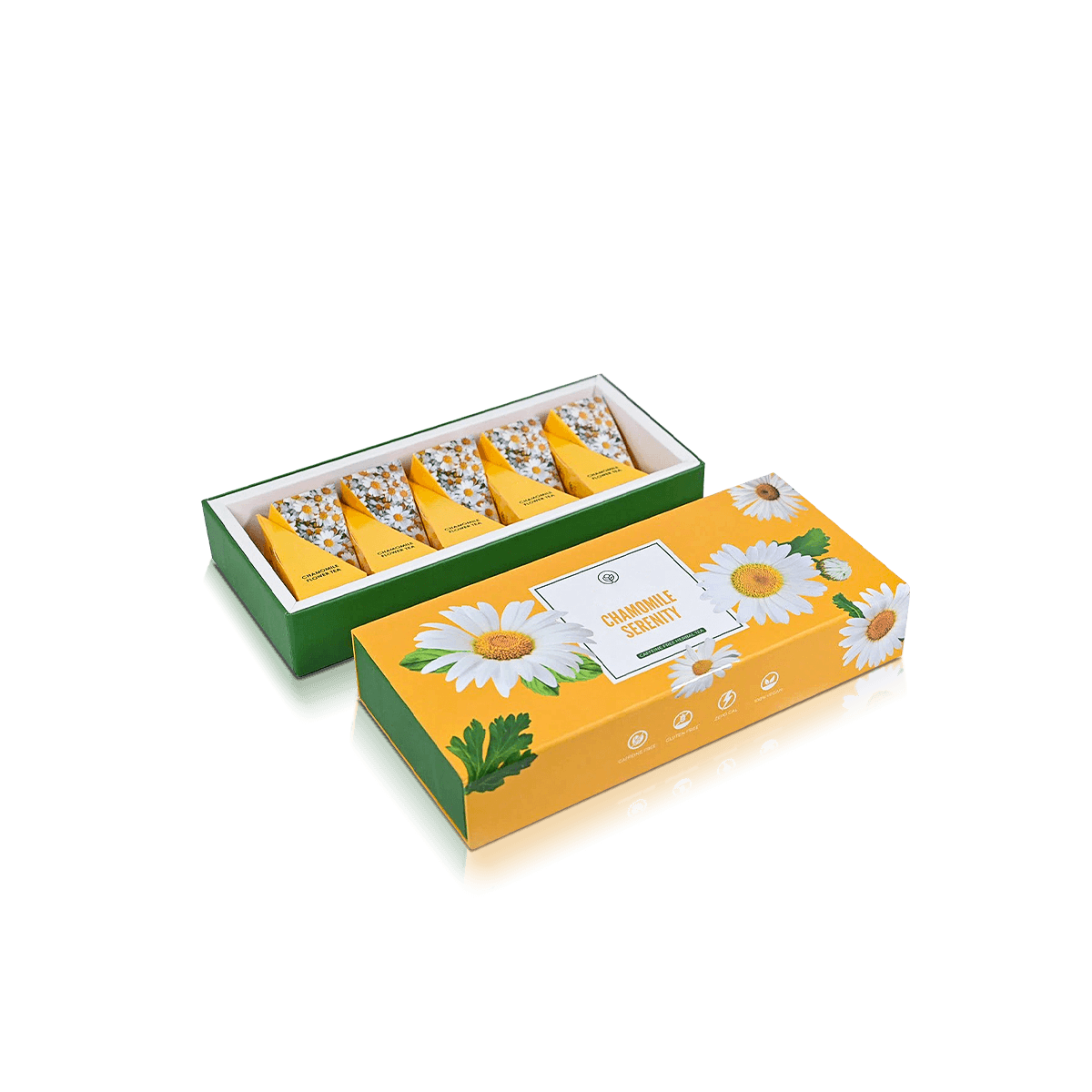
Custom Herbal Tea Boxes organise herbal infusions into a stable, easy-to-read carton for retail shelves, online orders and gifting. They can hold individually wrapped tea bags, unwrapped bags inside a sealed inner lining, loose leaf pouches or mixed tasting sets.

The carton should follow the way the tea is presented inside. A box for 20 flat envelopes needs a different depth from one holding pyramid sachets. A loose leaf product needs clearance around its sealed inner pouch rather than dimensions based only on tea weight.

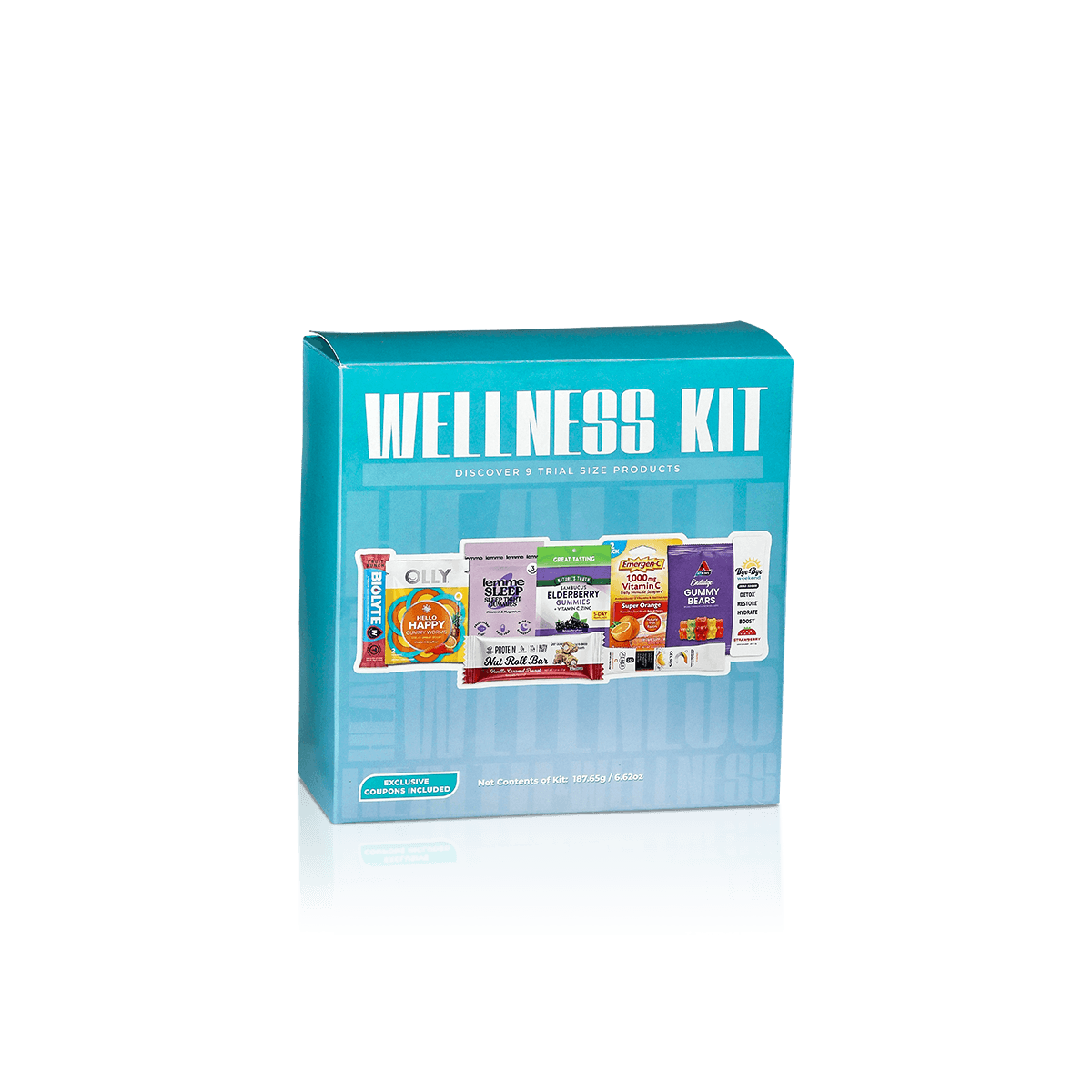
Herbal tea brands that also sell supplements, powders or self-care items can keep their visual identity aligned through Custom Wellness Packaging. Each blend can still use the carton size and information layout that its contents require.

Individually wrapped tea bags

Wrapped tea bags usually stack in rows or sit upright. Measure the finished envelope, including sealed edges and any trapped air.

A tight carton can bend corners and make loading slow. Too much space lets the envelopes fall out of order when the box opens.

Unwrapped bags with an inner lining

Unwrapped tea bags may sit inside a sealed bag or another approved inner layer. That inner material carries the main food-contact and freshness role.

Custom Herbal Tea Boxes then provide structure, print space and a clean opening. The carton should not be treated as the only barrier around the tea.

Loose leaf tea in sealed pouches

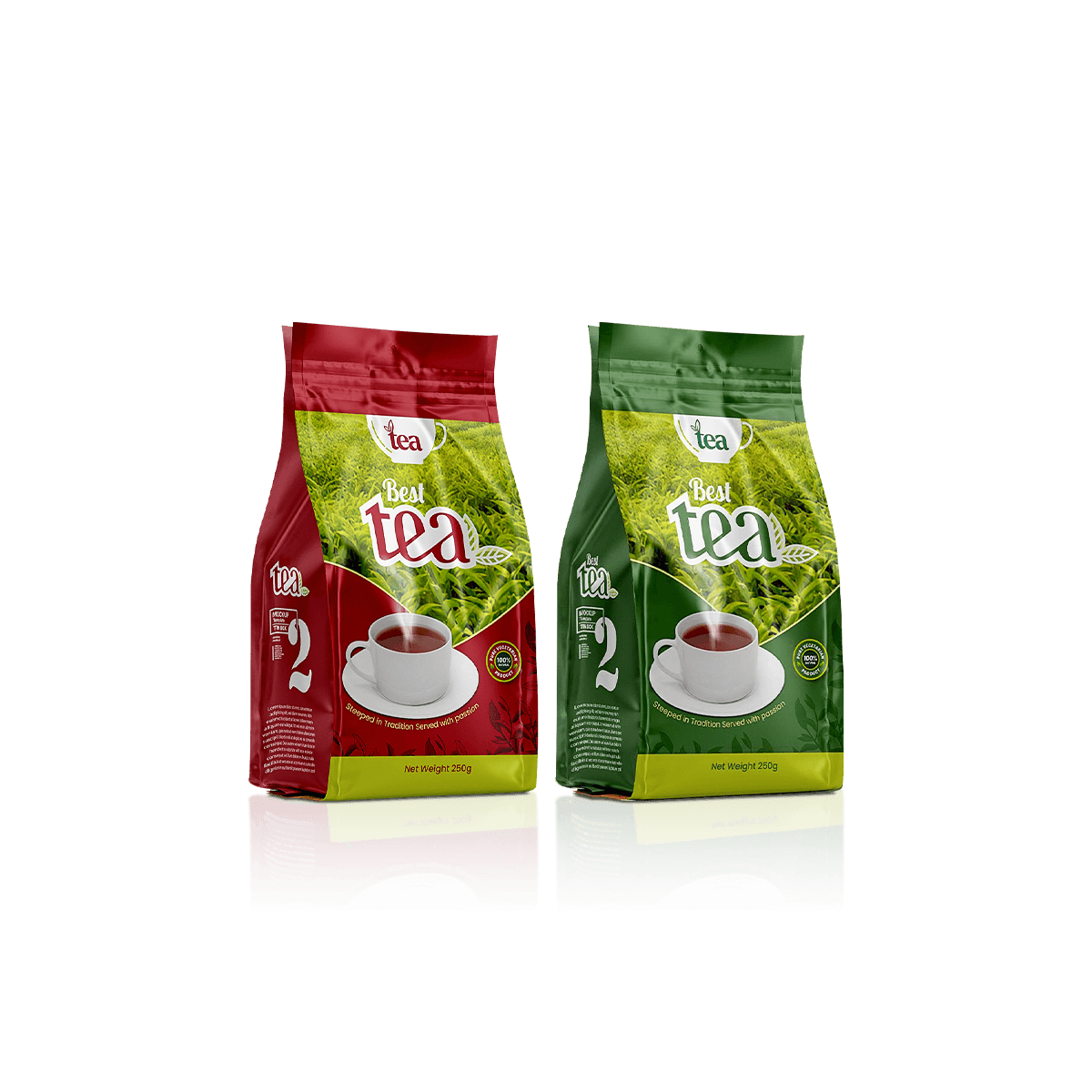
Loose leaf blends are often sealed inside a flexible inner pouch before they enter the carton. The pouch manages direct product protection, while the box supports shelf presentation and gifting. This division between inner protection and outer presentation is also used by specialist tea packaging suppliers.
Let the Inner Wrap Protect Aroma and Freshness

Custom Herbal Tea Boxes should protect the inner tea packaging from crushing and surface damage, but the barrier brief begins with the sealed layer touching or directly containing the tea.

Herbal leaves, flowers, spices and fruit pieces can have different aroma and moisture needs. The tea producer should confirm the required barrier, seal and storage conditions before materials are approved.

Match inner materials to the blend

Chamomile flowers can be light and bulky. Peppermint leaves may carry a strong aroma. Spiced blends may contain heavier pieces that settle differently.

A flexible inner pouch should suit the blend, fill weight and intended shelf period. Custom Pouches and Flexible Packaging can provide a sealed inner layer when loose leaf tea needs more protection than a carton alone can provide.

Keep strong odours away from tea

Tea can absorb nearby odours, so storage and material choices matter. Adhesives, coatings and inserts should not introduce a strong smell around the sealed product.

Review the finished carton and inner pouch together. Do not approve the board and print in isolation from the tea presentation.

Use windows with care

A window can reveal colourful sachets or a sealed inner pouch. It also reduces print space and may allow more light into the carton.

Use a window when product visibility adds real value and the inner tea packaging already provides suitable protection. Avoid exposing loose tea directly through an open cut-out.

Count the Tea Before Choosing Box Dimensions

The stated number of tea bags does not determine the box size by itself. Envelope width, sachet shape, string placement and stacking direction can all change the required space.

Tea box suppliers commonly offer different constructions for counts such as 20, 25, 50 or 100 bags, but the finished tea bag or envelope still needs to be measured before dimensions are fixed.

Plan the stacking direction

Flat envelopes may stack horizontally. Taller sachets may sit upright so the customer can lift one out from the top.

Choose the arrangement before the dieline is prepared. The opening should reveal the product neatly rather than exposing a loose pile.

Allow for compressed air

Sealed envelopes can hold small amounts of air. A stack measured under pressure may expand once released.

Test a complete count in a sample carton. Check the box immediately after filling and again after it has rested.

Check string and tag placement

Tags and strings can catch between flaps or gather at one end of the carton. This may cause bulging even when the tea bags appear to fit.

Arrange strings in a consistent direction during filling. Where that is not practical, add enough clearance for natural movement.

Choose a Carton That Suits the Tea Routine

Custom Herbal Tea Boxes should make the daily brewing routine simple. The structure needs to open cleanly, stay presentable after repeated use and let customers remove one serving without disturbing the rest.

Tuck cartons for everyday herbal blends

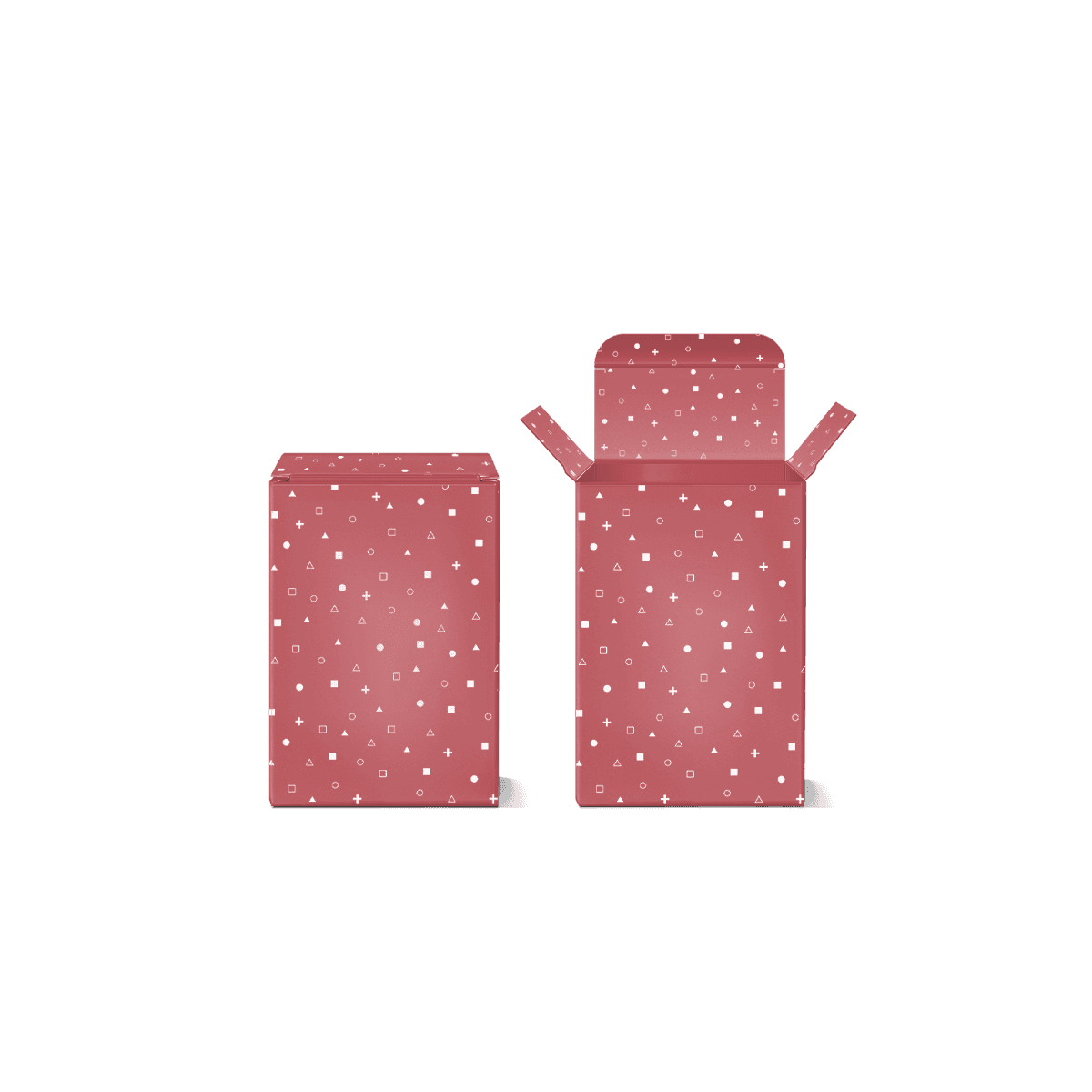
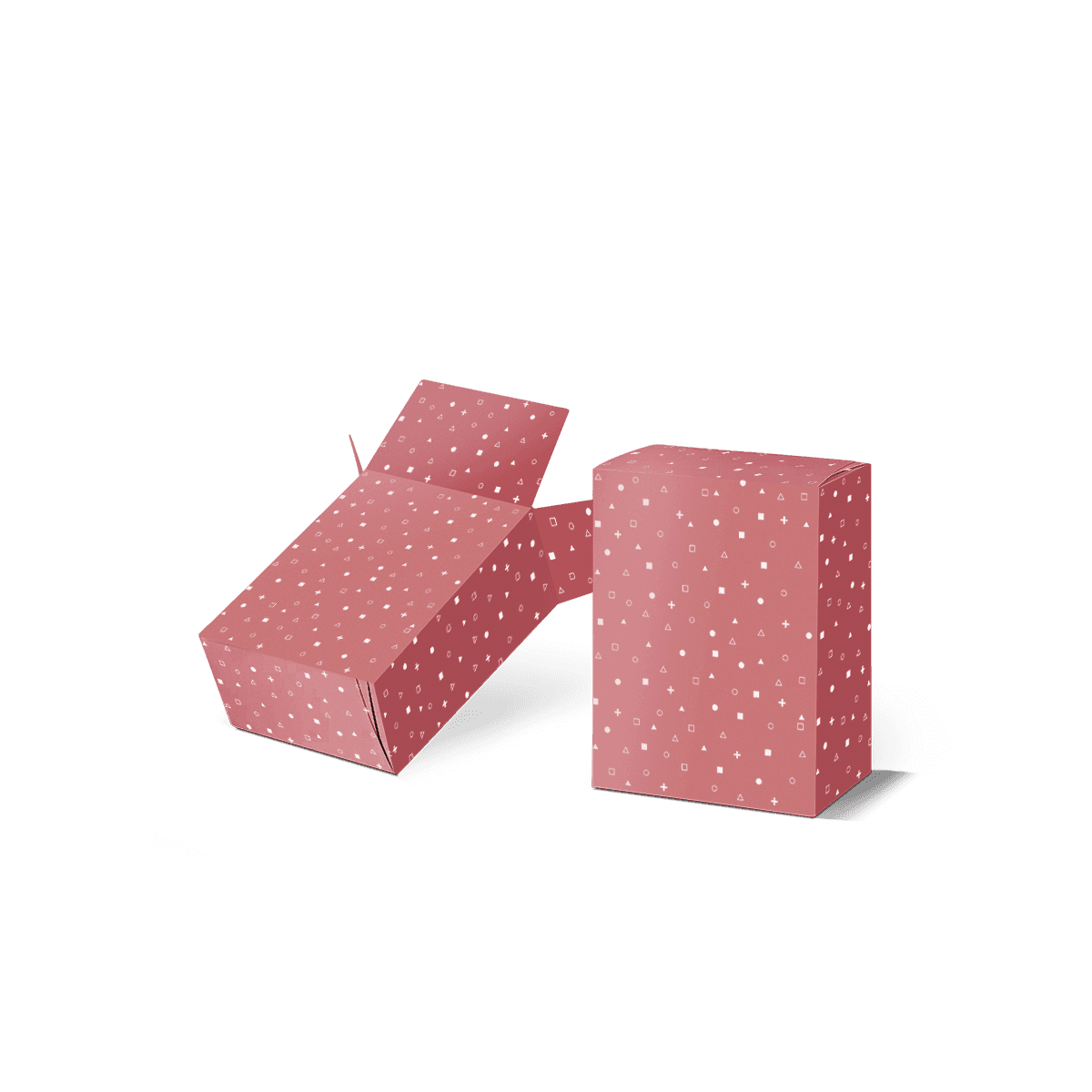
Straight tuck, reverse tuck and related cartons suit many tea bag products. They provide flat front, side and back panels for branding and approved product details.

Custom Folding Cartons and Tuck Boxes can be sized for a specific envelope count and loading direction. The best closure depends on how the tea is filled and how often the carton is opened.

Dispensing openings for regular use

A perforated opening can let customers remove one tea bag while the rest stay inside. It works best when the tear line opens smoothly and does not weaken the front panel.

Test the first and final tea bag. A dispenser may work well while the carton is full but become awkward when only a few remain.

Lid and base boxes for premium blends

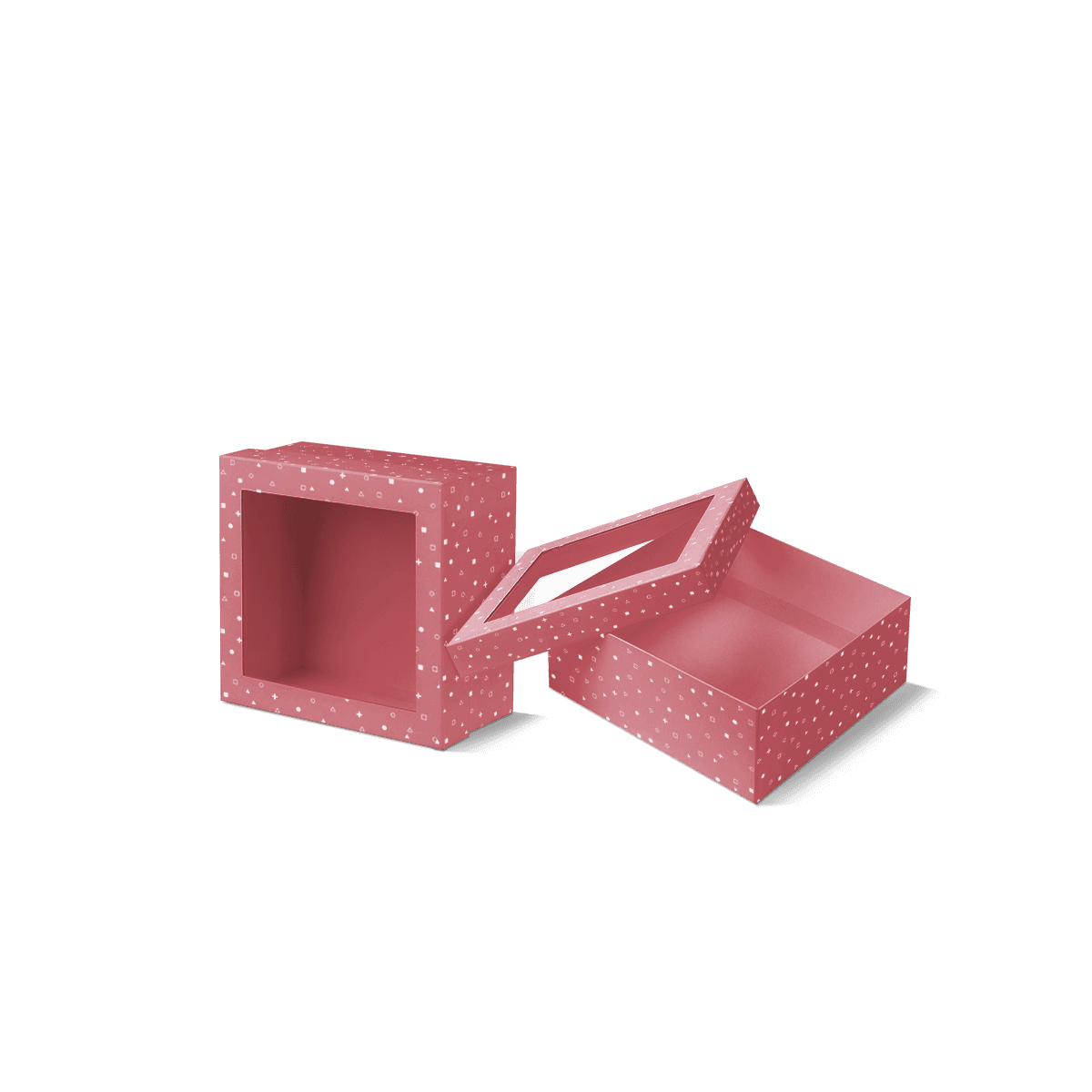
A two-piece carton can suit higher-priced loose leaf tea, botanical collections or seasonal gifting. It creates a slower opening and more space for an insert or printed card.

The inner tea pouch should remain easy to remove. Avoid a box that looks refined but makes the product hard to reach.

Make Each Blend Clear at a Glance

Custom Herbal Tea Boxes often sit beside several similar blends. Customers should be able to identify the flavour, key ingredients and brewing use without reading every panel.

Keep the front panel focused

Lead with the brand, blend name and tea type. A short flavour or ingredient line can follow.

Do not turn every ingredient or product feature into a large badge. Too many competing elements can make a calm herbal product feel cluttered.

Use colour as a supporting cue

Colour can separate peppermint, chamomile, ginger, hibiscus or evening blends. Keep the logo, type scale and main layout fixed across the product line.

Always print the blend name clearly. Do not rely on colour alone to identify different teas.

Plan approved product wording early

Side and back panels may need ingredients, brewing directions, storage details, net weight, business information, barcodes and other approved text.

The brand should provide and approve all required wording. Custom Herbal Tea Boxes should reserve enough room for that content before decorative artwork is finalised.

Show the brewing method clearly

Customers may need water temperature, steeping time and serving instructions. Group these details in one easy-to-find area.

Simple icons can help when they remain clear at the final printed size. Always test small text and fine lines on the selected board.

Turn Discovery Sets Into an Ordered Experience

Herbal tea lends itself to mixed tasting collections, day-and-night pairings and seasonal gifts. These Custom Herbal Tea Boxes need a different interior from a single-blend retail carton.

Separate each blend

Dividers or fitted compartments can keep sachets grouped by flavour. Print the blend name beside each position so the arrangement stays clear after several items are removed.

A loose cavity may look acceptable when full but become untidy after the first few uses.

Arrange blends in a useful order

A discovery set might move from light floral teas to deeper spiced blends. A daily ritual set may separate morning, afternoon and evening infusions.

The opening sequence should support the product idea. It should not be based only on where each sachet happens to fit.

Include brewing cards without hiding tea

A slim card can tell the ingredient story or explain the tasting order. Give it a defined position rather than placing it loosely on top.

Gift sets that combine tea, an infuser, a cup or another self-care item can use the same product-planning principles as Custom Wellness Kit Boxes. Every item should lift out without crushing the tea envelopes.

Choose Board and Print Around Shelf Use

Paperboard gives Custom Herbal Tea Boxes a smooth printable surface and enough stiffness for most tea bags, sachets and lightweight inner pouches. Board thickness should suit the finished count and carton size.

White paperboard for fine detail

White stock supports bright colour, fine ingredient illustrations and small text. It works well when each blend uses a controlled colour code.

Premium offset printing can keep typography and botanical artwork consistent across several designs.

Kraft board for a natural surface

Kraft board can support an earthy look, but its brown base changes printed colours. Pale shades and small text may lose contrast.

Review a proof on the chosen stock. Do not assume artwork prepared for white paperboard will look the same on kraft.

Finishes that suit herbal products

Matte coatings, uncoated textures, light foil details and restrained embossing can support a calm visual style. Gloss may suit brighter fruit blends or bold retail presentation.

Keep barcodes, brewing directions and coding areas free from heavy effects. Material, coating and print details can be aligned through Customisation before production artwork is approved.

Plan Blend Collections Without Oversizing Boxes

Several herbal teas can share one carton dieline when the finished envelopes, counts and stacking direction match. This can simplify artwork control and future orders.

Do not force every blend into one size when the inner contents differ. Pyramid tea bags, individually wrapped sachets and loose leaf pouches may need separate depths.

A practical three-blend plan

Consider a launch with 20 enveloped bags each of peppermint, chamomile and a spiced evening blend. All three may use one carton if the envelope dimensions and filled stack remain equal.

The front hierarchy can stay fixed while colour and botanical artwork identify each blend.

If the evening tea uses a larger pyramid sachet, it should be measured separately. Matching the outside height is less important than keeping the contents neat.

Seasonal and limited blends

Short-run cartons can support winter teas, gifting collections or event releases. MOQ starts from 50 for suitable orders.

Custom Packly can also support thousands of units and larger ongoing orders. Approved dielines, colour references and print files should be stored carefully so future production stays consistent.

Suitable cartons may move through local production in 4 to 6 days after final artwork and structural approval. Timing depends on the final materials, finishes and order details.

Quote From the Finished Tea Presentation

An accurate quote for Custom Herbal Tea Boxes needs more than the tea name and total quantity. The box must be priced around the inner tea presentation, count, dimensions and artwork.

Share:

  • Tea bags, enveloped sachets, loose leaf pouch or mixed set
  • Finished envelope or inner pouch dimensions
  • Number of tea bags or net tea weight per carton
  • Stacking direction
  • Inner barrier and food-contact requirements confirmed by your product team
  • Preferred tuck, dispenser, lid and base or gift structure
  • Window, divider or compartment needs
  • Quantity for each blend
  • Front, side, back and inside print requirements
  • Brewing instructions and approved information panels
  • Barcode or later coding area
  • Board and finish preferences
  • Retail, online delivery or gifting use
  • Artwork status
  • Target date and delivery postcode

A 3D mockup can confirm blend hierarchy, panel placement and opening direction. A physical sample is more useful when the tea bags contain trapped air, the carton uses a dispenser or a discovery set needs fitted compartments.

Send the completed brief through Get a Quote. Custom Packly can assess fit, board, print and production details for Custom Herbal Tea Boxes without relying on a generic tea carton estimate.

FAQs

No. A sealed inner envelope, sachet or pouch should provide the required barrier. The carton adds structure, information and presentation.

The count depends on envelope size, sachet shape and stacking direction. Send a finished sample or exact dimensions for sizing.

They can work when the tea already has a sealed inner layer. Check light exposure, print space and product appearance before approval.

Dividers help when several blends need labelled positions. A simple shared cavity may suit flat sachets that already stay ordered.

Process

How it works

Simple steps from idea to delivery

01

Tell Us Your Specs

Custom packaging boxes

Tell Us Your Specs

Provide size, quantity, printing, and finishes.

02

Get a Fast Quote

Custom packaging boxes

Get a Fast Quote

Instant transparent pricing, no hidden fees.

03

Design and Approval

Custom packaging boxes

Design and Approval

Artwork checks, revisions, and final sign-off.

04

Produce

Custom packaging boxes

Produce

Expert manufacturing to meet deadlines.

05

Ship to Your Door

Custom packaging boxes

Ship to Your Door

Hassle-free, flexible delivery options.

Start Your Custom Packaging Quote

Share your product details, dimensions, quantity and artwork needs. We’ll help choose the right packaging style and send a clear quote.