Skip to content
Details

Custom Pillow Boxes

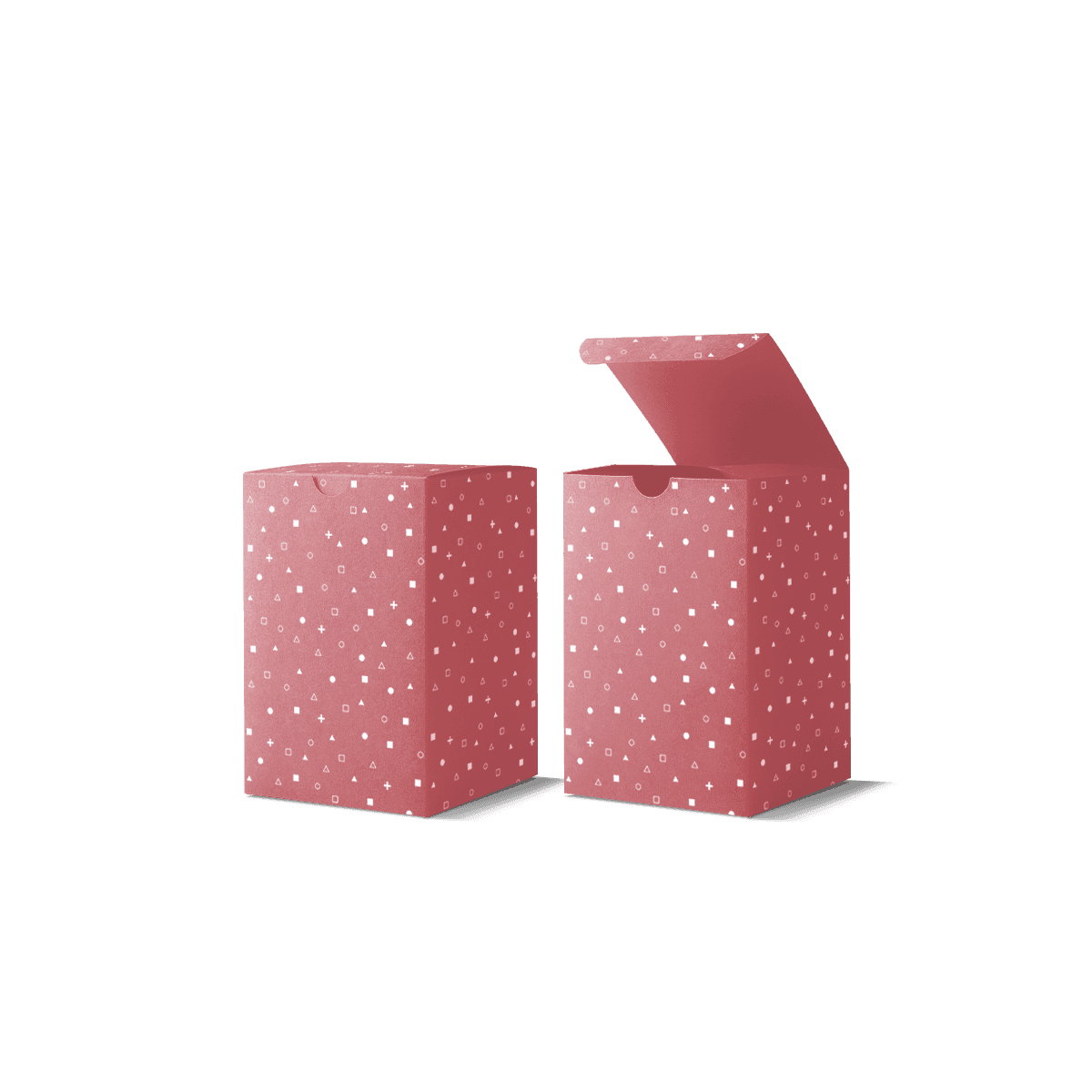
Curved tuck-end boxes for jewellery, accessories, soaps, sweets and event favours, custom printed for soft presentation and compact product fit.

Free Design Support

Clear Pricing

Flexible Quantities

Unlimited Customization

Premium Materials

Offset Precision

Free Shipping

Quick Turnaround

Soft-Curve Boxes for Small Products

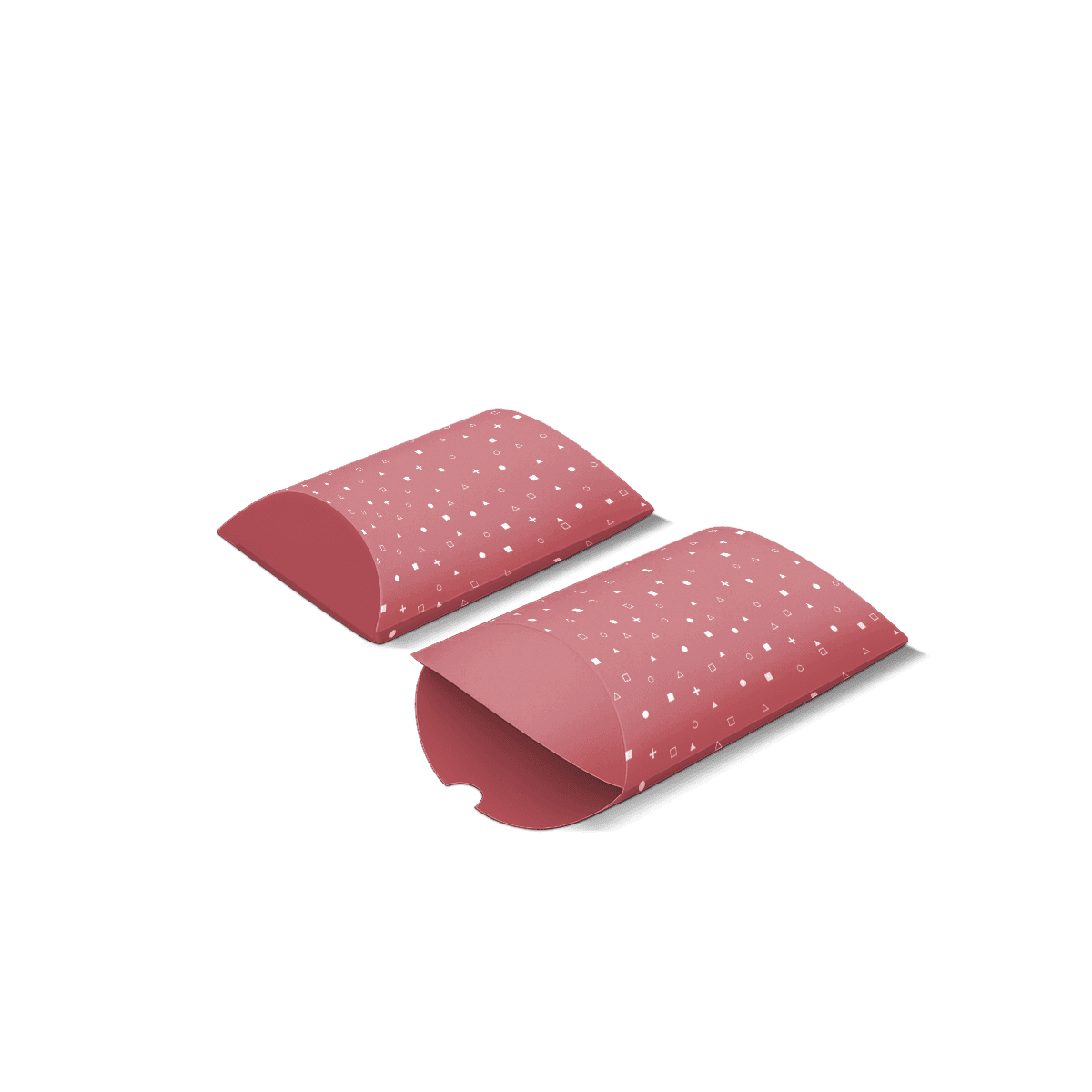
Custom Pillow Boxes are curved folding boxes with tucked ends, made for small products that need a softer, gift-ready presentation without the bulk of a rigid box.

The pillow shape creates a gentle curve across the front and back panels. That curved profile makes the packaging feel less rigid than a square carton and more polished than a plain paper pouch. It works well for jewellery, accessories, soaps, sweets, mini cosmetics, socks, scarves, gift cards, event favours and small retail items.

Custom Packly creates Custom Pillow Boxes around the product’s shape, weight and opening experience. The curved body, end flaps, board thickness and print area all need to work together so the box closes neatly and holds the item without pressure marks.

Pillow packaging sits under Custom Box Styles and Shapes because the structure changes the way the product feels in the hand. The goal is not only to create a pretty box. The box should fold cleanly, protect the product, support the brand artwork and stay practical for small or repeat packaging runs.
Why the Curved Tuck Ends Matter

The curved tuck ends matter because they give pillow boxes their shape, closure and product-holding strength. If the end flaps are too tight, the box can crease badly. If they are too loose, the product may move or the box may open during handling.

The curve controls the finished shape

A pillow box forms its shape when the side panels curve inward and the ends tuck into place. This means the dieline must match the board thickness and product volume. Too much product pressure can flatten the curve or force the ends open.

For small products, the curve gives the box a soft premium feel. For bulky products, the same curve can become a fit problem. Custom Pillow Boxes work best when the product sits inside without pushing hard against the curved panels.

End flaps affect the opening feel

The end flaps are the part customers open first. They should tuck neatly, stay closed during handling and open without tearing. This is especially important for gift products, jewellery and small bakery items where the first opening should feel clean.

A good end flap design helps the box feel intentional. A poor flap design makes the packaging feel flimsy, even when the print looks attractive.

Packing speed depends on fold quality

Pillow boxes are often supplied flat, which helps storage. They can also be quick to assemble once the fold lines and end flaps are right.

Packing speed changes when the board is too stiff, the product is too tight or the flap shape is awkward. For repeat orders, a smooth fold sequence can save time across hundreds or thousands of units.

Products That Suit Pillow Packaging

Custom Pillow Boxes suit light to medium-weight products that benefit from soft presentation and compact gift appeal.

They are not usually the best choice for heavy jars, fragile glass, tall bottles or products that need strong stacking. They work best when the item is small, slim or flexible enough to sit inside the curved body.

Jewellery and small accessories

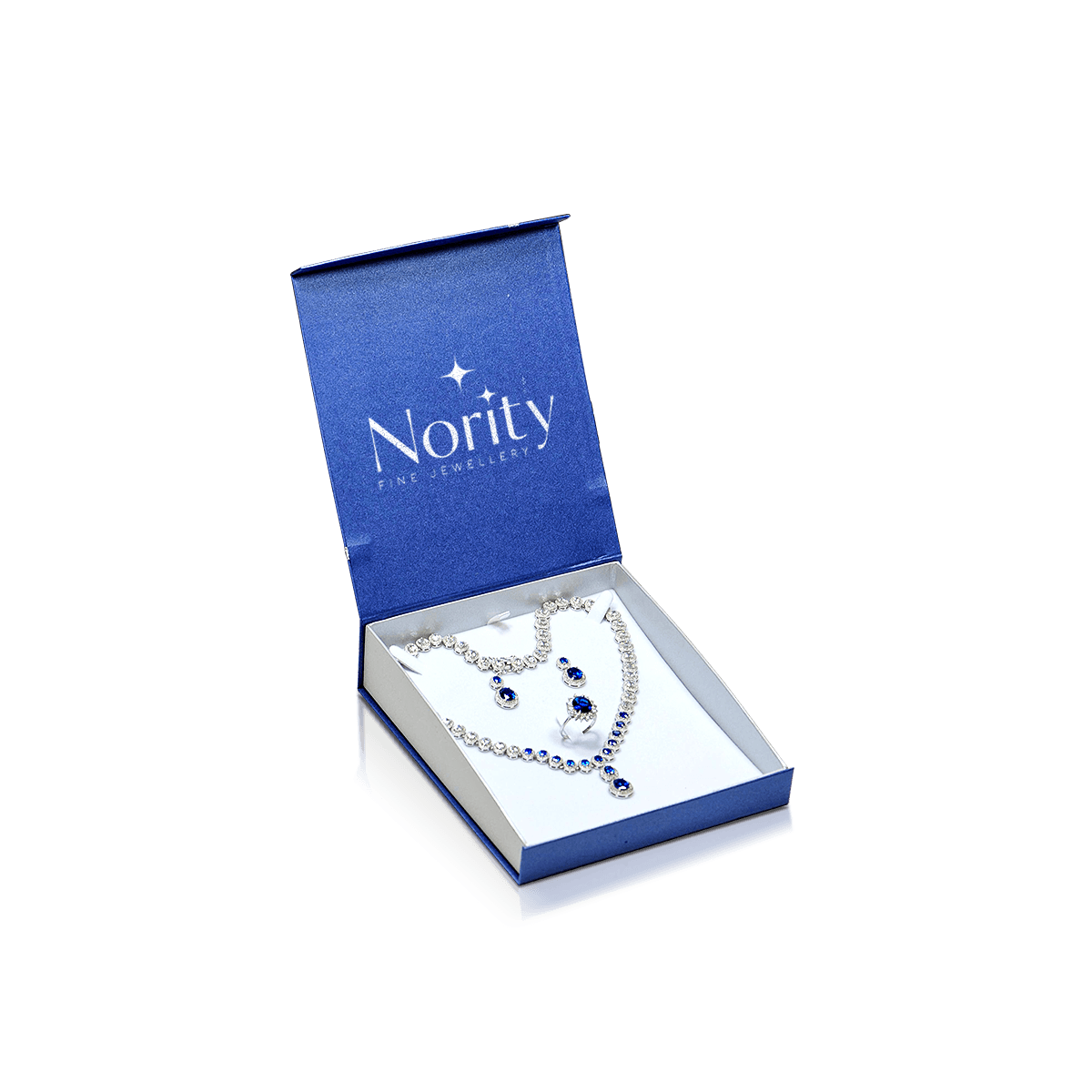
Pillow boxes work well for bracelets, earrings, necklaces, pins, hair clips, keyrings, charms and small fashion accessories. The soft shape makes the product feel gift-ready without needing a large box.

For jewellery, a small insert card, tissue wrap or backing card can improve presentation. The product should not rattle inside the box. A loose item can make the packaging feel less premium.

Soap, sweets and small gift items

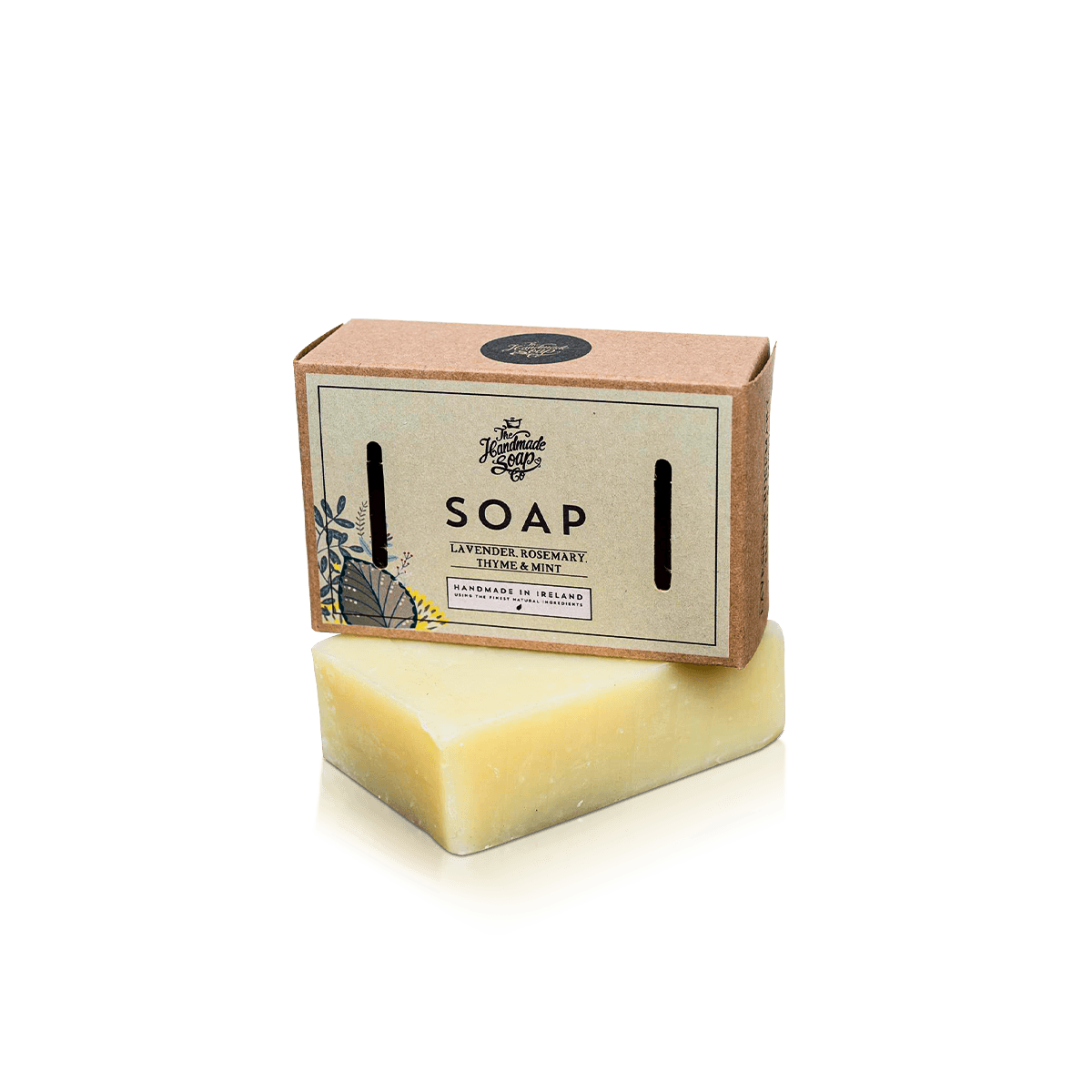
Custom Pillow Boxes are useful for soaps, wrapped sweets, confectionery, small candles, bath products, gift cards and handmade items. The structure works well when the product is attractive but does not need a large display window or deep tray.

For food or soap products, the inner material and product contact needs should be checked early. If the item is oily, moist or unwrapped, material guidance matters before production.

Event favours and sample packs

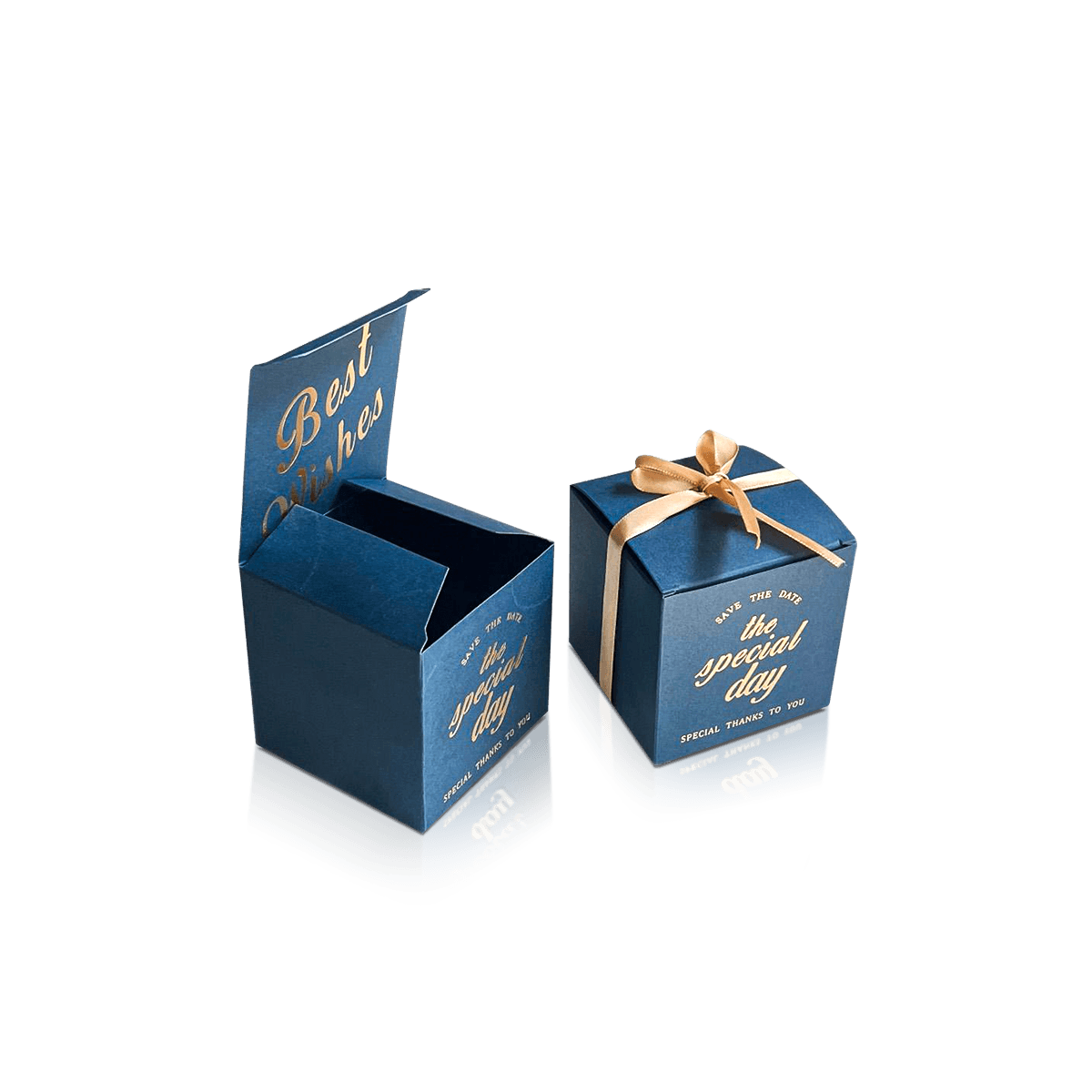
Pillow boxes are popular for weddings, corporate gifts, event giveaways, product samples and seasonal promotions. They look neat on tables, fit easily into gift bags and can be customised for event colours or campaign artwork.

If the pack needs a built-in carry handle, Custom Handle Boxes may be a better fit. Pillow boxes are stronger when the product is handed out, placed in a bag or displayed as a small gift.

Fit Risks Inside a Curved Box

Fit is the main technical risk with pillow boxes because the internal space is not a perfect rectangle. The usable volume changes as the panels curve.

A product may fit on a flat dieline but press against the curved face after assembly. This can create bulging, flap stress or visible pressure marks. Custom Pillow Boxes need sizing that allows the product to sit naturally inside the curved body.

Flat products fit differently from bulky products

Flat or flexible items usually fit well. Jewellery cards, small fabric items, gift cards, sample sachets and slim accessories can sit inside the curve without forcing the panels outward.

Bulky products need more care. A soap bar, candle tin or boxed item may need extra room, a different board or another structure if the pillow shape starts to distort.

Product movement can affect presentation

A pillow box does not always hold a product tightly by itself. If the product is small compared with the cavity, it can slide toward one end. This may not matter for wrapped sweets, but it can matter for jewellery, cosmetics or gift items.

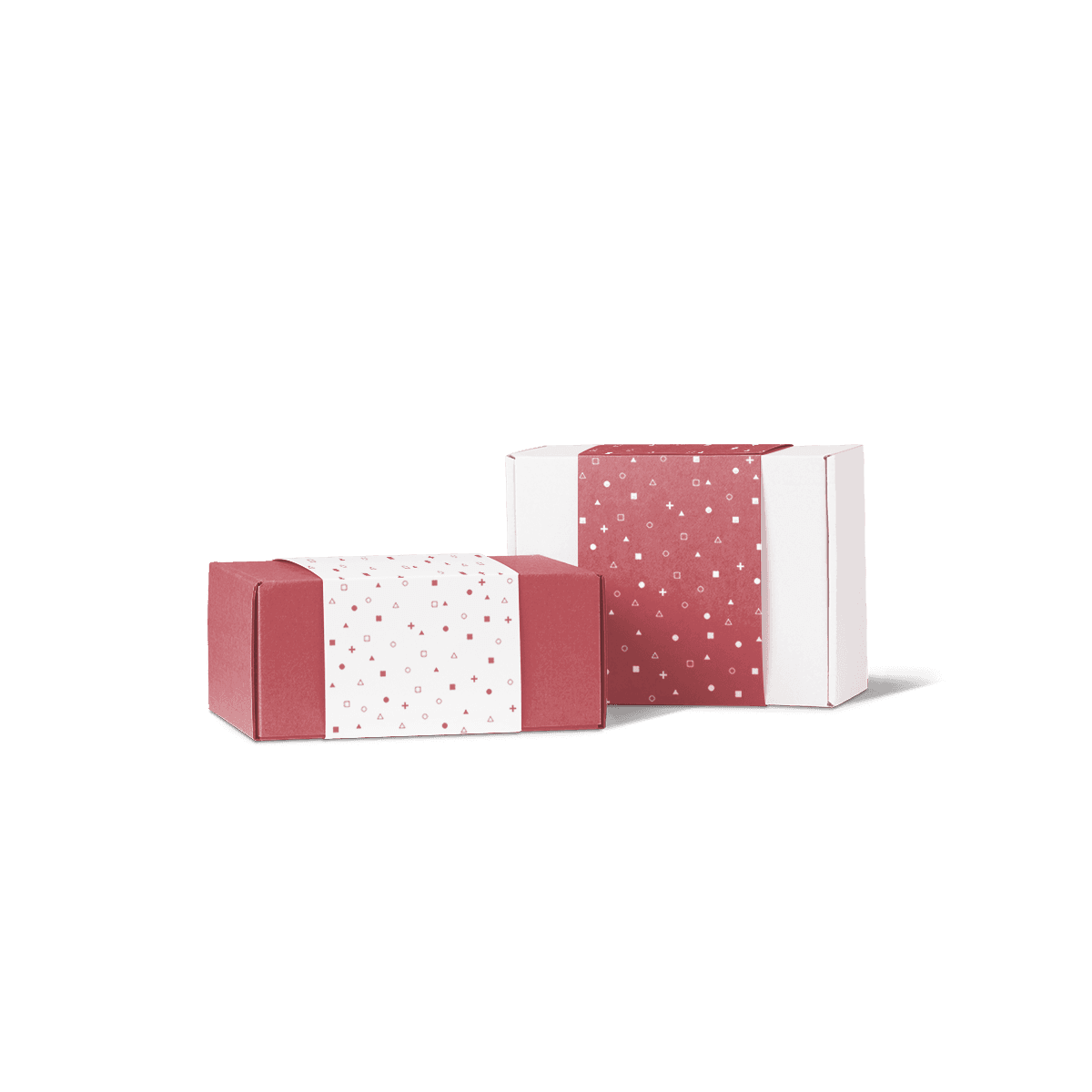
A backing card, tissue wrap, belly band or small internal support can help the product feel more controlled.

Compression can mark delicate items

The curved panels can press on delicate surfaces if the product fit is too tight. This matters for soft soaps, fabric items, decorated sweets or products with raised detail.

If the product can be marked, a sample before full production is useful. It helps test whether the curve protects the product or applies too much pressure.

Materials for a Clean Pillow Shape

The material should fold into a smooth curve without cracking, bowing or fighting the tuck ends.

Custom Pillow Boxes often use paperboard or kraft board because these materials can fold cleanly and support sharp print. Corrugated options may suit larger or stronger pillow-style packs, but the curved shape needs careful testing.

White paperboard for bright print

White paperboard is a strong option when the artwork uses colour, detailed graphics, product information or a polished retail look. It suits jewellery, cosmetics, sweets, accessories and gift products.

The smooth surface supports premium offset printing and helps small details stay clear. It also gives the packaging a cleaner look when the design needs strong colour contrast.

Kraft board for natural gifting

Kraft board gives pillow packaging a warm, handmade or eco-conscious feel. It works well for soaps, artisan sweets, market products, handmade accessories, natural wellness items and simple gift packaging.

Kraft can change how colours appear, so artwork should be planned with contrast in mind. Strong logos, black ink, white ink effects, simple patterns and minimal copy usually work well.

Board thickness and fold memory

Board thickness affects how the pillow shape forms. Thin board may feel light and easy to fold, but it can lack structure. Thick board may feel stronger, but it can be harder to curve neatly.

The right choice depends on the product weight, expected hand feel and whether the box needs to be assembled quickly in larger runs.

Artwork on Curved Panels

Artwork for Custom Pillow Boxes needs to account for curved panels, tucked ends and changing visible areas.

A design that looks centred on a flat dieline may shift once the box is assembled. The front panel curves, the ends fold inward and some parts of the artwork may sit closer to the edge than expected.

Keep the main logo in the stable area

The main logo or product name should sit in the most visible part of the front panel. It should avoid heavy curve edges, flap areas and the tucked ends.

This helps the box look clean when viewed from the front. It also keeps important branding away from areas that may bend or overlap.

Use patterns carefully

Patterns can look beautiful on pillow boxes because they wrap around the curved body. However, busy patterns can distort near the ends.

Simple repeat patterns, soft colour blocks, centred icons and elegant linework usually work better than small detailed artwork that needs perfect alignment.

Plan small text with care

Pillow boxes have less flat reading space than square cartons. Ingredients, barcodes, product claims or instructions may need a side area, back panel or separate insert.

If the product needs a lot of mandatory information, another style may be more practical. Custom Drawer Boxes can give more controlled panels and a stronger reveal for product sets.

Finishes That Suit Pillow Boxes

Finishes should support the soft shape rather than overpower it. Custom Pillow Boxes can use matte, gloss, foil, embossing, debossing and spot UV when the finish is placed on stable areas.

Matte finishes can make small gift packaging feel refined. Gloss can suit colourful retail items and sweets. Foil can work well for jewellery, event favours and seasonal gifts. Spot UV can highlight a logo or small pattern.

Embossing and debossing need more care because the panel curves when assembled. A raised logo can look premium, but it should not sit where the board bends heavily.

Finishes also affect handling. Pillow boxes are often picked up, squeezed slightly or carried inside bags. The finish should resist marking and suit the way customers will handle the pack.

Pillow Boxes for Bakery and Confectionery

Pillow boxes can suit bakery and confectionery products when the item is light, wrapped or protected from direct contact.

They can work for wrapped sweets, biscuits, small chocolates, macarons, favours, samples and dry treat packs. The curved shape gives food gifts a softer look than a standard carton, which can make them useful for weddings, events and seasonal gifting.

For Custom Bakery and Confectionery Packaging, the product condition matters. Grease, moisture, warmth and loose toppings can change the material choice. A pillow box may need an inner wrap, liner, coating or different structure depending on the product.

The box should also be sized so the food does not crush against the curved panel. For decorated items, a window carton or tray-style box may sometimes show and protect the product better. Pillow boxes are strongest when the product is compact, dry and giftable.

Storage and Assembly for Repeat Runs

Pillow boxes are practical for storage because they can usually be supplied flat before assembly.

This helps small brands, event teams, bakeries and retailers keep packaging on hand without using too much space. It also makes pillow boxes useful for seasonal runs where products are packed close to launch.

MOQ starts from 50, which helps brands test a small gift product, event favour, sample pack or retail accessory before scaling. Custom Packly can also support larger runs, thousands of units and repeat orders when the style becomes part of the product range.

For repeat production, it helps to keep the dieline stable. Artwork can change for events, scents, flavours or collections while the curved structure remains the same. This makes reordering cleaner and helps packing teams stay familiar with the fold sequence.

Dieline Checks for Curved Folds

A pillow box dieline must show the curved fold lines, end flaps, cut lines, bleed, safe zones and panel direction.

The curved folds are the most important part. If they are not shaped correctly, the box may not form a smooth pillow profile. The end flaps also need to close without fighting the curve.

The Dieline Tool can help buyers understand size, artwork areas and dieline setup before the design moves into review. For pillow boxes, expert review is useful because curved fold behaviour depends on board thickness and product volume.

A sample before full production is useful when the product fit is tight, the artwork wraps across the curve, the box uses foil or embossing or the product is delicate. Sampling helps confirm the curve, closure and print placement before a larger run.

Quote Details for a Better Pillow Box

The best quote for Custom Pillow Boxes starts with the product’s real shape, not only its length and width.

Useful details include:

  • Product dimensions, thickness and weight
  • Whether the item is flat, flexible, soft, wrapped, boxed or delicate
  • Intended use, such as jewellery, sweets, soap, event favour or retail gift
  • Preferred material, such as white paperboard or kraft board
  • Whether the box needs a window, ribbon, belly band, insert card or inner wrap
  • Print coverage, logo placement and finish ideas
  • First order quantity and expected repeat volume
  • Artwork status, deadline and whether a sample is needed

A product photo can help the team judge how the item will sit inside the curved shape. If the product is food, soap or anything with surface sensitivity, mention that early so the material and fit can be reviewed properly.

When those details are ready, Get a Quote and Custom Packly can help refine the size, board, curve, dieline and print setup.

When Another Shape Works Better

Pillow boxes are ideal for small, light and giftable items, but another structure may work better when the product needs more support, more space or a different handling experience.

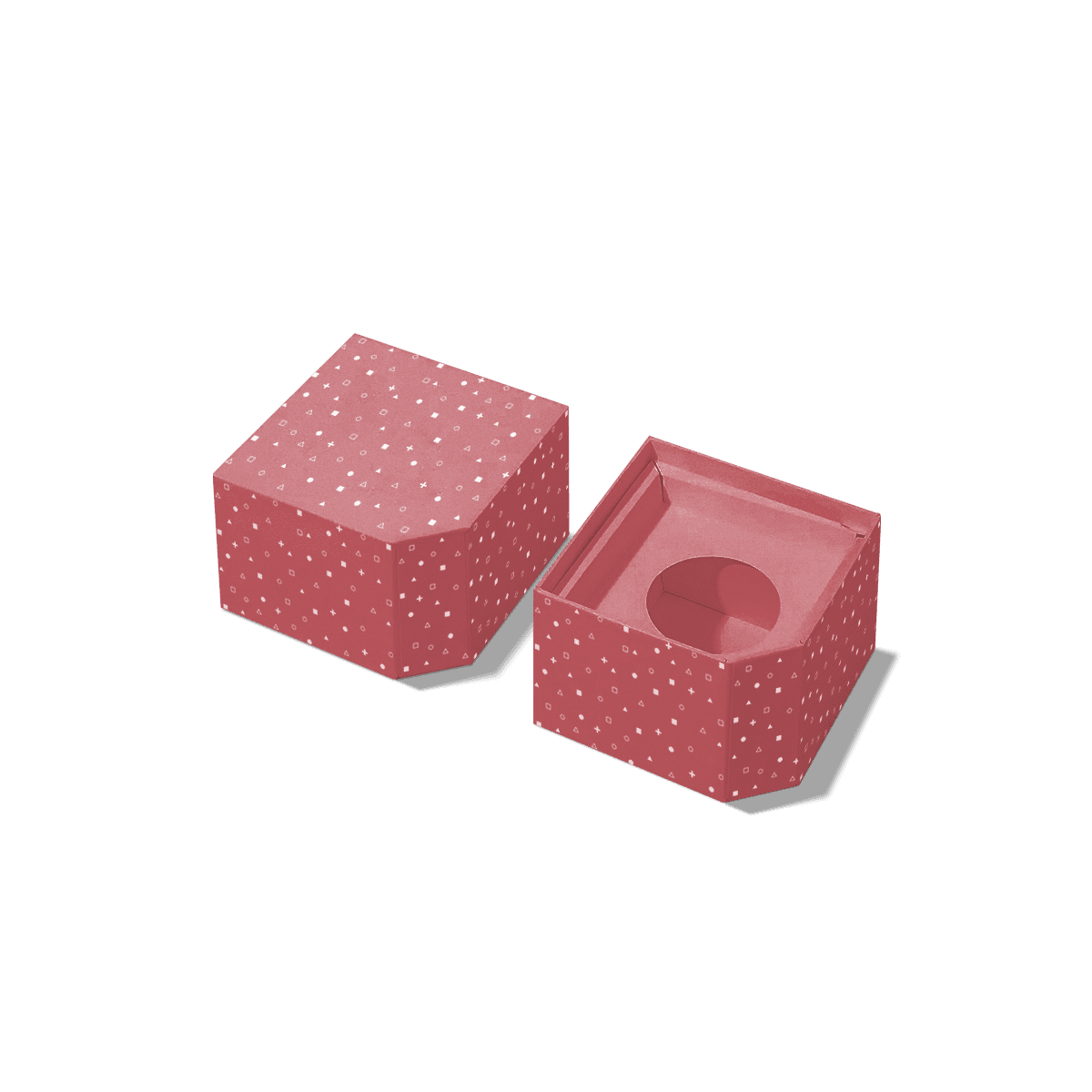
A product that needs a controlled sliding reveal may suit drawer boxes. A product that needs a handle may suit handle or gable boxes. A product that needs a square shelf block may suit cube packaging.

Custom Pillow Boxes are the stronger choice when the brand wants a compact soft-curve box, simple flat storage, quick gift presentation and enough print space for a clean logo-led design.

FAQs

Custom Pillow Boxes work best for light products such as jewellery, accessories, soaps, wrapped sweets, gift cards, event favours, sample packs and small retail gifts.

They can hold some bulky products, but the curved panels may bulge if the fit is too tight. Heavier or larger products may need a cube, drawer or handle box.

Yes. Logos print well on pillow boxes when placed in the stable centre area of the panel, away from curved fold edges and tucked ends.

Many pillow boxes can be supplied flat, which helps with storage and repeat packing. The final assembly depends on the end flap design and board thickness.

Sampling is useful when the product is delicate, the fit is tight, the artwork wraps around the curve or premium finishes are used. It helps confirm closure and presentation.

Process

How it works

Simple steps from idea to delivery

01

Tell Us Your Specs

Custom packaging boxes

Tell Us Your Specs

Provide size, quantity, printing, and finishes.

02

Get a Fast Quote

Custom packaging boxes

Get a Fast Quote

Instant transparent pricing, no hidden fees.

03

Design and Approval

Custom packaging boxes

Design and Approval

Artwork checks, revisions, and final sign-off.

04

Produce

Custom packaging boxes

Produce

Expert manufacturing to meet deadlines.

05

Ship to Your Door

Custom packaging boxes

Ship to Your Door

Hassle-free, flexible delivery options.

Start Your Custom Packaging Quote

Share your product details, dimensions, quantity and artwork needs. We’ll help choose the right packaging style and send a clear quote.