Skip to content
Details

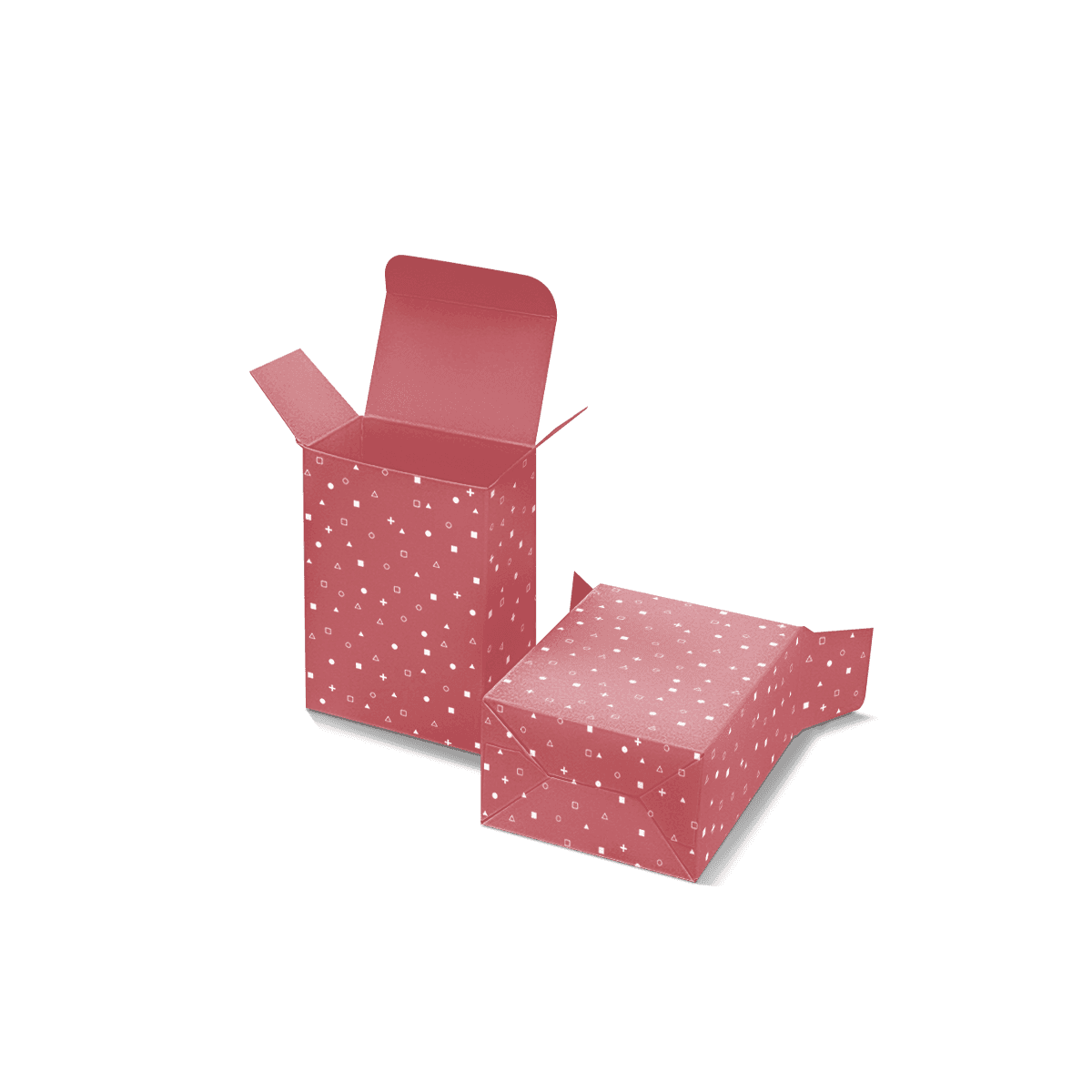
Custom Crash Lock Bottom Boxes

Fast-forming folding cartons with a pre-glued base for retail, wellness and food products that need stronger bottom support and smoother packing.

Free Design Support

Clear Pricing

Flexible Quantities

Unlimited Customization

Premium Materials

Offset Precision

Free Shipping

Quick Turnaround

Fast Base Setup for Product Cartons

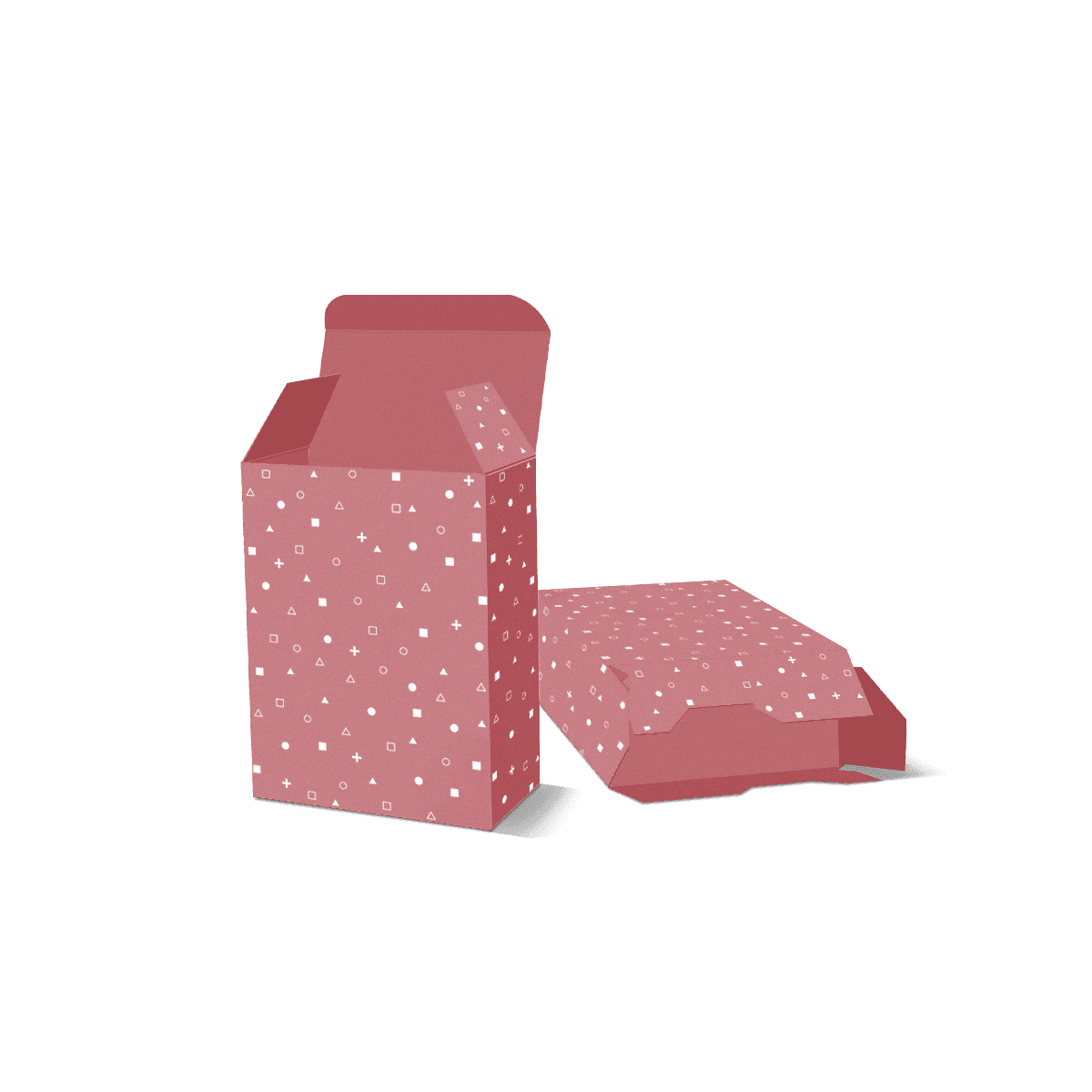
Custom Crash Lock Bottom Boxes are folding cartons with a pre-glued base that locks into shape when the box is opened. This structure saves packing time, gives the carton stronger bottom support and helps products sit more securely than they would in a simple tuck base.

The main advantage is speed at the packing table. Your team does not need to fold each base flap in a manual sequence before loading the product. The base forms quickly, which helps when you pack cosmetics, wellness products, dry food items, candles, jars, small bottles, gift sets or heavier retail goods.

Custom Packly creates Custom Crash Lock Bottom Boxes around your product weight, size, loading direction, board strength, print layout and finish needs. The box should pop open smoothly, hold the product without base strain and look clean on the shelf.

How the crash lock base works

A crash lock base uses pre-glued bottom flaps that fold into position as the carton is opened. Once the panels are squared, the base locks into place and forms a stronger platform for the product.

This makes the carton useful for products that need better base support but still need a lightweight folding carton rather than a rigid box.

When the base matters more than the lid

The top closure can be a tuck flap or another suitable closure, but the bottom does the heavy work. If your product pushes downward during filling, storage or display, the base structure deserves more attention than the top opening.
Products That Put Pressure on the Base

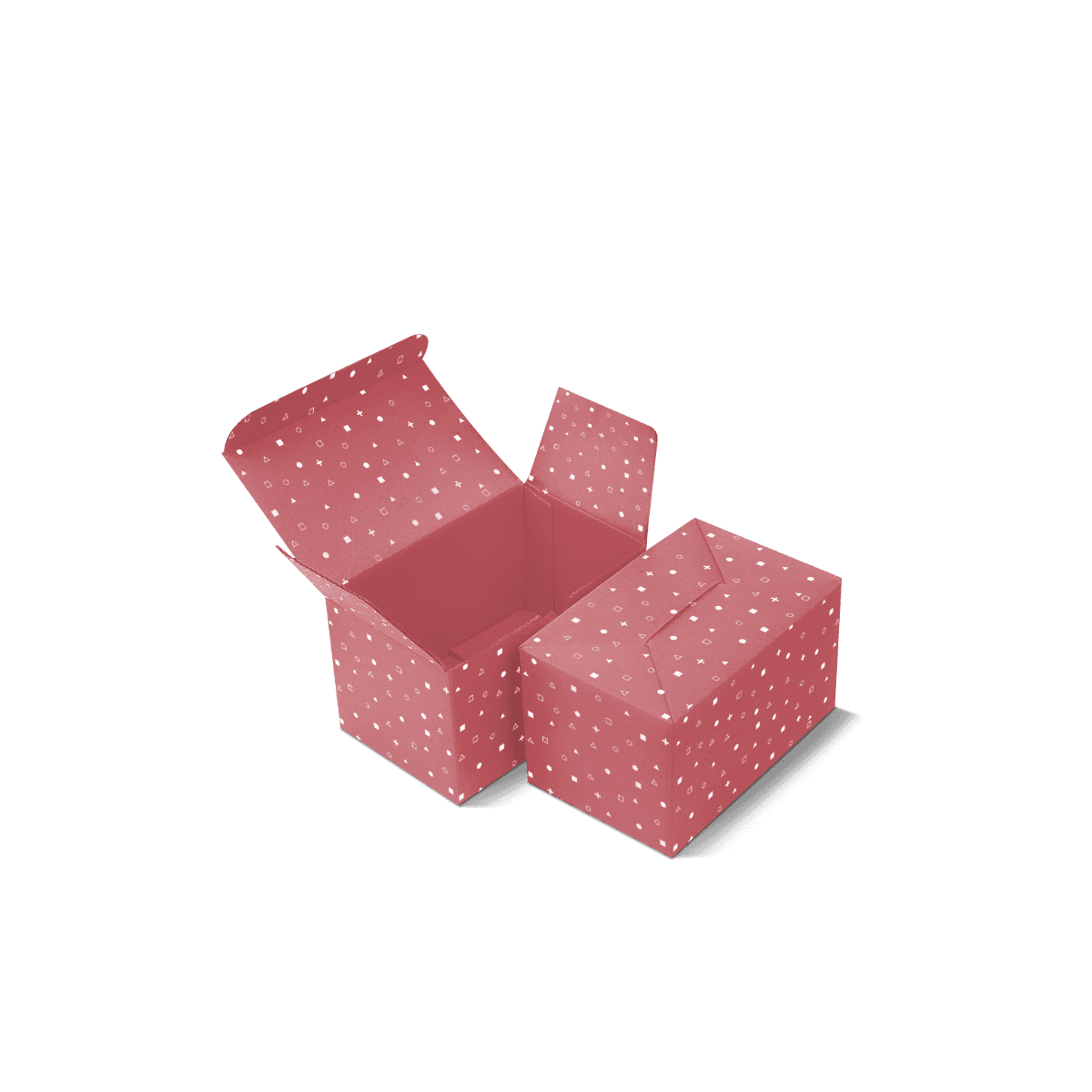
Custom Crash Lock Bottom Boxes are best for products that need a stronger base without moving into bulky packaging. They suit items that are heavier than standard retail cartons can comfortably hold, but still light enough for paperboard or suitable card stock.

Common uses include skincare jars, candle tins, supplement bottles, tea packs, confectionery, small electronics accessories, boxed gifts, health products, cosmetics and sample kits. The structure also works for product ranges that need quick packing across many small SKUs.

Heavier small products

Small products can still create base pressure. A glass jar, thick candle, bottle or dense supplement container may not look large, but it can stress a simple tuck base. A crash lock base gives more support at the bottom so the carton feels more stable during filling and handling.

Retail goods that need square presentation

Retail cartons must stand neatly. If the base weakens, the carton may lean, bow or sit unevenly on a shelf. Crash lock bottom boxes help keep the lower panels cleaner because the base forms as one supported structure.

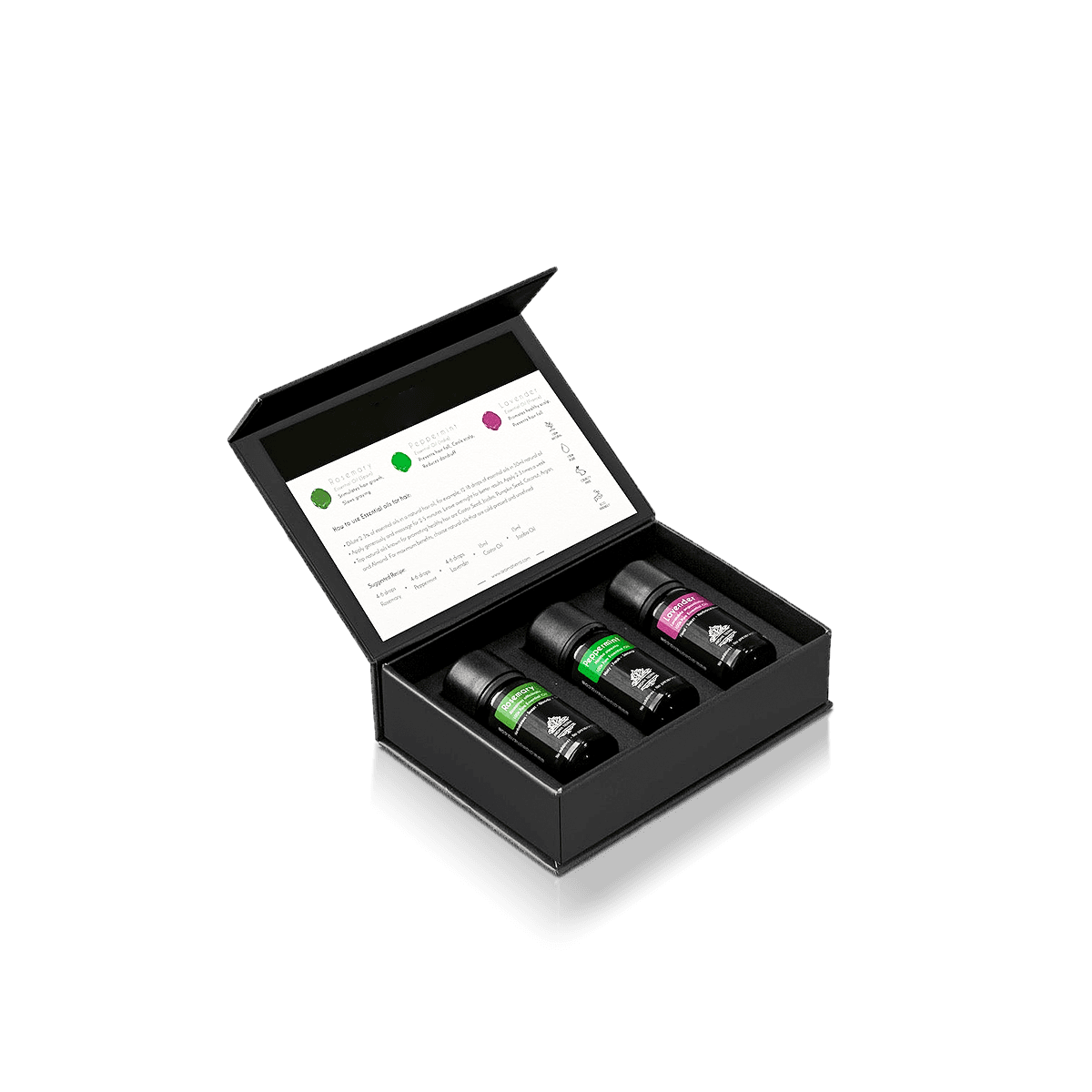
For wellness products that need shelf-ready cartons with practical product support, Custom Wellness Packaging can pair product category needs with the right carton style.

Packing Speed Without Manual Base Folding

Crash lock cartons improve packing speed because the base forms quickly when the carton is opened. This matters when your team packs frequent orders, seasonal stock, retail runs or multiple product variants.

A manual bottom can work well for smaller jobs, but it slows down when the quantity increases. If every carton needs several flap movements before loading, the labour adds up. A crash lock base helps reduce that repeated hand work.

Better flow on a packing table

When a carton pops open cleanly, the packer can load the product faster and move to the next unit. This is useful for teams packing hundreds or thousands of cartons in a shift.

The carton still needs proper testing. A fast-forming base only helps if it opens without sticking, locks without force and holds its shape once the product is placed inside.

Good for repeat product runs

Custom Crash Lock Bottom Boxes are especially useful when the same product is packed often. Once the structure is approved, repeat orders can focus on supply timing, colour consistency and SKU planning instead of solving base issues again.

Board Strength and Base Performance

The best board for Custom Crash Lock Bottom Boxes depends on product weight, carton size, base span and finish choice. Paperboard is commonly used because it prints well, folds accurately and supports retail presentation. Heavier board can add stiffness, but it must still crease cleanly.

The base has to carry the product evenly. If the product is tall, dense or unevenly shaped, the carton may need stronger board, better internal clearance or an insert to control movement.

Crease quality at the bottom panels

The base relies on accurate creasing because each flap must fold into the right position. Poor crease control can make the base resist locking, sit unevenly or open with extra pressure.

A sample helps check whether the base forms cleanly from flat storage to filled carton. It also shows whether the selected board feels stable once the product is inside.

Kraft, white and printed board choices

White board works well for bright retail graphics, premium product photography and full-colour branding. Kraft board suits natural, handmade, wellness and eco-led products. Both can work for crash lock cartons when the board grade supports the product weight and base design.

Print Layout Around the Bottom Lock

Custom Crash Lock Bottom Boxes can carry full branding across the front, back, sides and top panels. The base structure is functional, but it still affects artwork planning because fold direction, glue zones and panel orientation must be correct.

The strongest layouts keep the main brand message on the front panel, product information on the back or side panels and variant details where they are easy to scan. Bottom panels usually carry less important print because they fold into the base and may not stay visible.

Keep key artwork away from moving base flaps

Important logos, claims, icons and barcodes should not sit on moving base flaps unless the design intentionally uses that area. Base folds can distort artwork once the box is assembled.

The glue area also needs clean planning. Heavy ink, coatings or finish layers may affect how a glued panel behaves, so the print plan should match the structural plan.

Finishes that suit stronger retail cartons

Matte, gloss, foil, embossing, debossing, spot UV and soft-touch finishes can all work on crash lock cartons. Premium finishes usually perform best on stable front or top panels rather than on heavy fold lines or base lock areas.

Product Fit Before Base Load

A crash lock base only works well when the product fit is correct. The box should hold the product firmly enough to reduce movement, but not so tightly that loading becomes slow or the product presses against the wrong panels.

The product’s full size matters. Caps, lids, seals, pumps, shrink wraps, labels, inner trays and sleeves can change the final fit. If those details are missed, the carton may close on paper but feel tight during real packing.

Weight sits differently from volume

A large light product and a small heavy product can need different structures. The crash lock base is useful when the product weight is concentrated at the bottom or in one part of the carton.

For jars, bottles and dense wellness items, the centre of weight should be considered before the dieline is approved.

Inserts for bottles, jars and sets

Inserts can stop a product from leaning, sliding or pushing into one corner of the base. A simple paperboard insert or cradle can help when the carton holds a bottle, jar, pair of items or small kit.

If your product needs a carton plus internal support, the insert should be planned before production rather than added after the box size is fixed.

Dielines for a Pre-Glued Bottom

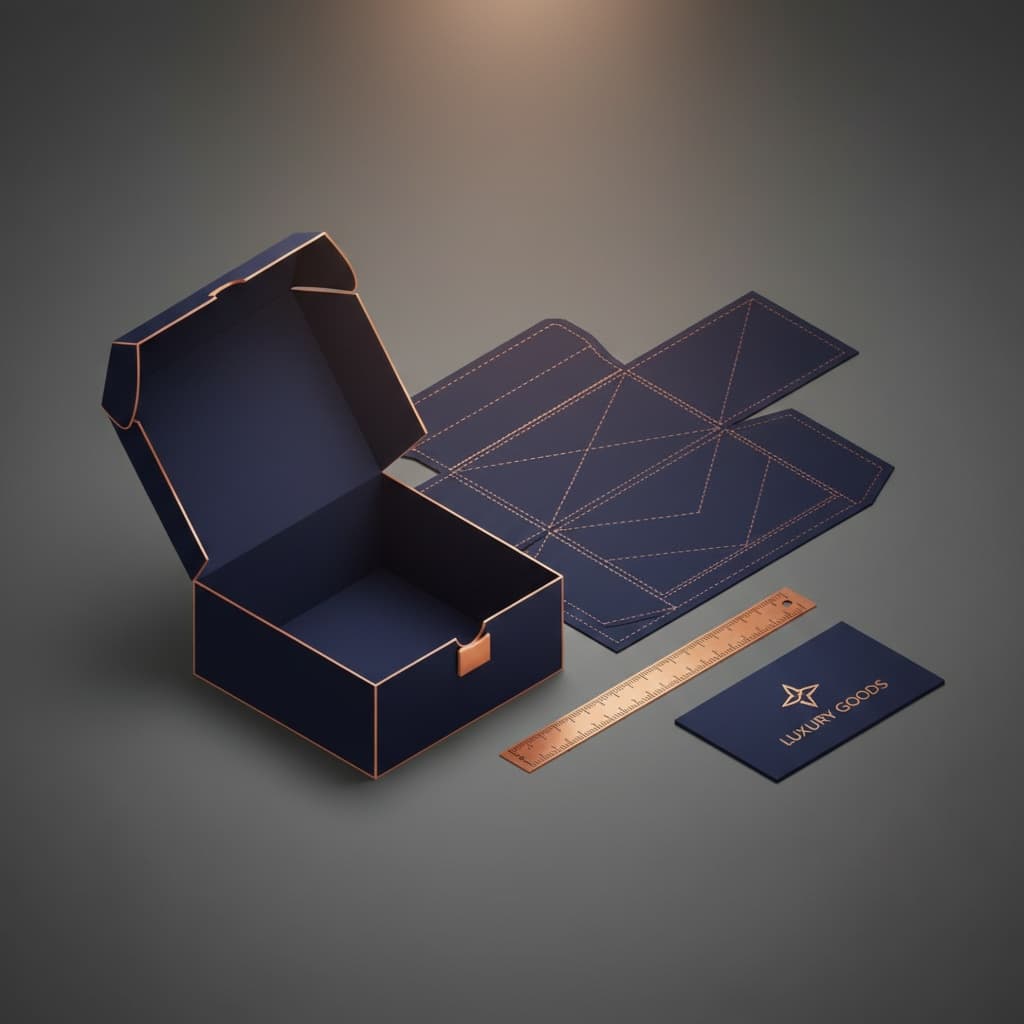
A dieline for Custom Crash Lock Bottom Boxes must show the locked base clearly, including crease lines, glue areas, fold sequence, panel direction and the finished opening position. The base is not a simple flat bottom, so artwork and structure need to be checked together.

The Dieline Tool can help with early size planning, but final dielines for crash lock bases should be reviewed carefully before printing. The base needs to form cleanly, hold securely and match the way the product is loaded.

What to check before approval

Check the front panel, top closure, glue seam, base orientation, inner flap movement, safe areas, bleed and fold direction. Then check whether the carton opens from flat without extra force.

Why a sample matters for crash lock cartons

A free sample before full production is useful for crash lock bottom cartons because the base action can only be judged properly when the box is folded and filled. A sample can confirm opening speed, base strength, product fit and shelf presentation.

Small Runs and Larger Packing Jobs

Custom Crash Lock Bottom Boxes can start from MOQ 50 while still supporting thousands, tens of thousands and larger repeat runs when needed. This makes the structure practical for first product launches, campaign runs, seasonal packaging and growing product families.

For a first run, the main focus should be structure approval. The base must lock correctly, the product must fit and the artwork must read properly on the folded carton. For bigger runs, the focus shifts to packing efficiency, storage, repeat quality and production planning.

Launch testing with a stronger base

Small runs can help test whether a crash lock bottom is the right structure before committing to a larger order. This is useful when moving from a lighter tuck carton into a stronger retail carton.

Scaling without slowing fulfilment

Once the carton is approved, repeat production can support faster fulfilment. The same approved dieline can be used across reorder planning, while artwork updates can be managed for new flavours, scents, product strengths or seasonal variants.

How Crash Lock Compares With Nearby Cartons

Custom Crash Lock Bottom Boxes sit within the wider Custom Folding Cartons and Tuck Boxes range. They are best when base strength and packing speed matter more than a simple tuck closure.

If you need a manually locked base that is assembled in a more deliberate sequence, Custom Snap Lock Bottom Boxes may be more suitable. If you want a tuck top with a fast-forming pre-glued base for taller retail products, Custom Tuck Top Auto Bottom Boxes can be considered during structure planning.

Crash lock versus seal end

Seal end cartons focus on sealed closure and controlled opening. Crash lock bottom cartons focus on the base. Choose the crash lock structure when the product needs better bottom support and faster setup.

Crash lock versus standard tuck base

A standard tuck base is simple and cost-effective for light products. A crash lock base works better when the product is heavier, packed often or likely to stress the bottom of the carton.

Quote Details That Decide the Base

A useful quote for Custom Crash Lock Bottom Boxes should include the details that affect base performance. Product size alone is not enough. The product weight, loading direction, quantity, board preference, print coverage, finish choice and packing method all influence the final structure.

Send product dimensions with caps, lids, wraps, labels or inner trays included. Mention whether the carton will be hand packed, packed in larger batches or used for repeat product runs.

Details worth sending early

Useful details include product length, width, depth, weight, product material, inner packaging, expected quantity, artwork status, finish ideas and whether the same carton will support multiple SKUs.

Also mention whether the carton needs an insert, window, tear feature or special finish. These details affect the dieline and production setup.

A practical path from size to production

Custom Packly can help turn product measurements into a carton structure, dieline, sample and production-ready artwork. When you send accurate product details, the recommendation can focus on how the crash lock base performs in real packing instead of only matching an outer box size.

FAQs

They are used for retail products that need a fast-forming base and stronger bottom support, such as jars, bottles, wellness items, candles, dry food and small gift sets.

No. The base is pre-glued and forms when the carton opens. Your team still needs to square the box and load the product correctly.

They are better than simple tuck bases for many heavier small products. Very heavy, fragile or high-risk items may still need stronger board, inserts or another structure.

Yes. A sample helps test how the base pops open, how the product sits inside and whether the carton feels stable once filled.

Yes, if the variants share similar size and weight. Each SKU should still be checked for fit, artwork direction, product movement and base pressure.

Process

How it works

Simple steps from idea to delivery

01

Tell Us Your Specs

Custom packaging boxes

Tell Us Your Specs

Provide size, quantity, printing, and finishes.

02

Get a Fast Quote

Custom packaging boxes

Get a Fast Quote

Instant transparent pricing, no hidden fees.

03

Design and Approval

Custom packaging boxes

Design and Approval

Artwork checks, revisions, and final sign-off.

04

Produce

Custom packaging boxes

Produce

Expert manufacturing to meet deadlines.

05

Ship to Your Door

Custom packaging boxes

Ship to Your Door

Hassle-free, flexible delivery options.

Start Your Custom Packaging Quote

Share your product details, dimensions, quantity and artwork needs. We’ll help choose the right packaging style and send a clear quote.