Skip to content
Details

Custom Paper Cups

Turn every hot or cold drink into a clear brand touchpoint with cups planned around wall type, lid fit, print position and service speed.

Free Design Support

Clear Pricing

Flexible Quantities

Unlimited Customization

Premium Materials

Offset Precision

Free Shipping

Quick Turnaround

Branded Paper Cups That Work From Pour to Handover

Custom Paper Cups need to perform at every point of service. They should separate cleanly from the stack, accept the drink without softening and close with the correct lid before the customer leaves the counter.

The cup also becomes one of the most visible parts of a takeaway order. Customers hold it while walking, working or attending an event. Clear print can keep the cafe name visible long after the drink leaves the venue.

The right choice depends on the drink temperature, serving size, expected hold time and whether a separate sleeve will be used.Paper cups can share colours and service details with sleeves, takeaway bags and food boxes across Custom Cafe and Takeaway Packaging, while cup wall, lining and lid fit stay specific to the drink.

Start with the drinks you serve most

List the main drinks, their usual serving sizes and whether they are hot, iced or served at room temperature. Include specials that use extra toppings, ice or foam.

The cup should give staff enough space to pour cleanly without hiding the drink below an oversized rim. It should also feel suitable for the amount customers expect to receive.

Treat the cup and lid as one system

The cup rim and lid must match. A similar diameter does not always confirm a secure fit.

Test the chosen cup and lid together before approving a large order. Check how the lid presses on, whether it lifts during normal handling and whether the drinking opening sits where expected.
Choose the Wall Around Heat and Hold Time

The wall construction affects hand comfort, cup stiffness, storage and how Custom Paper Cups feel during service.

A drink collected and consumed within minutes has different needs from one carried across town. The correct choice should reflect the real customer routine rather than appearance alone.

Single-wall cups for lighter everyday use

Single-wall cups use one main paper wall. They can suit drinks with a shorter hold time or service where a separate sleeve provides added grip.

They also take less room in storage than thicker constructions. However, the drink temperature and customer hand comfort still need to be checked.

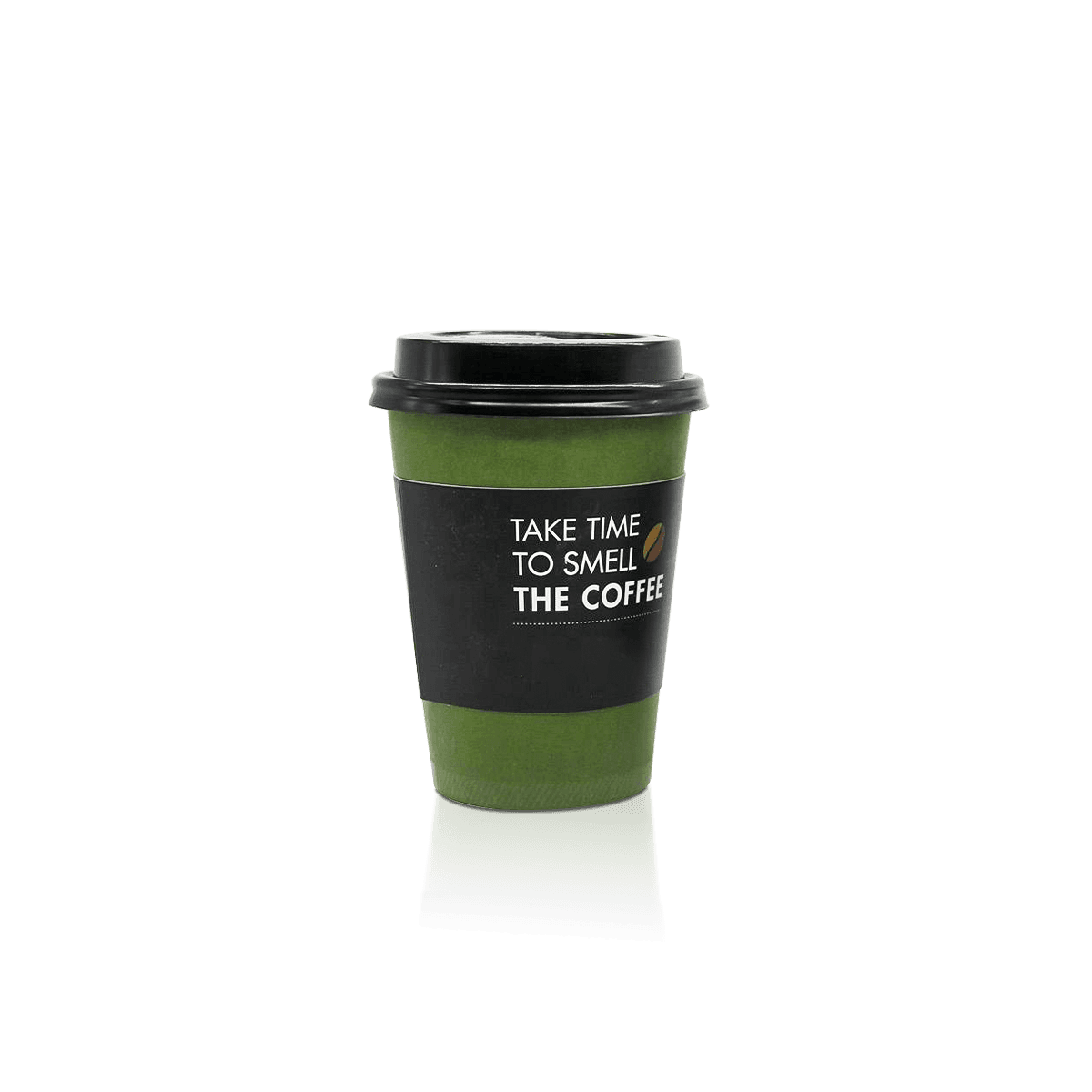
Custom Coffee Cup Sleeves can add a branded grip area around selected hot-drink cups. The sleeve must match the exact cup taper and outer diameter.

Double-wall cups for added separation

A double-wall structure creates more separation between the drink and the customer’s hand. It can also give the cup a firmer feel.

The extra wall changes the outer size, print surface and nesting behaviour. Confirm the finished cup and lid combination rather than assuming it will match a single-wall version with the same stated capacity.

Use sleeves only where they add value

Not every cup needs a sleeve. Adding one to every drink can increase handling and storage needs without improving the customer experience.

Sleeves are most useful when they solve a clear heat, grip or campaign need. Related wraps and fitted paperboard structures sit within Custom Sleeve and Band Packaging.

Match Cup Sizes to the Menu and Lid Family

Custom Paper Cups should follow actual drink use, not a long list of capacities that staff rarely need.

Too many sizes create more lids, more cartons and more chances for the wrong component to reach the counter. Too few sizes can lead to poor value perception or drinks filled too close to the rim.

Keep the smallest size useful

A small cup may suit espresso-based drinks, tastings, samples or short event service. Check that there is enough room for the required milk, foam or garnish.

A cup that is too small for the recipe may lead staff to overfill it or struggle to fit the lid cleanly.

Plan the main size around everyday orders

The most frequently used cup should suit the drinks that move through the counter each day. Review actual order data rather than guessing.

When several drinks use one cup, confirm that their fill levels still look appropriate. A short black coffee and a milk-based drink may not use the available space in the same way.

Limit lid families where practical

Several cup sizes may share one lid diameter, but this must be confirmed before ordering. Reducing the number of lid types can simplify storage and restocking.

Keep lid cartons clearly labelled and separate similar-looking sizes. During a rush, small differences can be easy to miss.

Design Artwork for a Curved and Tapered Surface

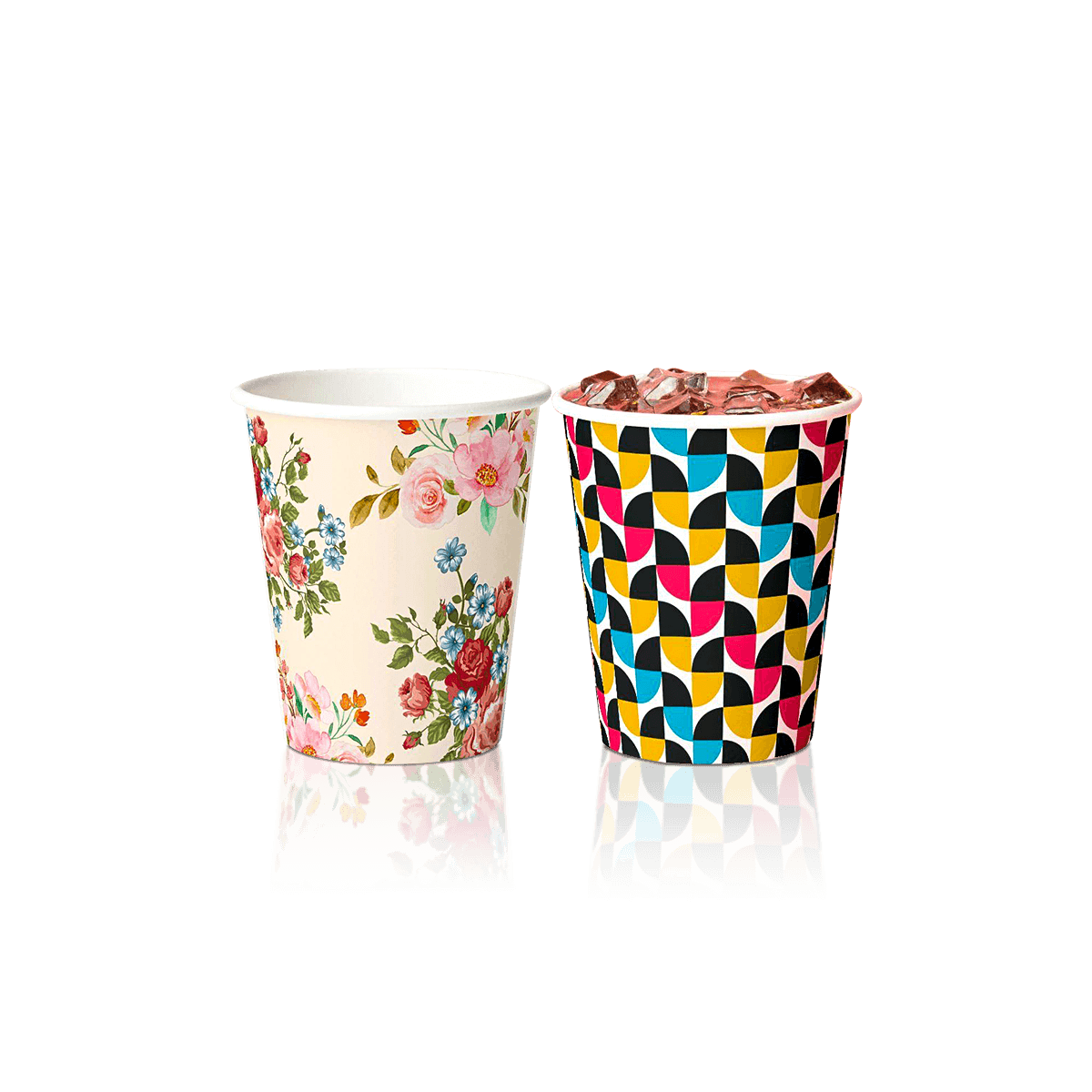
Custom Paper Cups do not present artwork like a flat poster. The print wraps around a tapered wall, and the customer may only see one section at a time.

The design should still feel complete when the cup is held naturally.

Keep the main logo away from the seam

Place the main logo on a clean visible panel. Avoid putting small text, faces or QR codes too close to the side seam.

The artwork should also allow for any unprinted or restricted production areas shown on the approved template.

Allow for taper distortion

Straight lines and circular graphics can appear different when wrapped around the cup. Review the design on a formed mockup before approval.

The logo may need slight adjustment so it looks level when the cup stands upright. The Customisation service can adapt the layout across several cup sizes while keeping colour and brand details consistent.

Leave a clear drink-marking area

Staff may need to mark names, milk choices, flavour or temperature. Heavy print can make writing hard to see.

Leave a light or unprinted panel where pen marks remain clear. Place it where staff can reach it without rotating the cup several times.

Test QR codes at hand distance

A QR code should sit on a smooth visible area with clear space around it. Keep it away from the seam and lower taper where the curve becomes tighter.

Test the formed cup with a phone before production. The printed code should scan while the cup is held at a normal distance.

Select Paper and Lining for the Actual Drink

The paper wall gives the cup its shape, while the inner lining helps it contain liquid. The exact combination should match the intended drink and disposal message.

Custom Paper Cups for hot coffee, iced drinks and short promotional tastings may need different specifications.

Confirm hot and cold use separately

Hot drinks place heat against the wall and may release steam near the lid. Cold drinks can create moisture on the outer surface, especially when ice is used.

Tell the packaging team the drink temperature and expected hold time. Do not assume one material choice will behave the same way in every service condition.

Use accurate environmental wording

Terms such as recyclable, compostable and biodegradable depend on the full cup construction, lining, inks and local waste system.

Confirm the exact material and any relevant certification before placing an environmental statement on the artwork. Avoid broad claims that the finished cup cannot support.

The wider Custom Food Packaging service can help align material decisions with the drink, direct food contact and intended customer message.

Keep decorative finishes practical

The cup is handled around the full wall. A finish that looks premium should not make the surface slippery or hard to mark.

Use foil, gloss or other special details only where they suit the cup construction and real counter use. Clear colour and well-placed artwork often create stronger recognition than an overly complex finish.

Make Cups Easy to Separate During a Rush

Custom Paper Cups should release one at a time from the stack. Cups that cling together can slow the counter, damage the rim or lead staff to pull out several at once.

The cup design, wall construction and storage method all affect separation.

Protect the rim from pressure

Do not force too many cups into a dispenser. Excess pressure can affect the rolled rim or make the stack harder to release.

The dispenser should support the cup size without squeezing the wall. Test the full stack before placing it beside the coffee machine.

Keep cups dry and covered

Store unused cups away from steam, splashes and strong food odours. Moisture can affect paper and make nested cups harder to handle.

Move only the amount needed for the service period to the counter. Keep the remaining cartons closed until required.

Place sizes where staff can identify them quickly

Similar cups can look almost identical from above. Use clear shelf labels or separate dispensers for each size.

A small printed size mark near the base can also help during restocking without interfering with the customer-facing design.

Use Cup Artwork for Events and Seasonal Drinks

Custom Paper Cups can carry a permanent cafe identity or change for a short event, partnership or seasonal menu.

The cup structure can remain the same while the artwork changes. This makes version control important.

Keep daily branding recognisable

A core design should make the cafe easy to identify from more than one angle. Use a clear logo, repeat pattern or distinct colour rather than relying on one small mark.

Create short-run event artwork with a clear purpose

Event cups may include sponsor marks, dates or campaign messages. Keep the main brand visible and avoid filling every panel with partner logos.

MOQ starts from 50 for suitable orders. Larger quantities, multi-location orders and ongoing production can follow once the cup, lid and artwork are approved.

Separate seasonal files from permanent artwork

Give every campaign a clear name and use period. Record the approved cup size, print file and delivery location with each version.

This reduces the risk of a summer design returning during a winter reorder or one store receiving artwork intended for another event.

Plan Cups With the Rest of the Takeaway Order

A drink rarely travels alone. The complete order may include food boxes, napkins, sauces and several cups.

Custom Paper Cups need enough space around them so lids stay secure and drinks remain upright.

Use carriers for more than one drink

A stable drink carrier helps separate cups from food. Match the carrier openings to the cup base and check the full weight when several drinks are added.

Do not place a hot drink directly against a food carton that may press on the lid.

Choose bags around the full order

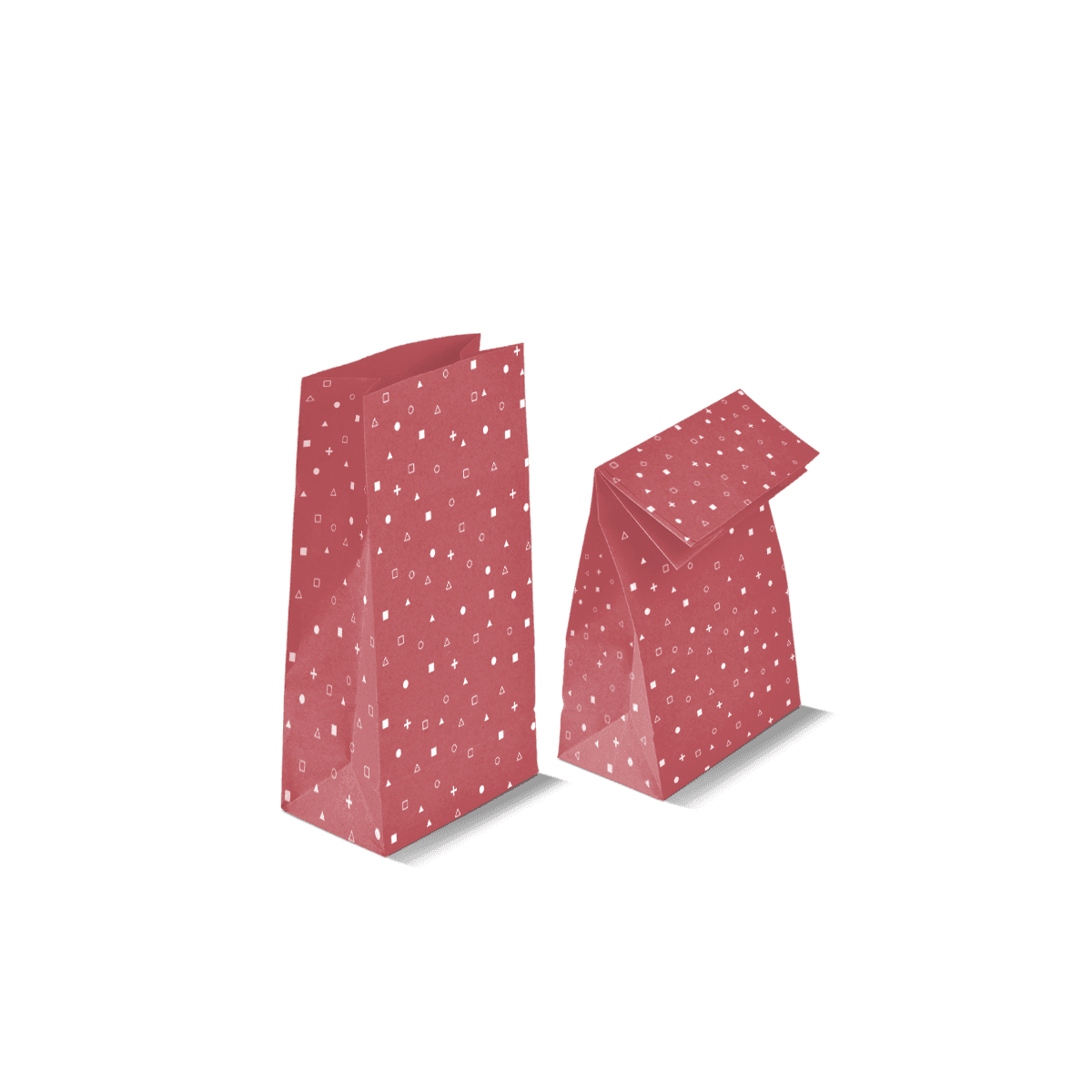
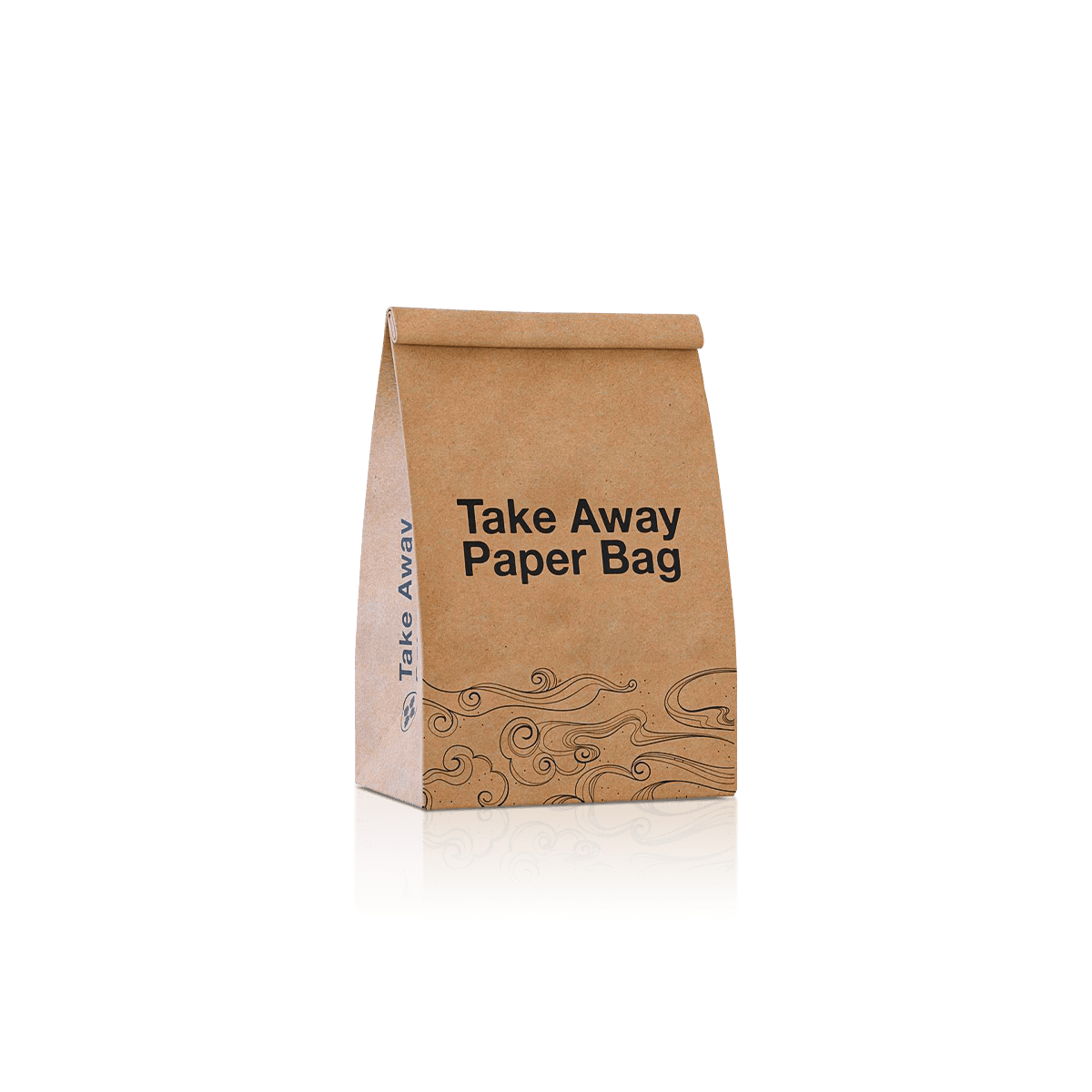
Custom Takeaway Bags can be planned around meal boxes and drink carriers rather than one empty container.

The wider Custom Paper Bags collection covers base, gusset and handle choices that affect how the order sits during pickup or delivery.

Run a carry test

Prepare the most demanding common order. Add the cups, lids, food and sauces, then carry it through turns and stops.

Check whether cups lean, lids lift or condensation reaches nearby cartons. Small layout changes inside the bag can prevent spills without changing the cup itself.

Keep Reorders Consistent by Cup and Lid Code

A repeat order should reproduce the approved cup, not only a similar size with the same artwork.

Record the cup capacity, wall construction, rim diameter, lid reference, lining and print file. Use a clear internal code for every approved version.

Track consumption by cup size. A cafe may use far more medium cups than large ones, while an event business may need a different mix each month.

Local production and a typical 4–6 day turnaround can support repeat supply once the specification and artwork are ready. Larger quantities, repeat-order planning and storage support can also help businesses with several venues or busy seasonal periods.

Quote Details That Prevent Cup and Lid Problems

A useful quote for Custom Paper Cups should include the complete drink service, not only a logo and capacity.

Provide:

  • drinks served in each cup
  • hot or cold use
  • preferred capacities
  • single-wall or double-wall preference
  • expected hold time
  • lid type and lid reference where known
  • whether a sleeve will be used
  • quantity for each size
  • paper, lining or disposal preferences
  • number of print colours or full-colour artwork
  • drink-marking or label area
  • artwork status
  • event date or repeat-order timing

Photos of the current cups, lids and counter dispensers can help identify compatibility and storage issues.

A 3D mockup is usually enough to review logo position, seam clearance and the curved design. When the drink sizes, lid details and amounts are ready, Get a Quote for Custom Paper Cups planned around daily service rather than print alone.

FAQs

It depends on drink temperature, hold time and whether a sleeve is used. Test the chosen construction during normal service.

No. Match the lid to the cup rim and test the exact combination before ordering both items in volume.

Yes. Leave a light or unprinted panel where names, milk choices and flavours remain easy to read.

They can share the same visual identity, but each tapered template needs its own layout and scale check.

Process

How it works

Simple steps from idea to delivery

01

Tell Us Your Specs

Custom packaging boxes

Tell Us Your Specs

Provide size, quantity, printing, and finishes.

02

Get a Fast Quote

Custom packaging boxes

Get a Fast Quote

Instant transparent pricing, no hidden fees.

03

Design and Approval

Custom packaging boxes

Design and Approval

Artwork checks, revisions, and final sign-off.

04

Produce

Custom packaging boxes

Produce

Expert manufacturing to meet deadlines.

05

Ship to Your Door

Custom packaging boxes

Ship to Your Door

Hassle-free, flexible delivery options.

Start Your Custom Packaging Quote

Share your product details, dimensions, quantity and artwork needs. We’ll help choose the right packaging style and send a clear quote.