Custom Corporate Packaging
Coordinated packaging for onboarding kits, client handovers and business materials, planned around brand control, version changes, secure product fit and multi-location use.
Free Design Support
Clear Pricing
Flexible Quantities
Unlimited Customization
Premium Materials
Offset Precision
Free Shipping
Quick Turnaround
Corporate packaging for onboarding kits, handovers and business materials
Custom Corporate Packaging gives organisations a controlled way to present documents, devices, branded merchandise and welcome materials across departments and locations. It can support employee onboarding, client handovers, training kits, partner introductions, property settlements and executive presentations.
The aim is not simply to make a box look formal. Corporate packaging must keep the correct items together, protect them through handling and maintain the same brand identity wherever the kit is used.
Within Custom Event and Corporate Packaging, corporate packaging has an ongoing business role. Event boxes often serve one date or campaign. Custom Corporate Packaging may stay in use across monthly intakes, client meetings, office openings and recurring handovers.
Employee onboarding and training kits
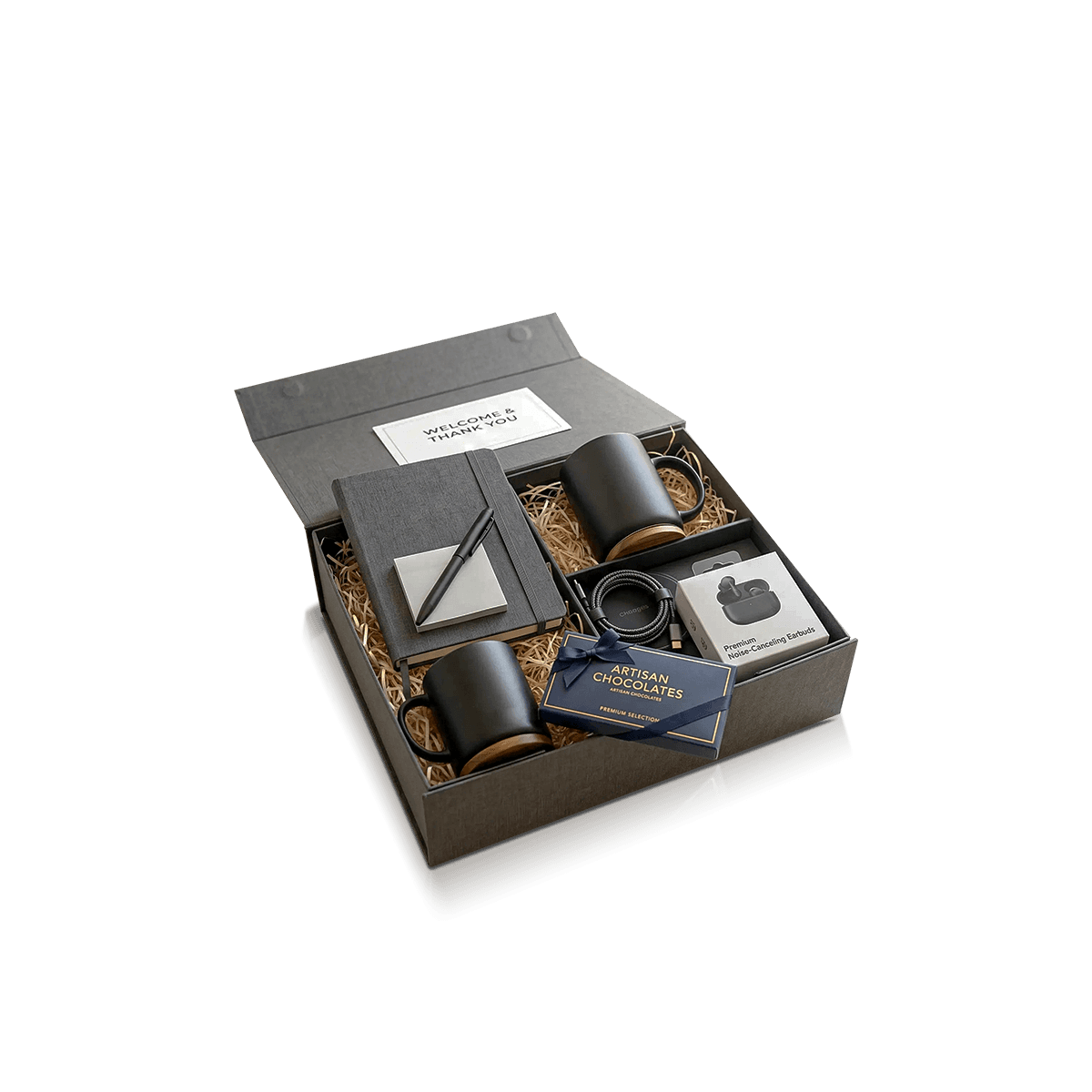
An onboarding box may hold a notebook, card, policy documents, access items, apparel or a small device. The layout should help a new employee understand what to open first.
Place essential documents and welcome messages at the top. Keep cables, access cards and small items in fitted spaces so they do not drop beneath larger products.
Training kits may use the same outer box with different booklets or tools inside. A controlled insert system makes these changes easier without redesigning every part.
Client and partner handovers
Client kits can hold contracts, samples, folders, product information and selected branded items. The packaging should keep documents flat and make the handover feel ordered.
Professional services, finance, property and consulting teams may need several versions for different services. The outer branding can remain consistent while cards, dividers or printed folders identify the exact purpose.
Internal meetings and executive materials
Board papers, awards, credentials and presentation items may need a more formal structure. A slim rigid box, document case or drawer-style box can keep the contents protected before the meeting.
The box should open on a table without loose products rolling out or documents bending at the edges.
Create one packaging system across the organisation
Custom Corporate Packaging works best when the main brand elements stay fixed and each department changes only what it needs. This reduces design drift and makes future production easier to control.
Fix the non-negotiable brand elements
Set the logo position, core colours, type style and main material before creating department versions. These details should remain consistent across onboarding, client and partner uses.
A shared packaging system also helps outside agencies and internal teams work from the same approved artwork.
Let departments change smaller parts
Human resources may need a welcome card. A property team may need a handover checklist. A client team may need a service-specific booklet.
Cards, sleeves and removable labels can carry these changes without altering the main corporate packaging boxes. This keeps approval work more focused and can reduce unused stock when wording changes.
Avoid uncontrolled box sizes
Too many box sizes make storage, assembly and distribution harder. Start with the common item groups and identify where one outer size can serve several uses.
Do not force every kit into the same box. A document-only presentation and a device kit may need different depths. The aim is a controlled set of practical sizes rather than one oversized box.
Fit documents, devices and merchandise without disorder
Custom Corporate Packaging often holds flat papers beside products with very different shapes. The internal layout should protect each item and keep the opening sequence clear.
Keep documents flat and accessible
Documents should sit on a firm base or in a lid pocket. Avoid placing them directly beneath bottles, mugs or devices.
A shallow top tray can hold a letter, booklet or agreement. The recipient can read it before reaching the other items.
Separate devices and cables
Small devices, chargers, adapters and cables can move through a loose box. Custom Inserts and Dividers can give each component a clear position.
Paperboard inserts suit light office items and stationery. Corrugated supports suit heavier devices, drinkware and mixed kits. Finger gaps make tight components easier to remove.
Control apparel and soft goods
Shirts, caps and fabric items need enough space to stay folded. Keep them away from sharp insert edges and heavy objects.
A divider can separate apparel from stationery or devices. Tissue may improve presentation, but it should not be used to hold heavy products in place.
Keep access items visible
Keys, cards, badges and USB items are easy to lose inside a large box. Mount them on a printed card or place them in a small cut-out near the top.
The recipient should not need to empty the entire kit to find the most important item.
Choose the structure around the handover route
Custom Corporate Packaging may be handed over at a desk, carried between offices or sent to a remote employee. The structure should suit the actual route rather than the perceived value alone.
Rigid boxes for formal handovers
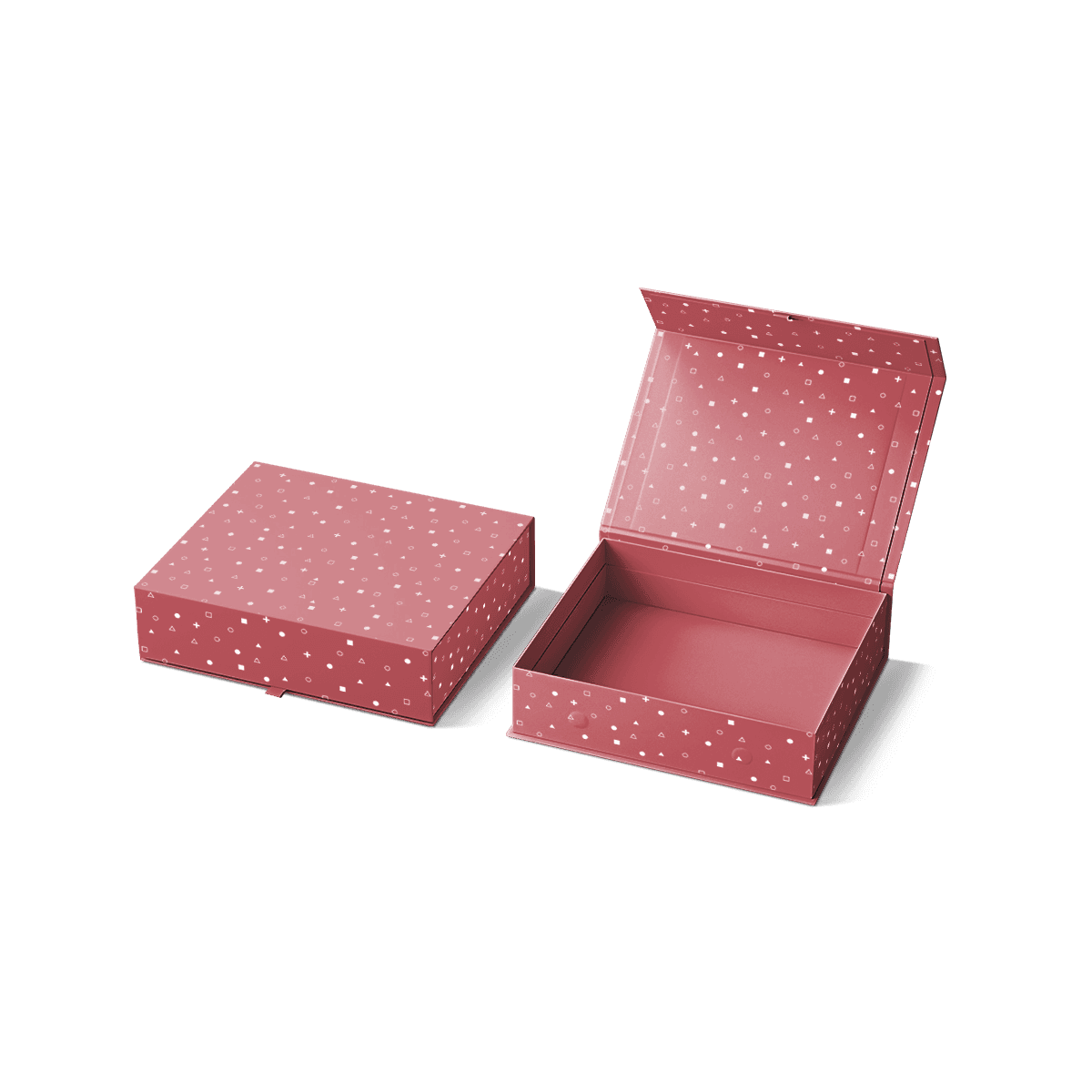
Custom Rigid Boxes suit executive presentations, property handovers and high-value client kits. Firm walls create a clean opening and protect documents or products from edge damage.
Magnetic lids can hold a message inside. Lift-off lids suit document sets and presentation items. Rigid boxes arrive formed, so storage space should be confirmed before a national rollout.
Mailer boxes for distributed teams
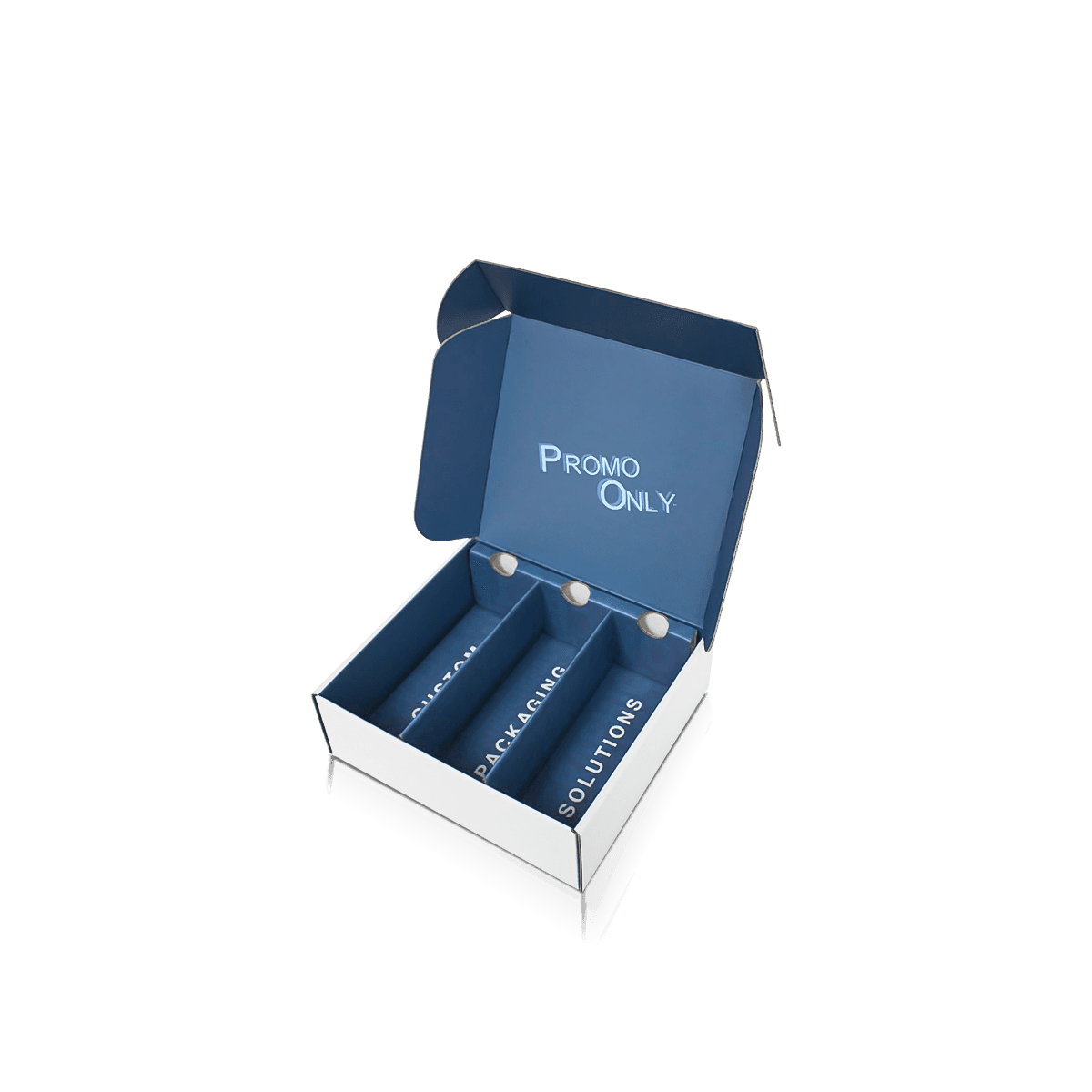
Custom Mailer Boxes suit onboarding kits and business materials sent directly to homes or branch offices. Corrugated walls provide more travel protection than a light presentation carton.
The shipping label should sit on an outer wrap or designated panel. Important presentation artwork can remain on the lid and inner surfaces.
Folding cartons for compact materials
Folding cartons suit credentials, stationery, cards, small accessories and document support items. They store flat and can be assembled as needed.
Select the closure around the item weight and filling method. A simple tuck end may suit light goods while a stronger base can support denser office items.
Control versions, approvals and destination changes
Custom Corporate Packaging may pass through brand, procurement, legal, human resources and local office teams before production. Clear version control prevents outdated wording or the wrong materials from reaching recipients.
Give every version a clear name
Name artwork by department, purpose and approval date. Avoid file names such as “final” when several revisions are still active.
The version name can also appear on a hidden flap or master carton label. This helps warehouse and office teams identify the contents without changing the visible box.
Keep personal details removable
Names, job titles, office addresses and start dates may change late. Place them on cards, labels or documents rather than the main box where possible.
This keeps Custom Corporate Packaging useful when an employee start date moves or a recipient changes.
Approve print and contents separately
Approve the box artwork first, then approve the variable cards and contents. A clear checklist should confirm that every item belongs in the right kit.
This matters when two departments use the same box but include different documents, devices or branded goods.
Mark destination cartons clearly
Outer cartons can identify the office, department or recipient group. Keep these labels off the presentation packaging.
Clear destination marking reduces unnecessary opening and handling before the kits reach the correct location.
Use professional print without making the box feel crowded
Custom Corporate Packaging should express the organisation clearly while leaving room for the contents and message. Large logos and repeated slogans can make a business kit feel promotional rather than useful.
Create a clear logo hierarchy
Place the main company logo on the lid or front panel. Partner marks, division names or campaign identifiers can sit on a sleeve, side panel or card.
This keeps the main box reusable and prevents several logos from competing for attention.
Use the inside for context
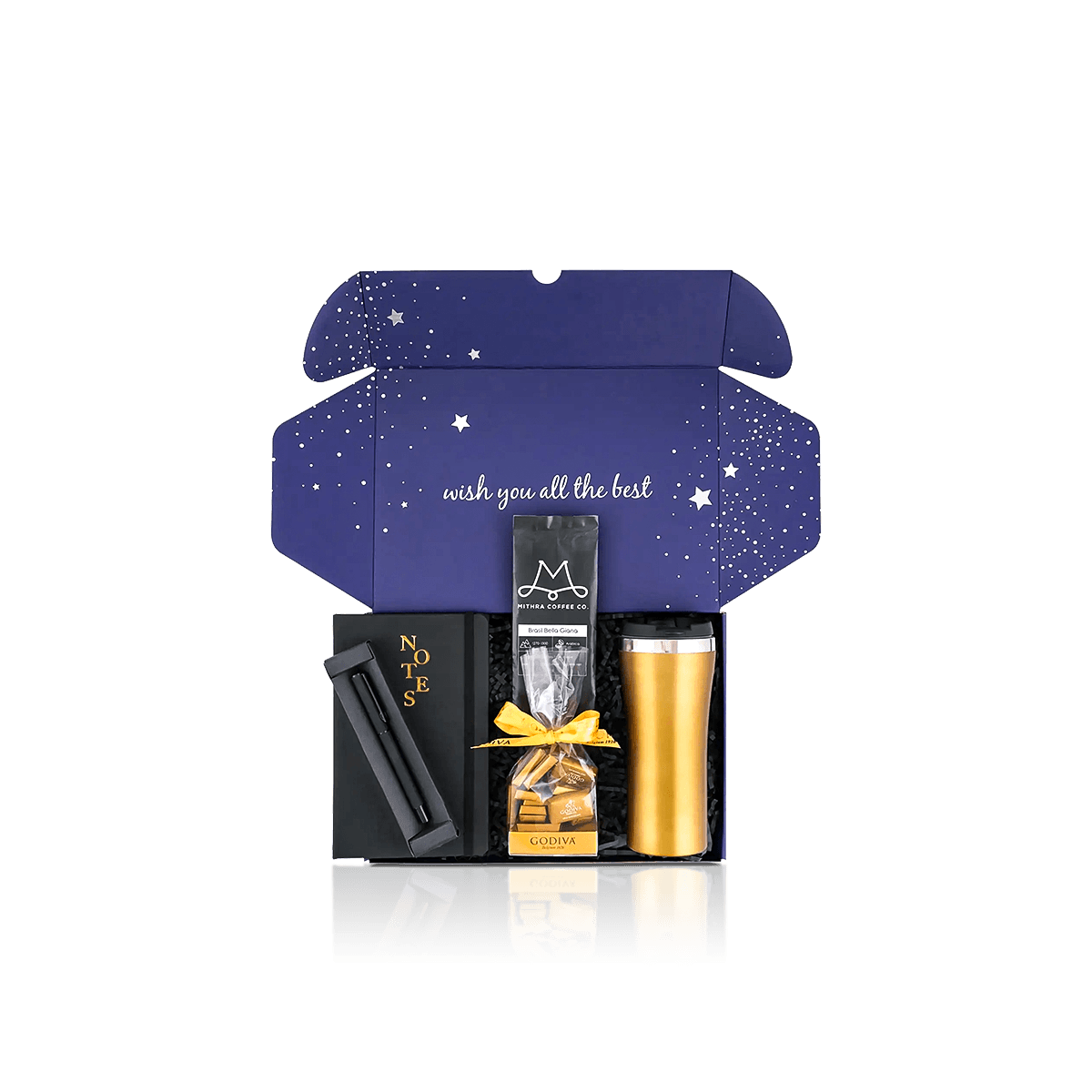
The inner lid can carry a welcome message, company purpose or short handover note. Keep the copy brief enough to read at once.
Detailed instructions, policies or service information belong in a booklet or document rather than on the box walls.
Choose finishes that suit frequent handling
Matte film can reduce light scuffs on boxes handled by several teams. Foil and embossing can add detail to leadership or client-facing kits.
Finishes should remain easy to reproduce across later corporate packaging runs. Highly complex combinations may make small artwork updates harder to manage.
Materials, print and finish choices can be planned through Customisation, including inside print, sleeves and fitted inserts.
Plan storage, assembly and multi-location distribution
Custom Corporate Packaging needs to work before it reaches the recipient. The procurement and operations plan should account for storage space, filling time and distribution between offices.
Decide where kits will be assembled
Some organisations fill kits at one central site. Others send empty boxes and contents to each branch.
Central assembly gives more control over layout and checking. Local assembly may reduce finished-kit transport. The right choice depends on the contents, office count and available staff.
Use an assembly order
Place documents first when they sit in a lower tray or pocket. Add heavy items before smaller accessories. Insert the welcome card last so it remains visible.
A reference photo can help every office reproduce the same layout.
Match the run to the corporate use
A 50-unit first run can suit a leadership intake, pilot office or specialist client program. Larger Custom Corporate Packaging runs can support national onboarding, branch launches and recurring handovers in the thousands.
Keep the outer structure consistent where possible. Update the card, insert or sleeve when a department or program changes.
Store dated and undated parts separately
Undated boxes can remain available for future use. Store start-date cards, event details and office-specific materials in clearly marked groups.
This reduces the risk of obsolete printed boxes when internal wording or team structures change.
Quote the complete business use, not only the box
A useful Custom Corporate Packaging quote needs the contents, recipient type and distribution plan. An estimated box size alone does not show how documents, devices and merchandise need to sit.
Provide:
- The business purpose of the kit
- Recipient group or department
- Every item’s size and weight
- Document and booklet dimensions
- Device, cable or access-item details
- Preferred opening and closure
- Insert, divider or document-pocket needs
- Permanent and variable artwork
- Office or recipient versions
- Assembly location
- Hand delivery or courier use
- Quantity for each version
- Required date and delivery points
These details help determine whether the project needs a rigid presentation box, corrugated mailer or folding carton. They also show where one approved structure can serve several departments.
When the purpose is mainly appreciation or reward rather than business materials, Custom Corporate Gift Boxes can place more emphasis on gift presentation and a slower reveal.
Custom Packly can provide design support and a free sample before full production when the document fit, device position or version system needs a final check. Suitable approved work can use local production with a 4 to 6 day turnaround. Timing depends on the structure, quantity, artwork versions and insert complexity.
Send the item list, department versions and distribution plan through Get a Quote. The recommendation can then account for brand control, assembly and delivery as one corporate packaging program.
FAQs
Related Packaging Styles
How it works
Simple steps from idea to delivery
Tell Us Your Specs

Tell Us Your Specs
Provide size, quantity, printing, and finishes.
Get a Fast Quote

Get a Fast Quote
Instant transparent pricing, no hidden fees.
Design and Approval

Design and Approval
Artwork checks, revisions, and final sign-off.
Produce

Produce
Expert manufacturing to meet deadlines.
Ship to Your Door

Ship to Your Door
Hassle-free, flexible delivery options.
Start Your Custom Packaging Quote
Share your product details, dimensions, quantity and artwork needs. We’ll help choose the right packaging style and send a clear quote.