Custom Confectionery Boxes
Keep lollies, fudge, nougat and mixed sweets neat, easy to identify and ready for shelves, gifts, events and online orders.
Free Design Support
Clear Pricing
Flexible Quantities
Unlimited Customization
Premium Materials
Offset Precision
Free Shipping
Quick Turnaround
Custom Confectionery Boxes for Mixed Sweets and Gift Selections
Custom Confectionery Boxes should organise each sweet by texture, size and serving style. Boiled lollies, gummies, fudge, nougat and coated treats can all behave differently inside the same box.
Start with the finished selection and the way it will be sold. A retail carton for wrapped lollies needs fast filling and a clear front panel. A premium gift selection may need fixed rows, dividers and a more controlled opening.
Brands selling cakes, pastries or chocolates beside sweets can keep the wider presentation consistent through Custom Bakery and Confectionery Packaging.
List every sweet before setting the box size
Record the width, length and height of each item. Include wrappers, paper cups, coatings and raised toppings.
Also note which pieces vary by hand. Fudge cubes and nougat slices may not finish at one exact size. The inner layout needs enough tolerance for normal variation without looking loose.
Choose the customer’s first view
Decide which flavours should appear first when the lid opens. Signature sweets can sit in the centre or along the front row.
A planned view makes the selection easier to understand. It also gives staff a clear filling order during larger runs.
Separate Sweets by Texture, Coating and Weight
Different sweets can mark, soften or crush each other even when the outer box stays intact. Custom Confectionery Boxes need spacing that reflects how each item behaves during storage and carrying.
Keep sticky pieces away from dry sweets
Gummies, jellies and soft chews may become tacky in warm or humid conditions. Sugar-coated sweets can shed crystals. Powdered products can leave dust on dark items or clear windows.
Use cups, wrappers or separate sections when contact may change the finish. A low divider can keep rows neat without making each piece hard to remove.
Place heavier pieces where the base stays firm
Dense fudge, nut bars and nougat can place more load on one side of the carton. Spread the weight across the base rather than grouping every heavy item together.
This helps the box stay level during handover. It also reduces pressure on lighter sweets and delicate shells.
Choose the Inner Setup Before the Outer Style
The insert controls movement. The outer carton controls presentation, closure and carrying. Planning them together avoids a polished box with sweets that still shift inside.
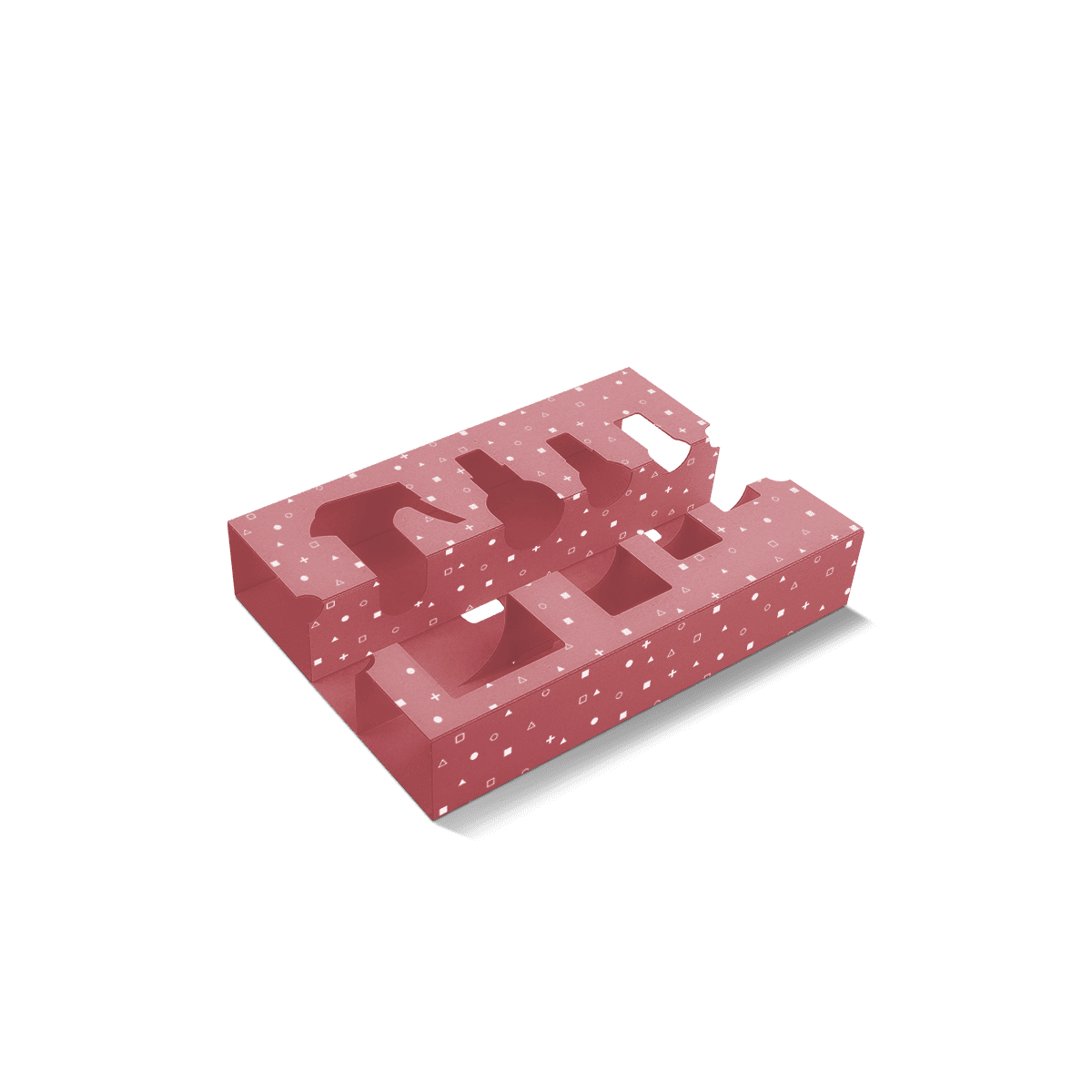
Custom Inserts and Dividers can create rows, cells, paperboard trays or simple partitions around the actual selection.
Use cells for fixed piece counts
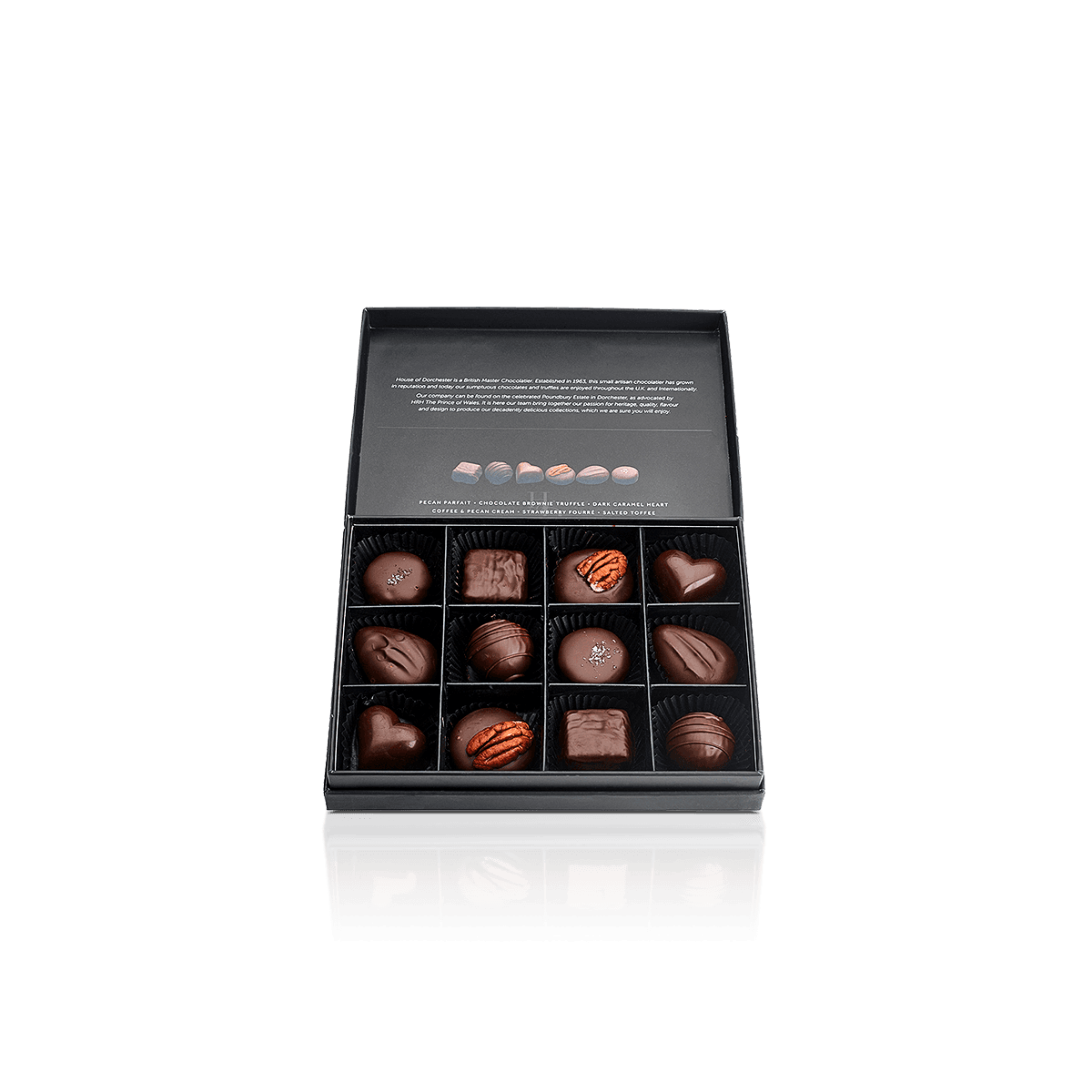
Individual cells suit premium sweets, gift selections and corporate orders where every piece needs a set position. The opening should steady the lower part of the sweet without gripping it.
Leave enough finger space for clean removal. Customers should not need to pinch one piece against the item beside it.
Use open trays for quicker filling
An open tray works well when wrapped lollies or similar pieces can sit together without damage. It reduces assembly and gives staff more freedom when flavours change.
A shallow retaining edge can stop the contents moving under the lid. It should not hide the first row.
Wrapped and Unwrapped Sweets Need Different Contact Plans
The inner contact setup should be confirmed before board, print or coating is approved. Wrapped confectionery gives more freedom than sweets that sit directly on a tray or liner.
Map every direct-contact surface
State whether the product touches paperboard, a cup, tissue, a liner or a sealed wrapper. Note any oil, sugar dust, fruit filling or sticky coating that may transfer.
Wider Custom Food Packaging support can align the outer board, liner, insert and printed areas with the intended use.
Keep printed areas clear of exposed sweets
When unwrapped confectionery may touch the inner box, the construction needs to suit that contact. A separate food-friendly cup or liner may be the cleaner choice.
Custom Confectionery Boxes should be approved as one complete setup, not as an outer carton and insert considered separately.
Humidity Can Change How Sweets Sit in the Box
Moisture can make gummies stick, soften hard sweets and affect sugar coatings. The carton cannot control the whole storage environment, but the wrong empty space or contact setup can make the issue worse.
Avoid crushing soft sweets into tight rows
A row that looks neat at room temperature may become too tight when soft pieces change slightly in warm conditions. Use sensible spacing and check the product after its normal storage period.
Keep sugar dust away from viewing areas
Loose sugar or powder can collect along window edges and dark printed surfaces. Cups, base papers or a smaller clear opening can keep the presentation cleaner.
Test Custom Confectionery Boxes with real products, not only empty wrappers or sample shapes.
Folding Cartons Suit Fast Retail Filling
Paperboard cartons store flat and can move quickly through a daily filling routine. They suit wrapped sweets, fudge pieces, small gift selections and counter displays.
Custom Folding Cartons and Tuck Boxes allow different base locks, lid openings and window positions without using a heavy structure for every order.
Choose a base that suits the total weight
A simple tuck base may suit light wrapped lollies. A stronger locking base can help with dense fudge, jars of sweets or larger selections.
Test the filled weight. An empty carton may feel firm but bow once the sweets and insert are added.
Keep the closure clear of the contents
Tabs should fold towards the walls, not down into the product area. Staff need a closure that works without pushing on the top row.
A clean opening also matters after purchase. Customers should be able to close the box again when the sweets are eaten over time.
Custom Confectionery Boxes Need Clear Flavour Identification
Mixed sweets can look alike once they are inside the box. Print should help customers identify flavours, fillings and dietary variants without turning the lid into a dense label.
Match the flavour key to the exact layout
A numbered grid, simple icons or an inside-lid list can explain the selection. The order must match the tray below.
If staff can change the flavour order, use a removable card or label rather than printing a fixed map that may become wrong.
Leave space for product and service labels
Reserve a clear area for ingredient, allergen, best-before or batch information when required. Keep that area away from locks, creases and windows.
The available customisation options can coordinate offset print, inside print, foil, embossing and label space while keeping the main message easy to read.
Windows Should Show Colour Without Exposing Disorder
A window can show bright sweets and help shoppers understand the piece count. It only works when the inner arrangement stays neat after filling and handling.
Align the clear panel with complete rows
Place the window over the most consistent part of the selection. Avoid exposing empty gaps, loose wrappers or the ends of dividers.
Leave enough paperboard around the opening for lid strength and artwork. A narrow window may show colour better than a full clear lid.
Review light and heat at the display point
Direct sun and warm display areas can affect some confectionery. The window should support visibility without placing the product in poor conditions.
A 3D mockup can confirm the visual balance. A physical sample is more useful when window size, inner movement or board stiffness creates a real risk.
Gift Confectionery Needs a Deliberate Opening Order
Custom Confectionery Boxes for gifts should lead the customer from the outer message to the first visible row. The lid, sleeve, tray and flavour card need to work as one presentation.
Use a lift-off lid for a full reveal
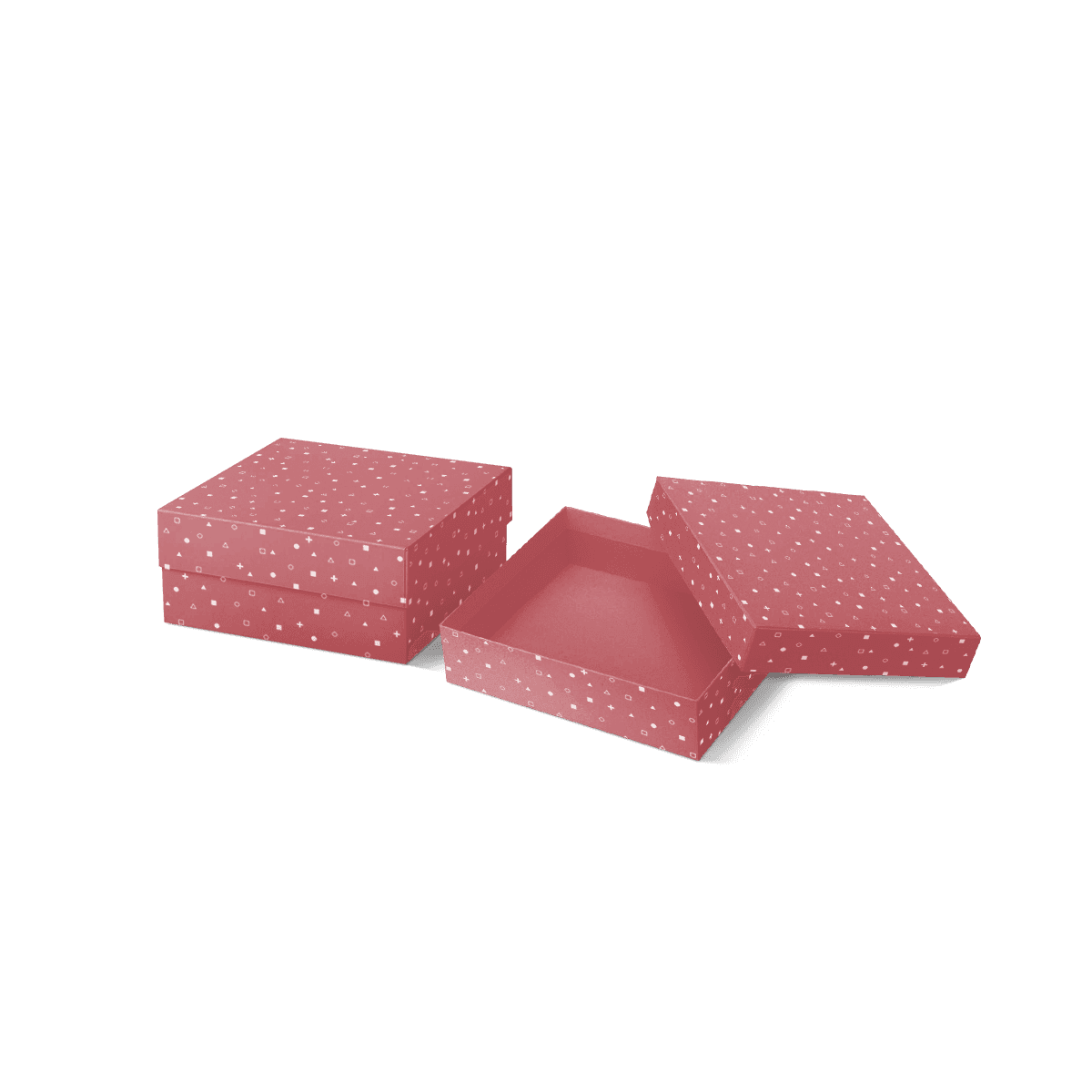
A two-piece box can show the whole selection at once. It suits larger gifts, event favours and premium seasonal sweets.
A close lid fit should feel secure without pulling the tray upwards when opened.
Use a sleeve for campaign changes
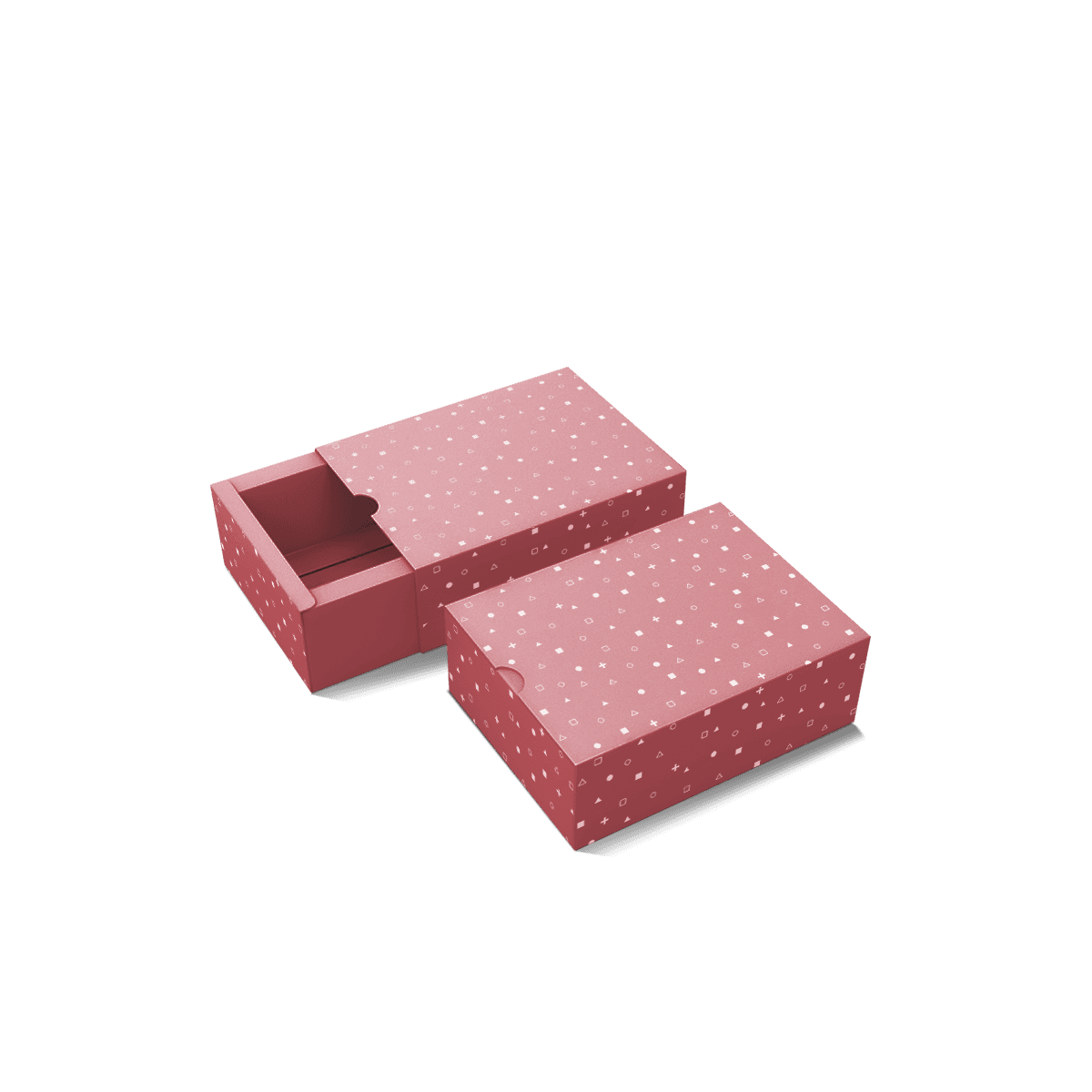
One proven inner box can support different events through a printed sleeve or band. This helps with weddings, corporate gifts, Christmas and limited collaborations.
The main structure stays familiar to staff while the outer message changes by occasion.
Online Orders Need a Separate Shipping Layer
A gift carton is not always a shipping carton. Custom Confectionery Boxes sent through parcel delivery usually need a stronger outer box that takes impact and pressure before it reaches the presentation layer.
Stop the gift box moving inside the outer carton
Use fitted support around the closed box. Loose movement can mark corners, scuff print and disturb the rows inside.
The outer support should hold the carton, not touch exposed sweets or interfere with the opening details.
Plan heat-sensitive items separately
Chocolate-coated sweets and some soft confectionery may need extra temperature planning. Custom Chocolate Boxes cover cavity fit, tray retention and heat-sensitive gift presentation in more detail.
Retail Displays Need a Clear Front Panel
Shelf presentation often depends on what customers can read from the front, not only what appears on the lid. Custom Confectionery Boxes should identify the sweet type, flavour theme and piece count without needing to be lifted.
Keep the product name easy to find
Place the main name where it remains visible beside other boxes. A strong colour block or short flavour line can help several selections feel connected while remaining easy to tell apart.
Side panels can carry supporting details when the front needs a cleaner look.
Use display-ready quantities
Small cartons can sit in a counter tray or shelf display. The outer display should hold them upright without covering the main artwork.
Check how staff restock the sweets. A display that looks strong when full should still keep the final few cartons neat and easy to reach.
Seasonal Runs Should Reuse a Proven Inner Layout
Seasonal demand often changes faster than the confectionery itself. Keep the inner dimensions and filling sequence when the pieces remain the same, then update print, sleeves or flavour cards.
Split quantities by artwork version
MOQ starts from 50 for suitable event orders, retail tests and seasonal releases. Custom Packly can also support thousands, tens of thousands and larger repeat runs.
State how many boxes are needed for each design. Four small artwork versions require different planning from one design produced at the full quantity.
Record every approved component
Keep the outer box, tray, divider, flavour card and artwork version under one clear reference. Similar inserts can look alike before assembly.
A controlled record makes repeat Custom Confectionery Boxes easier to order and helps staff receive the right parts together.
Quote from the Sweet List and Filling Order
A useful quote begins with the actual selection. An outer length, width and height cannot show sticky coatings, mixed weights or the number of inner parts.
Include:
- Finished dimensions and weight of each sweet
- Piece count and planned row order
- Wrapped, cup-held or unwrapped contact
- Hard, soft, sticky, powdered or brittle textures
- Fixed cells, open trays or divider needs
- Retail, gifting, event or online-order use
- Window, sleeve or flavour-card requirements
- Label space and printed information
- Quantity for each box size and artwork version
- Preferred board, print and finish
- Storage conditions and launch timing
- Likely repeat quantity
Send the selection details, measurements and intended use through Get a Quote. Custom Packly can then review the carton, insert, print and filling routine together.
Free design support and a 3D mockup can confirm the layout and opening view before production. Local production and a 4 to 6 day turnaround can support planned launches once the structure and artwork are approved.
FAQs
Related Industries
Related Packaging Styles
How it works
Simple steps from idea to delivery
Tell Us Your Specs

Tell Us Your Specs
Provide size, quantity, printing, and finishes.
Get a Fast Quote

Get a Fast Quote
Instant transparent pricing, no hidden fees.
Design and Approval

Design and Approval
Artwork checks, revisions, and final sign-off.
Produce

Produce
Expert manufacturing to meet deadlines.
Ship to Your Door

Ship to Your Door
Hassle-free, flexible delivery options.
Start Your Custom Packaging Quote
Share your product details, dimensions, quantity and artwork needs. We’ll help choose the right packaging style and send a clear quote.