Skip to content
Details

Custom Cookie Boxes

Keep crisp, soft, iced and filled cookies protected with boxes planned around diameter, thickness, layer count, gifting and delivery needs.

Free Design Support

Clear Pricing

Flexible Quantities

Unlimited Customization

Premium Materials

Offset Precision

Free Shipping

Quick Turnaround

Custom Cookie Boxes for Crisp Edges and Clean Layers

Custom Cookie Boxes should stop edges chipping, toppings rubbing and stacked cookies pressing into each other. The right carton starts with the finished cookie, including its widest point, full thickness and any raised icing.

Thin shortbread, thick chocolate chip cookies and iced event cookies do not need the same internal space. A box that works for one style may leave another loose, crowded or difficult to remove without damage.

Match the box to the cookie texture

Crisp cookies need support that limits movement and impact. Soft cookies need room to avoid pressure, especially when chocolate pieces, fillings or toppings sit above the surface.

When several textures share one order, liners, cups or dividers can keep them apart. This also makes the assortment easier to present and serve.

Measure after decoration is complete

Royal icing, fondant details, piped chocolate and edible toppers add height. Measure after the decoration has set, not from the plain baked base.

Leave safe space above the tallest cookie. Too little marks the design. Too much allows movement and can make the box look underfilled.
Choose the Right Cookie Layer Layout

The layer plan decides box depth, cookie count and what customers see when they lift the lid. Custom Cookie Boxes may hold one flat layer, several separated layers or individually wrapped pieces arranged in rows.

Single layers suit detailed cookies

A single layer gives printed, iced or hand-decorated cookies the cleanest presentation. Each design stays visible and staff can place the cookies without touching the artwork.

A fitted tray can hold each piece in position. Delicate round cookies may use spacing similar to Custom Macaron Boxes, with enough room to protect the edge without leaving large gaps.

Stacks need controlled pressure

Stacking suits plain, firm cookies better than soft or decorated pieces. The lower cookies must carry the weight without cracking or collecting grease from the layer above.

Use food-friendly paper, cups or layer pads when direct surface contact may affect the product. Box depth should follow the complete stack so the lid closes without pressure.

Wrapped cookies allow more flexibility

Individually wrapped cookies are easier to separate by flavour. They also reduce direct contact with the outer carton and can help mixed shapes sit together more neatly.

The arrangement should still be easy to fill. Tight rows can crush sealed edges or slow staff during busy service.

Use Inserts Only When They Prevent Real Damage

An insert is worthwhile when the cookie value, decoration or breakage risk justifies more control. It should steady the product while leaving enough access to lift each cookie cleanly.

Dividers separate flavours and weights

Cross dividers can keep crisp, soft, filled or coated cookies apart. They also stop larger cookies sliding into smaller pieces when the carton is carried.

Keep divider walls clear of icing and below the lid. Low paperboard partitions often work better than deep cells in a shallow gift box.

Cavities frame premium cookies

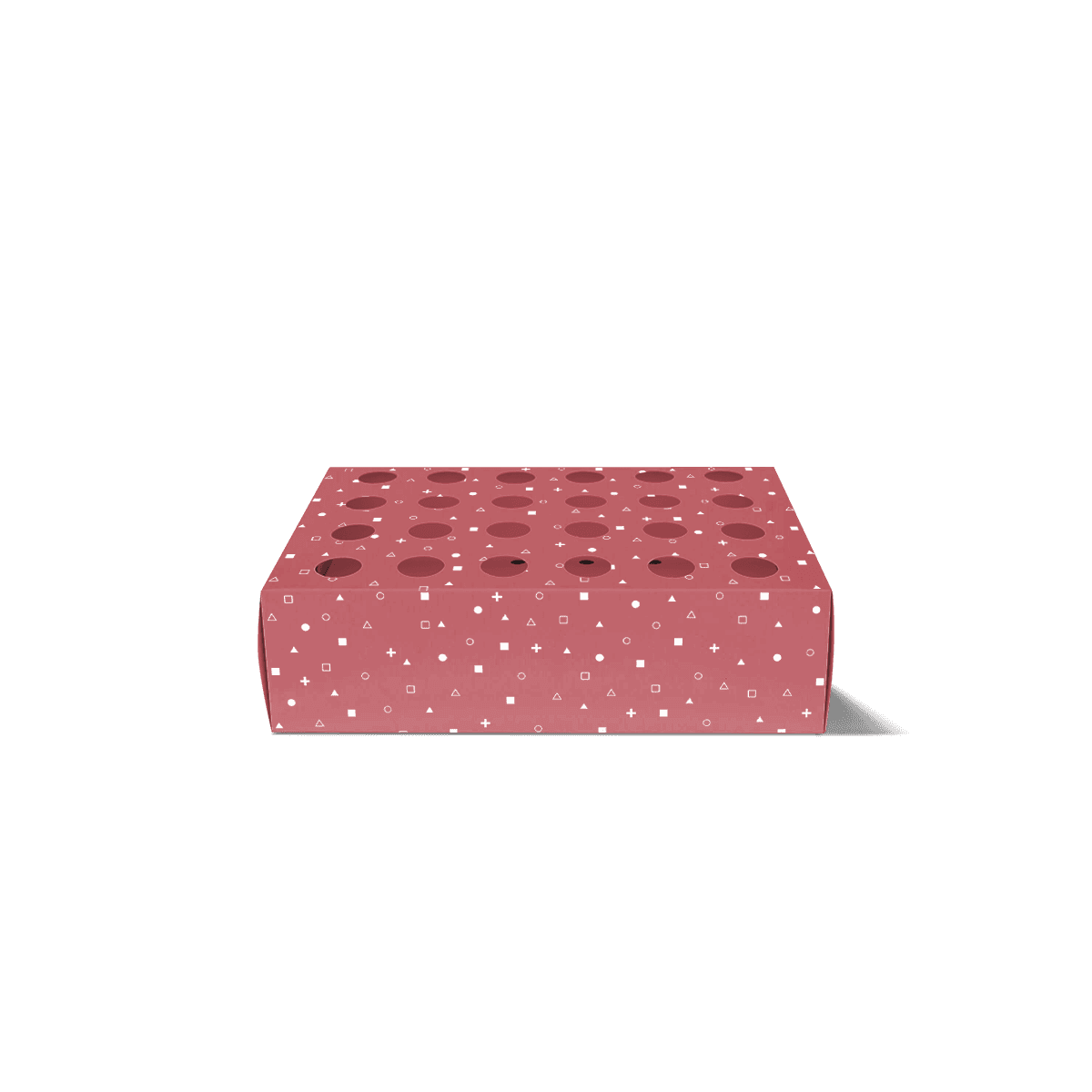
Die-cut cavities can present individual cookies for corporate gifts, weddings and product launches. Each opening needs to follow the true cookie diameter while allowing for normal baking variation.

A tight cavity may damage the edge. A loose cavity will not stop movement.

A simple liner may be enough

Plain cookies in a close-fitting one-layer carton may only need a base sheet or food-friendly paper. Extra parts should improve protection rather than add work at the packing bench.

Freshness Starts Inside the Cookie Box

The carton protects shape and presentation, but the inner setup may need to manage moisture, grease and direct food contact. Cookie texture and expected storage time should lead this decision.

Separate crisp and soft cookies

Soft cookies may release moisture that affects crisp cookies inside the same closed box. Use separate compartments or inner wrapping when both textures must remain distinct.

This matters most for gift assortments that may stay closed longer than a quick counter order.

Plan for butter, chocolate and fillings

Butter-rich cookies may mark untreated paperboard. Chocolate, jam and soft fillings can also transfer oil or colour.

Confirm whether the product sits in a cup, on a liner or inside sealed wrapping. The board and surface treatment can then suit the real contact conditions.

Allow cookies to cool before closing

Warm cookies may release moisture after the lid closes. This can soften crisp products or create marks inside the carton.

Use the normal bakery cooling and boxing routine when assessing materials. Wider food-contact, liner and coating needs can be coordinated through Custom Food Packaging.

Cookie Box Windows Should Show the Best Layer

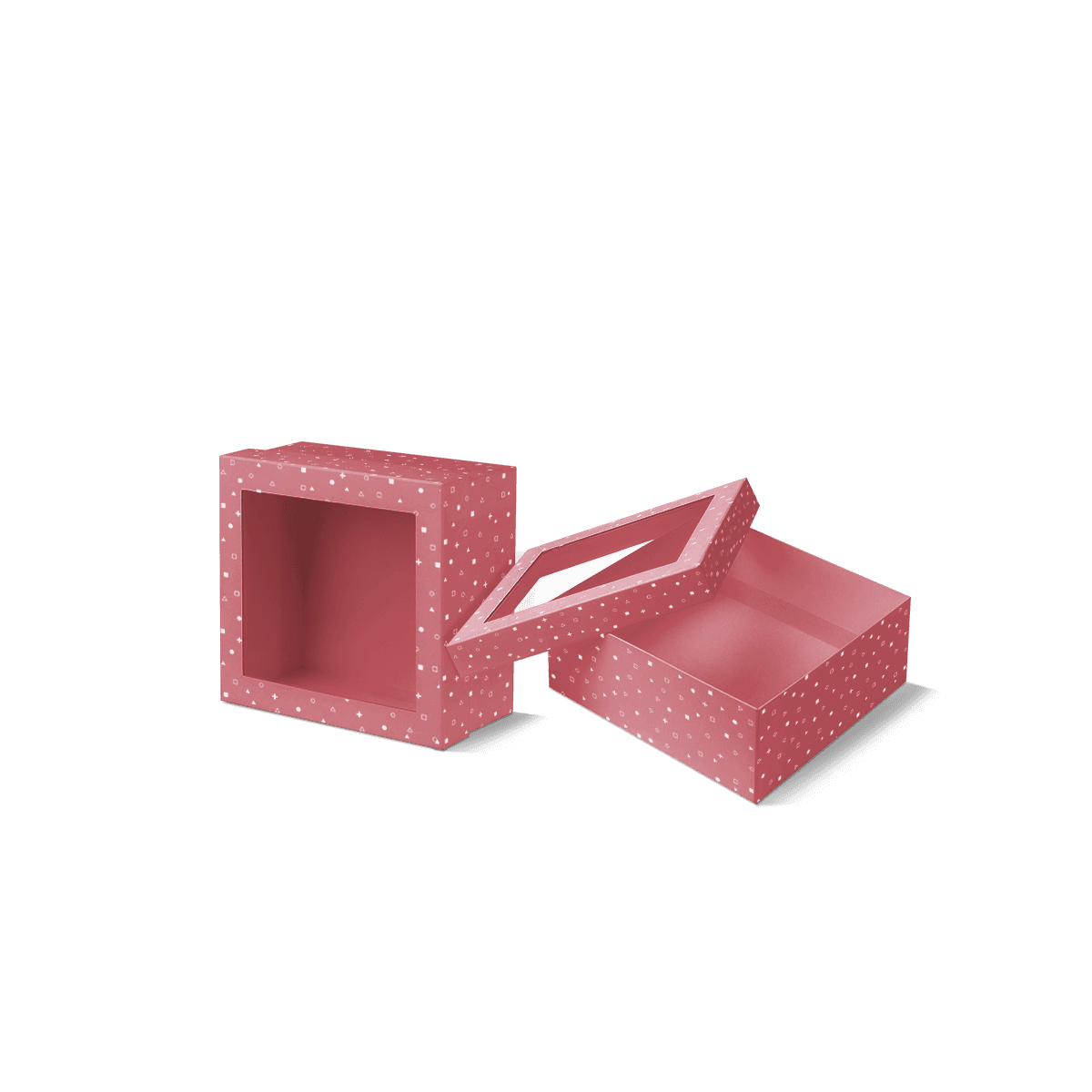
A clear window should reveal a neat arrangement, not empty space, crumbs or the side of a stack. Its position must follow the cookie layout.

Frame the product rather than the full lid

A smaller window can focus attention on decorated cookies while leaving more board around the opening. This helps the lid stay firm and gives the artwork room to breathe.

For several rows, align the opening with the strongest part of the arrangement.

Reserve space for labels

Pickup labels, flavour stickers and allergen notes often sit on the lid. Leave a clear area so they do not cover the logo or viewing window.

A side panel can carry flavour names or storage details when the top panel is mainly visual.

Review temperature and lighting

Strong lights can create glare on a clear panel. Temperature changes may also cause fogging.

Check how the cookie box will be displayed, stored and carried before the window is approved. Custom Folding Cartons and Tuck Boxes can support windowed lids, flat storage and quick bakery assembly.

Cookie Gift Boxes Need a Planned Reveal

Gift packaging should lead the customer through the arrangement. The lid, message, window and first visible layer need to feel connected.

Arrange cookies around the occasion

A wedding favour may hold one detailed cookie. A corporate gift may need six flavours in a fixed order. A seasonal box may combine statement pieces with smaller cookies.

Decide what the customer should see first, then plan the insert and print around that view.

Use sleeves for seasonal changes

One neutral carton can support several events through a printed sleeve or belly band. The bakery can change artwork, flavour notes or gift messages without replacing the main box.

Custom Sleeve and Band Packaging can give Christmas, Easter, wedding or campaign cookies a distinct identity while keeping the main structure unchanged.

Make the first cookie easy to remove

Premium presentation should not trap the product. Finger spaces, lift tabs or shallow trays can help customers remove one cookie without touching the rest.

Counter Collection and Delivery Need Different Protection

Custom Cookie Boxes used for counter collection can focus on fast filling and presentation. Cookies sent through parcel delivery need stronger outer protection and tighter movement control.

Counter orders need fast assembly

A hinged lid or tuck closure can support quick service. The box should open fully, stay square during filling and close without pressing on the cookies.

Clear size marks also help staff choose the right carton during busy periods.

Postal orders need a shipping outer

A printed presentation box alone may not protect fragile cookies through parcel handling. Use a stronger outer carton with cushioning or fitted support around the inner box.

The cookie carton should not slide, tilt or take direct pressure from the outer walls.

Decorative details need transit protection

Ribbon, sleeves and premium finishes should remain inside the protective shipping carton. Decorative features should not act as the main transit closure.

Print Can Organise Every Cookie Assortment

Good print does more than promote the bakery. It can identify flavours, support order labels and make storage details easier to find.

Custom Cookie Boxes can use outside print for brand recognition and inside print for a short message after opening.

Give each flavour a clear visual cue

Colour bands, icons or named panels can help staff and customers identify flavours. Each cue should remain clear under bakery lighting and on small side panels.

Do not rely only on slight colour changes for allergen-sensitive or dietary products.

Keep key details away from folds

Ingredient, allergen or storage information may appear on the carton, liner or label. Leave enough flat space for the chosen method.

Small text should stay away from creases, locking tabs and window edges.

Choose finishes for the order type

Foil, embossing and spot UV can suit gifting, collaborations and event orders. Everyday boxes may gain more from clear colour, strong type and a surface that handles well.

One Structure Can Serve Several Cookie Counts

A flexible outer box can reduce storage needs when several assortments share a similar footprint. Inserts, sleeves or labels can then change by count or occasion.

Change the insert, not the whole carton

A six-cookie box may also hold four larger cookies with a different tray. This only works when both arrangements look complete and remain protected.

Record each insert as part of the approved specification so the correct parts arrive with future orders.

Keep seasonal changes in the artwork

Changing a sleeve, label or print version can be simpler than changing the structure. This supports holidays, weddings and branded events without leaving too many unused carton sizes.

Move from test orders to larger runs

MOQ starts from 50 for suitable event orders, new assortments and limited releases. Custom Packly can also support thousands, tens of thousands and larger repeat orders as demand grows.

Keep the approved dimensions, board, insert and window details on record to protect consistency.

Quote From the Finished Cookie, Not the Baking Tray

An accurate quote needs the real cookie dimensions, arrangement and delivery use. A tray measurement does not show decoration height, breakage risk or space between pieces.

Include:

  • finished cookie diameter, length and thickness
  • highest icing or decoration point
  • cookie count and preferred layer plan
  • crisp, soft, filled, coated or wrapped styles
  • liner, divider or cavity needs
  • direct food-contact details
  • window position and label space
  • counter, gifting or delivery use
  • quantity for each artwork version
  • preferred board, print and finish
  • launch date and likely reorder quantity

A 3D mockup is usually enough to approve the artwork and overall structure. A physical sample may be useful for delicate cavities, unusual stacking or higher delivery risk.

Send these details through Get a Quote for advice on dimensions, board, inserts and print.

Support From First Assortment to Repeat Order

Custom Cookie Boxes should make filling, handover and reordering easier. Custom Packly reviews the carton around the real cookie, chosen count and customer handover.

Free design support can refine artwork, label areas and window placement. Local production and a 4 to 6 day turnaround can support planned launches after the structure is approved.

The final box should protect fragile edges, present the assortment clearly and remain practical as daily order volume increases.

FAQs

Yes, but separate them with compartments or inner wrapping so moisture from soft cookies does not affect crisp ones.

Use inserts for fragile, decorated or premium cookies that may move or chip. Plain cookies may only need a close fit and liner.

Yes. Keep the main carton unchanged and update the sleeve, label or printed artwork for each occasion.

Measure the finished cookie at its widest and highest points after the decoration has fully set.

Process

How it works

Simple steps from idea to delivery

01

Tell Us Your Specs

Custom packaging boxes

Tell Us Your Specs

Provide size, quantity, printing, and finishes.

02

Get a Fast Quote

Custom packaging boxes

Get a Fast Quote

Instant transparent pricing, no hidden fees.

03

Design and Approval

Custom packaging boxes

Design and Approval

Artwork checks, revisions, and final sign-off.

04

Produce

Custom packaging boxes

Produce

Expert manufacturing to meet deadlines.

05

Ship to Your Door

Custom packaging boxes

Ship to Your Door

Hassle-free, flexible delivery options.

Start Your Custom Packaging Quote

Share your product details, dimensions, quantity and artwork needs. We’ll help choose the right packaging style and send a clear quote.