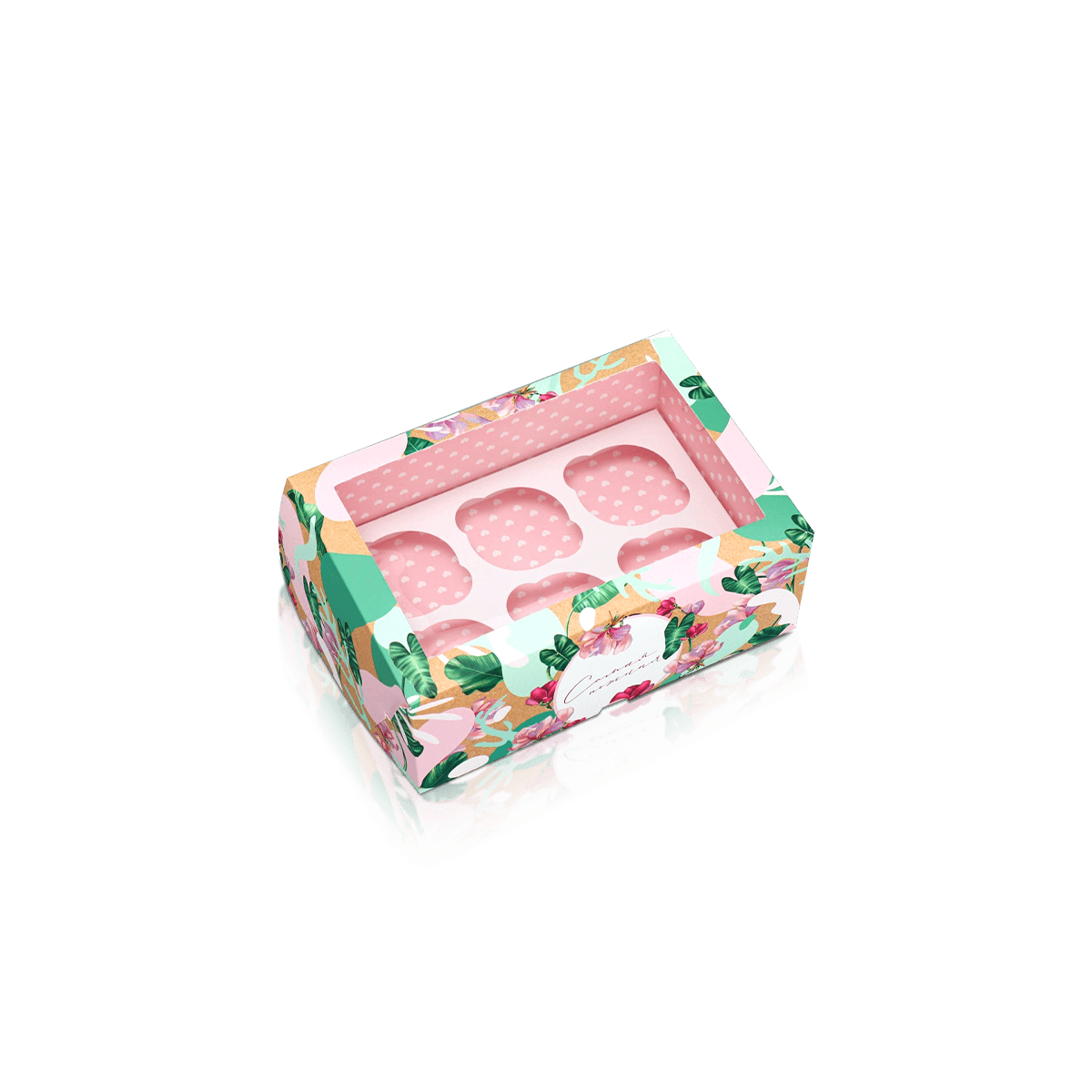
Custom Cupcake Boxes protect presentation by controlling sideways movement, not by adding decoration alone. A fitted insert supports the base, separates each cake and helps the whole order remain stable while staff place it on a counter, carry it to a car or hand it to a customer.
Choose an insert opening that supports the paper case
The cutout should catch the lower part of the case without crushing it. An opening that is too wide allows leaning. One that is too tight can catch the pleats or make removal awkward.
A small finger notch can help customers lift each cupcake cleanly. The right notch position depends on frosting width and the free space between cavities. More detailed insert choices can be planned through Custom Inserts and Dividers when an order includes mixed sizes or delicate toppers.
Keep the insert seated inside the box
The insert must stay flat and should not shift towards the side walls. Folded legs, locking tabs or a snug perimeter can hold it at the right height.
For heavier cupcakes, use a firmer base so the centre does not bow when the box is lifted. A loose insert on a soft base can let several cupcakes tilt at once.
A practical six-count icing-clearance case
Consider six cupcakes with wide buttercream swirls and tall acrylic toppers. A stock-height lid may close, yet the centre toppers can touch the panel when the box flexes.
A better structure for Custom Cupcake Boxes raises the lid, adds space between cavities and uses an insert with firm legs. The same footprint can then carry the order with less risk of icing marks or leaning cakes.
Plan how the box will be lifted
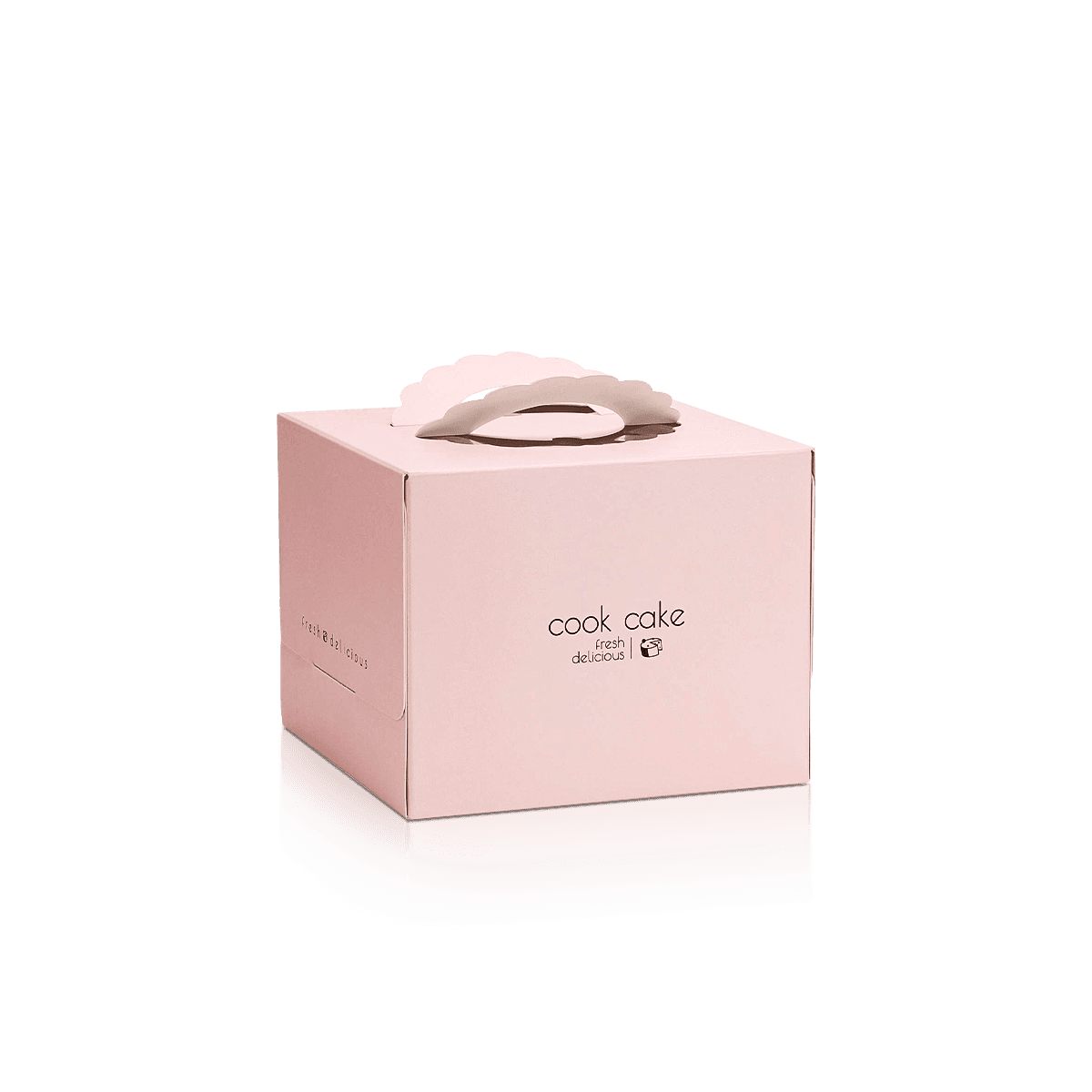
Large Custom Cupcake Boxes need a stable carrying position. Staff should be able to support the base without squeezing the side walls.
For flat bakery boxes, a well-sized outer bag may be more practical than a handle built into the lid. Test the full order weight, not only the empty box.