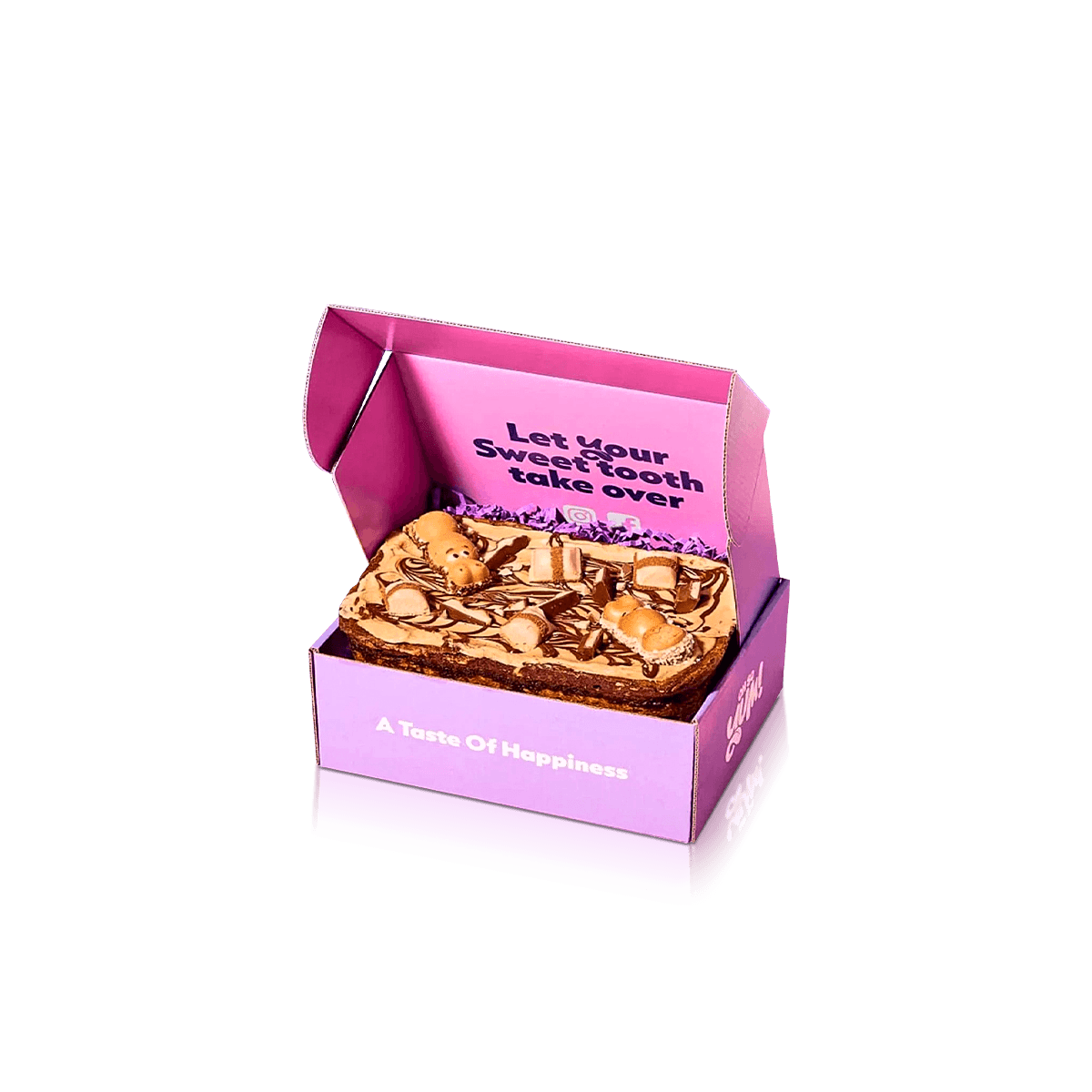
Custom Muffin Boxes
Give domed, crumb-topped and tulip-wrapped muffins the clearance, lower-case support and carrying stability needed for counters, markets and catered mornings.
Free Design Support
Clear Pricing
Flexible Quantities
Unlimited Customization
Premium Materials
Offset Precision
Free Shipping
Quick Turnaround
Custom Muffin Boxes for Domed Tops, Tulip Liners and Multi-Count Orders
Custom Muffin Boxes should keep muffins upright, protect wide crowns and support the paper case during carrying. The box must suit the baked product, not only the tray used in the oven. Crown width, liner height, crumb topping and filled weight all affect the fit.
A mini muffin needs a small cavity that limits leaning. A jumbo muffin needs more space around the crown and a stronger base. Tulip-wrapped muffins need room for folded paper. Standard pleated cases need a clean opening that does not catch or tear.
Custom Muffin Boxes can share colours and print details with Custom Bakery and Confectionery Packaging.

Measure the Muffin After Baking and Cooling
Custom Muffin Boxes fit best when measurements come from a cooled muffin in its final liner. Baking tray sizes do not show how far the crown spreads or how high the paper rises.
Record the base, crown and full height
Measure the lower case, the widest part of the crown and the full height. Include fruit, streusel, chocolate pieces and other toppings.
Check several muffins from more than one batch. Muffins often vary slightly.
Include the natural liner shape
Tulip liners have tall folded points. A tight insert can crush those folds or make loading slow. Measure the liner as it sits around the baked muffin. Do not press it flat to reduce the size.
Custom Muffin Boxes should support the paper and product together.
Choose counts that match real orders
Singles and pairs suit breakfast takeaway and small gifts. Four and six-count boxes work well for cafes, markets and catering. Twelve-count boxes need a firmer base because the full order can be heavy.
Three, eight or mixed-count layouts can also work. The cavity plan should follow the way the bakery sells muffins, not a standard count that leaves empty space.
Hold the Lower Case Without Pressing the Crown
The insert inside Custom Muffin Boxes should control the lower wrapper. It should not touch the crown, which may be soft, crumbly or wider than the base.
Set the opening around the wrapper
An opening that is too wide lets the muffin lean. One that is too tight catches the paper pleats and can mark the liner.
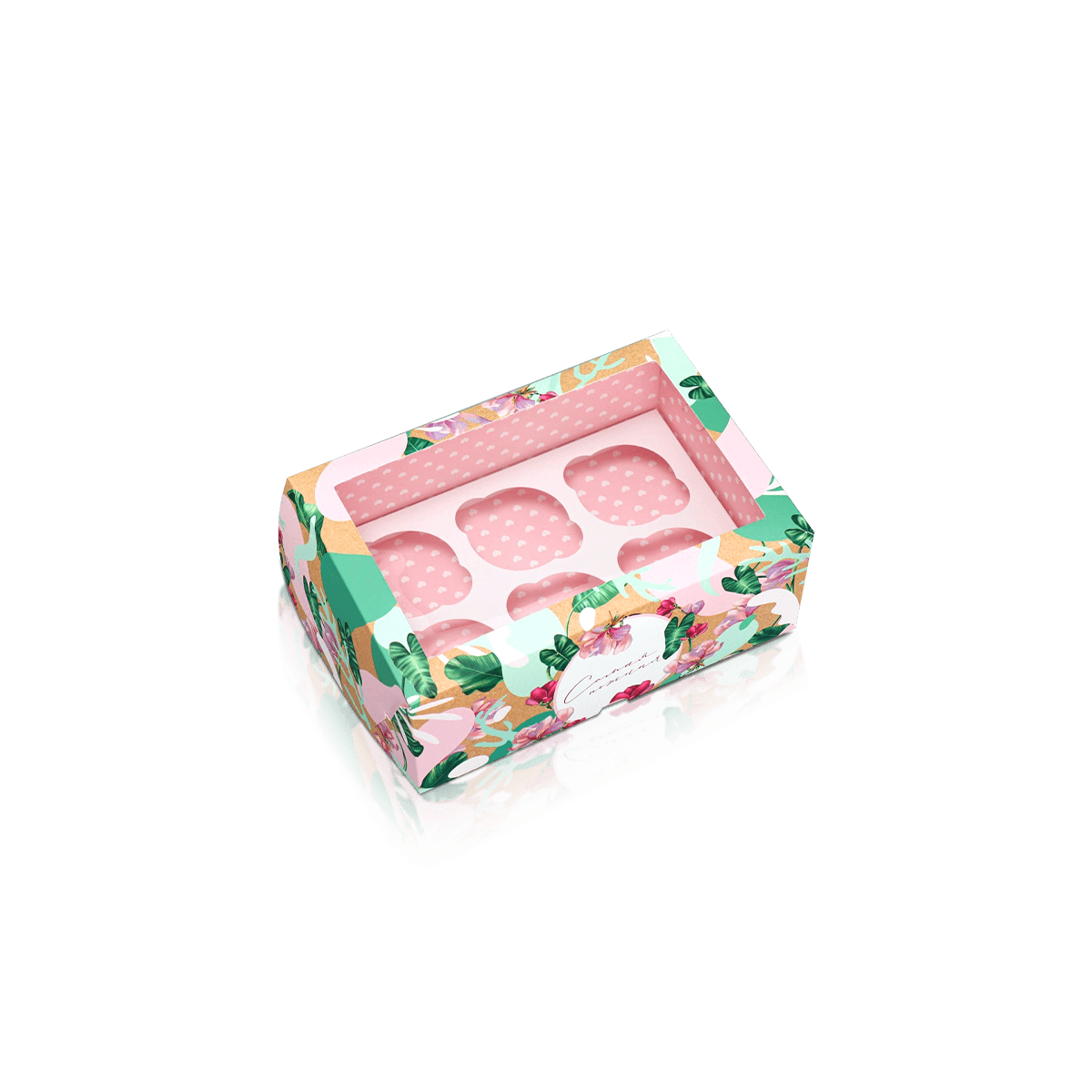
The cavity should support the lower case while leaving room for fast loading. Tulip liners may need wider or shaped openings because the paper folds sit differently.
Use insert height to limit movement
Dense muffins can swing at the top when the insert only holds the base. Folded insert legs can raise the support point and keep the muffin straighter.
Add space for clean removal
Finger notches help staff and customers lift each muffin from below. Their position should account for crown width.
Correct a crowded jumbo layout
Four jumbo muffins may fit by base size but still touch at the crown. This can move streusel and leave crumbs on nearby products.
A better Custom Muffin Boxes layout increases the gap between cavities and raises the insert. The outer box becomes slightly wider, but the muffins remain cleaner and easier to remove.
Manage Warmth, Moisture and Rich Recipes
Custom Muffin Boxes need to suit the recipe and the time between baking and handover. Warm products can release moisture. Butter, fruit and fillings can also mark the inner surface.
Cool muffins before closing the carton
Closing a box around a warm muffin can trap steam and create moisture inside. This may soften the top or leave marks on a window.
Set the packing routine around cooled products. The carton should protect the muffin after cooling, not manage heat from the oven.
Choose inner surfaces for the recipe
Share the richest muffin recipe when discussing material choice. Banana, chocolate and filled muffins may behave differently from a plain breakfast muffin.
A suitable liner, tray or food-contact surface can separate the muffin from printed board. Confirm which areas may touch food and choose the stock for the intended use.
Keep crumbs under control
A flat liner can collect loose crumbs and keep the inside looking neat. It also helps when staff remove the final muffin from a multi-count box.
Choose a Box That Works During Busy Service
The best opening for Custom Muffin Boxes depends on how quickly staff need to form, fill and close each carton. A structure that takes too long can slow a morning counter.
Tuck-top boxes for simple orders
A tuck-top carton can arrive flat and open widely for loading. It suits singles, pairs and small multi-count orders.
The lid should clear tall liners and wide crowns. Side flaps should not drag across crumb toppings when staff close the box.
Handled gable boxes for takeaway
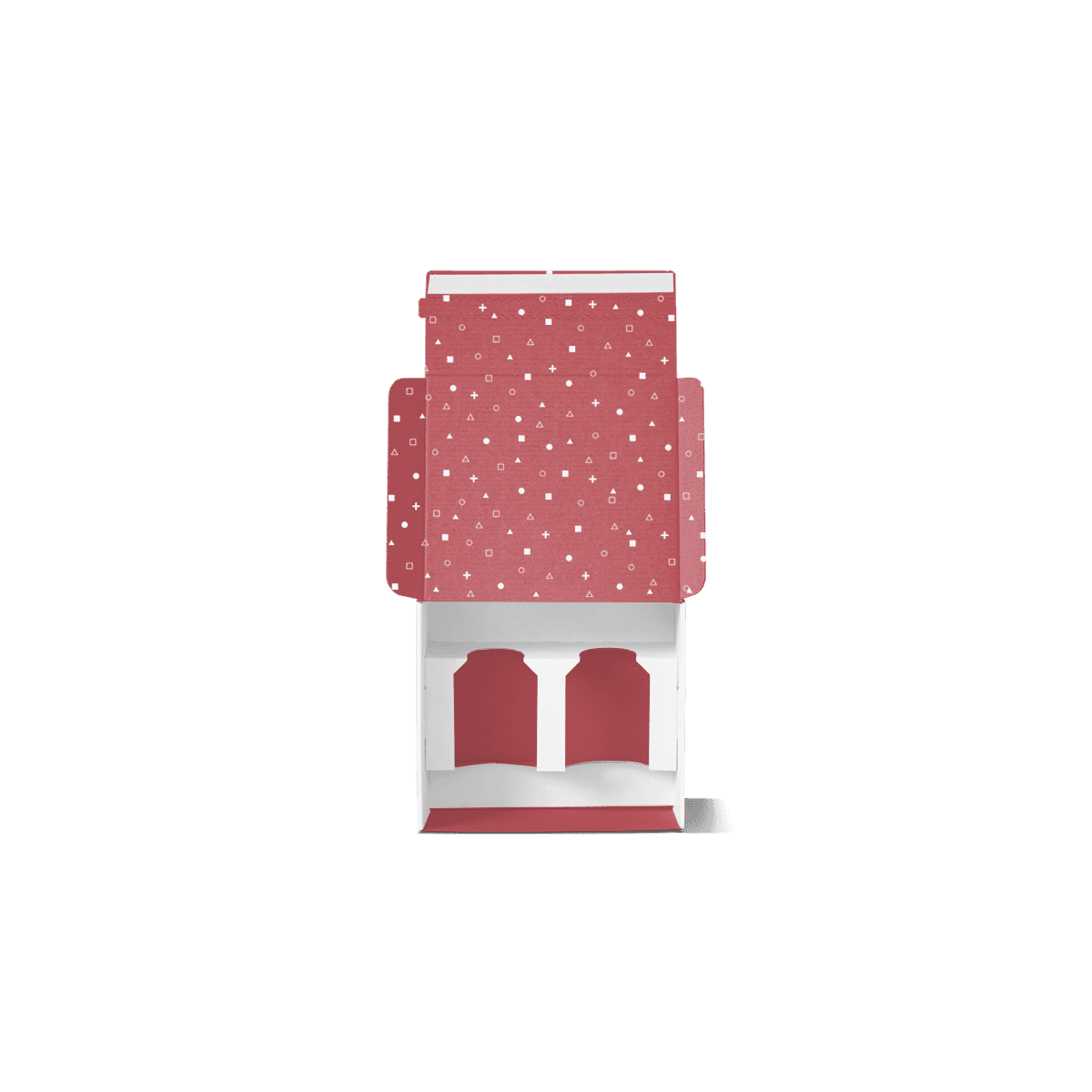
Custom Gable Boxes can suit breakfast gifts, market orders and small event favours. The built-in handle gives customers an easy carrying point.
The base still needs to support the filled weight. The handle area must sit above the muffins so it does not reduce crown clearance.
Top-opening trays for fast loading
A tray with a folding lid gives clear access from above. This helps with wide crowns and loose toppings.
Custom Muffin Boxes with a broad top opening also let staff check the flavour order before closing. The lid should lock without pushing the side walls inward.
Show the Product Without Crowding the Lid
A window can reveal fruit, chocolate and crumb finishes before the customer opens Custom Muffin Boxes. It should sit above the real product layout and leave enough board around the edges.
Place the window over the crowns
A centred opening can show four or six muffins. A narrow window may suit a long row.
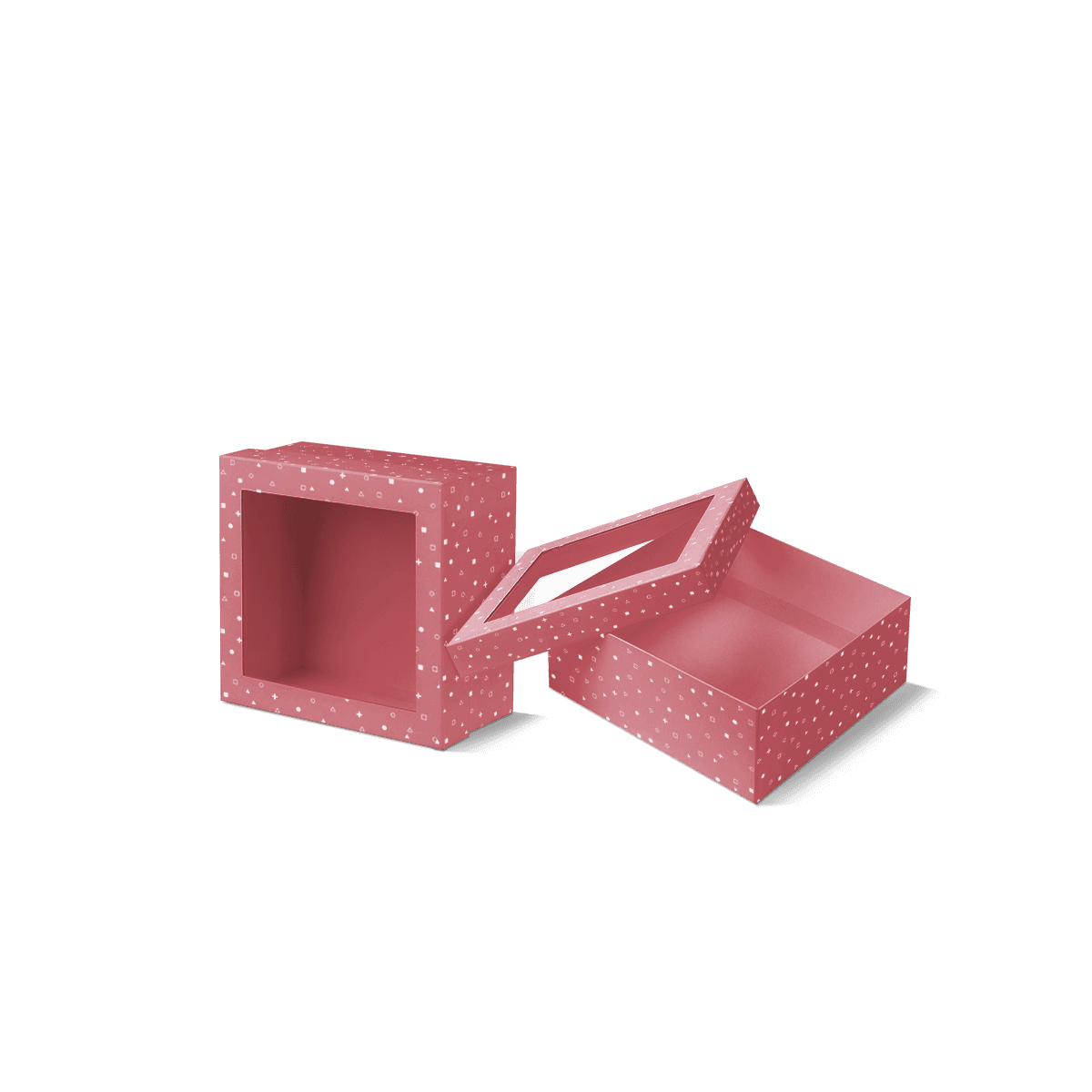
Custom Window Carton Boxes can frame the muffins while keeping space for a logo, flavour note and order label.
Leave room below the clear panel
The window should not touch sugar, streusel, fruit or chocolate pieces. Measure the tallest normal muffin and allow for small batch changes.
Extra depth often looks cleaner than a lid that only just closes. It also reduces visible crumbs and oil marks on the panel.
Use print to help staff
Reserve a clear area for the flavour, customer name, pickup time or required food details. Keep labels away from the window edge and locking flap.
For mixed orders, a short flavour key inside the lid can match each cavity. Staff then avoid opening several Custom Muffin Boxes during handover.
Match Board and Print to Daily Handling
Custom Muffin Boxes need a board that stays square under the filled weight. The widest box and heaviest muffin should set the strength level.
White board for detailed artwork
White paperboard suits bright colours, fine patterns and clear text. It works well for cafe orders, events and seasonal print.
A wide six or twelve-count box may need a stronger grade than a single carton. The base should remain level when lifted.
Kraft for a simpler bakery look
Kraft gives Custom Muffin Boxes a warm, natural surface. It suits dark ink, simple logos and paper labels.
Pale colours can change on brown stock. Review the artwork on the chosen material before approval.
Use finishes with a clear purpose
Matte or gloss finishes can change the feel of the outer carton and protect print during handling. Foil, embossing and spot UV can highlight a logo or event message.
Board, windows, print and finishes can be planned through Customisation before the artwork is placed on the final dieline.
Plan Custom Muffin Boxes for Cafes, Markets and Catering
Custom Muffin Boxes should match the handover route. A cafe order, market purchase and catering delivery do not face the same movement.
Cafe and breakfast orders
Singles and pairs suit coffee orders. Four and six-count cartons work well for takeaway and small office orders.
Keep assembly simple during the morning rush. Flat storage and quick closing can matter more than a complex gift opening.
Markets and pop-up stalls
Market customers may carry the box for longer. The closure should stay firm and the base should resist bending.
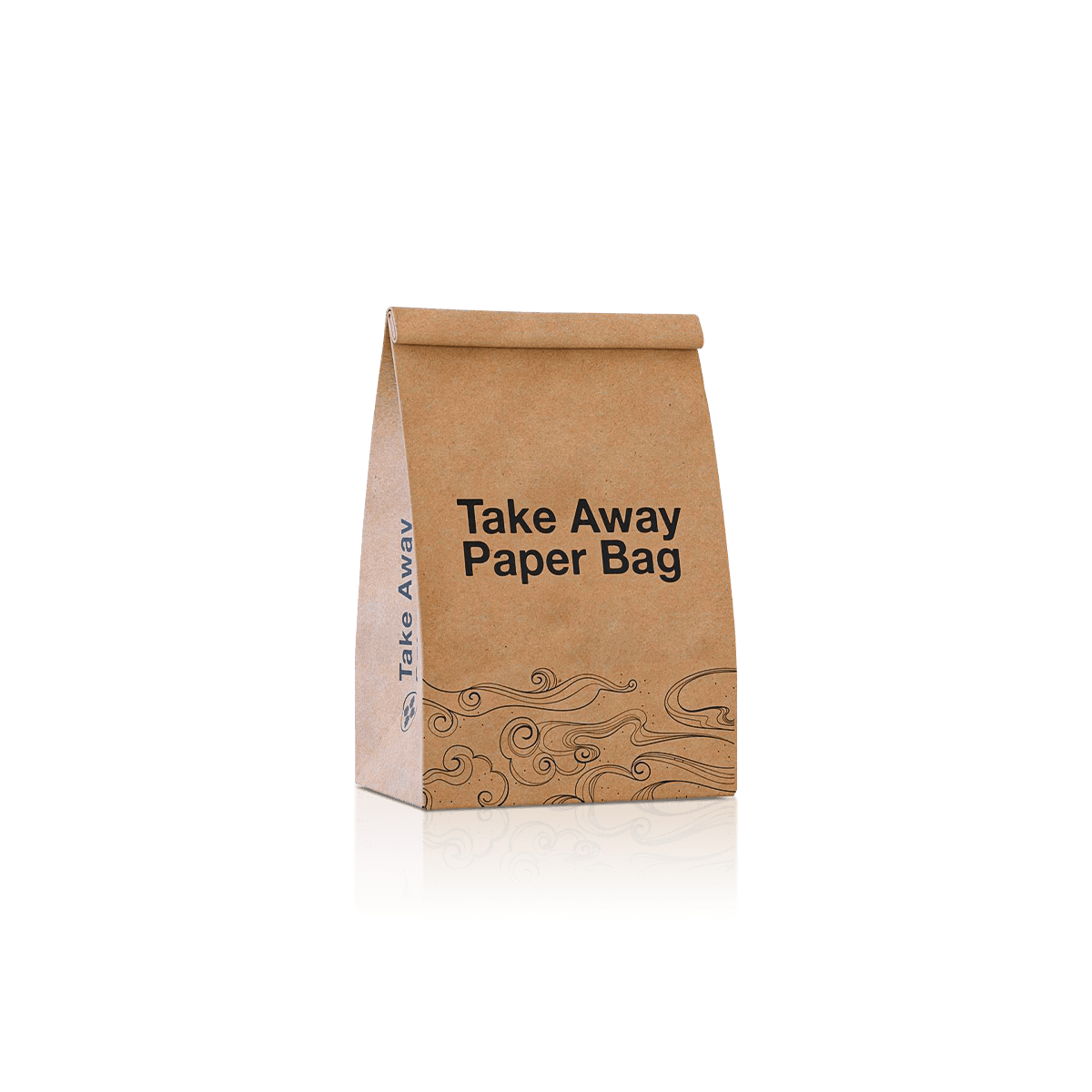
Larger Custom Muffin Boxes can sit inside Custom Paper Bags chosen around the filled carton. The bag should not squeeze the side walls.
Catering and mixed bakery orders
Breakfast catering may combine muffins with croissants, danishes or slices. Products with different heights and textures should not move in one open space.
Custom Pastry Boxes can carry flatter pastries while muffins stay upright in fitted cavities. Matching print can keep the full order consistent.
Keep Custom Muffin Boxes Stable as Recipes Change
Custom Muffin Boxes become easier to reorder when the bakery records crown width, base size, liner type and approved cavity layout. Outer dimensions alone do not capture the fit.
MOQ starts from 50, with support for larger cafe orders, event quantities and high-volume repeat production. One proven structure can serve regular flavours, while labels or sleeves change for short seasonal releases.
Recheck the fit when the scoop size, liner or recipe changes. A wider jumbo muffin or taller tulip paper can alter the spacing even when the count remains the same.
Store flat cartons in a clean, dry area. Keep mini, standard and jumbo inserts clearly marked because they may look similar before assembly.
Quote Custom Muffin Boxes from the Finished Product
An accurate quote for Custom Muffin Boxes needs the cooled product size, liner style and count in each carton. The way staff load the box also affects the opening and insert design.
Send these details:
- Base diameter and widest crown diameter
- Full height including toppings and liner points
- Mini, standard, jumbo or mixed sizes
- Number of muffins in each box
- Approximate filled weight for larger counts
- Pleated, tulip or other liner style
- Insert depth and finger access
- Window, handle or closure ideas
- Board, print and finish preferences
- Label space and flavour details
- Quantity for each size and artwork version
- Cafe, market, catering or delivery use
- Required date and artwork status
Side and top photos can show uneven crowns and liner folds that one measurement may miss. A 3D mockup is usually enough to check print placement and panel order. A physical sample is more useful when jumbo muffins, unusual liners or a heavy order create a real fit risk.
Send the finished measurements through Get a Quote. Custom Packly can assess the carton, insert, window and print together rather than pricing a box that only matches the baking tray.
FAQs
Related Industries
Related Packaging Styles
How it works
Simple steps from idea to delivery
Tell Us Your Specs

Tell Us Your Specs
Provide size, quantity, printing, and finishes.
Get a Fast Quote

Get a Fast Quote
Instant transparent pricing, no hidden fees.
Design and Approval

Design and Approval
Artwork checks, revisions, and final sign-off.
Produce

Produce
Expert manufacturing to meet deadlines.
Ship to Your Door

Ship to Your Door
Hassle-free, flexible delivery options.
Start Your Custom Packaging Quote
Share your product details, dimensions, quantity and artwork needs. We’ll help choose the right packaging style and send a clear quote.