Custom Tea Boxes
Custom Tea Boxes planned around tea-bag count, sachet thickness, blend separation, brewing information and retail presentation for everyday lines and premium gifts.
Free Design Support
Clear Pricing
Flexible Quantities
Unlimited Customization
Premium Materials
Offset Precision
Free Shipping
Quick Turnaround
Custom Printed Tea Boxes for Bags, Sachets and Gift Sets
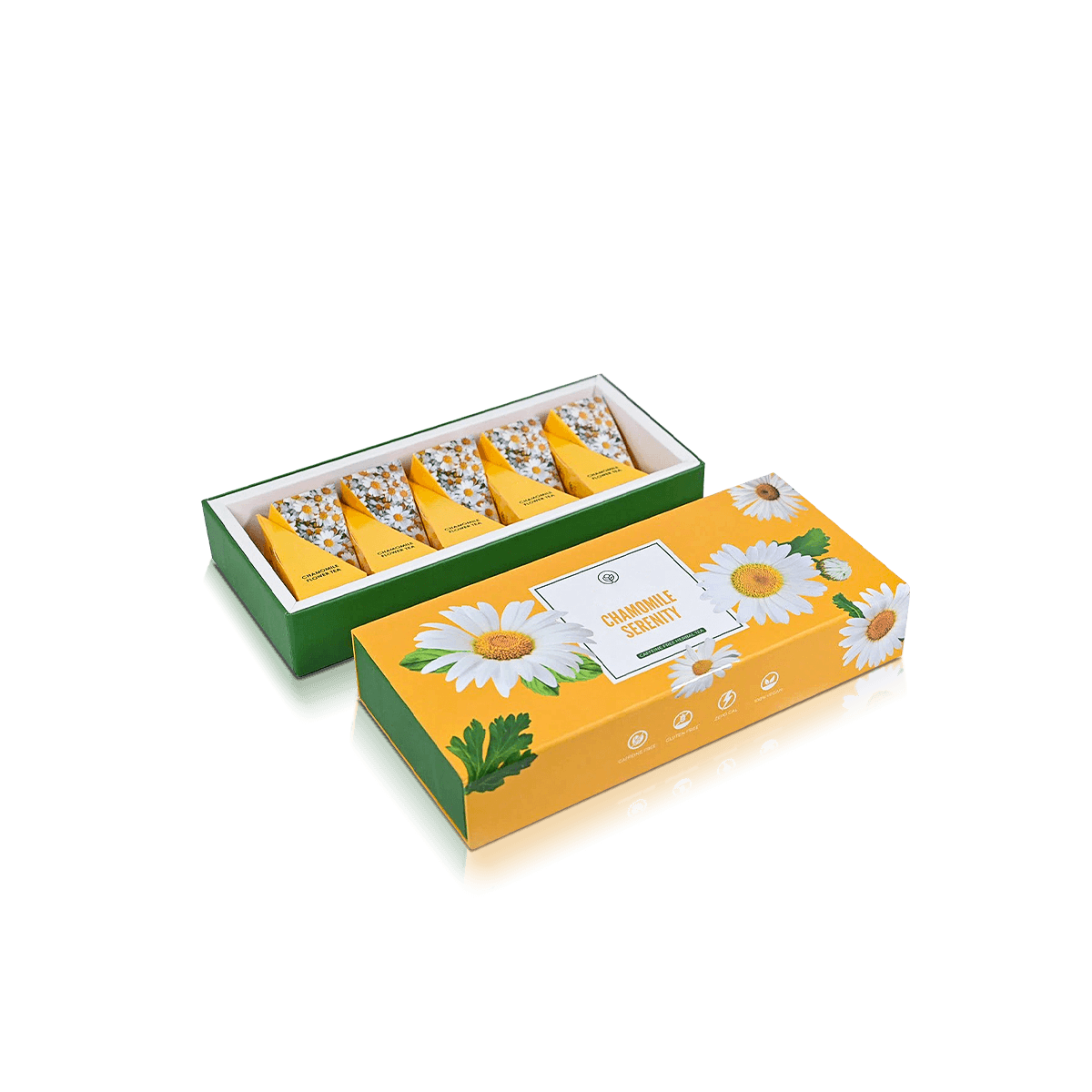
Custom Tea Boxes give wrapped tea bags, pyramid sachets and sealed loose-leaf portions a firm retail carton. The box should stay square on the shelf, keep each blend organised and provide clear panels for brewing details and brand artwork.
The inner item sets the size. A flat paper envelope, a foil sachet and a pyramid tea bag do not use the same space. Seams, strings, tags and trapped air all affect the depth and final tea count.
Custom Packly plans Custom Tea Boxes around the finished contents and the way the product will be sold. Coffee, herbs and other shelf-stable products can remain visually consistent through Custom Food and Beverage Packaging.
Size Custom Tea Boxes From Finished Tea Bags
Custom Tea Boxes should be measured from the final tea bags or sachets, not an empty wrapper or a target box size. Small changes in the inner wrap can alter how many units fit in one row.
Wrapped tea bags and flat sachets
Stack several finished units in the intended direction. Measure the full group without pressing it flat. Include tags, string bundles and sealed edges.
A close fit keeps the row tidy, but the customer should still be able to remove one tea bag without pulling out several at once.
Pyramid sachets and larger infusers
Pyramid sachets often need more depth than flat tea bags. Their shape can also vary after filling. Check several samples and use the thickest practical point.
A shallow carton can crush the sachets or stop the flap closing. An oversized box lets them fall out of line.
One sealed pouch inside the carton
Some Custom Tea Boxes hold one inner pouch rather than separate servings. Measure the pouch after the tea has settled. Include the top seal, side folds and any base gusset.
Loose tea sold mainly in a resealable flexible pouch may suit Custom Tea Pouches. A carton adds more value when it improves shelf shape, gifting or information space.
Choose Custom Tea Boxes for Tuck, Dispenser and Gift Use
The opening affects filling, display and daily use. Custom Tea Boxes can load from the top, open from the side or convert into a simple dispenser.
Tuck cartons for standard tea counts
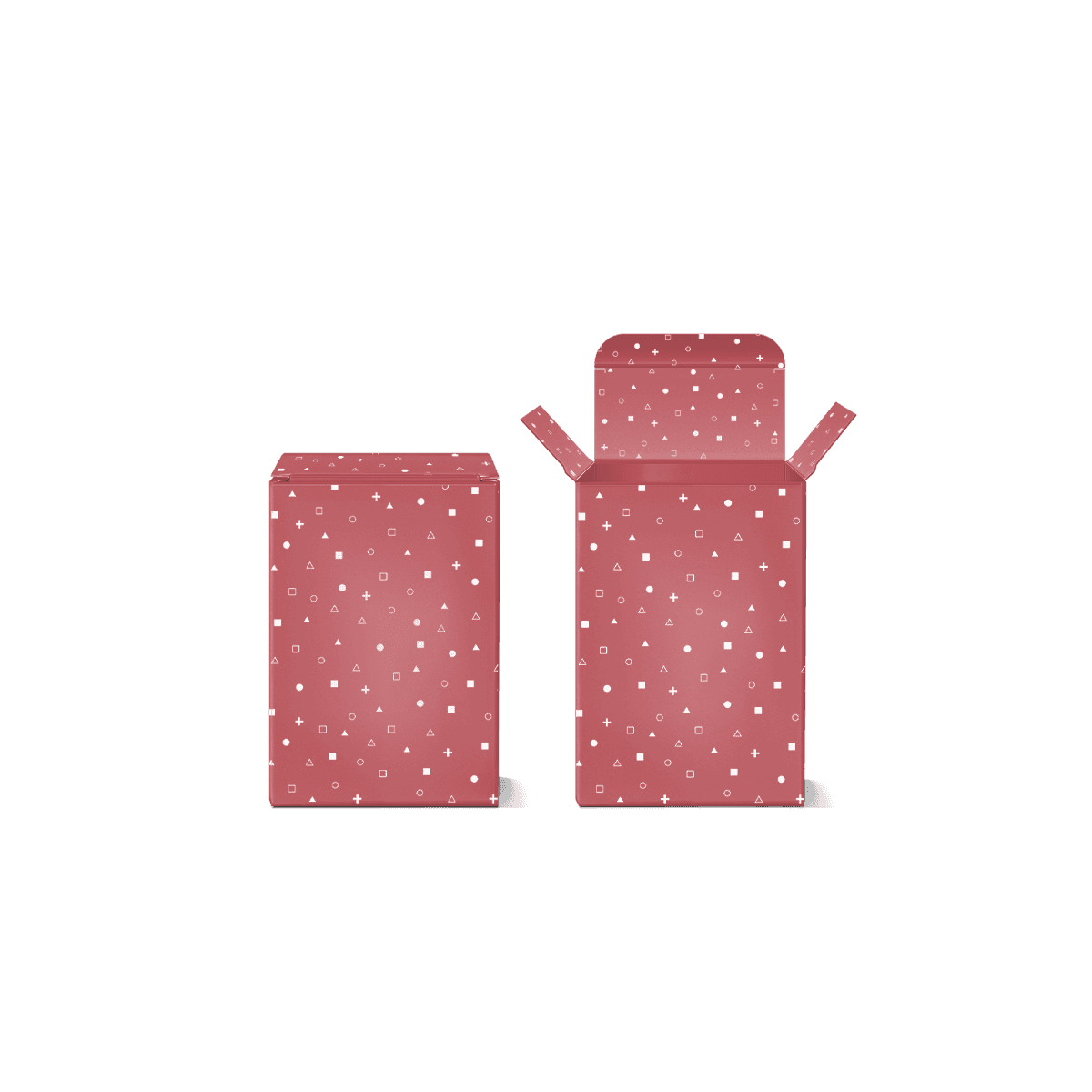
Straight tuck and reverse tuck cartons suit common retail counts. They arrive flat, assemble quickly and provide broad front and back panels.
The flap direction should match the filling routine. A top-loaded box needs enough opening room for the full row without catching wrapper corners or tags.
Dispenser boxes for frequent access
A perforated front or tear-away panel can let tea bags move forward as each one is removed. This can suit offices, hospitality use and larger household counts.
The opening should not weaken the base or side walls. Test the perforation so it stays closed in delivery and opens without tearing the printed face.
Gift boxes for tea assortments
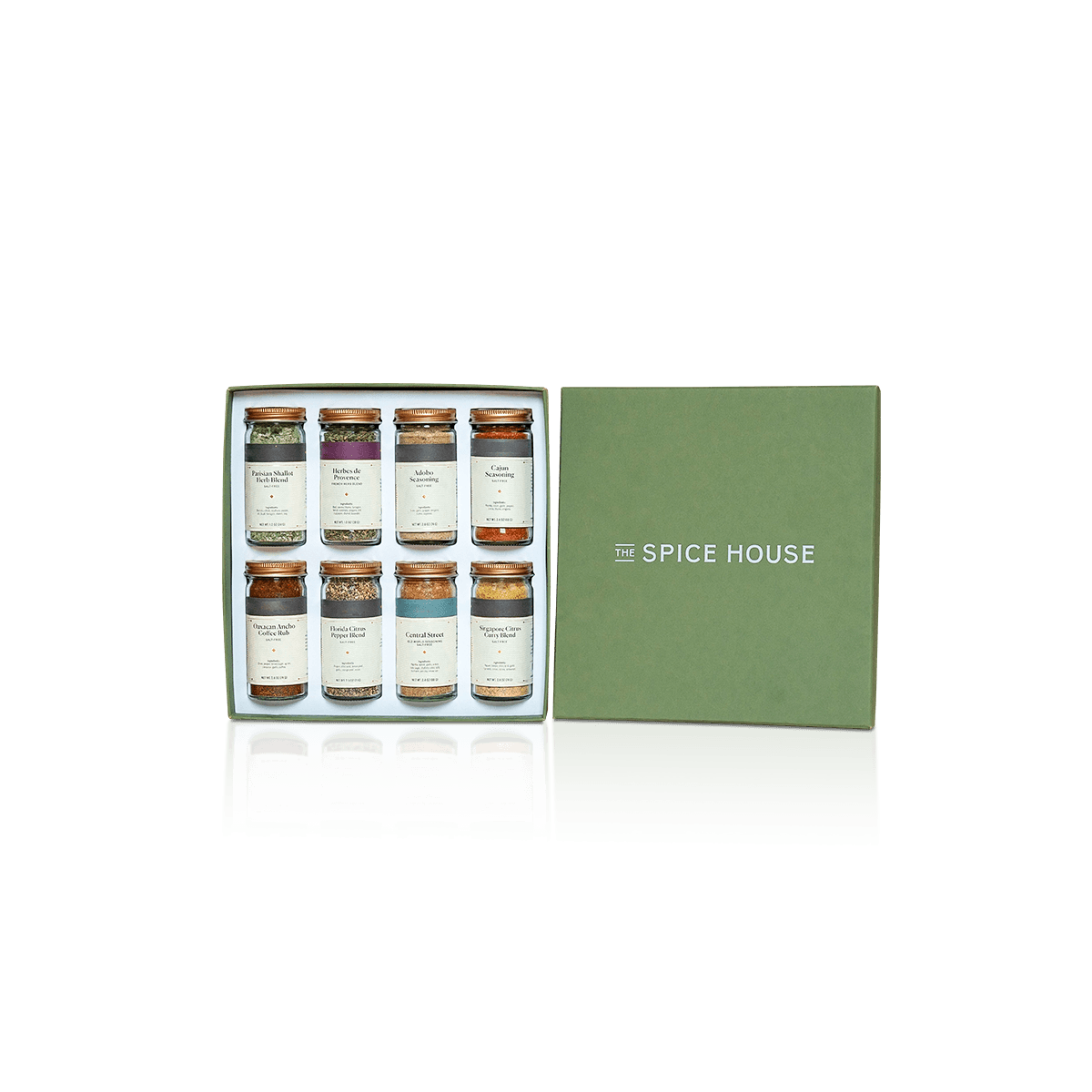
A lid-and-base or hinged box can suit tasting sets and premium gifts. It offers more space for several blends, an infuser or a message card.
The contents should remain easy to remove and return. Deep cavities, tight lids and crowded compartments can reduce the quality of the opening experience.
Protect Tea With the Inner Wrap and Outer Carton
Custom Tea Boxes provide structure and printed space, but the inner envelope or sealed pouch usually carries the main freshness role. The two layers should be planned together.
Use the inner layer for the main seal
Individually wrapped tea bags can separate flavours and protect each serving before use. A sealed inner pouch can hold several unwrapped tea bags together.
Do not describe a paperboard carton as airtight unless the complete structure has been tested for that purpose. The inner material and seal normally provide the aroma and moisture barrier.
Leave room around seals and folds
An inner pouch should not press against the top flap. Leave measured clearance for the seal and any trapped air. This helps Custom Tea Boxes close squarely and reduces pressure on the inner layer.
Store cartons away from damp and strong aromas
Paperboard should remain dry before and after filling. The shipping case should limit rubbing, corner crush and contact with products that have strong smells.
A clean storage plan protects the carton surface and helps the tea reach the shelf in better condition.
Organise Mixed Blends in Custom Tea Boxes
Mixed tea boxes need clear order inside, not just a larger cavity. Each blend should remain visible and easy to lift out.
Use rows for printed sachets
Rows work well when each tea bag has a printed envelope. Face the blend names towards the opening where possible. Keep enough row width for natural movement without letting sachets fall flat.
Add dividers only when they solve a problem
Custom Inserts and Dividers can separate black, green, herbal and seasonal tea. A divider may also hold a small infuser or serving card.
Each added part increases assembly work. Use it when it controls movement, separates flavours or improves the presentation.
Make the final tea bag easy to reach
A deep compartment can hide the last sachet. Use a finger notch, lift tab or shallower cavity so every serving can be removed without shaking the box.
A 3D mock-up is usually enough for a standard single-row carton. A physical sample is more useful for a dispenser or a gift box with several compartments.
Plan Artwork Across Custom Tea Boxes
Custom Tea Boxes provide useful room for the blend name, brewing instructions and product details. Give each panel a clear task rather than repeating the same claims on every side.
Keep the front quick to read
Lead with the brand, tea name and blend type. Add the tea bag count and net weight where needed. One strong botanical image or colour cue is often more effective than a busy front.
Keep important words away from folds, tuck flaps and window edges.
Use side and back panels for brewing details
Water temperature, steep time and serving advice can sit on a side or back panel. Keep the order consistent across each blend so regular customers know where to look.
Leave calm space for ingredients, allergen details, storage notes and barcodes. Your food compliance adviser should check the final wording before print.
Reserve a coding area
Best-before and batch codes need a clean surface that suits the chosen coding method. Avoid dark artwork, heavy coating and deep creases in this area.
Changing harvest or lot details may suit a label or variable code rather than permanent print.
Separate Tea Blends Across Custom Tea Boxes
Breakfast, Earl Grey, green, chai and herbal teas need clear visual differences. Custom Tea Boxes should separate them without losing the main brand identity.
Keep the main design grid fixed
Use stable positions for the logo, tea name, count and brewing panel. Change a colour band, botanical illustration or pattern for each blend.
This creates a clean shelf group and makes new artwork easier to control.
Use names before subtle colour changes
Several teas may share green, cream or brown tones. Make the blend name large enough to read quickly. Colour should support the wording, not replace it.
Handle seasonal blends with less waste
Core teas can use fully printed cartons with stable details. Short releases may use a shared base design with a changeable label area.
This reduces the risk of unused Custom Tea Boxes when a limited blend ends or harvest details change.
Select Board, Inserts and Finishes for Custom Tea Boxes
The board should stay square through filling, case loading and shelf use. Print and finish choices should remain clear after normal handling.
Paperboard for everyday tea cartons
White paperboard supports bright colour, fine type and detailed illustration. Kraft board creates a natural appearance, though pale inks may look softer on the brown surface.
The grade should suit the height, depth and tea count. A wide assortment box may need firmer support than a narrow twenty-count carton.
Closures that match weight and filling speed
Simple tuck cartons suit many standard counts. Larger assortments may benefit from an auto-bottom or locked base that forms quickly and carries more weight.
Custom Folding Cartons and Tuck Boxes can be matched to the loading direction, base pressure and assembly method.
Finishes that suit retail or gifting
Matte can reduce glare and soften botanical artwork. Gloss can deepen colour. Foil, embossing or spot gloss may highlight a tea name on premium gift cartons.
Keep special effects away from glue areas, coding zones and perforations. Customisation can align the board, print, finish, window and divider before artwork approval.
Windows with enough board support
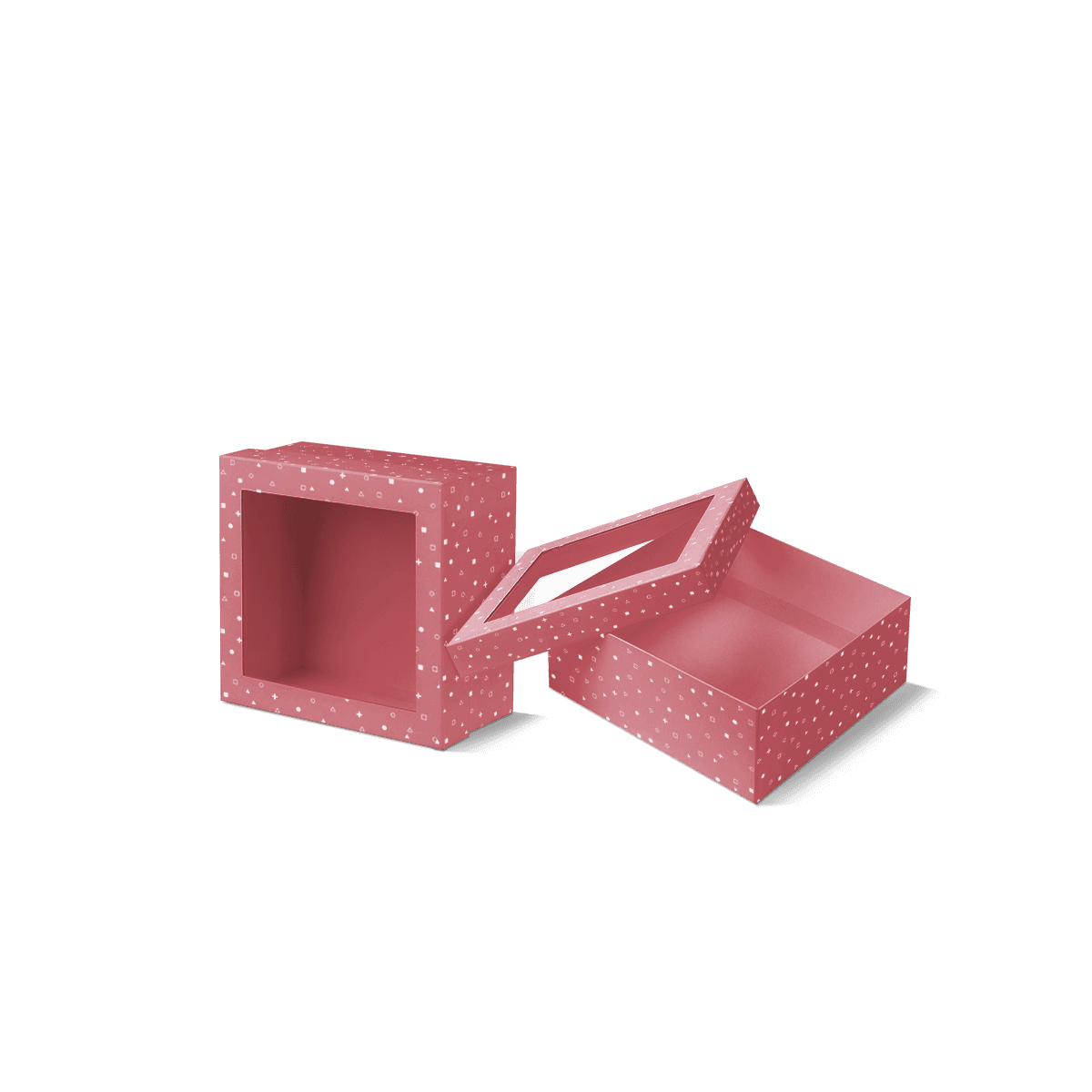
A window can show printed sachets or an inner pouch. Set its size after the product position is confirmed. Leave enough solid board around the opening to keep the front panel firm.
Plan Retail, Subscription and Repeat Tea Orders
Custom Tea Boxes may serve shops, subscription orders, hotels and seasonal gifts. Each use changes the best size and order plan.
Retail boxes need a steady shelf face
The carton should stand without leaning and show the blend name above any shelf lip. Consistent logo height helps several teas form a clear shelf block.
A retail carton is not always strong enough for parcel delivery alone. Online orders may need a close corrugated outer to prevent crushed corners.
Subscriptions need compact protection
A tea subscription may combine small boxes, sample sachets and a note card. The outer mailer should keep them in order without adding excess space.
Use dividers only where they stop movement or separate different teas.
Set quantities by blend demand
MOQ starts from 50, with support for larger production runs, repeat orders and high-volume tea programs. A new blend may suit a modest first quantity, while a core breakfast tea may justify a larger run.
Record the internal size, count, board, closure, divider, finish and colour references for each box. Check the ingredients, weight, barcode, brewing panel and coding area before every reorder.
Eligible approved orders can move through local production in around 4 to 6 days. Complex inserts, premium finishes or larger quantities may need more time.
Quote Custom Tea Boxes From the Real Contents
An accurate quote for Custom Tea Boxes starts with the finished inner items and the way they will sit inside the carton. Include:
- tea bag, pyramid sachet or sealed inner-pouch type
- finished length, width and thickness of each item
- number of tea bags or sachets per box
- single blend or mixed assortment
- row direction and preferred opening
- tuck, dispenser or gift-box preference
- divider, lift tab or window needs
- retail, subscription, hospitality or gifting use
- board and finish ideas
- number of blends and artwork files
- quantity required for each design
- artwork status, filling date and required delivery date
Custom Packly can use these details to check the depth, closure, divider and print panels before pricing. Send them through Get a Quote for a recommendation based on the actual tea count and inner wrap.
FAQs
Related Industries
Related Packaging Styles
How it works
Simple steps from idea to delivery
Tell Us Your Specs

Tell Us Your Specs
Provide size, quantity, printing, and finishes.
Get a Fast Quote

Get a Fast Quote
Instant transparent pricing, no hidden fees.
Design and Approval

Design and Approval
Artwork checks, revisions, and final sign-off.
Produce

Produce
Expert manufacturing to meet deadlines.
Ship to Your Door

Ship to Your Door
Hassle-free, flexible delivery options.
Start Your Custom Packaging Quote
Share your product details, dimensions, quantity and artwork needs. We’ll help choose the right packaging style and send a clear quote.