Skip to content
Details

Custom Food Packaging

Coordinate pouches, cartons, sleeves and jar boxes around food contact, shelf life, filling, retail display and repeat production.

Free Design Support

Clear Pricing

Flexible Quantities

Unlimited Customization

Premium Materials

Offset Precision

Free Shipping

Quick Turnaround

Custom Food Packaging for Retail Foods, Pantry Goods and Product Lines

Custom Food Packaging should match the food, the filling process and the way the finished item will be stored, displayed and delivered. A dry snack pouch needs different protection from a sauce bottle carton, a cereal box or a gift set of jars.

The most useful brief starts with the food itself. Moisture, oil, aroma, light, weight and break risk all affect the material and structure. The outer design then gives the product a clear shelf face and enough room for flavour names, weights and required food information.

Custom Packly can coordinate boxes, pouches, sleeves and protective parts across a wider food collection. Coffee, tea, cereal, sauces and other packaged products can also sit within Custom Food and Beverage Packaging.
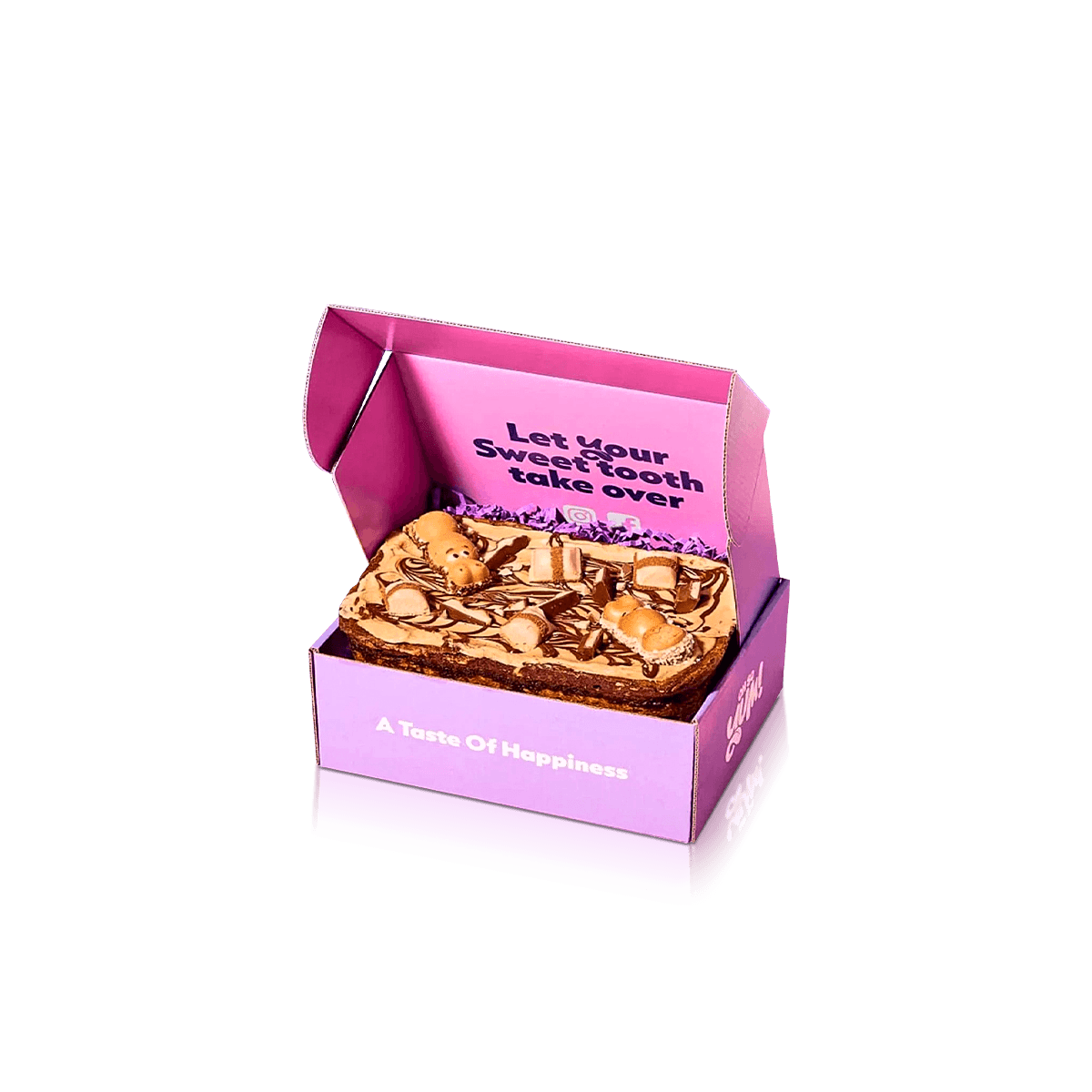
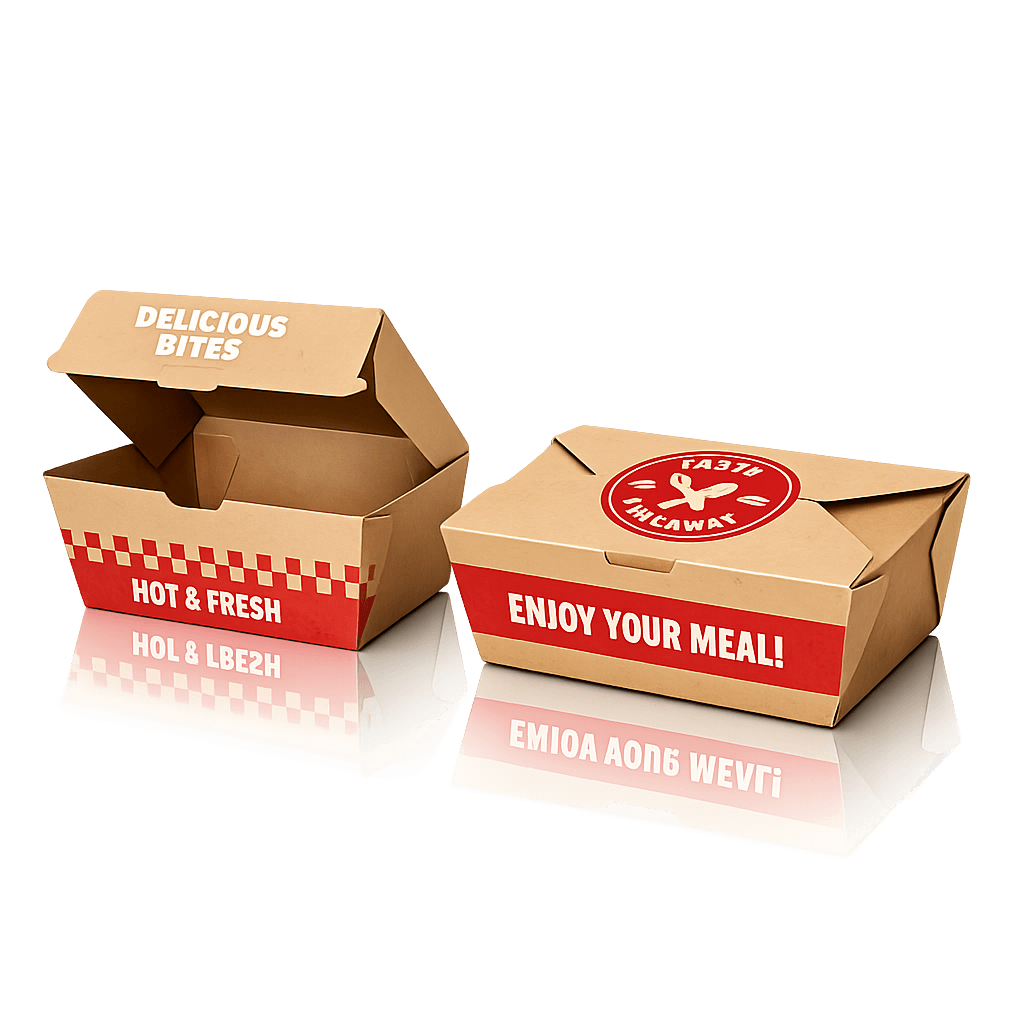
Choose Custom Food Packaging From the Product Behaviour

The food should decide the first layer of protection. Start with how it reacts to air, moisture, light, pressure and movement rather than choosing a shape from appearance alone.

Dry foods need space without excess movement

Cereal, crackers, snack mixes, herbs and powdered foods settle in different ways. Light pieces may need more volume than dense products at the same weight. Fine particles can gather near a zipper or heat-seal area.

Use a test fill to confirm width, depth and headspace. The finished package should look full without making the seal difficult to close. A close outer carton can then control shelf shape and reduce movement.

Oily and aromatic foods need suitable barriers

Nuts, granola, spice blends and similar foods may need stronger resistance to oxygen, moisture or grease than a plain paper wrap can provide. The material structure should match the recipe, expected shelf period and storage conditions.

Strong aromas can also move between products when seals are weak. This matters when several foods share the same storage carton or fulfilment area.

Jars and bottles need weight support

Glass jars and sauce bottles create a different risk. The carton must carry the filled weight from the base, control side movement and avoid pressure on the lid or cap.

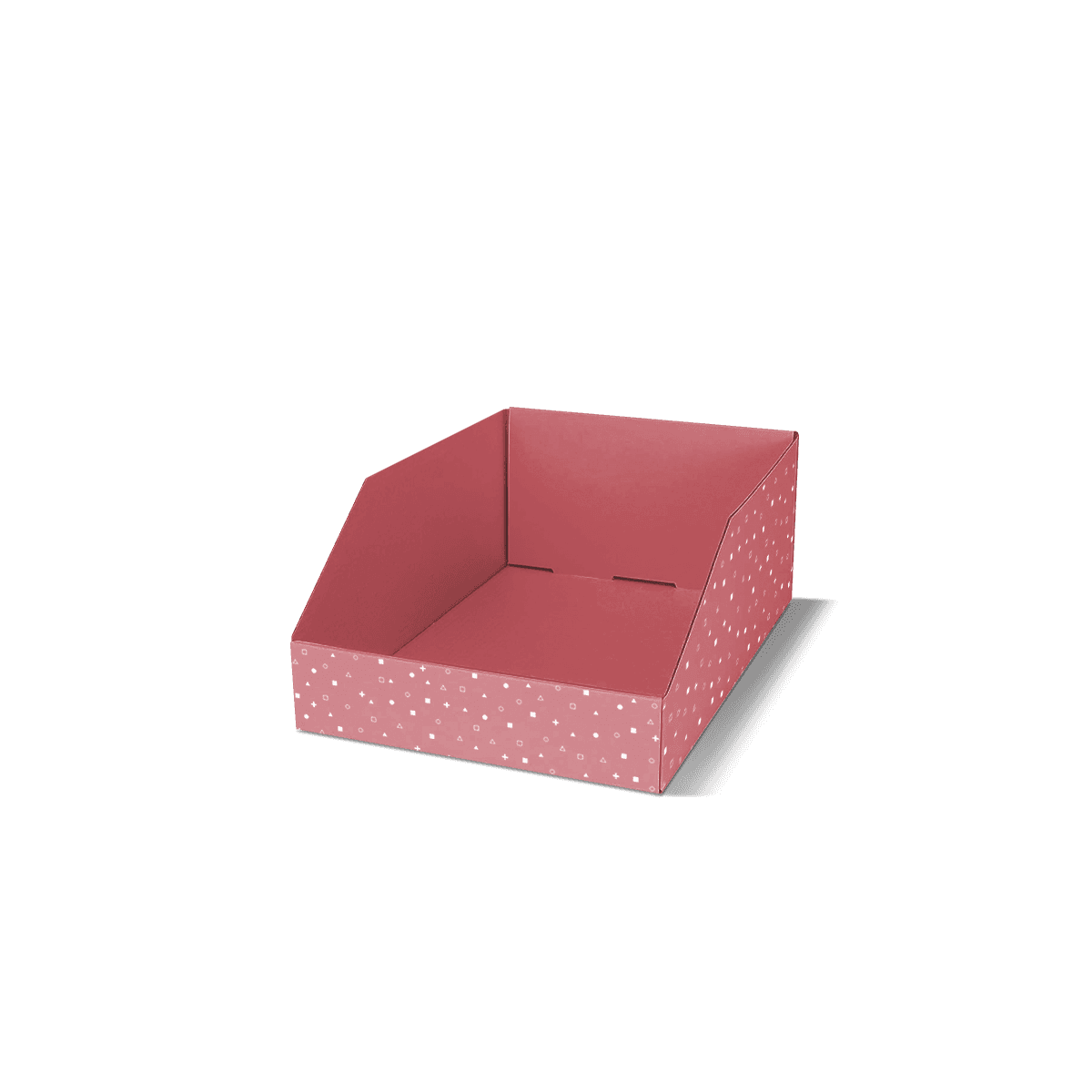
A paperboard cradle, divider or corrugated insert can keep containers apart. The retail box may still need a separate shipping outer for courier delivery.

Separate Food Contact From the Printed Outer

Custom Food Packaging often uses more than one layer. The primary layer may touch the food and provide the seal. A carton, sleeve or display tray can then provide structure, print area and shelf presentation.

Confirm every direct-contact material

Material that touches food must be suitable for its intended use and must not create a contamination risk. The food type, storage time, temperature and whether the product is oily or acidic can all affect suitability. Final material approval should come from the food business and its supplier or food safety adviser.

Use pouches for seal and reclose needs

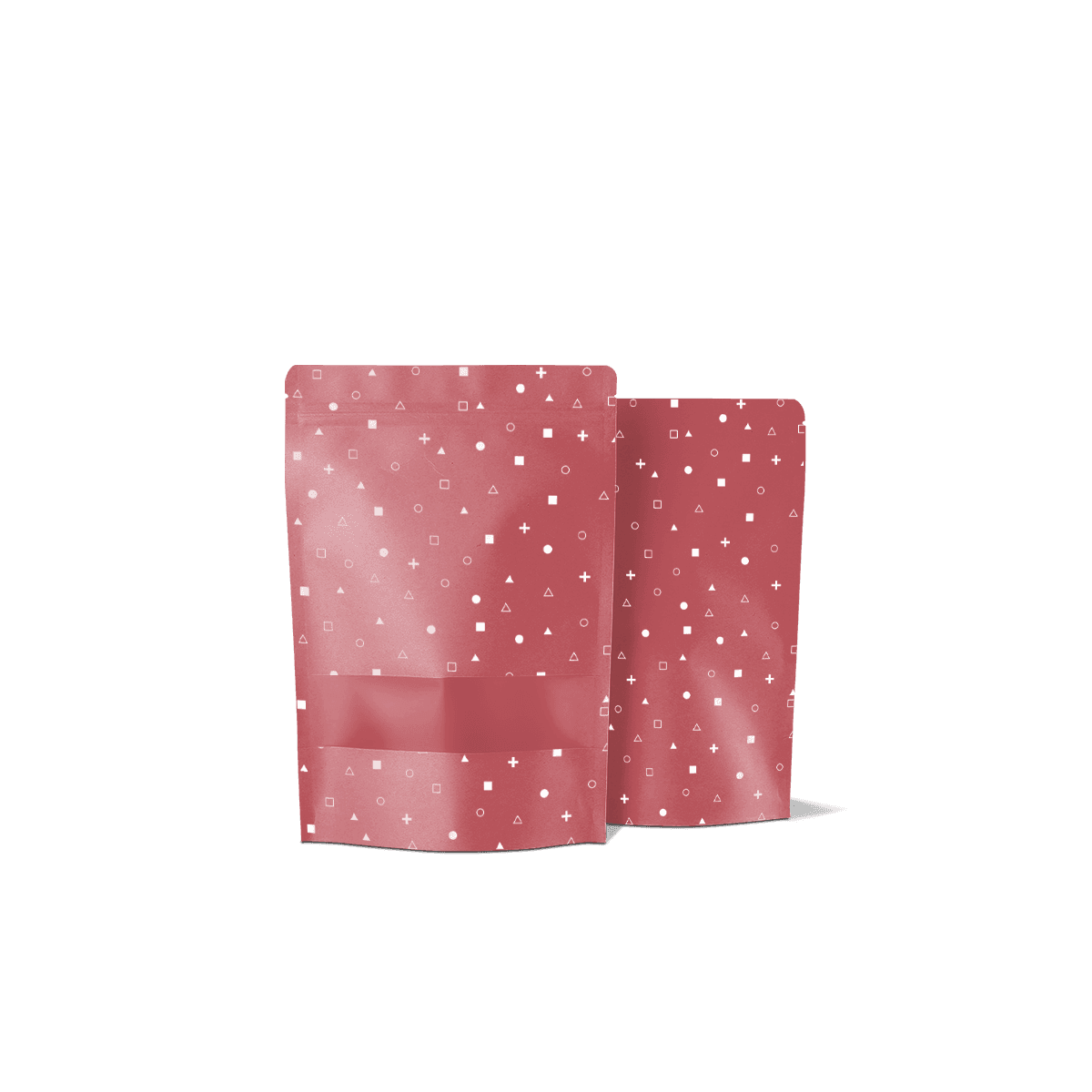
Pouches can suit snacks, dried foods, powders, herbs, granola and refill products. Zippers, tear notches, gussets and windows should be chosen around the fill and the way the customer will use the food after opening.

Custom Pouches and Flexible Packaging can support stand-up, flat and gusseted structures.

Use cartons for shape and panel space

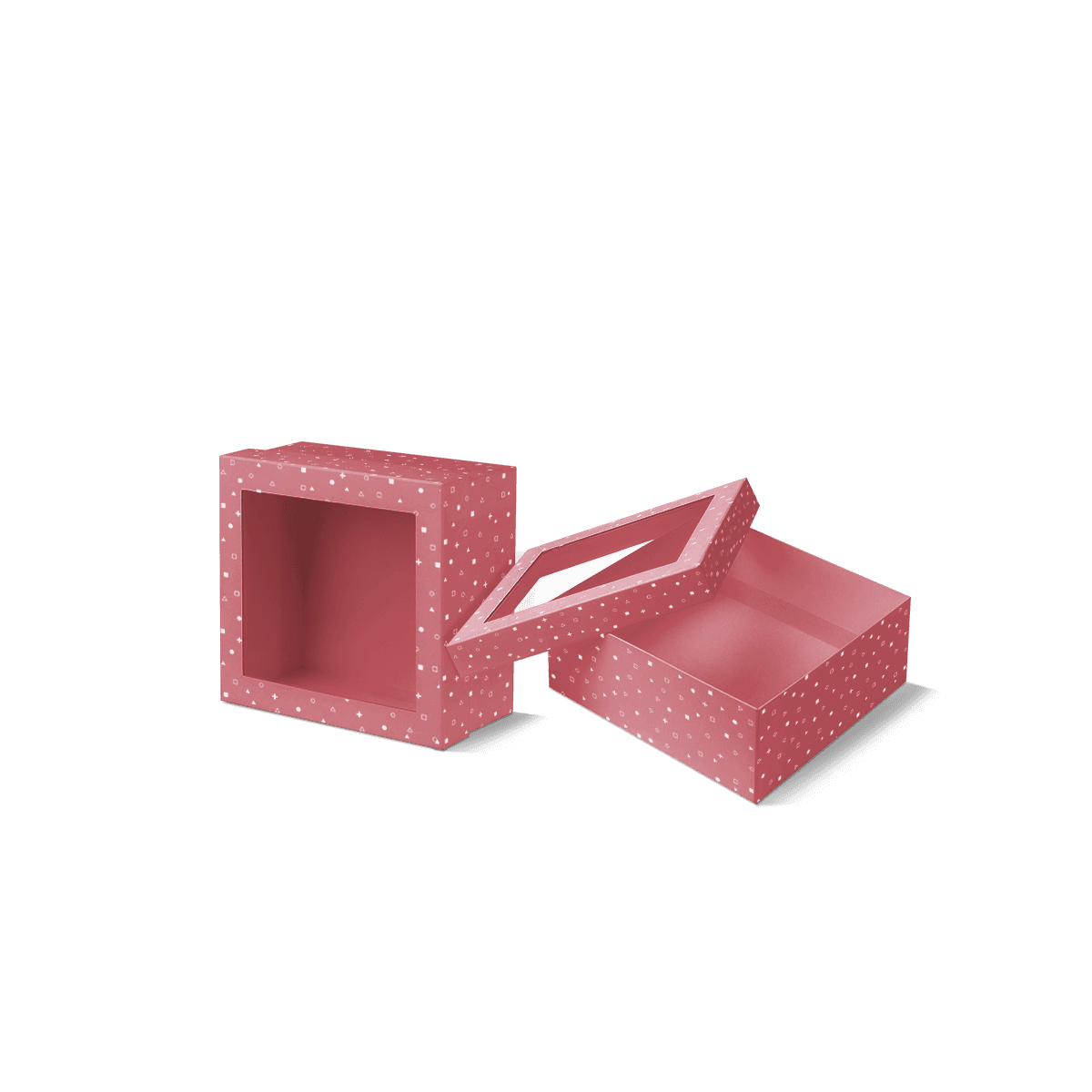
Paperboard cartons create firm front, side and back panels for food names, ingredients, serving details and brand artwork. They suit cereal, bars, tea, sachets, jars and many shelf-stable products.

Custom Folding Cartons and Tuck Boxes can use simple tuck ends, stronger locked bases or auto-bottom structures. The right choice depends on filled weight, loading direction and how quickly the carton must be assembled.

Match the Structure to Filling and Handling

A package that looks good in a render can still slow filling or arrive damaged. Custom Food Packaging should work at the filling table, inside the shipping case and on the final shelf.

Leave clean room for sealing

Pouches need enough space above the fill line for the zipper and first heat seal. Cartons need clearance for inner bags, bottle caps or jar lids. Food or wrapper material caught in a closure can weaken the finished result.

Measure the product after filling and settling. Empty containers and flat pouches rarely show the true space needed.

Plan for hand filling or machine loading

Hand filling may need a wider opening and easier flap access. Faster production may benefit from pre-glued bases, consistent carton squareness or film supplied to suit the filling equipment.

Share the filling method before the dieline is final. Small changes to the opening, flap or seal area can improve daily work without changing the shelf face.

Check the shipping case at the same time

Retail dimensions affect how many units fit in an outer carton. A small change in width may improve the case count, reduce empty space or stop boxes from bowing under pressure.

Online orders may need stronger protection than shop delivery. Drinks and bottled products have their own weight, cap and leak risks, which can be planned through Custom Beverage Packaging.

Give Every Food Product a Clear Shelf Role

Custom Food Packaging has to communicate quickly. The front should identify the brand, food type, flavour and key point without turning every panel into a dense block of text.

Keep the front panel simple

Lead with the brand and product name. Add the flavour, weight and one approved point of difference where useful. Large food images can support recognition, but they should not make the name hard to read.

Place key details away from folds, seals, windows and tear lines.

Reserve panels for required information

Ingredient lists, allergen declarations, nutrition panels, date marks, storage directions and barcodes need calm, readable areas. Allergen information for packaged foods must follow current Food Standards Code requirements, so the final wording and layout should be checked before print.

Keep variable date and batch areas on a surface that suits the chosen coding method. Avoid dark artwork, deep creases or glossy effects where the code must remain easy to read.

Separate flavours without losing the brand

Use one stable layout across the product line. Keep the logo, name and weight in fixed positions, then change a colour band, ingredient image or pattern for each flavour.

This makes shelves easier to scan and reduces artwork errors. It also gives new products a clear place within the existing design system.

Choose Materials for the Food and Selling Use

Custom Food Packaging materials should support the product rather than follow a broad trend. Paperboard, corrugated board, kraft surfaces and flexible films each solve different problems.

White paperboard for detailed print

White paperboard supports bright colours, fine text and food photography. It suits retail cartons and sleeves where the inner product already has its own sealed layer.

The board grade should match carton height, depth and filled weight. Tall cereal cartons and jar boxes need more support than a small sachet carton.

Kraft for a natural visual style

Kraft can suit simple artwork and earth-toned branding. Pale inks and fine colour shifts may look different on the brown surface, so contrast should be checked before approval.

A kraft appearance does not prove the whole package is recyclable or compostable. Environmental wording should match the complete structure, coatings, films, closures and local disposal route.

Corrugated board for delivery and heavier food

Corrugated board suits wholesale cases, glass sets and ecommerce shipments. The flute and board grade should follow the weight, stacking height and delivery risk.

A separate corrugated outer can handle transit while the retail carton stays neat and light.

Use Windows, Coatings and Finishes With Purpose

Windows and finishes can improve shelf impact, but they also change panel space, material behaviour and production cost. Each feature should solve a clear visual or handling need.

Place windows at the settled fill level

A window can show granola, herbs, confectionery or an inner pouch. It should sit where the food remains visible after transport and settling.

Keep barcodes and small text on a solid area. A busy product view behind fine copy can reduce readability.

Match coatings to real handling

Matte can reduce glare and give a softer look. Gloss can deepen colour and food photography. Spot UV, foil or embossing can highlight a brand mark or premium product name.

Do not place heavy finishes over date-code areas, glue zones or perforations. Customisation can align board, film, print and finish choices before the artwork is approved.

Use samples where function needs proof

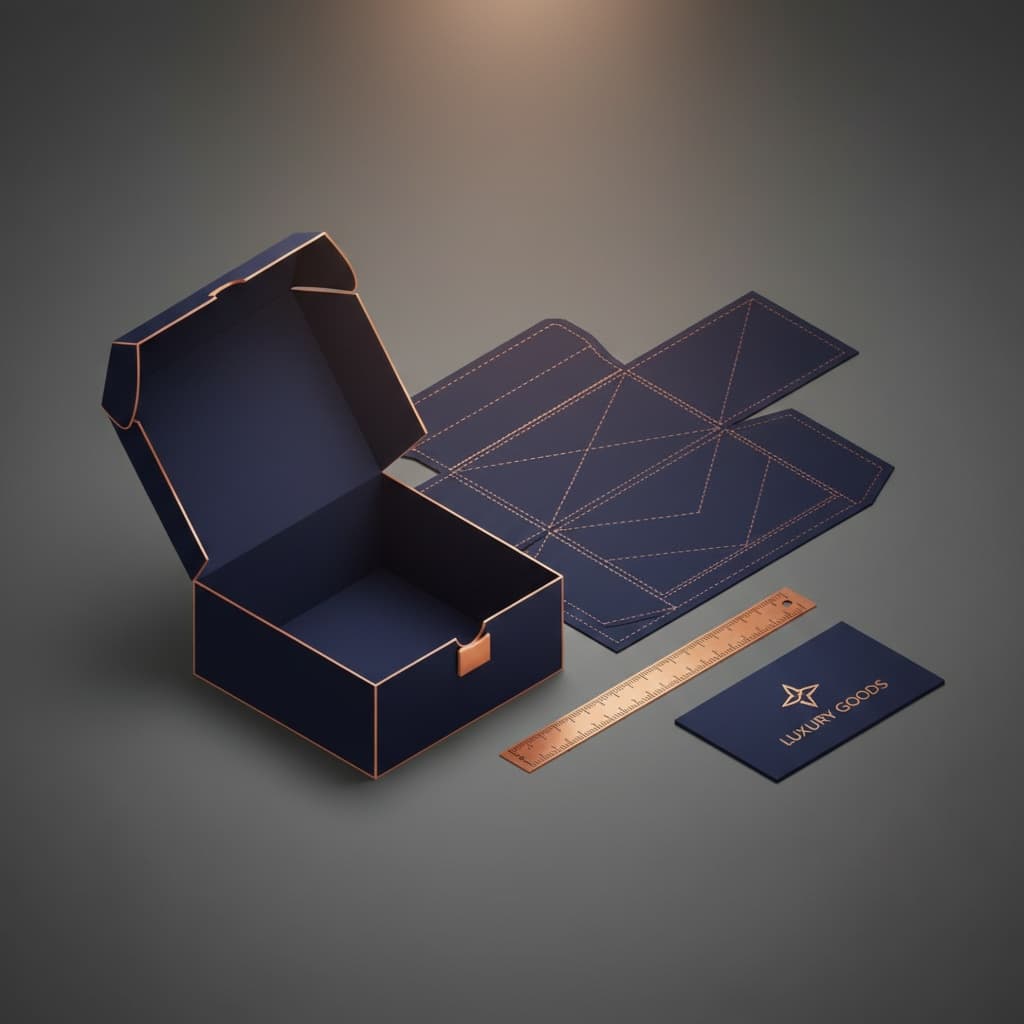
A 3D mock-up is usually enough to check panel order, artwork position and the overall look. A physical sample is more useful when the food fill, seal, window, grease exposure, jar insert or delivery protection needs testing.

Test the sample by filling, sealing, stacking and opening it as intended.

Keep Multi-Product Food Lines Consistent

Many food brands use pouches, cartons and jar boxes at the same time. Custom Food Packaging should feel connected across those structures without forcing one layout onto every shape.

Build one visual system across different structures

Use the same logo scale, type family, colour references and information order. Adapt the artwork to each dieline rather than stretching one design across a pouch and carton.

Plan short releases separately from core products

Seasonal flavours, test launches and event products may need lower quantities than established items. A label area, sleeve or shared base artwork can reduce leftover stock when details change often.

MOQ starts from 50, with support for larger production runs, repeat orders and high-volume food programs. Set each quantity by the expected life of the artwork, filling plan and available storage.

Keep approved records for repeat orders

Save the dimensions, material, closure, finish, colour references and final artwork for every item. Check ingredients, allergens, weight, barcode and date area before each reorder.

Eligible approved orders can move through local production in around 4 to 6 days. Complex materials, special finishes or larger quantities may need more time, so the filling and launch dates should be shared early.

Prepare a Complete Custom Food Packaging Quote

A useful quote needs the product and operating details, not only a logo and rough size. Include:

  • the food type and whether the material will touch it
  • product weight, filled dimensions and expected shelf period
  • dry, oily, acidic, aromatic or fragile characteristics
  • pouch, carton, sleeve, jar box or outer carton preference
  • zipper, heat seal, window, insert or divider needs
  • hand filling or machine loading
  • retail shelf, market, wholesale or online use
  • the number of flavours, weights and artwork files
  • quantity required for each item
  • artwork status, filling date and required delivery date

Custom Packly can use these details to check structure, material, print panels and production quantity. Send them through Get a Quote for advice based on the real food and the way it will be filled, stored and sold.

FAQs

Yes. The pouch can provide the seal while the carton adds shelf shape, print space and extra handling protection.

Use the filled and settled product. Include seals, lids, inner bags, headspace and any insert rather than relying on empty dimensions.

Only the layer that touches the food needs direct-contact suitability. Outer cartons still need clean handling and material choices that suit the intended use.

Yes, when the fill volume and weight remain close. Each artwork still needs its own barcode, flavour details and final compliance check.

Process

How it works

Simple steps from idea to delivery

01

Tell Us Your Specs

Custom packaging boxes

Tell Us Your Specs

Provide size, quantity, printing, and finishes.

02

Get a Fast Quote

Custom packaging boxes

Get a Fast Quote

Instant transparent pricing, no hidden fees.

03

Design and Approval

Custom packaging boxes

Design and Approval

Artwork checks, revisions, and final sign-off.

04

Produce

Custom packaging boxes

Produce

Expert manufacturing to meet deadlines.

05

Ship to Your Door

Custom packaging boxes

Ship to Your Door

Hassle-free, flexible delivery options.

Start Your Custom Packaging Quote

Share your product details, dimensions, quantity and artwork needs. We’ll help choose the right packaging style and send a clear quote.