Custom Bracelet Boxes
Hold chain bracelets, bangles, cuffs and charm pieces in their natural shape with packaging that controls movement, clasp pressure and the first reveal.
Free Design Support
Clear Pricing
Flexible Quantities
Unlimited Customization
Premium Materials
Offset Precision
Free Shipping
Quick Turnaround
Bracelet Packaging That Holds the Natural Curve
Custom Bracelet Boxes should support the way a bracelet sits around the wrist. They should not flatten a curved cuff, stretch a short chain or leave a rigid bangle loose inside a long cavity.
The correct hold depends on the bracelet construction. A fine chain can knot around its clasp. A tennis bracelet can twist and expose its underside. A rigid bangle may strike the box walls. Heavy charms can pull one side of a bracelet out of place.
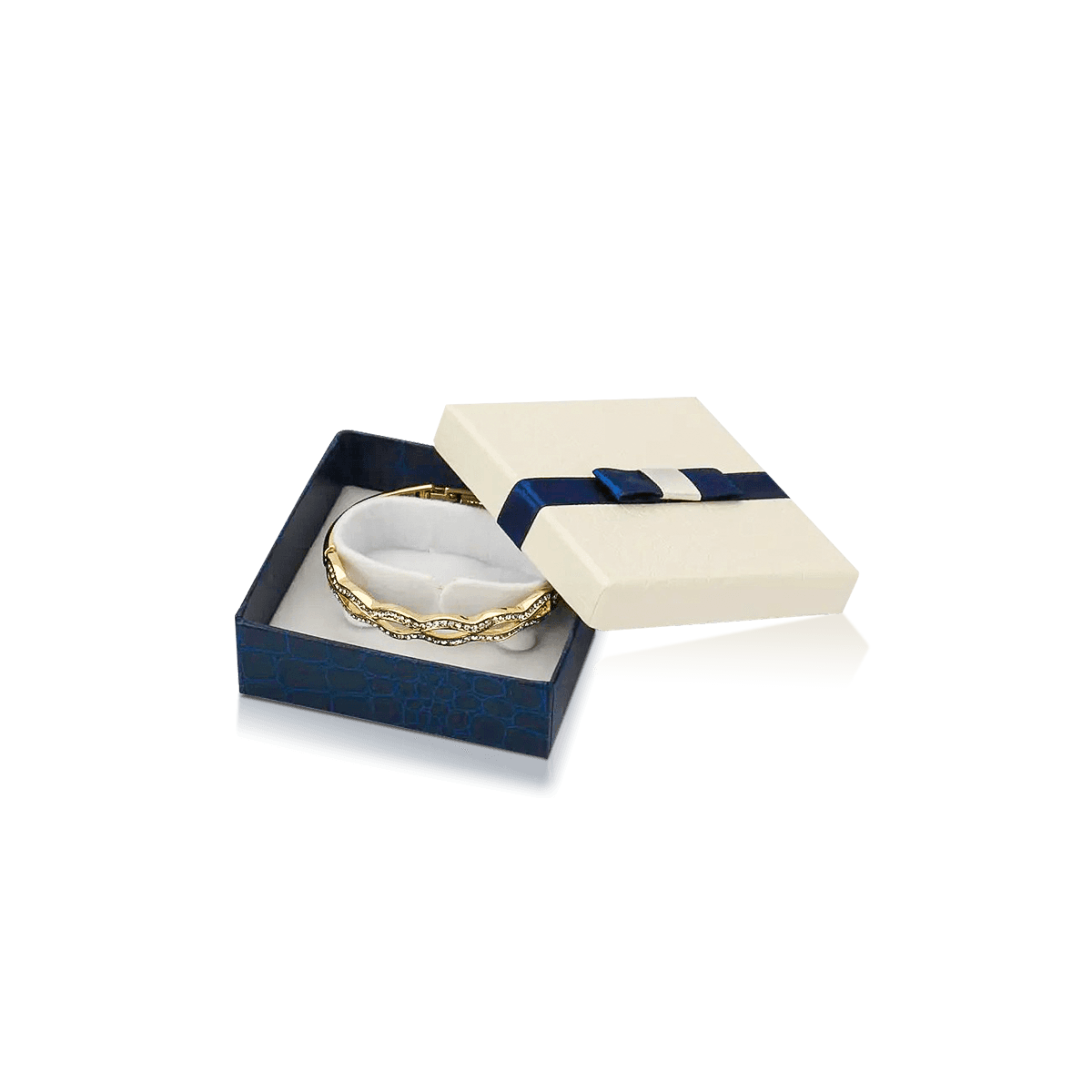
Good Custom Bracelet Boxes control these risks while keeping the jewellery easy to see and remove. The clasp should remain accessible. Decorative details should face forward. The lid should close without pressing on raised charms, stones or metal edges.
The wider Custom Jewellery and Accessories Packaging collection can share a consistent colour, logo and finish. Bracelet packaging still needs its own length, curve and restraint plan.
The support should follow the bracelet
A bracelet often looks best on a curved support, around a small pillow or held at two clear points. The support should maintain the shape without adding tension.
The customer should see the main decorative section first. Clasps, extender links and loose ends can sit behind or below the display area.
Movement should stop before the lid closes
The interior should hold the bracelet before the outer box adds protection. A loose bracelet can still move inside a strong rigid box.
Tabs, recesses, covered supports and small pockets can each control a different part of the jewellery.
Different Bracelet Shapes Need Different Restraints
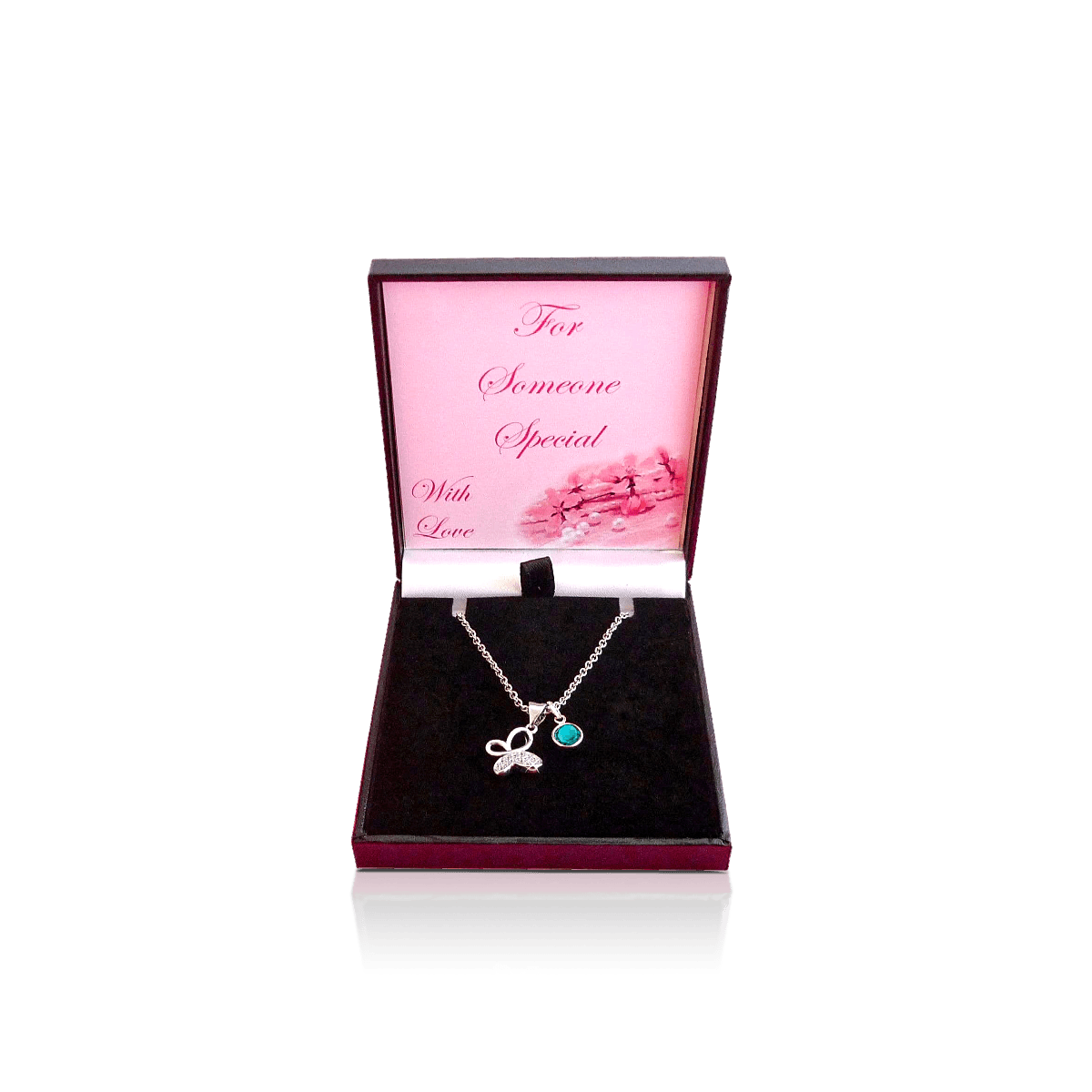
Custom Bracelet Boxes cannot rely on one universal pad. Chain bracelets, tennis bracelets, bangles and open cuffs respond differently when the box moves.
The insert should match the bracelet’s flexibility, weight and closure. It should also suit the way retail staff place the piece during packing.
Fine chains need two control points
A chain bracelet can use two tabs or small holds near its ends. The central decorative section then remains straight and visible.
The clasp and extender should not sit loose on top of the bracelet. A lower pocket, rear slot or recessed area can keep them away from fine links.
Tennis bracelets need an even line
A tennis bracelet should remain straight or follow a smooth curve. Twisting can hide stones and make the line look uneven.
The insert may use a shallow channel, discreet tabs or a covered curved support. It should avoid pressure on individual settings.
Bangles need diameter control
A rigid bangle does not need to be pulled straight. It needs a cavity or support that follows its diameter.
The hold should stop the bangle sliding from side to side. It should also leave finger space so the customer can lift it without scraping the edge against the box.
Cuffs need space around open ends
An open cuff may be wider at the gap than at the centre. The cavity must allow for both ends without forcing the cuff inward.
Heavy cuffs can also lean or rotate. A shaped recess or low cradle can keep the main face at the correct angle.
Measure the Bracelet in Its Display Position
The full chain length does not always determine the size of Custom Bracelet Boxes. The bracelet may be displayed straight, gently curved or closed around a support.
Measure it in the position planned for the final box. Include the clasp, extender, charms and widest decorative detail.
Use the dimensions that change the fit
Useful measurements include:
- Total open length
- Closed internal circumference
- Bracelet width and thickness
- Bangle outer diameter
- Cuff width and open-end gap
- Clasp length and depth
- Maximum charm drop
- Weight of the complete bracelet
- Height in the planned display position
Front and side photos can show how the piece naturally rests. For bangles and cuffs, a top view helps confirm the true footprint.
Allow room for clasps and extender chains
A clasp may be thicker than the bracelet itself. Extender chains can add loose length and small hanging parts.
These details need their own place. Hiding them behind the insert can keep the front view clean, but the box still needs enough depth.
Check raised charms and settings
Charm bracelets can become much deeper once the charms hang below the chain. Gemstone bracelets may also have raised settings.
Custom Bracelet Boxes need clear space above these parts. The lid lining should not compress them each time the box closes.
Choose the Interior Around the Wrist Shape
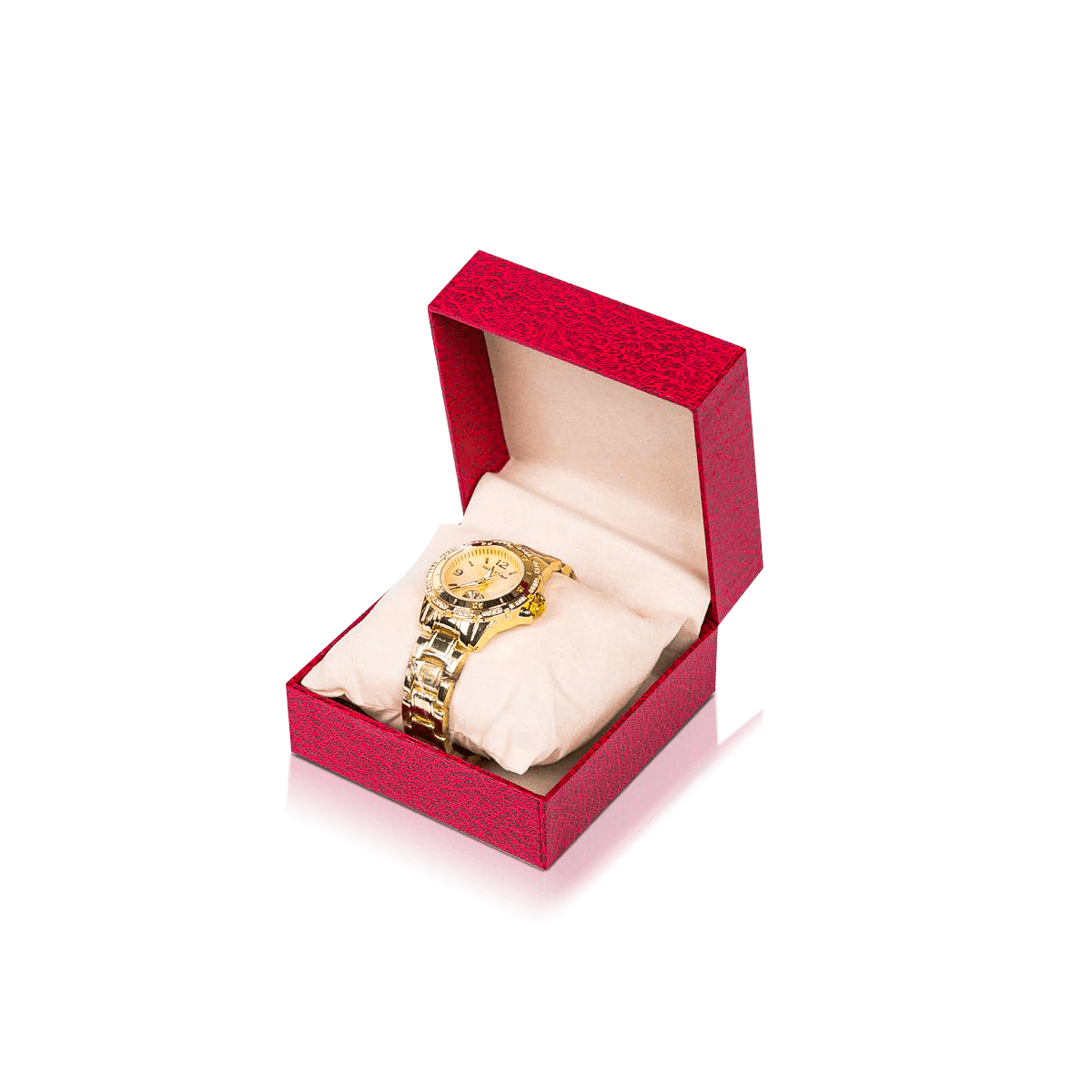
The inside support gives Custom Bracelet Boxes their product fit. A flat tray may suit one bracelet, while another needs a pillow, curved bridge or shaped recess.
The best choice keeps the jewellery secure without making removal awkward.
Flat trays for fine and flexible bracelets
A flat tray works well for chain, cord and slim tennis bracelets. Tabs can hold both ends while the centre remains visible.
A shallow channel may help keep a stone line straight. A lower pocket can hide the clasp and spare chain.
Curved bridges for a worn shape
A curved bridge presents the bracelet closer to the shape it takes on the wrist. It can suit tennis bracelets, broad chains and some cuffs.
The curve should not be too tight for the jewellery. It also needs firm attachment to the tray so the support does not move with the bracelet.
Pillows for closed bracelets and bangles
A small pillow can support a closed chain bracelet, bangle or flexible cuff. Its circumference should suit the jewellery without stretching it.
An oversized pillow can place strain on a clasp. A small pillow may let the bracelet fall forward or rotate.
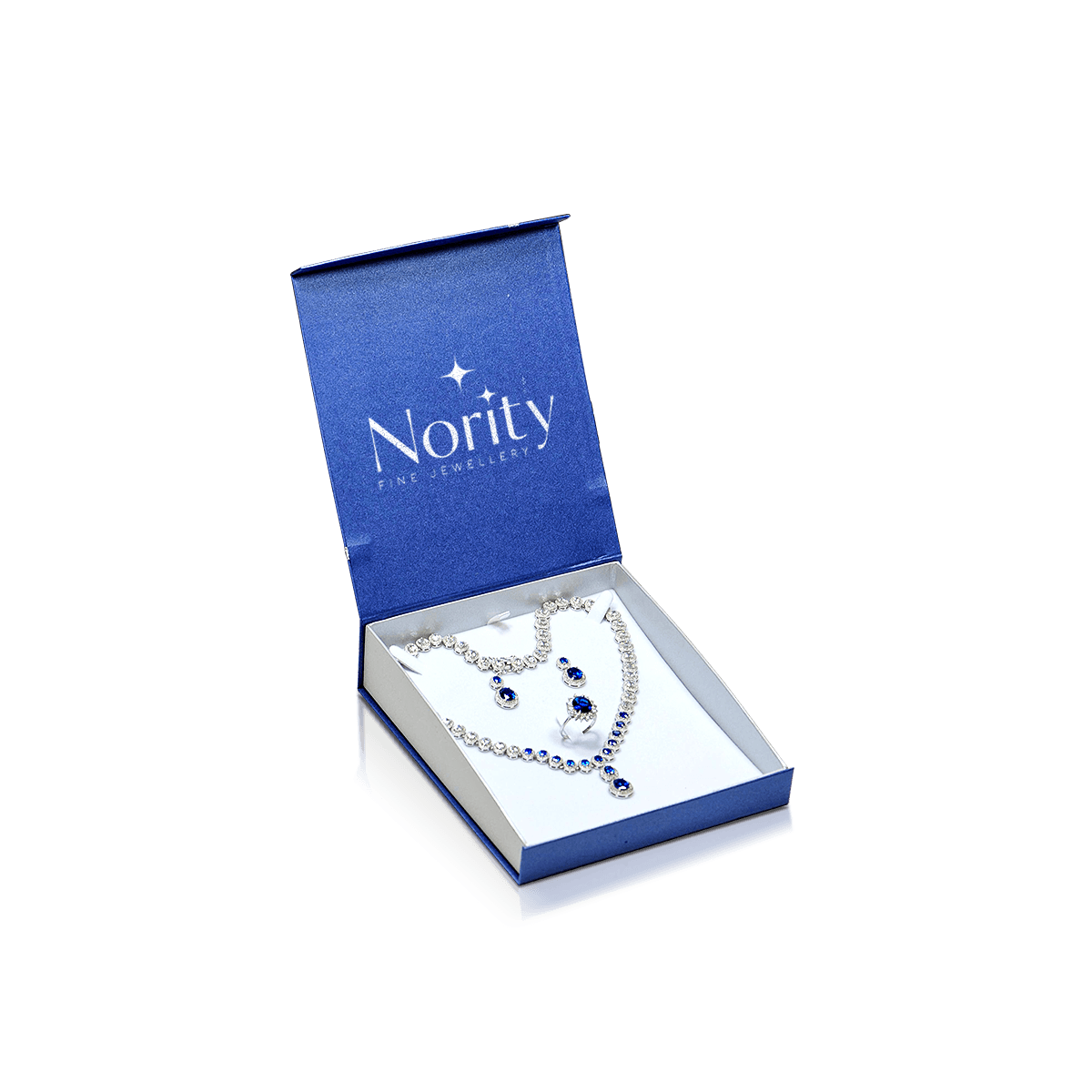
Custom Inserts and Dividers can combine curved supports, end tabs and accessory pockets with the outer box.
Protect Clasps, Charms and Polished Surfaces
Bracelets often contain several contact points. Clasps, stones, charms and metal edges can rub against each other when the box moves.
Custom Bracelet Boxes should separate these parts without covering the main design.
Keep loose charms away from the clasp
Heavy charms can swing into the clasp or bracelet links. A small lower recess can control their movement.
The hold should not trap delicate charms or place pressure on jump rings.
Avoid rough contact surfaces
The insert covering should remain smooth around cuts, curves and tabs. Rough edges can catch fine links or mark polished metal.
Covered paperboard, foam and other fitted materials can be considered based on the bracelet weight and surface finish. The material should support the jewellery without shedding fibres or leaving visible pressure marks.
Give spare parts their own place
Care cards, spare links and small tools should not sit loose in the main bracelet cavity.
A separate pocket, lower compartment or space beneath a removable tray can keep these parts organised and away from the jewellery.
Use an Opening That Suits the Bracelet Length
Bracelet packaging is often longer than ring or earring packaging. The opening should reveal the full piece without causing the insert to tilt or the bracelet to slide.
Lift-off lids give a clear top view
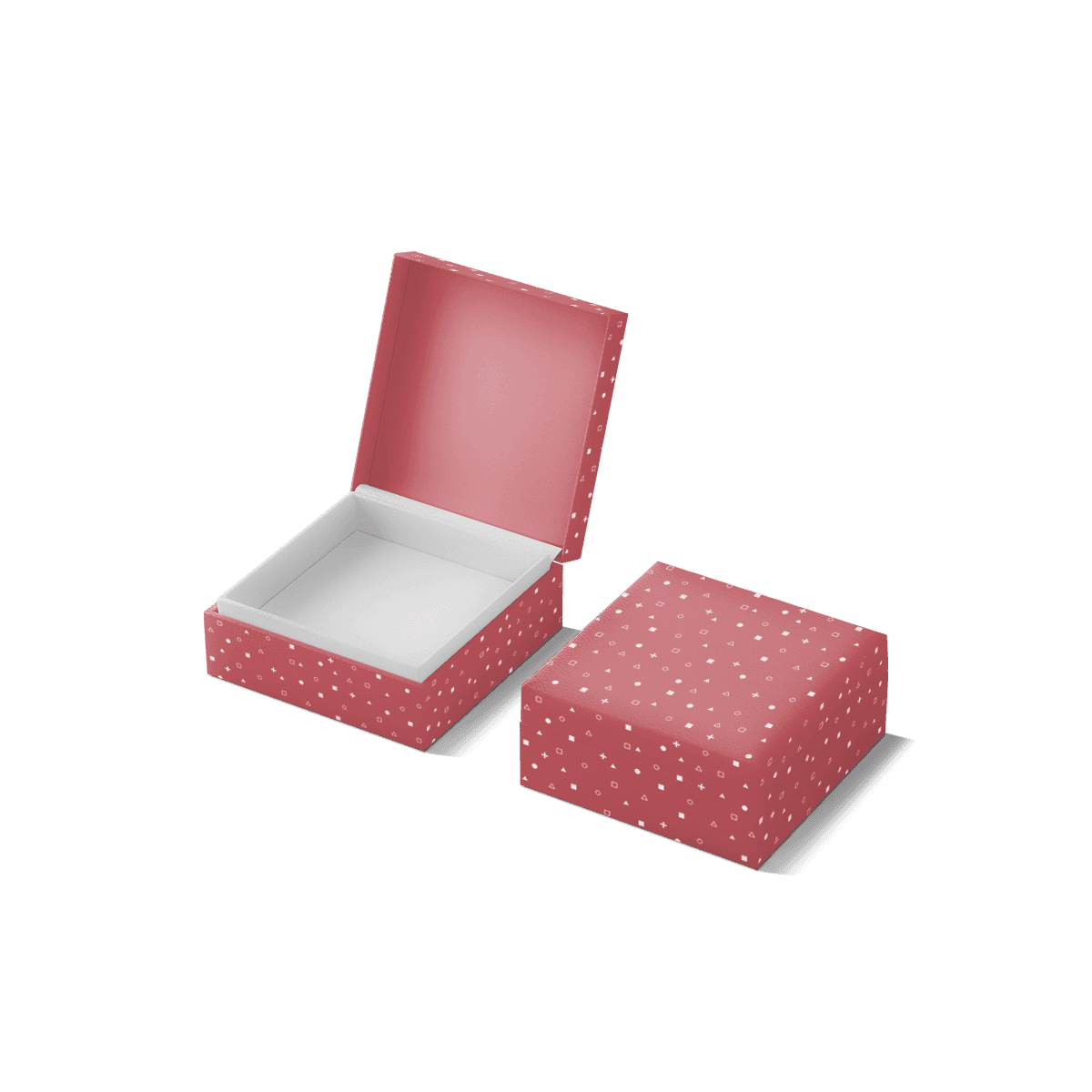
A lid-and-base box reveals the whole bracelet at once. It works well for straight and gently curved layouts.
The lid should lift cleanly without pulling the base from the counter. A shoulder can improve alignment and add a second interior colour.
Hinged lids keep the presentation together
A hinged box gives the inside lid a clear role for a short message or brand mark. It also keeps the two parts together during gifting.
The hinge should hold a useful angle and avoid shading the top of the bracelet.
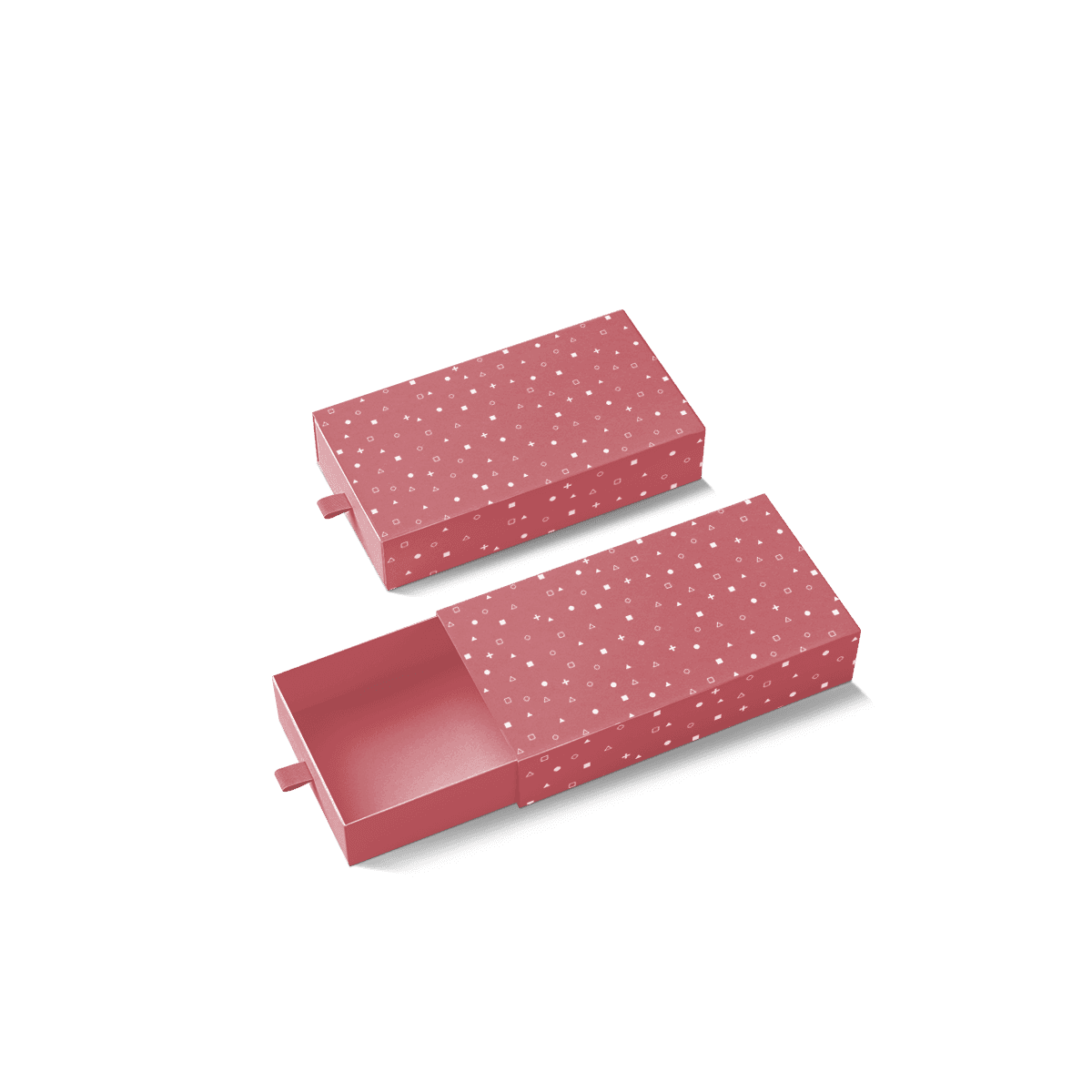
Drawers create a measured reveal
A drawer can suit long bracelets, sets with extra charms and designs that use a removable tray.
The drawer should move smoothly without shaking the bracelet out of position. The pull should also sit where it does not interfere with the jewellery cavity.
Many suitable structures sit within Custom Rigid Boxes. The final depth and footprint should follow the bracelet and its chosen support.
Balance Branding Across a Long Lid
Custom Bracelet Boxes often have a long rectangular lid. A small centred logo can look isolated, while oversized artwork can make the surface feel crowded.
The artwork should respond to the real proportions of the box.
Set the logo by visual centre
The visual centre may differ from the exact measured centre when the box has a drawer pull, ribbon or offset closure.
Print the logo at final size before approval. Check fine lines, small text and the space around foil or embossed details.
Use the side panels with care
Long side panels can carry a short website, collection name or subtle pattern. The main lid should remain clear enough to frame the jewellery experience.
Inside-lid wording should also stay brief. Care details usually work better on a separate card.
Choose a finish that handles close contact
Matte, gloss, foil, embossing and debossing can each create a different feel. Dark soft-touch surfaces may show fingerprints more easily, while textured wraps can affect very fine print.
The board, wrap, insert colour and finish options available through Customisation can be assessed together before artwork approval.
Keep the Bracelet Secure From Counter to Courier
Custom Bracelet Boxes may move through stockrooms, display cabinets, shopping bags and online delivery. The bracelet should remain in the approved position throughout.
Make retail placement repeatable
Staff should know which end holds the clasp and where the main feature sits. A reference image can help with charm bracelets, asymmetrical cuffs and designs with several fastenings.
The insert should stay fixed when the bracelet is removed. Barcodes and item labels also need a planned area on the base or side.
Use a shipping outer for online orders
The presentation box should sit inside a close corrugated outer carton or suitable mailer. The outer layer takes impact while Custom Bracelet Boxes protect the display.
Void fill should stop the inner box moving without pressing on the lid. A simple shake check can reveal a loose bracelet, moving pillow or drawer that begins to open.
Keep the gifting sequence neat
A bracelet box may sit inside tissue or a paper shopping bag. The outer items should fit the box without excess movement or crushing its corners.
Brands that also sell watches can align colours and finishes with Custom Watch Boxes, while using a slimmer interior and different support.
Cover Several Bracelet Types With Fewer Sizes
A bracelet collection may include slim chains, rigid bangles, cuffs and charm pieces. It does not always need a different outer box for every design.
Group products by their packed footprint and depth. Then change the insert where a safe shared size is possible.
Use one long box for flexible bracelets
Fine chains, tennis bracelets and slim charm pieces may share one long outer box with different tabs, channels or pockets.
The usable depth must still suit the deepest clasp or charm.
Keep bangles and cuffs in a separate footprint
Rigid circular pieces often need a wider square or rectangular box. Trying to place them in a long chain-bracelet box can waste space and weaken the presentation.
A bangle and cuff may share an outer box when their diameters and open-end clearances remain safe.
Use insert versions to control variation
One printed box may use:
- A flat tray for chain bracelets
- A channel for tennis bracelets
- A curved bridge for broad pieces
- A pillow for closed bracelets
- A shaped recess for cuffs
This can reduce needless outer-box changes while giving each bracelet the right hold.
Plan Quantities by Support and Artwork Version
MOQ starts from 50, with support for larger production runs, later orders and high-volume jewellery needs.
For Custom Bracelet Boxes, separate the total quantity by outer size, insert support and artwork. A single outer box may serve several bracelets but use different inner parts.
A practical order could include:
- 300 flat trays for chain bracelets
- 250 shallow channels for tennis bracelets
- 200 pillows for closed bracelets
- 150 wider recesses for cuffs
- 100 seasonal sleeves for gift orders
Keep the approved outer dimensions, insert drawings, support curve, print colours and finish positions on file. These details help future production match existing stock.
A 3D mockup is the usual first review. A physical sample may be discussed when the bracelet is heavy, the clasp is unusual or the curved support needs a hands-on fit check.
Send Bracelet Details That Shape the Quote
A useful quote for Custom Bracelet Boxes needs the complete bracelet profile and the intended display. Send:
- Bracelet photos from the front, side and closed position
- Chain, tennis, bangle, cuff, beaded or charm style
- Open length or closed circumference
- Width, thickness and weight
- Bangle diameter or cuff opening
- Clasp size and position
- Maximum charm or stone depth
- Preferred box opening
- Flat tray, pillow, bridge or recess preference
- Quantity by outer size and insert version
- Print colours and finish ideas
- Retail, gifting or online delivery use
- Artwork status and required date
Custom Packly can review which bracelet designs may share an outer box and where a separate support is needed. Get a Quote with the product details available, then refine the fit, opening and print before production.
FAQs
Related Industries
Related Packaging Styles
How it works
Simple steps from idea to delivery
Tell Us Your Specs

Tell Us Your Specs
Provide size, quantity, printing, and finishes.
Get a Fast Quote

Get a Fast Quote
Instant transparent pricing, no hidden fees.
Design and Approval

Design and Approval
Artwork checks, revisions, and final sign-off.
Produce

Produce
Expert manufacturing to meet deadlines.
Ship to Your Door

Ship to Your Door
Hassle-free, flexible delivery options.
Start Your Custom Packaging Quote
Share your product details, dimensions, quantity and artwork needs. We’ll help choose the right packaging style and send a clear quote.