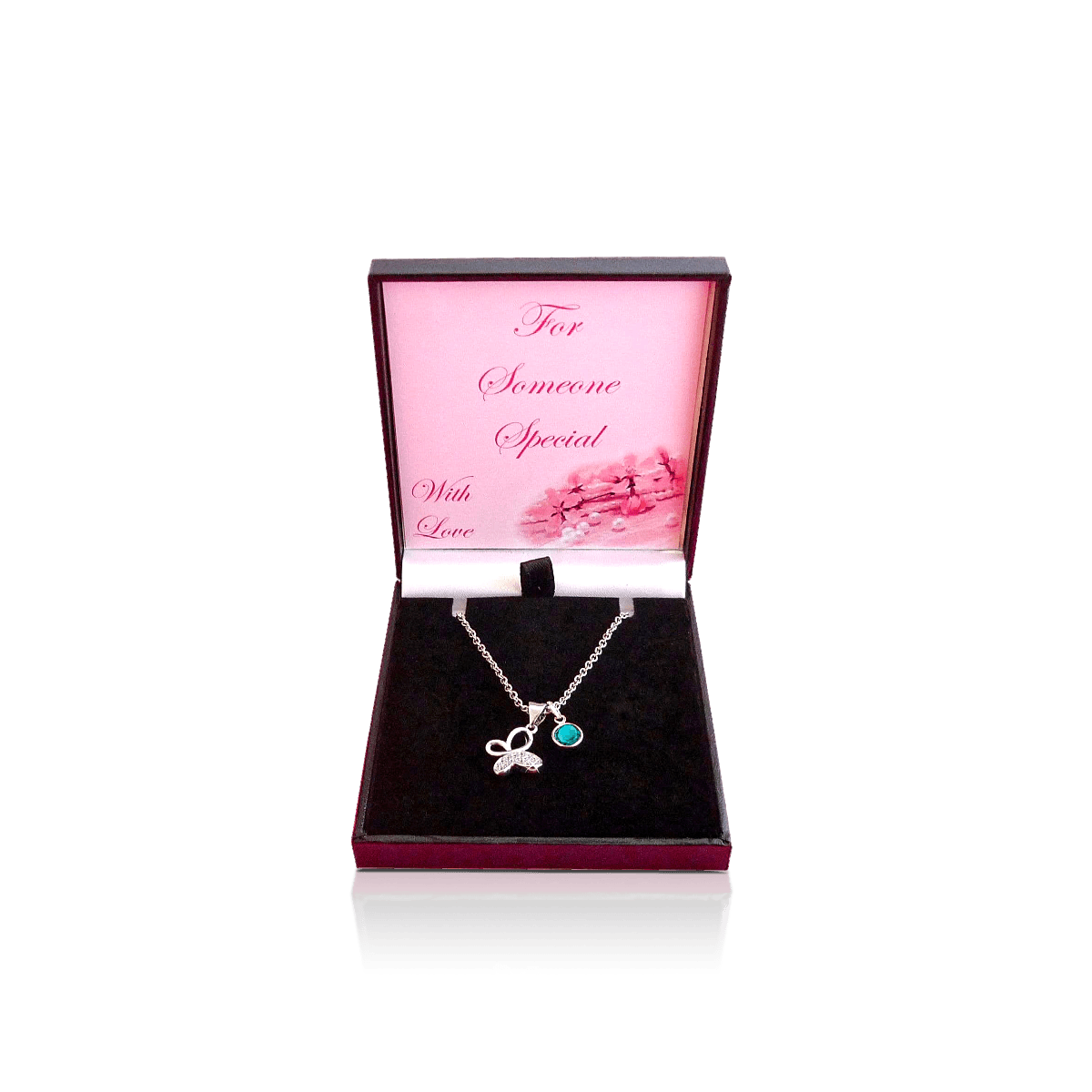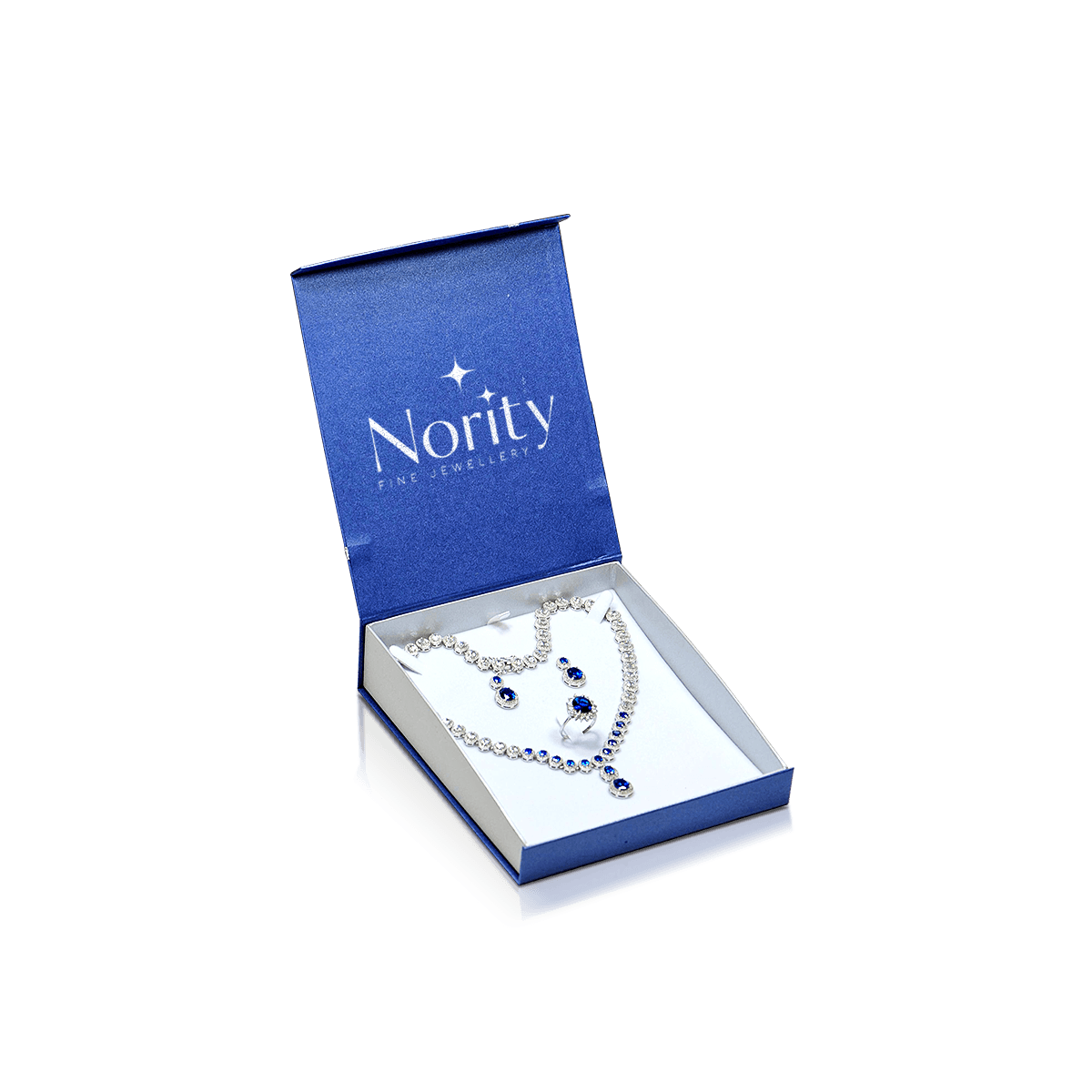
Custom Earring Boxes
Present studs, hoops and drops as a balanced pair with packaging that controls post clearance, movement and display spacing from counter to customer.
Free Design Support
Clear Pricing
Flexible Quantities
Unlimited Customization
Premium Materials
Offset Precision
Free Shipping
Quick Turnaround
Earring Packaging That Keeps Every Pair Level and Separate
Custom Earring Boxes should present two pieces as one complete product. Both earrings need to sit at the same height, face the same way and stay apart during handling. The insert must also leave room for posts, hooks, hoops and backs without forcing the lid upward.
The main risk changes with the earring style. Studs need firm hole spacing and enough depth behind the card. Hoops need space for their full diameter and closure. Drop earrings need length below the fixing point so they do not fold, overlap or rub. Mismatched designs still need a layout that looks intentional.
These details make Custom Earring Boxes different from general jewellery packaging. The outer box creates the brand impression, but the inner card, pad or insert controls whether the pair still looks neat when the customer opens it.
The wider Custom Jewellery and Accessories Packaging collection can share colour and print details. Earring packaging still needs its own spacing, depth and fixing method.
Pair alignment shapes the first view
A small height difference can make a matched pair look uneven. Hole position, insert tension and the weight of each earring affect alignment.
The insert should stop one piece from turning while the other stays straight. For designs with a front-facing detail, the fixing point also needs to hold the face at the correct angle.
Backs need their own clearance
Butterfly backs, screw backs, hooks and clips take up different amounts of space. The box depth must include the earring front, the insert thickness and the fitting behind it.
A back that presses against the box base can tilt the front piece. It can also make the box hard to close. This is why a flat card and a fitted box should be checked together.
Match the Insert to Studs, Hoops and Drops
For Custom Earring Boxes, one insert rarely suits every earring shape. The fixing method should follow the weight, length and closure of the pair.
Studs need accurate hole spacing
Stud earrings often use two small holes in a card, covered pad or shaped insert. The holes should match the visual width of the pair, not simply sit at the centre of the box.
Very small studs can disappear when spaced too far apart. Large cluster studs can touch when placed too close. The post length and back size determine how much space is needed behind the card.
A small finger recess can make it easier to remove the card without touching the jewellery.
Hoops need room for diameter and clasp
Hoops may sit flat, hang from a card or rest in a shaped recess. The best position depends on the hoop size and the way the clasp closes.
The lid and side walls should not press on the outer curve. Thick hoops also need more depth than thin wire styles. Huggies may fit a compact box, while statement hoops need a wider footprint.
Drop earrings need clear hanging length
Drop and dangle earrings should hang without curling under the insert. Their lowest point needs space above the box base. Long designs may use top holes with a lower slot or light restraint to stop crossing.
The left and right pieces should not swing into each other. A wider gap or a small lower hold can keep stones, beads and metal parts apart.
Custom Inserts and Dividers can be planned with the outer box so hole spacing, drop length and finger access work together.
Choose the Outer Box by Product Value and Display Use
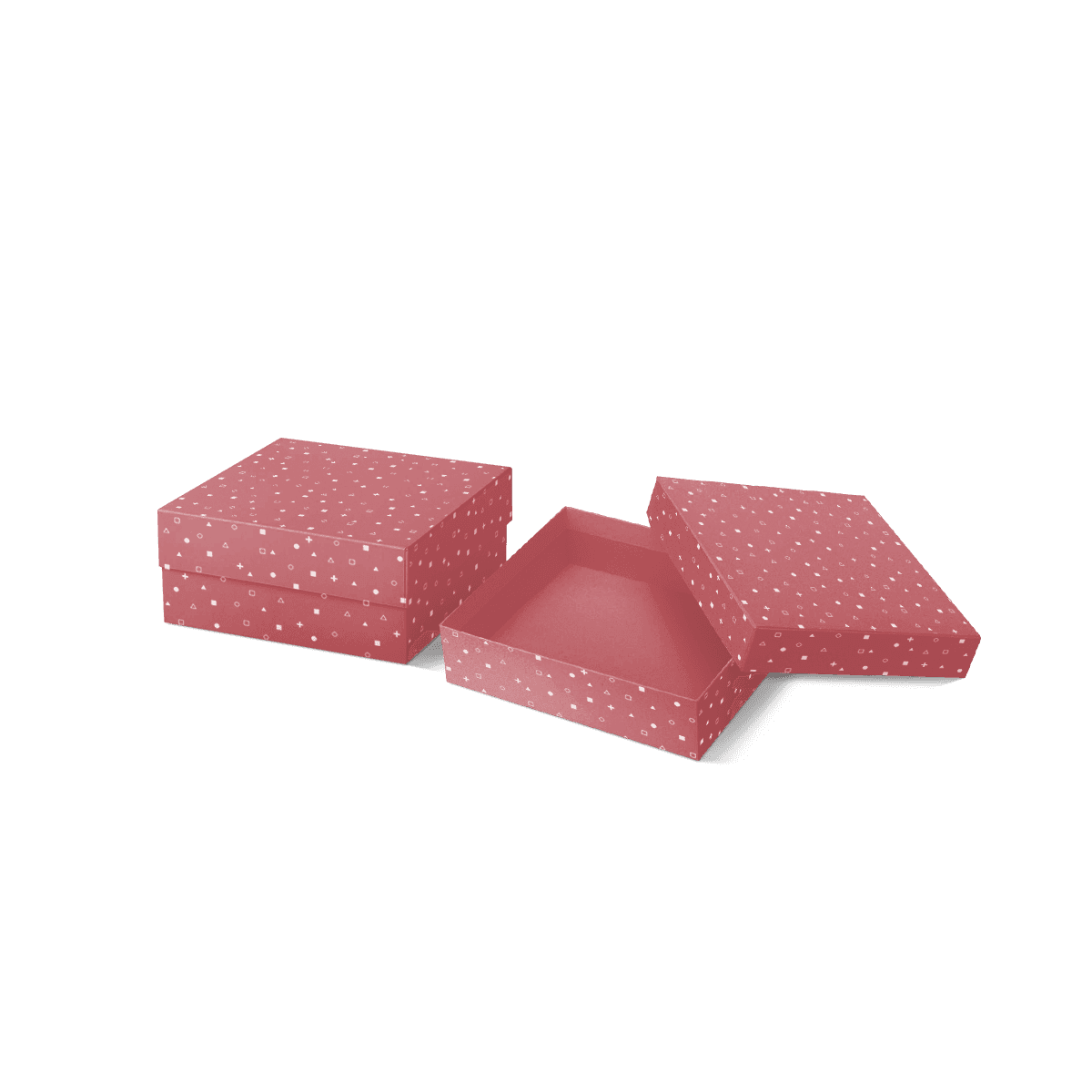
Custom Earring Boxes can use light folding cartons, two-piece boxes, drawers or hinged rigid boxes. The outer structure should suit the earring price, retail setting and gifting need. The most expensive structure is not always the best choice.
Folding cartons for light fashion earrings
Paperboard cartons suit studs, small hoops, ear cuffs and affordable fashion pieces. They can hold a printed card or slim paperboard insert. They also fold flat before use, which can help with storage.
A tuck closure gives a simple opening. A small sleeve can add a seasonal colour or launch detail without changing the main carton.
Rigid boxes for fine jewellery and gifting
Rigid boxes add firm walls and a more controlled opening. They suit precious metal earrings, gemstone pieces, bridal jewellery and gift-led products.
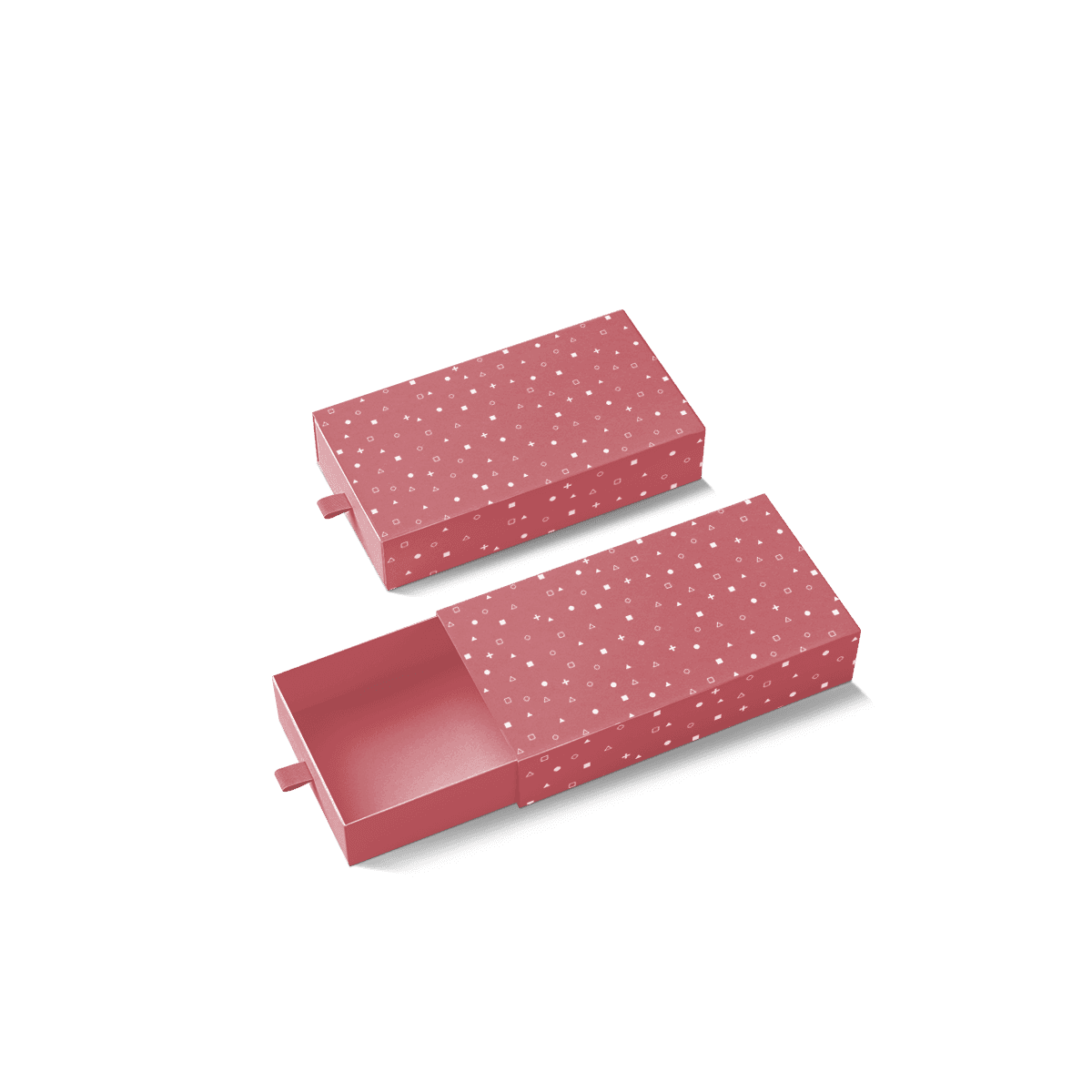
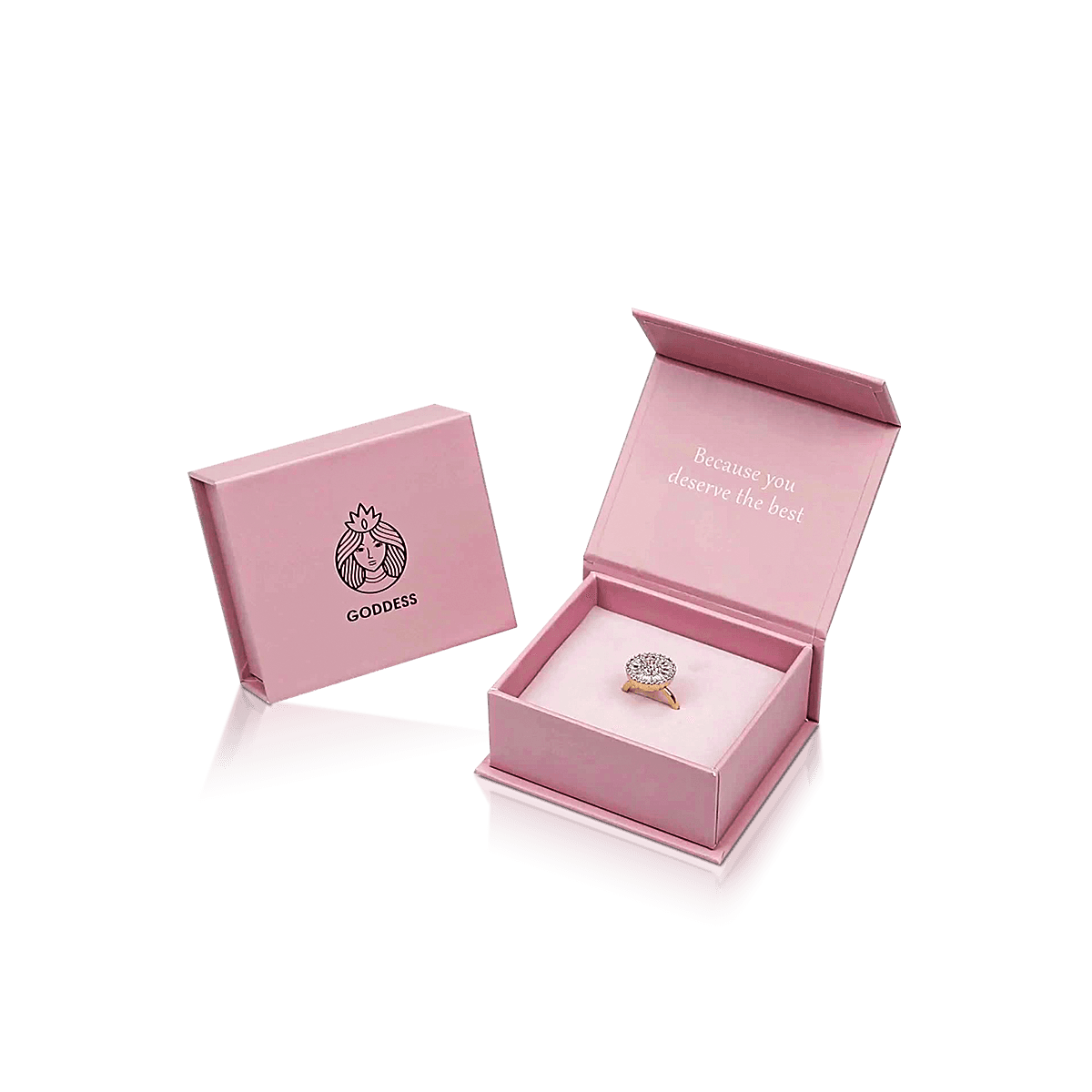
Two-piece boxes give a classic lift-off reveal. Hinged boxes keep the lid attached. Drawer boxes can add a slower opening and a clear pull point. These structures sit within Custom Rigid Boxes, with the insert designed for the exact earring type.
Cards with boxes for clear product viewing
An earring card can carry the pair, product name and care details. The box then protects the card and improves the handover.
The card should not rattle inside the box or scrape printed walls. A small side notch can help staff lift it. The box depth must still allow for posts and backs behind the card.
Measure the Pair in Its Display Position
Sizing Custom Earring Boxes starts with the pair as it will sit inside the packaging. Measuring one loose piece does not show the full width, fixing depth or spacing required.
Use the dimensions that affect the insert
Useful details include:
- Width of each earring
- Full length from the fixing point to the lowest edge
- Hoop diameter and thickness
- Post or hook length
- Size of the back or clip
- Weight of each piece
- Gap needed between the pair
- Planned card or insert angle
Photos from the front and side can show how the earrings hang. A photo with the backs attached is also useful because it shows the true depth.
Check asymmetrical and convertible designs
Mismatched earrings may have different lengths or weights. The layout should make the difference look planned rather than uneven.
Convertible earrings can include removable drops or extra parts. Each part may need its own hole, slot or small recess. Custom Earring Boxes for these products should show the full set clearly without crowding it.
Plan several styles around a few safe sizes
A brand may use one compact box for studs and huggies, one medium box for hoops and one long box for drops. Insert changes can then handle different designs within each footprint.
This approach reduces unnecessary box sizes while keeping each pair secure. It also makes retail storage and outer shipping cartons easier to manage.
Use Print Space Without Crowding a Small Box
Artwork for Custom Earring Boxes needs enough clear space to look deliberate at the final size. The lid is often small and the side panels are narrow.
Scale the logo before approving artwork
A logo that looks clean on a large screen may become too fine on a small lid. Print it at actual size. Check thin lines, letter gaps and any reversed text.
The lid can carry the main mark. The inside lid or earring card can hold a short product line, care note or maker detail. This keeps the outside calm.
Keep foil and embossing simple
Foil can highlight a name or small symbol. Embossing can add depth. Matte lamination can reduce glare, while gloss can lift colour and contrast.
Small earring boxes rarely need several strong finishes at once. One clear detail usually gives the brand more room to breathe.
Choose insert colour around the jewellery
Silver, white gold and pale stones need enough contrast to remain visible. Dark metal, black enamel and oxidised finishes may need a lighter background.
The colour should also suit photography and retail lighting. The options on Customisation can be matched to the box material, print method and insert surface.
Keep Earrings Still Through Retail and Delivery
Custom Earring Boxes must work beyond the counter display. A pair may move once the box is placed in a shopping bag, storage drawer or courier carton.
Retail handling needs quick access
Staff should be able to remove and replace the pair without bending the card or losing the backs. The box should sit flat and close without extra pressure.
If product labels are added in store, keep a clear area on the base or side. This avoids covering the logo or opening edge.
Online orders need a protective outer box
The presentation box should sit inside a small corrugated outer carton or suitable mailer. The outer packaging takes the impact. The earring box controls the reveal.
Void fill should stop the inner box sliding but should not press on the lid. A shake check can show whether the pair swings, the card lifts or the backs touch the base.
Gift use needs a clean opening
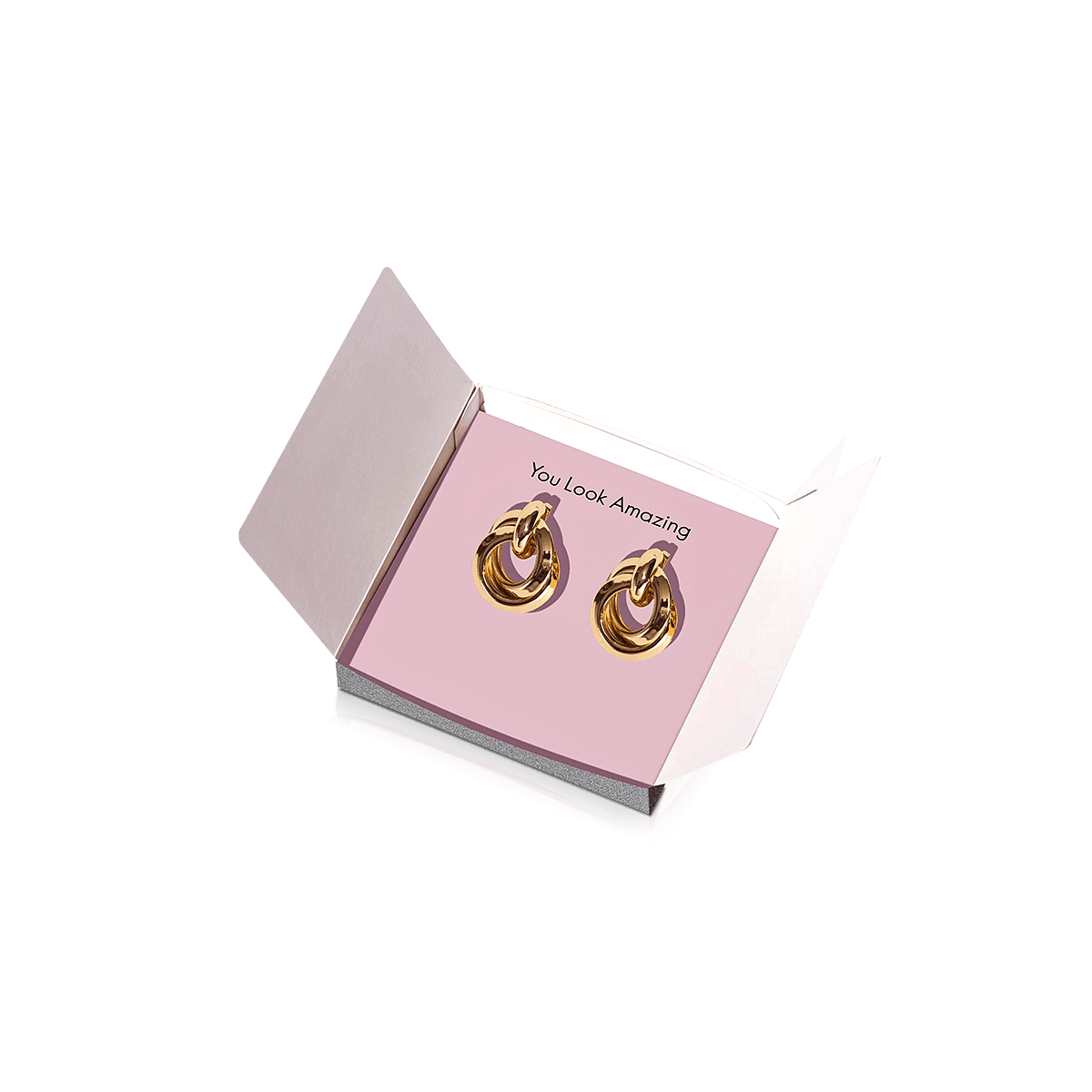
For gifts, the customer should see both earrings at once. The lid should not hide the top of long drops. The card or insert should remain centred as the box opens.
Brands offering rings and earrings in one collection may align these boxes with Custom Ring Boxes, while keeping different inserts and internal depths.
Organise a Collection Without Losing Pair Identity
A small family of Custom Earring Boxes can support many colours, metals and lengths without creating a different outer box for every design.
Use labels away from the main presentation
A small base label can identify the design, colour, metal tone or barcode. Keep operational labels off the main lid where possible.
If several designs use the same outer box, the insert or label can carry the product difference. This allows the printed box to stay useful across more of the collection.
Keep paired pieces together at every step
The packing process should make it hard to mix left and right pieces or different finishes. A card with fixed positions helps staff confirm the pair before closing the box.
For mismatched earrings, the approved insert image can show which piece sits on each side. This supports consistent presentation across later orders.
Use seasonal details on parts that can change
A core earring box can stay the same through the year. A printed sleeve, small card or inside message can change for gifting periods and product launches.
This limits leftover campaign packaging and keeps the main branded box in use for longer.
Plan the First Order Around Insert Versions
When ordering Custom Earring Boxes, the useful quantity depends on both the outer box and the number of insert versions required.
MOQ starts from 50, with support for larger production runs, repeat orders and high-volume packaging needs as the collection grows.
For example, 500 outer boxes may be split between a stud insert, hoop insert and drop-earring insert. Listing these versions clearly creates a more accurate production plan.
Keep these details fixed after approval:
- Outer dimensions
- Earring card or insert size
- Hole and slot positions
- Usable depth behind the insert
- Print colours
- Foil or embossing placement
- Inside artwork
- Product label area
- Shipping outer size
A 3D mockup is the usual first check. A physical sample may be discussed for long drops, heavy hoops, unusual clips or another fit with a higher risk of movement.
Send the Details That Change the Quote
Pricing for Custom Earring Boxes depends on the earring shape, display method, insert and quantity. Send:
- Product photos with fronts and backs attached
- Stud, hoop, drop, cuff or clip-on style
- Width, full length and depth
- Hoop diameter or drop length
- Weight of each earring
- Preferred box opening
- Card, pad or fitted insert preference
- Quantity by outer box and insert version
- Print colours and finish ideas
- Retail, gifting or online delivery use
- Artwork status and required date
Custom Packly can review where one outer size can support several earring styles without weakening the presentation. Get a Quote with the product details you have, then refine the insert and finish with expert support.
FAQs
Related Industries
Related Packaging Styles
How it works
Simple steps from idea to delivery
Tell Us Your Specs

Tell Us Your Specs
Provide size, quantity, printing, and finishes.
Get a Fast Quote

Get a Fast Quote
Instant transparent pricing, no hidden fees.
Design and Approval

Design and Approval
Artwork checks, revisions, and final sign-off.
Produce

Produce
Expert manufacturing to meet deadlines.
Ship to Your Door

Ship to Your Door
Hassle-free, flexible delivery options.
Start Your Custom Packaging Quote
Share your product details, dimensions, quantity and artwork needs. We’ll help choose the right packaging style and send a clear quote.