Custom Cardboard Sleeves
Printed cardboard sleeves for boxes, trays, food packs and retail products that need neat branding, stronger shelf presence and flexible SKU updates.
Free Design Support
Clear Pricing
Flexible Quantities
Unlimited Customization
Premium Materials
Offset Precision
Free Shipping
Quick Turnaround
Custom Cardboard Sleeves for Smarter Product Branding
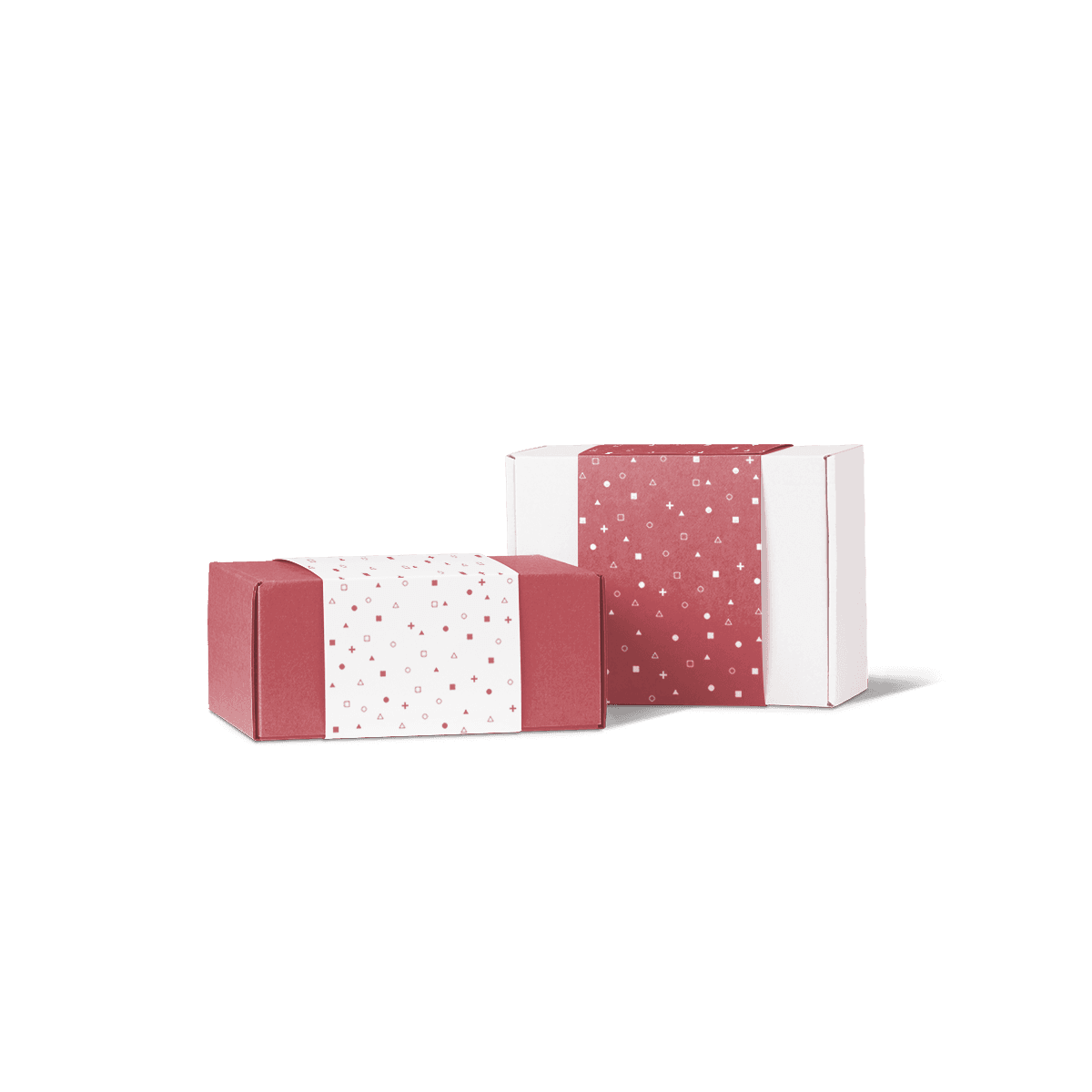
Custom Cardboard Sleeves are printed wraparound pieces that slide over a box, tray, container or product pack to add branding without changing the main packaging structure. They are useful when your base packaging already works but needs a stronger retail face, clearer product information or a more polished finish.
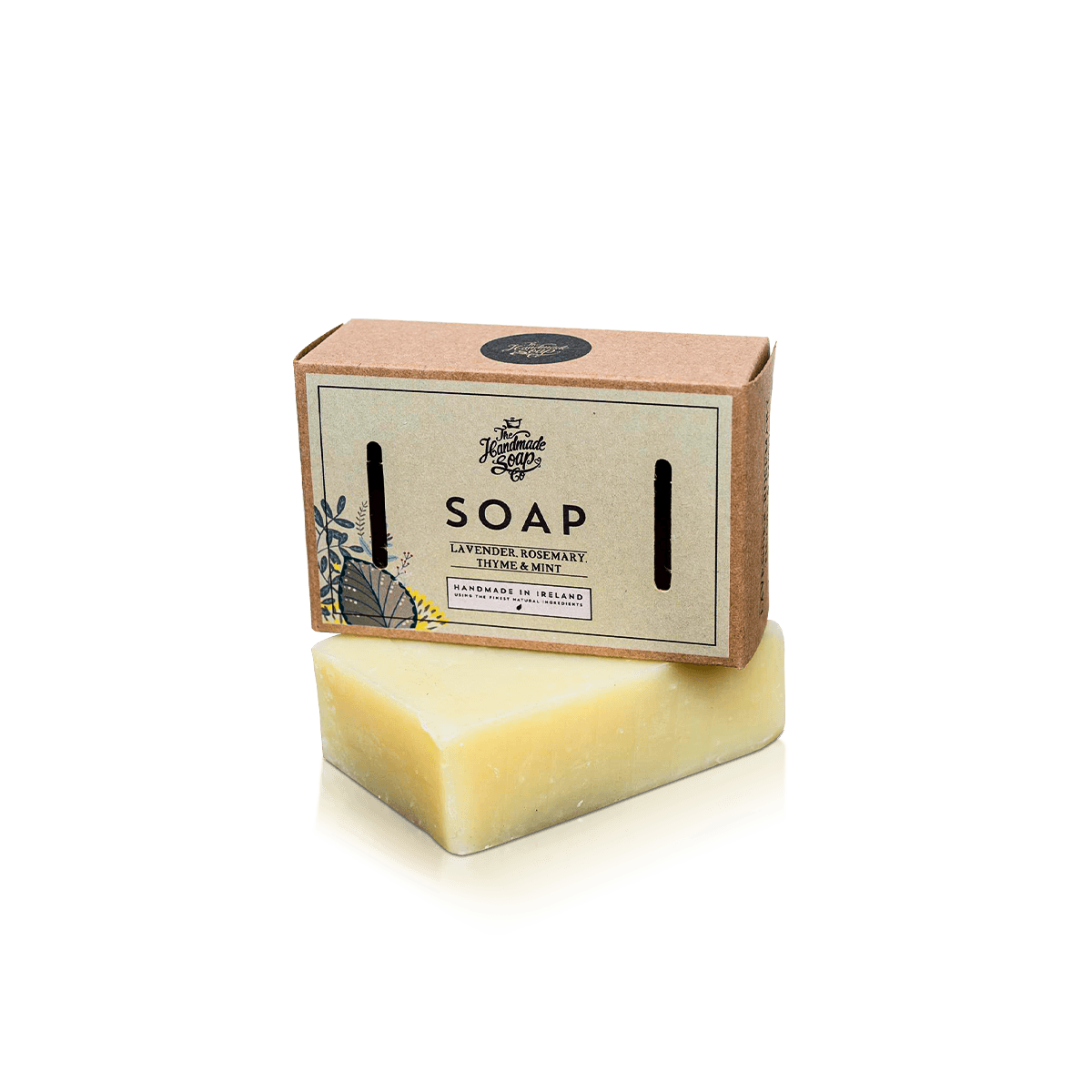
A cardboard sleeve can carry your logo, flavour, scent, size, barcode, ingredients, usage notes, campaign message or product variant. This makes it a practical choice for food packs, soap bars, candle boxes, cosmetic sets, apparel accessories, stationery, gift boxes and retail products with several SKUs.
Unlike tray and sleeve boxes, this format does not usually include a separate sliding tray. The value is in the wrap itself. It gives you a cost-effective branded layer that can sit around existing packaging, support seasonal changes and keep plain boxes or trays useful across different products.
For brands building a wider sleeve system, Custom Sleeve and Band Packaging keeps related wrap, band and sleeve formats together. Custom Cardboard Sleeves are the right fit when the packaging needs more structure than a thin paper band but does not need a full inner tray.
The most important detail is fit. A sleeve that is too loose can slip, rotate or look careless. A sleeve that is too tight can slow packing, scuff the base pack or tear at the fold. Good cardboard sleeve packaging starts with the product’s real size, board thickness, fold direction and packing workflow.

Where Cardboard Sleeves Make the Biggest Difference
Custom Cardboard Sleeves work best when a brand needs to upgrade an existing pack, separate product variants or add shelf-ready information without ordering a different box for every product.
Plain Boxes That Need a Branded Face
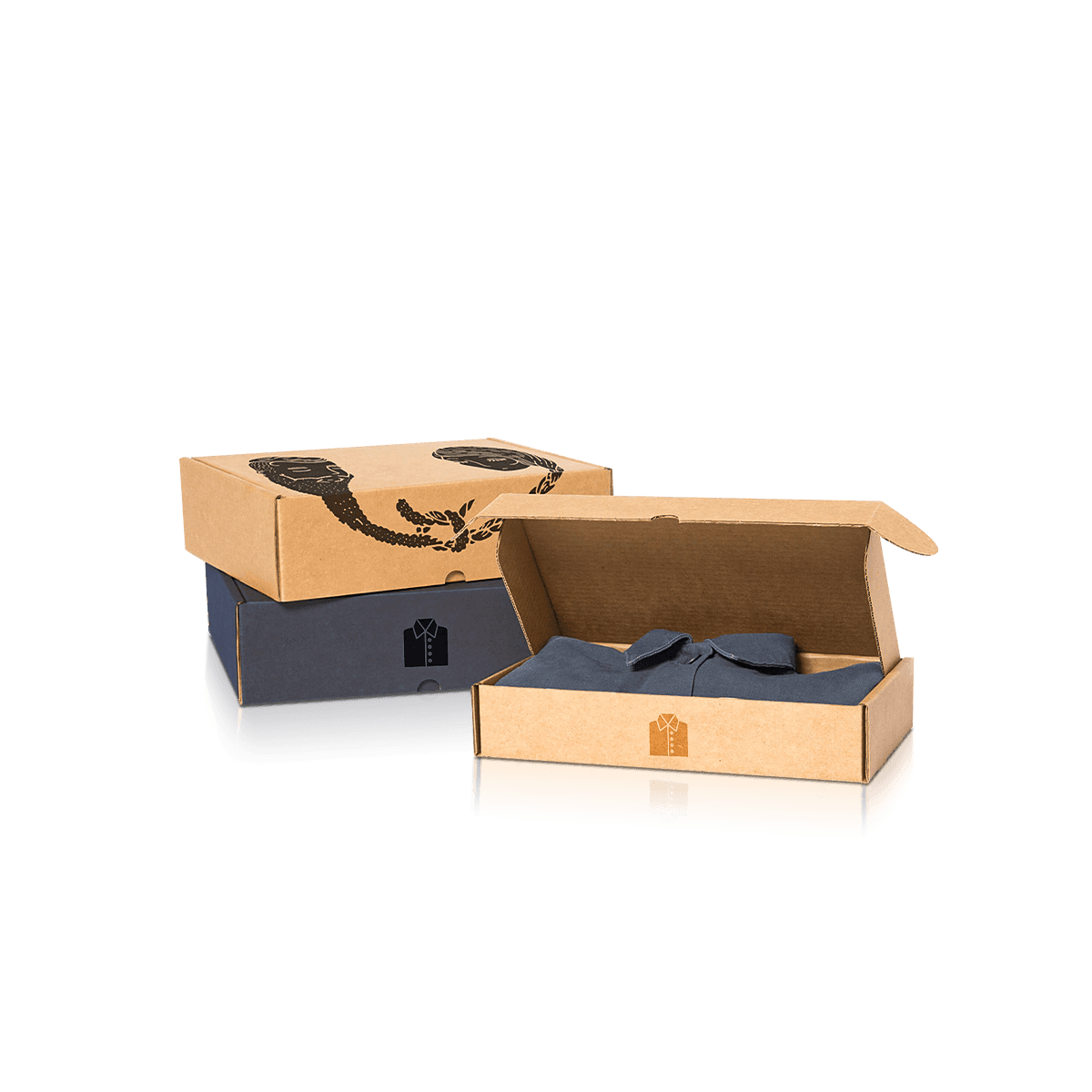
A plain kraft or white box can become retail-ready with the right cardboard sleeve. This is useful for brands that want one base box across a product family but different sleeve designs for each item.
For example, a candle brand may use one box size for several scents. A skincare brand may use the same carton for a set of travel-size products. A cafe may use the same tray or food box for multiple menu items. The sleeve gives each product its own identity while keeping the base packaging simple.
This approach can reduce packaging waste and make stock management easier because the box, tray or container does not need to change every time the product label changes.
Food, Cafe and Takeaway Packs
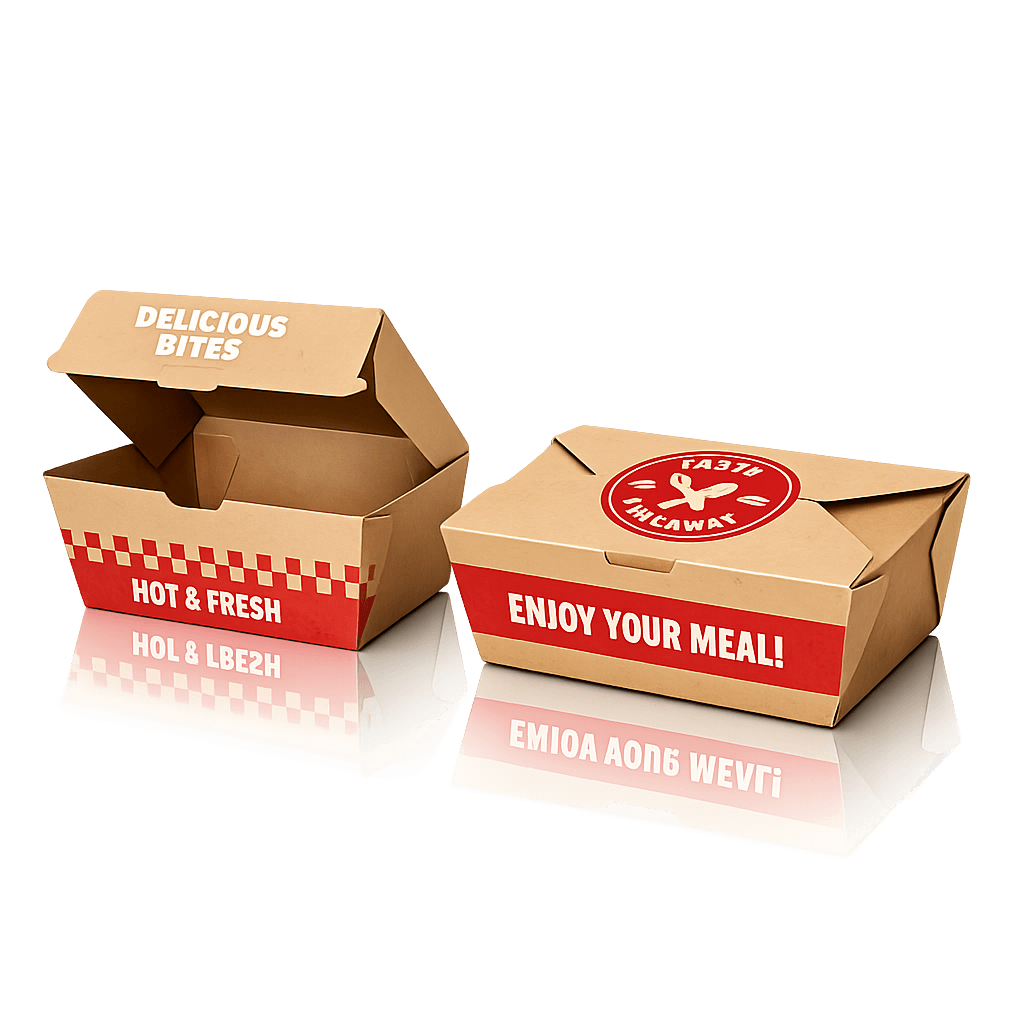
Cardboard sleeves are useful for takeaway packs, bakery trays, sandwich packs, chocolate bars, dessert boxes, meal kits and cafe retail items. The sleeve can hold branding and product information while leaving the main food container practical for packing and handling.
For food-facing projects, the sleeve usually wraps the outside of the pack. That means it can improve presentation without needing to touch the food directly. It can also hold nutrition notes, flavour names, heating instructions, batch details or promotional messaging.
Cafe and takeaway brands planning menu-based packaging can use Custom Cafe and Takeaway Packaging for related packs, bags, trays and sleeves that need to work across daily service.
Retail Products With Seasonal Changes
A sleeve is one of the easiest packaging parts to update for seasonal ranges, limited editions and promotional bundles. You can keep the same product box or tray and change the sleeve artwork for Mother’s Day, Christmas, summer ranges, product launches or collaborations.
This works well for soap, candles, confectionery, apparel accessories, skincare, pet treats, tea, coffee, wellness products and gift sets. The sleeve gives you room for campaign artwork without rebuilding the full packaging structure.
Products That Need More Than a Label
A label can look too small on some products. A full printed box can cost more than the product needs. A cardboard sleeve sits between those two options.
It gives more print space than a sticker and more structure than a paper label. It can also cover more of the product surface, improve shelf blocking and make the pack feel more intentional in retail displays.
Fit, Wrap and Fold Lines Matter
The best Custom Cardboard Sleeves feel snug, straight and easy to apply. The sleeve should slide into place smoothly and stay aligned through packing, handling and display.
Measure Around the Real Pack
Sleeve sizing should be based on the actual product or packaging the sleeve will wrap around, not only the listed product dimensions. The difference can be small but important.
A box with folded edges, a tray with a raised rim or a container with a slight taper can change the sleeve fit. If the sleeve wraps around a product with rounded corners, the dieline may need extra allowance so the sleeve does not pull too tightly.
A good sleeve measurement checks:
- Pack length, width and height
- Total wrap distance around the product
- Sleeve depth from top to bottom
- Product shape and corner radius
- Board thickness
- Opening direction
- How the sleeve will be applied by hand or during packing
The goal is a sleeve that feels secure without slowing the packing team down.
Choose the Right Sleeve Depth
Sleeve depth controls how much of the pack is covered. A narrow sleeve creates a lighter banded look. A deeper sleeve gives more print space and stronger shelf impact.
A narrow sleeve suits soap bars, chocolate bars, small trays, stationery packs and simple product bundles. A deeper sleeve suits retail boxes, food trays, gift packs and products that need more space for information.
The sleeve should not cover important opening points, seals, windows or handling areas unless that is part of the design. It should support the product instead of making the pack harder to use.
Plan the Glue Seam and Overlap
Many cardboard sleeves include a glue seam or overlap area. That seam should sit where it will not distract from the main artwork or create an awkward bump on the display face.
For retail products, the seam usually works best on the back or underside. For food trays or packed goods handled from multiple angles, the seam location should avoid edges that receive pressure during stacking or handling.
Artwork should also respect the seam. Small text, logos and barcodes should not sit across the overlap unless the structure is designed to support it.
Cardboard Stock That Holds Shape
Custom Cardboard Sleeves need enough strength to hold shape but enough flexibility to wrap cleanly. The right stock depends on the product weight, sleeve depth, display method and finish.
Paperboard for Light Retail Packs
Paperboard sleeves suit lightweight products where clean folds and sharp print matter. They work well for soap, chocolate, confectionery, small boxes, cosmetics, stationery, cards, apparel accessories and promotional packs.
Paperboard is a good option when the sleeve needs to look neat but does not need heavy-duty strength. It can be printed with sharp artwork and finished with matte, gloss or other brand-focused treatments.
Cardboard for Better Grip and Presence
Cardboard gives the sleeve a stronger feel. It can be useful when the sleeve is deeper, the product is handled often or the packaging needs more structure on shelf.
Custom Cardboard Sleeves can help a pack feel more substantial without moving into a full printed box. This is useful for retail products where the base packaging is plain or practical but the brand still needs a strong printed surface.
Kraft Cardboard for Natural Brands
Kraft cardboard sleeves suit brands that want a natural, earthy or handmade look. They are often used for soap, bakery items, wellness products, candles, food gifts, organic ranges and eco-led product lines.
If the main goal is a natural surface with simpler print, Custom Kraft Sleeves may suit the range better. If the sleeve needs a stronger printed retail look, white or coated cardboard can give colours more brightness.
Print Space That Works Harder Than a Sticker
Cardboard sleeves give you more room to explain the product than a standard label. This is useful when the packaging needs both branding and practical information.
Front Panel for Fast Recognition
The front of the sleeve should make the product easy to understand at a glance. Use it for the logo, product name, flavour, scent, size, range name or key selling point.
Clear hierarchy matters. A crowded sleeve can make the product harder to read. The best front panels usually have one clear brand mark, one product identifier and a few supporting details.
For retail shelves, the front panel should also consider how products sit next to each other. A consistent sleeve system can make multiple SKUs look like one organised range.
Back Panel for Product Details
The back panel can carry barcode placement, ingredients, instructions, safety notes, batch information, social handles, QR codes or product claims.
The sleeve should be sized so these details remain readable after folding. Important information should not sit too close to crease lines, glue seams or trim edges.
For food, wellness and cosmetic products, leave enough space for required product information and any label details that may change between variants.
Side Panels for Range Colour and SKU Cues
Side panels are useful for colour coding. A small colour strip, pattern, icon or variant label can help customers identify a product quickly.
This matters when products are stacked, displayed in rows or placed in gift sets. It also helps packing teams pick the right sleeve for the right product during fulfilment.
Sleeves for Product Ranges and Multi-SKU Orders
Custom Cardboard Sleeves are especially useful when one product format needs several different looks. A single base box or tray can stay the same while sleeves change by product type, flavour, scent, size or promotion.
One Base Pack, Many Sleeve Designs
Using one base pack across several SKUs can simplify ordering and storage. The sleeve becomes the flexible branding layer.
This works well for:
- Candle scents
- Soap bars
- Tea blends
- Coffee varieties
- Chocolate flavours
- Skincare ranges
- Pet treat types
- Apparel sizes
- Subscription inserts
- Seasonal gift packs
Instead of holding many different printed boxes, a brand can hold one base pack and several sleeve artworks. This can make reorders easier and reduce the risk of being left with outdated packaging.
Short Campaigns Without Full Box Changes
Seasonal campaigns often need speed and flexibility. A sleeve can carry a limited-edition design while the main box stays unchanged.
This helps brands test a new look, launch a collaboration, add a promotional message or create event packaging without rebuilding the full packaging system.
MOQ starts from 50, so smaller runs can support trial products, market testing and first launches. Larger repeat runs can then use the same dieline and updated artwork once the campaign proves itself.
Packing Teams Need Clear Sleeve Logic
When several sleeve designs are used together, packing clarity matters. Sleeves should be easy to identify, store and match with the right product.
Clear naming, colour systems and SKU references can reduce packing errors. If multiple sleeves share the same size, artwork should still make each variant clear from the outside of the stack or carton.
This detail becomes more important as orders grow into thousands of units or repeat packaging programs.
Dielines That Keep Sleeves Straight
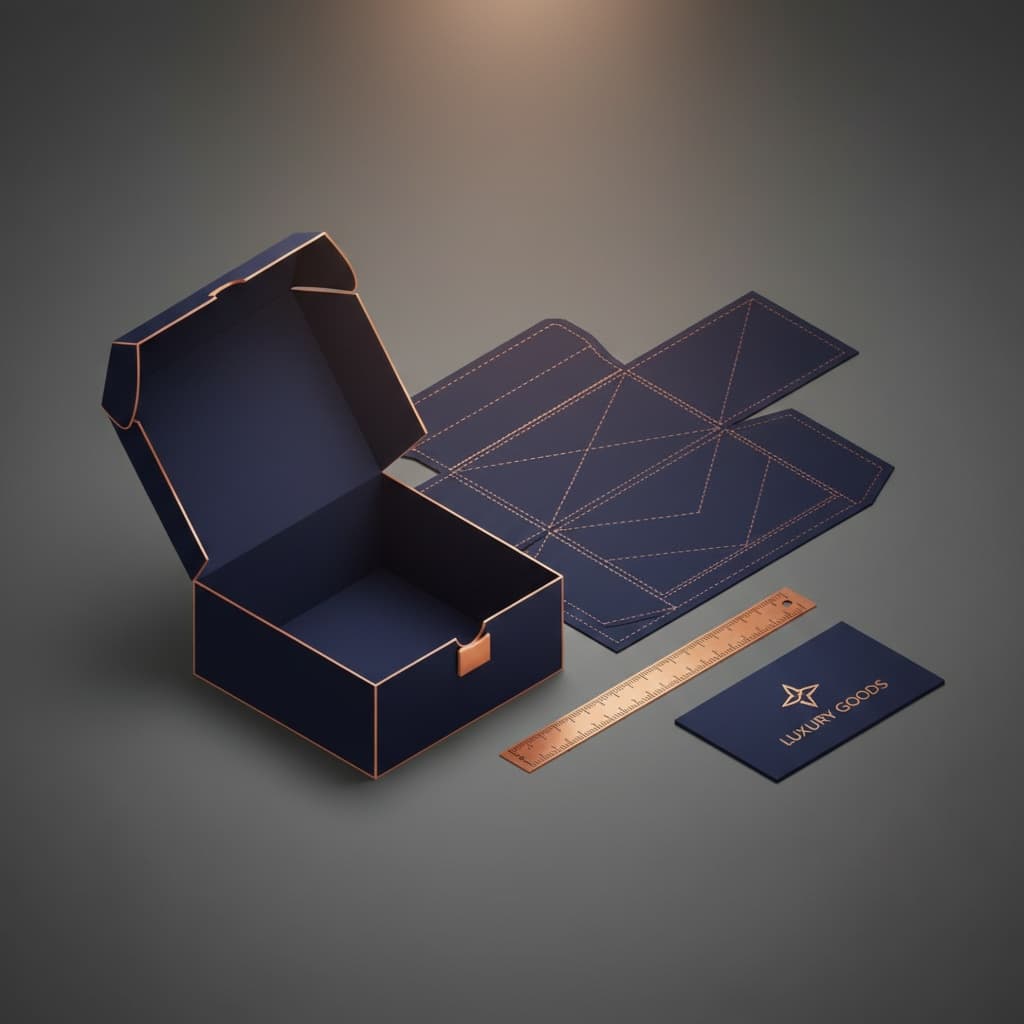
A cardboard sleeve dieline is simple in shape but easy to get wrong. The wrap length, panel width, fold lines, glue seam and bleed must all match the real product.
Allow for Thickness and Movement
A sleeve has to wrap around the product with enough allowance for board thickness. A dieline that only matches the product’s outside size may become too tight once folded.
The sleeve also needs to account for how it will move during packing. If it needs to slide over the product, it needs slightly more allowance than a sleeve glued directly around a pack.
For flat products, allowance can be tighter. For boxes, trays and containers with raised edges, the dieline may need more room.
Keep Artwork Away From Folds
Sleeve artwork should be built around fold lines. Logos, fine text, QR codes and barcodes should not sit on creases unless the design intentionally uses that fold.
Bleed and safe zones help prevent white edges or cut-off details. The artwork should also consider which panel will face forward, which panel will sit underneath and where the seam will appear.
Custom Packly’s Dieline Tool can help with early size planning before final artwork is prepared.
Check Hand Packing Before Full Runs
A sleeve may look correct in flat artwork but behave differently during packing. It should be easy to open, slide over the pack and align without bending.
A sample can be useful when the sleeve is deep, the board is thick, the product has an unusual shape or the packing team needs to apply sleeves quickly. For standard sleeves, a mockup and clear dieline review may be enough before production.
Finishes That Match the Product Position
The finish should support the brand and the way the sleeve will be handled. A sleeve for a premium cosmetic set may need a different finish from a sleeve for a food tray or soap bar.
Matte and Gloss for Everyday Retail
Matte gives a clean, modern look and can soften bold colours. Gloss can make product photography, colour blocks and graphic patterns feel brighter.
Both can work well on Custom Cardboard Sleeves. The better choice depends on the product category and how the pack is handled.
For sleeves that slide over boxes or trays, the finish should also resist scuffing and cracking at folds.
Foil, Embossing and Spot UV
Premium finishes can make a simple sleeve feel more valuable. Foil can highlight a logo or range name. Embossing and debossing can add touch. Spot UV can create contrast on a matte surface.
These finishes work best when used with restraint. A cardboard sleeve has limited space, so one strong feature often looks better than several competing effects.
Eco-Friendly Finish Choices
Eco-friendly material choices are strongest when the sleeve still performs well. The sleeve should print clearly, fold cleanly and suit the product’s use.
For natural products, kraft board with simple print can be effective. For more colour-heavy packaging, a recyclable board with clean print and minimal coating may be a better balance.
When Cardboard Sleeves Beat Other Sleeve Styles
Custom Cardboard Sleeves suit products that need a structured branded wrap. Other sleeve styles may fit better when the pack needs a different feel, opening style or material.
If the product only needs a narrow wrap around a jar, tray, bundle or box, Custom Belly Band Packaging can be lighter and more minimal.
If the product needs a sleeve that is not specifically cardboard-led, Custom Product Sleeves can suit wider product shapes, printed wraps and brand covers across several categories.
If the product needs a separate sliding tray, Custom Cardboard Sleeves may not be enough. A tray and sleeve structure is better when product placement and reveal matter more than a simple wrap.
The right choice depends on whether the sleeve is mainly for branding, structure, display, SKU control or a complete unboxing experience.
Quote Details That Avoid Sleeve Rework
A better quote starts with the exact pack the sleeve will wrap around. A cardboard sleeve is not only priced by size and quantity. The wrap length, depth, stock, print coverage, finish, artwork count and packing method all affect the final production setup.
Send these details when requesting pricing:
- Product or base pack dimensions
- Whether the sleeve wraps a box, tray, container or loose product
- Sleeve depth or coverage preference
- Quantity per artwork
- Total number of sleeve designs
- Board preference such as kraft, white or printed cardboard
- Print sides and finish ideas
- Barcode, QR code or required product information
- Artwork status
- Deadline or launch date
Custom Packly can help refine the sleeve size, choose the right board and check whether the design needs a sample before production. When measurements and quantity are ready, Get a Quote with the product details and any artwork files you already have.
FAQs
Related Packaging Styles
Related Industries
How it works
Simple steps from idea to delivery
Tell Us Your Specs

Tell Us Your Specs
Provide size, quantity, printing, and finishes.
Get a Fast Quote

Get a Fast Quote
Instant transparent pricing, no hidden fees.
Design and Approval

Design and Approval
Artwork checks, revisions, and final sign-off.
Produce

Produce
Expert manufacturing to meet deadlines.
Ship to Your Door

Ship to Your Door
Hassle-free, flexible delivery options.
Start Your Custom Packaging Quote
Share your product details, dimensions, quantity and artwork needs. We’ll help choose the right packaging style and send a clear quote.