What a Packaging Sample Must Prove Before You Commit
A custom packaging sample should prove that the real product fits, the box opens and closes properly, the material is suitable and the approved appearance can be reproduced. If it only looks impressive in a photograph, it has not answered enough questions to justify a bulk order.
The most common approval mistake we encounter is signing off a sample without putting the finished product inside it. A neat logo, sharp corners and attractive mock-up cannot tell you whether a bottle cap catches the lid or an insert grips the product too tightly.
When we review orders at Custom Packly, I prefer one practical question before any sign-off: what did the customer actually test? A short physical check now is more useful than discovering a fit problem after hundreds or thousands of boxes have been made.
Choose the Sample That Answers Your Biggest Unknown
Not every buyer needs the most expensive sample. The right choice depends on what remains uncertain: structure, fit, material, colour or a specialist finish. Separate these questions rather than paying for a fully decorated prototype when you only need to confirm a basic tuck closure.
Start With a Dieline and Examples of Previous Work
For a new custom packaging project, our first steps can include a free dieline and free examples of previous work. These are useful for discussing proportions, board feel and finish quality before ordering a sample built to your own dimensions.
A previous-work example is not a sample of your exact packaging. It may have a different board grade, size, print coverage or insert, so it cannot prove that your product will fit. A dieline is a flat technical layout; it is not a physical strength or assembly test either.
Use a Blank Structural Sample for a Simple Design
If artwork is straightforward and the main uncertainty is size or closure, I usually recommend starting with a blank structural sample. This is often a sensible approach for folding cartons and tuck boxes without elaborate decoration. You can load the product, close the flaps and assess the board before spending more on finished printing.
Confirm what 'blank' means with the supplier. The sample should use a representative structure and material, not merely any white or kraft board cut to roughly the same shape. A sample in the wrong stock can give misleading feedback about stiffness or folding.
Request a Fully Printed Sample When the Finish Matters
When the design includes foil stamping, embossing, debossing or several interacting finishes, I recommend a fully printed sample that represents the intended result as closely as practical. The tactile effect is part of the buying decision, especially for custom rigid boxes and premium presentation packs.
Ask whether the sample uses the proposed production board, print method and finishing process. A one-off print may still be useful, but it should not be described as an exact production match if the final run will be made differently.
Keep 3D Mock-Ups in Their Proper Role
A 3D mock-up can show how a logo wraps across panels, which face the customer sees first and whether the artwork looks balanced on an assembled shape. It cannot establish real clearance, lid pressure, insert friction, board stiffness or print texture. Use it to review the design, not to replace a fit check.

A Perfume Box Was Approved Before the Bottle Was Tested
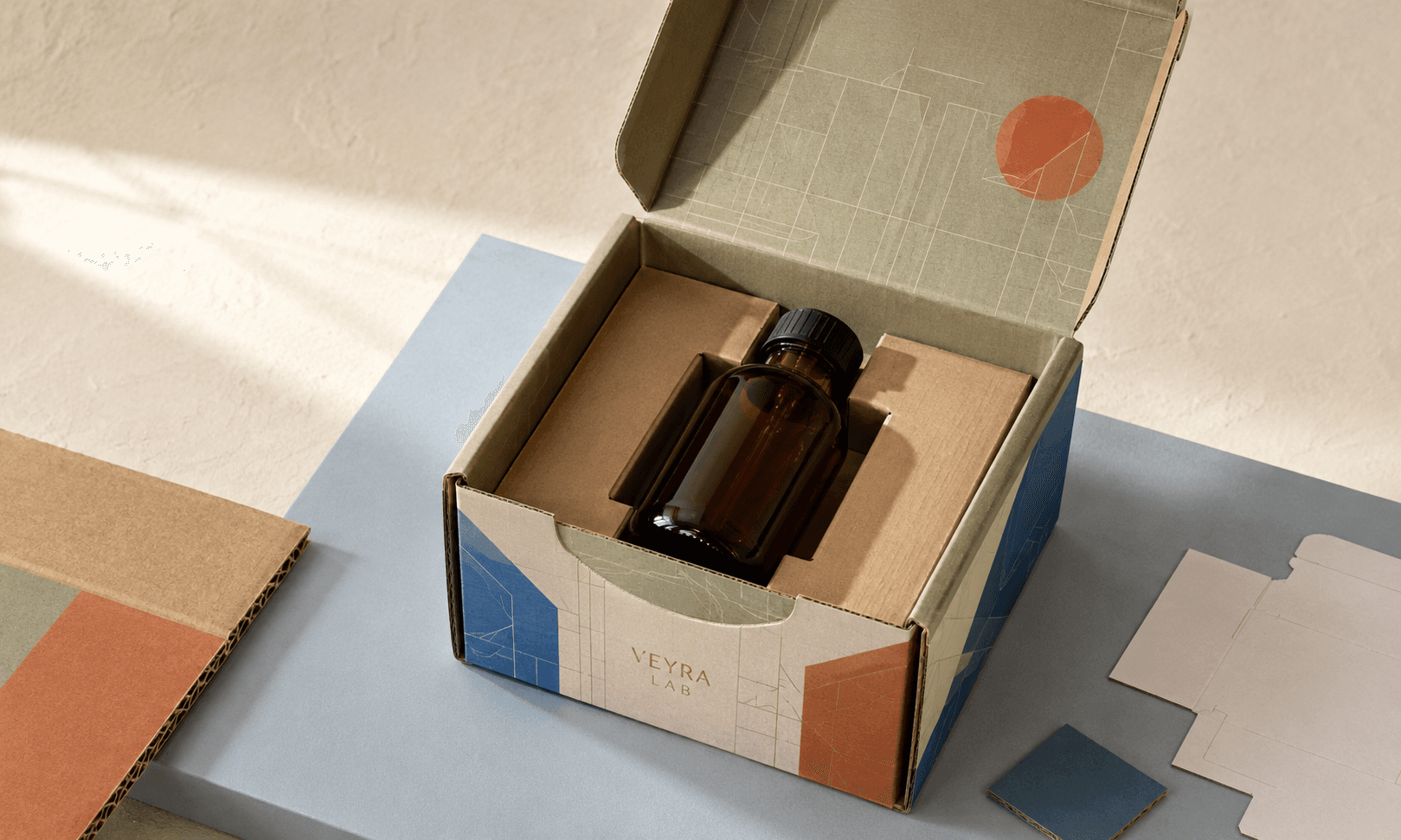
One perfume-packaging customer approved a sample without first trying it with the actual perfume bottle. The presentation looked acceptable, but the essential physical check had not been done.
After that approval, our team asked the customer for photographs of the real bottle with the sample. The request prompted them to check the fit properly, giving us a chance to address the mismatch before moving into bulk production. The key point was not the photograph itself; it was that the customer finally tried the actual product inside the proposed packaging.

This is especially important for perfume boxes. Two bottles with the same stated volume can have different shoulders, cap widths, atomisers and weight distribution. A box approved for a nominal 50 mL fragrance is not automatically suitable for every 50 mL bottle.
My rule since that kind of experience is simple: no final physical approval based on an empty box, however convincing it looks. If the finished product is not yet available, record fit as unapproved rather than pretending the sample has passed.
Check the Actual Product, Not Only the Empty Box
An effective sample review takes place with the product exactly as it will be packed. That means the final cap, pump, label, sleeve, tissue or other components, not an unfinished bottle or an approximate substitute.
If the fit seems questionable, start by rechecking the real measurements. The method in how to measure a box for custom packaging helps you catch protruding lids, pumps and the difference between a product's nominal size and its largest finished dimensions.
Use these checks with the sample on a normal packing surface:
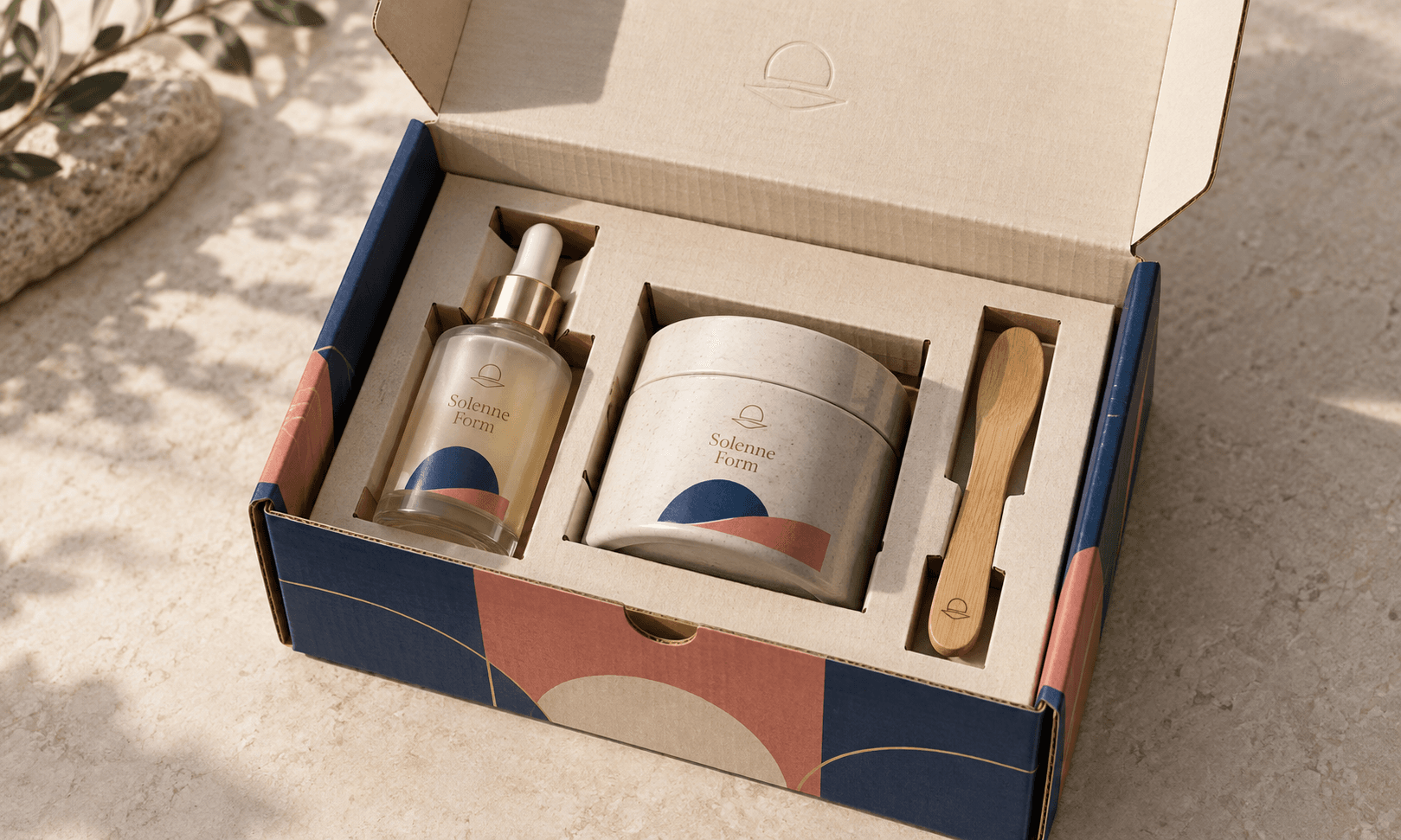
When contents need separation or controlled support, approve the inserts and dividers with the outer box. An insert that works on its own may still sit too high, obstruct the lid or make the product difficult to remove once assembled.
A sample can also reveal avoidable empty space. But do not reduce clearance until the box becomes hard to load, a glass edge touches a rigid panel or a paperboard cradle starts marking a finished surface.
Approve the Dieline and the Folded Box as One Specification
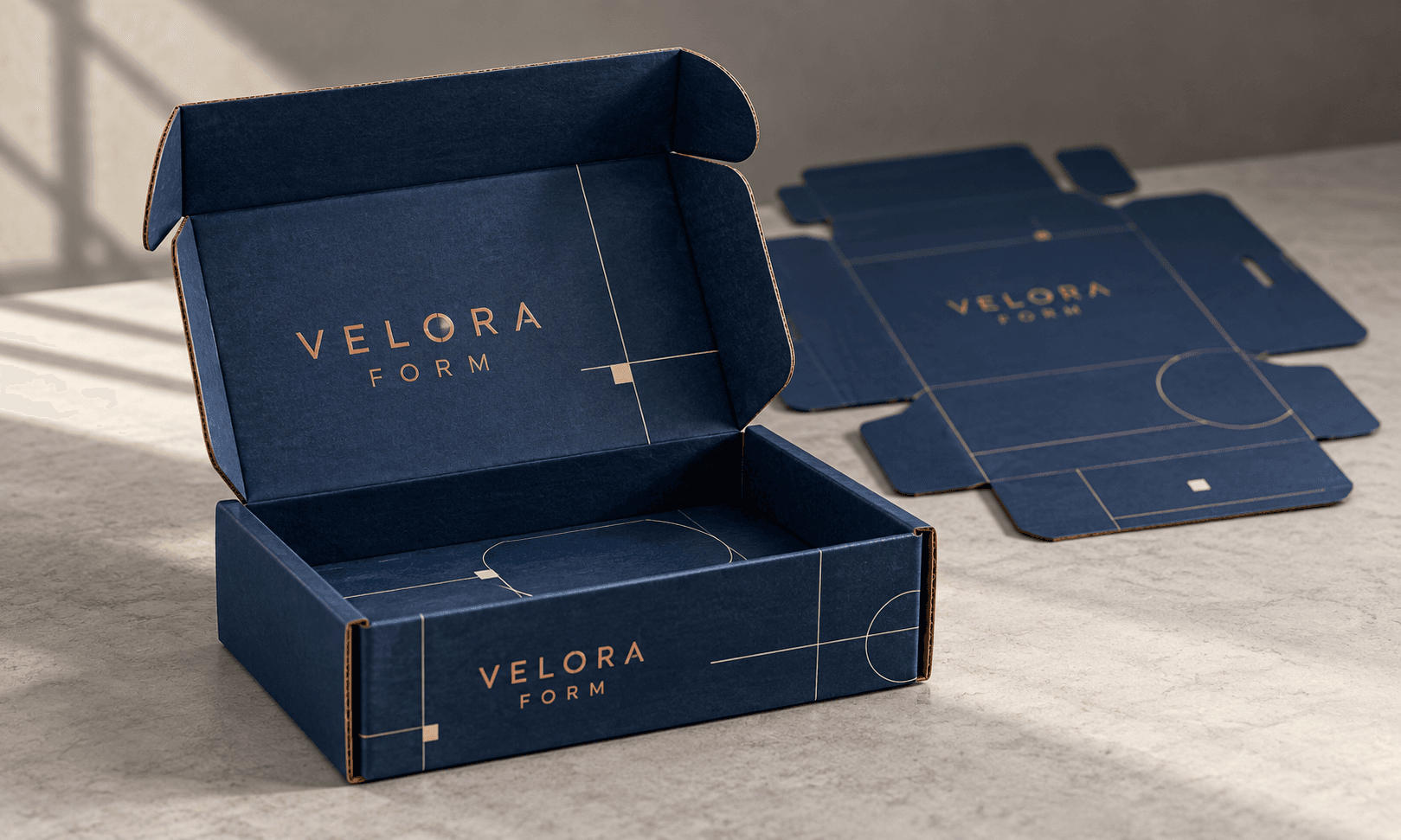
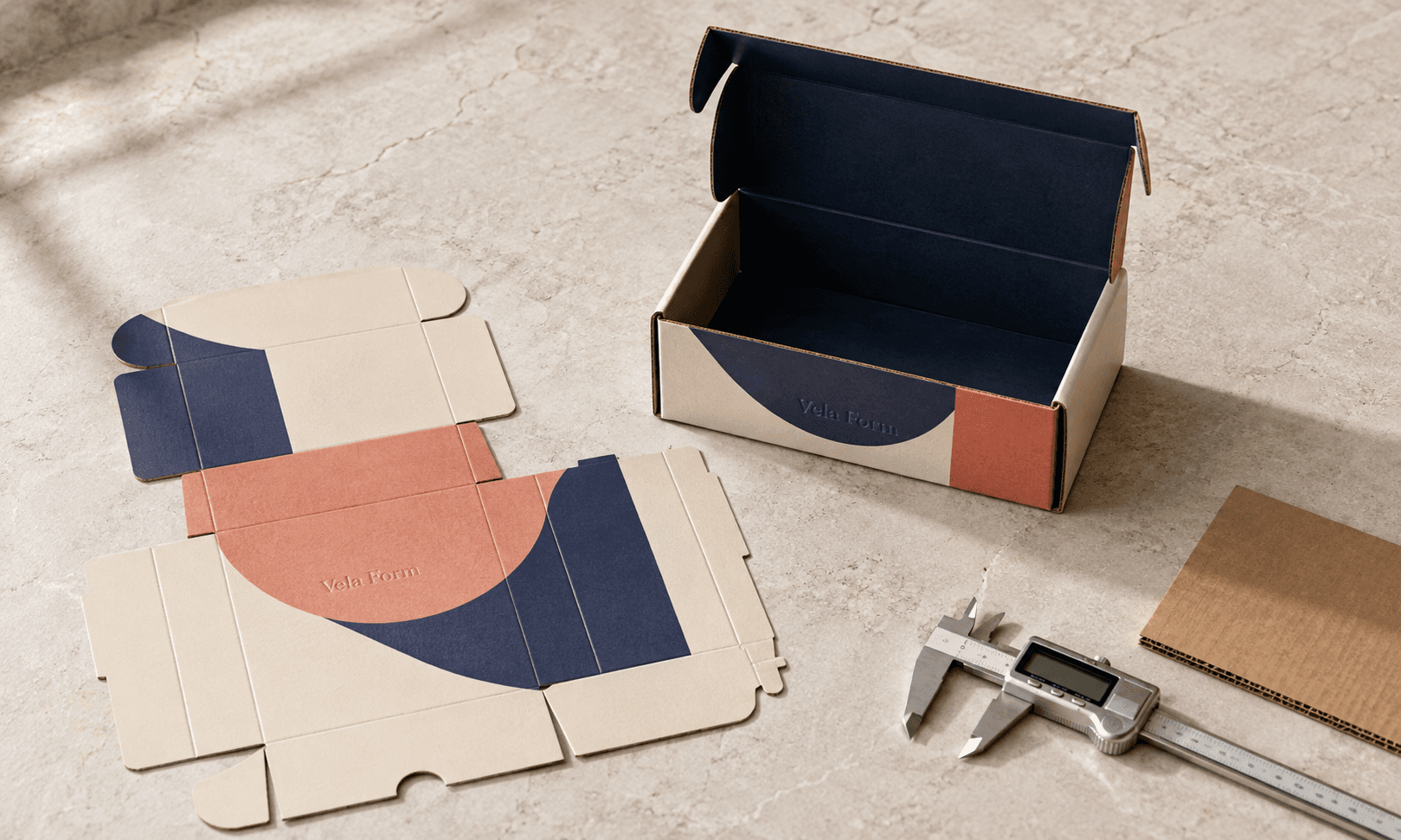
A dieline identifies cuts, creases, flaps and printable panels. Its flat dimensions and the assembled sample must describe the same final structure. Even a correctly measured product may not fit if a board change alters the internal space or a closure is revised after approval.
Use the free Dieline Tool to establish a starting layout for a supported box style, then have the final production dieline checked against the sample and the chosen material.
For Australian orders, keep dimensions consistently recorded in millimetres. Confirm whether every measurement refers to usable internal space or the outside of the assembled box. Note the board grade or caliper where it materially affects the fit.
With the box folded, inspect the direction of the opening, flap engagement, corners, glued areas and printed panel orientation. Check that any barcode, safety wording or important product information does not land on a crease, cut or hidden flap.
Do not approve revised artwork against an old dieline, or a changed structure against an old physical sample. If either changes, identify which checks need repeating.

Treat Print and Finish Approval as a Separate Decision
A box may pass its structural checks while still failing the brand review. On a printed sample, inspect the artwork as it appears on the actual substrate and under ordinary lighting, rather than comparing only files on a screen.
If accurate brand colours matter, decide how to review CMYK and Pantone packaging printing before sign-off. A screen preview is useful for layout, but it cannot confirm exactly how ink will look on kraft board, white stock or a coated paper wrap.
Check whether fine text stays readable, the logo is correctly positioned after folding, printed areas align at edges and the intended inside and outside artwork appears on the right panels.
For tactile elements, compare the physical result with your reference. Matte, gloss, foil, embossing and spot UV finishes can change the way artwork is perceived, so a polished digital rendering is not enough to approve their actual position or effect.
For foiling and embossing, check registration, legibility and whether the finished surface cracks, rubs or becomes hard to fold where the decoration sits. Ask which aspects are representative of the eventual manufacturing method and what tolerances are expected.

A useful approval is specific: 'the foil is centred on the front panel and the raised lettering feels right' tells the production team more than 'looks good'.
Run a Short Packing Trial Before Ordering Hundreds of Boxes
The sample should fit the business's actual packing routine. Assemble it from flat, add the product and every insert, close it with the intended method and check whether it takes unnecessary handling to make the pack look right.
For orders sent directly to customers, custom mailer boxes should also be checked with the intended tissue, labels and sealing approach. An elegant open-box sample is not yet proof that a packed mailer will remain secure in delivery.

Look at how the package behaves when placed upright, picked up, stacked lightly and reopened. For heavier or fragile goods, a realistic packing trial does not replace appropriate transit-strength testing; it tells you whether the design is workable before arranging any further validation.
If a second person has to tape down a flap that was meant to lock, or the insert shifts each time the item is loaded, resolve that issue before final sign-off. Packing inconvenience repeated over a bulk order becomes an operational problem, not a minor aesthetic detail.
Understand What a Sample Can and Cannot Guarantee
A structural sample demonstrates the behaviour of that particular prototype, made with its particular material and dimensions. A printed sample demonstrates the appearance of its own print and finishing setup. Neither automatically guarantees that every box in a later run will be identical.
Ask for any differences between the sample and final manufacture to be stated clearly: board supplier or grade, printing process, finish application, adhesive, assembly method or tolerances. These matter more than whether the prototype is labelled 'final'.
If you switch bottle suppliers, change a closure, add a label, alter the insert or change the board, the earlier fit approval may no longer apply. The change does not always require starting from zero, but it does require identifying and repeating affected checks.

Understand Sample Costs Before You Commit
Sampling has several levels of cost and usefulness. In our process, customers can begin with free dielines and examples of packaging made previously. If an exact custom physical sample is necessary, it can be arranged as a paid sample. Free examples should not be confused with free manufacture of a one-off bespoke box.
There is no reliable universal sample price. Complexity, custom cutting, insert development, printing, specialist finishes, revision count and delivery requirements can affect the quotation. Ask what the proposed sample includes rather than comparing one headline price with another.
Before paying, confirm the sample's specification, how many units you will receive, whether it is blank or printed, what can be revised and whether delivery and GST are included in the quoted amount. Do not assume the sample charge will be credited against a later order unless that has been agreed.
It is often better to spend on a representative blank prototype first if you are still changing the box dimensions. Once the physical structure works, pay for a fully finished sample if the specialist printing or finish warrants that extra approval.
Record an Approval That Production Can Actually Follow
An approval email saying 'all good' is not a complete manufacturing reference. Keep an agreed version of the sample specification so everyone knows exactly what was accepted, including changes made after the prototype arrived.
I recommend recording these points in one sign-off:

If the dimensions or physical components still need correction, do not describe the sample as fully approved. You can approve artwork separately and keep fit or structural approval open until the corrected version has been checked.
When Can You Avoid a Fully Printed Pre-Production Sample?
A fully printed sample is not automatically essential for every order. If the artwork is simple, the board and structure are established and the main risk is fit, a representative blank structural sample may answer the important question more economically.
For a repeat run using an unchanged, previously approved specification, the earlier approved sample and current artwork can provide a useful reference. That does not remove the need to confirm that the product, materials and production requirements have stayed the same.
Where the value of the packaging depends on foil, embossing, subtle colour or a complicated assembly, I would spend more on confirming the finished effect. A physical sample should address the risk you cannot settle convincingly on paper or on screen.
Move to Bulk Production Only When the Questions Are Closed
Before ordering custom packaging in bulk, ask whether the actual product has been packed, the closure and insert tested, the artwork and finish reviewed and the final specification recorded. The goal is not the greatest possible number of prototypes. It is enough reliable evidence to commit without avoidable uncertainty.
If you have a product sample, proposed dimensions and quantity in mind, send them with your artwork status using Get a Quote. State which parts you want to check physically and whether a blank or printed sample is likely to answer those questions. That makes the sampling discussion more useful from the start.