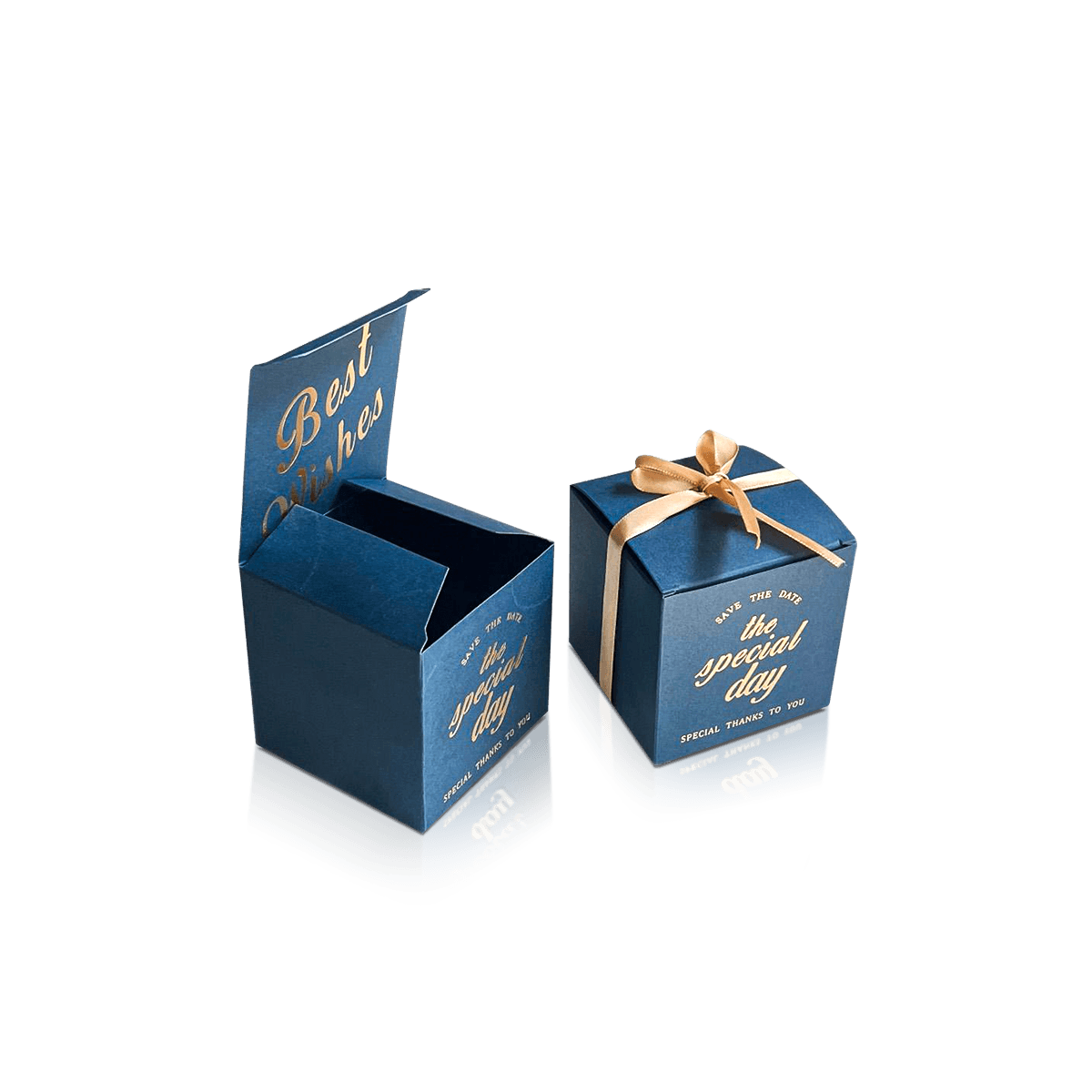
Custom Dessert Boxes
Organise chilled cups, dessert slices and mixed sweet selections with stable trays, clean separation and print planned for collection, gifting and delivery.
Free Design Support
Clear Pricing
Flexible Quantities
Unlimited Customization
Premium Materials
Offset Precision
Free Shipping
Quick Turnaround
Custom Dessert Boxes for Chilled Cups, Slices and Mixed Sweets
Custom Dessert Boxes need to manage several product shapes at once. A dessert order may contain a cheesecake slice, mousse cup, brownie, tart and sauce jar, each with a different height, weight and movement risk.
The box should follow the full order rather than one item in isolation. Start with the serving containers, boards and cups, then plan the spaces between them.
Businesses offering cakes, pastries and confectionery alongside mixed sweets can coordinate their structures and artwork through Custom Bakery and Confectionery Packaging.
Measure every dessert with its serving base
Measure each item as the customer receives it. Include the cake board, cup rim, jar lid, wrapper and any raised decoration.
A 90 mm dessert cup may need more room at the rim than at the base. A narrow cheesecake slice may sit on a wider board with a pull tab. Those final dimensions control the internal layout.
Use the tallest finished item as a limit
Cream, fruit, chocolate shards and piping add height. Leave enough space above the tallest point so the lid closes without touching it.
Avoid adding unnecessary depth across the whole carton. Too much empty height allows containers to tilt and can make the assortment feel incomplete.
Mixed Dessert Orders Need Their Own Floor Plan
An assortment looks organised when every item has a clear position. Loose items tend to move towards the heaviest cup or jar once the carton is lifted.
Custom Dessert Boxes can use fixed rows, grouped sections or varied cavities. The best layout depends on how staff fill the order and what the customer should see first.
Separate firm sweets from soft finishes
A brownie can press against a mousse cup without appearing heavy. A tart edge can mark cream or icing during a short drive.
Keep firm and delicate desserts apart through spacing, cups or low dividers. Firm cut pieces sold on their own may suit Custom Brownie Boxes, while mixed selections need support planned around every item.
Balance weight across the base
Place heavier jars, cups and dense slices near the centre or along the strongest area of the base. Avoid putting all heavy items at one end.
A balanced layout feels steadier in the customer’s hands. It also reduces the chance of the base twisting when the box leaves the counter.
Hold Dessert Cups and Jars at the Base
Cups and jars often narrow towards the bottom. A plain divider may leave enough room for the container to tilt even when the top opening looks close.
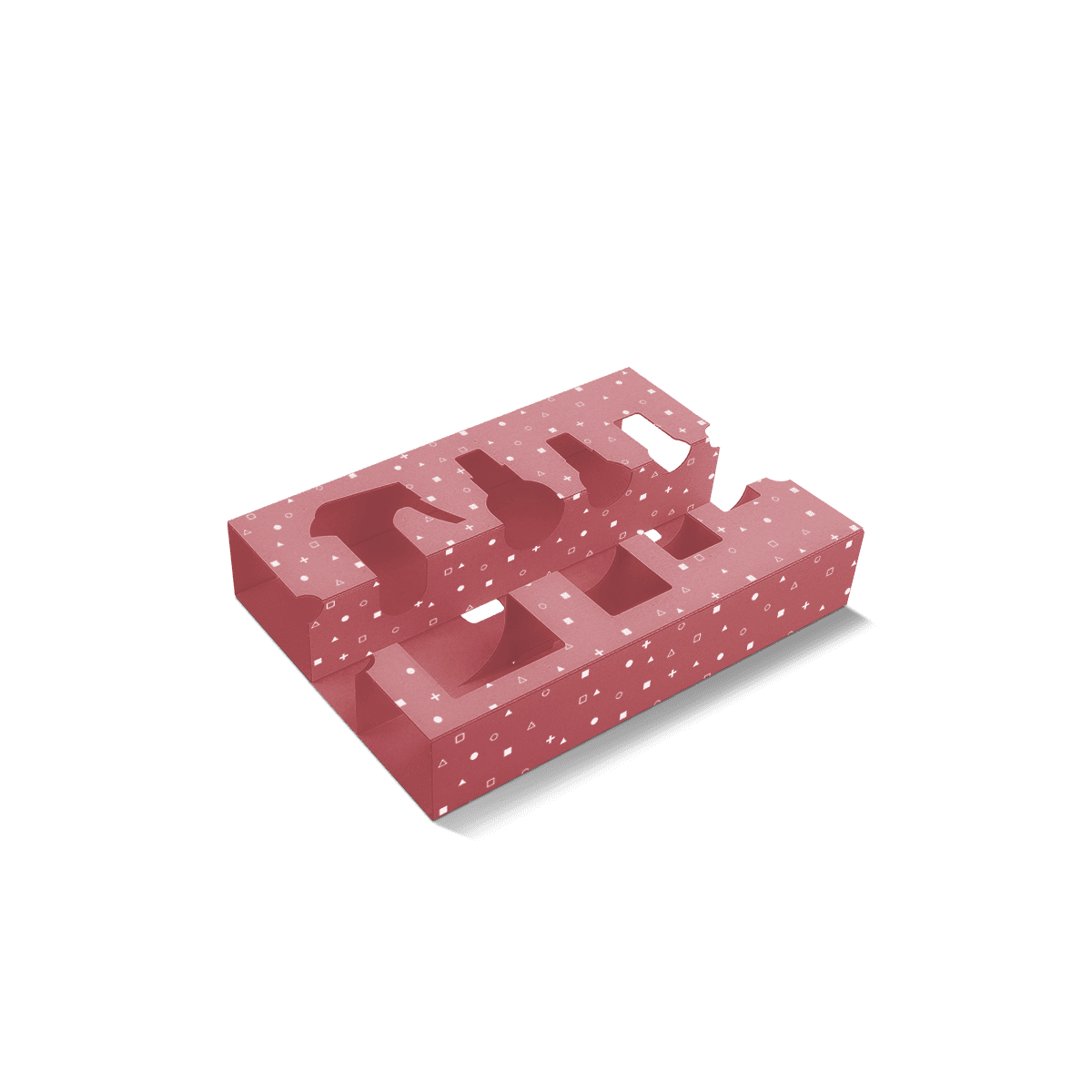
A fitted collar or cradle can support the lower section. Custom Inserts and Dividers can separate containers while keeping lids, labels and toppings clear.
Use collars for round containers
A paperboard collar can hold a dessert cup near its base or shoulder. The opening should allow for normal container variation without gripping too tightly.
The customer also needs a clear lifting point. Finger spaces or a partial opening can make removal easier without weakening the support.
Keep spoons and sauces outside the dessert spaces
Loose spoons, candles and sauce containers can move across finished surfaces. Give accessories their own pocket or narrow compartment.
Check whether a sauce jar must stay upright. A lid may be secure, but a moving jar can still mark other items or disturb the presentation.
Dessert Slices Need a Clean Lift-Out Path
Cake, cheesecake and tart slices can look stable while sitting flat. Problems often appear when staff lower them into a deep carton or customers try to remove them.
The box needs space for the board, the slice and the hand movement required to lift it cleanly.
Support the slice board without trapping it
A close recess can stop a board from sliding. It should still leave enough edge or tab for easy removal.
Do not make customers pull a soft slice past a high divider. A shallow tray or folding wall can provide better access.
Protect the cut face
Cream, filling and exposed cake can touch a wall when the slice moves sideways. Set the cavity around the board rather than relying on the food to hold itself in place.
Where the order mainly contains cakes or larger slices, Custom Folding Cartons and Tuck Boxes can provide wide openings and quick-forming bases for counter service.
Cold Storage Changes the Dessert Box Brief
Chilled desserts create different handling conditions from dry cookies or room-temperature pastries. The carton may move from refrigeration into a warm shop, car or event space.
That change can affect windows, board surfaces and labels. Custom Dessert Boxes should be reviewed under the normal storage and handover routine.
Check moisture after refrigeration
Condensation may appear around chilled cups, jars or clear windows. It can soften untreated surfaces and affect how labels hold.
Test the filled box after its usual refrigeration time. Review what happens during collection rather than judging the empty carton at room temperature.
Keep temperature control separate from structure
A paperboard carton organises and presents the desserts. It does not replace refrigeration or an insulated delivery method.
Longer journeys may need a separate chilled outer setup. Wider material and food-contact needs can be considered through Custom Food Packaging.
The Opening Should Present the Whole Assortment
Mixed desserts benefit from a wide first view. Customers should see the planned arrangement rather than one tall cup hiding the remaining sweets.
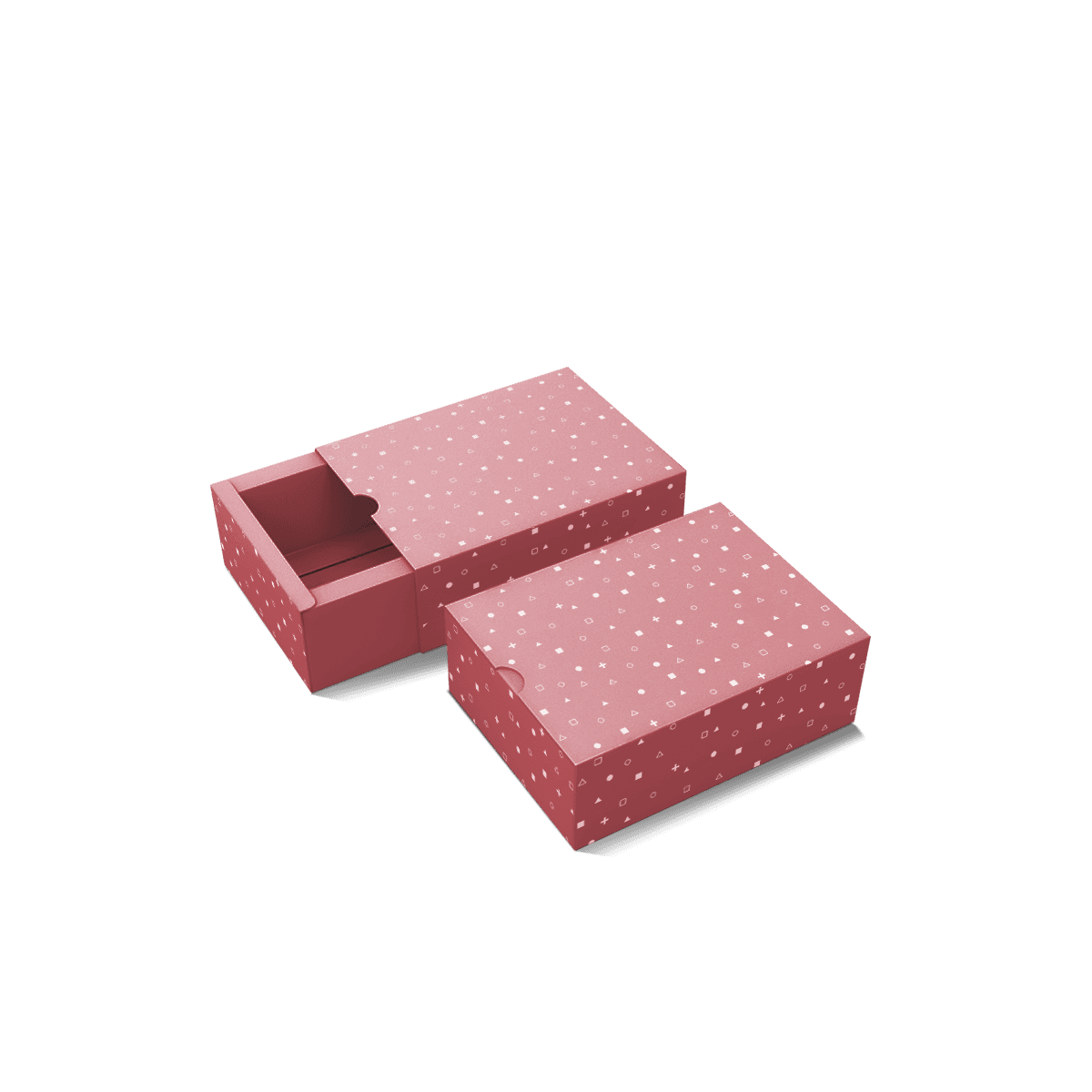
A hinged lid, separate cover or tray-and-sleeve structure can create different opening experiences. The choice should suit filling speed as well as presentation.
Use a lid that clears tall toppings
A hinged lid should open far enough to stay away from cream and decorations during filling. Side tabs must also fold clear of the product.
For a lower assortment, a lift-off lid can provide an even reveal. Staff should be able to replace it without catching on cups or dividers.
Plan windows around the actual layout
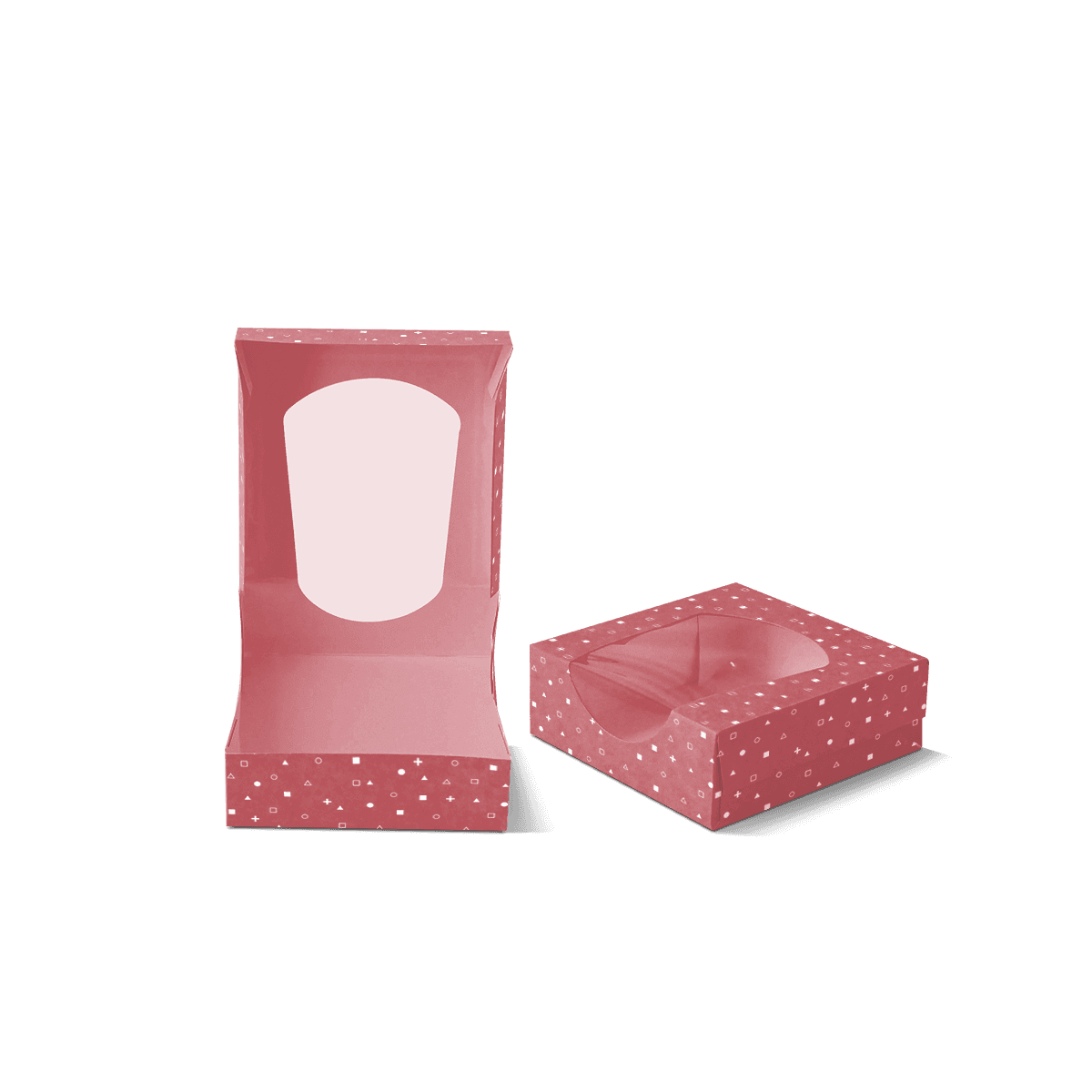
A clear panel can show colour and variety before opening. Its shape should align with the most attractive section of the assortment.
Avoid exposing empty compartments or loose accessories. Leave enough printed board around the window for strength, branding and an order label.
Carrying Stability Matters More Than Empty Strength
An empty carton may feel firm but behave differently when filled with several cups and slices. Test Custom Dessert Boxes at the real order weight.
The base should stay flat while the sides remain square. Any handle or carry feature must support the complete filled weight.
Control movement between compartments
Small gaps can become large movement paths when the carton tilts. Inserts should reach the parts of the containers that need control.
Low dividers may be enough for slices. Round cups often need a shaped opening or base support.
Choose a bag with the right footprint
A narrow carry bag can squeeze the side walls. A wide bag can let the dessert box slide and tilt.
The bag base should support the whole carton. For larger orders, staff may need to carry the box flat with both hands rather than rely on handles alone.
Print Should Help Staff Read the Dessert Selection
Printed dessert packaging can do more than display a logo. Clear artwork can help staff identify flavours, dietary variants, collection names and storage notes.
Custom Dessert Boxes often need working space for labels. Plan that area before the lid artwork is approved.
Map flavours to their positions
A printed card or inside-lid map can identify each dessert in the assortment. Keep the order matched to the tray so the customer does not need to guess.
Use clear names, icons or numbered positions. Do not rely only on subtle colour changes when several desserts look similar.
Reserve a clear pickup label area
Leave a simple panel for the customer name, pickup time or order code. Keep it away from the logo and viewing window.
Side-panel print can help staff find the correct box when several completed orders sit together in refrigeration.
Gift and Event Orders Need Flexible Outer Artwork
Weddings, corporate events and seasonal menus often use the same desserts with different outer presentation. Keeping the inner support unchanged can reduce new fit checks.
Custom Dessert Boxes can use an updated lid, printed sleeve, label or message card while retaining a proven tray.
Keep the dessert layout consistent
A stable internal layout helps staff fill event orders faster. It also reduces errors when hundreds of boxes need the same arrangement.
Change the insert only when the dessert dimensions, container shapes or piece count genuinely change.
Scale after the assortment is proven
MOQ starts from 50 for suitable tasting boxes, private events and limited releases. Custom Packly can also support thousands, tens of thousands and larger repeat orders.
Provide the quantity for each artwork design. Several event names or seasonal prints may share one structure but still need separate production planning.
Keep Repeat Orders Tied to the Dessert Layout
The outer dimensions alone are not enough for a reliable reorder. Record the tray, cavity positions, cup sizes and maximum product heights with the box.
A supplier change to dessert cups or slice boards can affect the fit. Review those measurements before repeating the order.
Give every approved setup its own reference
Name each arrangement by piece count or intended use, such as six-piece chilled selection or mixed tasting box.
Keep artwork versions separate from structural versions. This prevents a design update from being mistaken for a change to the tray.
Update small changes before they cause movement
A wider jar lid, taller mousse swirl or thicker slice board may look minor. Inside a close compartment, it can affect filling and closure.
Custom Packly can review these changes through the available customisation options before the next production run.
Quote Custom Dessert Boxes from the Filled Selection
A useful quote needs the complete dessert arrangement, not only the requested carton size. Send details for the items, containers and handover conditions.
Include:
- Finished dimensions for every dessert
- Cup, jar, board and wrapper measurements
- Maximum height after decoration
- Piece count and preferred position of each item
- Chilled, frozen or room-temperature storage
- Direct-contact, liner and inner-tray details
- Window, divider or cavity requirements
- Accessories such as spoons, sauces or message cards
- Collection, gifting or delivery use
- Quantity for each artwork design
- Print colours and preferred finishes
- Launch date and expected repeat volume
Photos of a normal completed order can clarify the spacing better than loose measurements alone. Add these details through Get a Quote so the structure, insert and artwork can be reviewed as one complete dessert presentation.
Free design support and a 3D mockup can confirm the compartment layout, label space and opening view. A physical sample may be useful when chilled cups, tight cavities or varied container shapes create a genuine fit risk.
FAQs
Related Industries
Related Packaging Styles
How it works
Simple steps from idea to delivery
Tell Us Your Specs

Tell Us Your Specs
Provide size, quantity, printing, and finishes.
Get a Fast Quote

Get a Fast Quote
Instant transparent pricing, no hidden fees.
Design and Approval

Design and Approval
Artwork checks, revisions, and final sign-off.
Produce

Produce
Expert manufacturing to meet deadlines.
Ship to Your Door

Ship to Your Door
Hassle-free, flexible delivery options.
Start Your Custom Packaging Quote
Share your product details, dimensions, quantity and artwork needs. We’ll help choose the right packaging style and send a clear quote.