Skip to content
Details

Custom Donut Boxes

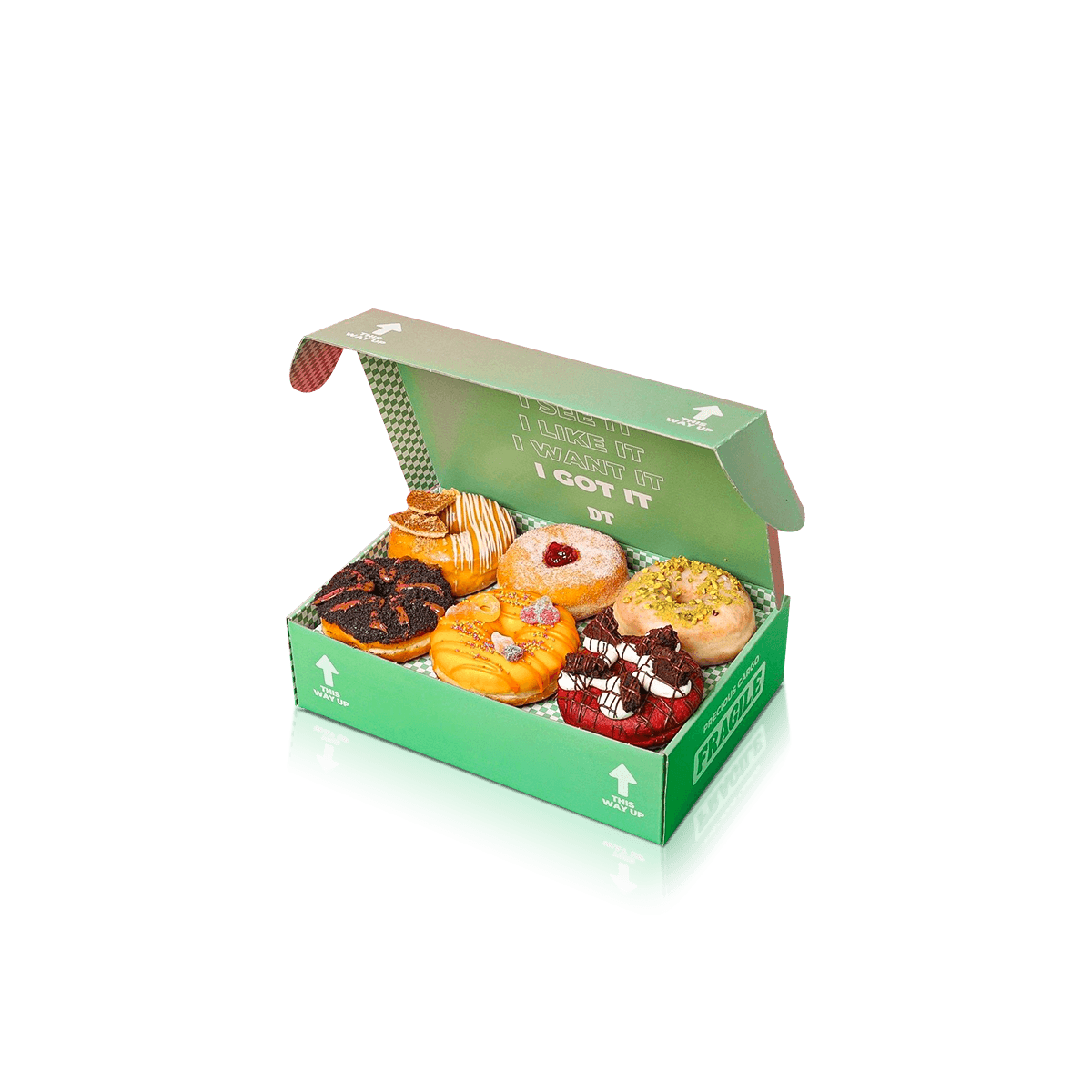
Keep glazed, filled and decorated donuts separated, presentable and easy to carry with boxes shaped around real piece counts and topping height.

Free Design Support

Clear Pricing

Flexible Quantities

Unlimited Customization

Premium Materials

Offset Precision

Free Shipping

Quick Turnaround

Custom Donut Boxes That Protect Glaze, Toppings and Shape

The first job of Custom Donut Boxes is to stop icing, sugar and toppings from touching the lid or neighbouring donuts. Good fit comes from the finished donut size, not the raw dough size or tray size.

Ring donuts, filled donuts, crullers, mini donuts and heavily decorated pieces can vary in width and height. The carton needs clearance above the tallest item while keeping the footprint controlled so the donuts do not slide during collection or delivery.

Leave room above the highest topping

Measure the finished donut at its widest and tallest points. Include glaze, piped filling, crumb, chocolate pieces and raised decorations. A low lid can mark icing even when the base dimensions appear correct.

Headroom should protect the product without making the carton unnecessarily deep. Excess depth can increase movement, make the order look underfilled and use more storage space.

Keep delicate finishes in one layer

Glazed and decorated donuts usually present best in a single layer. Stacking can transfer oil, sugar and colour between pieces or flatten toppings.

A broad base with sensible row spacing is often more useful than a taller carton. High-topped products that need individual cavities are better suited to Custom Cupcake Boxes.

Bakeries selling donuts beside cakes, cookies and confectionery can coordinate colours, seasonal artwork and carrying needs through Custom Bakery and Confectionery Packaging.
Match Donut Box Size to Piece Count

Piece count changes how customers carry, open and share the order. A single donut carton should feel compact. A half-dozen box needs stable rows. A dozen box needs enough base strength to stay level when lifted.

Custom Donut Boxes can be made for individual pieces, pairs, four, six, eight, twelve or mixed assortments. Exact dimensions should follow donut diameter, row layout and topping height rather than a generic size chart.

Single and two-donut orders

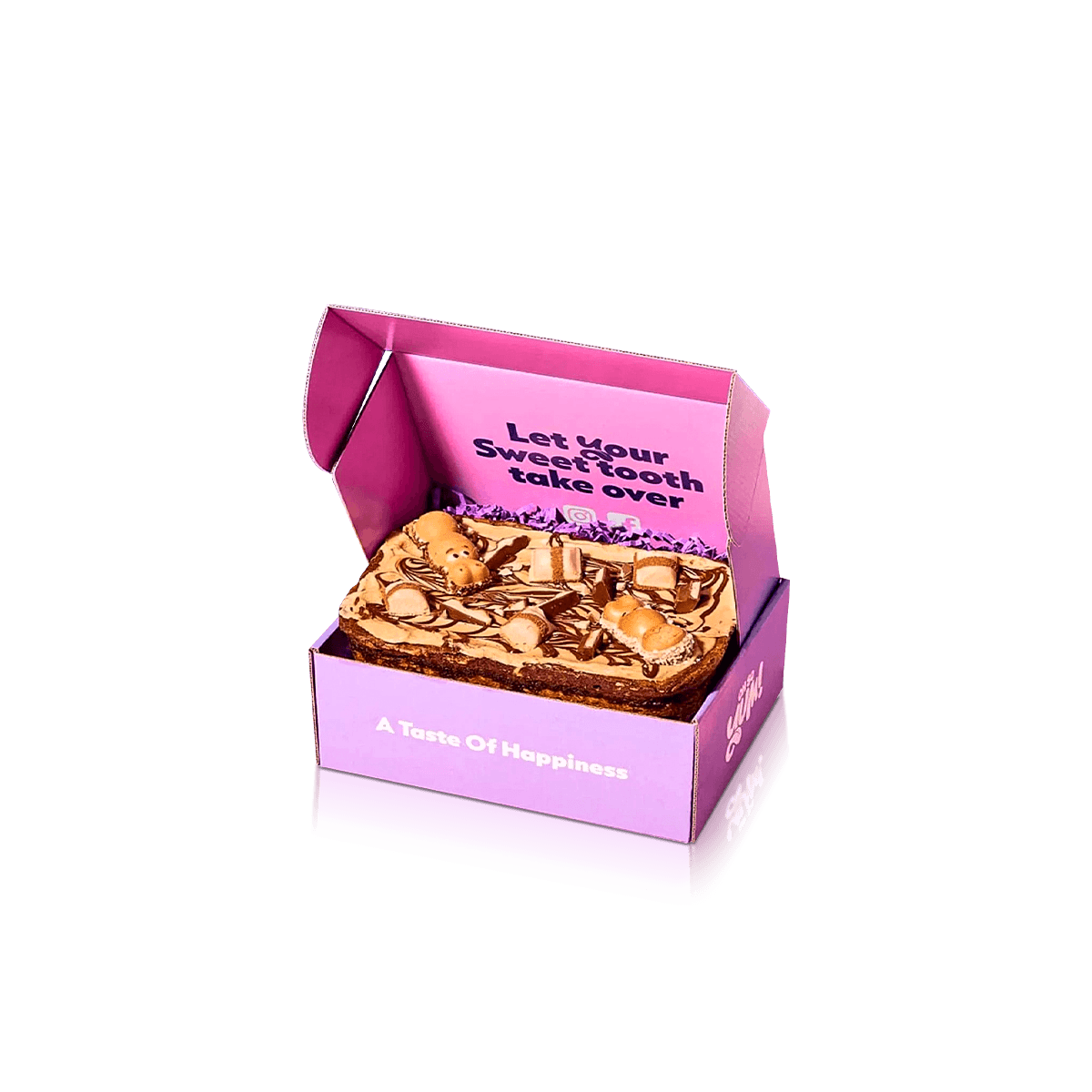
Individual boxes work for events, samples and premium filled donuts. The carton should hold one larger piece without letting it roll or touch the side walls.

For pairs, decide whether the donuts sit side by side or in a short row. Side-by-side layouts create a balanced opening view, while narrow layouts may be easier to carry in a bag.

Half-dozen and dozen boxes

Six and twelve-piece orders need a base that stays flat under the combined weight. The opening should also give staff clear access to each position so toppings are not brushed during filling.

If several donut sizes share one carton, use the largest regular item as the starting point and check how smaller pieces appear inside it.

A practical setup for two heights

A bakery selling classic rings and tall filled donuts may use the same base footprint with two lid heights. The taller carton can carry loaded or seasonal pieces, while the lower carton remains efficient for everyday glazed orders.

Control Steam, Oil and Surface Contact

Warm donuts release moisture after frying or baking. Closing them too early can trap steam, soften toppings and create condensation inside the lid.

The box must work with the bakery’s cooling process. Packaging cannot correct a product that is still releasing heavy heat, so the normal boxing point should be confirmed before ventilation and material choices are approved.

Let fresh donuts cool before closing

Donuts should reach the bakery’s normal boxing temperature before the lid is secured. Small vent details may help release residual warmth in some applications.

Vent position needs care. Too much airflow can dry the product, while too little can leave the inside damp.

Manage grease where it collects

Oil usually affects the base before the side walls or lid. A suitable liner, tray, grease-resistant treatment or removable sheet can help keep the carton neat.

The right choice depends on whether the donut touches the board directly, sits in a paper cup or rests on a separate liner. Broader food-contact decisions can be coordinated through Custom Food Packaging.

Separate artwork from direct contact areas

Direct-contact surfaces may need a suitable food-friendly construction or a separate barrier. Provide clear details about liners, cups, wrappers and expected contact before approving board or print coverage.

Windows Should Frame the Assortment

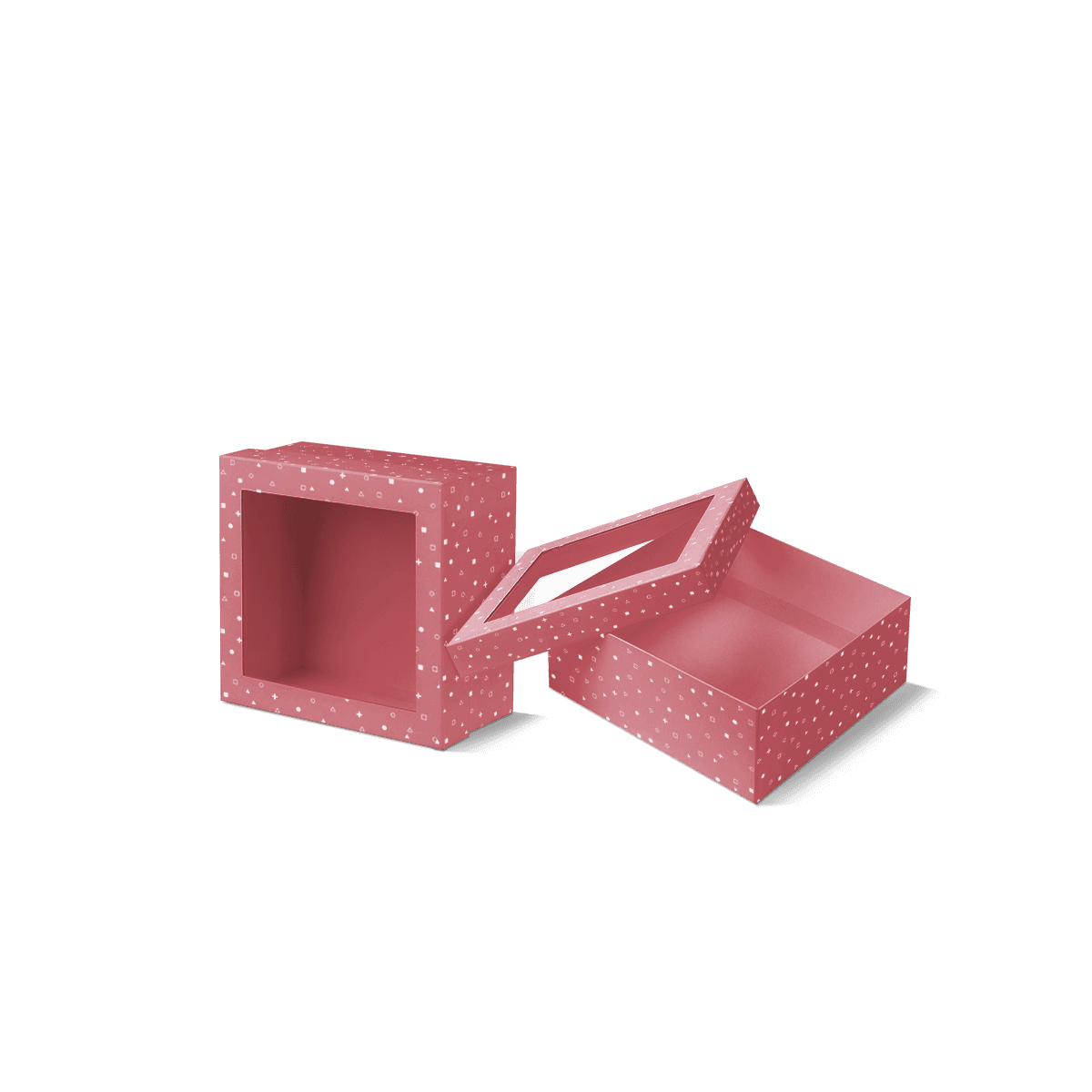
A window earns its place when it reveals colour, texture and variety without weakening the lid. The opening should follow the donut layout and leave enough board around the edges for support.

Oversized windows can expose gaps after movement and may make the lid feel less stable. A narrower or offset panel can sometimes show the product more effectively.

Align the opening with the rows

For a six-donut box, the visible area should follow the row arrangement. For one premium donut, a smaller opening can frame the topping rather than reveal the entire base.

Custom Window Carton Boxes allow the cut-out, patch and remaining board area to be planned together.

Check condensation before approval

Warm products, chilled fillings and humid conditions can fog a clear panel. Test the normal cooling time, storage method and delivery period before choosing a window.

A 3D mockup can confirm placement. A physical sample is more useful when the window, board stiffness or moisture behaviour creates a genuine performance risk.

Choose a Closure Staff Can Fill Quickly

Service speed depends on how easily the carton opens, stays square and closes without touching the donuts. Complicated folds can slow staff during busy periods and encourage forced closures.

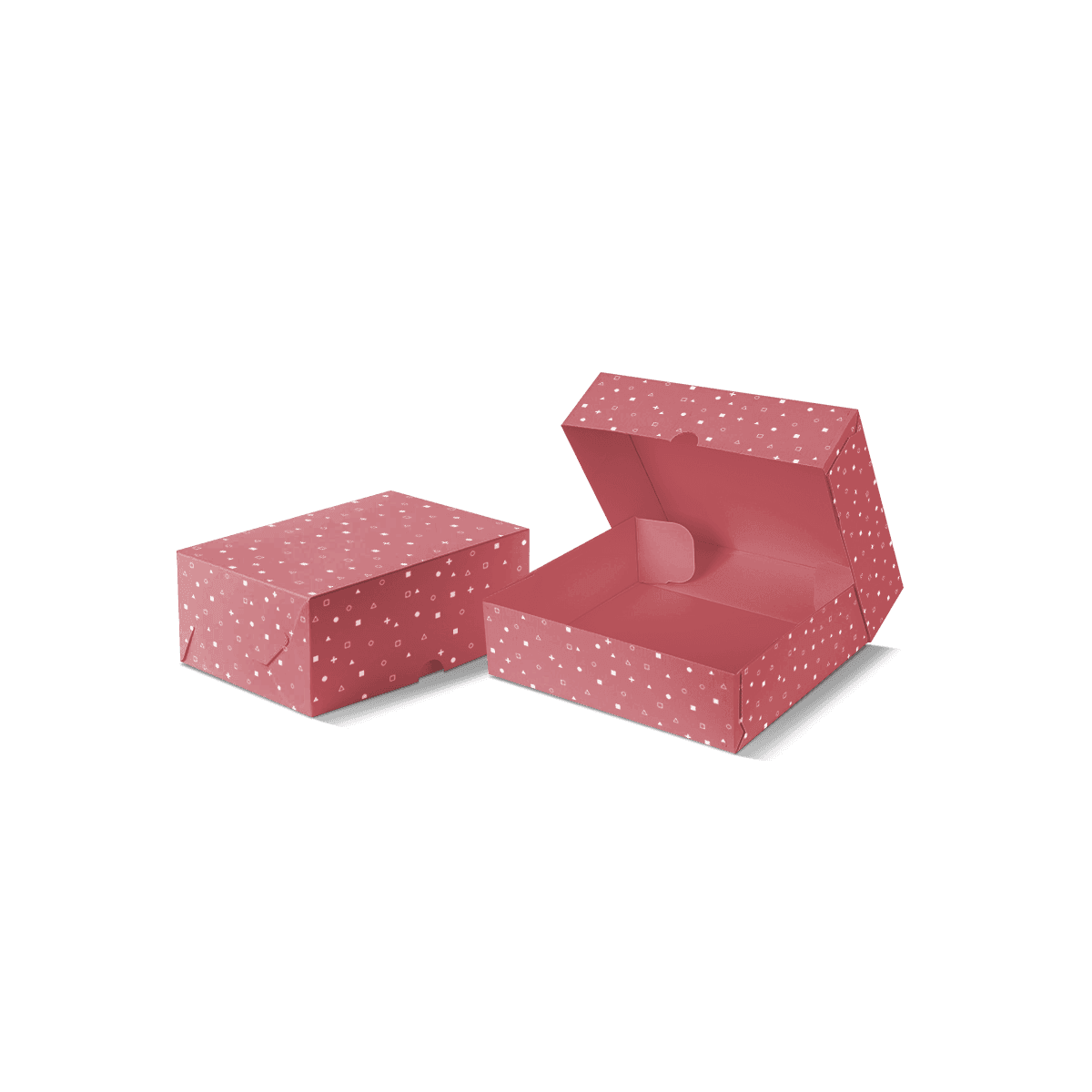
Many donut orders suit a one-piece carton with an attached lid. It gives staff a wide opening and keeps the lid with the base.

Hinged lids for counter orders

A hinged lid supports quick filling and a clear product view at handover. The hinge should open far enough to avoid falling forward while donuts are placed.

Side walls also need enough stiffness to remain upright when the carton is held open.

Folding cartons for compact storage

Flat-packed cartons reduce storage space before use. Custom Folding Cartons and Tuck Boxes offer different base locks, lid styles and assembly methods.

A pre-glued or quick-forming base may be worthwhile when staff assemble hundreds of cartons each week.

Use dividers only when needed

Most regular donuts do not need individual inserts when the base is sized well. Dividers become more useful for mini selections, heavily decorated pieces or mixed gift assortments.

They should be easy to place and should not catch on glaze when customers lift the donuts.

Print That Helps Staff and Customers Identify Orders

The top panel does most of the recognition work during collection and gifting. It can carry the logo, a short message, flavour cues or a clear area for an order label.

Custom Donut Boxes can use outside print for visibility and inside print for a short reveal after opening. Artwork should remain clear around folds, tabs, windows and label positions.

Keep identification visible in a stack

A lid design may disappear when cartons sit in a pickup stack. Side-panel print can help staff and customers identify classic, vegan, filled or seasonal orders without lifting every box.

Reserve space for labels and notes

Order labels and flavour stickers often cover part of the lid. Leave a deliberate blank area rather than placing key artwork where operational labels will sit.

A writable panel can support names, pickup times or allergen handling notes.

Match finishes to the occasion

Matte and gloss change colour depth and handling feel. Foil, embossing or spot UV may suit premium gifting, collaborations or event orders.

Everyday cartons often benefit more from strong colour, clean typography and a surface that handles well.

Plan Seasonal Donut Boxes Without Excess Stock

Limited flavours and festive releases create short demand peaks. The structure should remain useful after the artwork changes so the business is not left with cartons tied to one brief promotion.

MOQ starts from 50 for suitable test runs, event orders and seasonal releases. Custom Packly can also produce thousands, tens of thousands or larger repeat quantities when the carton becomes part of regular service.

Keep one structure across several designs

A shared size can support different colours or messages for launches, collaborations and holidays. Confirm the quantity for each artwork version because the print split affects setup and production planning.

Keeping the core dimensions, board and closure unchanged also makes repeat approvals easier for staff.

Record the finished donut specification

A reliable reorder should include the approved donut diameter, maximum topping height, piece count, row arrangement, liner and window position.

Update the carton before reordering if a new filled variety or larger topping changes the height or width.

Scale after demand becomes predictable

Small quantities can support a new menu item without excessive stock. Larger runs can follow once demand becomes stable.

Bulk storage support and repeat-order planning can help bakeries maintain supply around events, promotions and busy trading periods.

Quote Details That Prevent Fit Problems

A useful quote starts with the finished donut and the way it leaves the counter. Basic length, width and height alone do not show topping clearance, row spacing or moisture risk.

Include:

  • finished donut diameter and maximum height
  • piece count for each carton size
  • row layout or a photo of the current arrangement
  • standard, mini, filled or heavily decorated donut types
  • direct food contact, liner or paper cup details
  • preferred window size and viewing area
  • expected boxing temperature and delivery time
  • quantity and number of artwork versions
  • label area, print colours and preferred finish
  • required launch or reorder date

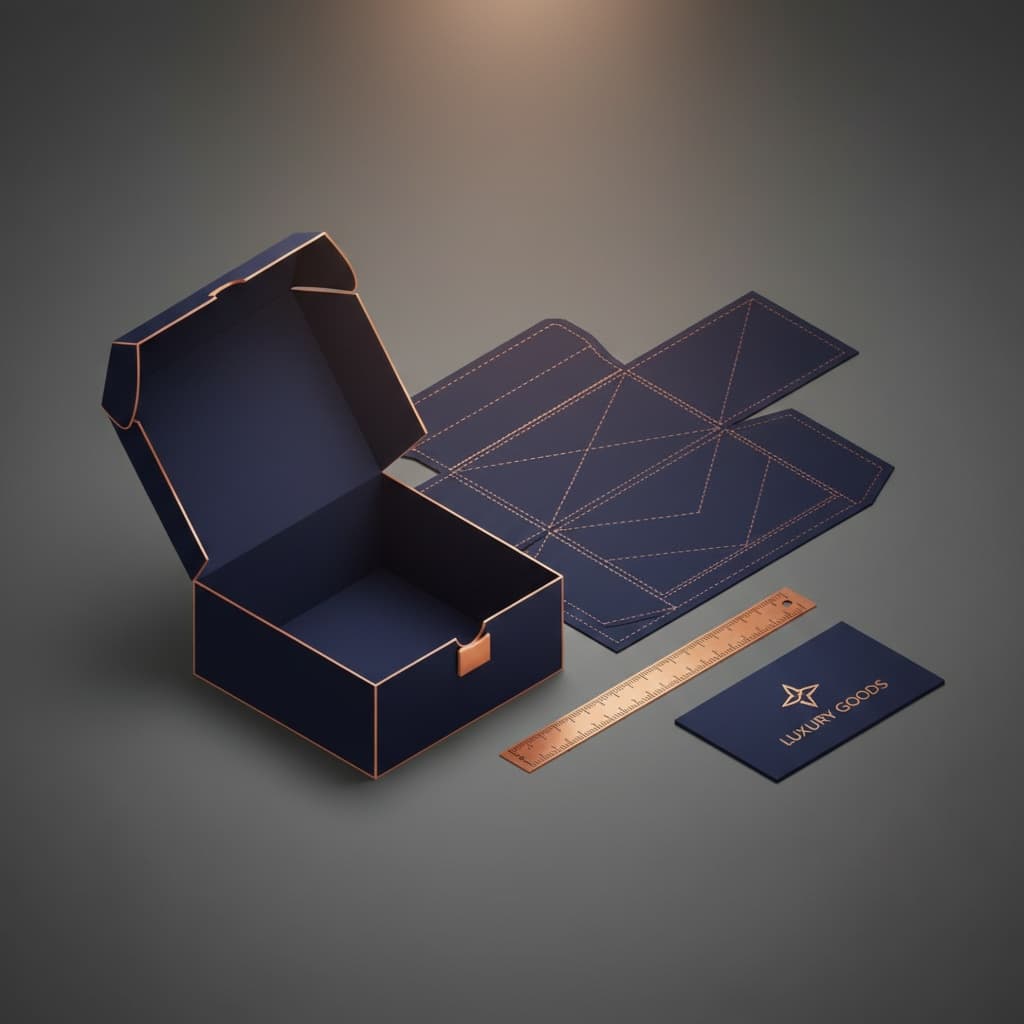
A dieline can then place folds, windows, artwork and label space around the approved dimensions. Send these details through Get a Quote for structure, material and print recommendations suited to your donut service.

Support From First Drop to Daily Service

Donut packaging decisions are easier when product fit, staff handling and print are reviewed together. Custom Packly helps refine the carton around real donut dimensions, topping height, order count and service routine.

Free design support and a 3D mockup can resolve artwork balance, window position and closure details before production. Local production and a 4 to 6 day turnaround can support launches and planned repeat runs once the specification is approved.

The finished carton should feel simple at the counter, secure in transit and recognisable when it reaches the customer.

FAQs

Allow space above the tallest finished topping, not only the plain donut. The lid should never brush the product during closing.

Vents may help when donuts retain slight warmth at boxing. They are not a substitute for proper cooling and too much airflow can dry the product.

They can share a base when their widths are similar, but tall filled donuts may need a higher lid.

Only when the construction suits the intended food contact. Otherwise use an appropriate liner, cup or barrier.

Process

How it works

Simple steps from idea to delivery

01

Tell Us Your Specs

Custom packaging boxes

Tell Us Your Specs

Provide size, quantity, printing, and finishes.

02

Get a Fast Quote

Custom packaging boxes

Get a Fast Quote

Instant transparent pricing, no hidden fees.

03

Design and Approval

Custom packaging boxes

Design and Approval

Artwork checks, revisions, and final sign-off.

04

Produce

Custom packaging boxes

Produce

Expert manufacturing to meet deadlines.

05

Ship to Your Door

Custom packaging boxes

Ship to Your Door

Hassle-free, flexible delivery options.

Start Your Custom Packaging Quote

Share your product details, dimensions, quantity and artwork needs. We’ll help choose the right packaging style and send a clear quote.