Custom Pet Food Boxes
Shelf-ready cartons for sealed pouches, sachets, tins and jars, planned around product weight, feeding information, tamper visibility and retail handling.
Free Design Support
Clear Pricing
Flexible Quantities
Unlimited Customization
Premium Materials
Offset Precision
Free Shipping
Quick Turnaround
Custom Pet Food Boxes That Protect the Inner Product and Clarify the Choice
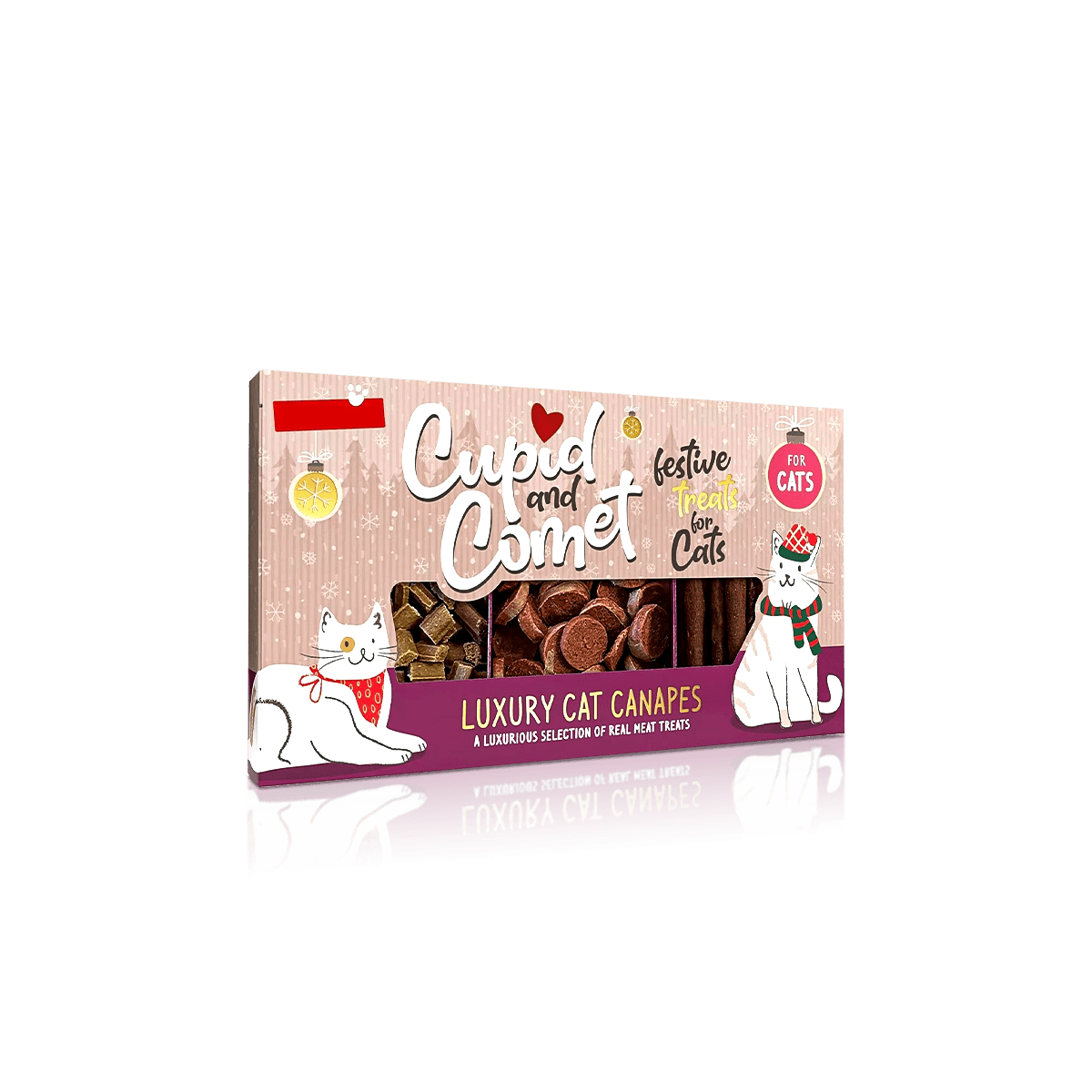
Custom Pet Food Boxes work best as printed outer cartons around a sealed inner product. They can hold pouches, sachets, tins, jars, trays or small inner bags while creating a strong shelf face and more room for feeding details.
The carton should not be treated as the freshness barrier unless a suitable food-contact lining or inner wrap has been confirmed. For dry kibble, powders or wet food, the sealed inner item normally manages moisture, aroma, oil and direct product contact. The box then supports display, grouping, handling and brand communication.
Boxes for pouches, sachets, tins and jars
A small carton can group single-serve sachets by recipe or feeding stage. A larger folding carton can hold a sealed pouch for shelf display. Tins and jars may need a base that supports more weight and an insert that limits side movement.
Custom Pet Food Boxes can also present trial selections and starter bundles.
Front panels that make feeding choices clear
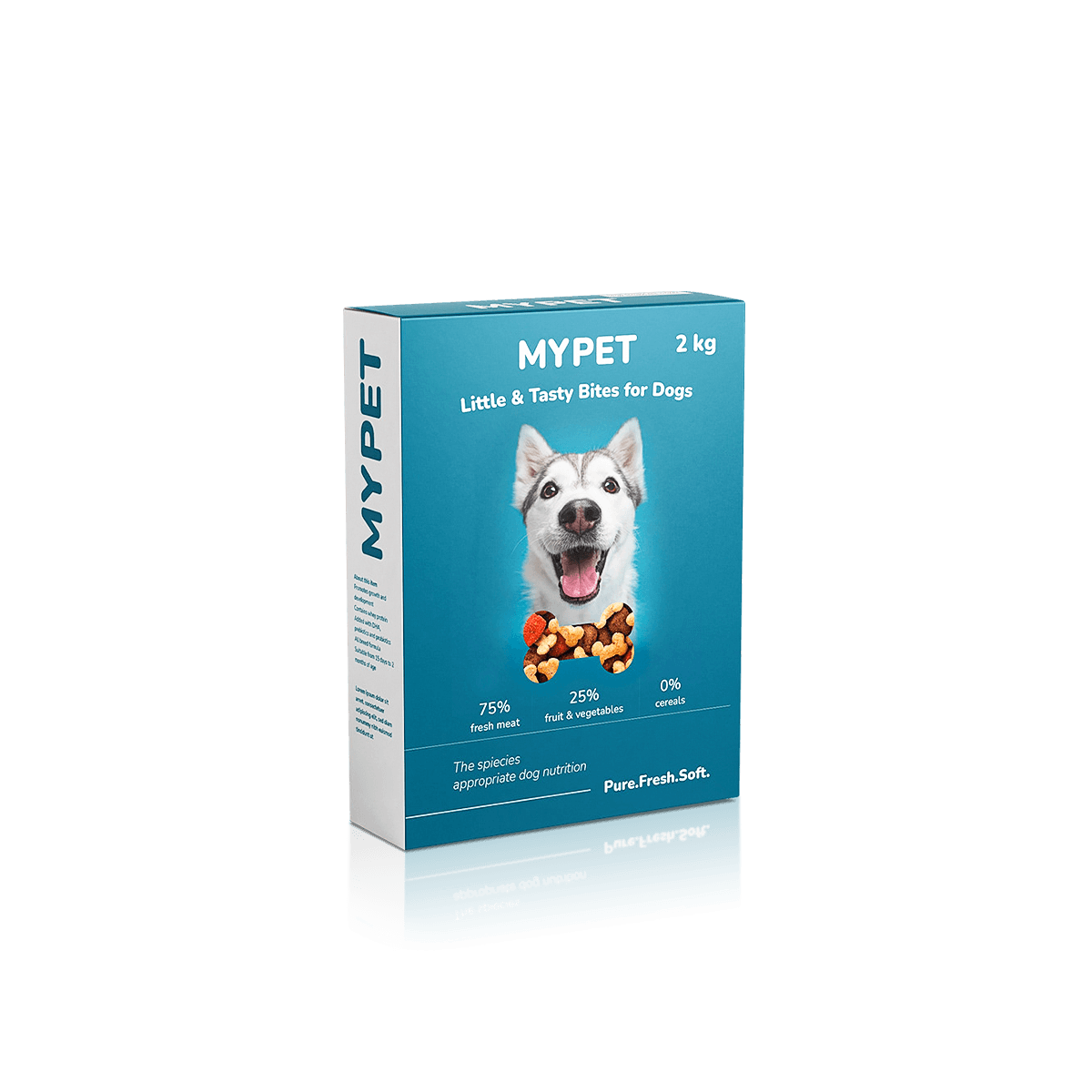
Well-planned Custom Pet Food Boxes help pet owners identify the animal, life stage, recipe, weight and feeding purpose quickly. Keep those details visible on the main panel. Use side and back panels for ingredients, nutrition, feeding directions and storage notes.
The full product line can sit within Custom Pet Product Packaging, while each carton keeps its own recipe and feeding cues easy to recognise.
Custom Pet Food Boxes Need Strength at the Filled Weight
Custom Pet Food Boxes need enough strength for the filled product, not only the empty container. Board grade, grain direction, base construction and internal fit all affect how the carton performs after a heavy tin, jar or pouch goes inside.
Start with the filled weight, then check where the pressure sits. A tall pouch may push against the side walls. A round tin may roll inside a loose carton. Several sachets may slide and make the front panel bulge.
Moisture and aroma belong to the inner item
For Custom Pet Food Boxes, the outer carton can improve handling and presentation, but it does not automatically provide a food barrier. Dry, oily, frozen and wet foods have different needs. The inner pouch, tray, tin or liner must suit the product and storage conditions.
Australian pet food suppliers commonly use sealed stand-up pouches and flat-bottom bags where barrier performance and reclosure matter. Custom Pet Treat Pouches can manage that inner function, while cartons add grouping and print space.
Weight and movement affect board choice
Light sachets may suit paperboard. Heavier tins, jars or large inner pouches may need thicker paperboard, a stronger bottom or corrugated board.
Custom Pet Food Boxes should hold the product without excessive empty space. Too much room lets the contents strike the walls. Too little room can stress folds, distort panels or make the carton hard to close.
Choose a Carton That Suits Filling and Shelf Handling
Custom Pet Food Boxes should support the filling method and the way the product sits in store. Hand-filled short runs may suit a simple tuck carton. Faster filling can benefit from a pre-glued base. Heavy contents may need a stronger bottom or corrugated outer.
Tuck cartons for light inner containers
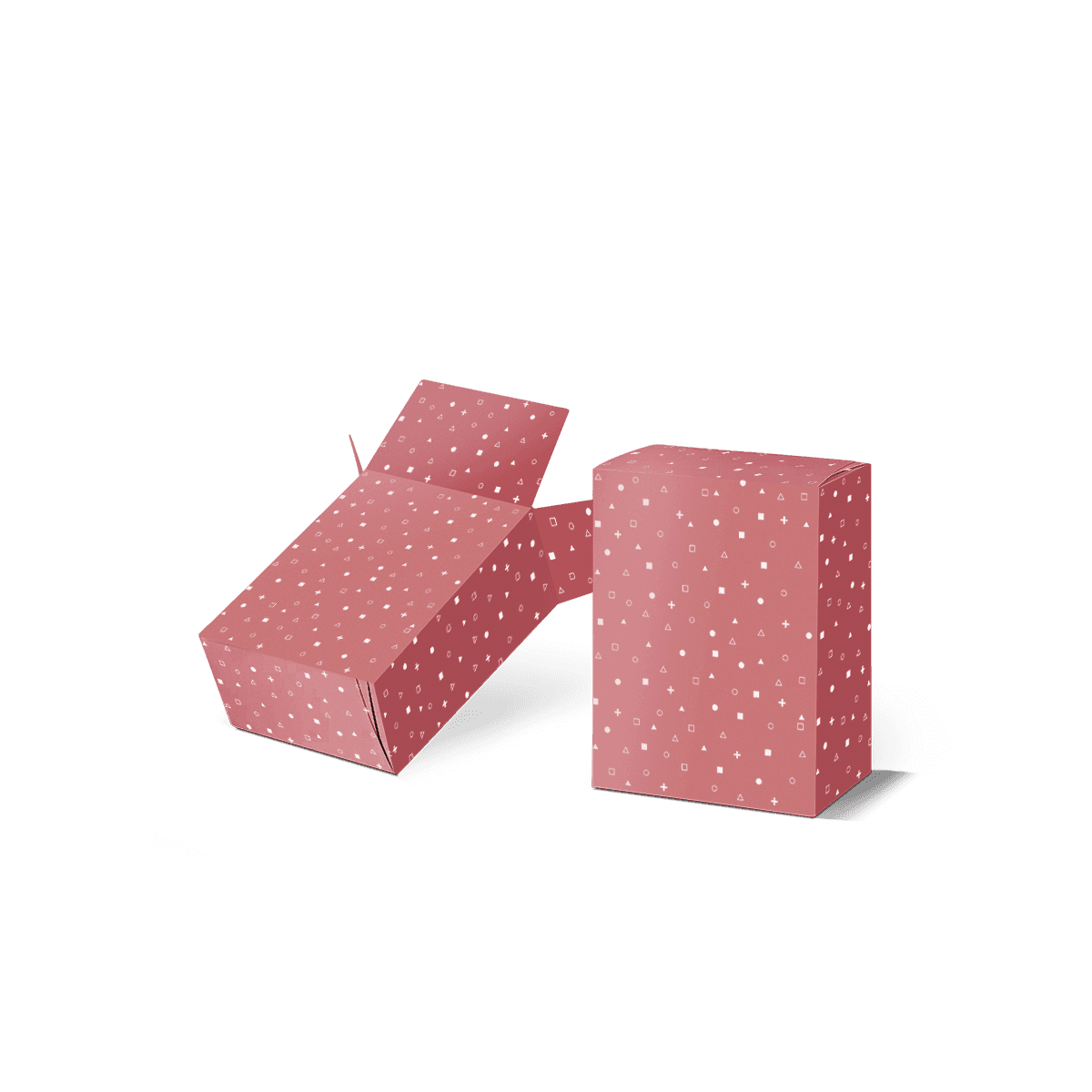
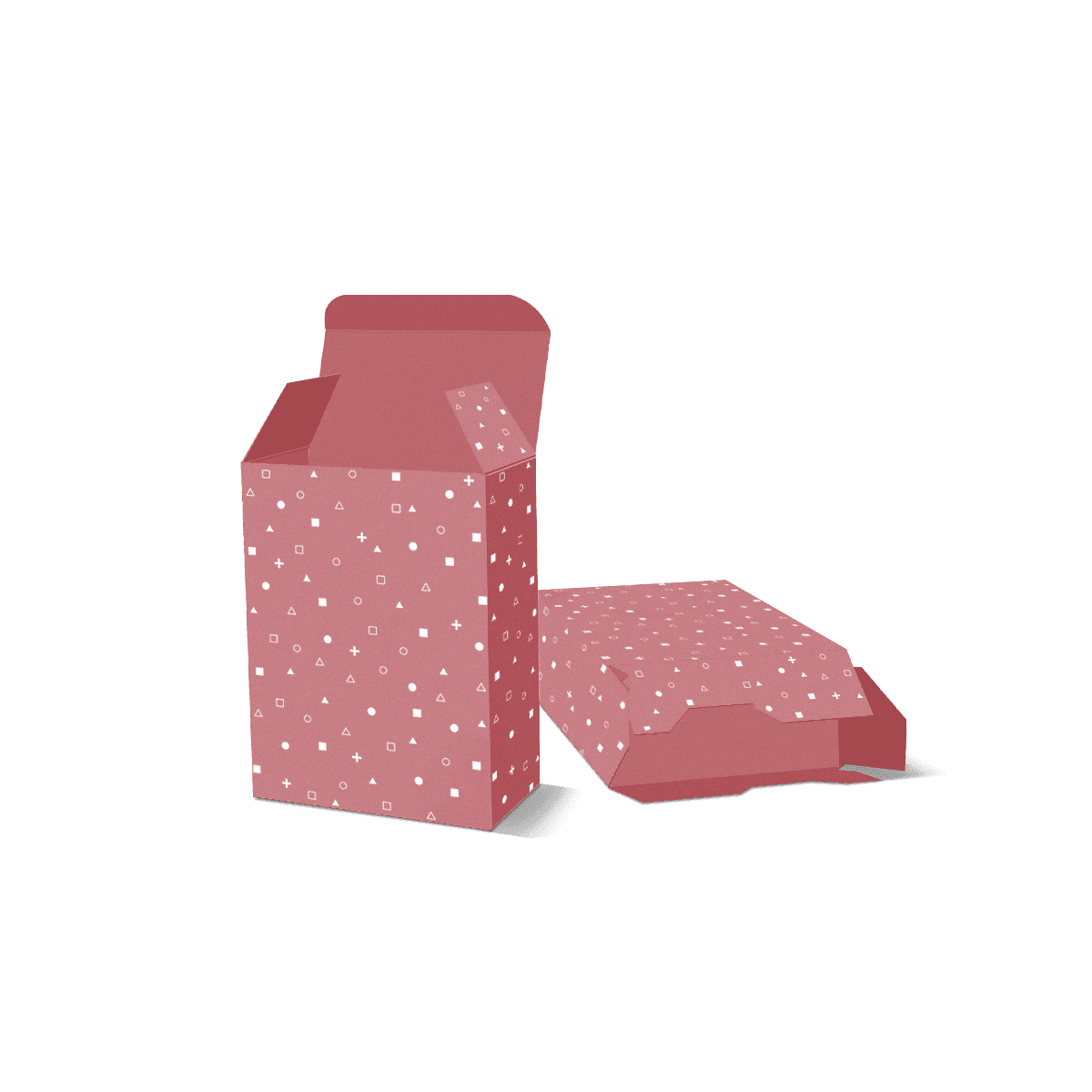
Simple Custom Pet Food Boxes with straight or reverse tuck closures suit many light pouches, sachet groups and small jars. They arrive flat, use little storage space and provide large printable panels.
Custom Folding Cartons and Tuck Boxes can be sized around the filled item. Set the loading direction, closure style and panel order before artwork starts.
Pre-glued bases for faster filling
An auto-bottom base opens into position with less manual locking. It can help when staff must fill many cartons in one session. The base still needs to suit the total weight and pressure points.
For tins or jars, confirm whether the product enters from the top and whether the lid needs clearance. Small dimension changes can improve filling speed and prevent scuffed labels.
Corrugated outers for heavier units
Heavy items or multi-unit orders may need corrugated board. Plan the retail carton and shipping outer together, since a neat shelf box can still arrive damaged inside an oversized delivery carton.
Give Essential Pet Food Information Room to Breathe
Custom Pet Food Boxes provide more print space than a small sachet or tin label. Use that space to make product selection easier rather than filling every panel with competing claims.
The brand and product name should lead. Species, life stage, recipe and net weight should follow. Feeding directions and detailed information can move to secondary panels.
Species, life stage and recipe cues
Dog, cat, puppy, kitten, adult and senior items should not rely on colour alone. Use clear words, distinct imagery and consistent placement. Colour can support the difference, but the item should remain easy to identify without it.
For recipe variations, keep the same brand structure and change one controlled cue, such as a colour band, ingredient image or recipe name.
Nutrition, feeding and coding areas
Artwork for Custom Pet Food Boxes must leave enough space for required product information, feeding instructions and verified claims supplied by the brand. Avoid shrinking key text to make room for decoration.
Reserve clean areas for barcodes, date coding and batch information. Keep these zones away from folds, textured finishes and dark artwork unless the coding method has been tested.
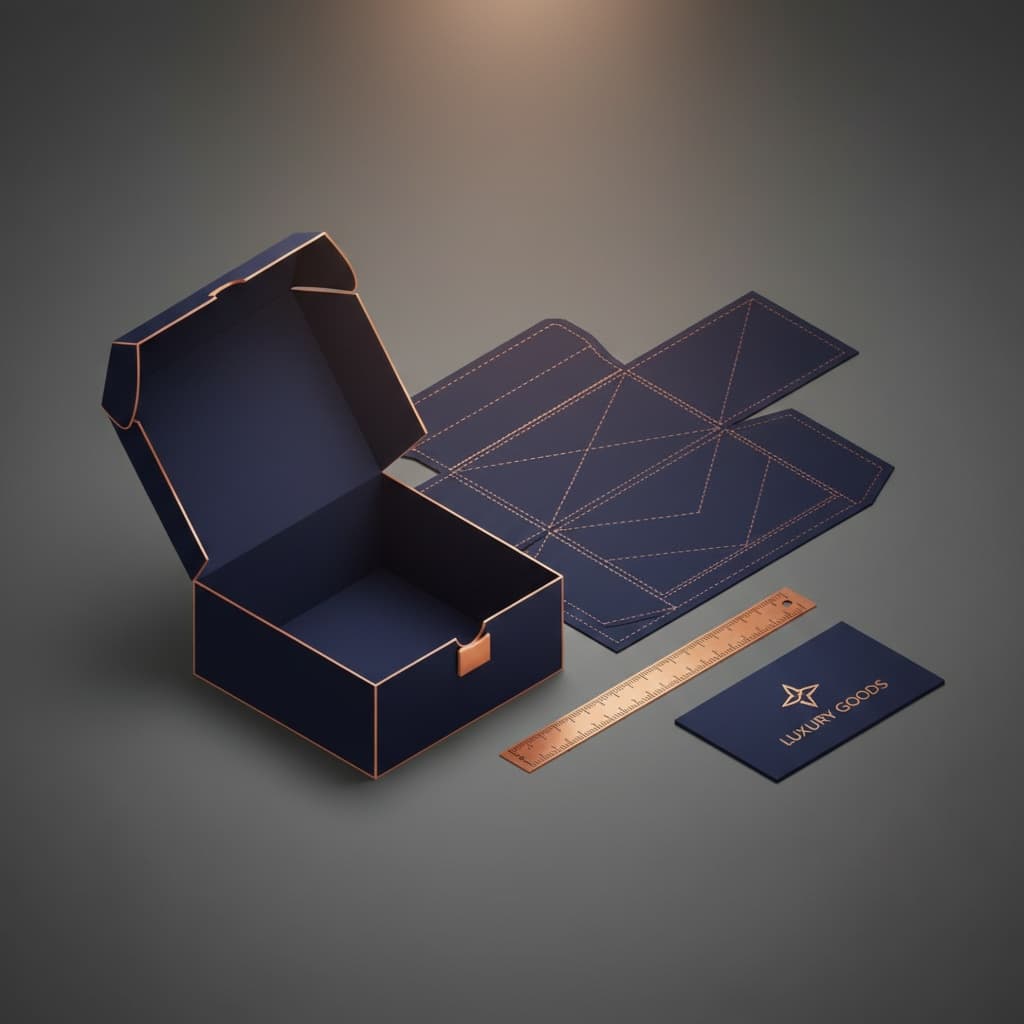
A print-ready layout must also allow for glue areas, tuck flaps and safety margins. Customisation can help organise print, finishes and panel placement around the chosen carton.
Custom Pet Food Boxes Must Fit the Filled Product
Custom Pet Food Boxes should be measured from the real filled item. Empty pouches and unfilled sachets do not show the final thickness, base gusset or seal shape. Tins and jars also need clearance for rims, lids and labels.
Measure the widest filled points
Measure length, width and height at the widest points. For a pouch, check the base gusset, top seal and zipper area. For sachet groups, stack the actual quantity and note whether the group compresses.
Add only the clearance needed for loading and removal. An oversized carton can crease, feel weak and waste space in master cartons.
Inserts for tins, jars and mixed units
Inserts can separate tins, stop jars from rolling or hold a scoop beside a pouch. They are most useful when the contents have different heights, hard edges or delicate labels.
Custom Inserts and Dividers can use paperboard or corrugated structures depending on the load. The insert should steady the item without making the box slow to fill.
Windows that keep the structure sound
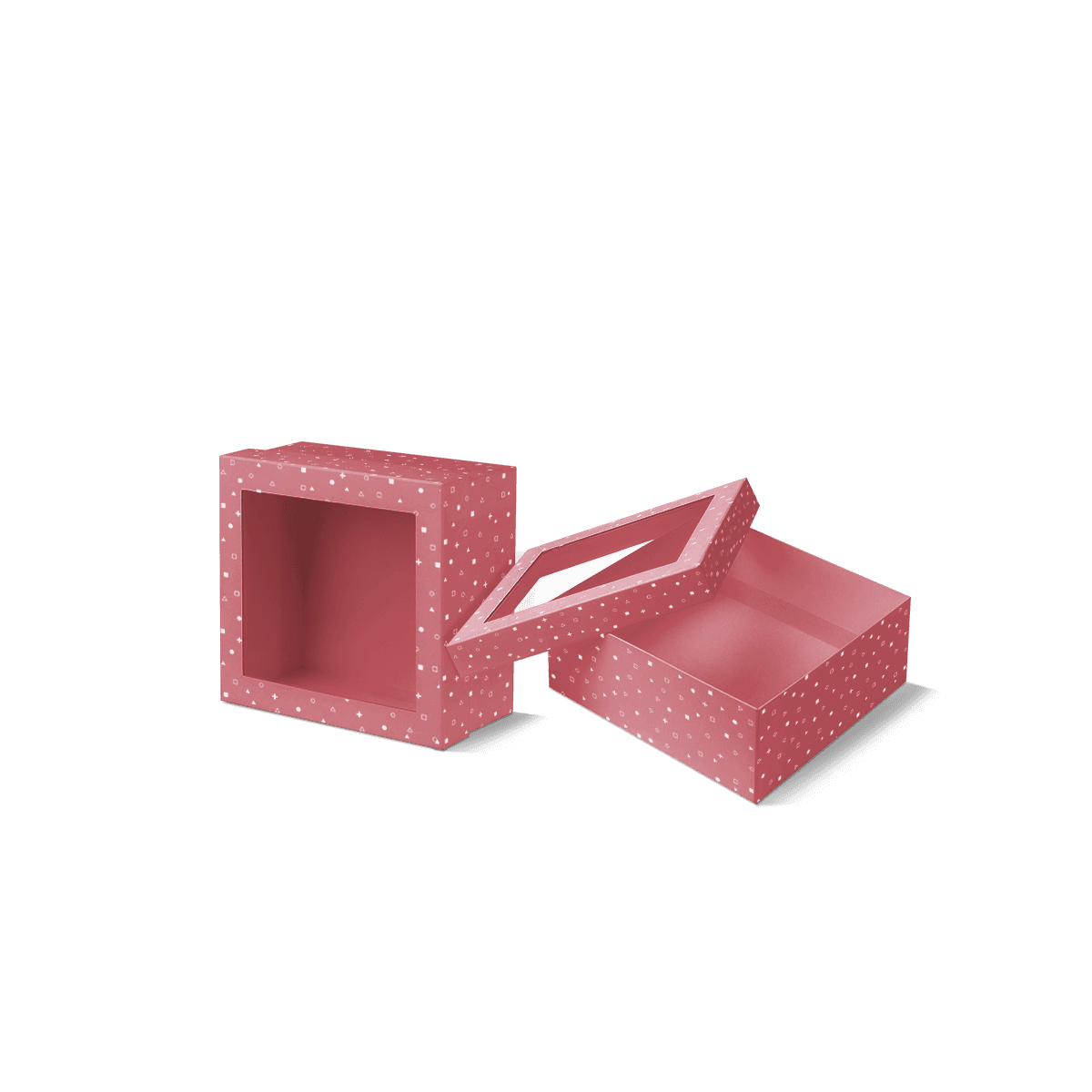
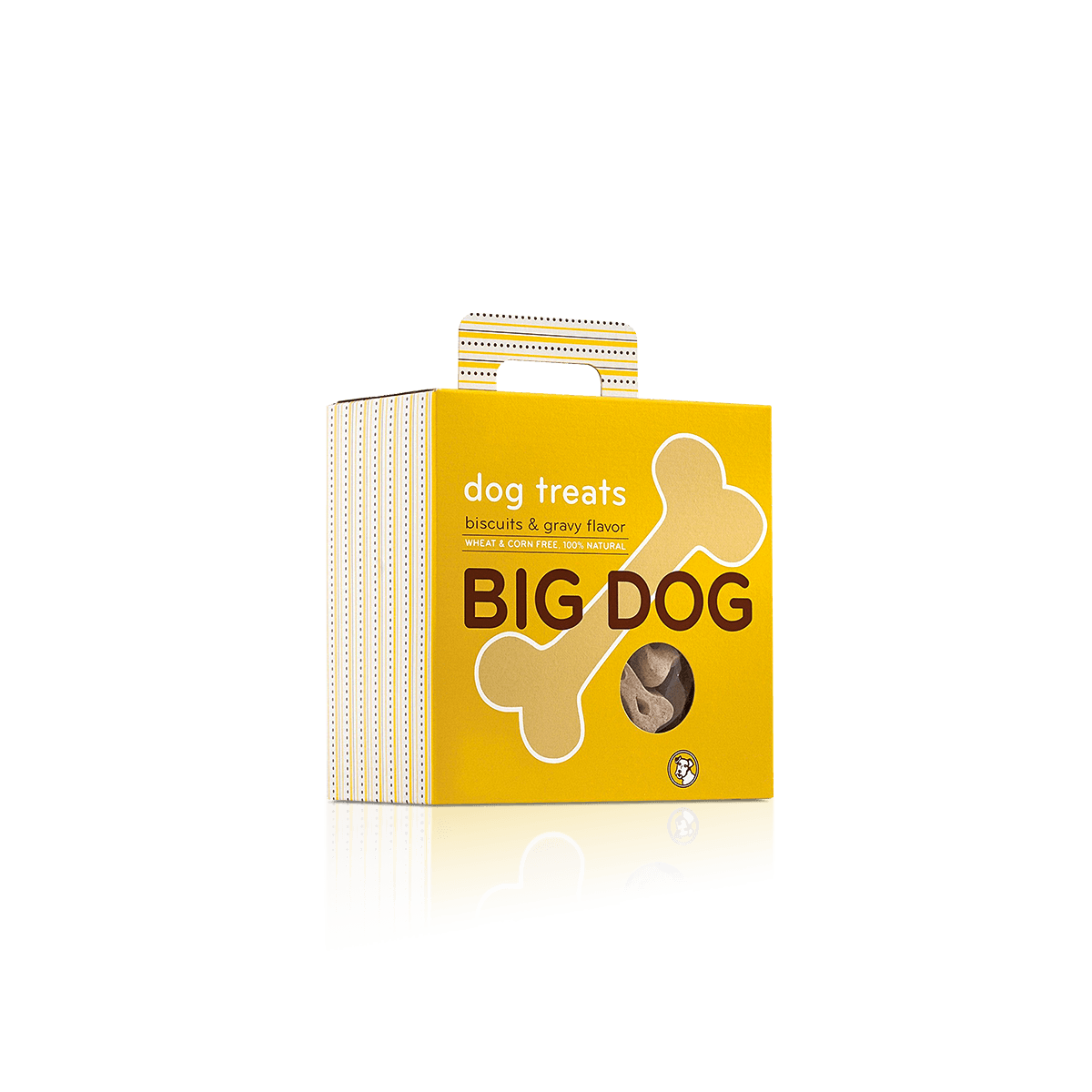
A window can show an inner pouch, tin label or product colour. It should not remove too much strength from a weight-bearing panel. The opening must also leave room for the product name, species and net weight.
For exposed food, do not rely on an open cut-out. A suitable sealed inner item or confirmed barrier is needed.
Test Custom Pet Food Boxes for Shelf Display and Delivery
Custom Pet Food Boxes may perform well on a shelf but need more support during delivery. Check both uses when the same item is sold in stores and online.
Stable faces for retail shelves
The base should sit flat. Front panels should resist bowing. The top closure should stay neat after filling. If several recipes sit together, the identifying cue should remain visible from the normal viewing angle.
Shelf-ready trays can group smaller cartons and keep the front row organised. Confirm how many units sit across the shelf and how staff replenish them.
Protection inside delivery boxes
For ecommerce orders, test the retail carton inside the chosen mailer or shipping box. Heavy tins can crush light cartons. Loose jars can damage nearby items. Sachet cartons can bend if empty space is not controlled.
Use the actual contents, insert and outer box during testing. The test should also reflect the number of units normally sent in one order.
Select Materials and Finishes for Clear Pet Food Branding
Custom Pet Food Boxes can use white paperboard, kraft board or corrugated board. The best choice depends on weight, surface appearance, print coverage and delivery risk.
White paperboard for detailed print
White paperboard gives a clean base for colour, small text and product photography. It suits cartons that need clear recipe differences and detailed feeding information.
Premium offset printing can support consistent artwork across several box sizes. Pantone references may help when a specific brand colour must remain stable.
Kraft board for a natural surface
Kraft board can support a simple, earthy look. Colours may appear more muted because the brown surface affects the result. A white ink layer may be needed for some artwork, subject to the print specification.
Do not use the board alone as proof of sustainability. Claims should match the complete construction, coatings, window film, adhesives and local disposal options.
Finishes with a clear job
Matte or gloss lamination can alter feel and scuff resistance. Spot gloss, foil or embossing can highlight a brand mark or product name. Keep finishes away from coding zones and small feeding text.
Custom Pet Food Boxes for everyday food often gain more from strong colour control, clear type and a reliable structure than from several decorative effects.
Keep Recipe and Size Variations Easy to Recognise
Custom Pet Food Boxes may cover dog and cat recipes, different life stages and several weights. Keep the logo, type style and information order consistent, then change recipe colours, animal imagery or ingredient cues in a controlled way.
A large-carton layout may become cramped on a trial box. Small cartons need shorter claims and larger essential text.
A 3D mock-up can confirm panel order and artwork flow. Use a physical sample when a heavy item, window, unusual insert or complex closure creates a real fit risk.
Start Custom Pet Food Boxes With One Proven Structure
MOQ starts from 50 for Custom Pet Food Boxes, which can suit a new recipe, trial size or seasonal design. Custom Packly also supports thousands of units and ongoing production as the product line grows.
Prove the carton size, base strength and loading method before adding several finishes or artwork versions. Future designs can use the approved technical layout when dimensions stay unchanged.
Local production is generally planned around 4 to 6 days after artwork and specifications are approved, subject to the confirmed construction and schedule. Share the required date early.
Quote Custom Pet Food Boxes From the Real Contents
A useful quote for Custom Pet Food Boxes needs the filled product dimensions and total weight, not only a desired box size. Include:
- The pet food type and whether it touches the board
- The sealed inner item, such as a pouch, sachet, tin, jar or tray
- Filled length, width, height and weight
- Number of units inside each carton
- Retail, subscription or ecommerce use
- Preferred opening and loading direction
- Window, insert or divider needs
- Quantity for each box size and artwork version
- Print coverage, finish preferences and artwork status
- Required delivery date and destination
The Dieline Tool can support suitable carton structures where available. Send the real product details through Get a Quote for an exact recommendation.
FAQs
Related Industries
Related Packaging Styles
How it works
Simple steps from idea to delivery
Tell Us Your Specs

Tell Us Your Specs
Provide size, quantity, printing, and finishes.
Get a Fast Quote

Get a Fast Quote
Instant transparent pricing, no hidden fees.
Design and Approval

Design and Approval
Artwork checks, revisions, and final sign-off.
Produce

Produce
Expert manufacturing to meet deadlines.
Ship to Your Door

Ship to Your Door
Hassle-free, flexible delivery options.
Start Your Custom Packaging Quote
Share your product details, dimensions, quantity and artwork needs. We’ll help choose the right packaging style and send a clear quote.